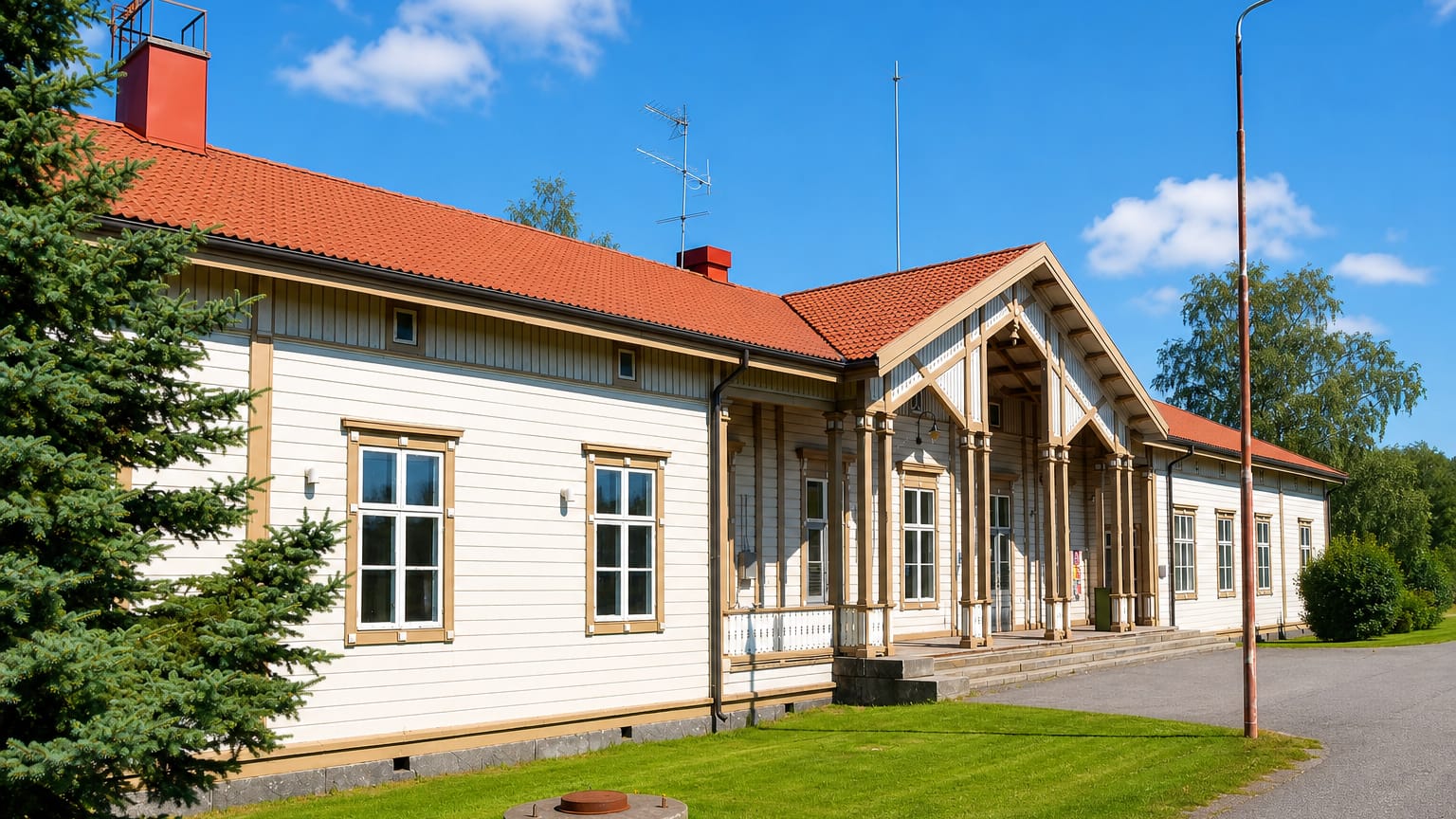
Finland · Keski-Pohjanmaa
Where to Stay in Kannus, Keski-Pohjanmaa
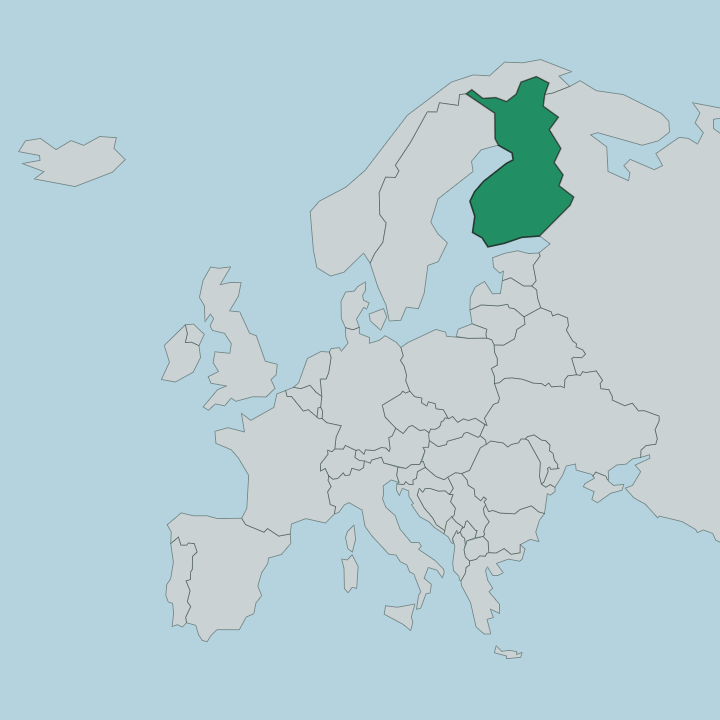
Kannus is a small town of Central Ostrobothnia in western Finland, gathered around its old church on the inland plain.
Find your area →


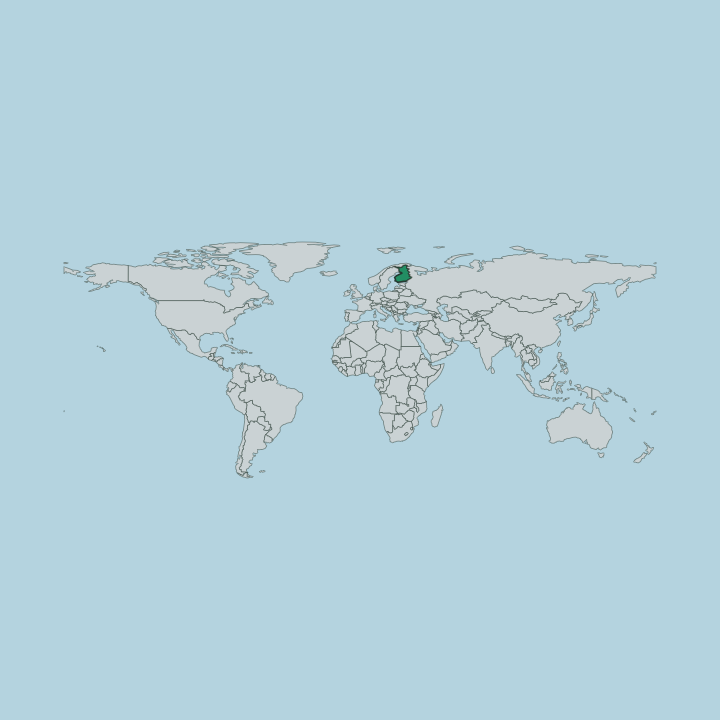
Where to stay in Kannus
The right area depends on your trip — here's what each neighbourhood is best for.
Kannus keeps a modest stock of beds, a small town of Central Ostrobothnia where a guesthouse or a roadside inn is more usual than a large hotel. The centre around the Kannuksen kirkko suits visitors who want the church, the bell tower of the Kannuksen kirkon tapuli and the town shops within an easy walk. It makes the easiest base.
Out along the sand ridges and the farmland, cabins and holiday cottages stand near the Stone Age site of Kivikangas and the esker of Seljänharju, a quiet base for the inland country of western Finland. Stock thins fast away from the centre. Many travellers instead sleep in the larger neighbouring towns of Kokkola or Kalajoki and drive in to see the parish.
Book ahead in summer, when the rooms of Kannus fill early.
About Kannus
What is Kannus known for?
Kannus is known as a small farming town of Central Ostrobothnia, a parish on the inland plain of western Finland. The wooden Kannuksen kirkko holds the centre. Its free-standing bell tower, the Kannuksen kirkon tapuli, stands beside it, the labour hall of the Kannuksen työväentalo recalls the working past of the town, and Stone Age sites such as Kivikangas mark the sand ridges around Kannus.
What are the main landmarks in Kannus?
The Kannuksen kirkko is the landmark of the town, the wooden parish church at the heart of Kannus in Central Ostrobothnia. Beside it stands its bell tower. The free-standing Kannuksen kirkon tapuli rises near the church, while the labour hall of the Kannuksen työväentalo keeps the memory of the working town.
Out on the sand ridges, the Stone Age site of Kivikangas and the esker of Seljänharju mark the long-settled country around this corner of western Finland.
What is the history of Kannus?
Kannus is old in its ground. The sand ridges around the town hold Stone Age sites such as Kivikangas, where ancient people camped on the dry banks above the wetlands of western Finland, marking the country as settled long before the parish took shape. People gathered slowly on the plain.
A farming community of Central Ostrobothnia spread along the river and the fields, and the church village grew around the wooden Kannuksen kirkko at the centre of the parish. The parish was set on its own footing when Kannus was chartered in 1859, a small inland town of farmland and forest. A bell tower came to stand beside the church.
The free-standing Kannuksen kirkon tapuli was raised near the Kannuksen kirkko, and as the working century turned, the labour hall of the Kannuksen työväentalo gave the workers of the town a meeting place of their own. Out on the plain, the esker of Seljänharju and the sand-ridge sites kept their long story, and Kannus settled into its quiet life as a small town of Central Ostrobothnia.
Where is Kannus?
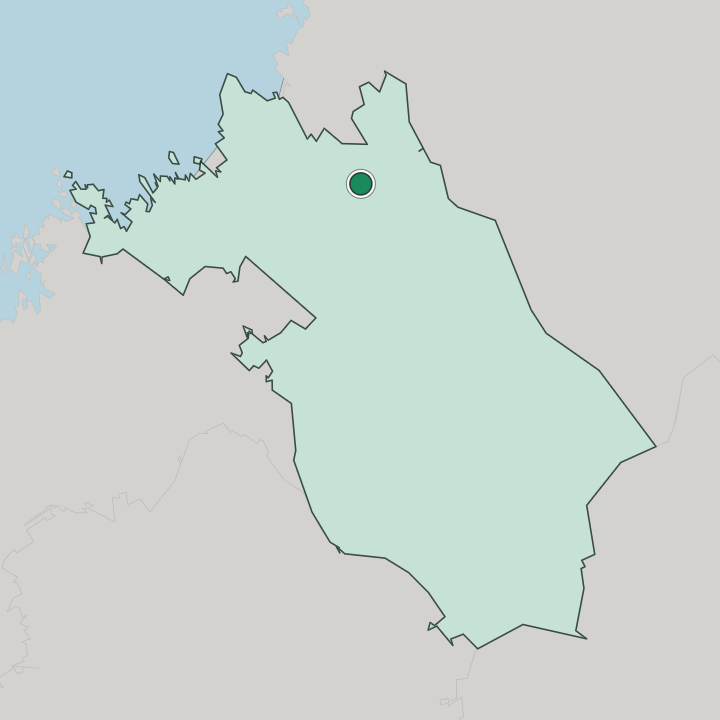
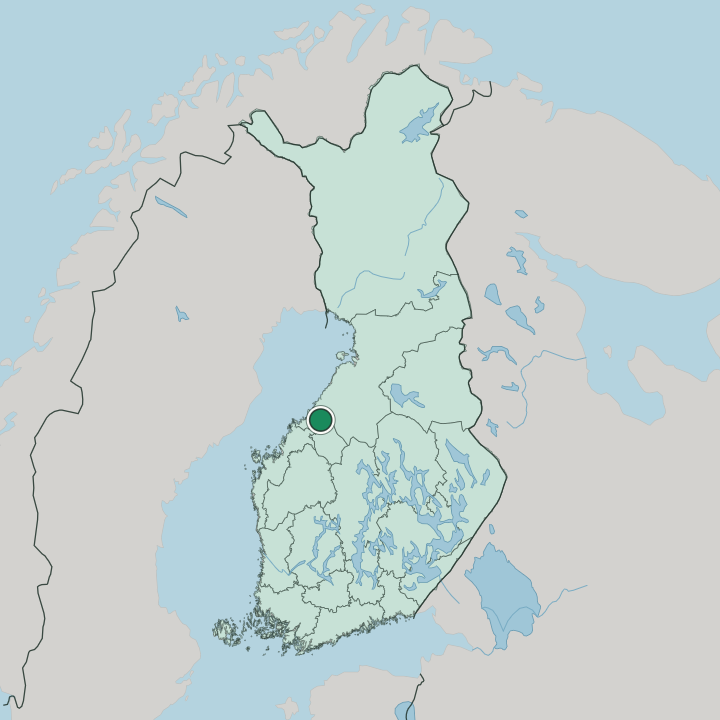
Kannus lies on the inland plain of Central Ostrobothnia, in western Finland. The town centre gathers around the Kannuksen kirkko on the low ground, with fields, forest and sand ridges spreading out around it toward the coast. Eskers cross the country.
The dry esker of Seljänharju and the Stone Age site of Kivikangas rise from the plain, and the river threads the farmland of Kannus between the neighbouring towns of Sievi and Toholampi in this corner of western Finland.
What is the climate of Kannus?
Kannus has the cold inland weather of Central Ostrobothnia, its winters long and snowbound over the fields and the sand ridges. Snow lies deep for months. Summers run mild and short across the farmland and the pinewoods around the Kannuksen kirkko, the long northern light drawing out the warm season on the plain, before the dark and the hard frost close back over this corner of western Finland.
How do you get to Kannus?
Kannus sits on the inland route through Central Ostrobothnia, linked by road and by the railway that runs the plain of western Finland. Trains stop in the town. The line and the main road carry travellers between the coast at Kokkola and the country to the south, passing the church centre by the Kannuksen kirkko.
Buses link Kannus to the neighbouring towns of Kalajoki and Toholampi, and from there the Finnish road network reaches across the wider region.
Good for
More cities in Keski-Pohjanmaa
Updated September 2026