Finland
Pohjois-Karjala, Finland — Towns & Travel Guide
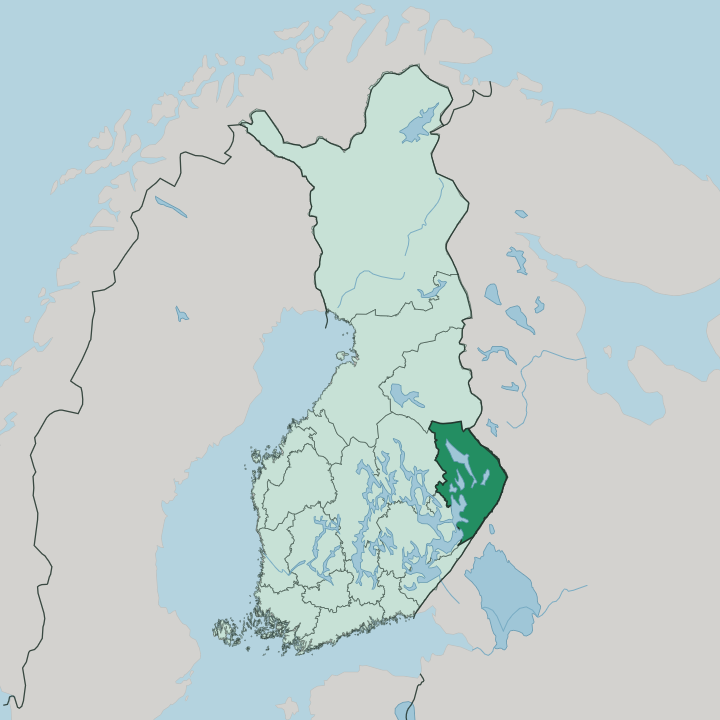
Pohjois-Karjala is the easternmost region of Finland, a forest-and-lake borderland next to Russian Karelia around Joensuu.
Find your area →


Towns & cities in Pohjois-Karjala
Pick a town or city — each links to where to stay.
 Finland
Joensuu
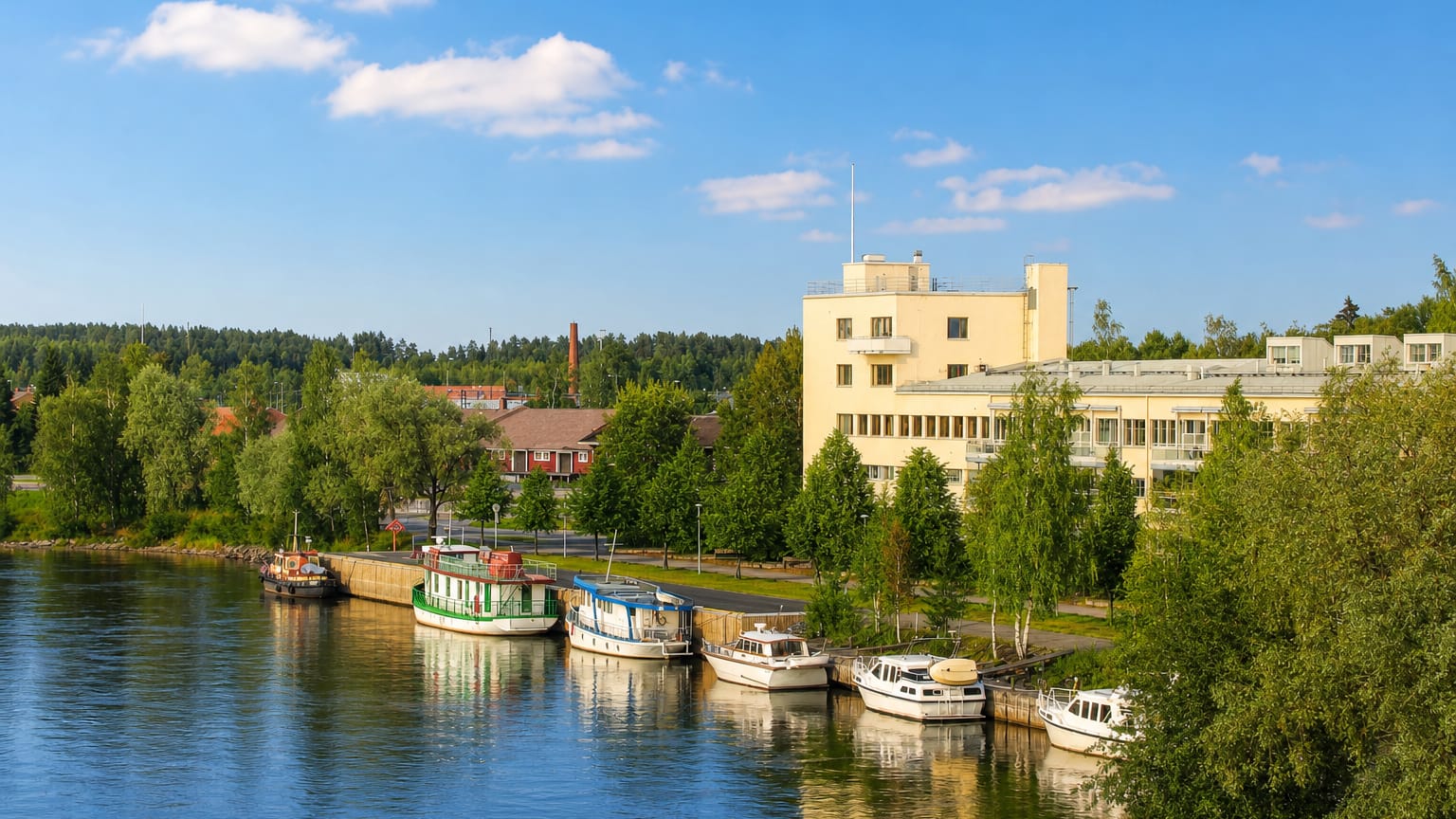
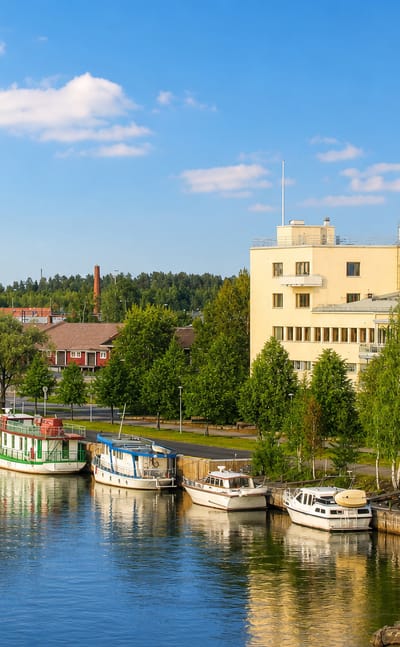
Joensuu is the capital of North Karelia in eastern Finland, set where the Pielisjoki river enters the lakeland.Where to stay →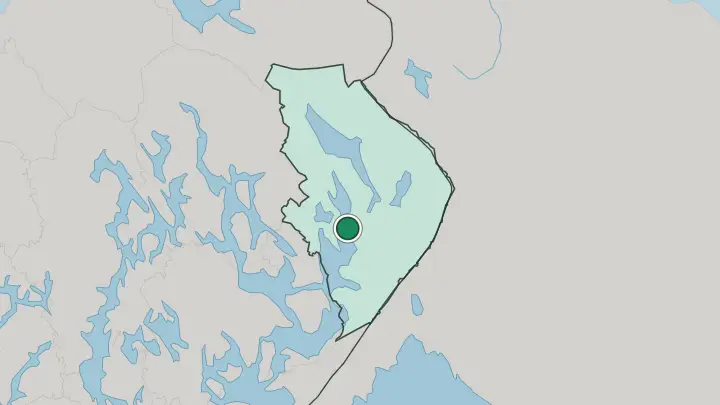
 Finland
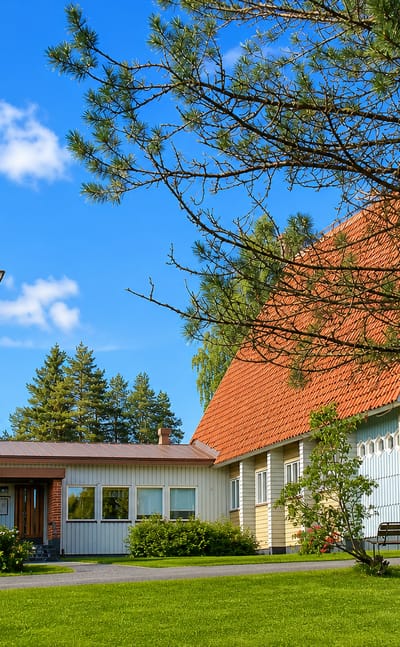
Kontiolahti
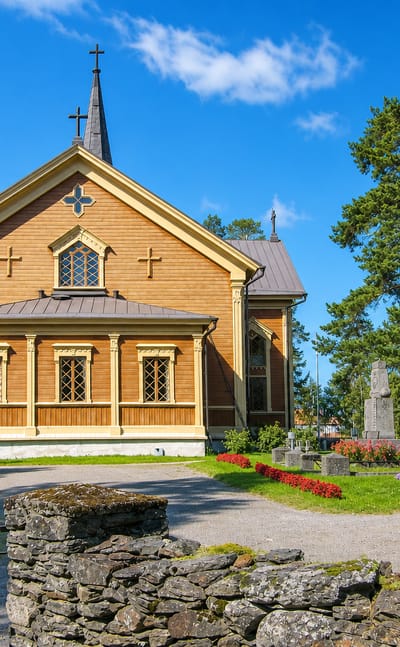
Kontiolahti is a lakeland municipality of Pohjois-Karjala in eastern Finland, just north of Joensuu.Where to stay →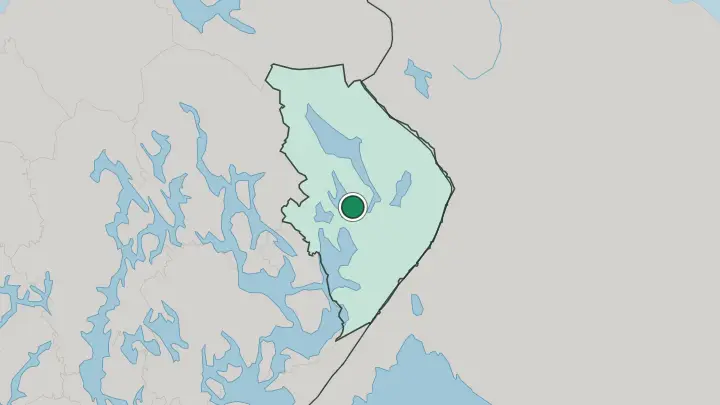
 Finland
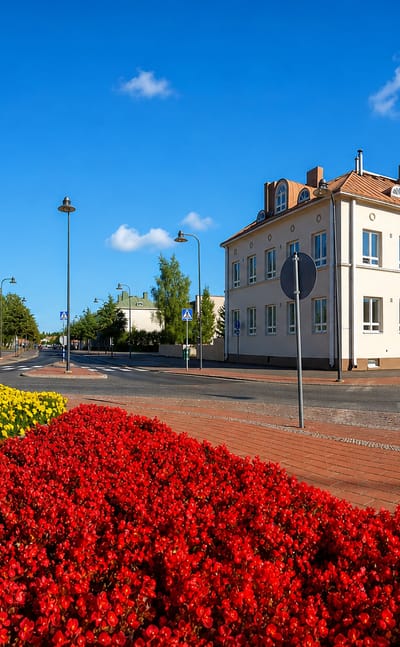
Liperi
Liperi is a lakeland municipality in Pohjois-Karjala, eastern Finland, set among water and farmland.Where to stay →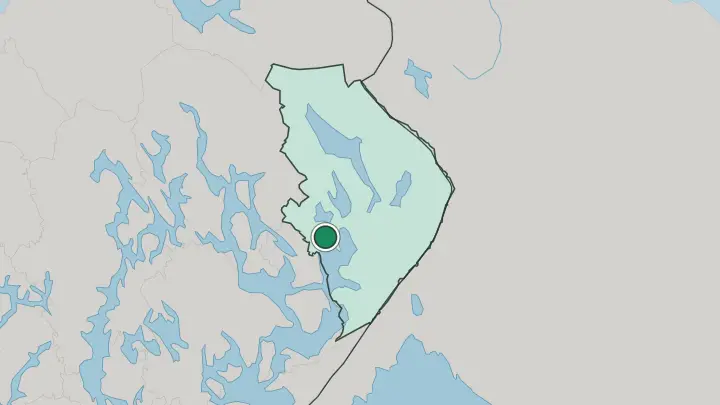
 Finland
Lieksa
Lieksa is a town in eastern Finland's lakeland, on the eastern shore of Lake Pielinen in Pohjois-Karjala.Where to stay →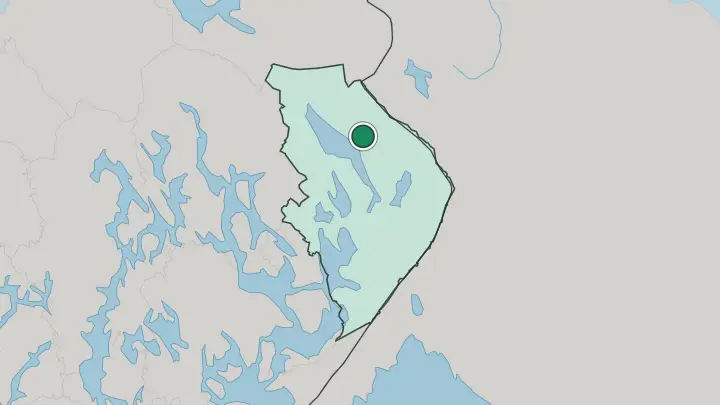 Finland
Kitee
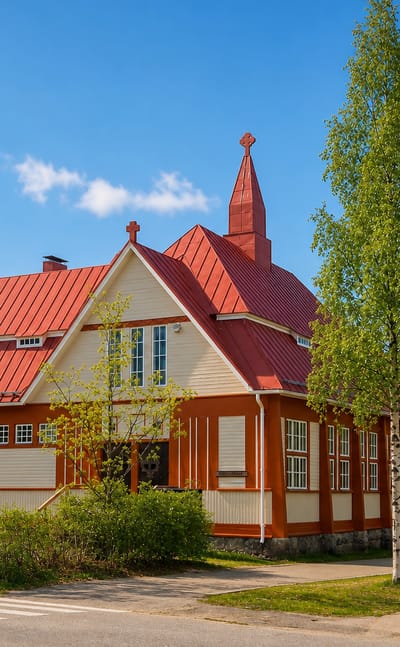
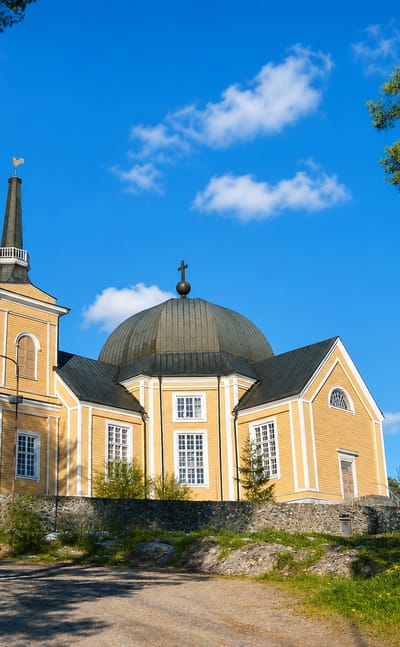
Kitee is a lakeland town of Pohjois-Karjala, in eastern Finland, gathered around the Kiteen kirkko.Where to stay →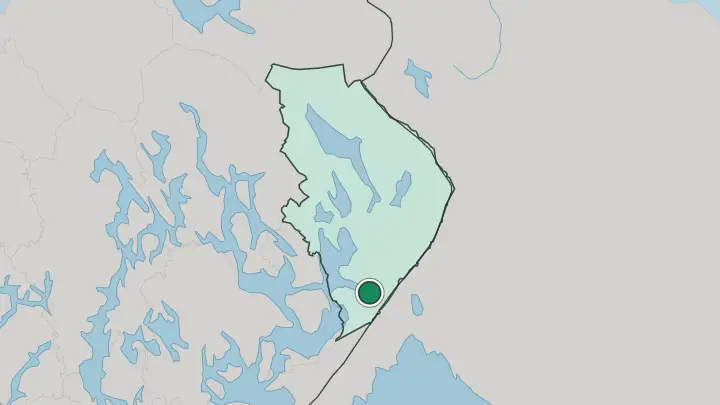
 Finland
Nurmes
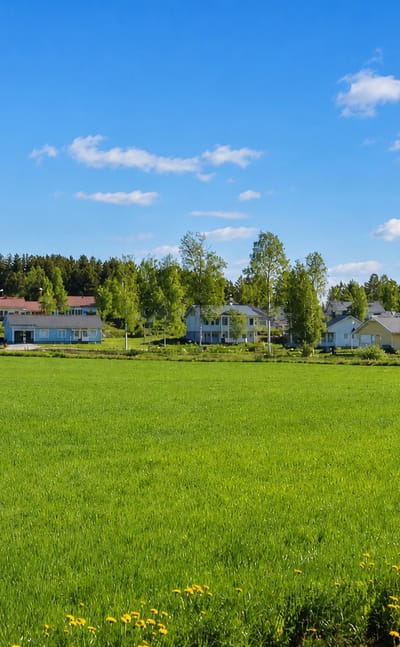
Nurmes is a lakeland town in Pohjois-Karjala, eastern Finland, in the lakeland, known for the Karelian house of Bomba.Where to stay →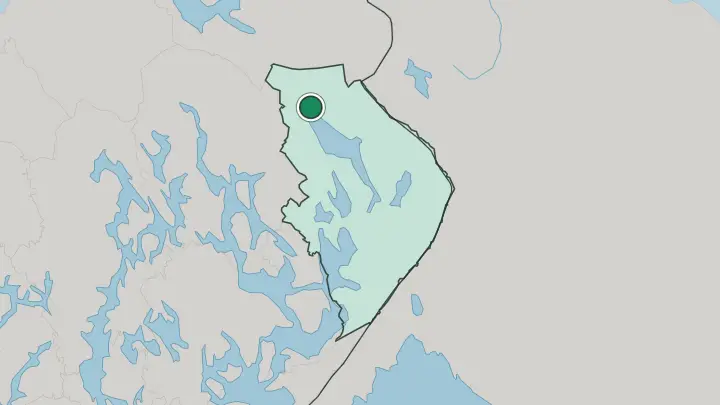
 Finland
Pyhäselkä
Pyhäselkä is a lakeland area in eastern Finland, a former municipality of Pohjois-Karjala now part of the city of Joensuu.Where to stay →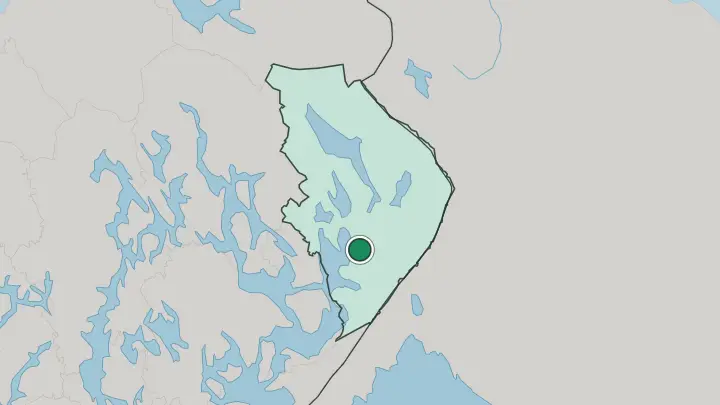
 Finland
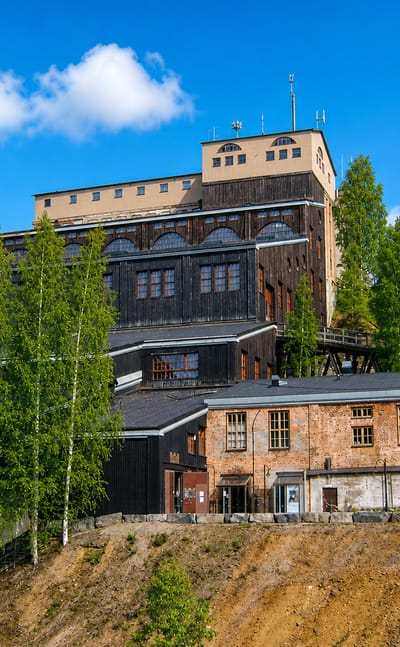
Outokumpu
Outokumpu is a mining town in Pohjois-Karjala, eastern Finland, built on the copper ore of its old lakeland mine.Where to stay →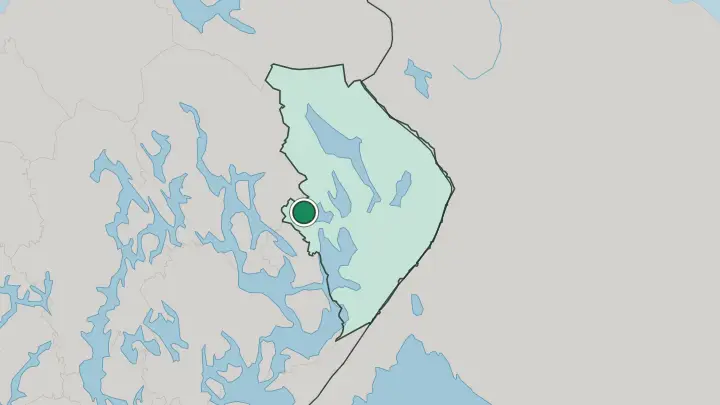
All towns & cities (15)
 Finland
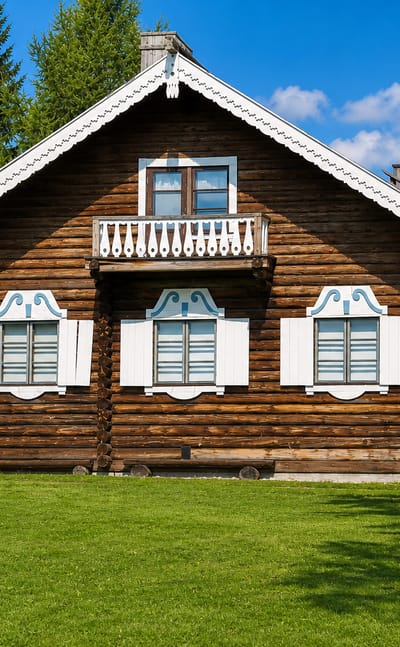
Ilomantsi
Ilomantsi is the easternmost municipality of Finland, a rune-singing parish in the Pohjois-Karjala lakeland.Where to stay →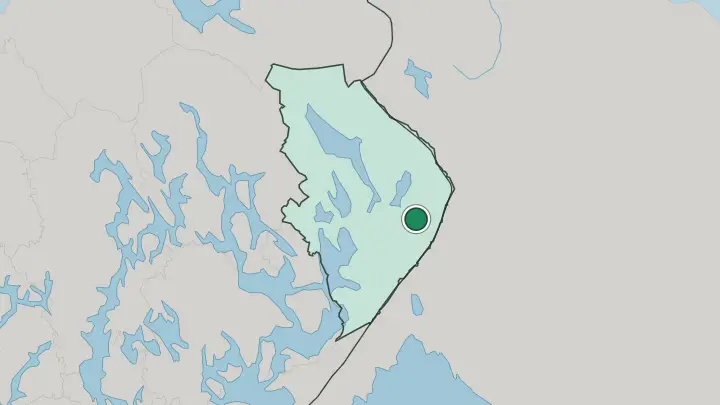
 Finland
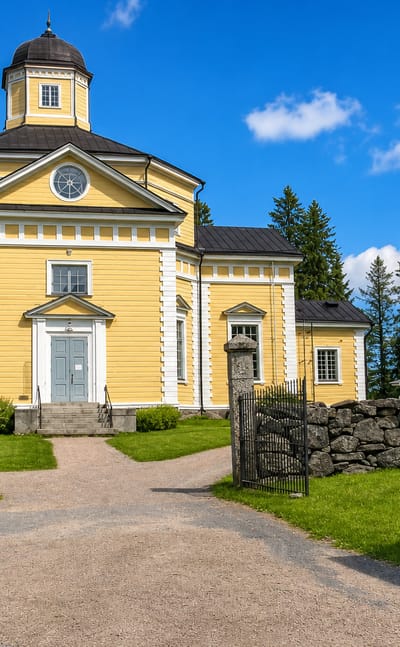
Juuka
Juuka is a lakeland municipality of North Karelia, a church town on the western shore of Lake Pielinen.Where to stay →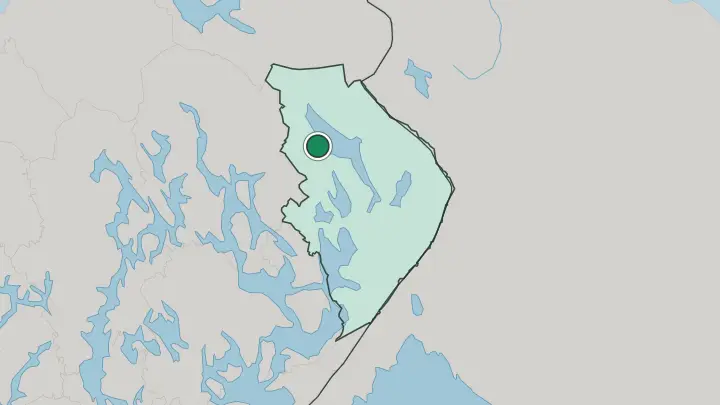
 Finland
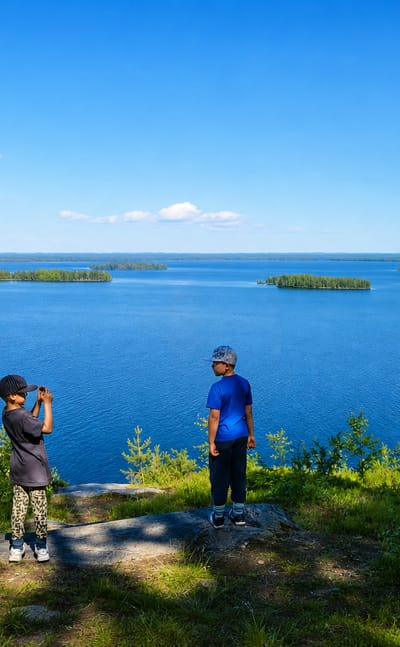
Polvijärvi
Polvijärvi is a rural municipality in Pohjois-Karjala, in the eastern Finnish lakeland, with both a Lutheran and an Orthodox church.Where to stay →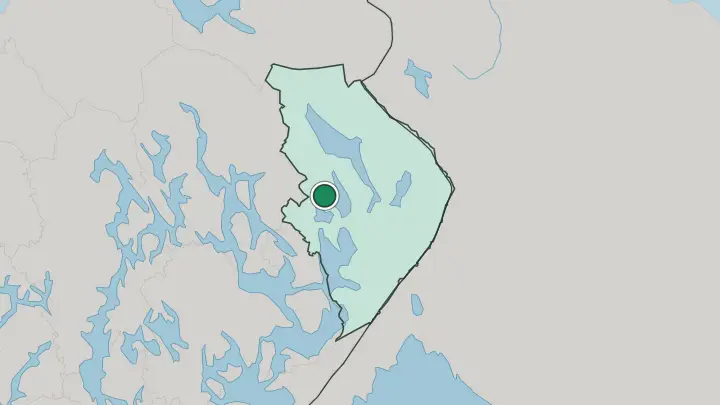
 Finland
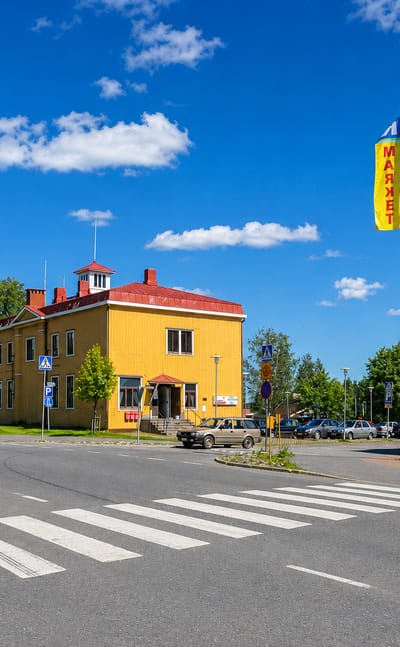
Tohmajärvi
Tohmajärvi is a lakeside municipality in Pohjois-Karjala, in eastern Finland, in the lakeland near the Russian border.Where to stay →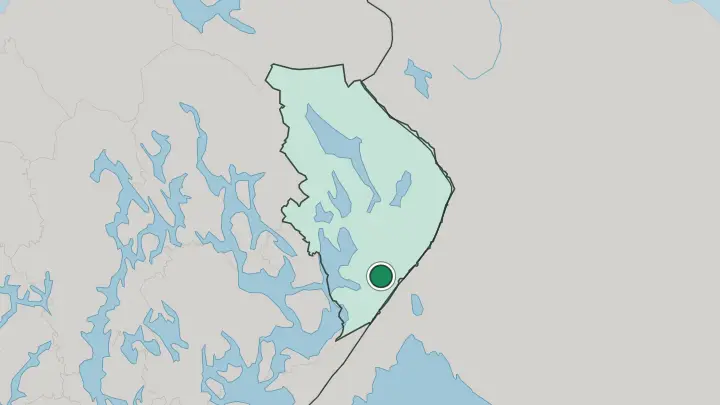
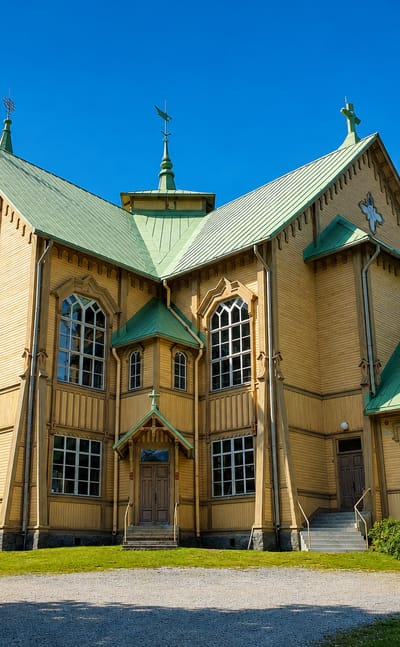 Finland
Heinävesi
Heinävesi is a lakeland municipality of Pohjois-Karjala, in eastern Finland, known for its Orthodox convent and canals.Where to stay →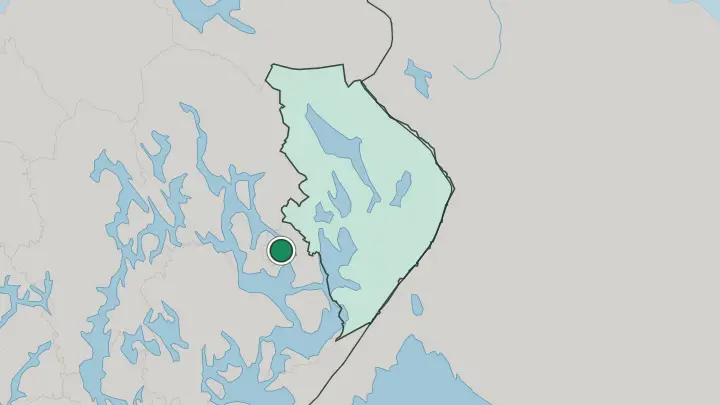
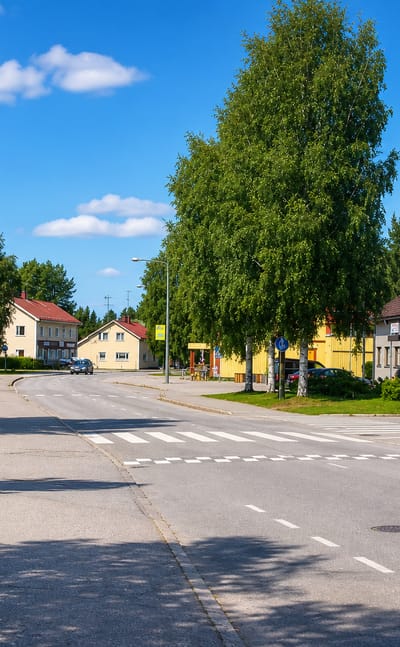 Finland
Valtimo
Valtimo is a lakeland locality in eastern Finland, in Pohjois-Karjala, known for the farm museum of Murtovaaran talomuseo.Where to stay →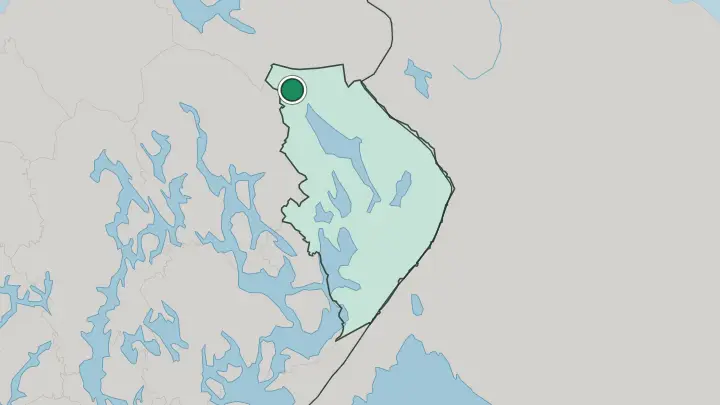
 Finland
Rääkkylä
Rääkkylä is a small lakeland municipality in eastern Finland, a Pohjois-Karjala parish chartered in 1874.Where to stay →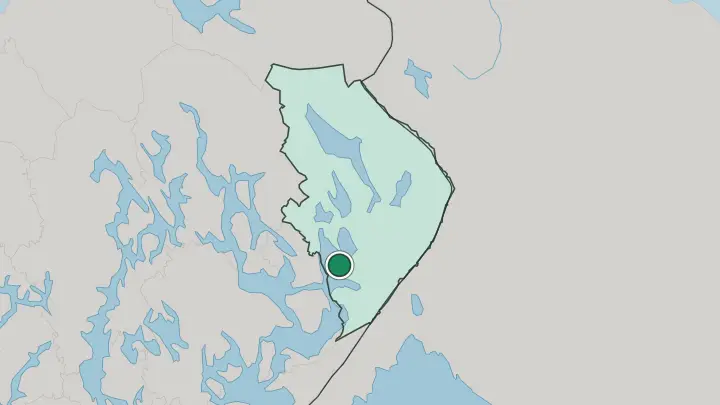
About Pohjois-Karjala
Forests, lakes, and a long eastern border mark this region.
What is Pohjois-Karjala known for?
Joensuu, its hub city, sits at the mouth of the Pielisjoki and serves as the seat of a university whose forestry research carries weight across the north. Ilomantsi keeps the country's strongest living Orthodox and Karelian folk tradition. The mining town of Outokumpu gave the world a copper field, and Lieksa opens onto the wilderness of the eastern ridges.
Border, forest, and Karelian song shape it.
Where is Pohjois-Karjala?
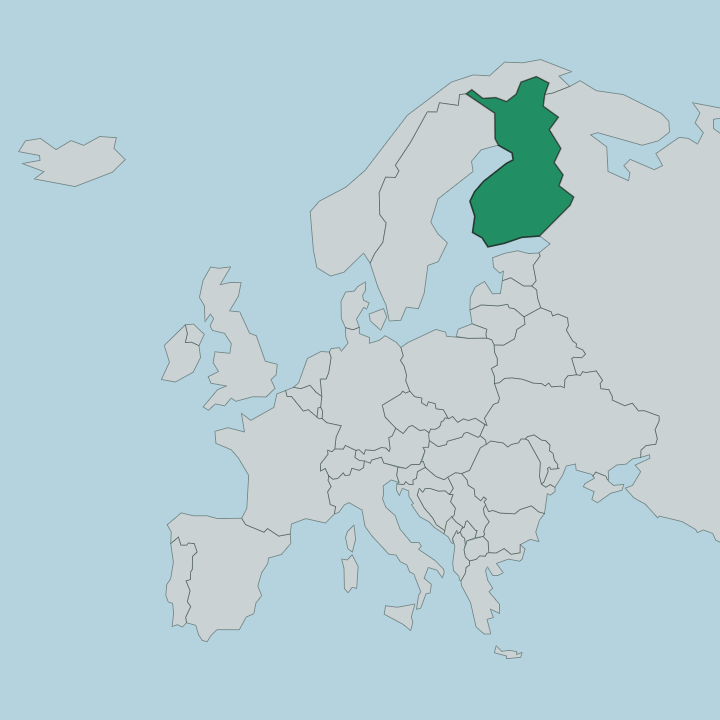
Pohjois-Karjala lies in eastern Finland, in the lakeland, pressed against the long border with Russian Karelia. It is the easternmost region of the country, a land of deep forests and great lakes laced with the rivers and rapids that link them. Joensuu sits where the Pielisjoki runs down into the lakes near the southern part of the region, the natural meeting point of its waters.
The region drains southward through the lake systems that feed the great Saimaa basin. Pielinen, its largest lake, spreads its wooded shores and islands across the north below the ridge of Koli, where the high quartz hills rise over the water and look east into the wilderness. To the north the region borders Kainuu; to the west, North Savo; to the south-west, South Savo; and to the south, South Karelia, while the long eastern edge runs against Russia.
Forest, lake, and esker repeat without end, and the far east stays wild and empty. Distance and stillness shape the interior.
What is Pohjois-Karjala like?
The region is the heart of the Karelian tradition that survived inside Finland. Its eastern parishes kept the old runic songs, the Orthodox faith, and the foodways of Karelia after the war moved the border, and much of the material that fed the national epic was gathered from the singers of this borderland. The kantele, the rye pasties, and the Orthodox feasts still mark the local year.
Ilomantsi carries the strongest of that living culture, a parish where Orthodox chapels and Karelian song endure at the very edge of the country. Joensuu gives the region its modern, urban face as a university city and a centre of forestry science on the Pielisjoki. The high hills of Koli drew the painters of the national romantic age and became a symbol of the Finnish landscape itself.
Hunting, fishing, berry-picking, and the long wilderness treks of the eastern forests fill the local life. The east still sings. Border memory, Karelian song, and a deep forest way of living together give Pohjois-Karjala its distinct, eastern character.
What is the history of Pohjois-Karjala?
This borderland changed hands for centuries. Orthodox and Lutheran, Russian and Swedish influence met and clashed along the eastern frontier, and the region long carried the deep marks of that divide on its faith and its villages. Outokumpu's copper find opened a major mine that shaped the modern economy, while forestry and farming held the rural parishes.
Joensuu grew into the hub. Founded in the nineteenth century at the mouth of the Pielisjoki, it became the seat of administration and later of the regional university.
What is the climate of Pohjois-Karjala?
Pohjois-Karjala has a cold, continental inland climate, the most easterly in the country. Winters run long, hard, and deeply snowy, with a firm cover that grips the forests and the frozen lakes for months and draws skiers to the slopes of Koli. The eastern summer is brief.
It brings long northern light and warm spells that pull people onto Pielinen and the wilderness trails through the season. The great lakes hold their heat into autumn and soften the first frosts near the shore. Here snow lies deeper and longer than in the west.
When the year closes, the eastern forests turn to colour.
How do you get to Pohjois-Karjala?
Joensuu sits at the end of the railway from Helsinki, with direct trains that cross the lakeland to the eastern city. The line is the main approach. Joensuu Airport handles light domestic traffic, and drivers come on the highways that run east from Kuopio and north from the Saimaa lakes toward the hub.
Regional buses link Joensuu with Lieksa, Nurmes, and Ilomantsi across the forests. Rail from Helsinki is simplest.
Common questions
What is the best area to stay in Pohjois-Karjala?
Joensuu: first-time visitors basing by the Pielisjoki.
Good for
More regions in Finland
Updated September 2026