Finland · Pohjois-Karjala
Where to Stay in Joensuu, Pohjois-Karjala
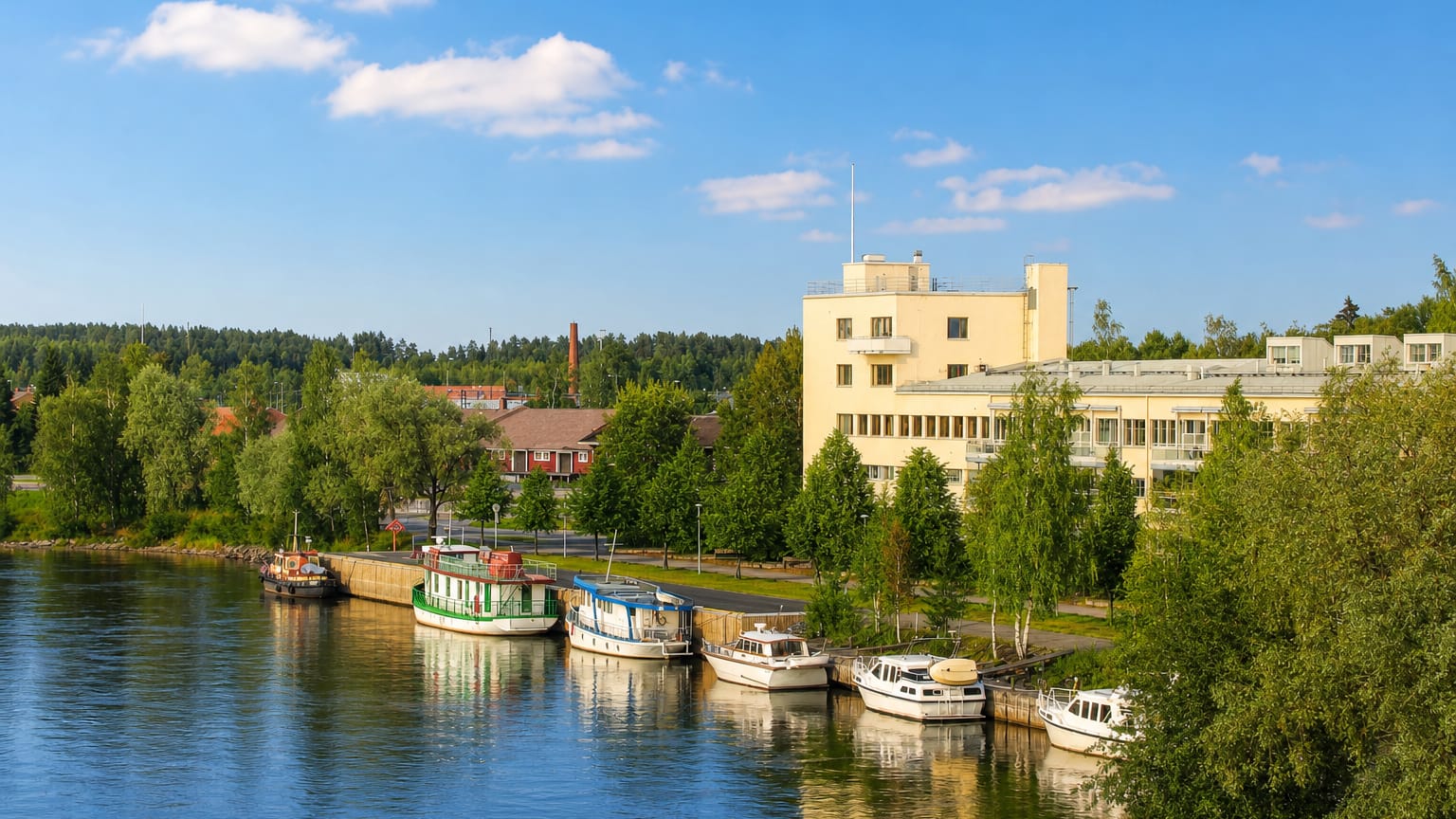
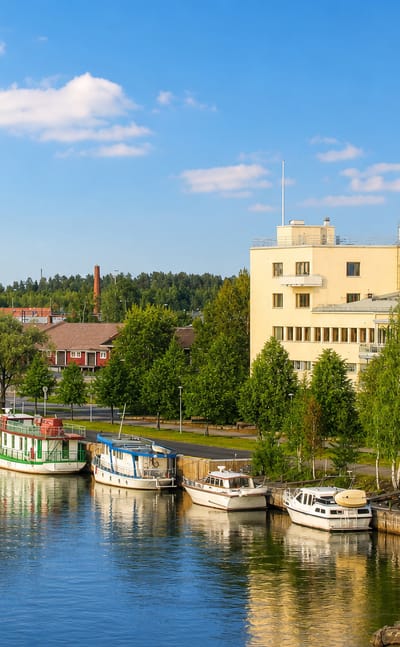
Joensuu is the capital of North Karelia in eastern Finland, set where the Pielisjoki river enters the lakeland.
Find your area →


Where to stay in Joensuu
Each area has its own feel; here's who each one suits.
 JoensuuFinland
Hukanhauta
Hukanhauta is a south-eastern district of Joensuu, a residential quarter of the North Karelian city in eastern Finland.Where to stay →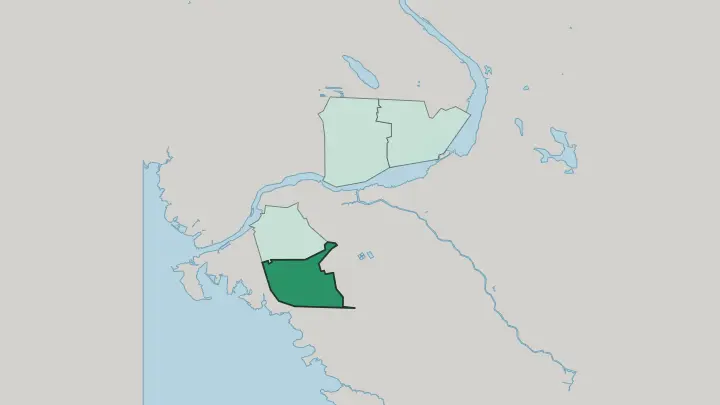
 JoensuuFinland
Niinivaara
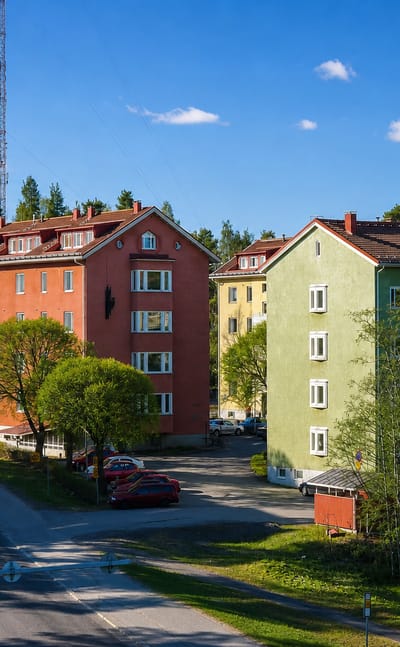
Niinivaara is a southern district of Joensuu, holding the Pohjois-Karjalan museo Hilma in the North Karelian city of eastern Finland.Where to stay →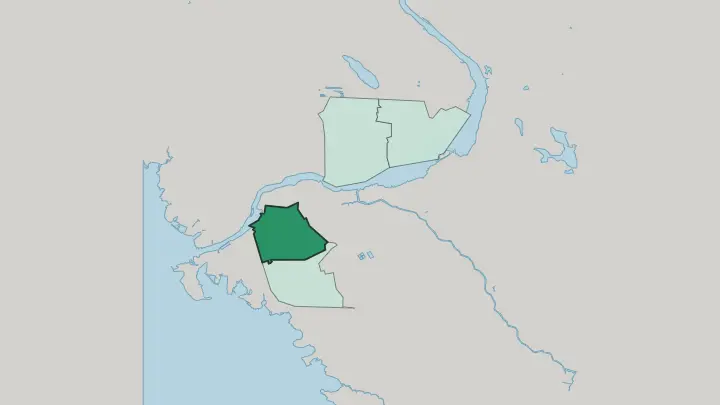 JoensuuFinland
Rantakylä
Rantakylä is an eastern district of Joensuu, a residential quarter of the North Karelian city in eastern Finland.Where to stay →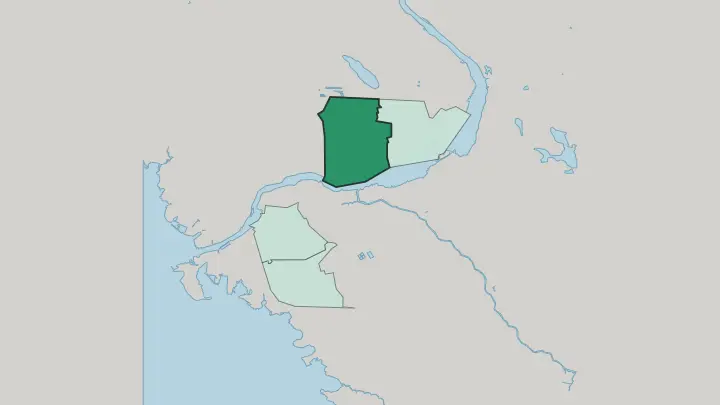
 JoensuuFinland
Utra
Utra is a north-eastern district of Joensuu, a riverside residential quarter in eastern Finland, in the lakeland.Where to stay →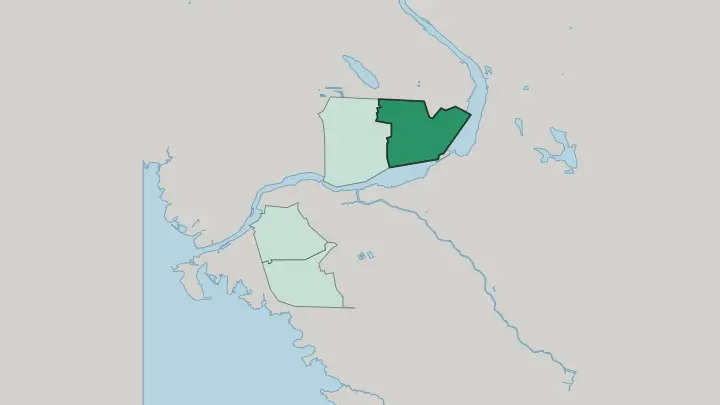 JoensuuFinland
Siihtala
Siihtala is a district of Joensuu, the city whose landmark register runs from the Pyhän Nikolaoksen kirkko to Joensuun taidemuseo Onni.Where to stay →Things to do in Joensuu
Ranked by global recognition; descriptions from Wikidata (CC0).
Museums & Galleries
2- Joensuun taidemuseo Onni
- Pohjois-Karjalan museo Hilma provincial museum
Churches & Religious Sites
3- Joensuun kirkko Heritage
- Pyhän Nikolaoksen kirkko Heritage Eastern Orthodox church
- Utran kirkko Heritage
Stadiums & Sports
1- Mehtimäen jäähalli ice hall
worth knowingacross 3 categories in Joensuu
About Joensuu
What is Joensuu known for?
Joensuu is known as the regional capital of North Karelia, the second city of eastern Finland, gathered at the outfall of the Pielisjoki where the river drops into the lakeland. The town carries the Karelian name. Its centre holds the Joensuun kirkko and the Orthodox Pyhän Nikolaoksen kirkko, and culture runs through the Pohjois-Karjalan museo Hilma and the Joensuun taidemuseo Onni, while the Mehtimäen jäähalli keeps the city's winter sport.
Karelia meets the lakes here.
What are the main landmarks in Joensuu?
The Joensuun kirkko rises over the centre of Joensuu, the Lutheran parish church of this North Karelian capital. Nearby stands the Orthodox Pyhän Nikolaoksen kirkko, a reminder of the Karelian faith of eastern Finland, and across the river the Pielisensuun kirkko serves an older suburb. Culture crowds the centre too.
The Pohjois-Karjalan museo Hilma keeps the province's story and the Joensuun taidemuseo Onni its art, the Mehtimäen jäähalli holds the city's ice sport, and the Karjalaan jääneiden vainajien muistomerkki at the cemetery remembers the lost Karelian dead by the Pielisjoki.
What is the history of Joensuu?
Joensuu was founded at the mouth of the Pielisjoki, the name meaning the river's mouth in Finnish. The town was chartered in 1848 by imperial decree on the trading ground where the river ran into the lakeland, and it grew as the market and shipping point of North Karelia, gathering the timber and goods of the eastern forests. Timber trade raised it.
The Saimaa waterways linked it south to the wider lakes, and Joensuu rose as the chief centre of this corner of eastern Finland, its parish raising the Joensuun kirkko over the streets. Karelia shaped the rest. The Orthodox faith of the borderland gave the city the Pyhän Nikolaoksen kirkko, and the wars of the twentieth century cut hard through North Karelia, the lost ground east of the new border remembered in the Karjalaan jääneiden vainajien muistomerkki at the cemetery.
The city later gathered the province's memory in the Pohjois-Karjalan museo Hilma and its art in the Joensuun taidemuseo Onni. A university came to Joensuu in the modern era, and the once-small river town became the second city of eastern Finland, holding the regional capital of North Karelia on the banks of the Pielisjoki.
Where is Joensuu?
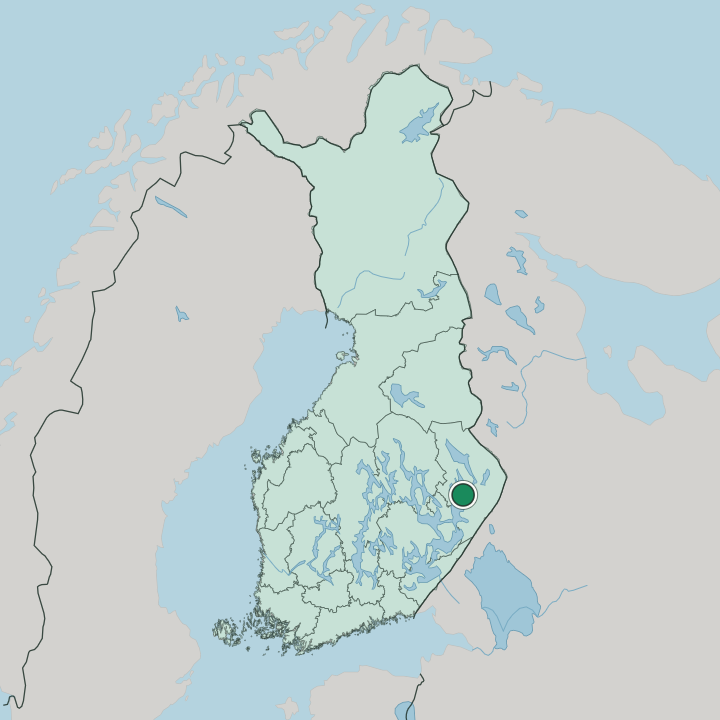
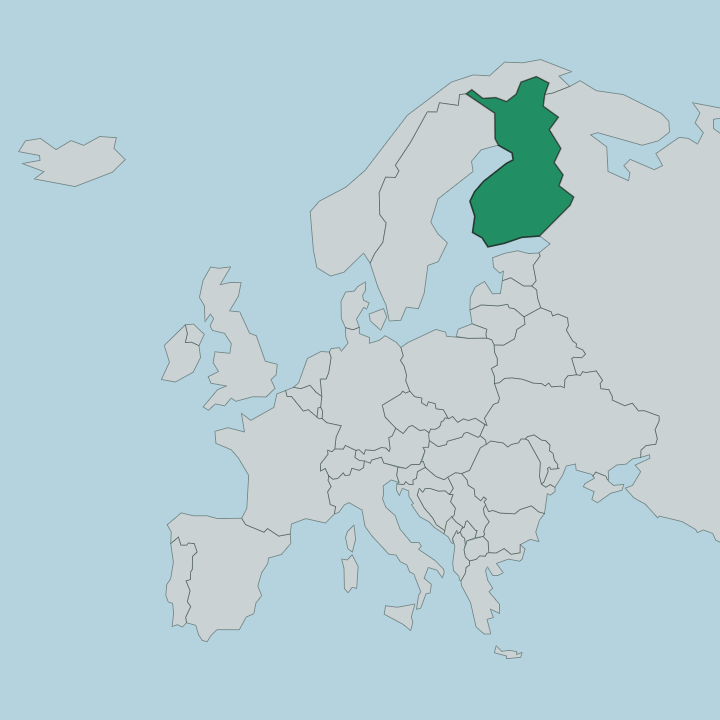
Joensuu lies in eastern Finland, in the lakeland, where the Pielisjoki river runs down from Lake Pielinen toward the great waters of Saimaa. The city stands on both banks at the river's mouth, its centre on the western shore, the forests and lakes of North Karelia spreading wide around it. Water shapes the country.
Pine ridges and bog separate the lakes across the broad municipality, the Pielisjoki cutting through the centre, and the wide eastern landscape of North Karelia reaches toward the long border far to the east.
What is the climate of Joensuu?
Joensuu has a cold continental climate, sharpened by its place deep in the eastern lakeland of North Karelia far from any sea. Winters are long, dark and snowy, the Pielisjoki freezing hard and the lakes around the city locked under ice from early in the season until the late spring break-up. Summers come short but luminous.
The long northern light warms the pinewoods and the open water through the brief growing season around Joensuu, the season when travellers come to the rivers and lakes of eastern Finland.
How do you get to Joensuu?
Joensuu is the transport hub of North Karelia, reached by rail, road and air from the rest of Finland. Trains run east to the city from the main lines, and an airport on the edge of town links Joensuu to the capital, while the highways cross the lakeland to the river. A good share roll in by rail.
Buses fan out from the centre to the towns and lakeshores of eastern Finland, and travellers touring the waters of North Karelia often hire a car here before heading out to the lakes beyond the Pielisjoki.
Good for
More cities in Pohjois-Karjala
Updated September 2026