Finland · Pohjois-Karjala
Where to Stay in Ilomantsi, Pohjois-Karjala
Ilomantsi is the easternmost municipality of Finland, a rune-singing parish in the Pohjois-Karjala lakeland.
Find your area →


Where to stay in Ilomantsi
Not every neighbourhood fits every trip — here's what each one is good for.
Ilomantsi keeps a modest stock of beds for a backwoods parish of Pohjois-Karjala, the kind of place where a small hotel, a guesthouse, or a forest cabin is the usual room. The village centre suits first visitors, close to the Lutheran Ilomantsin kirkko, the Orthodox Pyhän profeetta Elian kirkko, and the rune-singing hill of the Parppeinvaaran runokylä. It makes the natural starting point.
Out across the lakes and forests of this corner of eastern Finland, cottages and cabins stand among the pines toward the border villages, including Hattuvaara near the easternmost point of the country, a fine base for hiking, fishing, and tracing the old song country. Beds grow scarce away from the village. Visitors drawn to the Karelian heritage often stay near the Parppeinvaaran runokylä and the Kalevalaan laulaneitten muistomerkki, while many travellers instead sleep in the larger towns of Pohjois-Karjala and drive in for the day.
Book ahead in summer, when the lakeside cabins around Ilomantsi fill and the few rooms in the village go early.
About Ilomantsi
What is Ilomantsi known for?
Ilomantsi is known as the easternmost corner of Finland and a stronghold of Karelian rune-singing, set deep in the lakeland of eastern Finland. The Parppeinvaaran runokylä keeps the old song tradition alive on its hill. Faith runs in two streams here.
The Orthodox Pyhän profeetta Elian kirkko and the Lutheran Ilomantsin kirkko stand together in the parish, while the Kalevalaan laulaneitten muistomerkki honours the singers who carried the Kalevala in this Pohjois-Karjala backwoods.
What are the main landmarks in Ilomantsi?
The Parppeinvaaran runokylä is the landmark that tells Ilomantsi's story, the rune-singers' hill village that keeps the Karelian song tradition of this Pohjois-Karjala parish. Two churches mark the centre below. The Orthodox Pyhän profeetta Elian kirkko and the Lutheran Ilomantsin kirkko stand near each other in the village.
Memory runs deep here. The Kalevalaan laulaneitten muistomerkki honours the women who sang the old runes of the Kalevala, the songs gathered from this easternmost corner of Finland.
What is the history of Ilomantsi?
Ilomantsi's history is the history of a borderland of song. This easternmost corner of Finland long stood between east and west, its people Orthodox in faith and Karelian in tongue, keepers of the rune-songs that fed the Kalevala. That tradition lives on.
The hill village of the Parppeinvaaran runokylä gathers the heritage, and the Kalevalaan laulaneitten muistomerkki honours the women who carried the runes through this Pohjois-Karjala parish. The modern municipality took its shape when Ilomantsi was chartered in 1875 as a parish of the eastern lakeland, drawing the scattered forest and lakeside settlements together. Faith stood at the centre.
The Orthodox Pyhän profeetta Elian kirkko and the Lutheran Ilomantsin kirkko marked the two streams of belief in the village, while border hamlets like Hattuvaara held the very edge of the country. War scarred the eastern forests in the twentieth century, and Ilomantsi settled afterward into its quiet role as the rune-singing parish at the easternmost point of Finland.
Where is Ilomantsi?
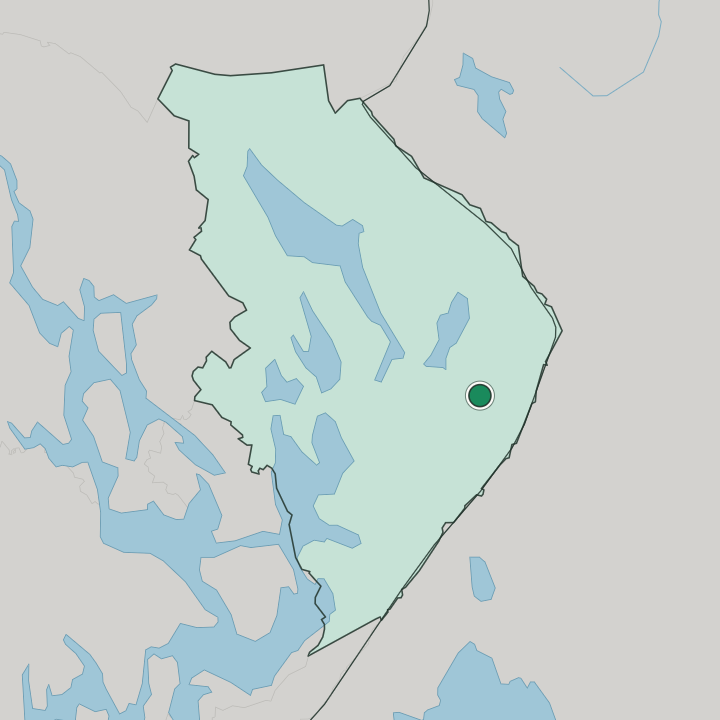
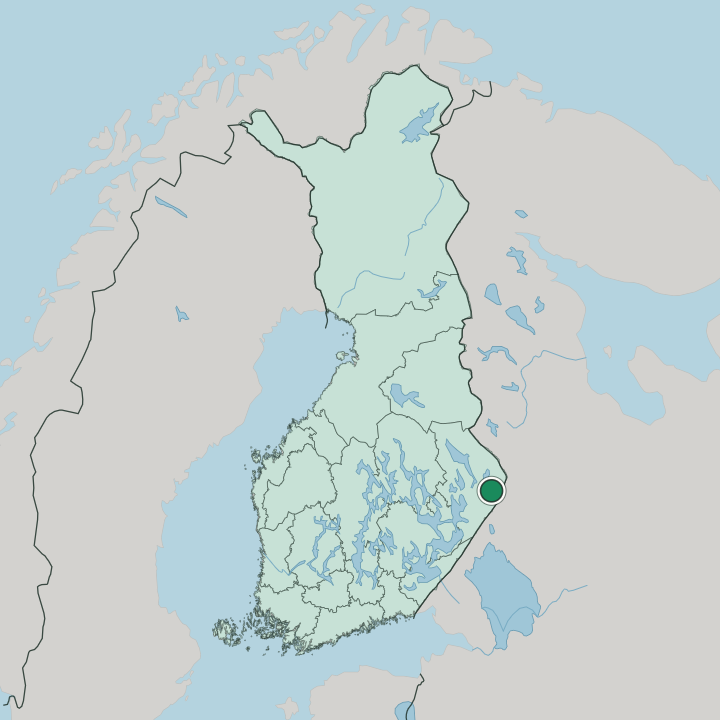
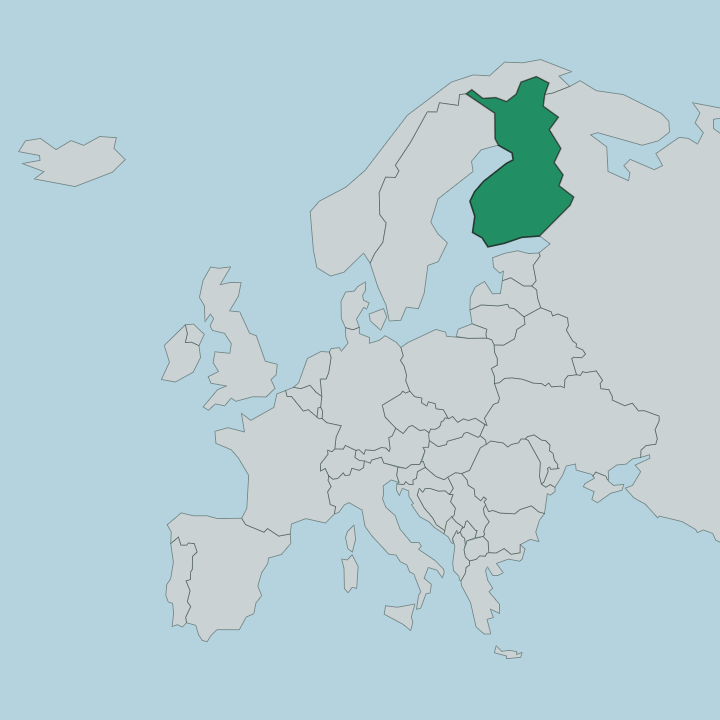
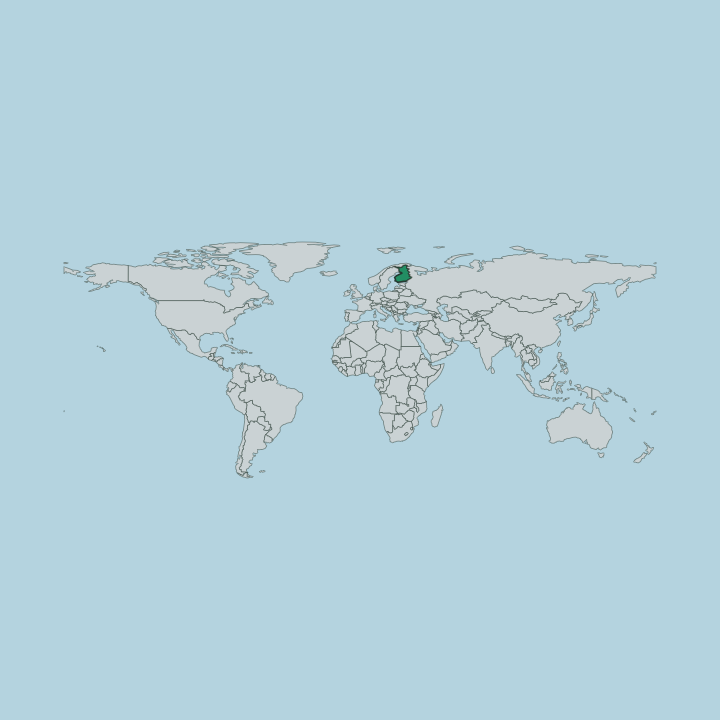
Ilomantsi makes up the easternmost reach of Finland, a vast forest-and-lake municipality in the lakeland of Pohjois-Karjala hard against the border. Pine, bog, and water fill the broad parish, the village gathered at its centre while lakes scatter to every side. The wilderness runs to the frontier.
Border villages like Hattuvaara lie out toward the easternmost point of the country, the rune-singing hill of the Parppeinvaaran runokylä rises above the centre, and unbroken forest stretches across this corner of eastern Finland.
What is the climate of Ilomantsi?
Ilomantsi has a cold inland climate, sharpened by its place at the eastern edge of the lakeland in Pohjois-Karjala. Winters are long and snowy, deep frost gripping the lakes and the forests of the border parish from early in the season until the late spring thaw. The summer weeks are warm and luminous.
The long northern daylight warms the woods and waters around Ilomantsi through the short growing season, the months when the cottages of this corner of eastern Finland fill before the snow returns.
How do you get to Ilomantsi?
Ilomantsi lies far out at the eastern edge of Pohjois-Karjala, and the road is the way in. There is no railway to this border parish, so visitors drive or take the bus from the larger towns of the region across the lakeland of eastern Finland. Buses run the long forest roads.
Coaches link Ilomantsi to the regional cities, carrying travellers to the village churches and the rune-singing hill of the Parppeinvaaran runokylä before the last stretch to the border.
Good for
More cities in Pohjois-Karjala
Updated September 2026