Finland · Satakunta
Where to Stay in Kankaanpää, Satakunta
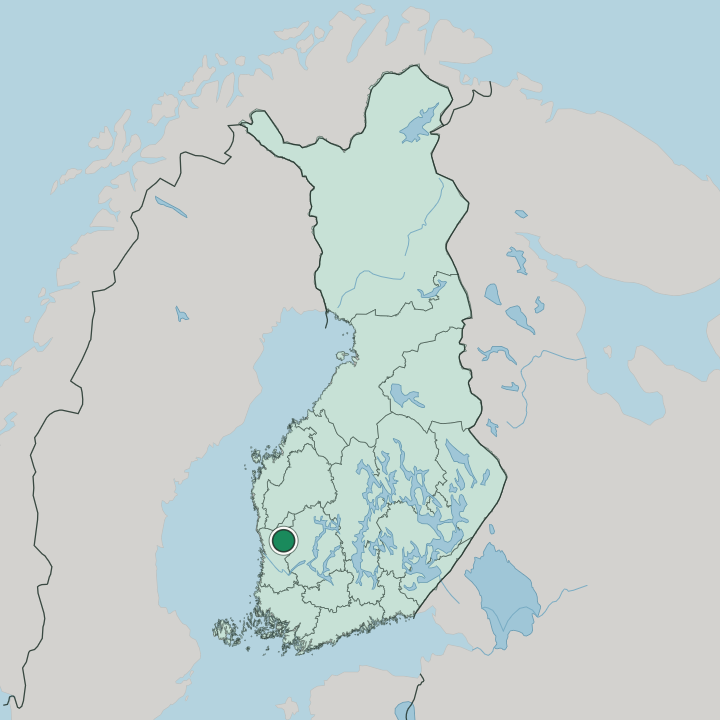
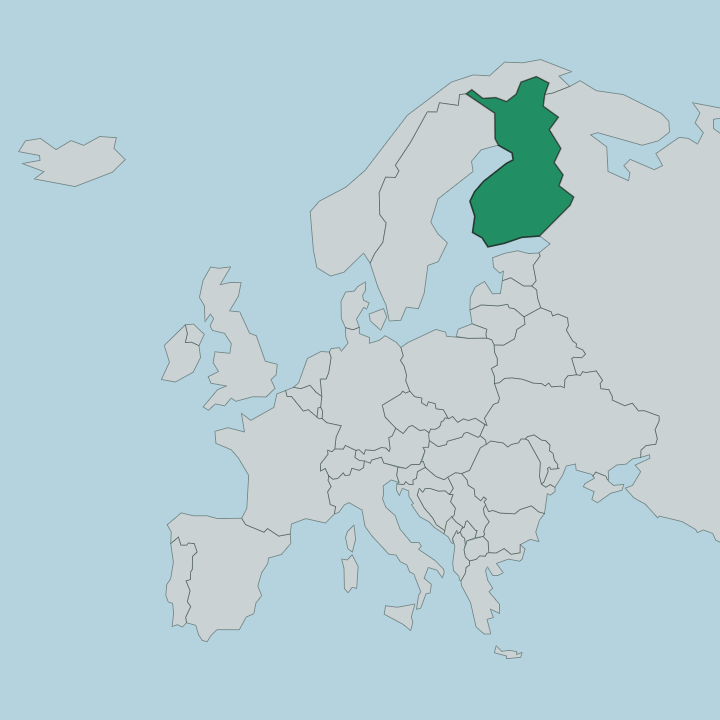
Kankaanpää is an inland town of Satakunta in south-western Finland, set where the Hämeenkangas and Pohjankangas ridges meet.
Find your area →


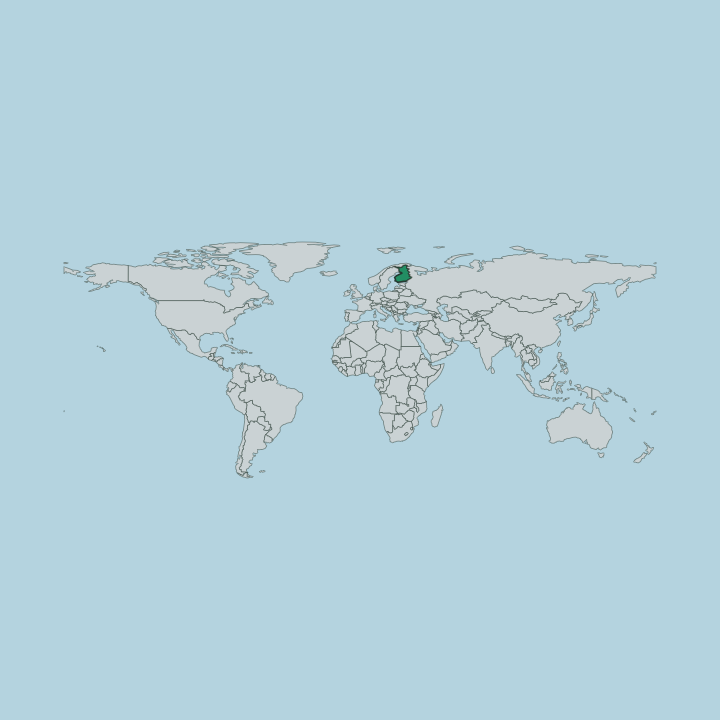
Where to stay in Kankaanpää
Where you base yourself shapes the visit — here's the character of each area.
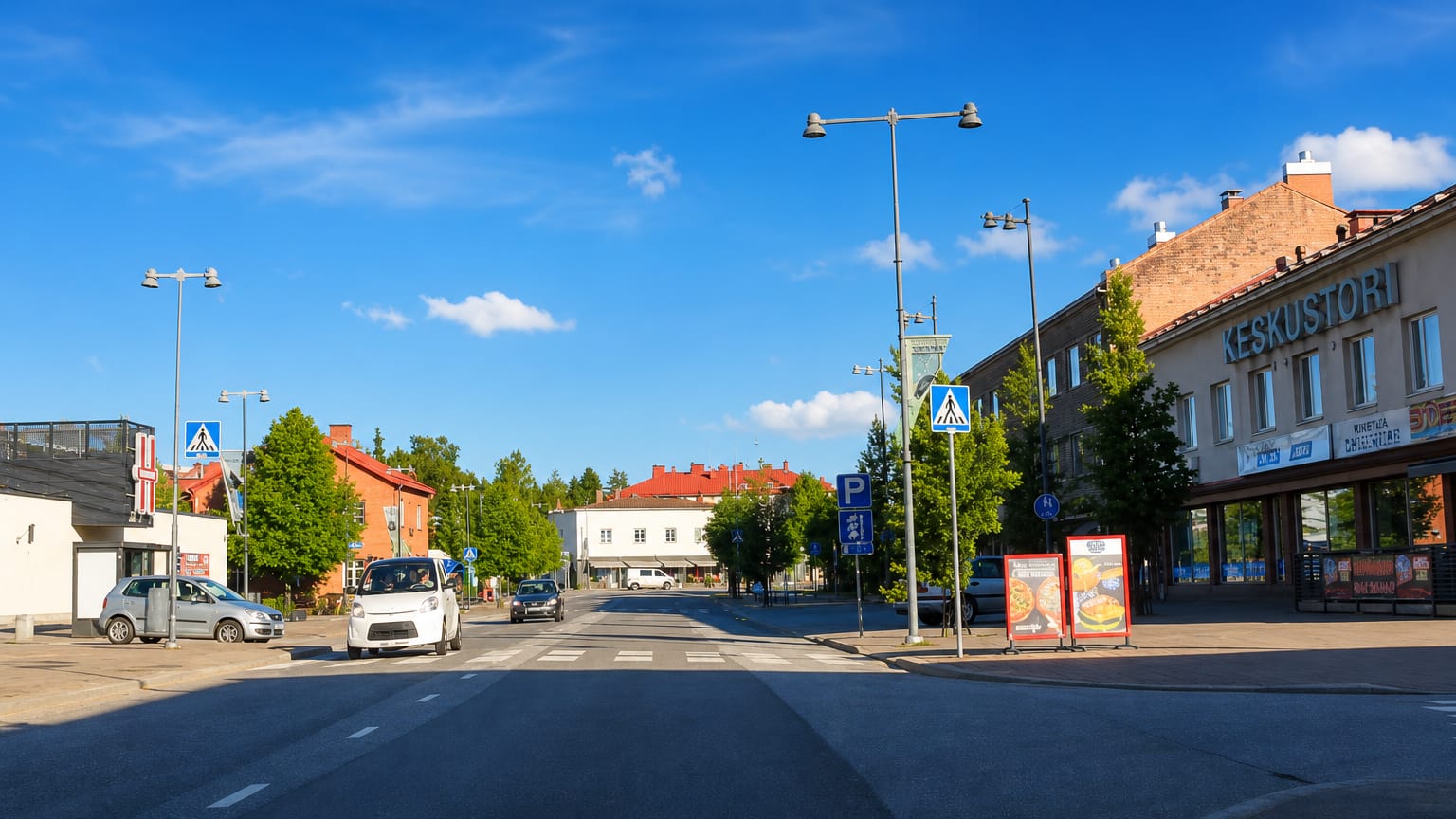
Kankaanpää carries a small working stock of beds, a town of Satakunta with a hotel or two and guesthouses rather than a wide choice of rooms. The centre around the Kankaanpään kirkko suits visitors who want the church, the town shops and the Kankaanpään kaupunginmuseo within an easy walk. The town centre is the easiest base.
Out on the heath, lodges and cabins stand along the sand ridges of Hämeenkangas and Pohjankangas near the spring of Kuninkaanlähde, a fine base for walkers and for skiers in south-western Finland. Some rooms serve the army. Visitors to the Niinisalon varuskunta garrison fill beds in the town, while many travellers instead sleep in the larger neighbouring city of Pori and drive in for the day.
Book ahead in summer, when the rooms of Kankaanpää fill early.
Things to do in Kankaanpää
Ranked by global recognition; descriptions from Wikidata (CC0).
Museums & Galleries
1- Kankaanpään kaupunginmuseo
Churches & Religious Sites
3- Kankaanpään kirkko Heritage
- Honkajoen kirkko Heritage church building in Honkajoki
- Niinisalon kirkko
worth knowingacross 2 categories in Kankaanpää
About Kankaanpää
What is Kankaanpää known for?
Kankaanpää is known as an inland town of Satakunta, set at the crossing of the sand ridges of Hämeenkangas and Pohjankangas in south-western Finland. The army shaped it. Out on the heath stands the Niinisalon varuskunta garrison, while the wooden Kankaanpään kirkko holds the centre and the spring of Kuninkaanlähde rises in the woods.
The Kankaanpään kaupunginmuseo keeps the local past, and the town is also known as a centre for the arts in this corner of south-western Finland.
What are the main landmarks in Kankaanpää?
The Kankaanpään kirkko is the landmark of the town, the wooden parish church at the heart of Kankaanpää in Satakunta. An army left its mark too. Across the heath spreads the Niinisalon varuskunta garrison, the spring of Kuninkaanlähde rises in the woods, and the Stone Age site of Myllyluoman kivikautinen asuinpaikka marks the long-settled ground on the sand ridges.
Out on the heath, the Niinisalon kirkko serves the garrison village, and the Kankaanpään kaupunginmuseo keeps the local past in this corner of south-western Finland.
What is the history of Kankaanpää?
Kankaanpää is old in its ground. The sand ridges of Hämeenkangas and Pohjankangas carry Stone Age traces such as the dwelling site of Myllyluoman kivikautinen asuinpaikka, marking the heath as settled long before the parish took shape, and the old road over the ridge linked the inland country to the coast of south-western Finland. People gathered on the heath.
A farming community of Satakunta spread along the rivers and the dry ground, and the church village grew around the wooden Kankaanpään kirkko at the centre of the parish. The parish was set on its own footing when Kankaanpää was chartered in 1865, a town of farmland, forest and sand ridge. An army came to the heath.
The garrison of the Niinisalon varuskunta was raised on the dry ground, drawing the village of Niinisalo and its own Niinisalon kirkko around it, while the spring of Kuninkaanlähde and the town museum kept the older story. Kankaanpää grew into the third town of Satakunta after Pori and Rauma, an inland centre of garrison, farmland and the arts in south-western Finland.
Where is Kankaanpää?
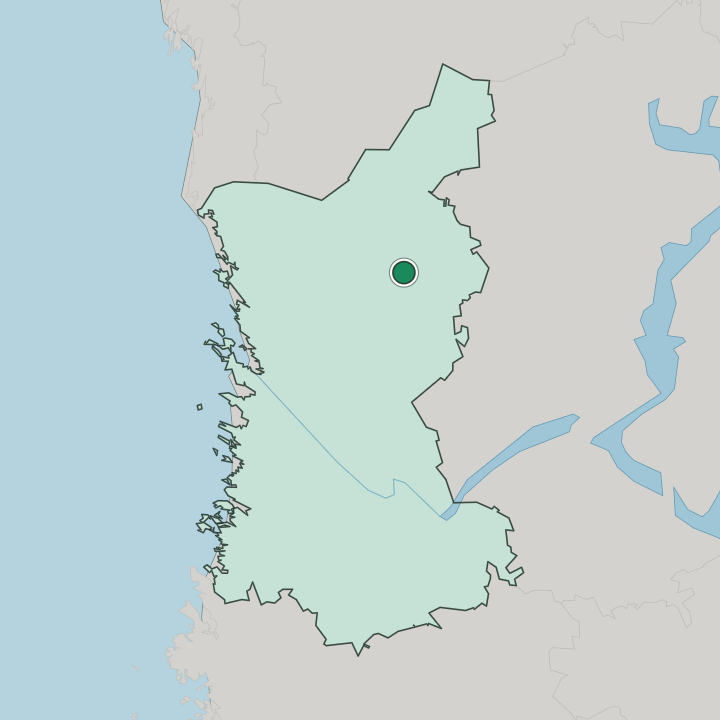
Kankaanpää lies at the crossing of the great sand ridges of south-western Finland, the heaths of Hämeenkangas and Pohjankangas running together below the town. The centre gathers around the Kankaanpään kirkko on the lower ground, with pine heath, dry esker and farmland spreading out around it across Satakunta. Springs rise from the sand.
The clear spring of Kuninkaanlähde feeds the woods, the heath of the Niinisalon varuskunta stretches over the dry ground, and the rivers thread the farmland of Kankaanpää north-east of the coastal city of Pori.
What is the climate of Kankaanpää?
Kankaanpää has the cold inland weather of Satakunta, its winters long and snowbound over the sand ridges of Hämeenkangas. Snow lies deep on the heath. Summers run mild and warm across the pinewoods and farmland around the Kankaanpään kirkko, the long northern light drawing out the warm season on the dry ground, before the dark and the hard frost close back over this corner of south-western Finland.
How do you get to Kankaanpää?
Kankaanpää is reached by road through the inland heath of south-western Finland, a town with no railway of its own. Travellers mostly drive in. The main roads run from the coastal city of Pori to the south-west and across the sand ridges of Hämeenkangas, reaching the church centre by the Kankaanpään kirkko.
Buses link Kankaanpää to Pori and the wider region of Satakunta, and from there the Finnish road network reaches across the country.
Good for
More cities in Satakunta
Updated September 2026