Finland · Varsinais-Suomi
Where to Stay in Kisko, Varsinais-Suomi
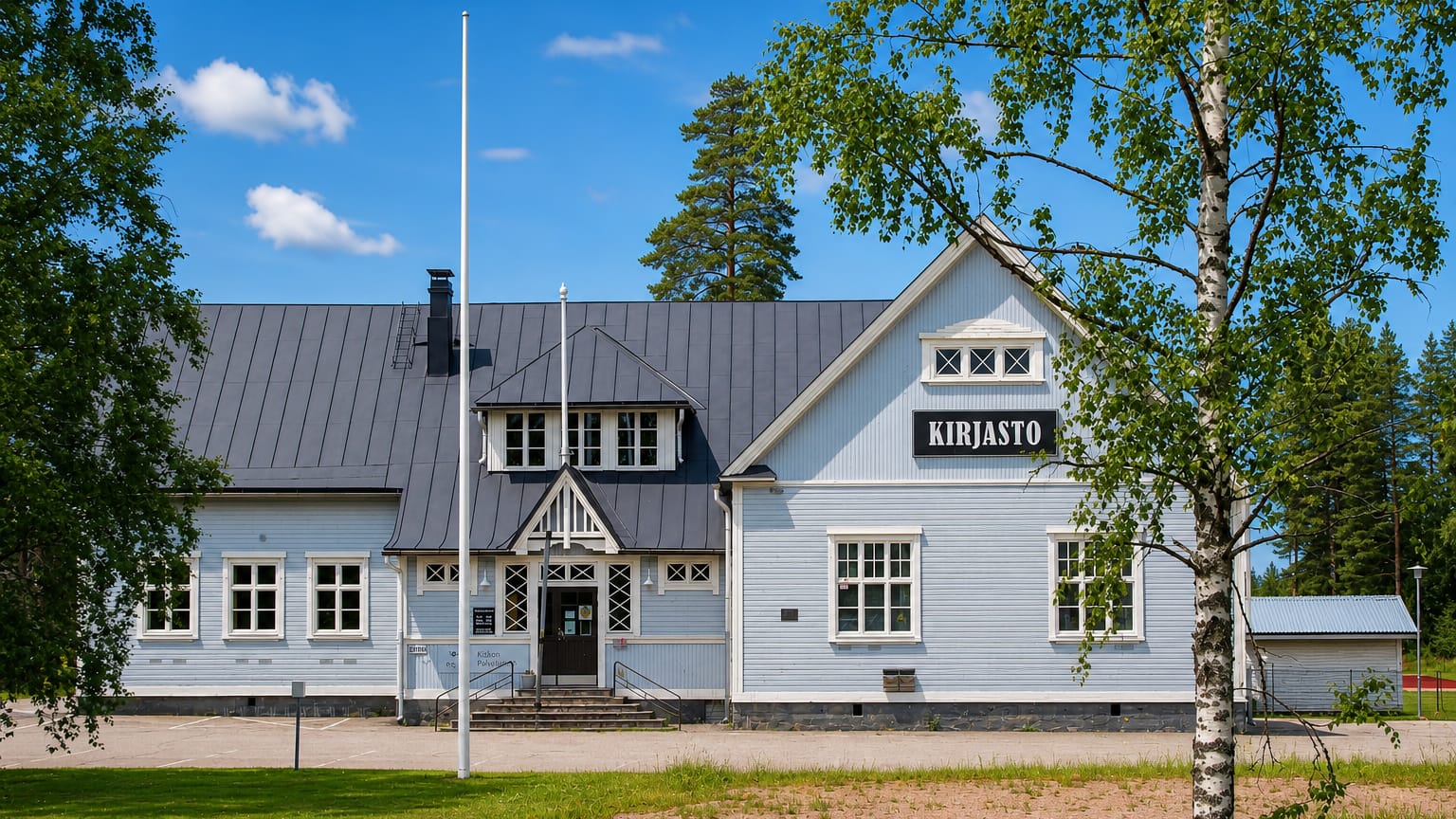
Kisko is an old lake-and-mine parish of Varsinais-Suomi, in south-western Finland, set around the Kiskon kirkko.
Find your area →


Where to stay in Kisko
Each area has its own feel; here's who each one suits.
Kisko keeps very few beds, the kind of small lake parish of Varsinais-Suomi where a rented cottage or a guesthouse is the usual room rather than a hotel. The village centre gathers around the Kiskon kirkko, and a room near it puts the church, the Kiskon kotiseutumuseo and the day-to-day of the parish within an easy walk. The village centre is the simplest base.
From the centre it is a short way out to the lakes and the old mine that fill this corner of south-western Finland. Out across the municipality, cottages stand along the lakeshores and among the woods near the Orijärven kaivos, a quiet base for walking, fishing and the slow summer of inland Varsinais-Suomi. Rooms are few across the parish.
Visitors drawn by the old copper mine or the lakeside church often stay close to the Kiskon kirkko, while many travellers instead sleep in the larger town of Salo nearby and drive in to Kisko for the day. Book ahead in summer, when the few cottages around the lakes fill early.
About Kisko
What is Kisko known for?
Kisko is known above all for the Orijärven kaivos, the old copper mine that was among the first worked in this corner of south-western Finland and left its mark on the parish of Varsinais-Suomi. Mining made its name. Around the lakes, the Kiskon kirkko holds the village centre and the Kiskon kotiseutumuseo keeps the local past, so a small farming and mining parish carries a history out of proportion to its size in this quiet reach of Varsinais-Suomi.
What are the main landmarks in Kisko?
The Orijärven kaivos is the landmark of Kisko, the old copper mine in the woods that gave this parish of Varsinais-Suomi its name in mining. The Kiskon kirkko holds the village centre. Two pasts meet here.
The lakeside church gathers the farming parish of south-western Finland while the worked ground of the Orijärven kaivos recalls the metal that drew people to these lakes, and the Kiskon kotiseutumuseo keeps the local memory of both the church village and the mine.
What is the history of Kisko?
Kisko grew up as a lakeside parish. For long centuries this was farming and forest country in south-western Finland, a scatter of villages along the lakes of Varsinais-Suomi where the Kiskon kirkko gathered the people into a church parish. Then metal was found.
The opening of the Orijärven kaivos turned the quiet parish toward mining, the copper of the lakeshore drawing workers and trade into a country that had known only its fields and woods. That mine carried Kisko into a wider history. Its ore at the Orijärven kaivos was worked over generations and tied this small parish to the early industry of Finland, while the Kiskon kirkko kept the farming life going through it all on the lakeshore.
In later years the mine fell quiet and the parish returned to its lakes and forests, with the Kiskon kotiseutumuseo gathering the memory of both the church village and the copper ground, so Kisko remains a small, layered corner of Varsinais-Suomi where farming, faith and mining once met.
Where is Kisko?
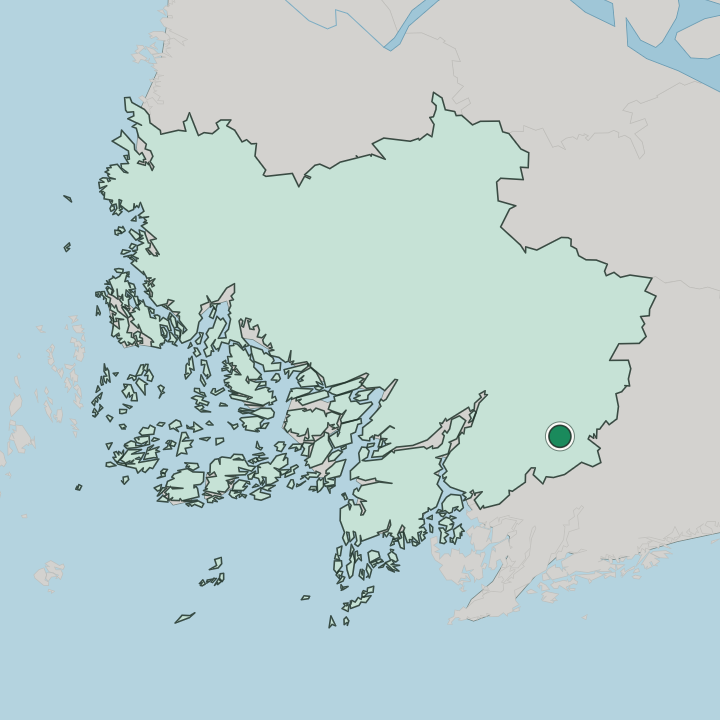
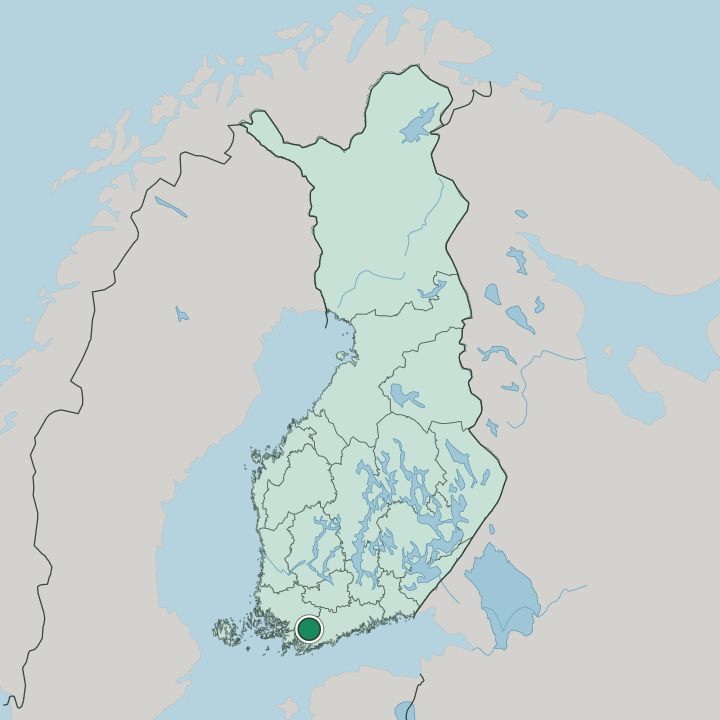
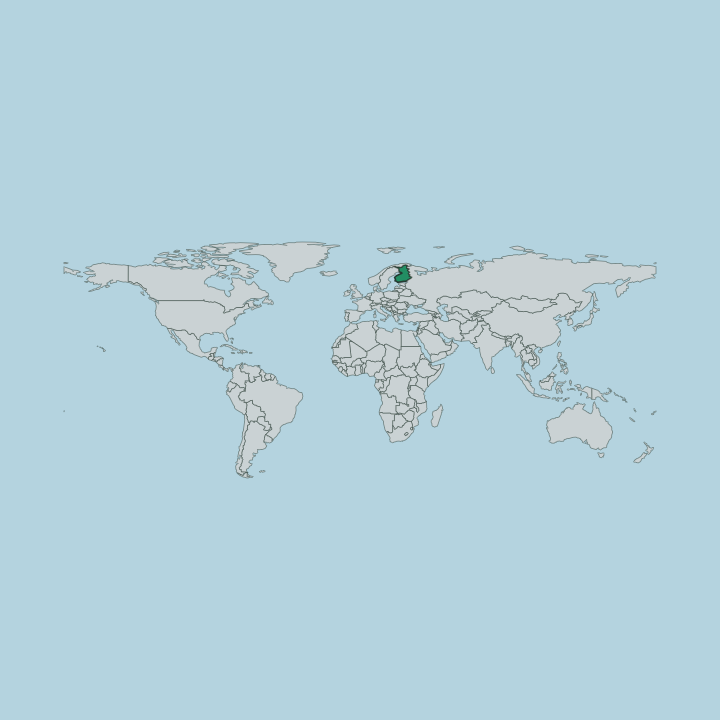
Kisko lies in the lake-and-forest country of inland Varsinais-Suomi, in south-western Finland. Lakes thread the parish, ringed by fields, woods and low wooded ridges, the village centre gathered by the Kiskon kirkko on the shore. Water and woodland fill the land.
The old Orijärven kaivos lies out among the trees by its lake, the parish spreading in quiet farmland away from the larger town of Salo, a small green corner of south-western Finland between water and forest.
What is the climate of Kisko?
Kisko has the inland climate of south-western Finland, milder in its summers than the lakeland to the east yet cold once winter closes over the lakes of Varsinais-Suomi. Snow holds the land for months. The lakes around the Kiskon kirkko freeze through the winter and the woods stand silent in the cold, before the growing season turns warm and green across the farmland of the parish.
The long northern summer light draws walkers to the lakeshores near the Orijärven kaivos.
How do you get to Kisko?
Kisko is reached by road, an inland lake parish of Varsinais-Suomi with no station of its own. Kisko's visitors come by car, nearly all of them. The roads run in from the larger town of Salo, the nearest hub on the rail line, with country lanes threading the lakes and woods to the Kiskon kirkko and the old Orijärven kaivos.
Buses are sparse. From Salo the wider Finnish road network reaches the coast and the rest of south-western Finland, while a car is the simplest way to wander the lakeshores of Kisko.
Good for
More cities in Varsinais-Suomi
Updated September 2026