Finland · Varsinais-Suomi
Where to Stay in Turku, Varsinais-Suomi
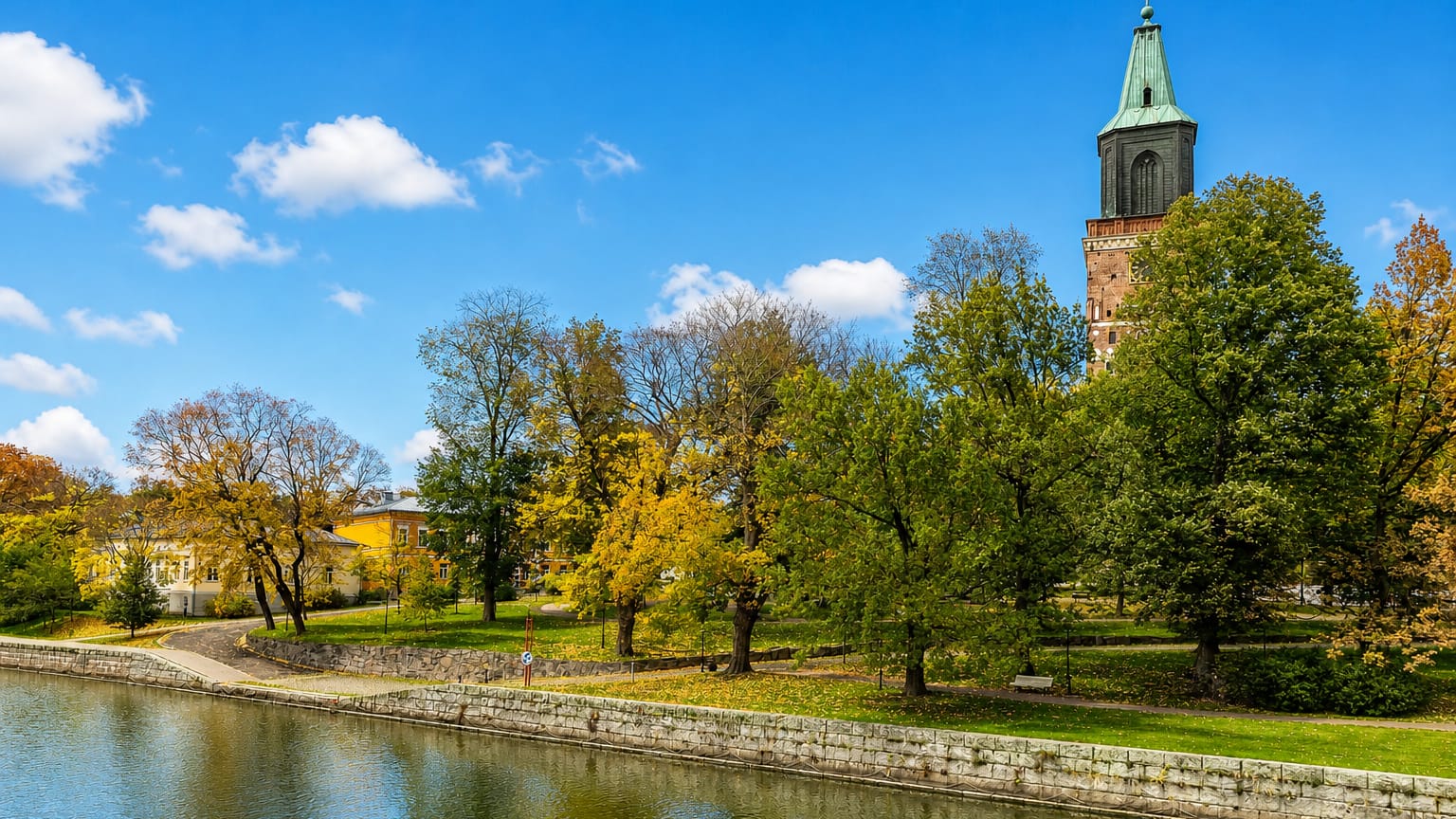
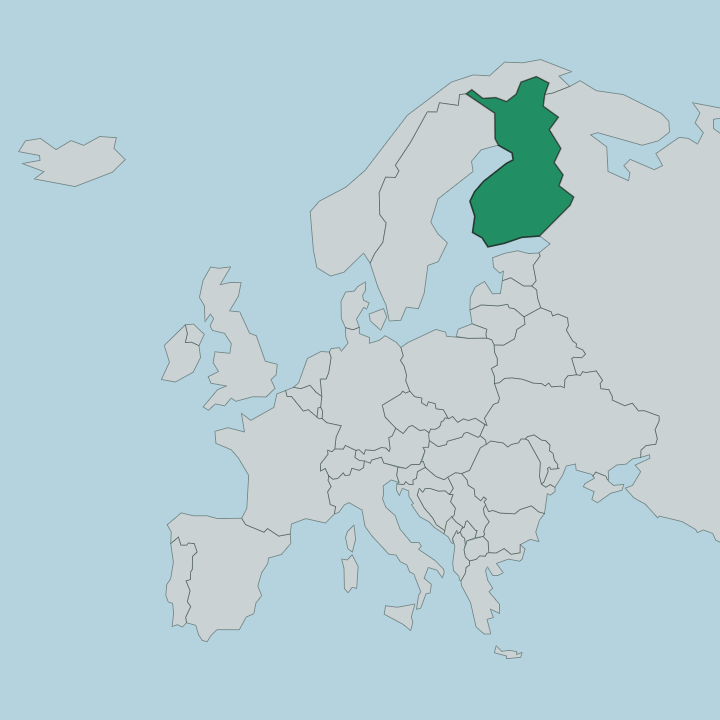
Turku is Finland's oldest city, a former capital on the Aurajoki in south-western Finland, set around its medieval cathedral and castle.
Find your area →


Where to stay in Turku
The right area depends on your trip — here's what each neighbourhood is best for.
 TurkuFinland
Runosmäki
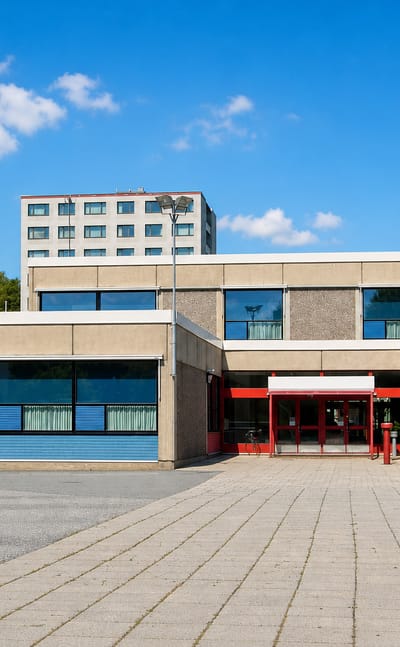
Runosmäki is a residential district in northern Turku, a hillside suburb of apartment blocks set above the city in south-western Finland.Where to stay →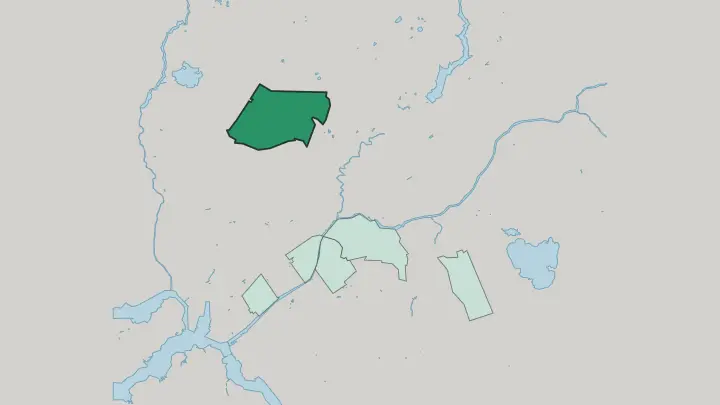
 TurkuFinland
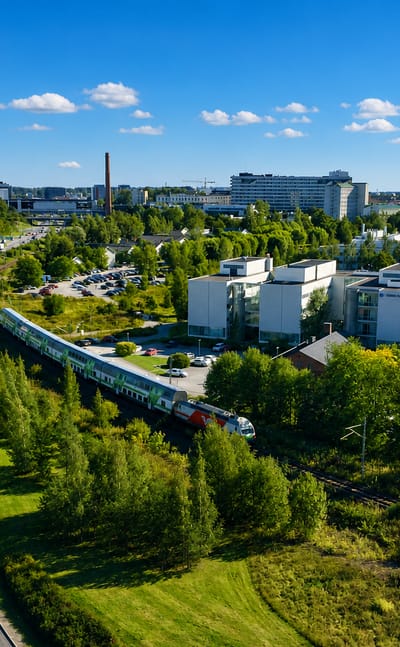
Varissuo
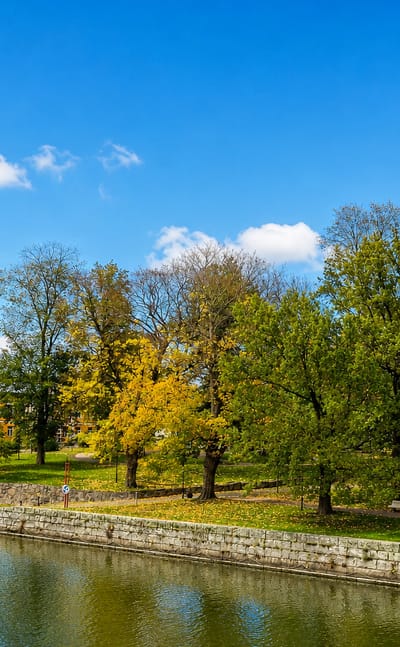
Varissuo is a residential district in eastern Turku, a 1970s suburb of apartment blocks on the city's eastern side in south-western Finland.Where to stay →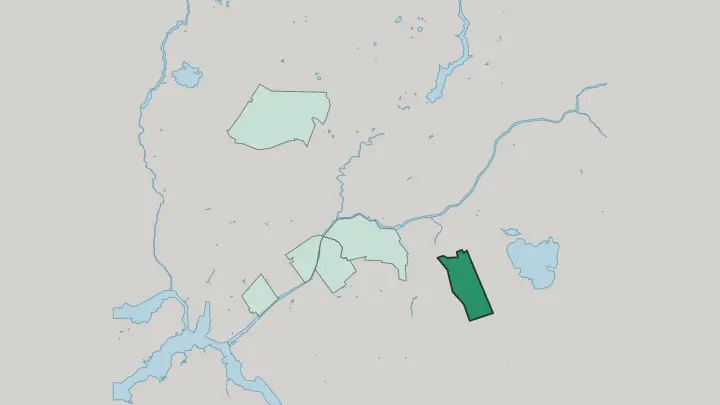
 TurkuFinland
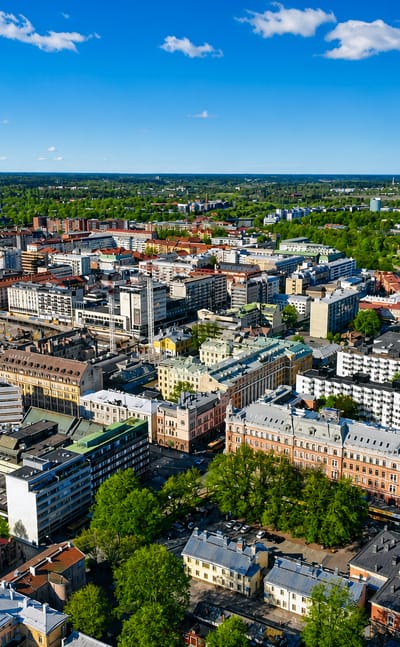
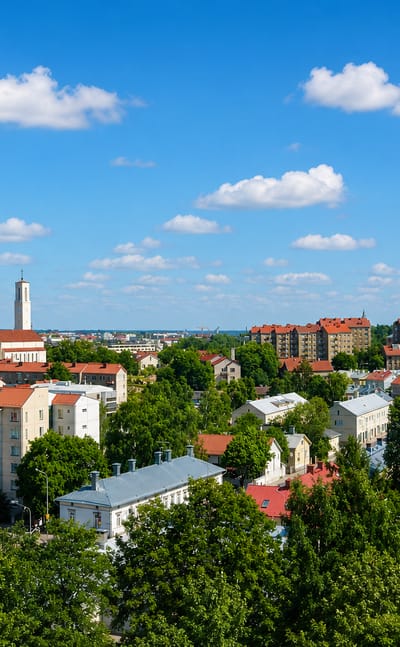
I kaupunginosa
I kaupunginosa is the central historic district of Turku, the old core gathered around the Turun tuomiokirkko cathedral.Where to stay →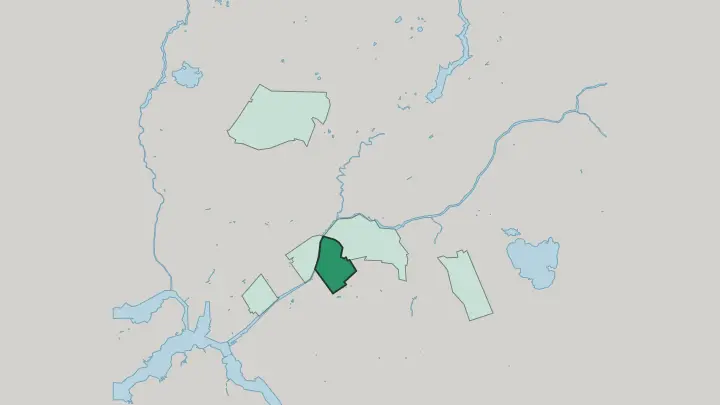
 TurkuFinland
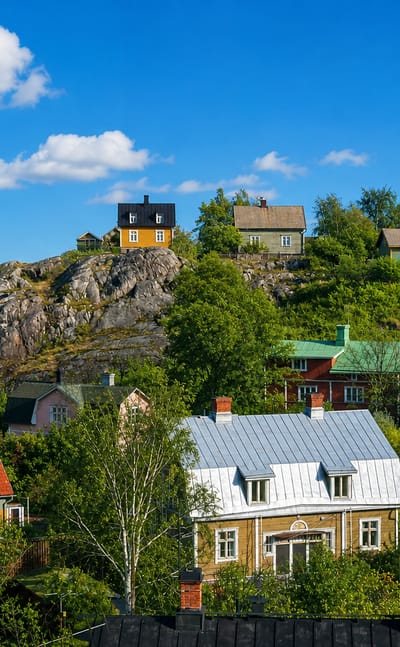
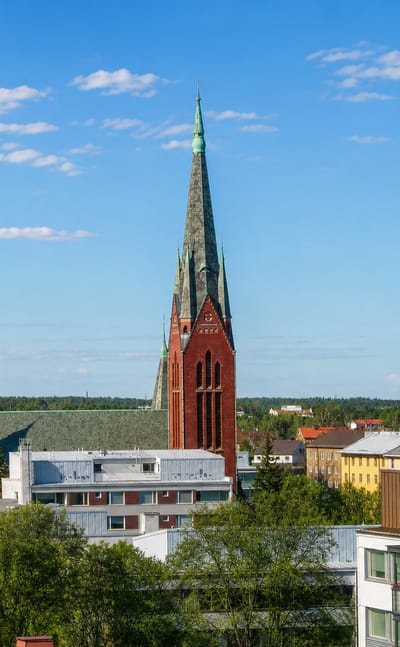
VI kaupunginosa
VI kaupunginosa is a central district of Turku, the quarter around the neo-Gothic Mikaelinkirkko west of the cathedral.Where to stay →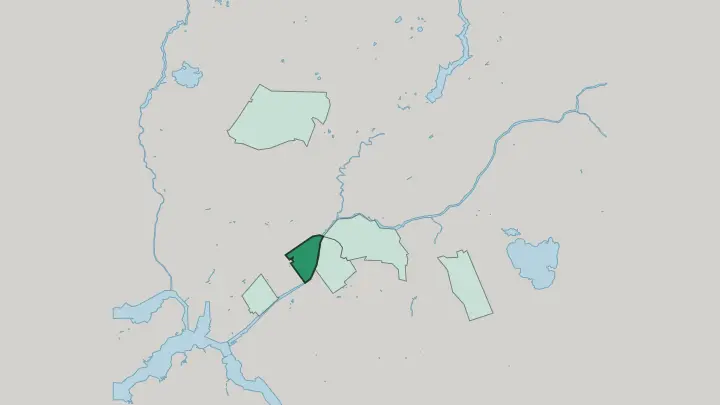
 TurkuFinland
Nummi
Nummi is a district of eastern Turku, set inland of the centre near the upper reaches of the Aurajoki in the Varsinais-Suomi region.Where to stay →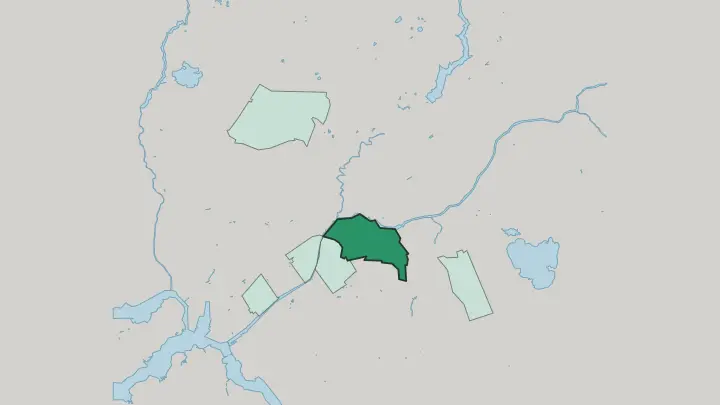
 TurkuFinland
Port Arthur
Port Arthur is a district of south-western Turku, on the harbour side of the city where the Aurajoki reaches the sea, in the Varsinais-Suomi region.Where to stay →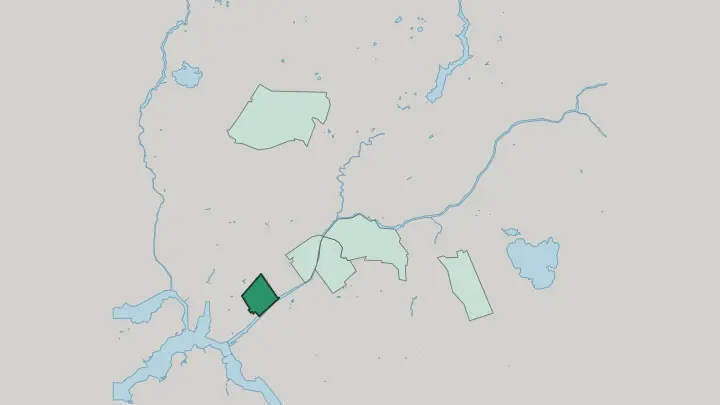
All neighbourhoods (34)
 TurkuFinland
Martti
Martti, the IV District of Turku, is a small central quarter east of the river Aura, centred on Martinkirkko between Tervahovinkatu and Martinkatu.Where to stay →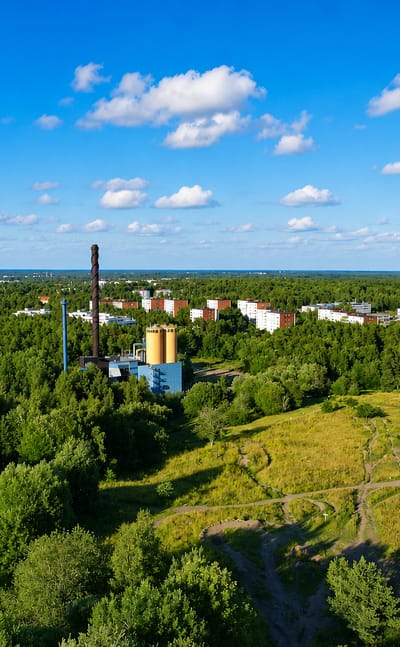 TurkuFinland
Luolavuori
Luolavuori runs mainly to parkland, southeast of Turku's centre in the Uittamo-Skanssi ward, with Henrikinkirkko standing on its ground.Where to stay →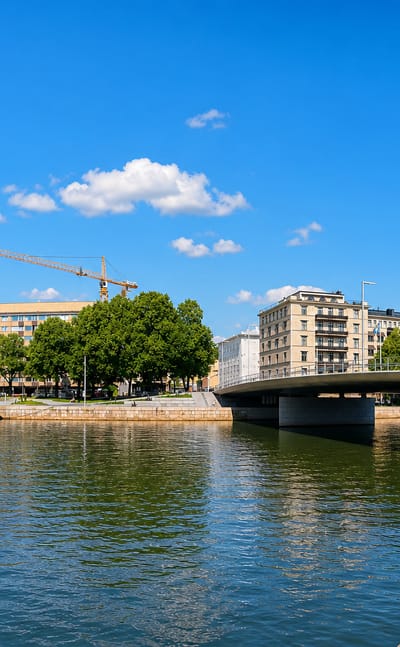 TurkuFinland
VII kaupunginosa
VII kaupunginosa carries Turku City Hall and the Turku Central Railway Station, on the west side of the Aura between Aurakatu and Puistokatu.Where to stay →TurkuFinlandVasaramäki
Vasaramäki means hammer hill. The quarter lies southeast of Turku's centre in the Uittamo-Skanssi ward, a low-density suburb rather than a core.Where to stay →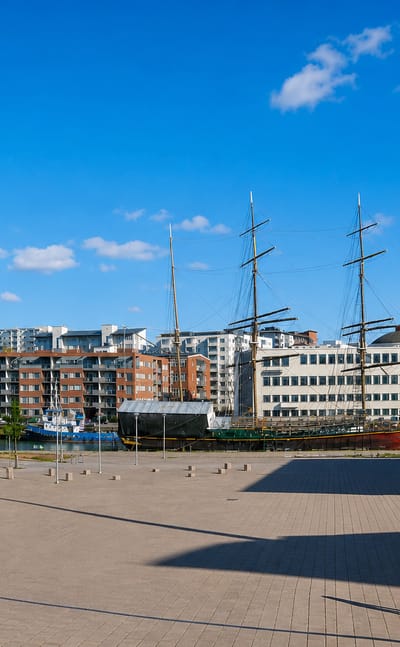 TurkuFinland
Itäranta
Itäranta is Turku's V District, running down the east bank of the Aura to the river mouth, with Suomen Joutsen and Sigyn among its landmarks.Where to stay →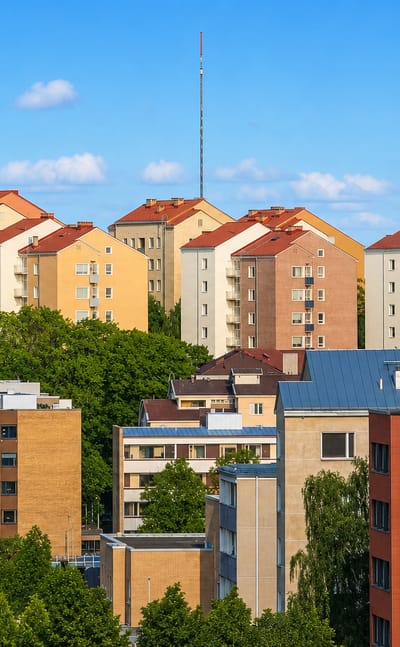 TurkuFinland
III kaupunginosa
Bare rock turned parkland climbs from the Aura in III kaupunginosa, a central Turku district holding the Paavo Nurmi Stadium and Samppalinnanpuisto.Where to stay →TurkuFinlandVartiovuori
Vartiovuori, also written Vartiovuorenmäki, is a Turku district carrying Luostarinmäen museokortteli and Aboa Vetus Ars Nova among its named sites.Where to stay →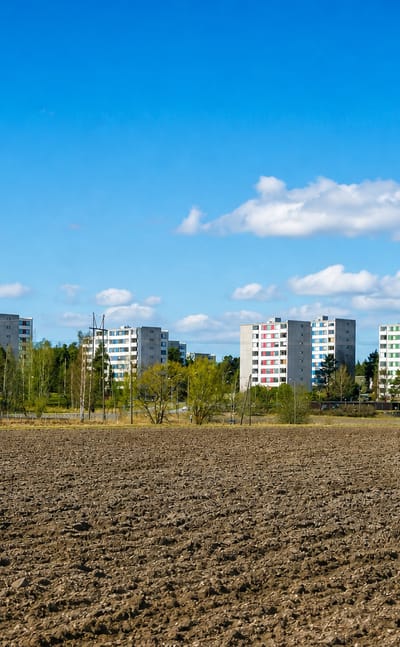 TurkuFinland
Vätti
Vätti spreads north of the Turku centre, a district holding low detached streets, an industrial strip and the concrete tower blocks of Hepokulta.Where to stay →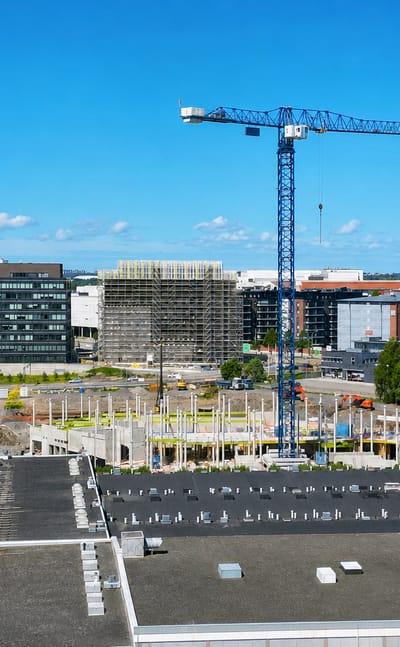 TurkuFinland
Itäharju
Itäharju, Österås in Swedish, is the Turku district east of Kupittaa, mixing detached houses with an industrial quarter marked by the three-tower If-talo.Where to stay →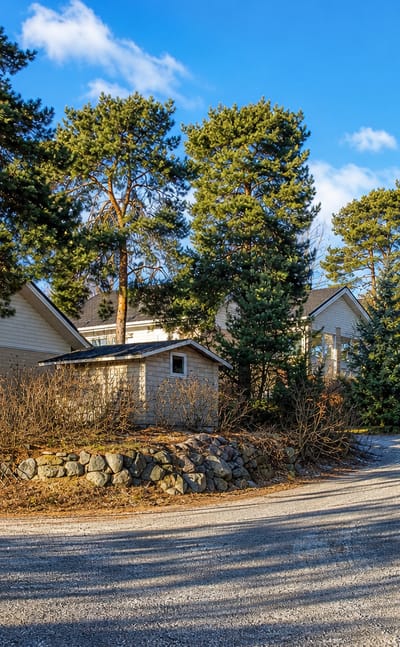 TurkuFinland
Pitkämäki
Pitkämäki is the one Turku district split among three wards, taking in the suburbs of Suikkila and Muhkuri plus an industrial area.Where to stay →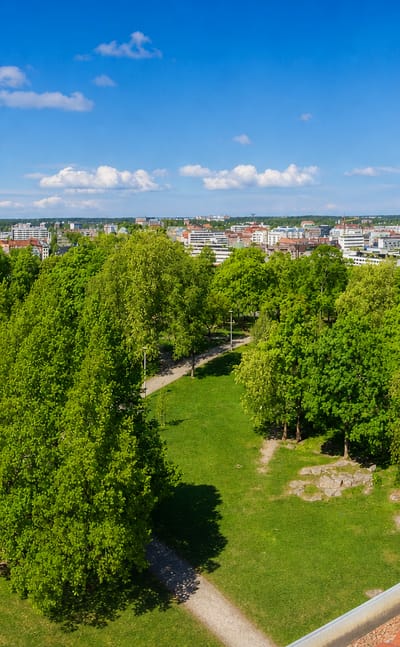 TurkuFinland
Samppalinna
Samppalinna is a district of Turku, in Finland's Varsinais-Suomi region, and Qwenselin talo stands among its listed landmarks.Where to stay →TurkuFinlandLänsiranta
Länsiranta, numbered IX kaupunginosa on Turku's plan, holds Forum Marinum and a fleet of listed vessels.Where to stay →TurkuFinlandKaerla
Kaerla is a low-density Turku district in the Tampereentie ward, and it takes in the sports grounds of Impivaara.Where to stay →TurkuFinlandKastu
Kastu is a small district a short way north of central Turku, Finland, set between the Tampere highway and Raunistulan puistotie with no industry in it.Where to stay →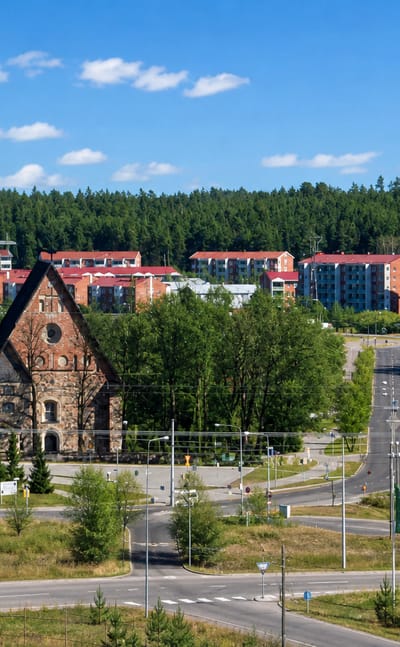 TurkuFinland
Räntämäki
Maarian kirkko stands in Räntämäki, a low-density district in Turku's Koroinen ward on the northern side of the city.Where to stay →TurkuFinlandIso-Heikkilä
Iso-Heikkilä is a district west of central Turku, Finland, known in Swedish as Storheikkilä and holding the city's observatory on its hill.Where to stay →TurkuFinlandPohjola
Turku Central railway station stands in Pohjola, a district north of the Turku centre lying between Ratapihankatu and Kähäri.Where to stay →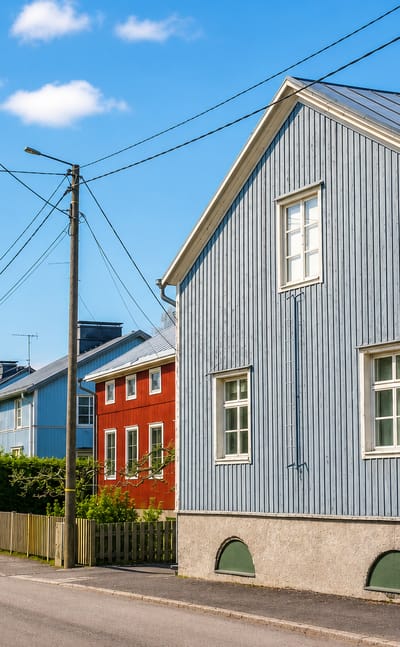 TurkuFinland
Mäntymäki
The MAP-kirkko marks Mäntymäki, a Turku district south of the centre that runs between Kurjenmäki and Vähäheikkilä.Where to stay →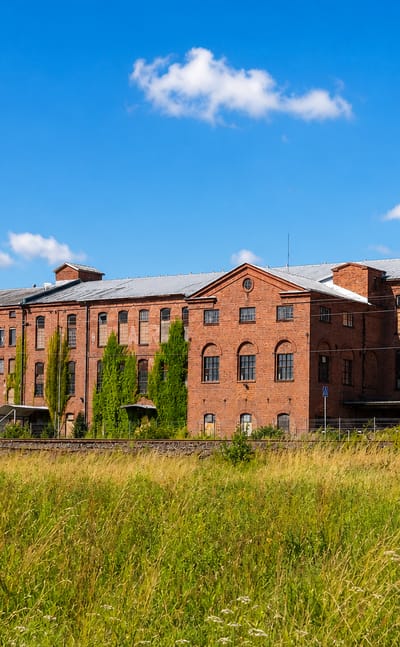 TurkuFinland
Raunistula
Raunistula is a district north of central Turku, Finland, which grew into the city's largest suburb in the 1880s and is now mostly houses.Where to stay →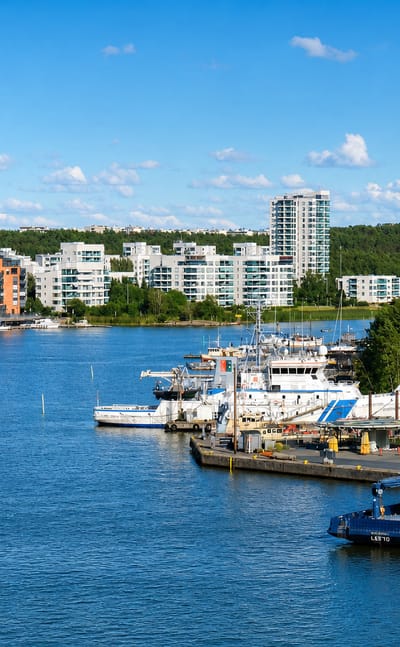 TurkuFinland
Pihlajaniemi
Pihlajaniemi runs along the Archipelago Sea south of the Turku centre, with the Finnish Naval Headquarters at the former Heikkilä garrison.Where to stay →TurkuFinlandKähäri
Kähäri is a wooden-house district north of central Turku, Finland, grown around a match factory whose hill is still called Tikkumäki.Where to stay →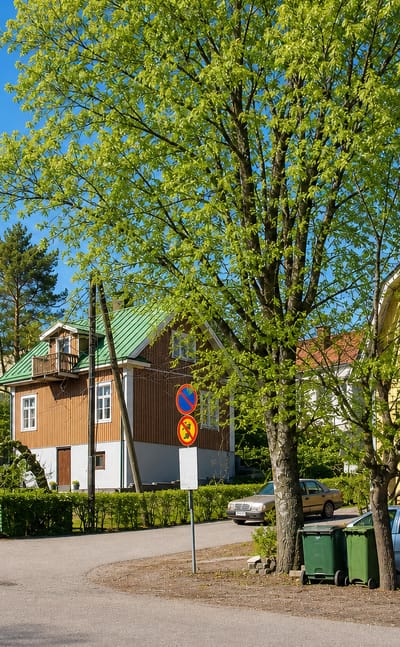 TurkuFinland
Puistomäki
Puistomäki is a low-density residential suburb of Turku, south of the city centre, counted within the Uittamo-Skanssi ward.Where to stay →TurkuFinlandKurjenmäki
Kurjenmäki is a Turku district southeast of the centre, the ground the Turku City Hospital occupies, bordering Kupittaa.Where to stay →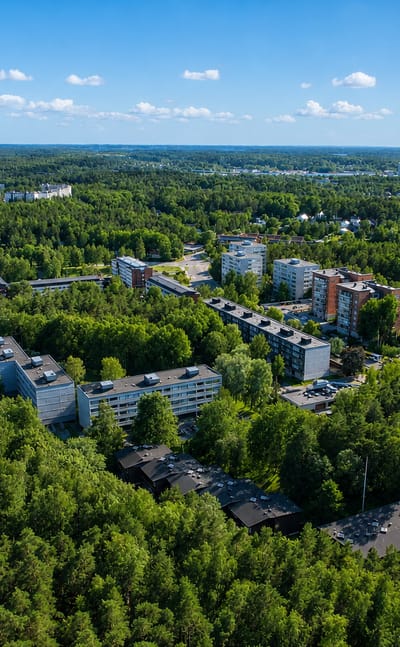 TurkuFinland
Ispoinen
Ispoinen is a low-built Turku district in the Uittamo-Skanssi ward, lying between the denser neighbourhoods of Uittamo and Ilpoinen.Where to stay →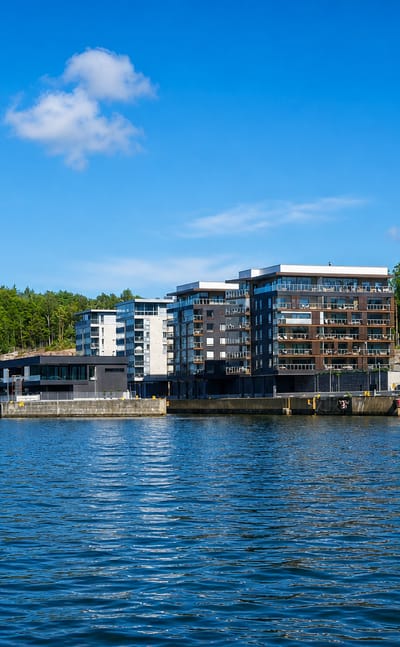 TurkuFinland
Korppolaismäki
Turun linna stands in Korppolaismäki, south of Turku's centre on the eastern side of the river Aura's mouth.Where to stay →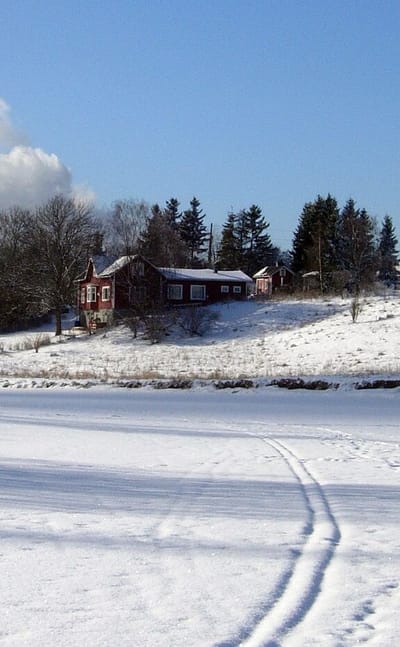 TurkuFinland
Koroinen
Koroinen is a mostly unbuilt Turku district north of the city centre, across the river Aura from the Turku Student Village.Where to stay →TurkuFinlandKupittaa
Kupittaa is a Turku district on the eastern side of the city centre, built around Kupittaa Park, the first landscaped park laid out in a Finnish city.Where to stay →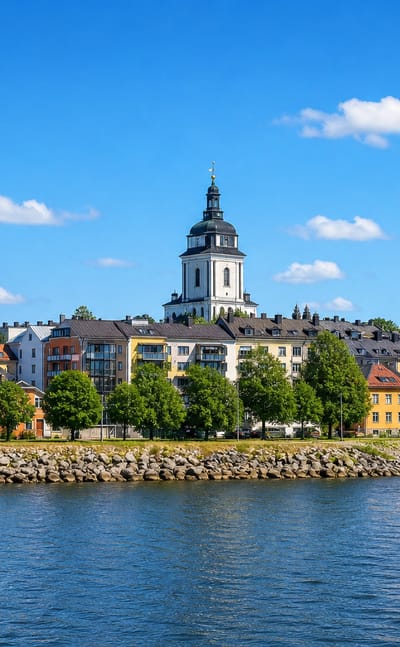 TurkuFinland
Hannunniittu
Hannunniittu, recorded as Kurala, is a low-density suburb northeast of Turku holding Kuralan Kylämäki and Ristimäki.Where to stay →Things to do in Turku
Ranked by global recognition; descriptions from Wikidata (CC0).
Museums & Galleries
6- Turun linna Heritage
- Kuralan Kylämäki Heritage living history museum
- Suomen Joutsen Finnish fregate built in 1902
- Bore ship built in 1960
- Aboa Vetus Ars Nova museum of archaeology and contemporary art
Show 1 more →
- Qwenselin talo historic house
Churches & Religious Sites
8- Turun tuomiokirkko Heritage cathedral
- Mikaelinkirkko Heritage
- Maarian kirkko Heritage
- Pyhän marttyyrikeisarinna Aleksandran kirkko Heritage Eastern Orthodox church
- Pyhän Katariinan kirkko Heritage
Show 3 more →
- Martinkirkko Heritage
- Ristimäki Heritage
- Turun Koroisten kirkko Heritage
Stadiums & Sports
2- Turun Urheilupuisto
- Impivaaran liikuntakeskus
Parks & Gardens
1- Flowpark
Landmarks & Notable Places
3- Ingmanin talo Heritage house
- Wäinö Aaltosen kotitalo Heritage
- Pääskyvuoren linkkitorni
worth knowingacross 5 categories in Turku
About Turku
What is Turku known for?
Turku is known as the oldest city in Finland and the country's first capital. The city grew on both banks of the Aurajoki in Varsinais-Suomi as the medieval seat of church and crown, the cradle of Finnish learning and culture before that role passed east, and it carries that long story in its cathedral, its castle, and its riverside museums. Its skyline is medieval at heart.
Turun tuomiokirkko rises over the river as the mother church of Finland, while Turun linna guards the mouth of the Aurajoki, and a strong food and arts scene has earned the city its standing as Finland's window on the West.
What are the main landmarks in Turku?
Turun tuomiokirkko is the great landmark of the city. The medieval cathedral rises over the Aurajoki as the mother church of Finland, while downstream Turun linna, the stone castle at the river mouth, has guarded Turku since the Middle Ages. Museums fill the riverside.
Forum Marinum keeps the maritime story with the full-rigged ship Suomen Joutsen at its quay, the open-air Luostarinmäen museokortteli preserves a whole quarter of old wooden houses, and Aboa Vetus Ars Nova joins medieval cellars to contemporary art beside the water. Art and music have their homes too. The Turun taidemuseo holds the regional collection on its granite hill, and the Sibelius-museo gathers the instruments and archive of Finnish music in the oldest city of south-western Finland.
What is the history of Turku?
Turku began as a medieval trading town at the mouth of the Aurajoki, chartered in 1229 as the seat of church and crown in the eastern half of the Swedish realm. The town grew around two great works of stone raised in the same age, the cathedral on the river bank and the castle at the water's edge, which together made it the religious and administrative heart of Finland for centuries and the gateway through which learning, trade, and authority reached the country from the West. Turun tuomiokirkko crowned the town.
The cathedral became the mother church of the whole country, and Turun linna at the river mouth held the power of the realm over the south-western coast. For generations Turku was the largest and first city of Finland. It carried the first university and the first printing press, and it shaped the language and learning that later defined the nation, even as fire and war repeatedly tested the wooden town along the Aurajoki.
Then the centre of power moved. After the realm changed hands in the early nineteenth century the capital was shifted east, and a great fire soon after destroyed much of the old town, so the city was rebuilt on a new plan even as it lost its first rank. Yet the river kept its old quarters alive.
Luostarinmäen museokortteli survived the fire as a whole district of wooden houses, and along the banks the museums of Forum Marinum and Aboa Vetus Ars Nova now hold the long memory of Finland's oldest city. So the first capital became a city of museums and learning on the Aurajoki.
Where is Turku?
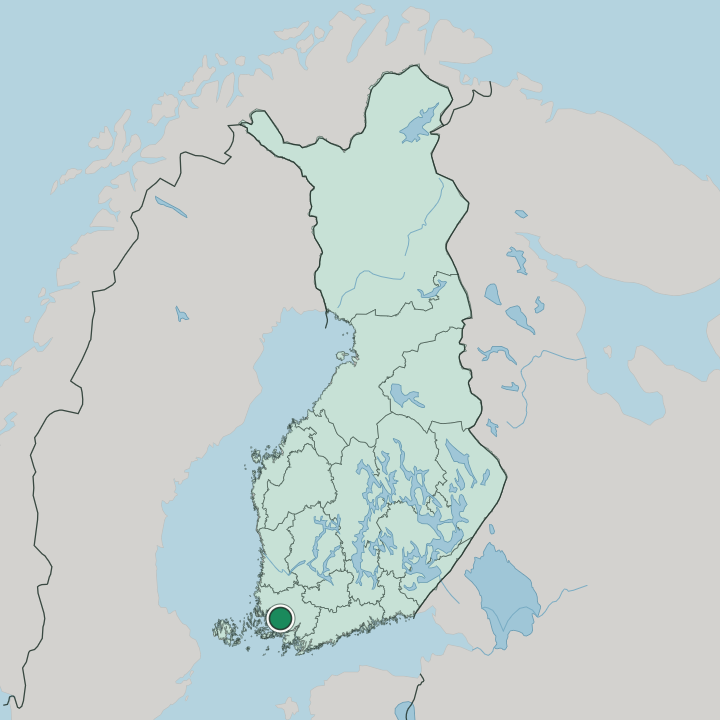
Turku lies in south-western Finland, where the Aurajoki reaches the coast at the inner edge of the Archipelago Sea. The river runs through the middle of the city in Varsinais-Suomi, dividing it into two banks linked by bridges and lined with quays, while beyond the harbour the water breaks into the thousands of islands and skerries of the archipelago. The land around is low and coastal.
Turun linna stands where the Aurajoki meets the sea, and roads and ferry routes fan out from the city across the region and over the water toward Sweden.
What is the climate of Turku?
Turku has a cool coastal climate softened by the Archipelago Sea. Winters are cold and often grey, with frost and snow along the Aurajoki and ice forming among the sheltered inner islands through the heart of the cold season in south-western Finland. Light lingers late in summer.
The warm months draw life to the riverside terraces and the open water of the archipelago, milder than the Finnish interior thanks to the sea, while spring and autumn turn between the two. The sea keeps the city's edges from the harshest cold.
How do you get to Turku?
Turku is one of the main gateways of south-western Finland. The city has its own airport and a railway station with fast trains from Helsinki, and major roads run in across Varsinais-Suomi from the capital and the rest of the country. Ferries sail from the harbour.
From the terminal near Turun linna, large car ferries cross the Archipelago Sea to the Åland Islands and on to Sweden, making Turku Finland's western sea gate, while local buses and river boats link the centre along the Aurajoki.
Good for
More cities in Varsinais-Suomi
Updated September 2026