Finland · Varsinais-Suomi
Where to Stay in Kustavi, Varsinais-Suomi
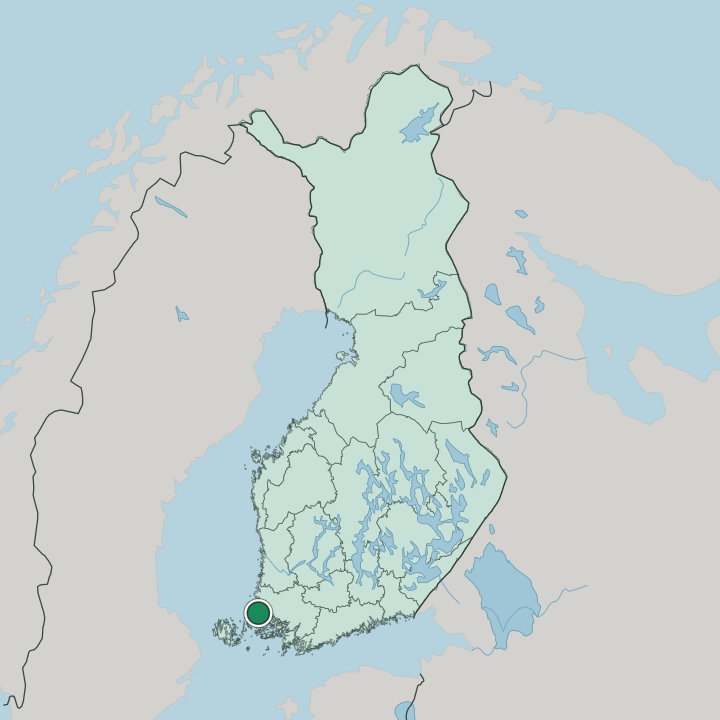
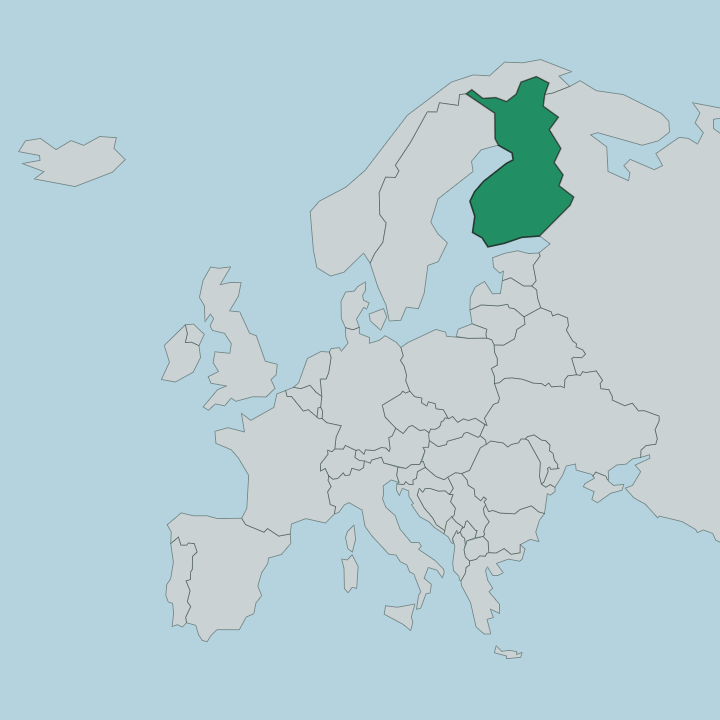
Kustavi is an island municipality in Varsinais-Suomi, south-western Finland, scattered across the Archipelago Sea.
Find your area →


Where to stay in Kustavi
The right area depends on your trip — here's what each neighbourhood is best for.
Kustavi keeps a small but seasonal stock of beds, the rooms of an island municipality where the Archipelago Sea is never far from the window. The main village around the Kustavin kirkko is the natural base, with the parish church, the harbour and the shops of this corner of Varsinais-Suomi all close, and a handful of small hotels and guesthouses serving summer sailors and holidaymakers. That is the busy heart.
Across the islands the lodging runs to rented cottages and cabins by the shore, on the headland of Klupinniemi and out toward the islet of Loukeenkari, the kind of waterside base that suits anglers, paddlers and boat crews working the skerries of south-western Finland. Beds spread thin offshore. For something further out, the lighthouse island of Isokarin majakka and the old pilot village of Lypyrtin kylä ja luotsiasema offer rooms in a true sea setting, while many visitors simply moor for the night.
Summer fills every cottage of the Archipelago Sea, so book the rooms of Kustavi well ahead of the sailing season.
About Kustavi
What is Kustavi known for?
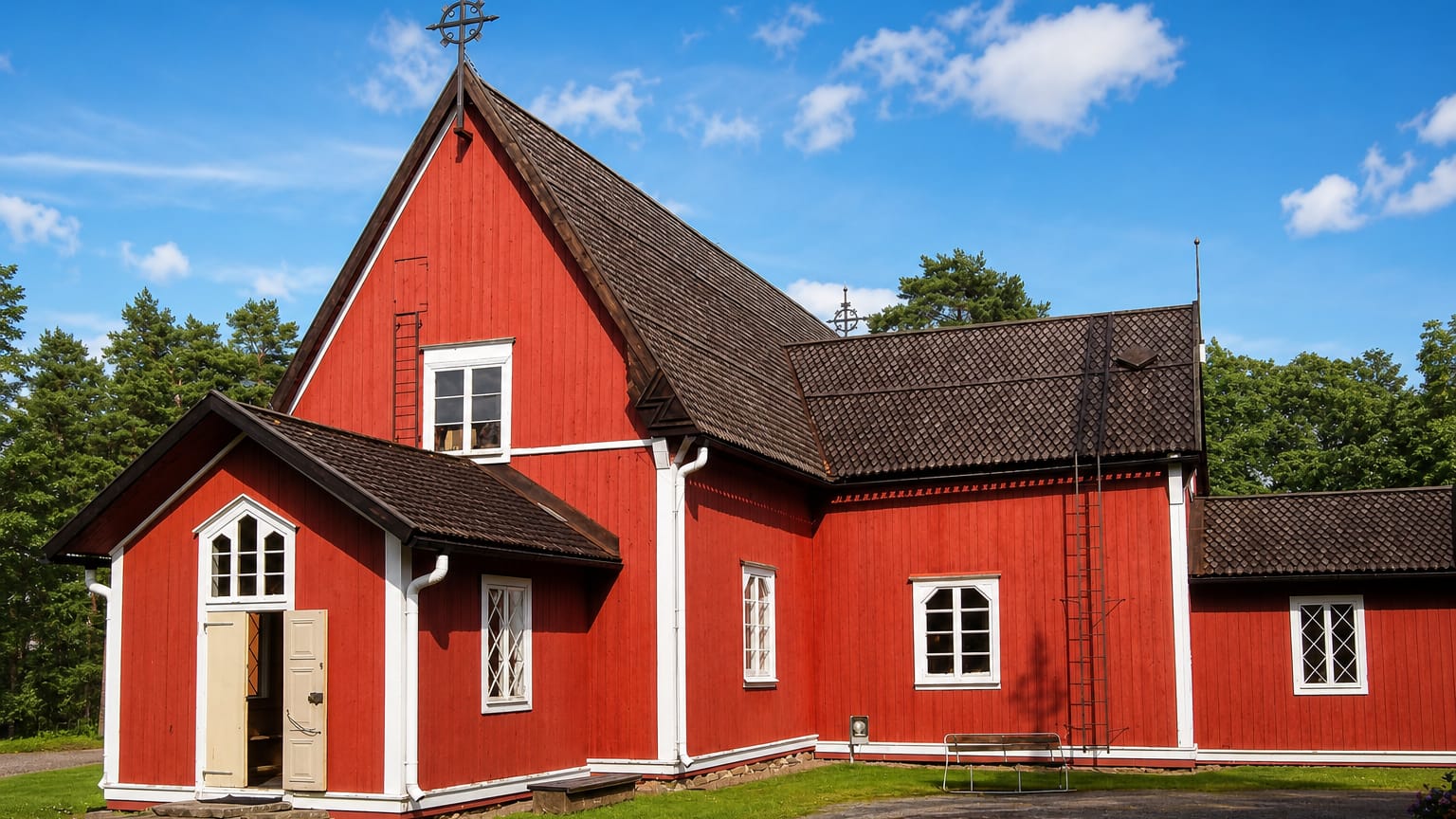
Kustavi is known as a seafaring parish of the Archipelago Sea, its islands and skerries strung across the outer waters of Varsinais-Suomi. The Archipelago Sea shapes everything about Kustavi. Far out on its own rock the Isokarin majakka guides shipping into south-western Finland, while the old Suuri Postitie, the Stockholm-Turku mail route, once ran its couriers through these waters and the Kustavin kirkko gathers the scattered island parish around its wooden walls.
What are the main landmarks in Kustavi?
The Isokarin majakka is the signature landmark of Kustavi, the tall sea light marking the outer edge of the Archipelago Sea. History runs deep across the islands. A wooden church, the Kustavin kirkko, anchors the main village, the Stockholm-Turku mail route known as the Suuri Postitie crossed these waters in the post-rider age, and on a far skerry the coastal fort of Katanpään linnoitus once guarded the approaches to south-western Finland.
Two more sites round out the heritage. The villa of Hornborgin huvila and the pilot village of Lypyrtin kylä ja luotsiasema mark this island parish of Varsinais-Suomi.
What is the history of Kustavi?
Kustavi's history is a story of the sea lanes of the Archipelago Sea. Long before it became its own parish the islands lay on the old Stockholm-Turku mail route, the Suuri Postitie, whose couriers were rowed and sailed from skerry to skerry on the post road between Sweden and Finland. The water carried everything.
Fishing, sealing and coastal farming sustained the scattered island people of this part of Varsinais-Suomi, their lives ruled by wind, ice and the rhythm of the boats. The parish was chartered in 1874, the wooden Kustavin kirkko gathering the islanders into a single congregation of south-western Finland. Pilot service grew as shipping increased, leaving behind the Lypyrtin kylä ja luotsiasema and crowning the outer waters with the Isokarin majakka to guide vessels safely through the rocks of the Archipelago Sea.
Coastal defence left its own mark too. The fortress of Katanpään linnoitus guarded the sounds while the villa age touched the islands at Hornborgin huvila. Kustavi held to its seafaring character through it all, the old post route and the lighthouse standing as reminders of the maritime past of the Archipelago Sea.
Where is Kustavi?
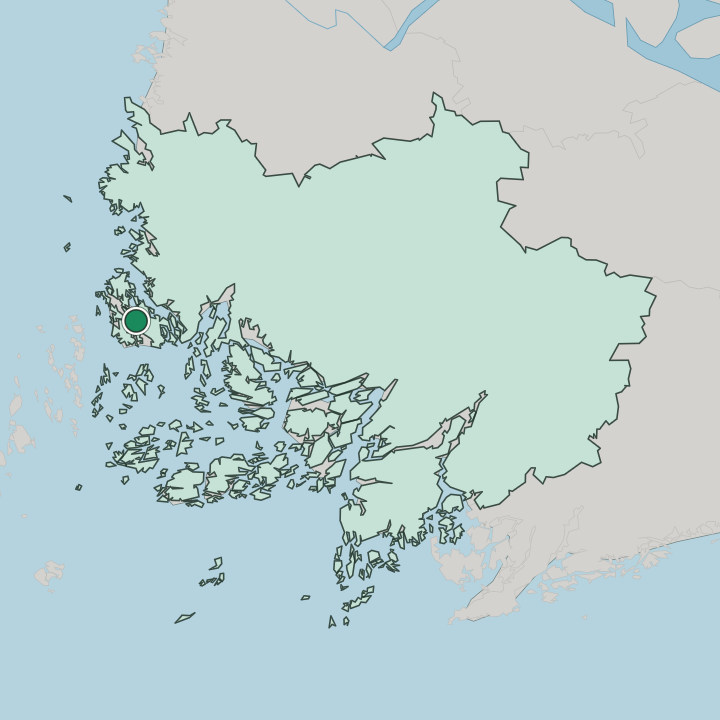
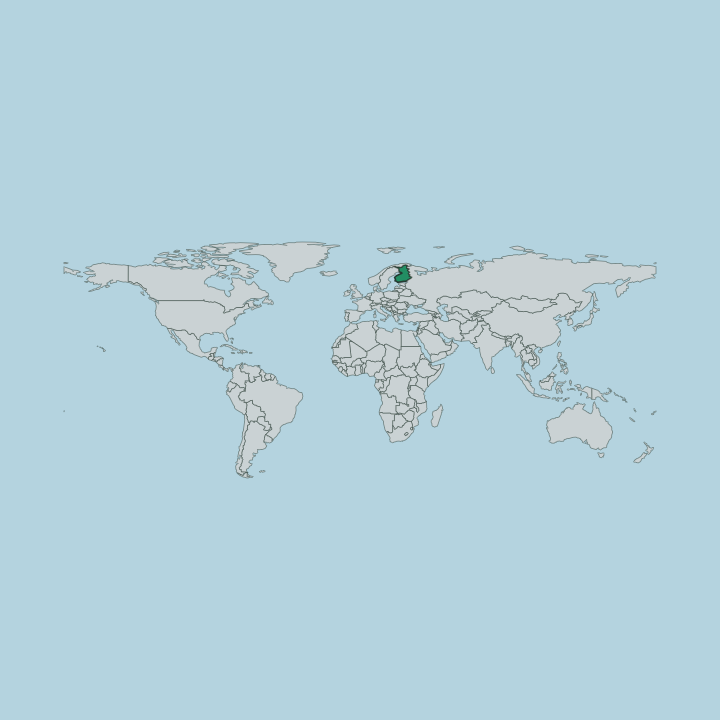
Kustavi is a place made almost entirely of water and rock, a scatter of islands and skerries in the Archipelago Sea off Varsinais-Suomi. Bare granite islets, pine-clad islands and narrow sounds make up the municipality, the larger isles linked by bridges and the smaller reached only by boat. Land here is broken into fragments.
The main village sits near the Kustavin kirkko, the headland of Klupinniemi reaches toward open water, and far out the islet of Loukeenkari and the lighthouse rock of Isokarin majakka mark the seaward edge of south-western Finland.
What is the climate of Kustavi?
Kustavi has the maritime climate of the outer Archipelago Sea, its weather smoothed and shifted by the surrounding water of Varsinais-Suomi. Winters are milder than the Finnish mainland but raw with wind, the sounds freezing in hard spells and the ice closing the boat routes between the islands. The sea rules the seasons.
Cool, bright summers draw the long northern daylight over the skerries around Kustavi, the sailing months when the open water off Isokarin majakka fills with boats before the autumn gales return.
How do you get to Kustavi?
Kustavi is reached by a chain of bridges and ferries through the Archipelago Sea, and the car is the usual way in. The road runs west across the islands of Varsinais-Suomi to the main village near the Kustavin kirkko, linked by short ferry crossings between the larger isles. Boats do the rest.
The outer islands such as the lighthouse rock of Isokarin majakka are reached only by water, while many summer visitors simply arrive by their own boat across the open sounds into Kustavi.
Good for
More cities in Varsinais-Suomi
Updated September 2026