Finland · Varsinais-Suomi
Where to Stay in Lemu, Varsinais-Suomi
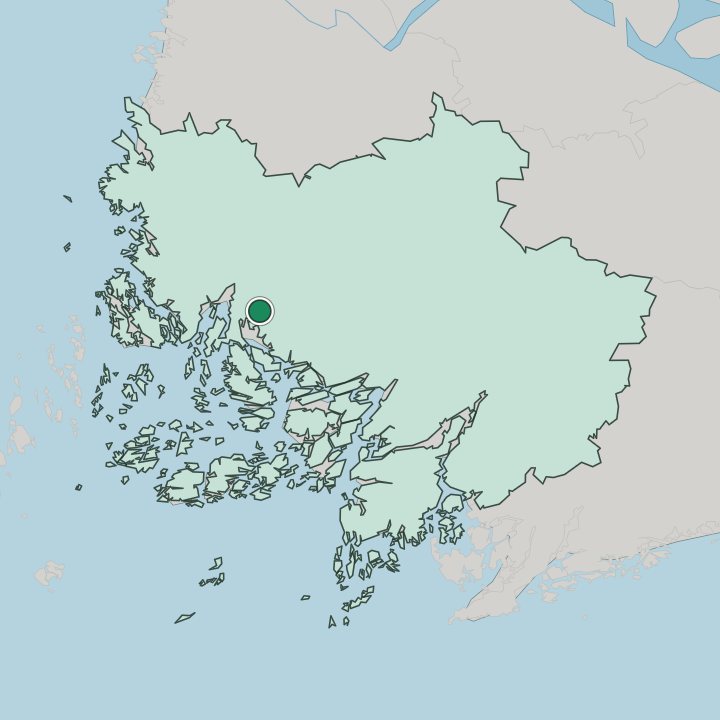
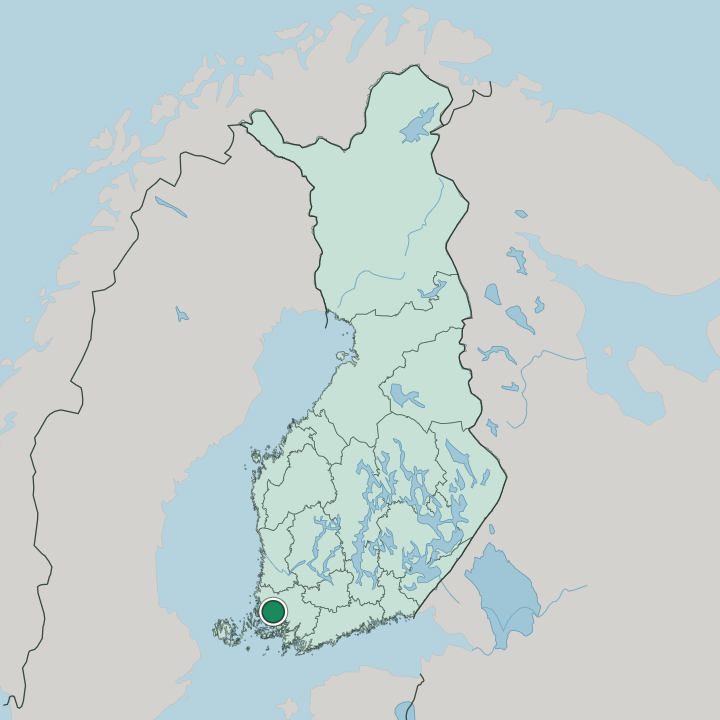
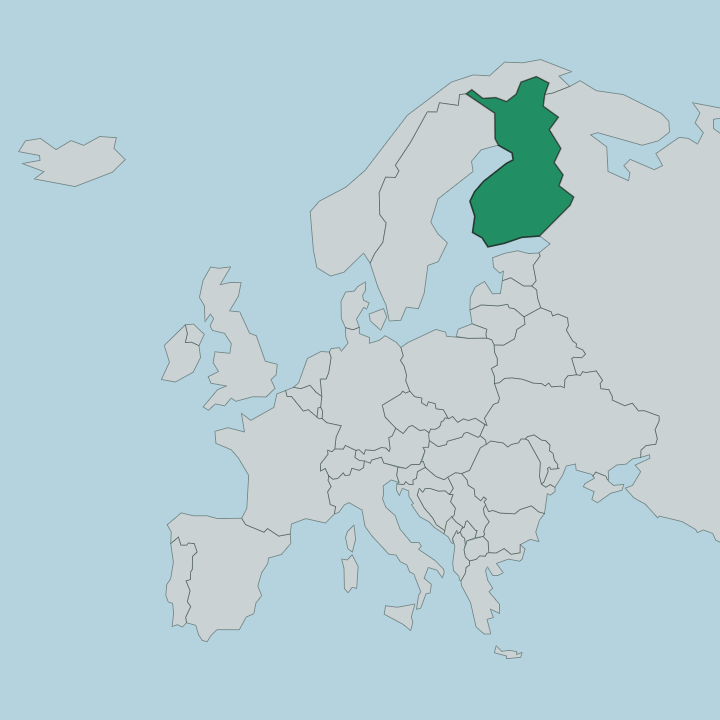
Lemu is a small municipality in Varsinais-Suomi, south-western Finland, the rural parish around Louhisaaren kartano near Masku.
Find your area →


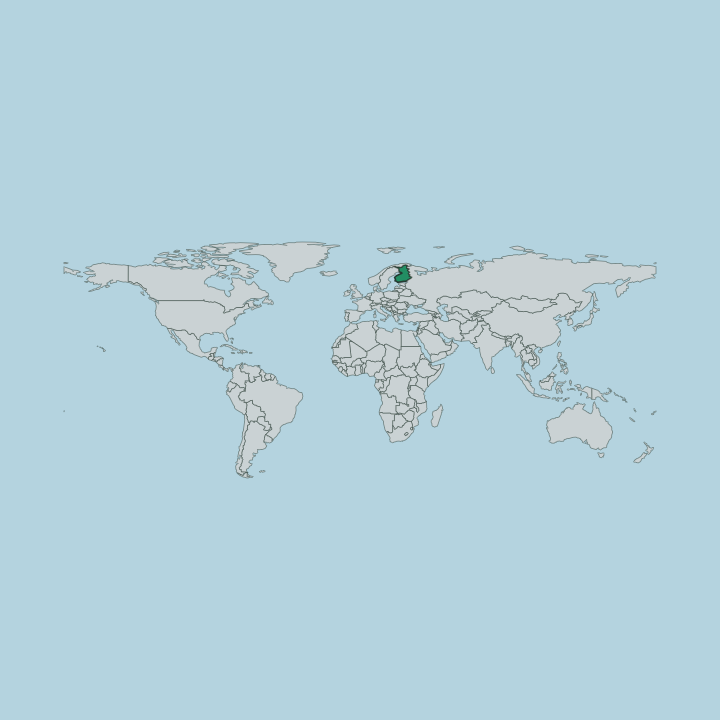
Where to stay in Lemu
Not every neighbourhood fits every trip — here's what each one is good for.
Lemu holds almost no beds of its own, the kind of small Varsinais-Suomi parish where a farm room or a guesthouse is the usual stay rather than a hotel. The old village around the Lemun kirkko suits visitors who want the parish heart, with the stone church and the lanes that wind out toward Louhisaaren kartano through the open farmland. It is a quiet footing.
Out across the rural municipality, where the fields run toward the manor and the ruined Stenbergan linna, a few cottages and farm-stays stand among the woods and tilled ground, a calm base for touring the old estates of south-western Finland by car. This small Varsinais-Suomi parish keeps almost no beds of its own. Many travellers instead sleep in the neighbouring Masku or in the wider Turku region, where the hotels are, and drive the short road out to Lemu for the day, walking the grounds of Louhisaaren kartano and the old Askaisten kirkko nearby.
Book well ahead in summer, when the handful of rooms around Lemu fill fast.
Things to do in Lemu
Ranked by global recognition; descriptions from Wikidata (CC0).
Museums & Galleries
1- Louhisaaren kartano Heritage château in Masku
Churches & Religious Sites
3- Askaisten kirkko Heritage church building in Masku
- Maskun kirkko Heritage
- Lemun kirkko Heritage
Castles & Historic Sites
1- Stenbergan linna Heritage castle ruins in Masku
worth knowingacross 3 categories in Lemu
About Lemu
What is Lemu known for?
Lemu is known for Louhisaaren kartano, the great manor house that stands among the fields of this small parish in Varsinais-Suomi. The manor is the draw. Its halls and grounds near Masku pull most visitors who come this way, and the old Lemun kirkko marks the village centre, while the ruined Stenbergan linna keeps the memory of a vanished stronghold across the quiet farmland of south-western Finland.
What are the main landmarks in Lemu?
Louhisaaren kartano is the landmark that defines Lemu, a great manor house set among the fields of this Varsinais-Suomi parish near Masku. The old Lemun kirkko marks the village. Stone and timber both shaped the parish.
The ruined Stenbergan linna keeps the trace of an old stronghold, the nearby Askaisten kirkko stands among its own graves, and the Kemppien tupa preserves an old cottage of the country, the layers of a long rural settlement in this corner of south-western Finland.
What is the history of Lemu?
Lemu's history is written in stone and field. The parish grew on the farmland of Varsinais-Suomi, in south-western Finland, where the old Lemun kirkko gathered the households of the country and the ruined Stenbergan linna once held a stronghold above the surrounding ground. Faith and lordship marked it early.
Down the centuries the land was worked from manor and croft alike, and the great Louhisaaren kartano rose among the fields near Masku, the seat of an estate that shaped the whole parish. That old order still marks the place. Louhisaaren kartano keeps its halls and grounds, holding the memory of the family that ran the estate, while the Lemun kirkko stands on its old footing at the village heart.
The nearby Askaisten kirkko and the Maskun kirkko anchor the neighbouring churches of the country, and the Kemppien tupa preserves an old cottage of the parish folk. Lemu holds its place as a small rural parish of the manors and churches, set on the quiet farmland of south-western Finland near Masku.
Where is Lemu?
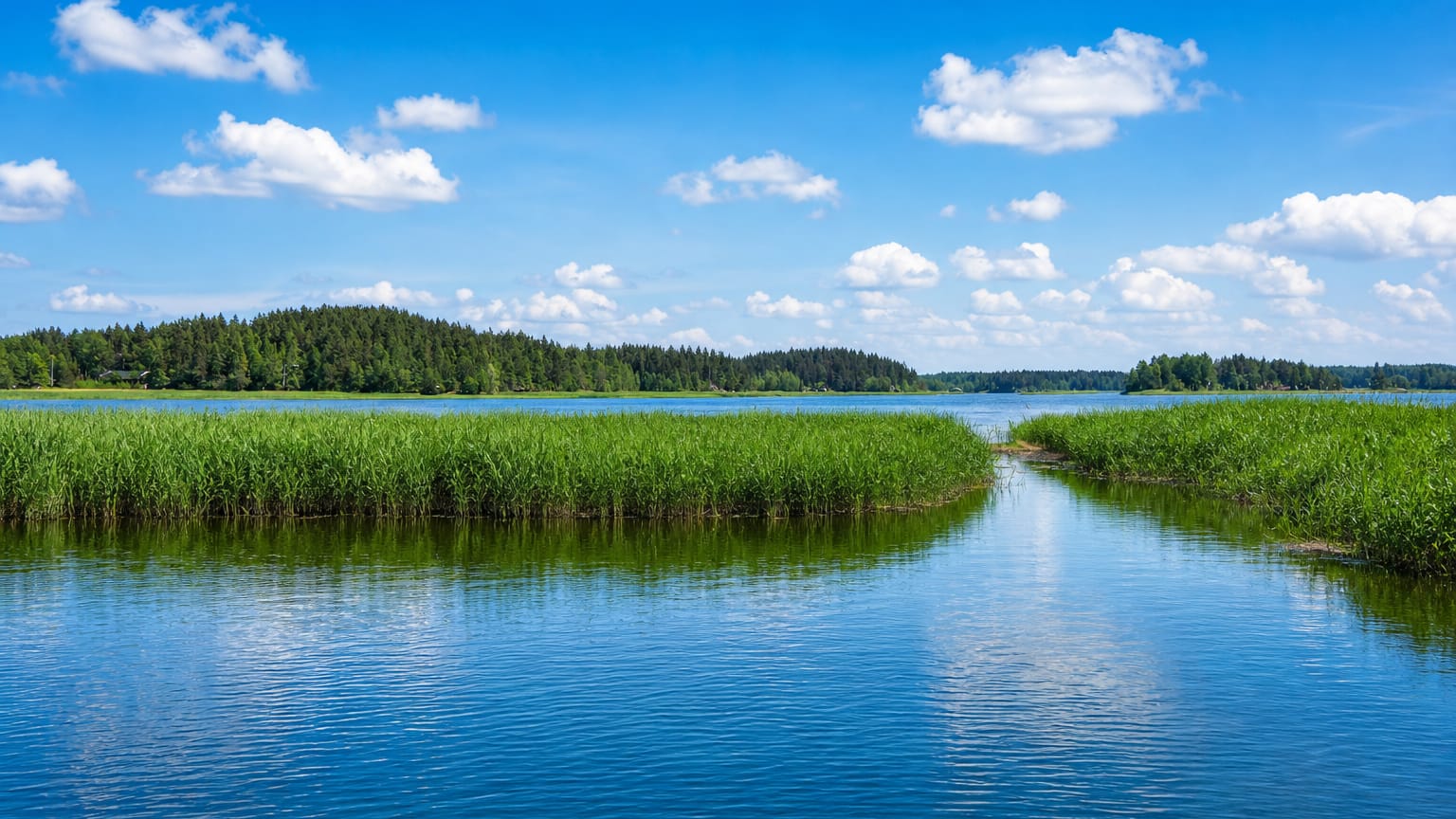
Lemu lies on the low farmland of Varsinais-Suomi, in south-western Finland, a small parish of fields and scattered woods near the neighbouring Masku. The old village gathers around the Lemun kirkko on the open ground, the cultivated land running out toward Louhisaaren kartano. The country is gentle and worked.
Fields, copses and the manor grounds fill the quiet municipality, the parish set among the low estates and old churches of this corner of the south-west.
What is the climate of Lemu?
Lemu has a cool maritime-tinged climate, softened by the nearness of the sea off south-western Finland. Winters are cold and grey, the fields of the parish around Louhisaaren kartano lying under snow and frost from early in the season until the slow thaw of spring across Varsinais-Suomi. Summers are mild and light.
The long northern days warm the farmland and the manor grounds near Masku through the short green season, the weeks when the parish of Lemu is at its brightest before the cold returns.
How do you get to Lemu?
Lemu sits off the roads of Varsinais-Suomi near Masku, and the car is the usual way in. The route runs out through the farmland of south-western Finland to the village by the Lemun kirkko, with local buses calling along the way to the parish. Most reach it by road.
The nearest airport and main rail services lie in the wider Turku region to the south-east. Travellers from farther off come through the city first, then drive the short country road out to Lemu and the grounds of Louhisaaren kartano, passing the neighbouring Masku.
Good for
More cities in Varsinais-Suomi
Updated September 2026