Finland · Varsinais-Suomi
Where to Stay in Rusko, Varsinais-Suomi
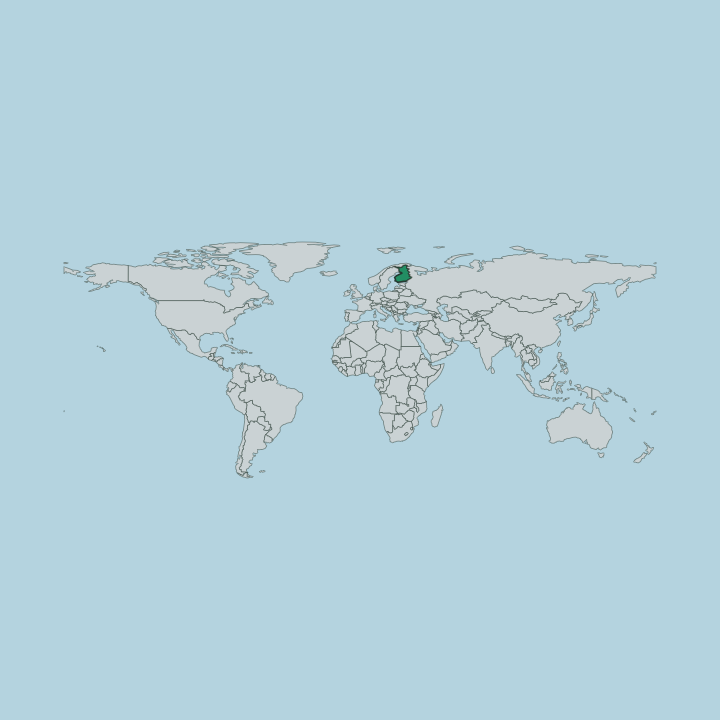
Rusko is a small inland municipality in Varsinais-Suomi, south-western Finland, north of Turku among farm and forest.
Find your area →


Where to stay in Rusko
Each area has its own feel; here's who each one suits.
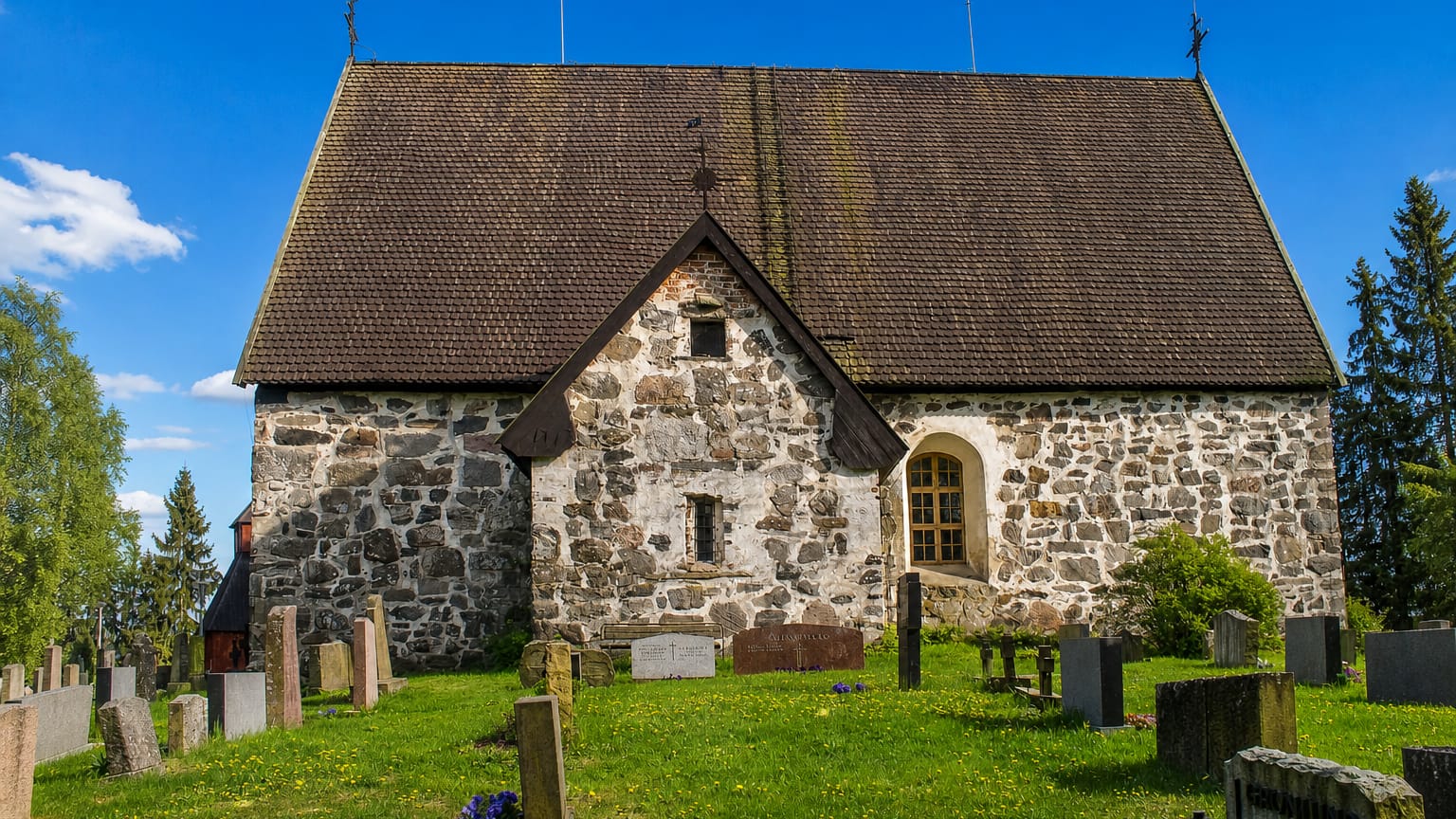
Rusko keeps only a thin stock of beds for a small inland municipality of Varsinais-Suomi, the kind of place where a farmstay, a guesthouse or a cottage is the usual room. The church village around the Ruskon kirkko and the hill of Ruskon kirkonmäki suits visitors who want the quiet of the south-western Finnish countryside close at hand, with the village shops and the parish church within an easy walk. It is a modest base.
Out across the farm and forest of the municipality, cottages and cabins stand among the woods, near the former parish of Vahto with its church the Vahdon kirkko and the boundary marker of Kuhankuono, a good base for walking the forests at the edge of Rusko. Stock is sparse here. Most travellers instead sleep in the nearby city of Turku, with its far wider stock of rooms, and drive the short way out to Rusko for the day.
Book ahead, since rooms in this corner of Varsinais-Suomi are few and fill quickly in summer.
About Rusko
What is Rusko known for?
Rusko is known as a quiet inland municipality of Varsinais-Suomi, a country of farm and forest set north of Turku in south-western Finland. Its wooden parish churches mark the villages, the Ruskon kirkko on the church hill of Ruskon kirkonmäki and the Vahdon kirkko in the former parish of Vahto. Old stones lie in the woods.
The famous boundary marker of Kuhankuono, where the bounds of several municipalities meet, draws walkers into the forest at the edge of Rusko.
What are the main landmarks in Rusko?
The wooden Ruskon kirkko is the landmark that tells the parish story, standing with its belfry the Ruskon kirkon kellotapuli on the old church hill of Ruskon kirkonmäki. A second church marks Vahto. The Vahdon kirkko and its belfry the Vahdon kirkon tapuli stand in the former parish now joined to Rusko, while in the forest the boundary marker of Kuhankuono sets the meeting point of several municipalities.
Old stones lie scattered in the woods too, ancient sites like Kolovuori and Ilmesvuori kept across this corner of Varsinais-Suomi.
What is the history of Rusko?
Rusko's history reaches deep into the land. Ancient ground lies across the parish, old hill sites like Kolovuori, Ilmesvuori and Mäkkylänmäki and the old field of Kallentalon pelto showing that people worked these woods and clearings long before the parish took shape north of Turku. The land was settled early.
In time the farms gathered around the wooden Ruskon kirkko on its church hill, the Ruskon kirkonmäki, which gave the scattered settlement of this corner of Varsinais-Suomi its centre under the Crown. The neighbouring parish of Vahto grew the same way. Its own wooden church, the Vahdon kirkko, stood at the heart of a separate farming community among the forests, and the old boundary marker of Kuhankuono in the woods set where the lands of several municipalities met.
In time Vahto was joined to Rusko, and the two old parishes became one municipality of inland Varsinais-Suomi, their churches, belfries and ancient sites like Hujala and Lempo still marking the country north of Turku.
Where is Rusko?
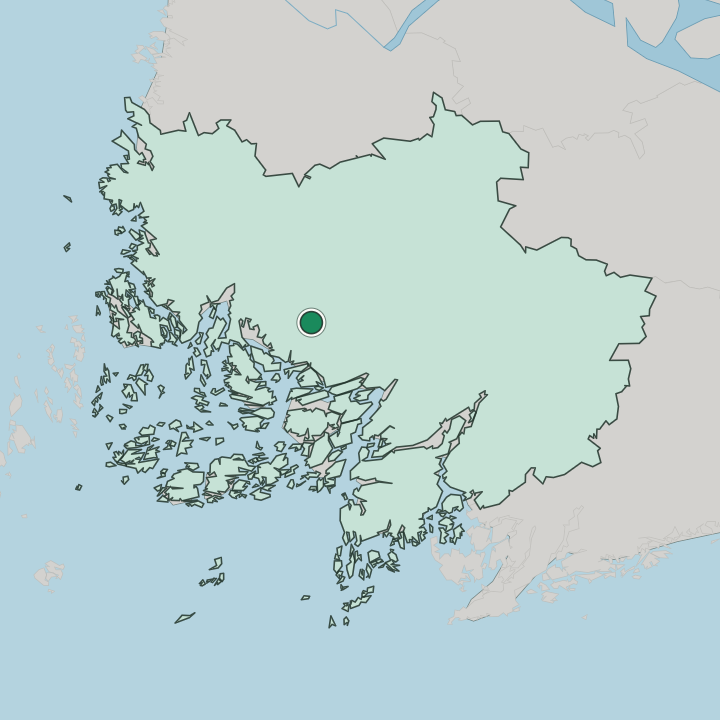
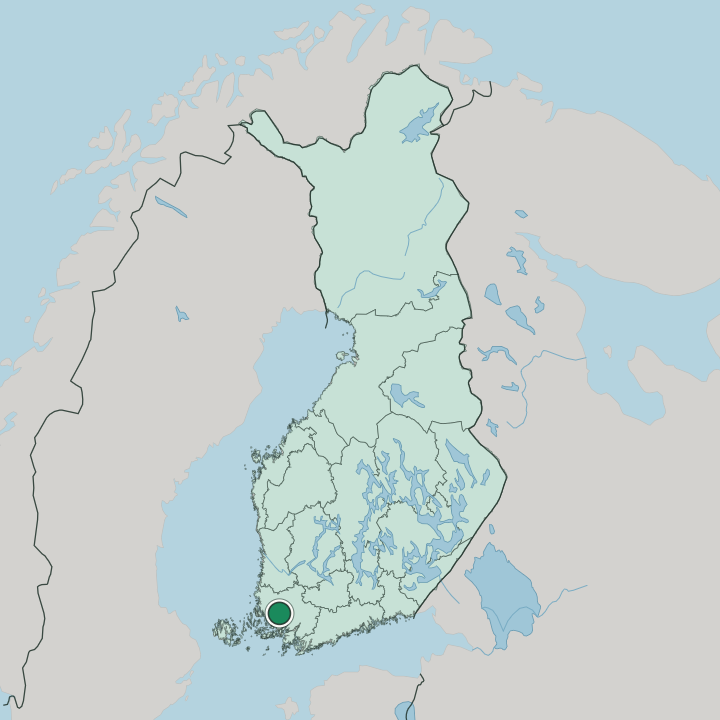
Rusko lies in the inland farm country of Varsinais-Suomi, in south-western Finland, a short way north of the coastal city of Turku. Low ridges, fields and forest fill the small municipality, the church village around the Ruskon kirkko set on its hill while woods and clearings spread out on every side. Forest reaches to the bounds.
The former parish of Vahto lies to the north with its church the Vahdon kirkko, and at the wooded edge of Rusko the boundary marker of Kuhankuono sets the meeting of several lands in this corner of Varsinais-Suomi.
What is the climate of Rusko?
Rusko carries the cool, continental seasons of inland Varsinais-Suomi, a touch milder than the deep interior thanks to the nearby south-western coast. The winter months turn bitter around Rusko. Frost and snow grip the fields and forests around the Ruskon kirkko through the long dark months, the woods toward Vahto lying white until the spring thaw.
The long northern daylight then warms the farmland through a green and lengthening summer, the season when the country roads and forests at the edge of Turku draw walkers out to the boundary marker of Kuhankuono before the snow returns.
How do you get to Rusko?
Rusko is reached by road from the nearby city of Turku, and the car is the usual way in. The short drive runs north out of Turku across the farm country of Varsinais-Suomi to the church village by the Ruskon kirkko. Buses run the route too.
Regional coaches link Rusko and the former parish of Vahto to Turku, and visitors from farther off come through that coastal city before the last stretch out to the quiet inland roads and the forests around the boundary marker of Kuhankuono.
Good for
More cities in Varsinais-Suomi
Updated September 2026