Finland · Varsinais-Suomi
Where to Stay in Somero, Varsinais-Suomi
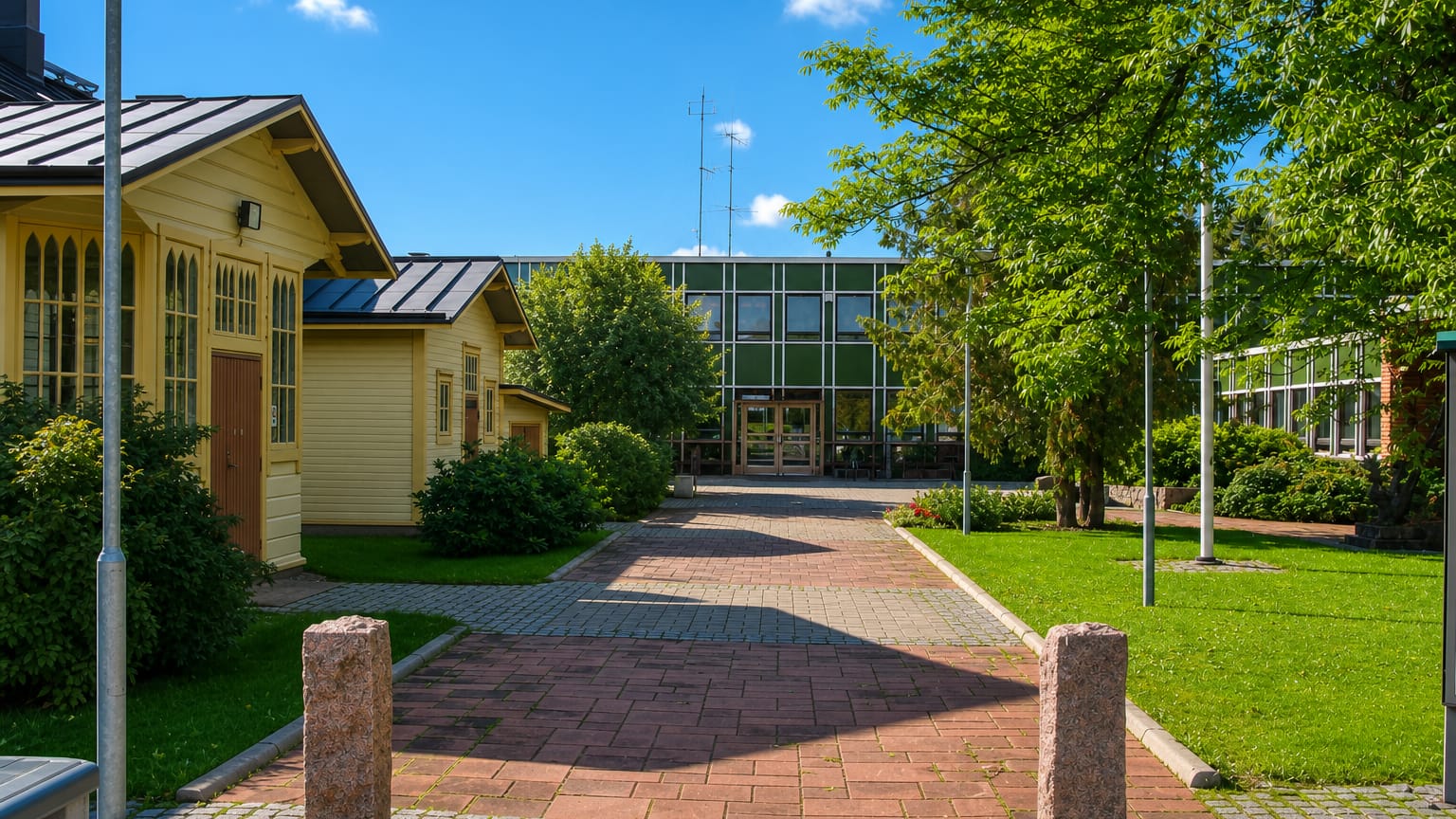
Somero is a small farming town in south-western Finland's Varsinais-Suomi region, set among broad cultivated fields.
Find your area →


Where to stay in Somero
The right area depends on your trip — here's what each neighbourhood is best for.
Most beds in Somero sit close to the village centre. The compact core around Someron kirkko holds the town's small scatter of rooms, guesthouses, and services, and this is where most visitors base themselves within easy reach of shops and the parish church before heading out into the farmland. The town keeps only a handful of rooms.
Somero is a small agricultural municipality, and away from the centre the lodging thins quickly to the occasional inn among the fields of Varsinais-Suomi. The country offers the quieter option. Out across the cultivated land of the parish, farm stays and rural rooms open for travellers who want a calm base in the worked landscape rather than a room in the village.
Reserve well before the summer season. The warm season fills the few rooms quickly, and visitors arriving for events at Someron kirkko or markets in the centre may find the small town's beds taken, spilling over to the larger centres of south-western Finland for the night.
About Somero
Somero is farm country.
What is Somero known for?
Across south-western Finland the town is known for its broad, cultivated fields and for the medieval Someron kirkko that rises grey-stone above the parish, with its older Someron sakaristo standing beside it as one of the region's oldest church structures. The land does the work here. A rural municipality in Varsinais-Suomi, Somero draws its character from the surrounding farmland and the worked landscape rather than from any single great monument, and the church and its stone sacristy mark the historic heart of a quiet agricultural parish.
What are the main landmarks in Somero?
The Someron kirkko is the landmark that defines the town. A grey-stone medieval church, it rises at the heart of the parish, and beside it the Someron sakaristo, a separate stone sacristy, stands among the oldest church structures in this part of south-western Finland. Memorials mark the town too.
The Unto Monosen muistomerkki honours the popular Finnish songwriter born in the parish, while the war memorial Rauhanenkeli ja haavoittunut soturi and the Someron helluntaiseurakunta congregation record the town's later civic and religious life among the fields of Varsinais-Suomi.
What is the history of Somero?
Somero began as a farming parish in south-western Finland. Its settlement gathered on fertile country where farms and a church drew a rural community together long before the place took its modern administrative shape, chartered as a municipality in 1867 amid the worked fields of what is now Varsinais-Suomi. Someron kirkko anchored that early parish.
The grey-stone church and its older Someron sakaristo served the farming community for centuries, and the sacristy survives as one of the oldest church structures in the region. Agriculture shaped the town's long story. Somero grew as a parish of productive farmland rather than industry, its life turning on the seasons of grain and the markets that gathered in the centre, and the open country gave the municipality the agricultural character it carries still.
Its people honoured their own. The songwriter remembered in the Unto Monosen muistomerkki was born here, and the war memorial Rauhanenkeli ja haavoittunut soturi later joined the church at the centre of civic memory. So a quiet farming parish became the settled rural town of the Varsinais-Suomi fields.
Where is Somero?
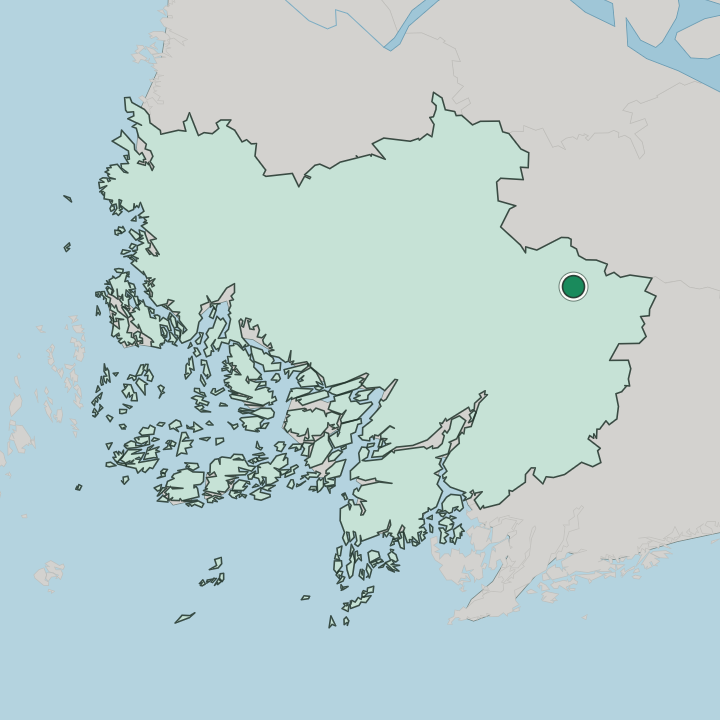
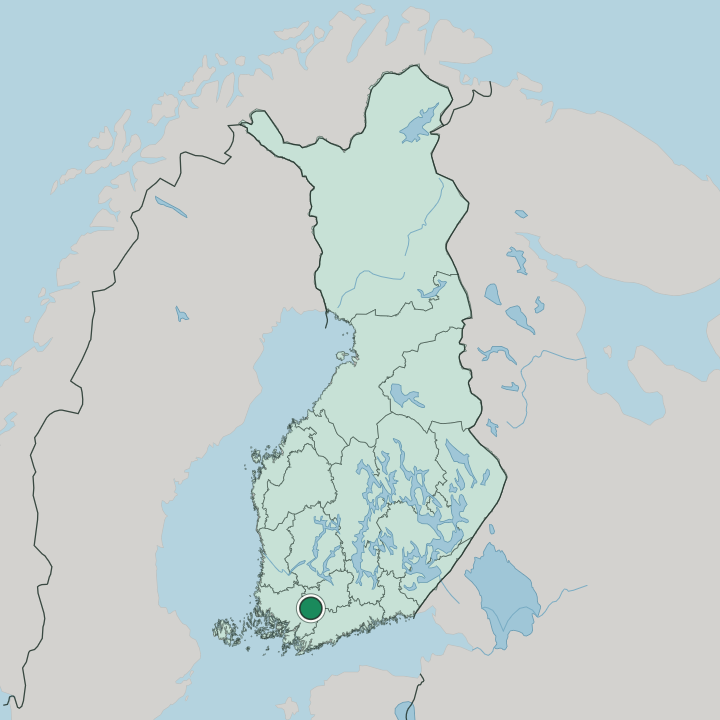
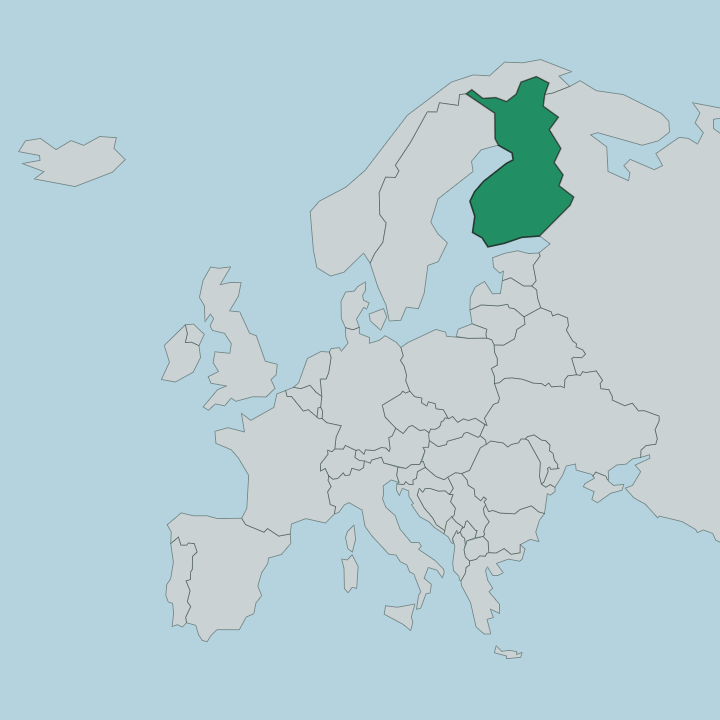
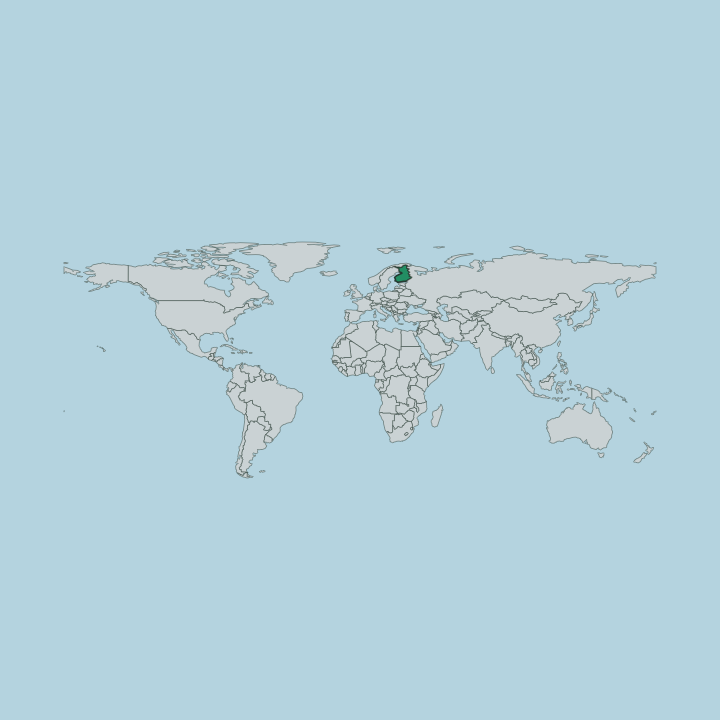
Somero lies in south-western Finland, on the open farmland of the Varsinais-Suomi region. The town spreads across low, cultivated country where fields and meadows run between stands of forest. The country is broad and worked.
Roads thread out across the fields to the neighbouring parishes, and the agricultural landscape that defines the municipality reaches from the village centre by Someron kirkko to the wooded edges of the region around the town.
What is the climate of Somero?
Somero has the cool, moist climate of south-western Finland. Winters are long and snowy, with frost and lying snow across the fields of the parish for months as the short days dim early through the cold heart of the year. The warm season brings green and light.
Summer opens the farmland and lengthens the days over the town before the cold returns, and the brief springs and autumns pass quickly between the two. Snow lies reliably here each winter across the open country.
How do you get to Somero?
Somero is reached by road across the farmland of Varsinais-Suomi. Drivers come on the regional roads that link the town to the larger centres of south-western Finland, and most visitors arrive by car at the village centre near Someron kirkko. Buses serve the town along these routes.
The nearest railway and airport lie in the larger towns of the region, the usual gateways for travellers from farther afield, while local roads run out across the fields to the neighbouring parishes of the region.
Good for
More cities in Varsinais-Suomi
Updated September 2026