France · Bourgogne-Franche-Comté
Where to Stay in Dijon, Bourgogne-Franche-Comté
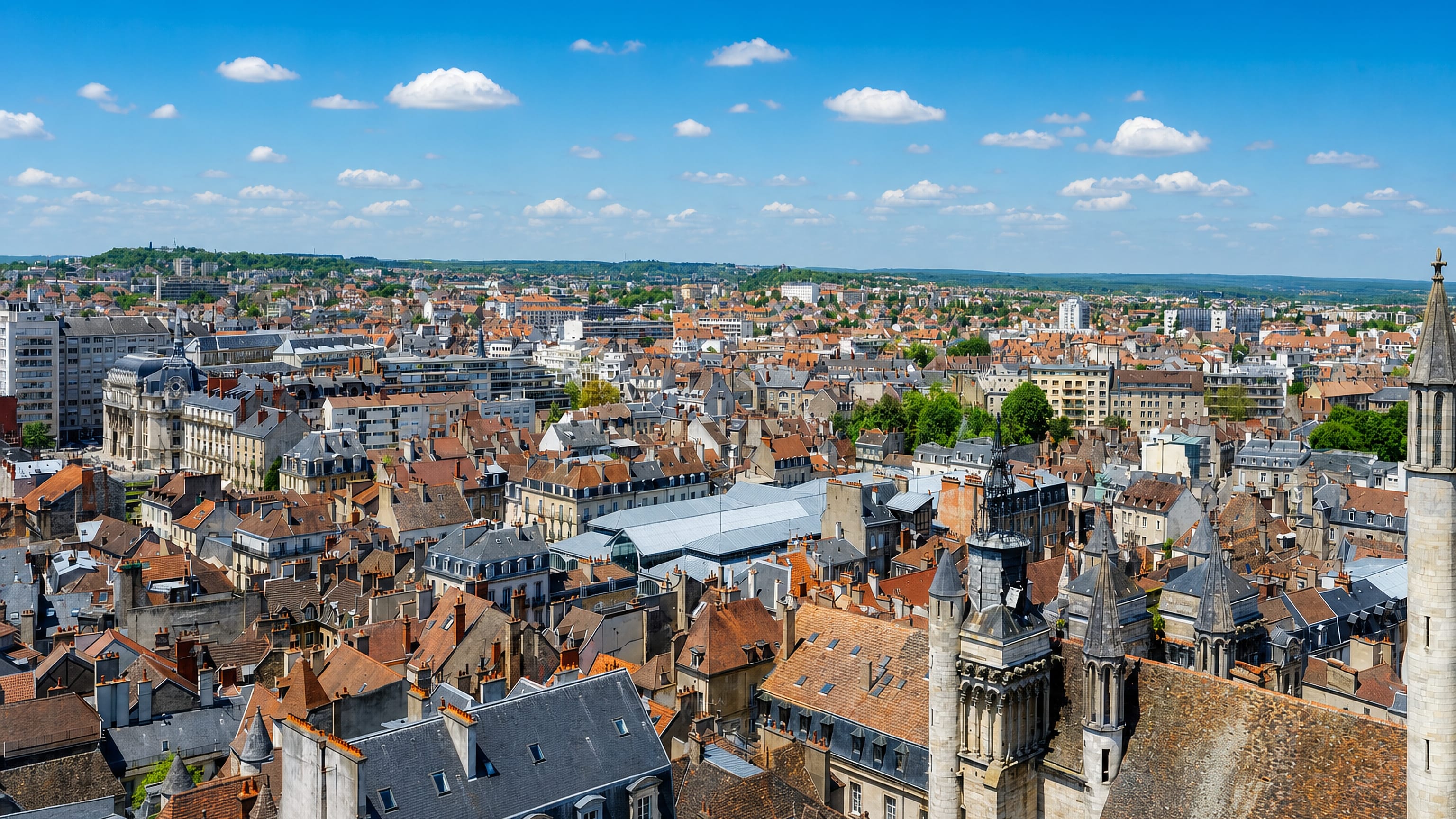
Tiled roofs catch the light in Dijon, prefecture of the Côte-d'Or in eastern France, old seat of Burgundy.
Hotel links are affiliate links: booking through them may earn us a commission, at no extra cost to you. It never affects how places are ranked. How this works


Where to stay in Dijon
The practical side of choosing where to sleep.
Dijon holds most of its lodging inside the old town, a compact grid of stone and half-timber that a visitor can cross on foot. The heart of it gathers around the Tour Philippe le Bon and the Church of Notre-Dame of Dijon, where the streets of Burgundy's old capital run tight between mansions and churches within easy reach of the Musée des Beaux-Arts de Dijon. This is the base for a first stay.
From here every square and gallery of the Côte-d'Or town sits a short walk away. Out from the medieval core, the quieter quarters toward Saint-Michel church and Église Saint-Pierre de Dijon give a calmer footing while keeping the old centre close. If you want the galleries at your door, stay near the Musée Magnin and the Musée des Beaux-Arts de Dijon.
Walk the old streets. The tiled roofs of Dijon mark the ground worth staying on in eastern France.
Find hotels in Dijon
Direct booking searches for these neighbourhoods.
Old town around the Tour Philippe le Bon
The tight stone-and-timber grid around the Tour Philippe le Bon and the Church of Notre-Dame of Dijon keeps Burgundy's old capital walkable within a few minutes of the Musée des Beaux-Arts de Dijon.Find hotels in Old town around the Tour Philippe le Bontravellers who want a calmer base near Saint-Michel church and Église Saint-Pierre de Dijon with the old centre still closeQuarters by Saint-Michel church
The quieter streets toward Saint-Michel church and Église Saint-Pierre de Dijon sit just out from the medieval core of the Côte-d'Or town, a short walk from its galleries.Find hotels in Quarters by Saint-Michel churchHotel links are affiliate links: booking through them may earn us a commission, at no extra cost to you. It never affects how places are ranked. How this works
Things to do in Dijon
Ranked by global recognition; descriptions from Wikidata (CC0).
Museums & Galleries
3- Muséum d'histoire naturelle de Dijon Heritage
- Musée des Beaux-Arts de Dijon
- Musée Magnin
Churches & Religious Sites
8- Church of Notre-Dame of Dijon Heritage
- Saint-Michel church Heritage
- Église Saint-Philibert de Dijon Heritage
- Église du Sacré-Cœur de Dijon Heritage
- Eglise Saint-Etienne (ancienne) Heritage
Show 3 more →
- Église Saint-Jean de Dijon Heritage
- Église Saint-Bernard de Fontaine-lès-Dijon Heritage
- Ste-Bernadette church Heritage
Stadiums & Sports
2- Palais des Sports de Dijon Heritage
- Stade Gaston Gérard
Landmarks & Notable Places
1- Tour Philippe le Bon Heritage
worth knowingacross 4 categories in Dijon
About Dijon
What is Dijon known for?
Dijon is known as the prefecture of the Côte-d'Or and the historic capital of Burgundy. The city keeps a dense old centre of tiled and timbered houses around the Tour Philippe le Bon and the Church of Notre-Dame of Dijon, with the Musée des Beaux-Arts de Dijon holding one of the great collections of eastern France. Wine country rings the town.
Bourgogne-Franche-Comté spreads its vineyards from its gates.
What are the main landmarks in Dijon?
Dijon packs its landmarks into the old streets of the Côte-d'Or town. The Tour Philippe le Bon rises over the centre, the Church of Notre-Dame of Dijon and Saint-Michel church hold the medieval squares, and the Musée des Beaux-Arts de Dijon, the Musée Magnin, the Musée Rude, and the Musée archéologique de Dijon gather the collections of Burgundy's old capital. Église Saint-Pierre de Dijon adds another spire. Towers and churches crowd the grid.
What is the history of Dijon?
Dijon rose as the seat of the powerful Dukes of Burgundy, whose court made the town a centre of art and trade across eastern France. Around their palace the old city took shape, and the Tour Philippe le Bon still climbs above the medieval grid the dukes shaped, while the Church of Notre-Dame of Dijon carried the town's faith through the same centuries of Burgundian power. The dukes built the capital.
Their tower stands over it yet. When Burgundy passed to the French crown, Dijon kept its rank as the chief town of the Côte-d'Or and later the prefecture of its department. The mansions and churches of the ducal age fill the centre still, and the Musée des Beaux-Arts de Dijon holds the art the court gathered.
Much of that age survives. From ducal capital to prefecture of Bourgogne-Franche-Comté, Dijon has held its place at the head of the wine country.
Where is Dijon?
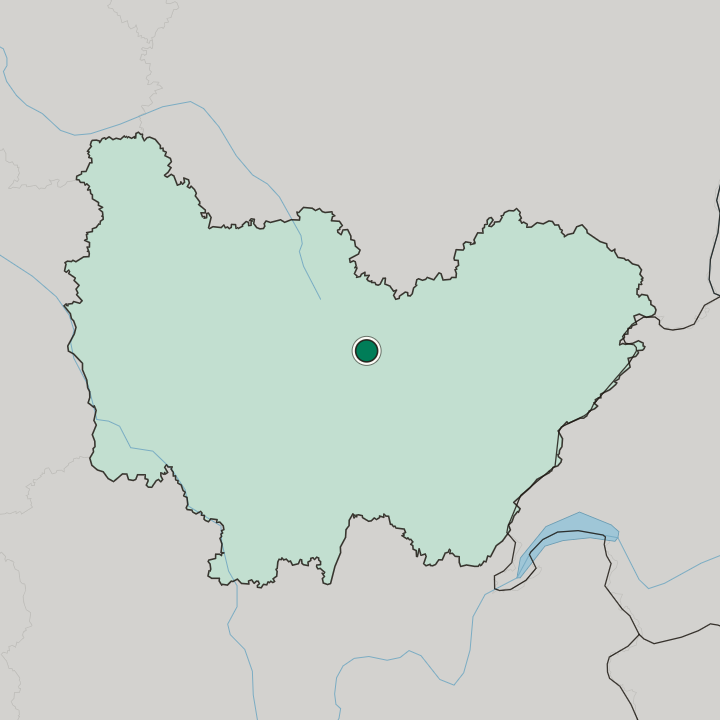
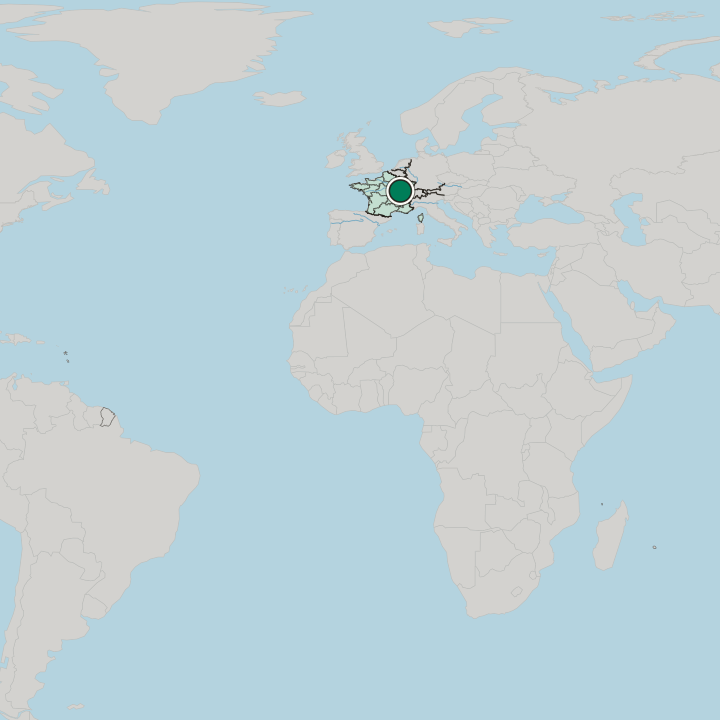
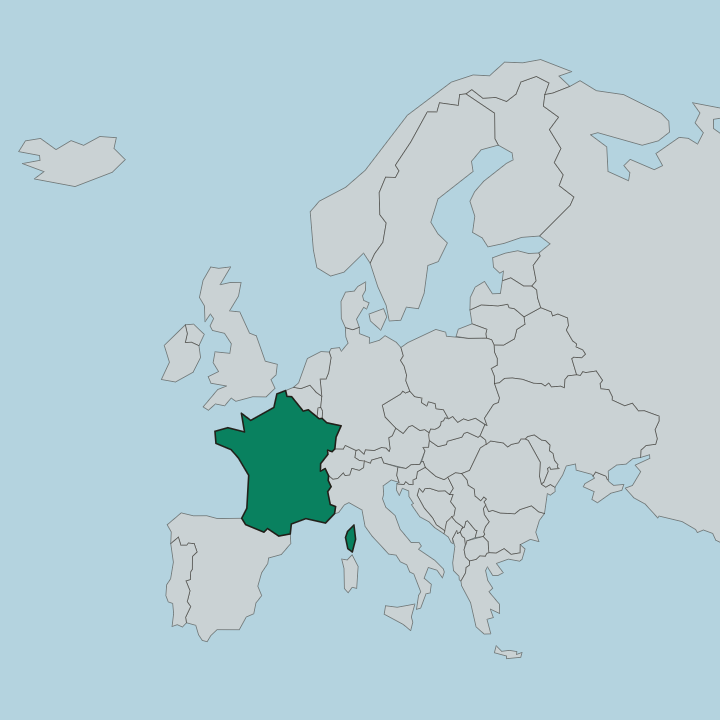
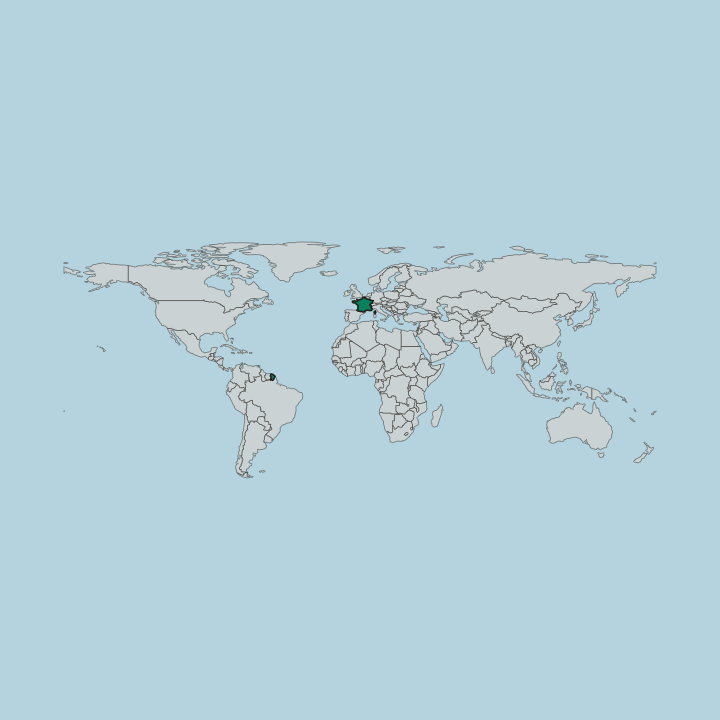
Dijon lies on a plain at the eastern edge of the Burgundy wine country, in the Côte-d'Or department of eastern France. The city sits where the flat land meets the low limestone slopes that carry the vineyards south, its old centre set on level ground within the wider Bourgogne-Franche-Comté region. Vineyards climb the slopes nearby.
The plain runs open to the north and east.
What is the climate of Dijon?
Dijon has a continental climate softened by its inland plain. Well back from the sea in eastern France, the city sees warm summers over the vineyards of Burgundy and cold, sometimes frosty winters, with clear crisp spells and occasional snow across the Côte-d'Or through the colder months. Winters run cold here.
Summer warms the wine slopes.
How do you get to Dijon?
Dijon sits on the main rail and road spine running south through eastern France. Fast trains reach the city on the line down through Bourgogne-Franche-Comté, and the motorways of the Côte-d'Or run past it into the wider region. Trains stop at its centre.
The wine roads fan out into Burgundy from the town.
Common questions
What is the best area to stay in Dijon?
Old town around the Tour Philippe le Bon: first-time visitors who want the medieval streets by the Tour Philippe le Bon and the Church of Notre-Dame of Dijon. Quarters by Saint-Michel church: travellers who want a calmer base near Saint-Michel church and Église Saint-Pierre de Dijon with the old centre still close.
Good for
More cities in Bourgogne-Franche-Comté
Updated September 2026