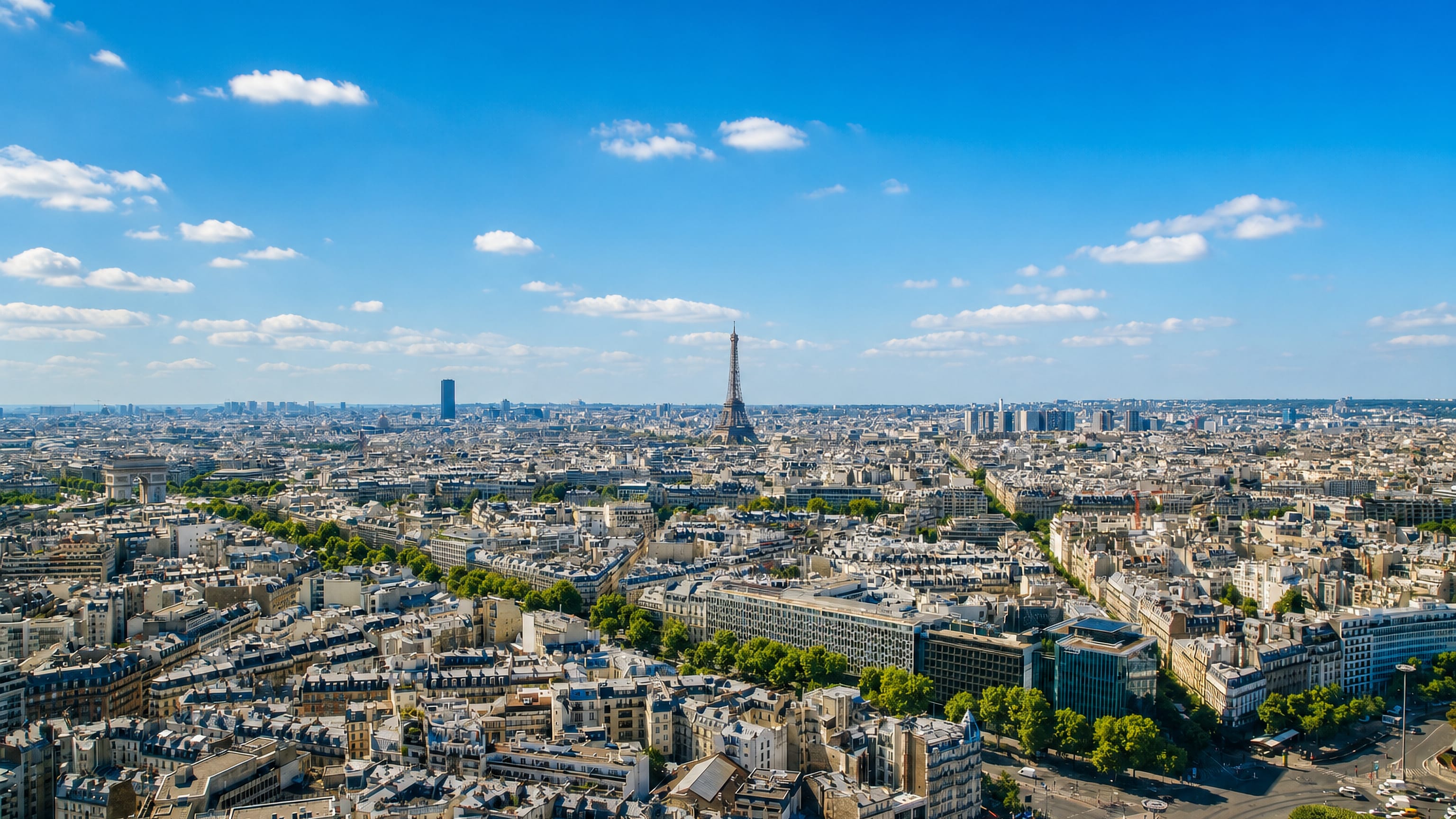
France: Regions, Cities & Travel Guide
France reaches from the Rhine to the Atlantic Ocean, a republic in Western Europe known for Paris, its gastronomy, and the French language.
Hotel links are affiliate links: booking through them may earn us a commission, at no extra cost to you. It never affects how places are ranked. How this works


Top destinations in France
Cities to start from, then drill into areas and hotels.
 France
Paris
The Seine splits Paris in two, capital of France in the Île-de-France, known for the Louvre Museum, the Panthéon and the Sacré-Cœur above the city.Where to stay →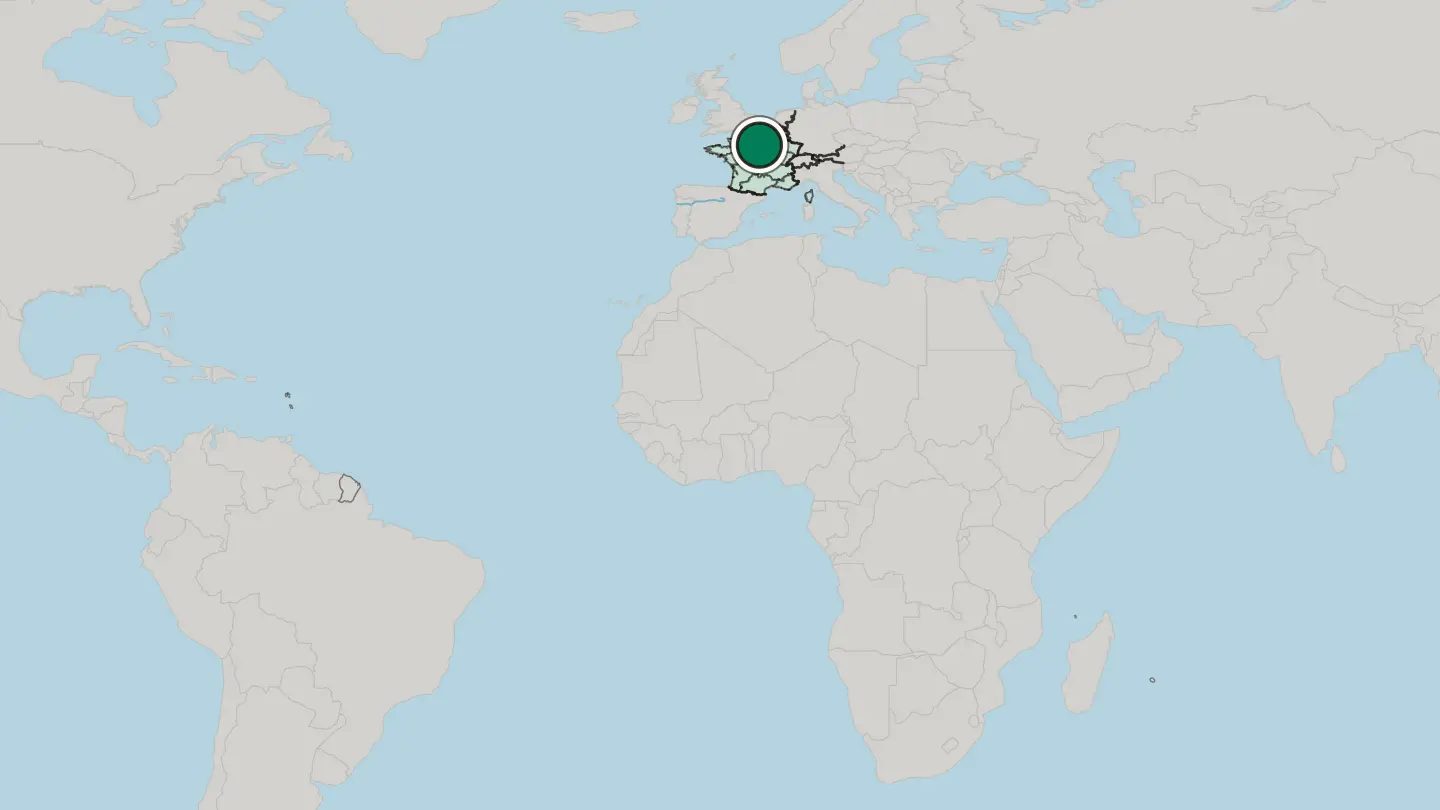
 France
Marseille
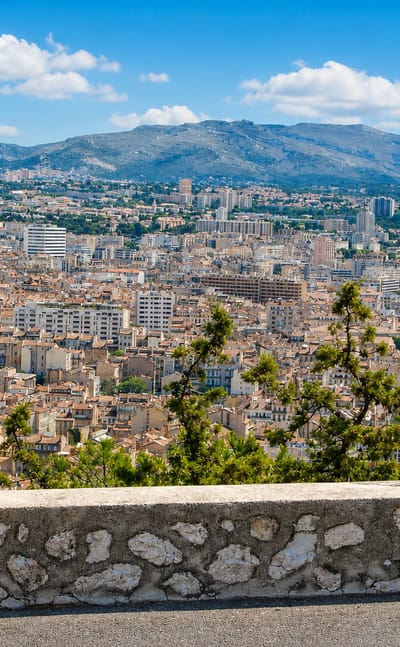
Marseille climbs from its old port on the Mediterranean Sea, France's second-largest city, watched over by the hilltop basilica of Notre-Dame de la Garde.Where to stay →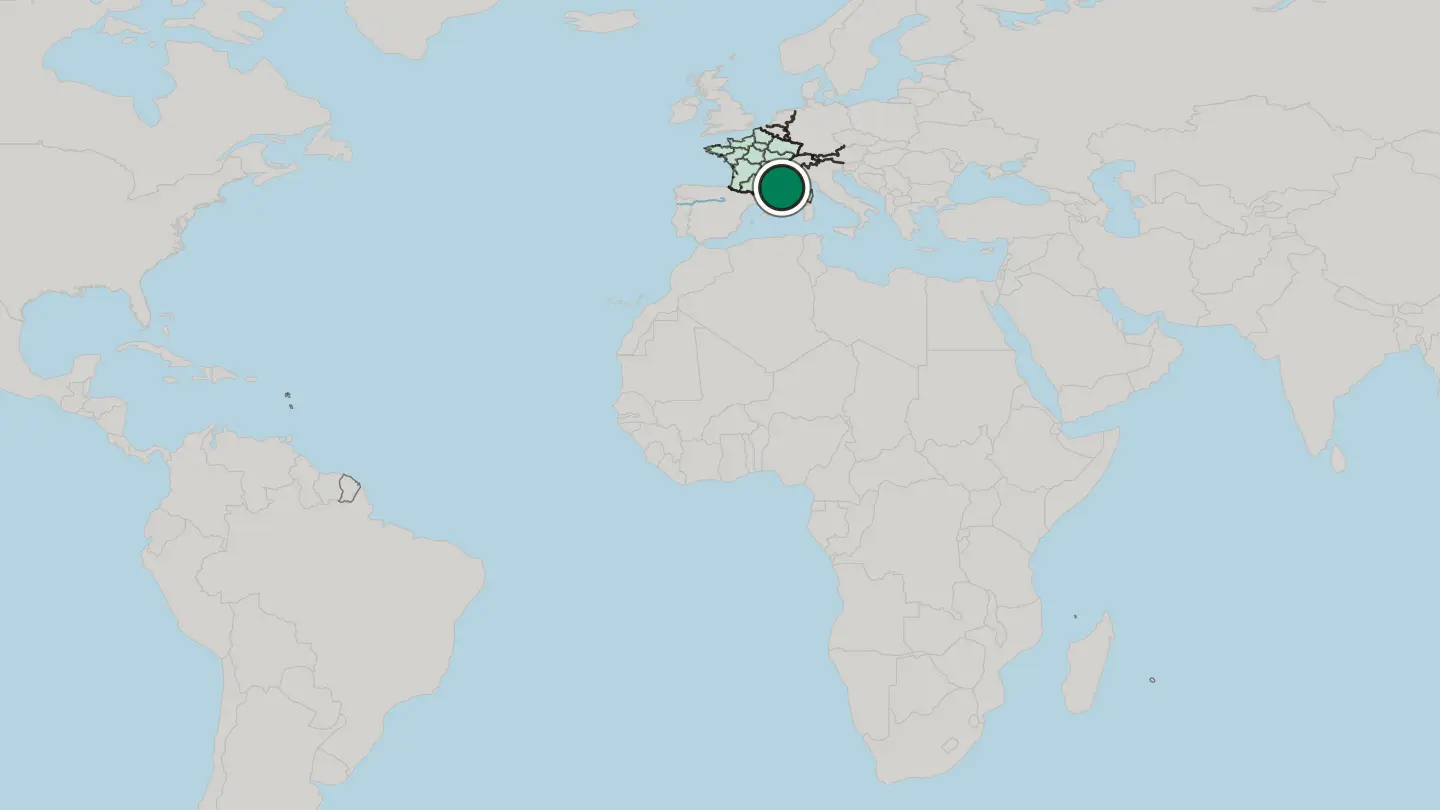
 France
Strasbourg
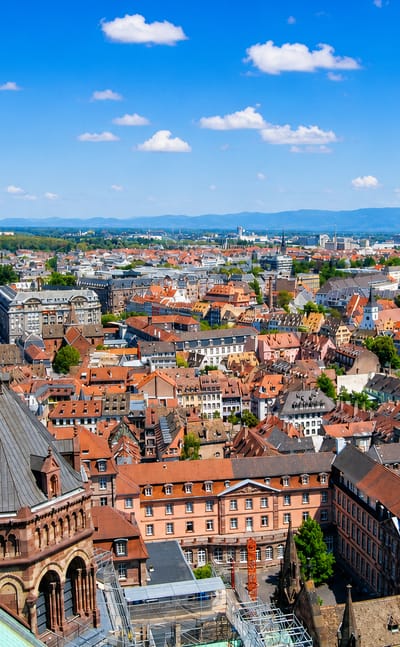
Half-timbered gables crowd the Grande Île at Strasbourg, capital of Grand Est in Alsace, northeastern France, and seat of the European Parliament.Where to stay →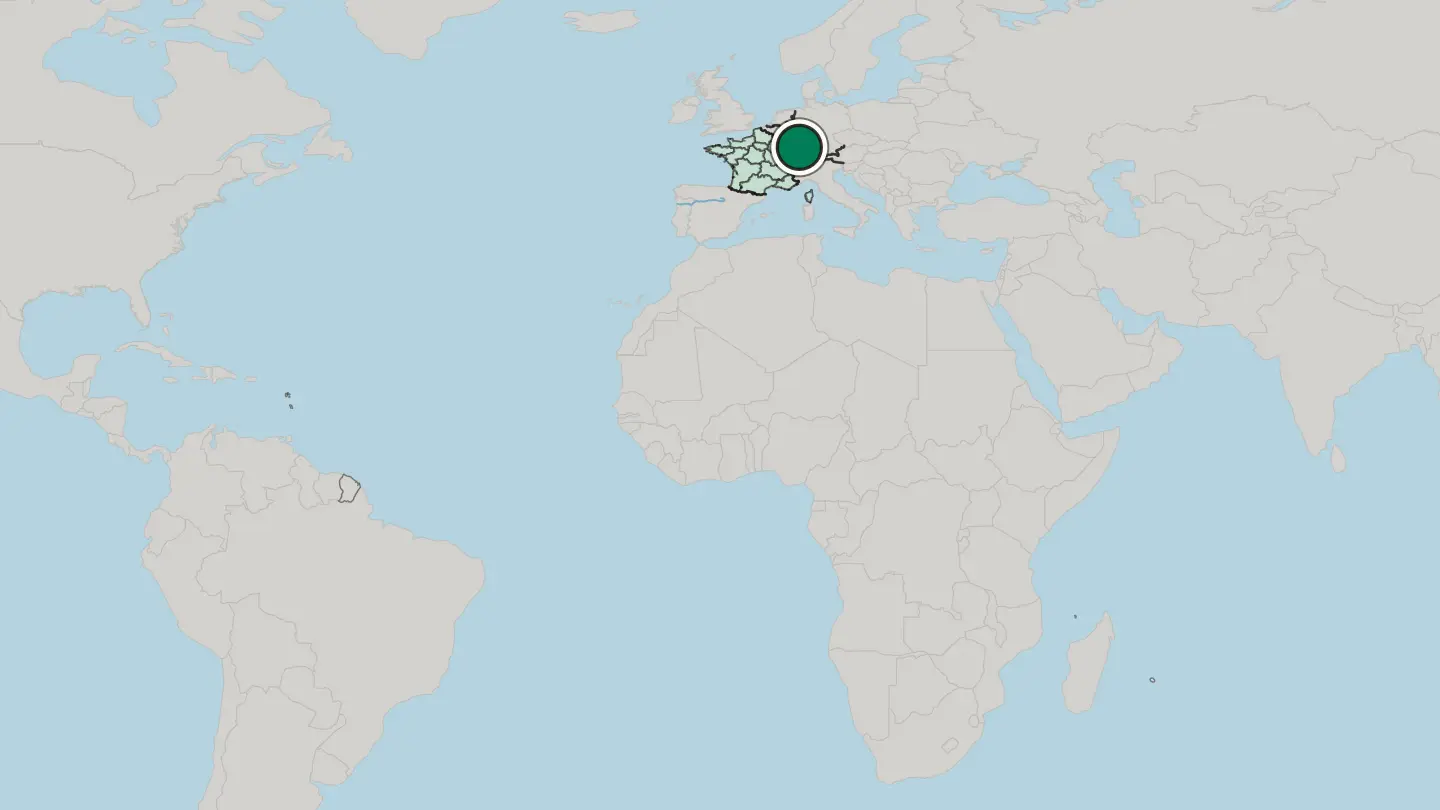
 France
Lyon
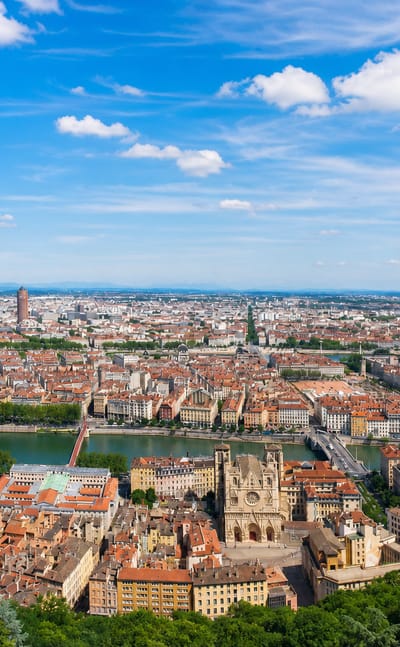
The Rhône and the Saône meet at Lyon, a city northwest of the French Alps in Auvergne-Rhône-Alpes, known for its Roman theatres at Lugdunum.Where to stay →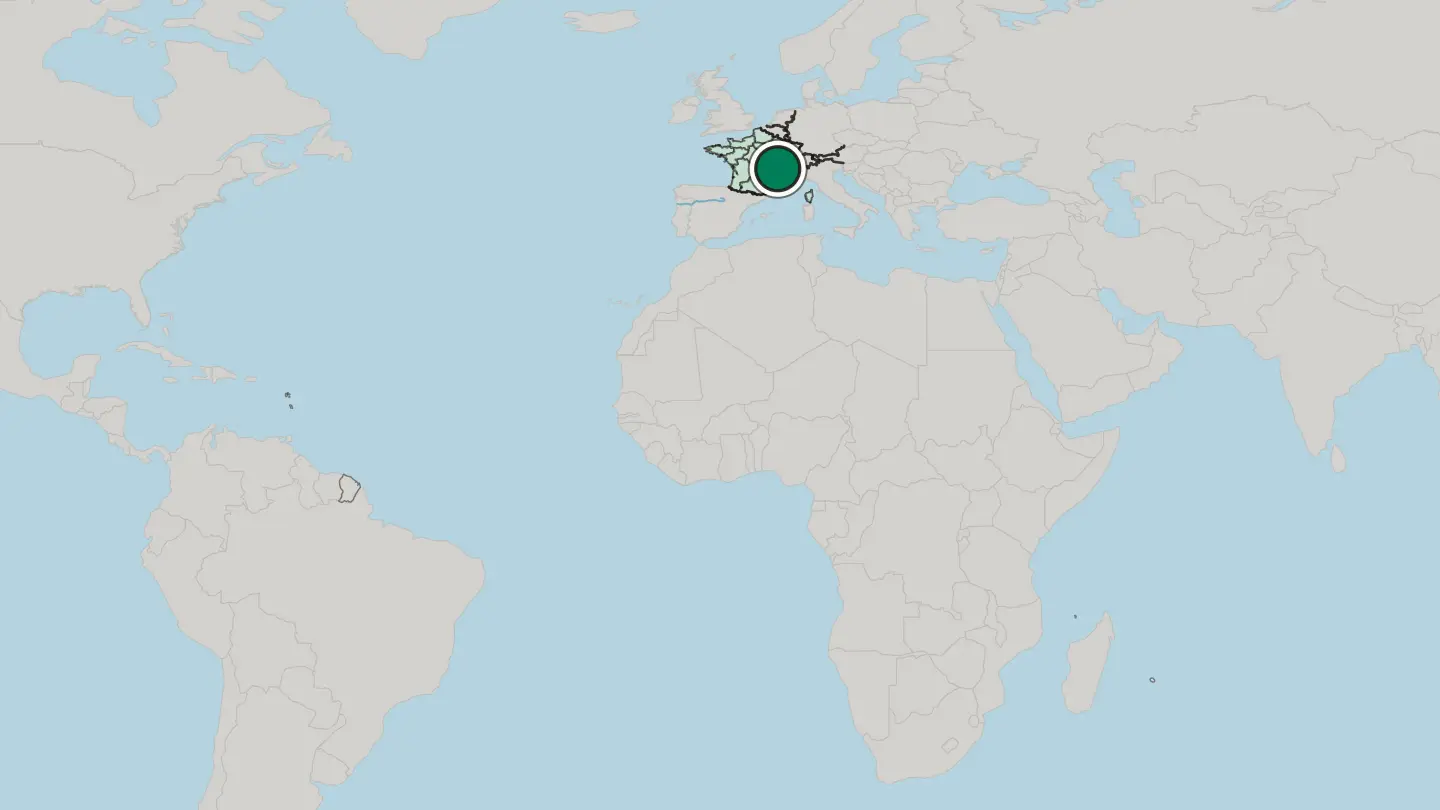
 France
Nice
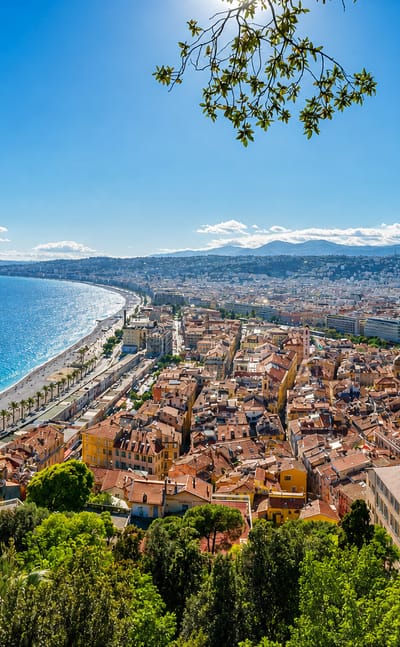
Nice stretches along the Mediterranean shore on the French Riviera, at the foot of the French Alps, known for the seafront Promenade des Anglais.Where to stay →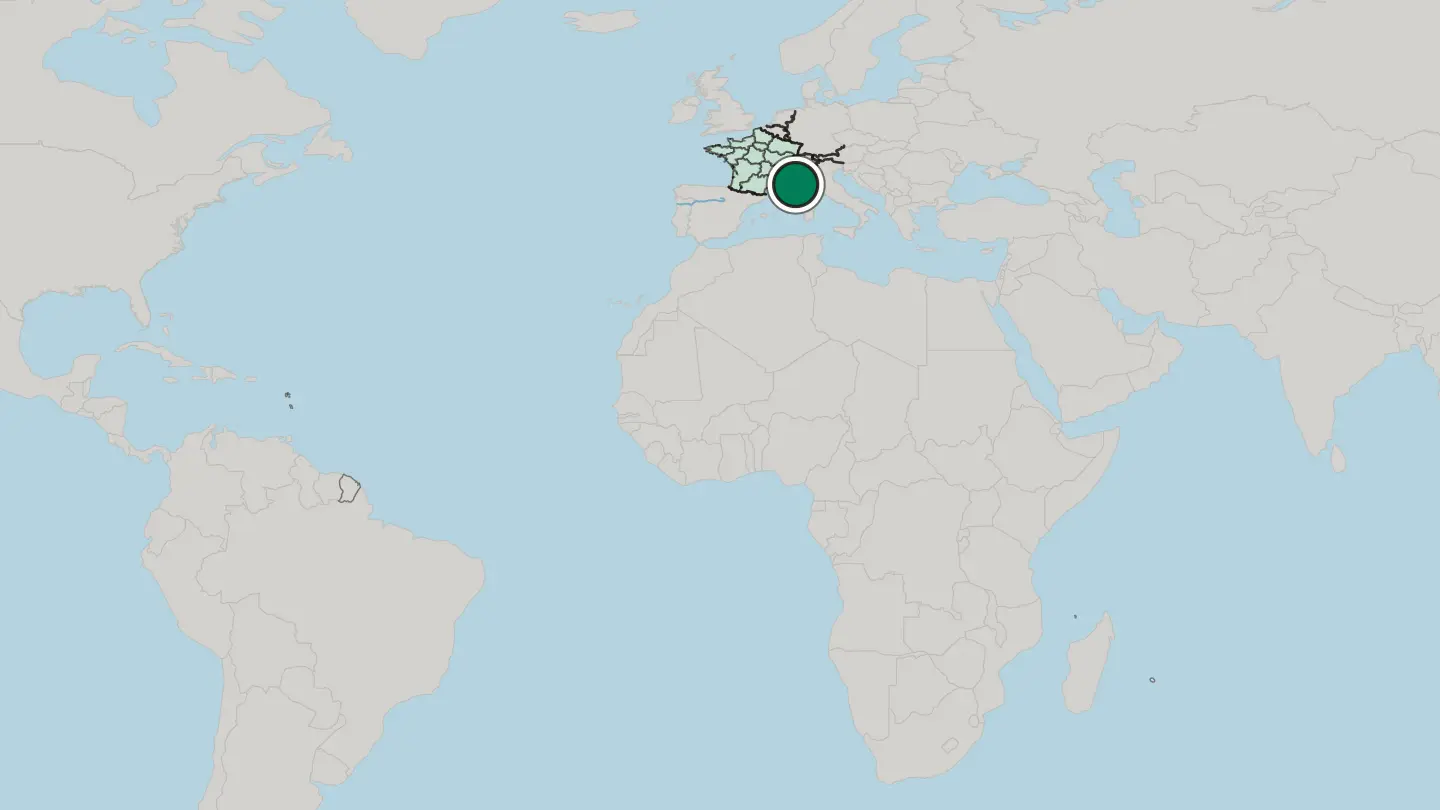
 France
Toulouse
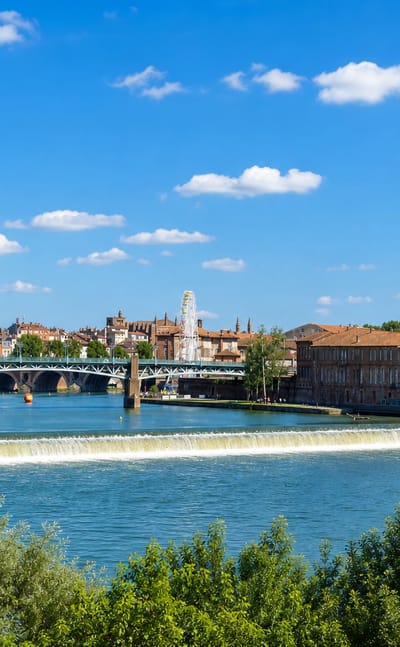
Pink brick lines the quays of Toulouse, a city on the River Garonne in Occitanie, southern France, known for the Basilica of St. Sernin and its violets.Where to stay →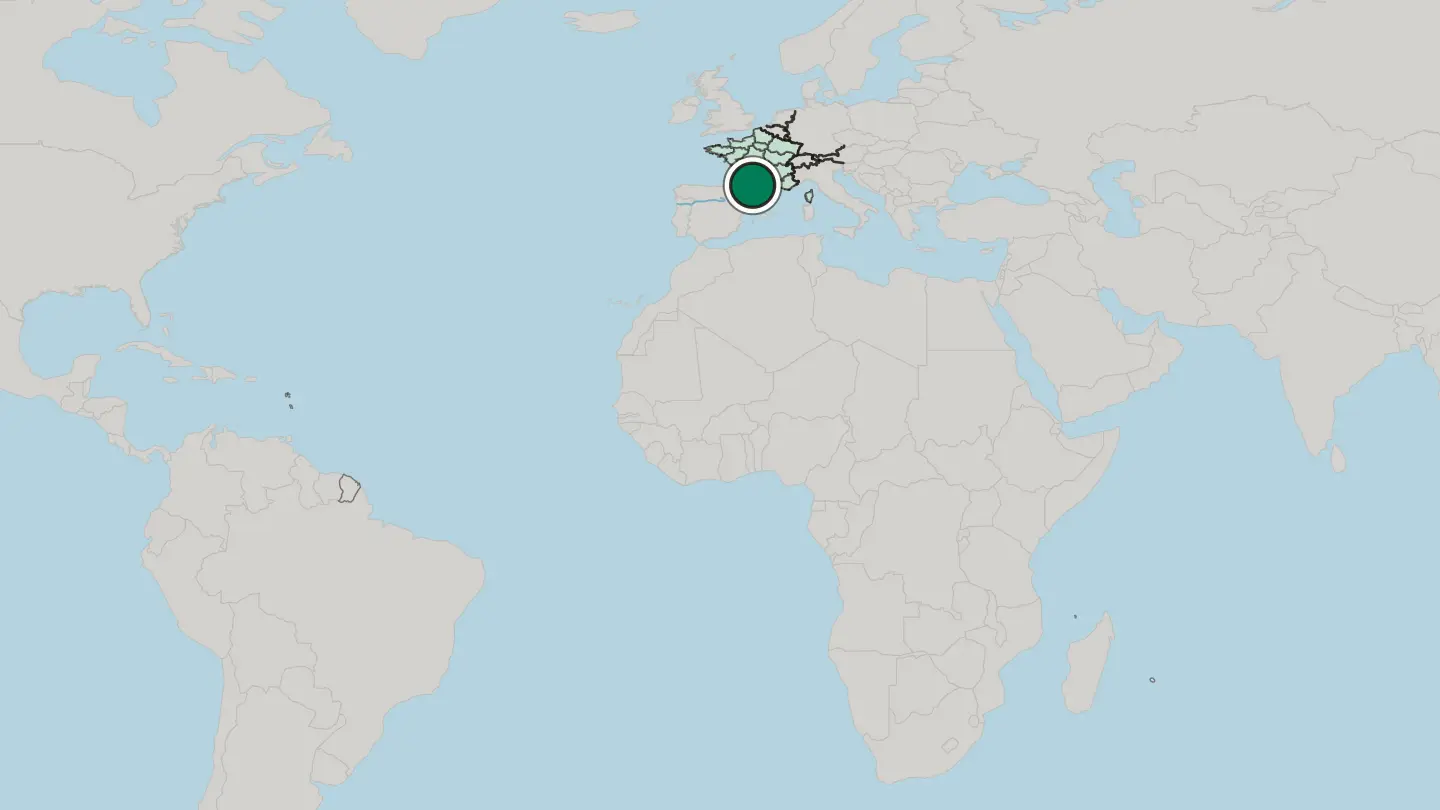
 France
Bordeaux
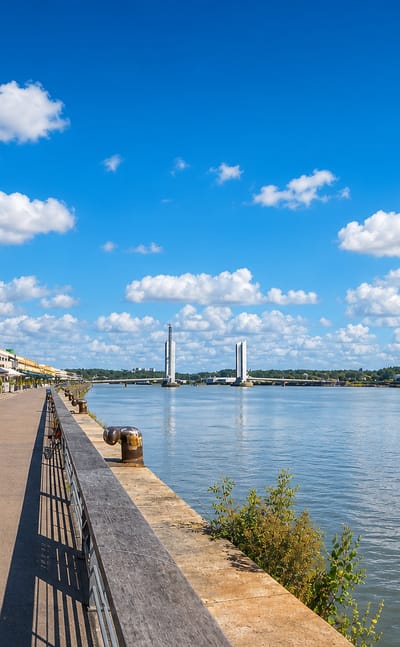
Pale limestone quays curve along the Garonne at Bordeaux, a port city in southwestern France, capital of Nouvelle-Aquitaine and known for the Cité du Vin.Where to stay →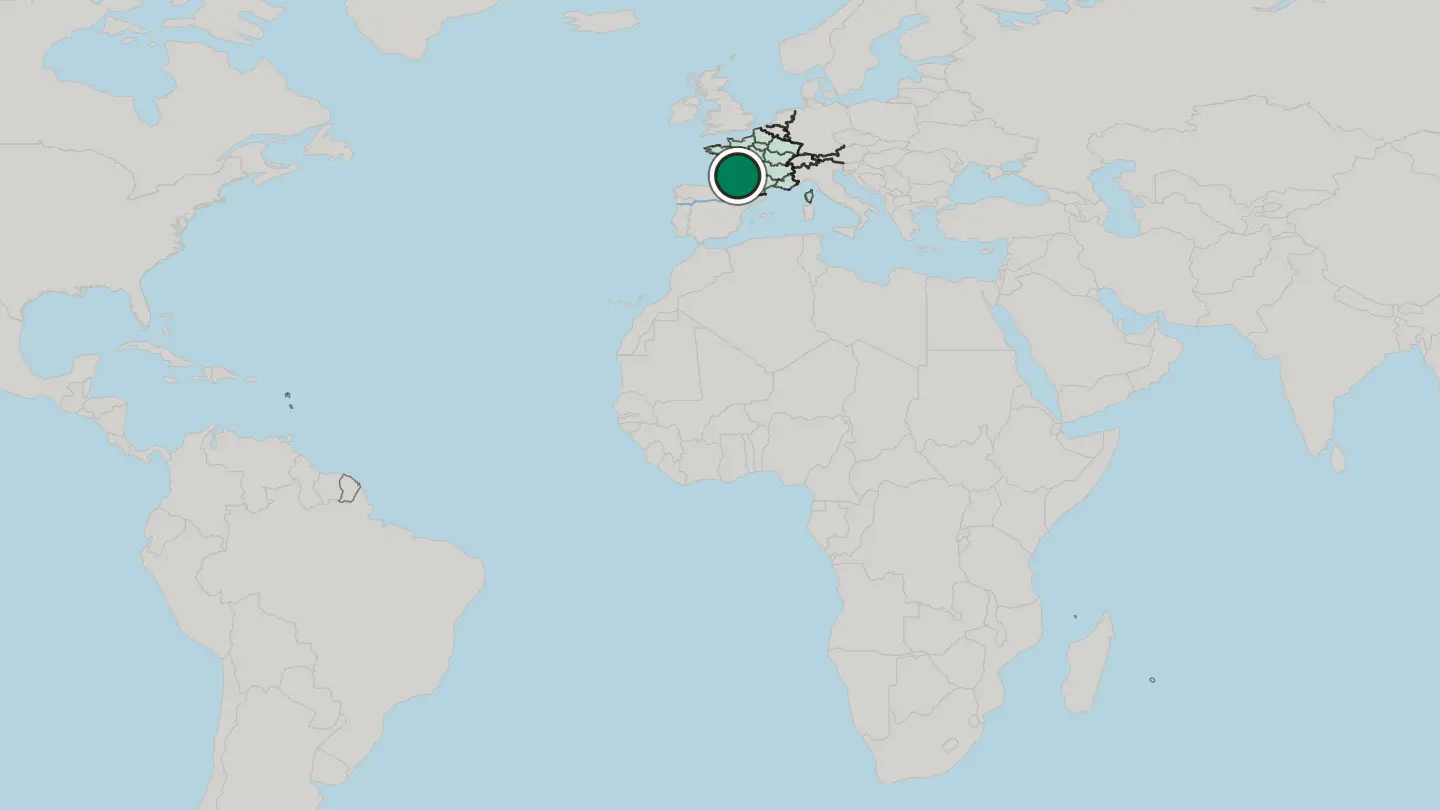
 France
Nantes
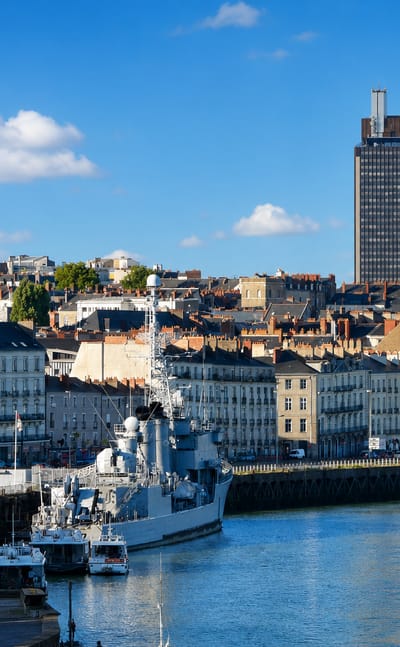
The Château des ducs de Bretagne guards Nantes, largest city of the Pays de la Loire, once the seat of the Dukes of Brittany and home of Jules Verne.Where to stay →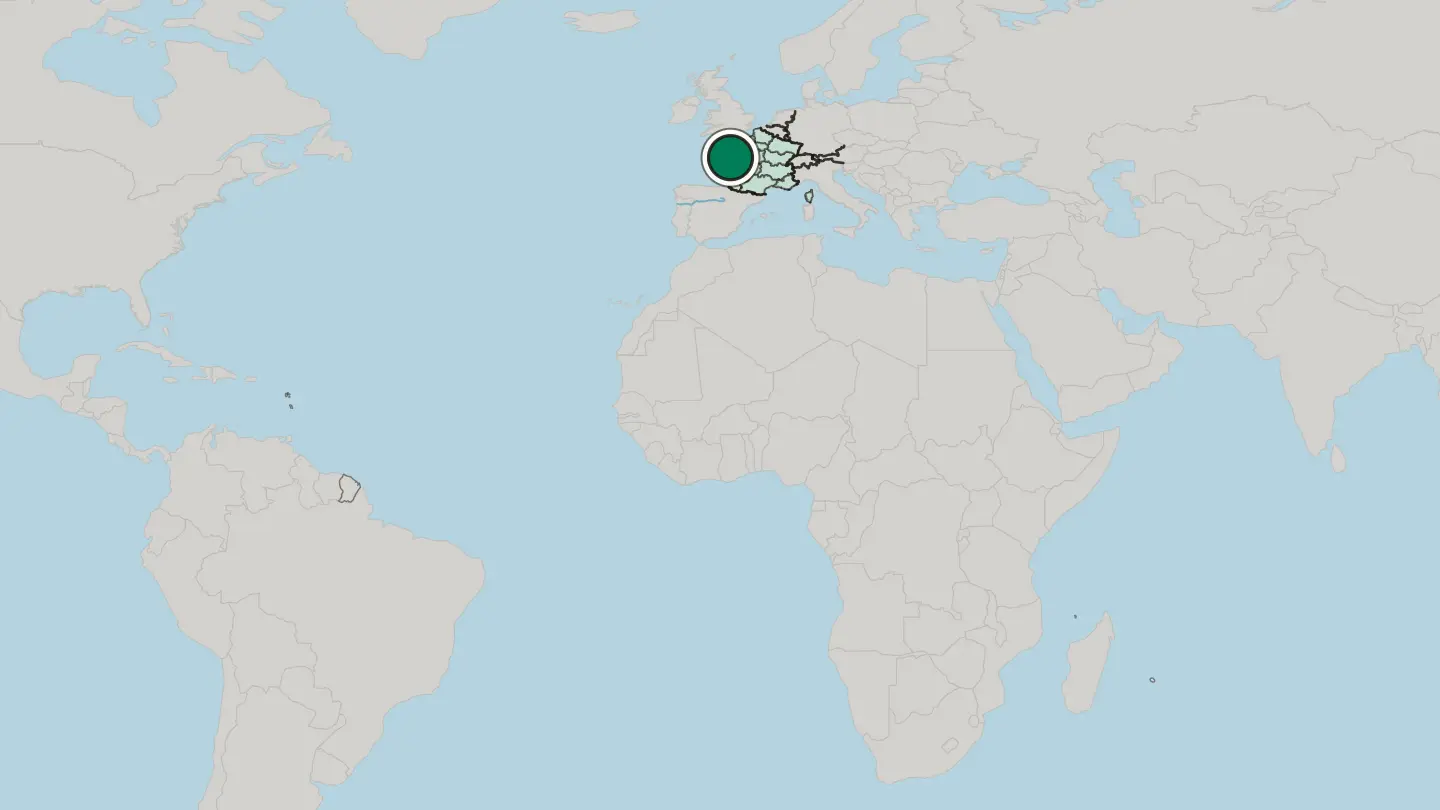
 France
Lille
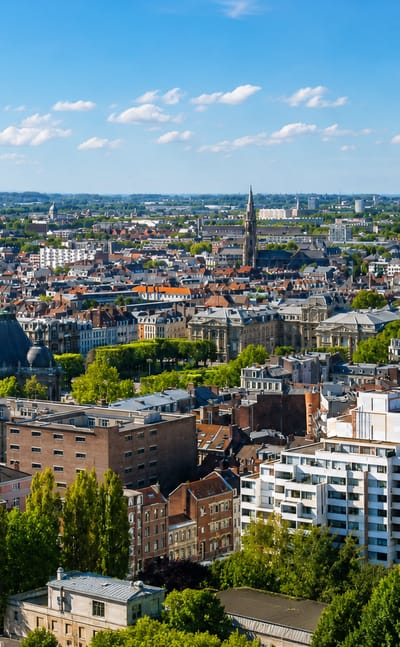
Brick gables line the Deûle at Lille, the capital of Hauts-de-France in French Flanders, known for its Flemish Belfry of Lille.Where to stay →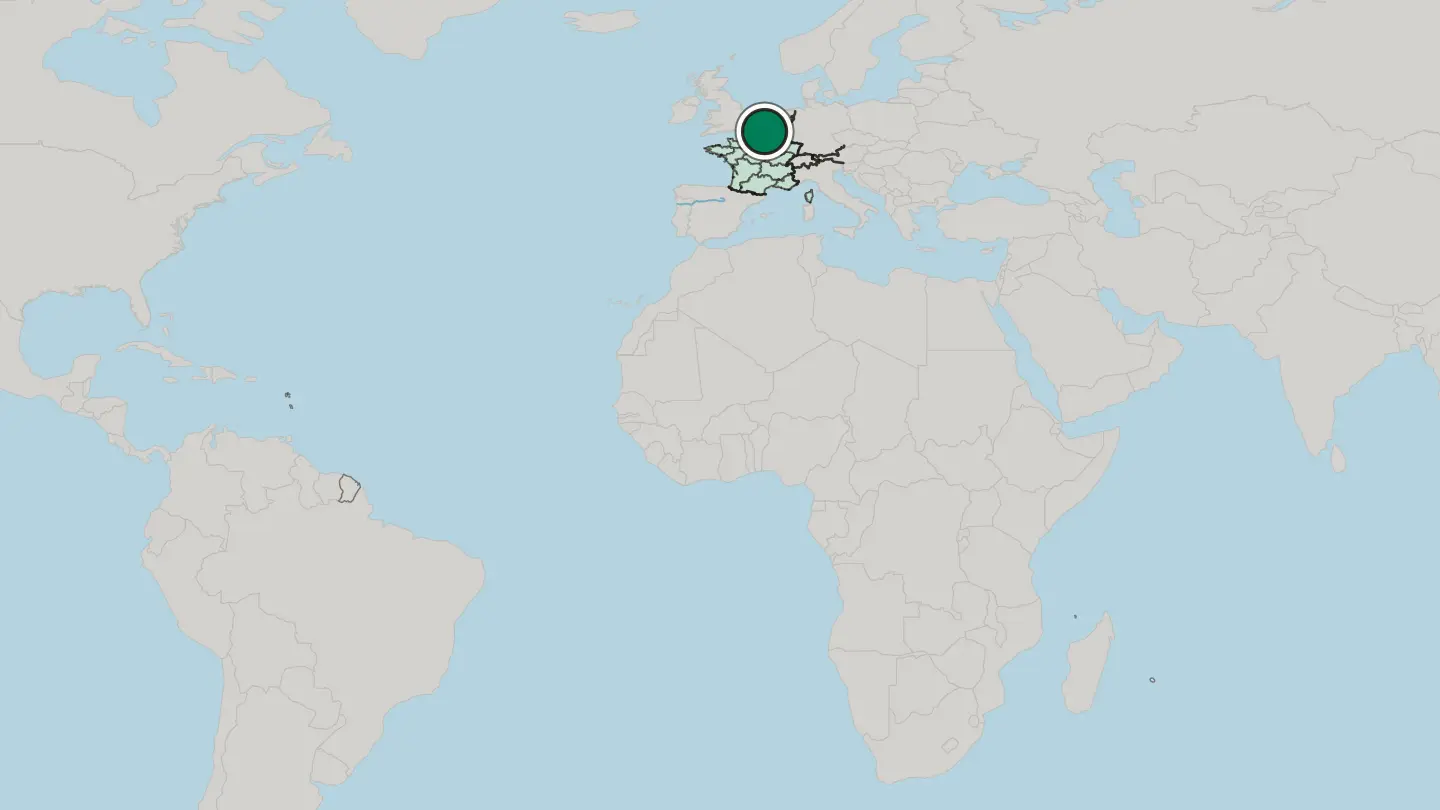
Hotel links are affiliate links: booking through them may earn us a commission, at no extra cost to you. It never affects how places are ranked. How this works
Regions of France
France
Auvergne-Rhône-Alpes
Auvergne-Rhône-Alpes runs from the volcanoes of the Massif Central across the Rhône valley to Mont Blanc and the French Alps.Towns & cities →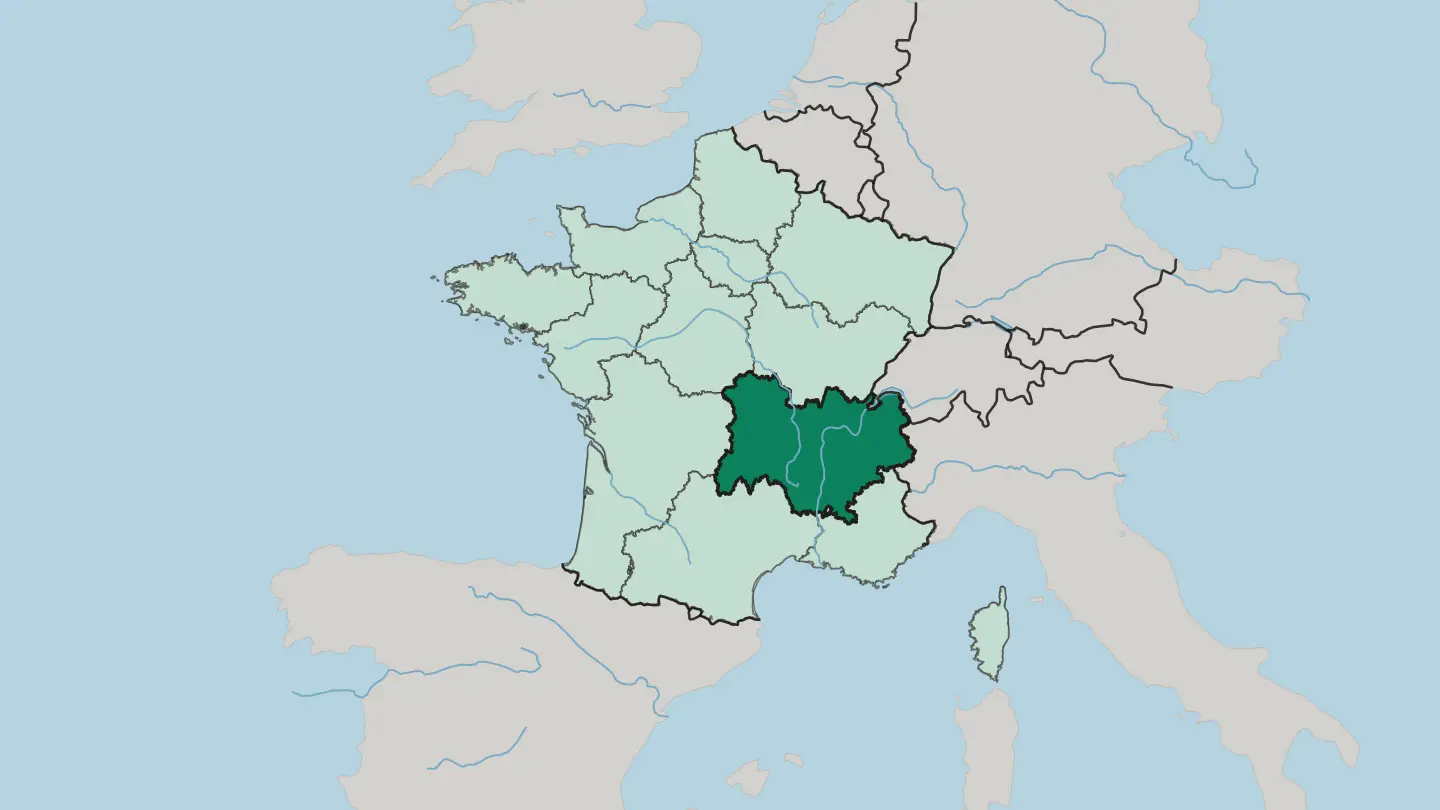
 France
Bourgogne-Franche-Comté
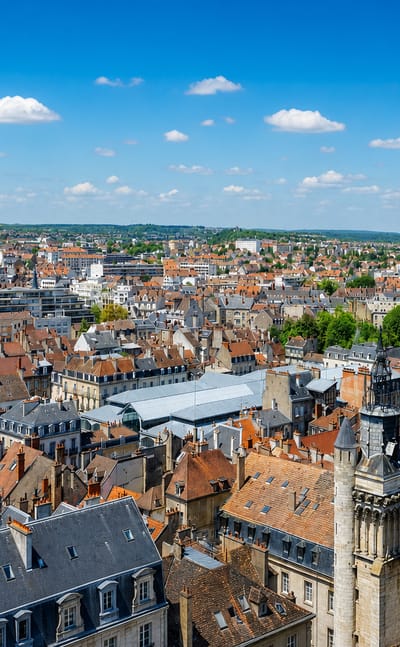
Bourgogne-Franche-Comté joins Burgundy's wine slopes to the Jura, running east from Dijon across eastern France to the Swiss border.Towns & cities →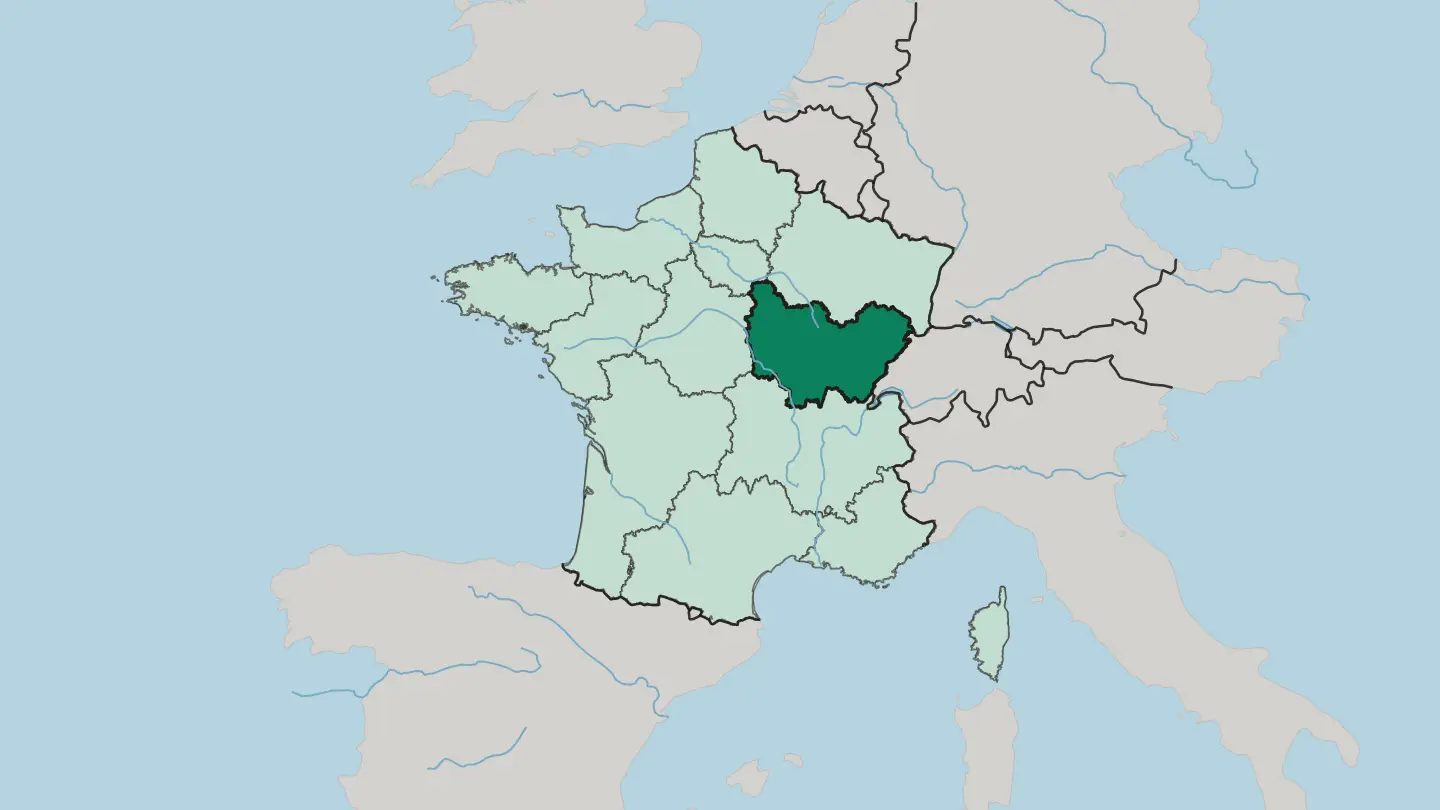
 France
Bretagne
Bretagne is the western peninsula of France, a Celtic land of rugged coast, walled ports and the Breton tongue.Towns & cities →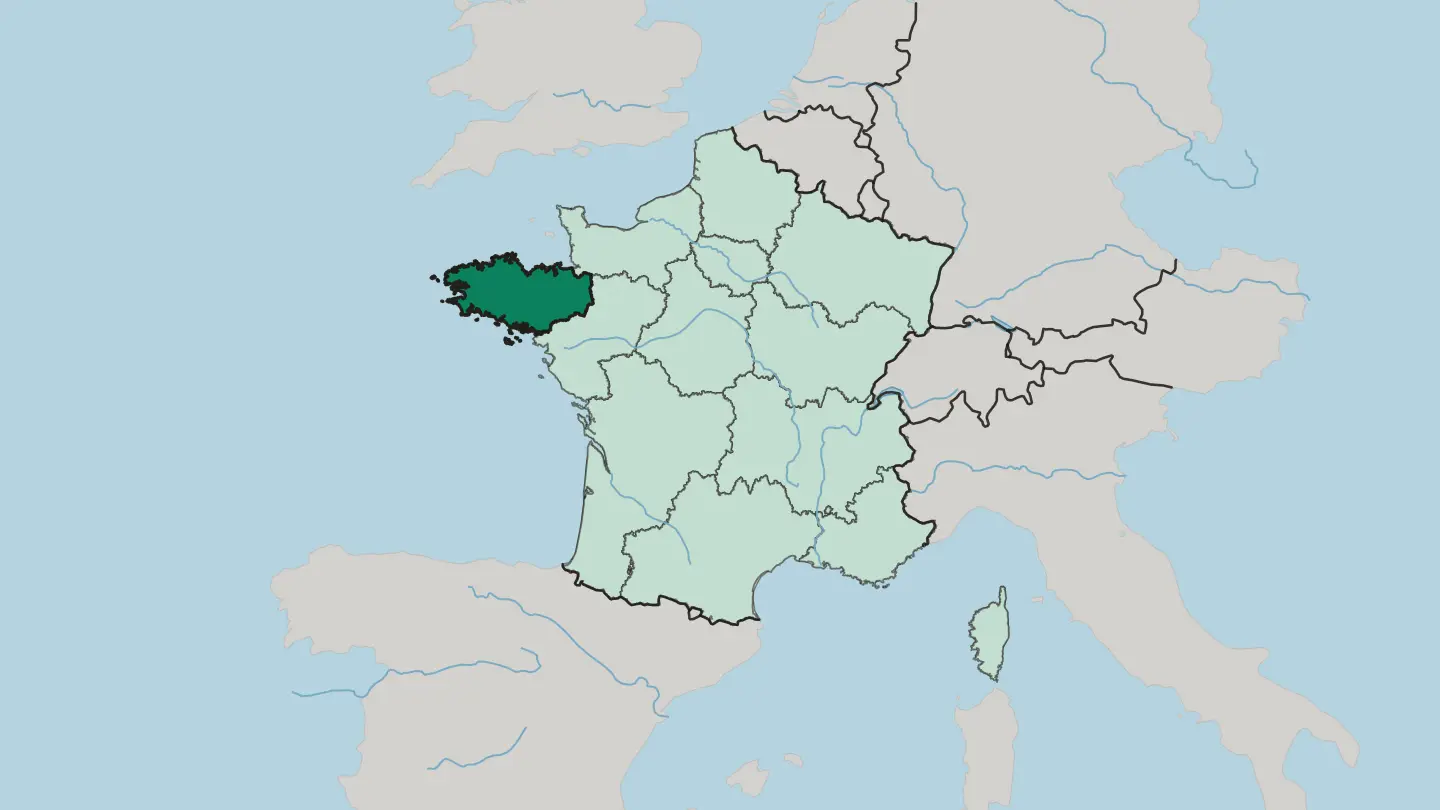
 France
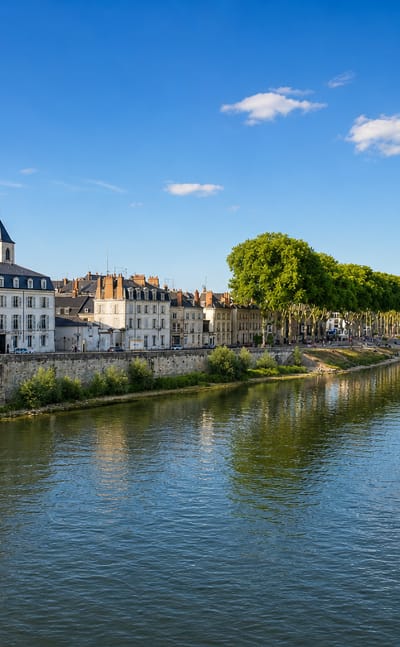
Centre-Val de Loire
Centre-Val de Loire follows the middle Loire through inland France, a countryside of royal châteaux south-west of Paris.Towns & cities →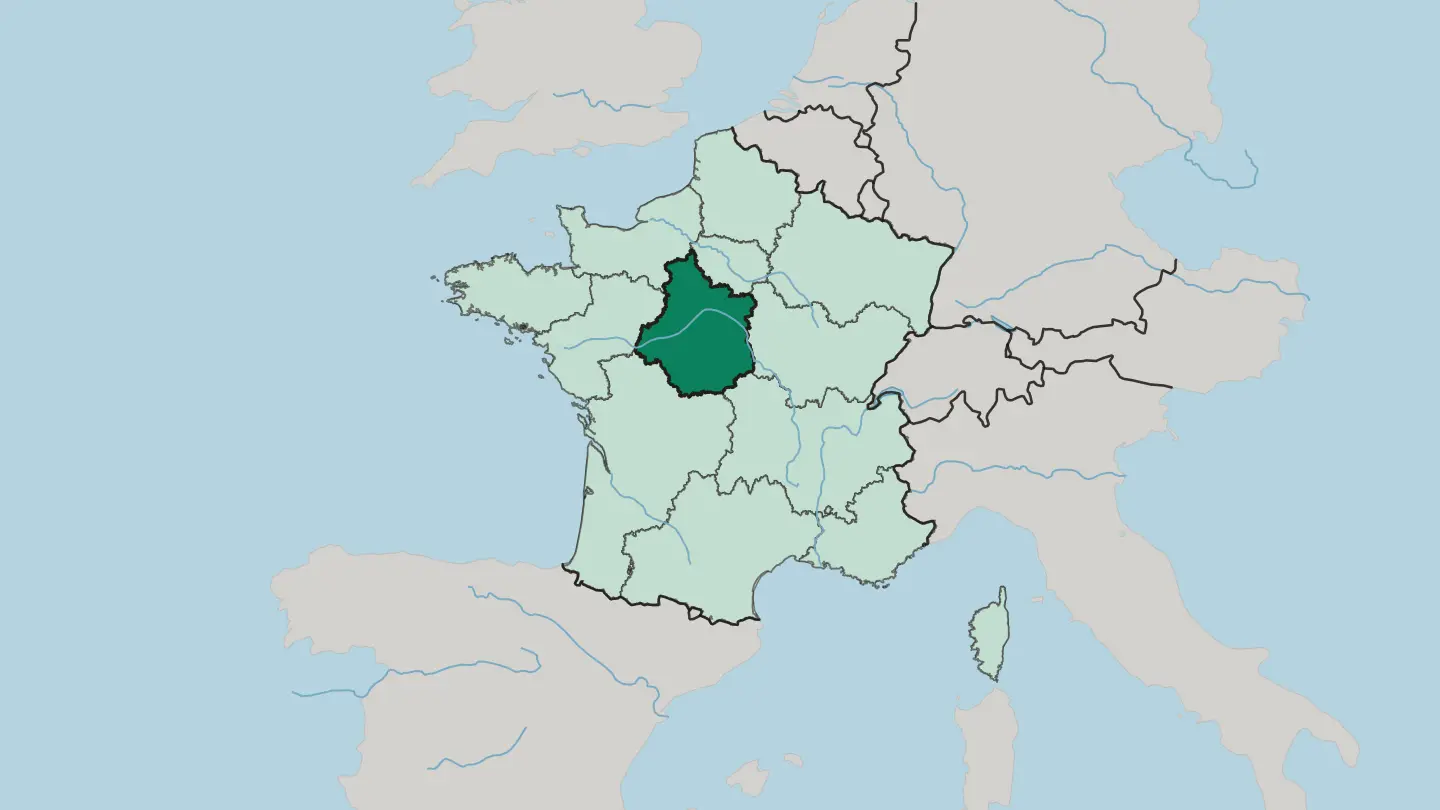
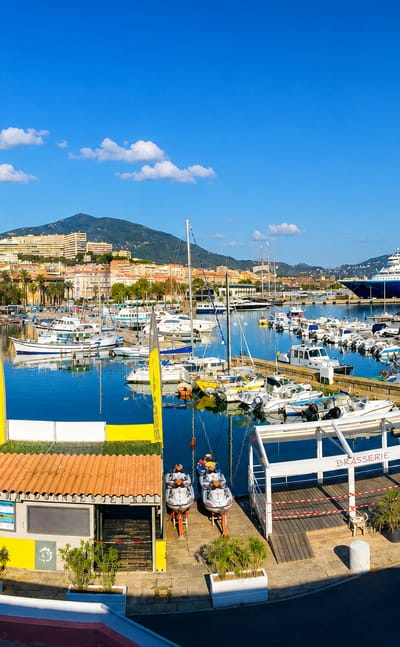 France
Corse
Corse is a mountainous French island in the Mediterranean, north of Sardinia, its granite peaks rising straight from the sea.Towns & cities →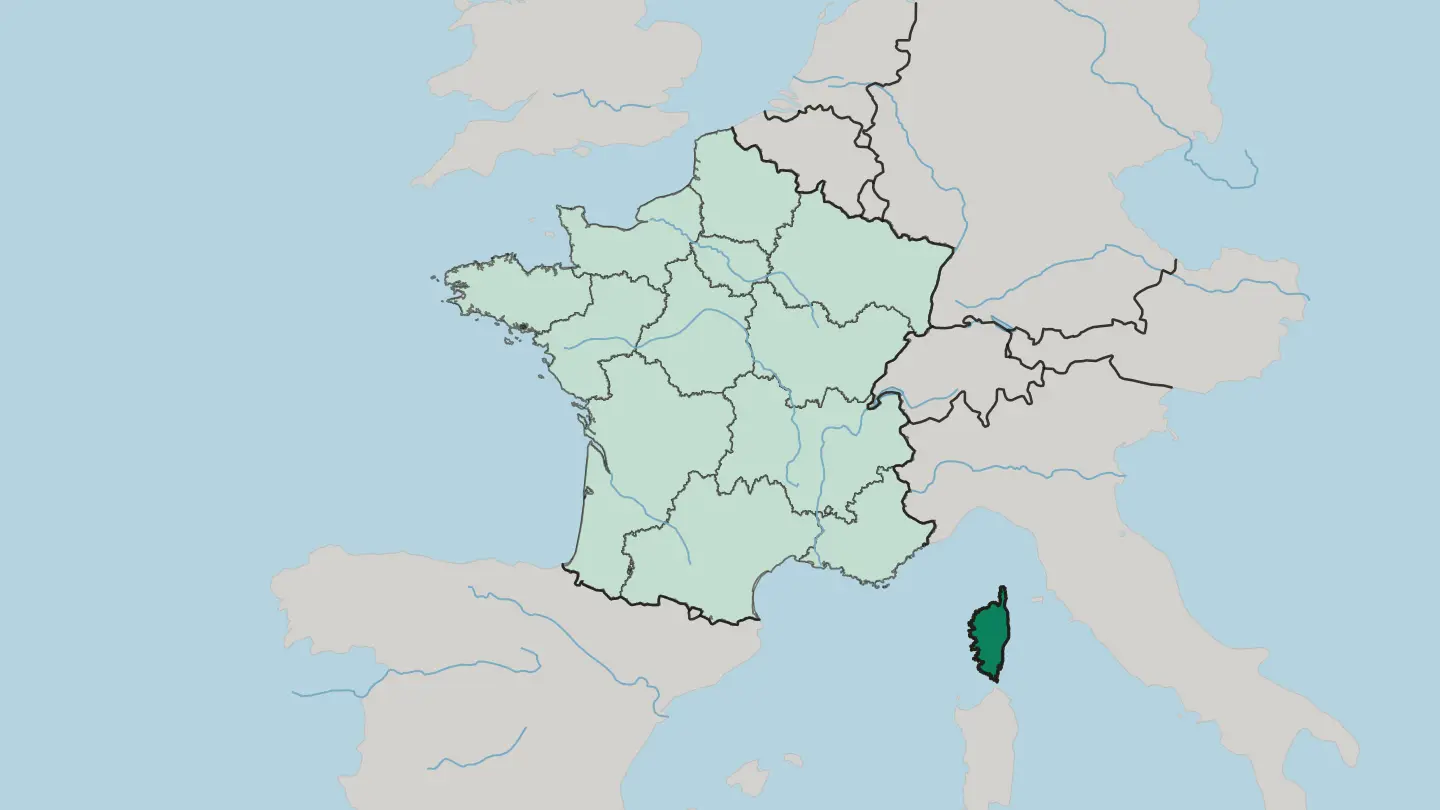 France
Grand Est
Grand Est fronts France's whole German border, where Champagne, the Vosges and the Rhine meet a Gallic-Germanic culture.Towns & cities →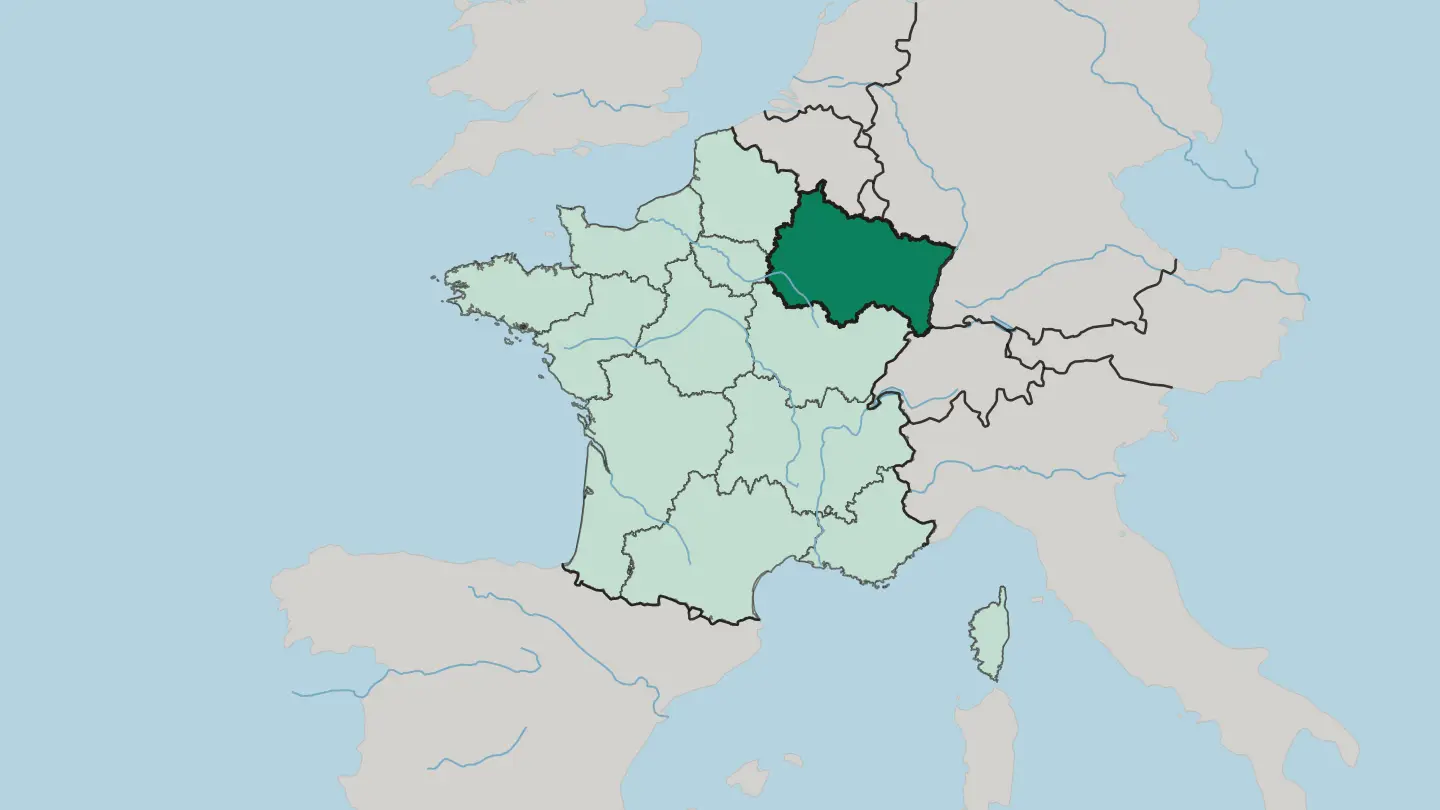 France
Hauts-de-France
Hauts-de-France is the northernmost region of France, running from the Opal Coast beaches inland across the old Somme battlefields to Lille.Towns & cities →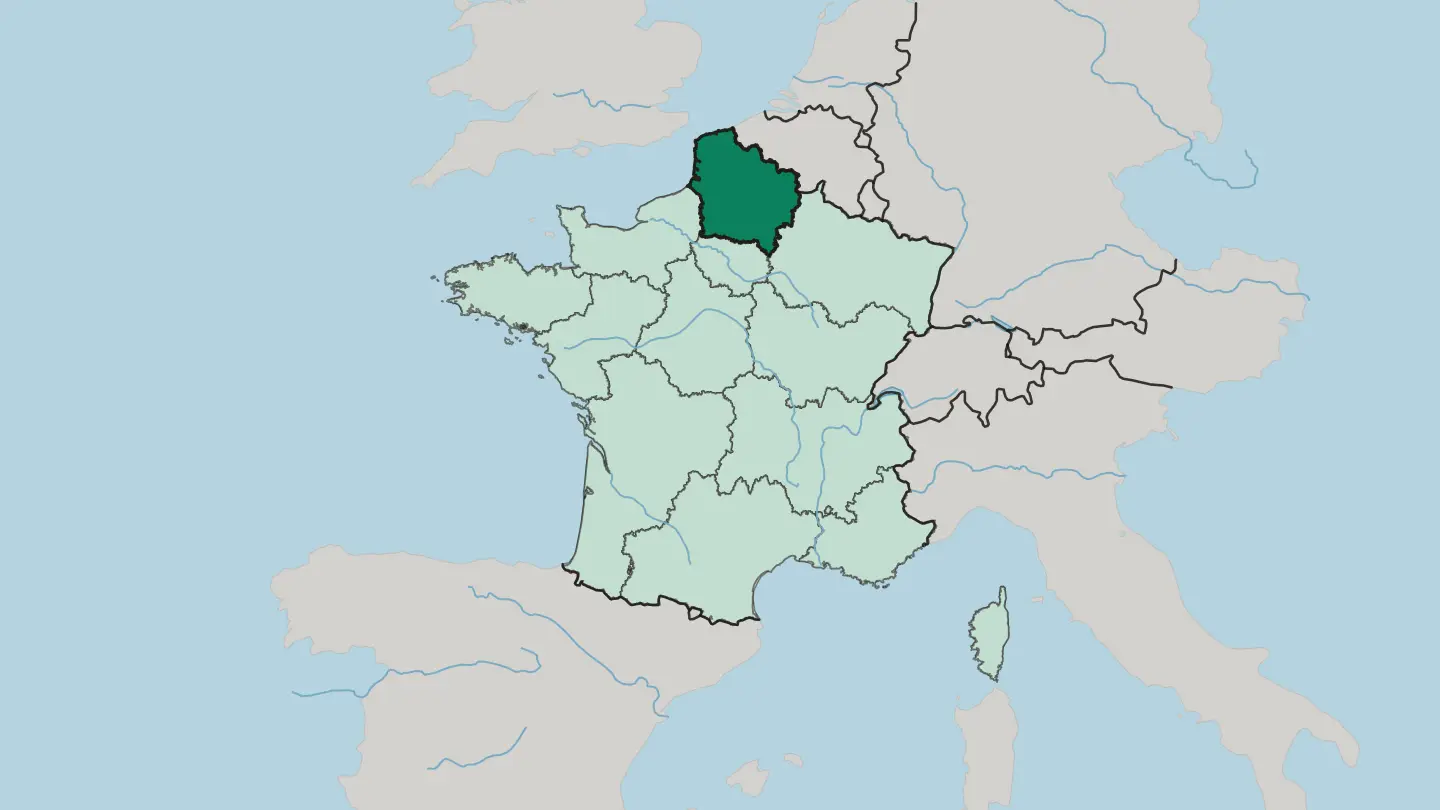
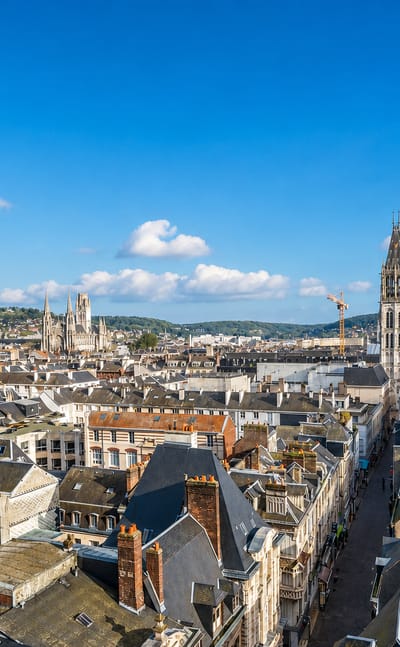 France
Normandie
Normandie is a region of northern France on the English Channel, land of chalk cliffs, apple orchards and the 1944 landing beaches.Towns & cities →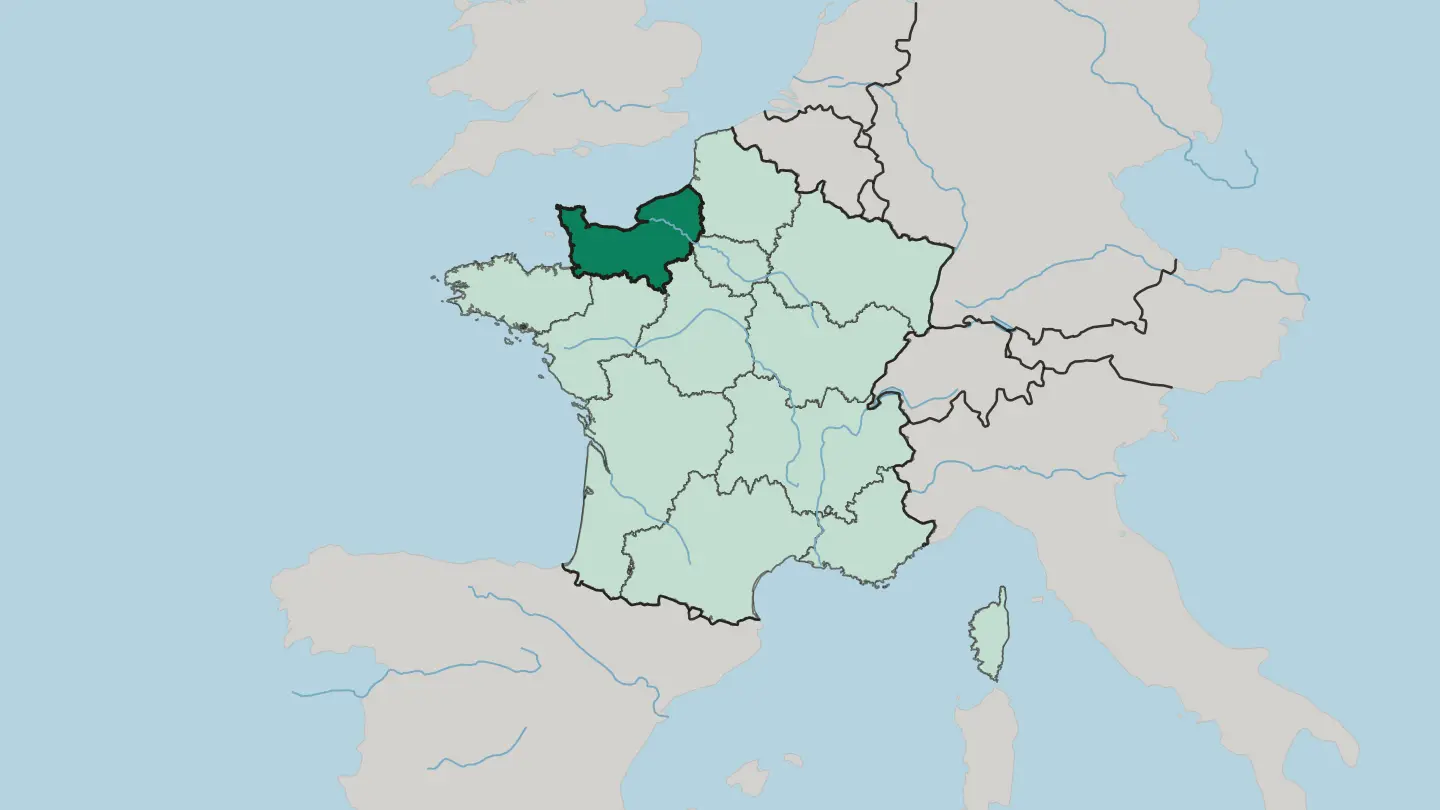 France
Nouvelle-Aquitaine
Nouvelle-Aquitaine is France's largest region, spread across the south-west from the Pyrenees to the Atlantic and centred on Bordeaux.Towns & cities →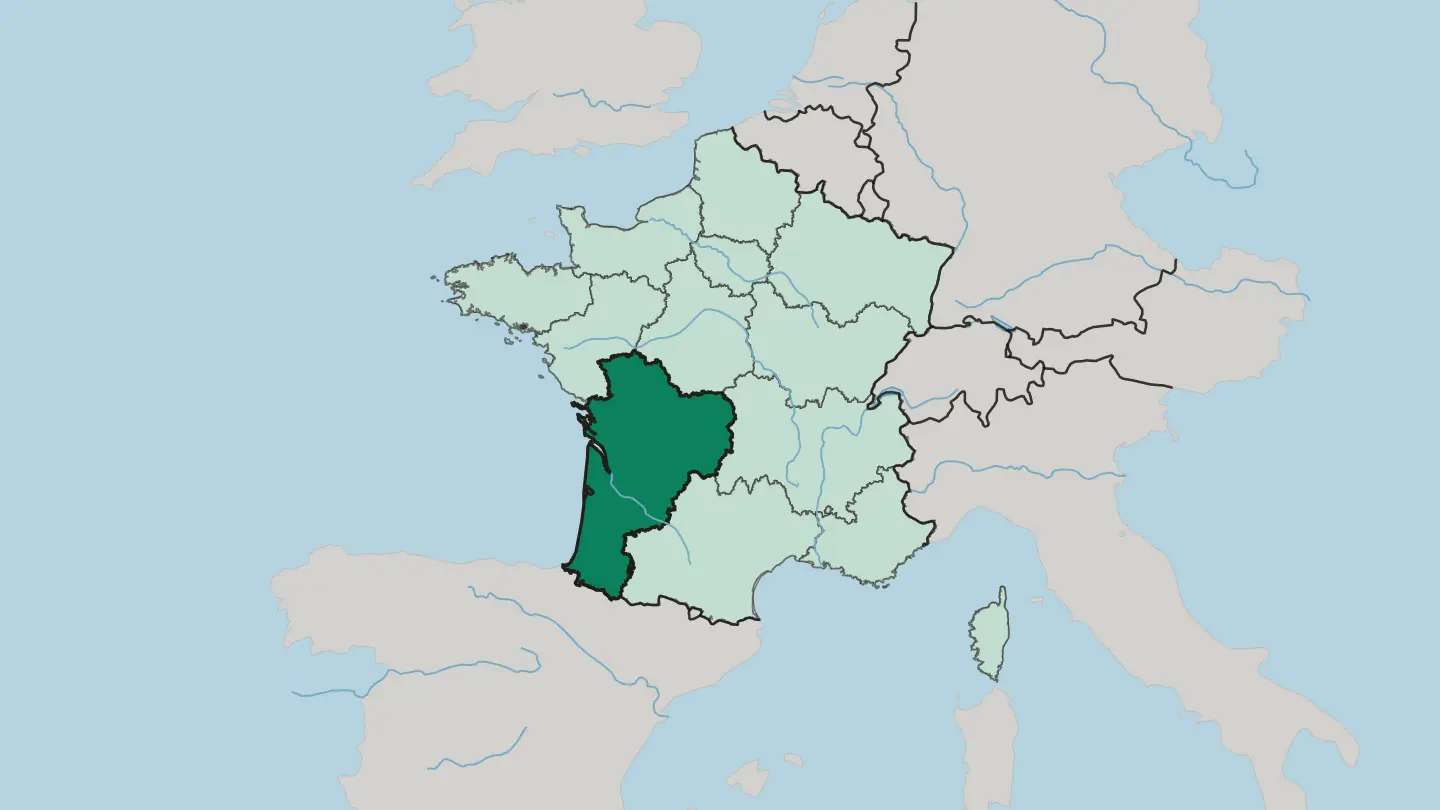 France
Occitanie
Occitanie fills the far south of France, running from the Pyrenees to the Mediterranean around Toulouse and Montpellier.Towns & cities →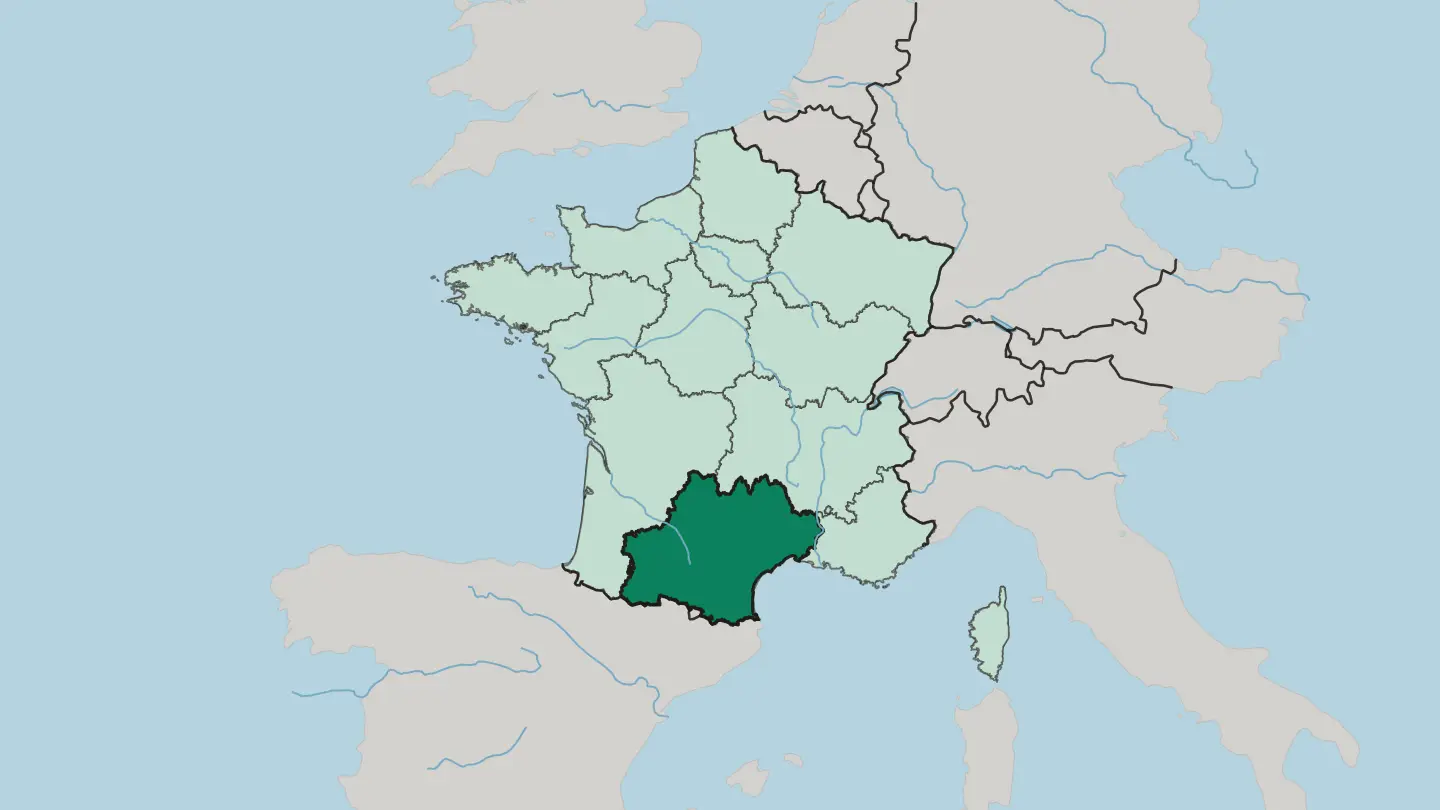 France
Pays de la Loire
Pays de la Loire follows the lower Loire west to the Atlantic, from Angers and Le Mans to Nantes and the Vendée beaches.Towns & cities →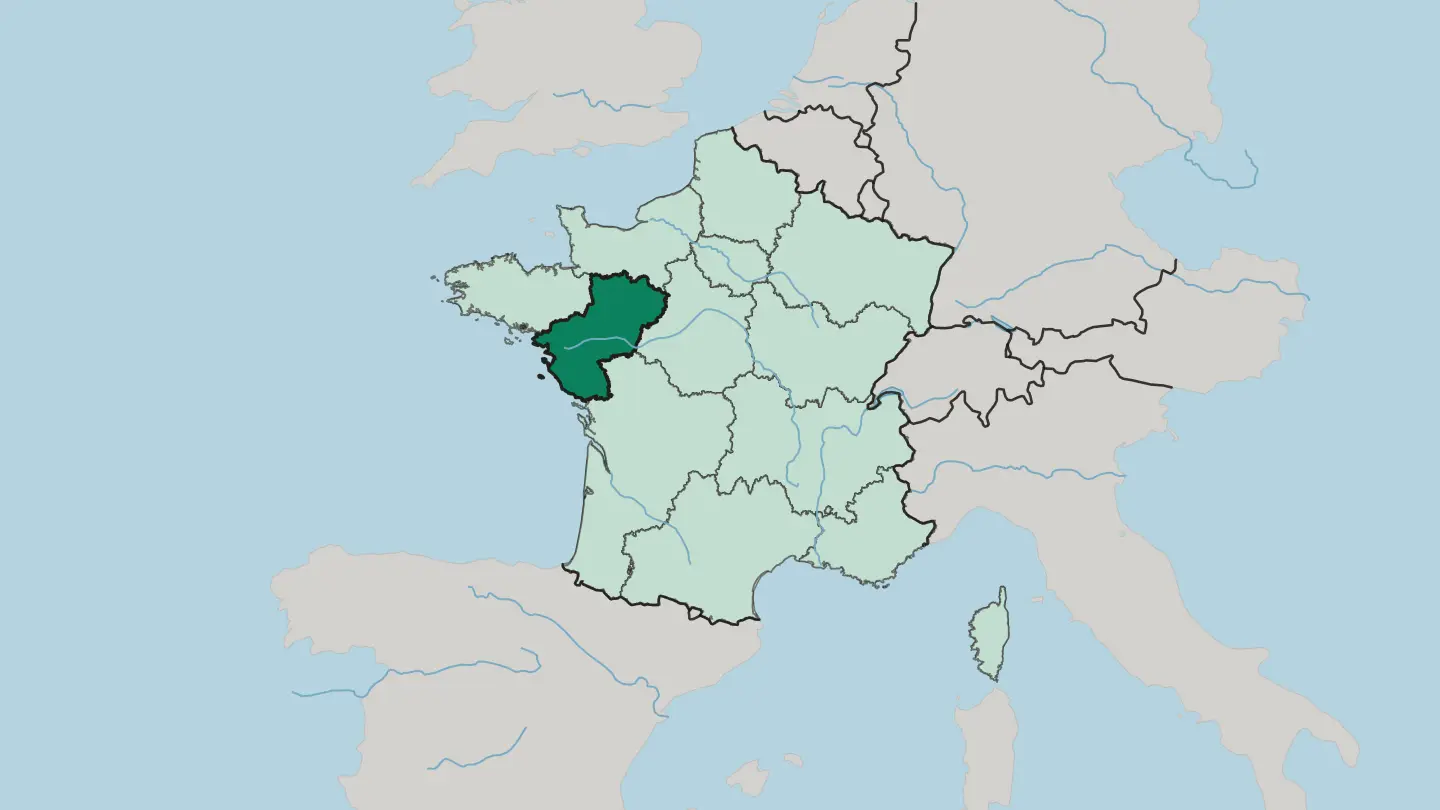 France
Provence-Alpes-Côte d'Azur
Provence-Alpes-Côte d'Azur runs from the Mediterranean Sea to the French Alps, the sunny south of France known for the French Riviera and Marseille.Towns & cities →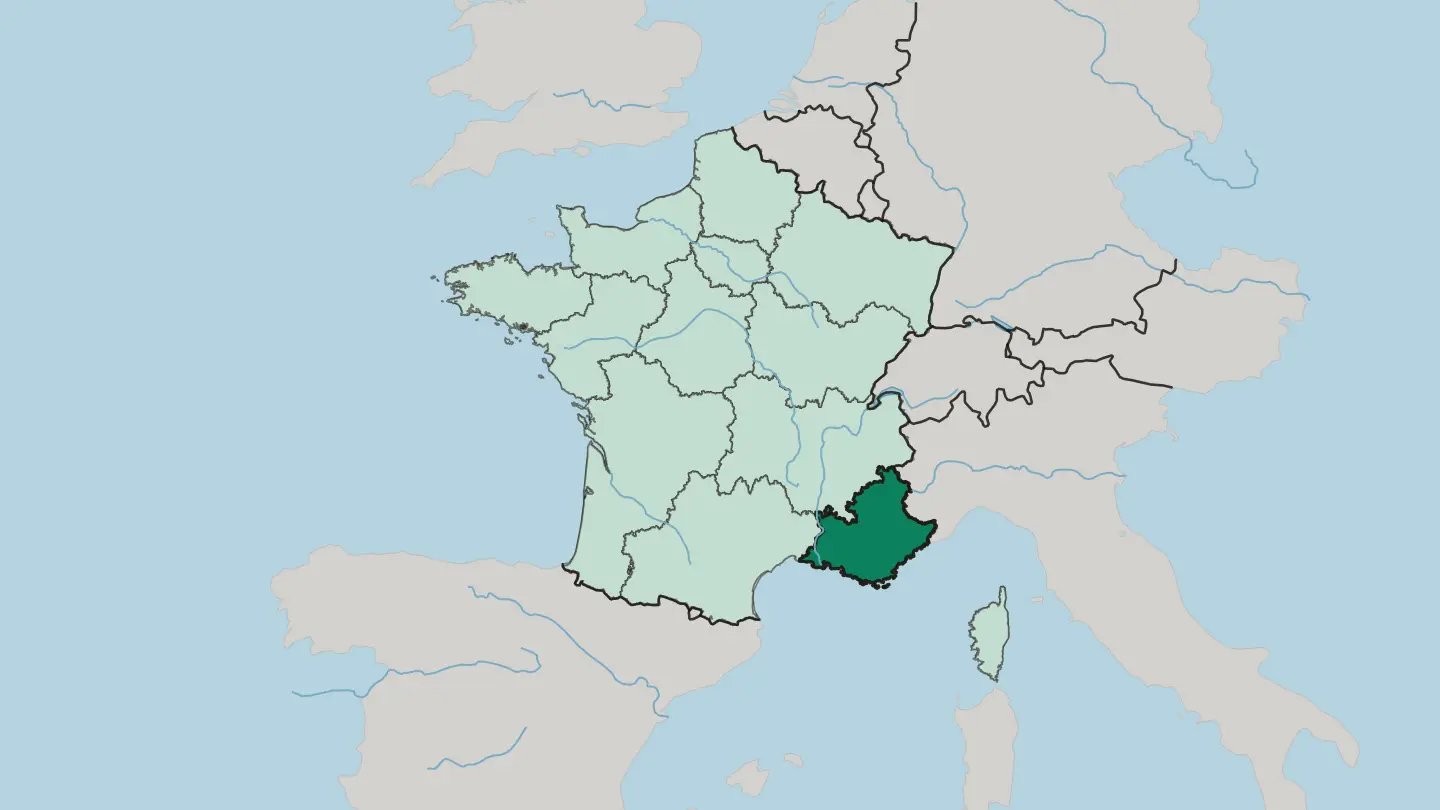 France
Île-de-France
Île-de-France is the region around Paris, where the Seine gathers the Marne and the Oise at the heart of France.Towns & cities →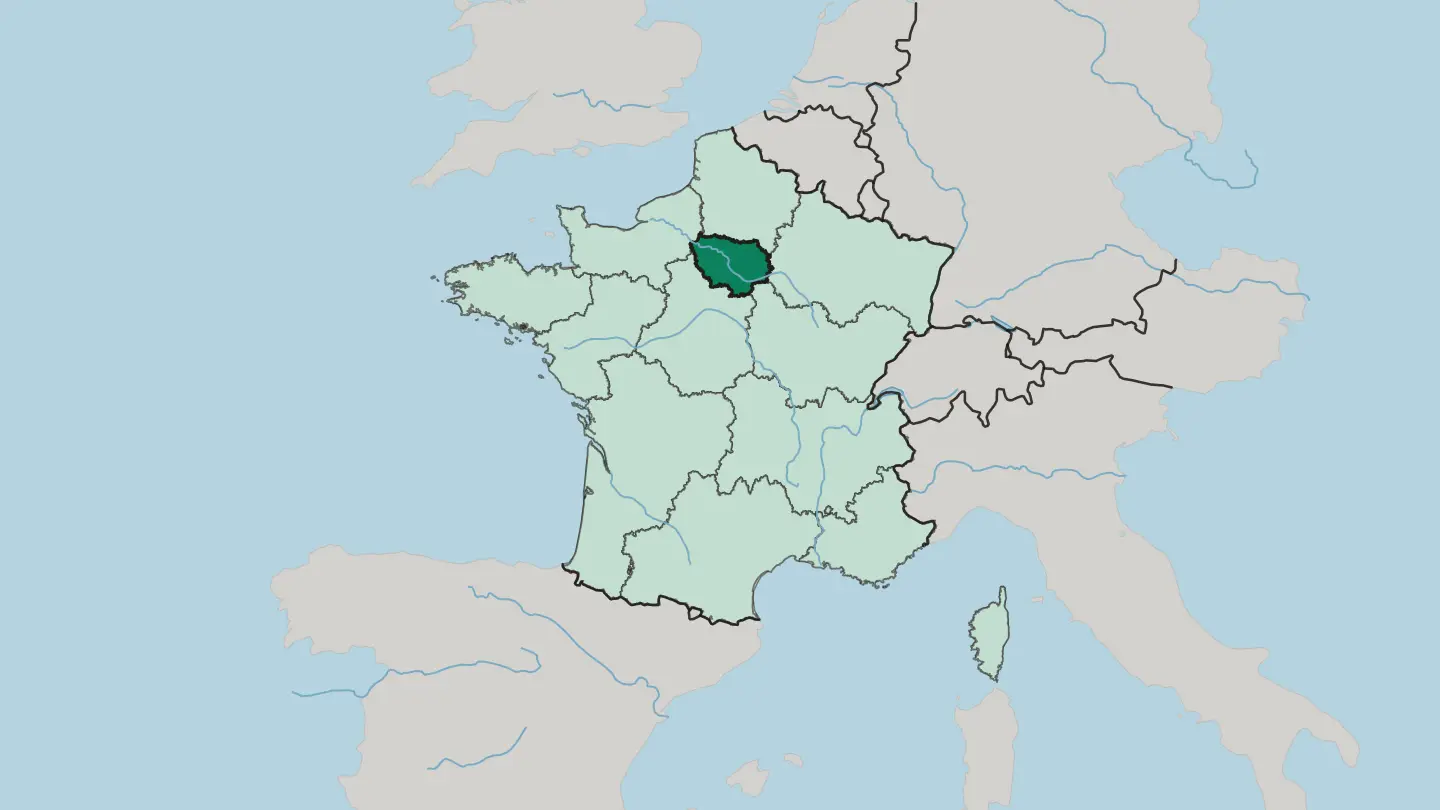
Explore by experience
Not sure which place? Start from how you want to travel.


About France
What is France known for?
France is known first for Paris, its capital, and for a daily culture of cafés, village markets, and celebrated gastronomy. The language it gave the world travels widely. Its writers, artists, and philosophers have shaped European thought across the centuries, a cultural weight that draws readers and travellers alike to the source.
The land itself varies enormously. Long Atlantic and Mediterranean coastlines, broad inland farmland, and high mountain ranges all sit within one temperate republic in Western Europe.
Where is France?
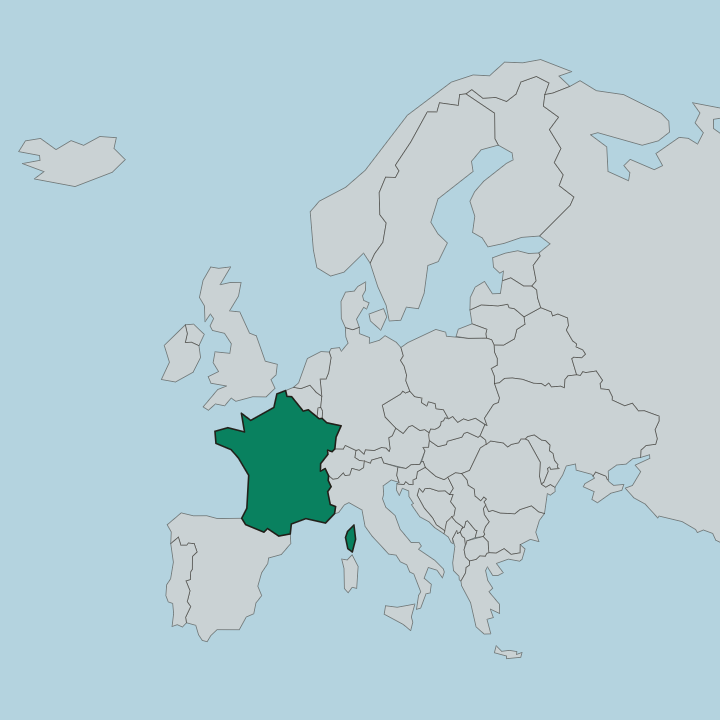
France sits in Western Europe, its metropolitan territory shaped like a rough hexagon between several seas and a long land frontier. To the north it meets Belgium and Luxembourg; to the northeast, Germany; to the east, Switzerland. Italy and Monaco lie to the southeast, Andorra and Spain to the south, and a maritime border faces the United Kingdom to the northwest.
The land runs from the Rhine in the east to the Atlantic Ocean in the west. It reaches from the Mediterranean Sea in the south to the English Channel and the North Sea in the north. Long coastlines, high mountain ranges, and broad farmland fill the space between these edges.
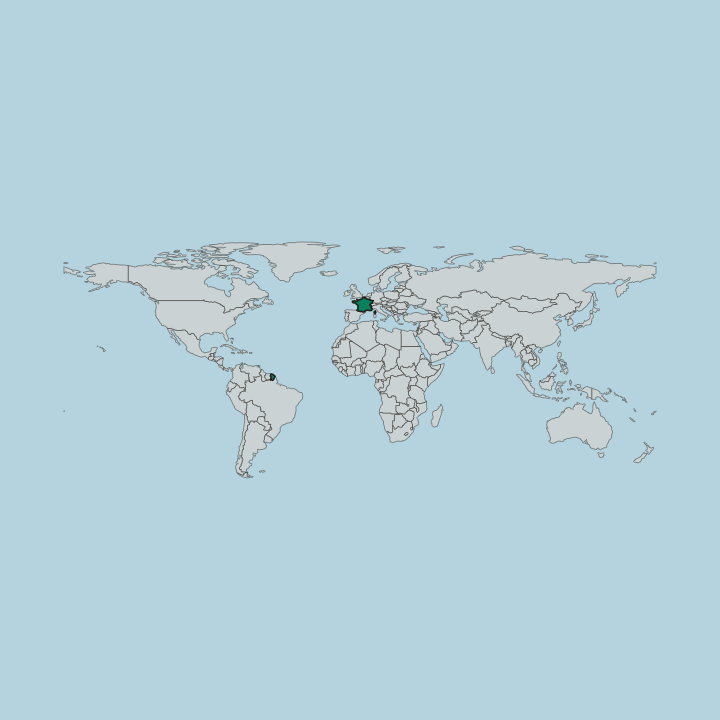
France is more than its European hexagon. Its overseas regions and territories reach across the globe, including French Guiana in South America, Saint Pierre and Miquelon in the North Atlantic, and the French West Indies, along with islands in Oceania and the Indian Ocean. The country is divided into 18 integral regions, five of them overseas.
This ocean-exposed, temperate republic therefore spans several climates at once. From the Channel ports to the Indian Ocean, few European states cover such geographic range.
What is the history of France?
France, in its present republican form, dates to 1958. The republic governs from Paris, which has served for centuries as the nation's capital and its main cultural and economic centre. Long before the modern republic, French thinkers left a deep mark on Europe.
Its philosophers, writers, and artists shaped how the wider continent came to think about reason, art, and government. Paris grew into the heart of that intellectual life, the country's largest city and its economic engine as well. The French language spread well beyond these borders and became a language of diplomacy and letters.
France also grew outward across the oceans. Its reach came to include lands far from Western Europe, and several of these remain integral regions of the republic. French Guiana lies in South America, Saint Pierre and Miquelon in the North Atlantic, and the French West Indies in warmer seas, alongside island territories in Oceania and the Indian Ocean.
Of the country's 18 integral regions, five sit overseas. That long reach is why French language and culture are found on several continents. The centre of it all remains Paris.
What is France like?
France is known for a culture of everyday pleasure the French call joie de vivre. Cafés fill the streets of Paris and small villages alike, and long meals are treated as a daily ritual rather than a rush. French gastronomy carries a worldwide reputation, built over generations from village bakeries and markets to famous city kitchens.
The country's writers, artists, and philosophers have shaped how Europe reads, paints, and argues about the world. Their work still pulls readers in. Language sits at the centre of this identity.
The French language, which the country gave to the world, is a source of national pride and a thread running through its literature and film. Village markets, coastal towns, and mountain hamlets each keep their own customs, food, and speech. Paris gathers much of the cultural weight, yet the regions guard traditions of their own across the country's farmland and coasts.
From Atlantic ports in the west to Mediterranean shores in the south, daily life turns on food, talk, and time spent well. That draws travellers to France as surely as any monument does.
What is the climate of France?
France sits mostly in the temperate band of Western Europe. The Mediterranean coast in the south stays warm and dry through summer and milder in winter, while the Atlantic coast to the west runs cooler and far wetter under ocean weather. Higher ground is harsher still.
Winters bite in the mountain ranges, where snow can linger on the peaks long into spring. Overseas, regions such as French Guiana lie in the tropics.
How do you get to France?
France is easy to reach from across Europe. It shares land borders with Belgium, Luxembourg, Germany, Switzerland, Italy, Andorra, and Spain, so road and rail cross into the country from every neighbour. Trains run fast between Paris and the major cities.
By sea, ferries cross the English Channel from the north and the Mediterranean from the south. Most long-haul travellers land first in Paris. From there the overseas regions, including French Guiana, lie a long flight away.
Common questions
What is the best area to stay in France?
Paris: a first visit centred on the capital and its museums. The Mediterranean coast: warm summers on France's southern shore. The Atlantic coast: cooler, windier shores facing the ocean. Overseas France: tropical travel far from Western Europe.
Good for
Updated October 2026