France · Bourgogne-Franche-Comté
Where to Stay in Belfort, Bourgogne-Franche-Comté
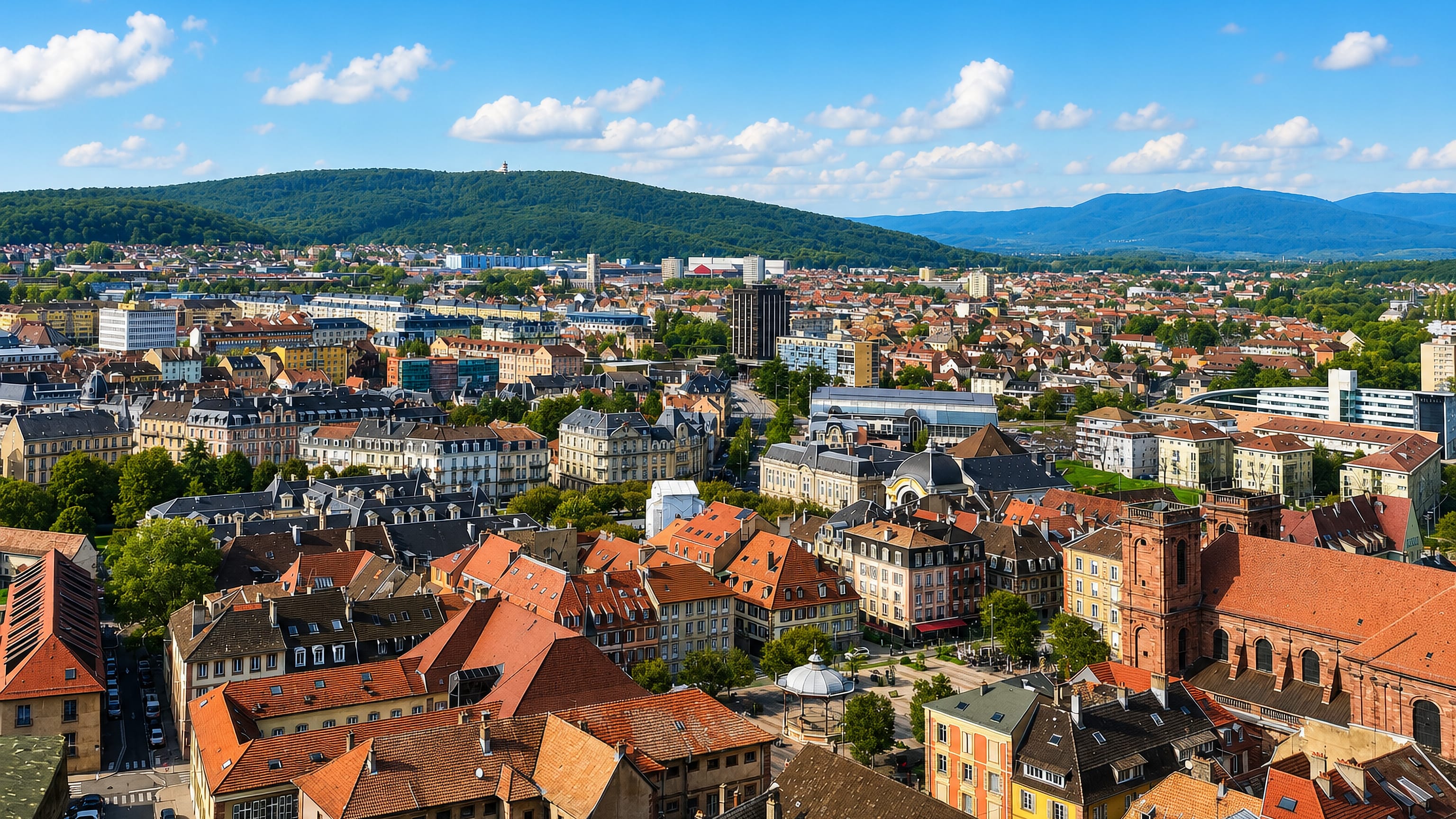
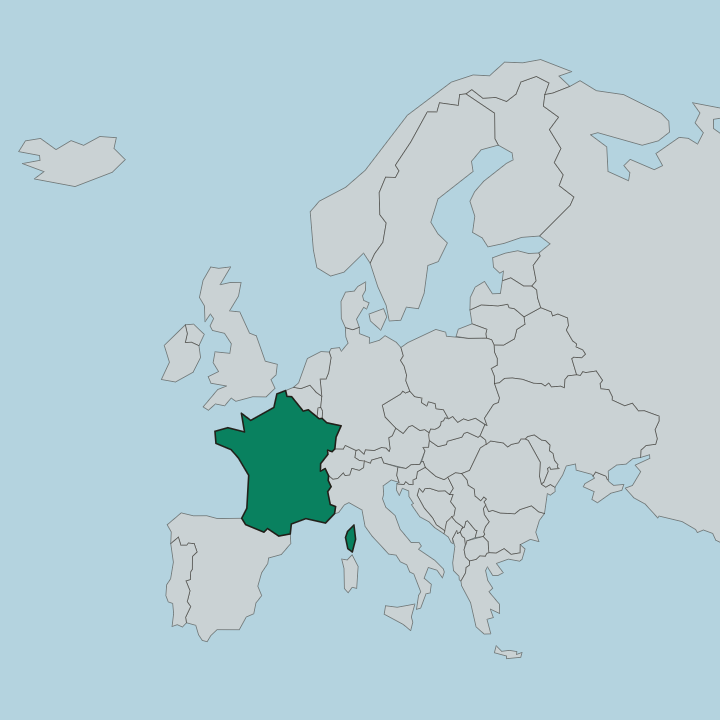
Belfort is a fortress city in eastern France, guarding the gap between the Vosges and the Jura, watched over by a colossal stone lion.
Hotel links are affiliate links: booking through them may earn us a commission, at no extra cost to you. It never affects how places are ranked. How this works


Where to stay in Belfort
Where the beds are, and what that means for the visit.
Belfort divides neatly: the old town under the citadel, or the quieter streets past it. The streets below the citadel keep the lion, the museums, and the river within a walk, and staying in the centre suits anyone here for the fortress town. The old square quiets after dark.
Rooms sit in the old houses beneath the walls. Out toward the newer districts and the station, the town spreads into quieter streets. A room away from the centre trades the citadel for parking, space, and an easy way to the trains and the hills.
The wooded ranges rise past the edge. If you want the lion and the museums, stay in the old town; if you want space and the road, take a room outside. Either way, the citadel is never out of sight.
Find hotels in Belfort
Direct booking searches for these neighbourhoods.
The old town
In the streets below the citadel near the Lion of Belfort, within a walk of the riverFind hotels in The old townStays wanting parking, space, and the stationNewer districts
Away from the centre near the station, an easy way to the trains and the hillsFind hotels in Newer districtsHotel links are affiliate links: booking through them may earn us a commission, at no extra cost to you. It never affects how places are ranked. How this works
Things to do in Belfort
Ranked by global recognition; descriptions from Wikidata (CC0).
Museums & Galleries
3- Musées de Belfort
- Museum of Fine Arts Belfort
- History Museum of Belfort
Churches & Religious Sites
4- gallo-roman temple of Offemont Heritage
- Église de Brasse Heritage
- église Sainte-Jeanne-d'Arc de Belfort Heritage
- ancienne église Saint-Louis de Belfort Heritage
Castles & Historic Sites
3- Habitat fortifié du bois de la Miotte Heritage
- monument Quand Même Heritage
- Fanum de Montjustin
Stadiums & Sports
3- Stade Roger Serzian
- Patinoire de la communauté d'agglomération belfortaine
- complexe Pierre Bonnet
Landmarks & Notable Places
1- Maison (18 rue Metzger, Belfort) Heritage
worth knowingacross 5 categories in Belfort
About Belfort
Belfort is famous for its lion.
What is Belfort known for?
The great sandstone Lion of Belfort, carved by Bartholdi below the citadel, honours the town's heroic stand against a siege in 1870, and the mighty fortress still crowns the rock above the old streets. The Savoureuse runs through the heart of the city. Siege and stone made its name.
What are the main landmarks in Belfort?
The Lion of Belfort guards the rock. Bartholdi's colossal sandstone beast crouches below the great citadel, the emblem of the town's defiance, carved into the cliff above the streets. The fortress crowns the height.
Vauban's mighty walls hold the citadel and the History Museum of Belfort, while the Museum of Fine Arts and the caves of the Grottes de Cravanche lie in and around the city.
What is the history of Belfort?
Belfort has guarded the gap for centuries. Whoever held the low pass between the mountains held the road between France and the German lands, and so kings and engineers fortified the town again and again. Vauban built the great citadel.
The master of fortresses raised its mighty walls in stone above the Savoureuse, and Belfort became one of the strongest places in the kingdom. The town's finest hour came in defeat. When Prussia invaded France in 1870, Belfort held out under siege for a hundred and three days and never fell, and in reward it stayed French while the rest of the region was lost.
Bartholdi carved a monument to the stand. The sculptor of the Statue of Liberty cut a colossal Lion of Belfort from the red rock below the citadel, and it became the emblem of the town. Around the fortress grew the little Territoire de Belfort.
The lion still guards the gap between the ranges.
Where is Belfort?
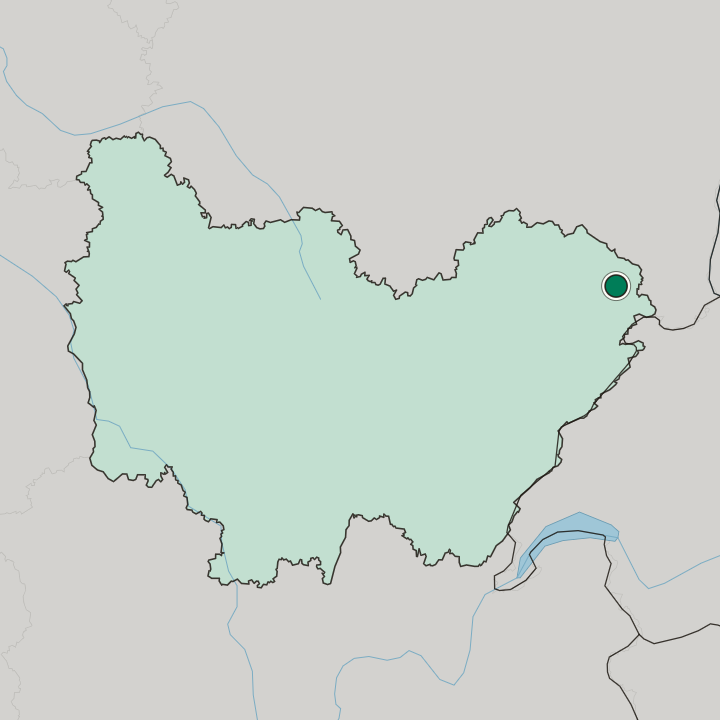
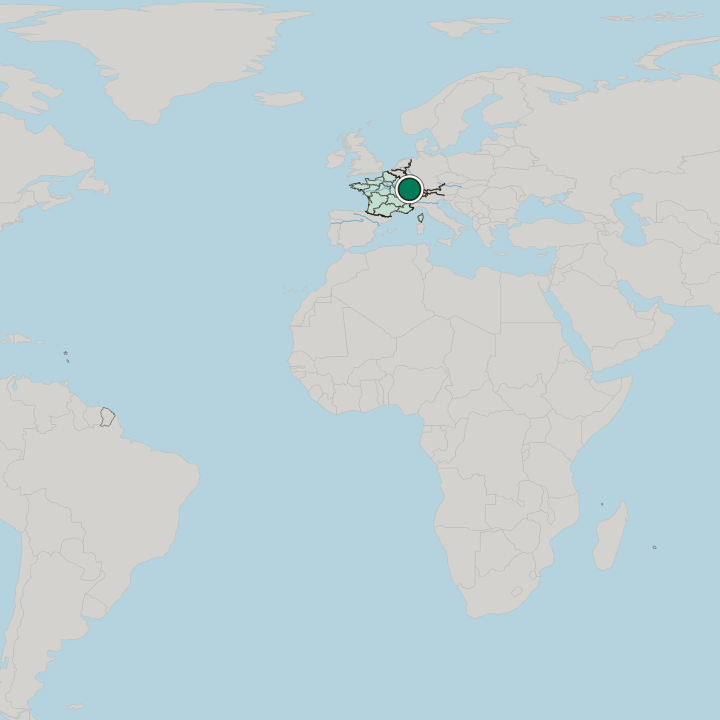
Belfort sits in the gap between two mountain ranges. The city guards the low pass between the Vosges to the north and the Jura to the south, where the Savoureuse river runs down through eastern France toward the Rhône. Wooded hills rise close on both sides.
The old gap has always drawn armies and trade.
What is the climate of Belfort?
Belfort has a cool, wet continental climate. Cold, snowy winters settle in the mountain gap, and the summers turn warm and stormy, with rain heavy where the ranges meet. Snow lingers on the hills into spring.
The gap funnels the wind and weather through.
How do you get to Belfort?
Belfort lies on the road between France and the Rhine. Fast trains stop near the town between Paris and Basel, and the motorway runs through the gap toward Germany and Switzerland. Buses reach the villages of the ranges.
Most arrive by rail into the mountain gap.
Common questions
What is the best area to stay in Belfort?
The old town: Visitors here for the lion, citadel, and museums. Newer districts: Stays wanting parking, space, and the station.
Good for
More cities in Bourgogne-Franche-Comté
Updated September 2026