France · Centre-Val de Loire
Where to Stay in Bourges, Centre-Val de Loire
Bourges is a historic city in central France, capital of the Cher and old Berry, built on the ancient Avaricum beside the river Yèvre.
Hotel links are affiliate links: booking through them may earn us a commission, at no extra cost to you. It never affects how places are ranked. How this works


Where to stay in Bourges
Where visitors usually base themselves, and why.
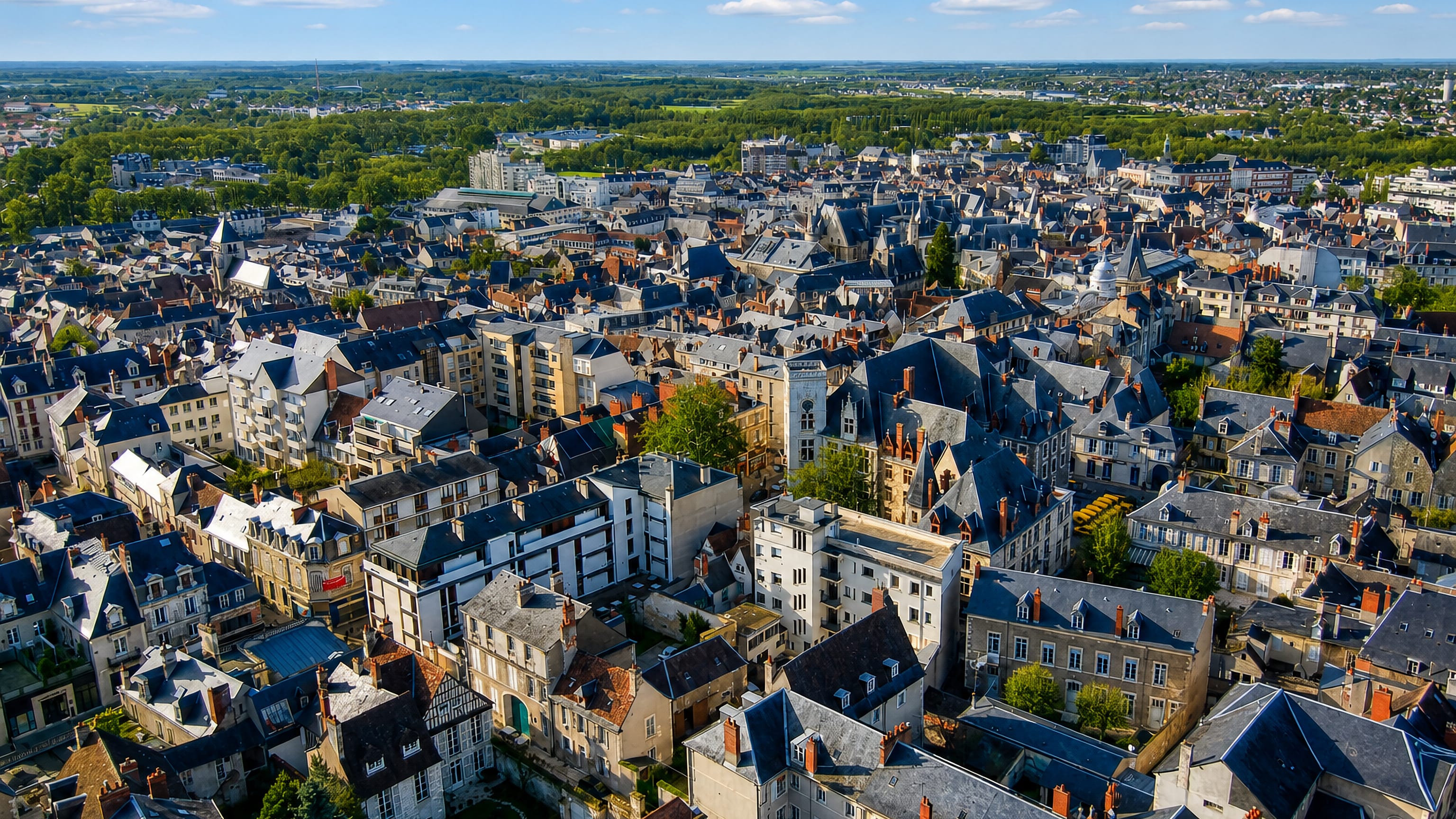
Where you stay in Bourges means the old upper town, for most visitors. The medieval streets around the Église Notre-Dame and the Musée du Berry keep the timbered houses and the churches within a walk, and it suits anyone here for the history. The lanes climb quiet and old.
Rooms sit among the leaning house-fronts of the hill. Down by the water, the lower town spreads toward the Yèvre and its famous marsh gardens. A room by the river trades the medieval hill for green walks and the still canals of the marais, a short climb from the old core.
The water runs slow and green here. If you want the churches and the houses, stay in the upper town; if you want the river, take a room below. Either way, Bourges is easy on foot.
Find hotels in Bourges
Direct booking searches for these neighbourhoods.
Old upper town
Around the Église Notre-Dame and the Musée du Berry, among the timbered houses of the hillFind hotels in Old upper townQuieter riverside stays near the marsh gardensLower town by the Yèvre
Toward the Yèvre and the marais walks, a short climb below the medieval coreFind hotels in Lower town by the YèvreHotel links are affiliate links: booking through them may earn us a commission, at no extra cost to you. It never affects how places are ranked. How this works
Things to do in Bourges
Ranked by global recognition; descriptions from Wikidata (CC0).
Museums & Galleries
1- Musée du Berry
Churches & Religious Sites
5- Église Notre-Dame de Bourges Heritage
- Église Saint-Pierre-le-Guillard de Bourges Heritage
- Église Saint-Bonnet de Bourges Heritage
- monastère de Notre-Dame et Saint-Joseph du Mont-Carmel Heritage
- Église Saint-Aoustrillet de Bourges Heritage
Castles & Historic Sites
2- Avaricum
- Nécropole de Saint-Martin-des-Champs (Bourges)
Stadiums & Sports
1- Stade Jacques Rimbault
Landmarks & Notable Places
8- Maison de la Reine Blanche à Bourges Heritage
- Maison Colladon de Bourges Heritage
- Maison, 1 rue Bourbonnoux, Bourges Heritage
- Maison de Bienaimé Georges Heritage
- Maison 17 rue Bourbonnoux, Bourges Heritage
Show 3 more →
- Maison de la chanoinesse des Bénédictines de Saint-Laurent Heritage
- Maison des Raisins Heritage
- Maison des Trois Flûtes (Bourges) Heritage
worth knowingacross 5 categories in Bourges
About Bourges
Bourges keeps two thousand years in its streets.
What is Bourges known for?
The Romans built Avaricum here, and the medieval city that grew over it left timbered houses and old churches across the hill above the Yèvre. The Musée du Berry gathers the long story. History stands on every corner.
What are the main landmarks in Bourges?
The old churches crown the hill of Bourges. The Église Notre-Dame, the Église Saint-Bonnet, and the Église Saint-Pierre-le-Guillard stand among the medieval streets, their stone towers rising over the roofs. Timbered houses lean below them.
The Maison des Trois Flûtes and the Maison Colladon survive from the merchant centuries, and the Musée du Berry gathers the finds from Avaricum onward.
What is the history of Bourges?
Bourges was already old when Rome came. The Gauls raised the stronghold of Avaricum on this hill above the marshes, a chief town of their people. The necropolis at Saint-Martin-des-Champs still holds graves from those distant centuries.
Rome took the town and made it a city of its province. Fairs and river trade drew merchants from across the centre of France, and stone by stone the settlement climbed the hill through the ages that followed. Medieval Bourges grew rich as the capital of Berry.
Merchants built tall timbered houses that still lean over the old lanes, among them the Maison des Trois Flûtes and the Maison Colladon on the rue Bourbonnoux. Churches rose across the town, and the Église Notre-Dame, the Église Saint-Bonnet, and the Église Saint-Pierre-le-Guillard mark the faith of those years. The province had its own dukes and its own pride.
The Musée du Berry keeps the record of it all, from Gaulish Avaricum to the medieval streets.
Where is Bourges?
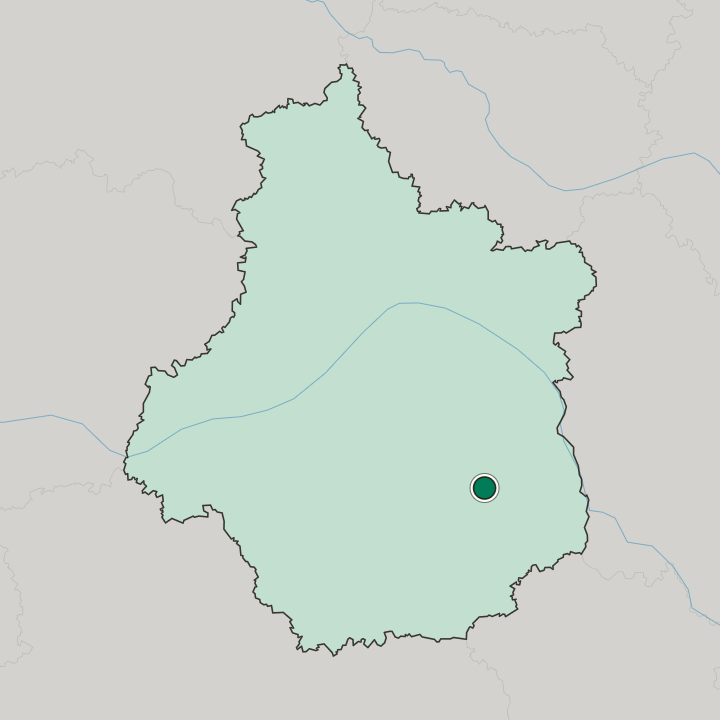
Bourges rises on a low hill above the Yèvre. The city sits in the flat heart of central France, where the river and its marshes wind around the old town, with the farmland of Berry spreading away on every side. Water-meadows edge the centre.
The plains of the Cher run to the horizon.
What is the climate of Bourges?
Bourges knows a mild inland climate. Cool, damp winters give way to warm summers in the heart of France, with rain spread fairly through the year and the river marshes holding the morning mist. Frost is light on the plain.
Autumn hangs grey over the marshes and the meadows.
How do you get to Bourges?
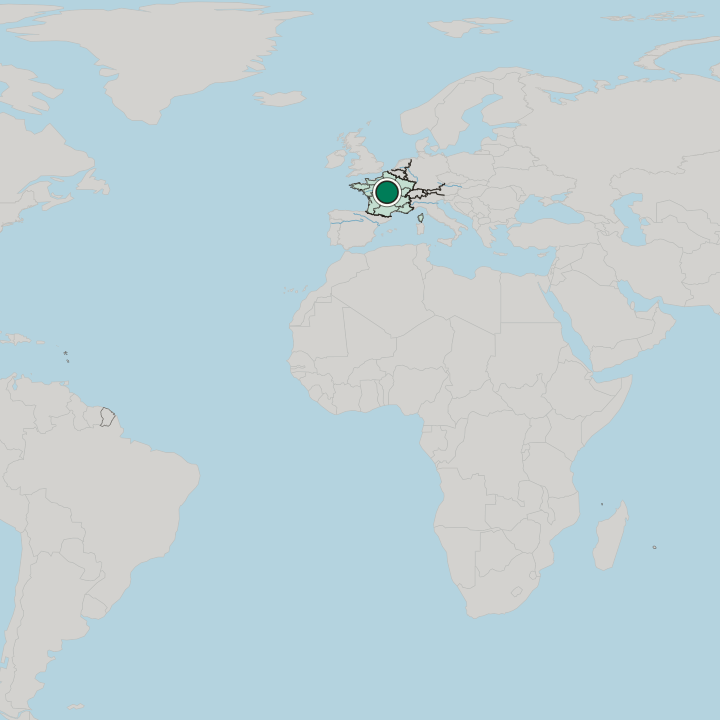
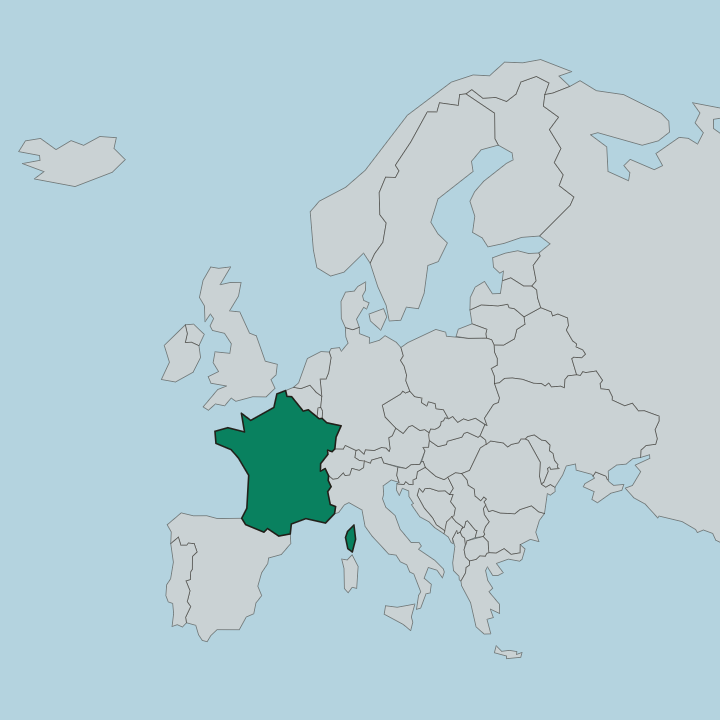
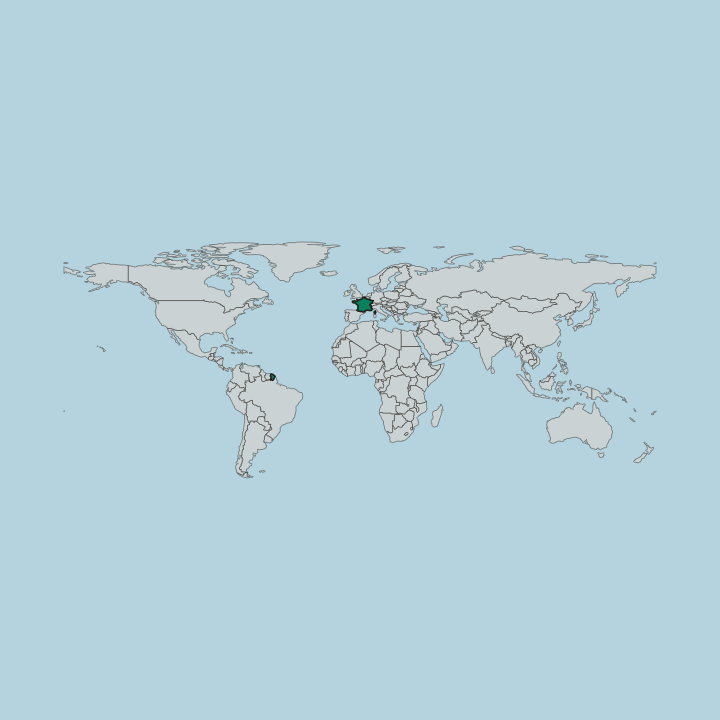
Bourges lies at the heart of France. Rail and road run out from the city to Paris in the north and the Loire towns to the west, putting it near the centre of the country's map, and lines cross the plains of Berry from the station. Buses serve the villages around.
Most arrive by train, into the old provincial capital.
Common questions
What is the best area to stay in Bourges?
Old upper town: Visitors here for the medieval churches, houses, and museum. Lower town by the Yèvre: Quieter riverside stays near the marsh gardens.
Good for
More cities in Centre-Val de Loire
Updated September 2026