France
Centre-Val de Loire, France — Towns & Travel Guide
Centre-Val de Loire follows the middle Loire through inland France, a countryside of royal châteaux south-west of Paris.
Hotel links are affiliate links: booking through them may earn us a commission, at no extra cost to you. It never affects how places are ranked. How this works


Towns & cities in Centre-Val de Loire
Pick a town or city — each links to where to stay.
 France
Tours
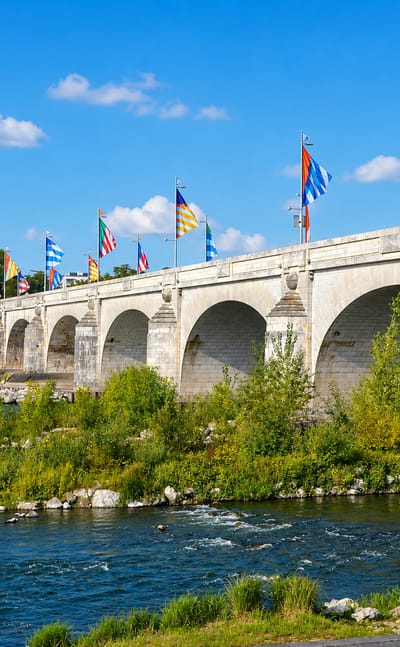
Tours is a city in Centre-Val de Loire, a former Roman Caesarodunum whose old streets gather around the Basilica of St. Martin.Where to stay →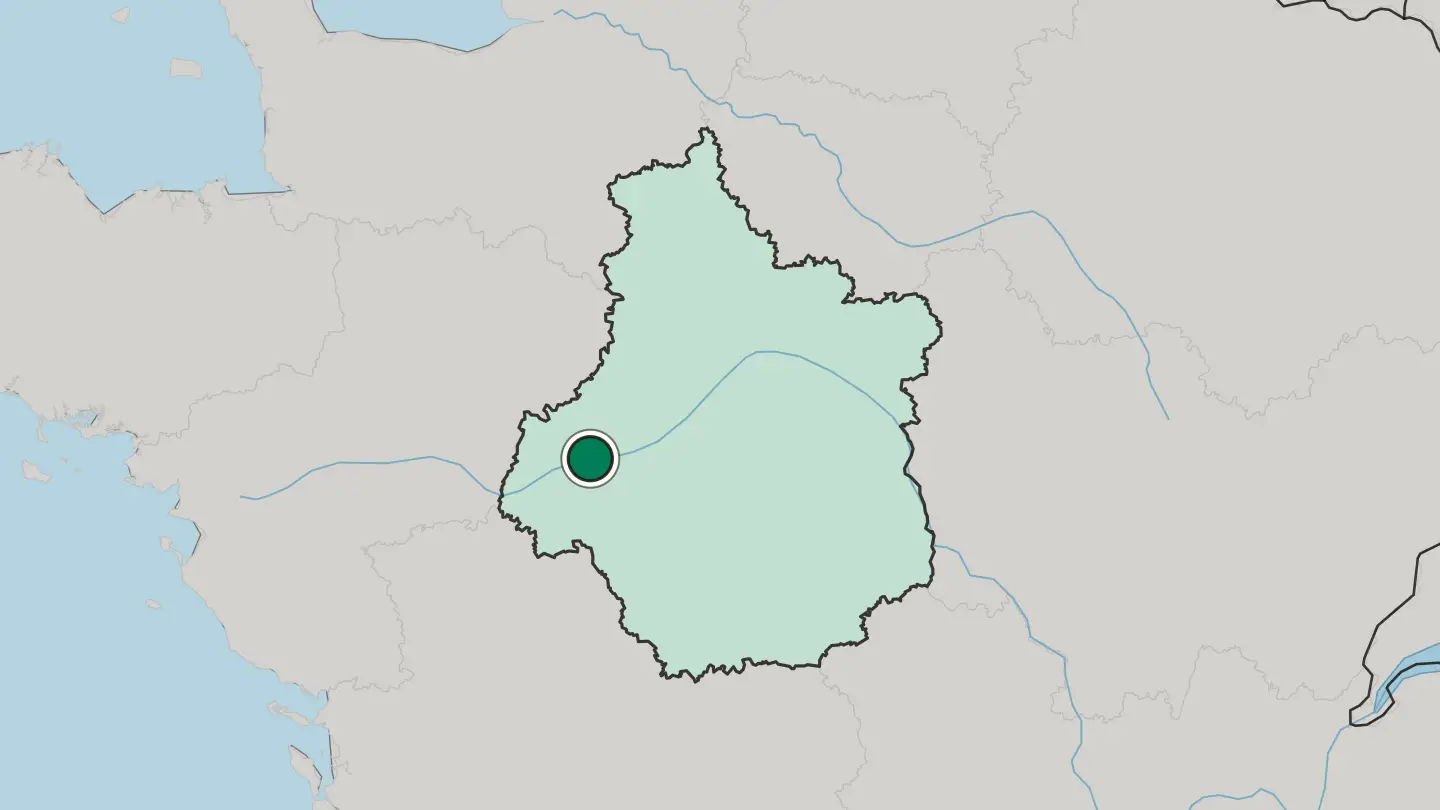
 France
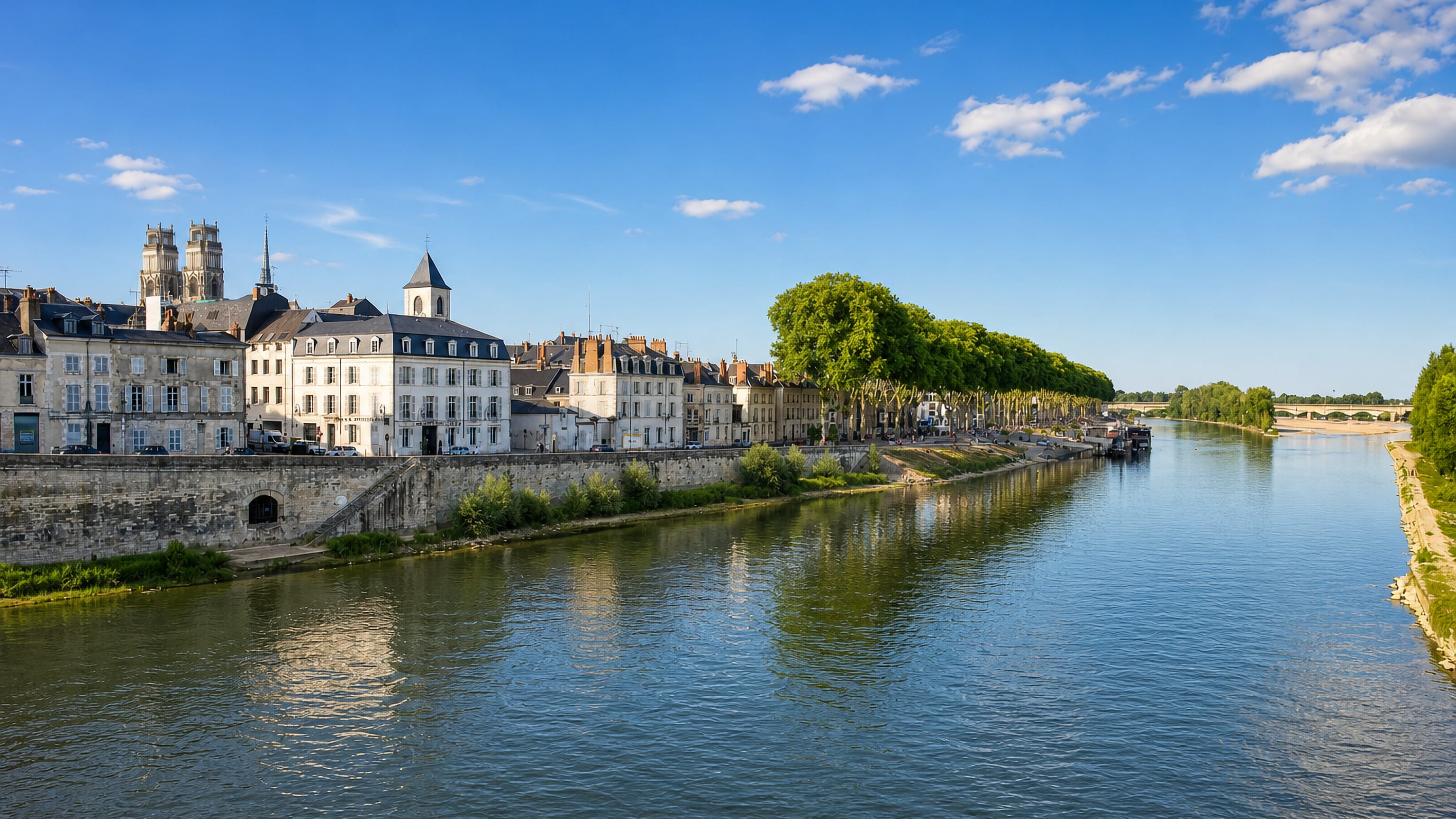
Orléans
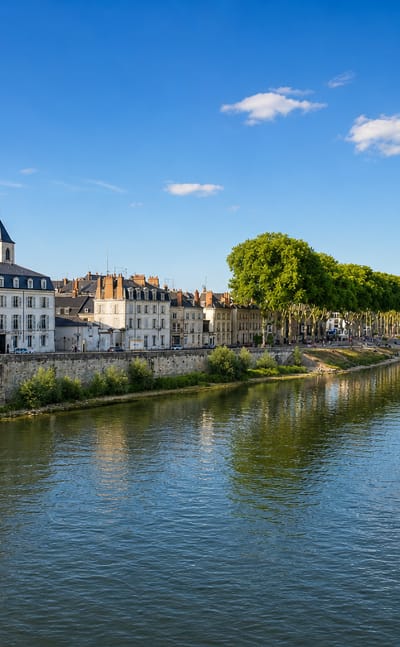
Joan of Arc lifted the siege at Orléans, prefecture of Loiret in the Centre-Val de Loire, known for its old town and the Musée des Beaux-Arts d'Orléans.Where to stay →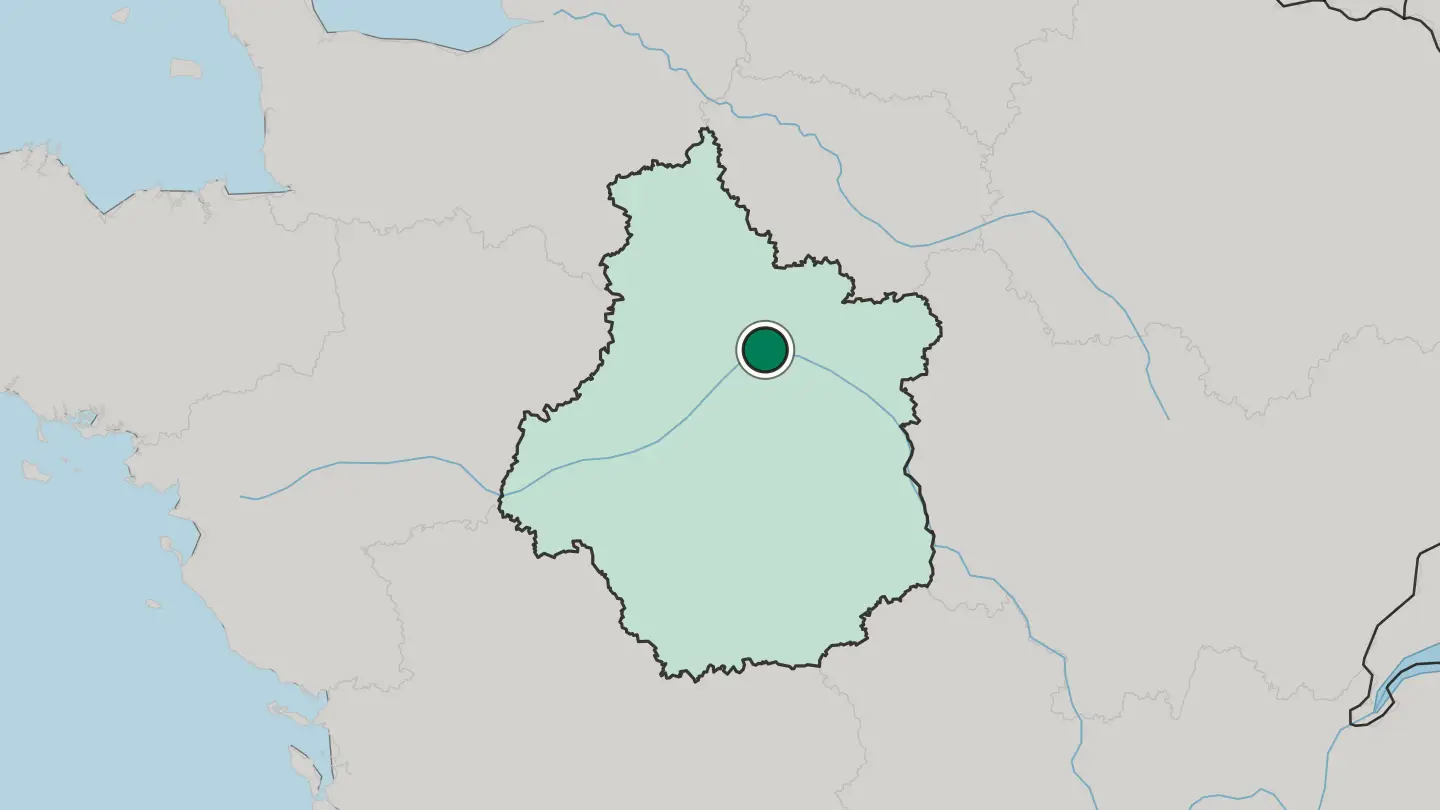
 France
Bourges
Bourges is a historic city in central France, capital of the Cher and old Berry, built on the ancient Avaricum beside the river Yèvre.Where to stay →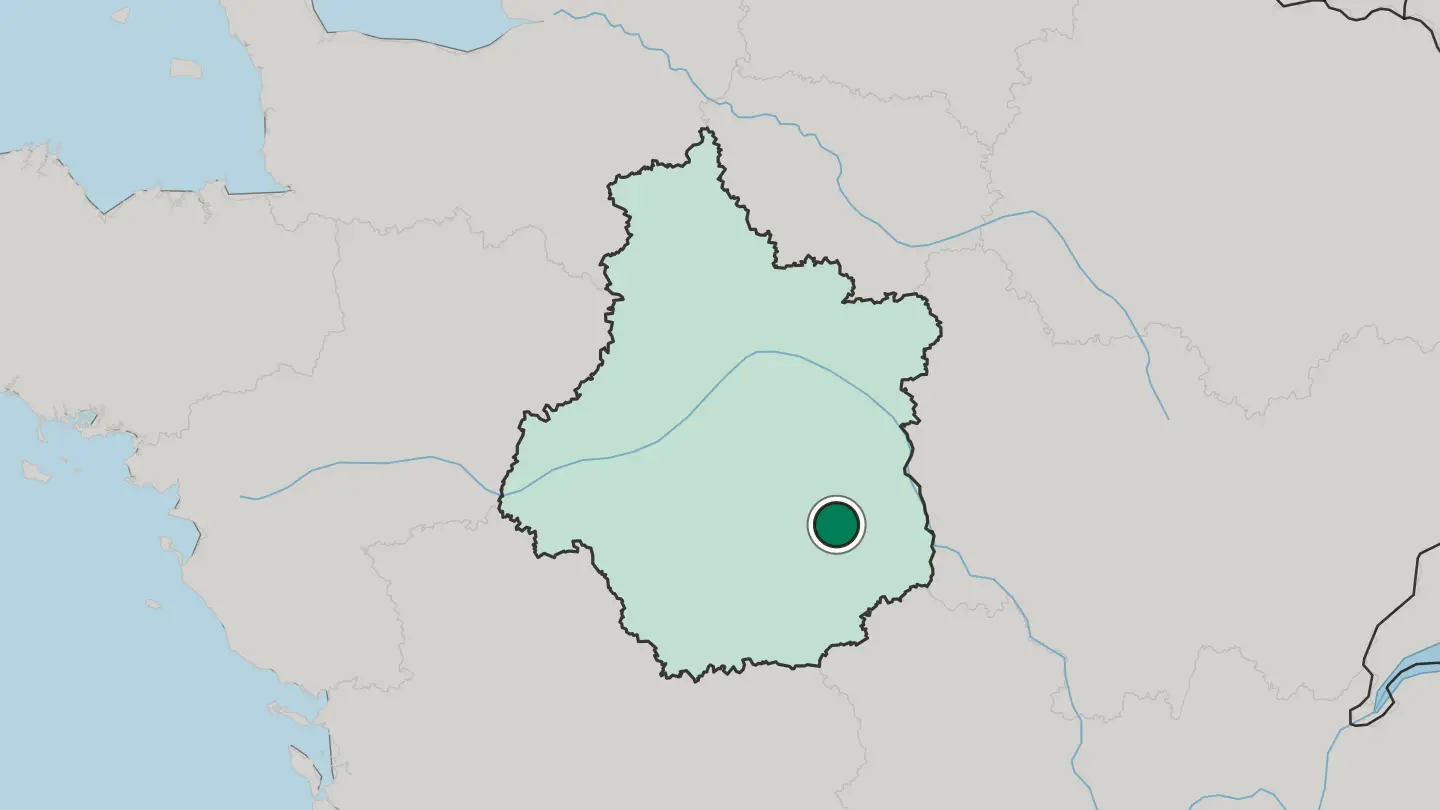
 France
Blois
Blois is a royal city on the Loire in the heart of the Loire Valley, France, crowned by a great château of many ages.Where to stay →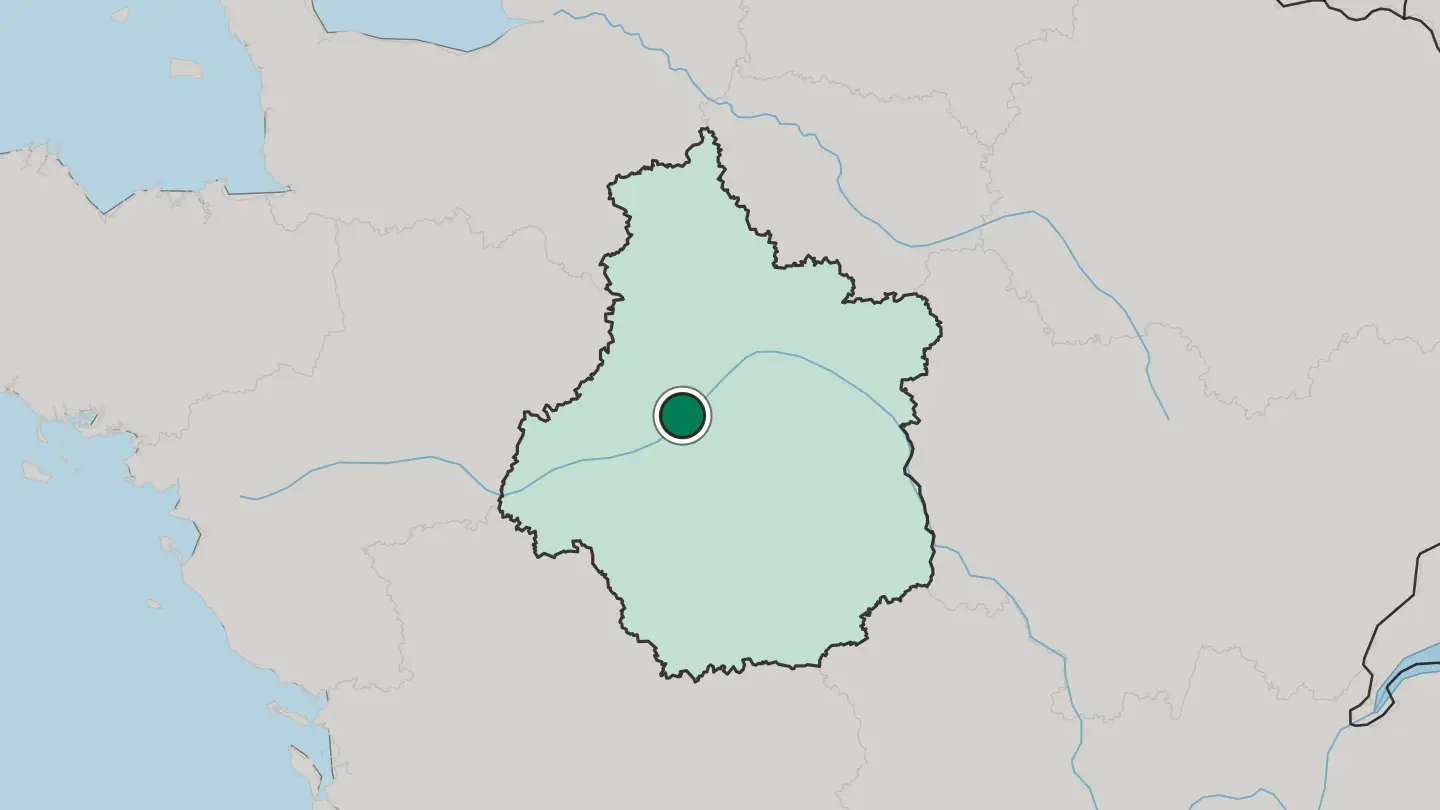 France
Châteauroux
Châteauroux is the capital of the Indre and the second town of Berry after Bourges, gathered around the Château Raoul.Where to stay →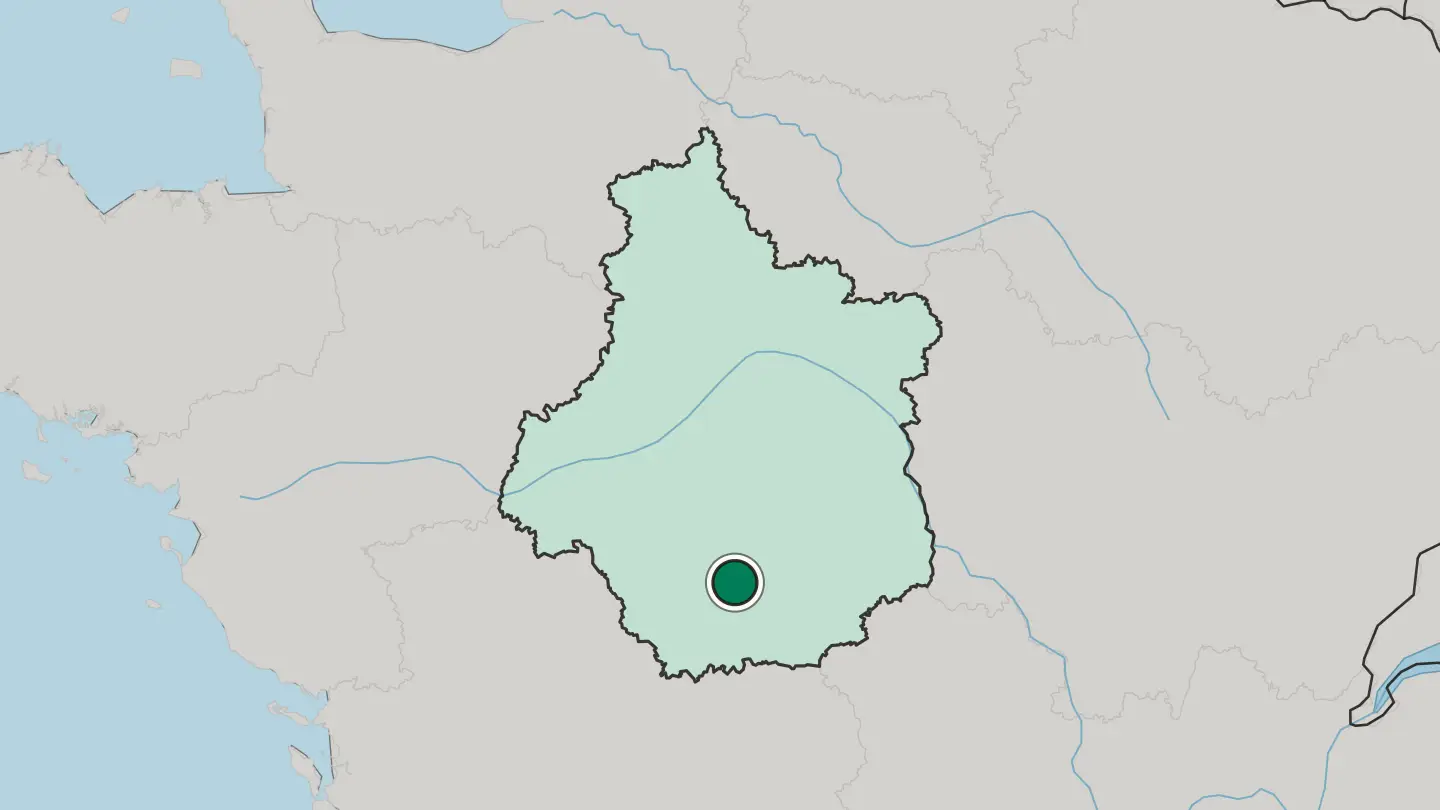
Hotel links are affiliate links: booking through them may earn us a commission, at no extra cost to you. It never affects how places are ranked. How this works
About Centre-Val de Loire
Châteaux.
What is Centre-Val de Loire known for?
The middle Loire winds through this region, and the kings of France lined its banks with palaces during the Renaissance. Chambord raises 365 fireplaces and a double-helix staircase over the flat Sologne woods, while Chenonceau arches on stone piers straight across the river Cher. Between the castles lie the vineyards that give Sancerre and Vouvray their names, and the wheat and sunflower fields of the old provinces of Berry and Touraine.
Tours anchors the west, Orléans the north.
Where is Centre-Val de Loire?
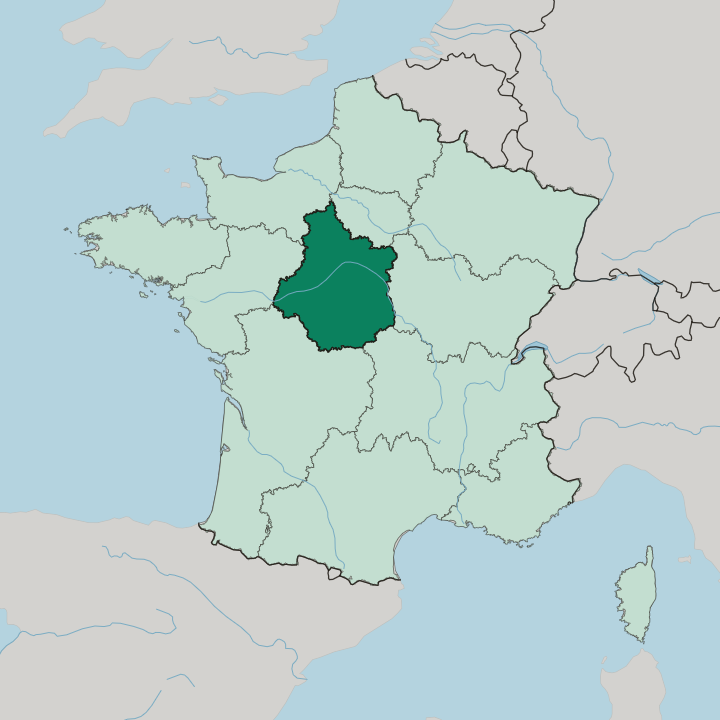
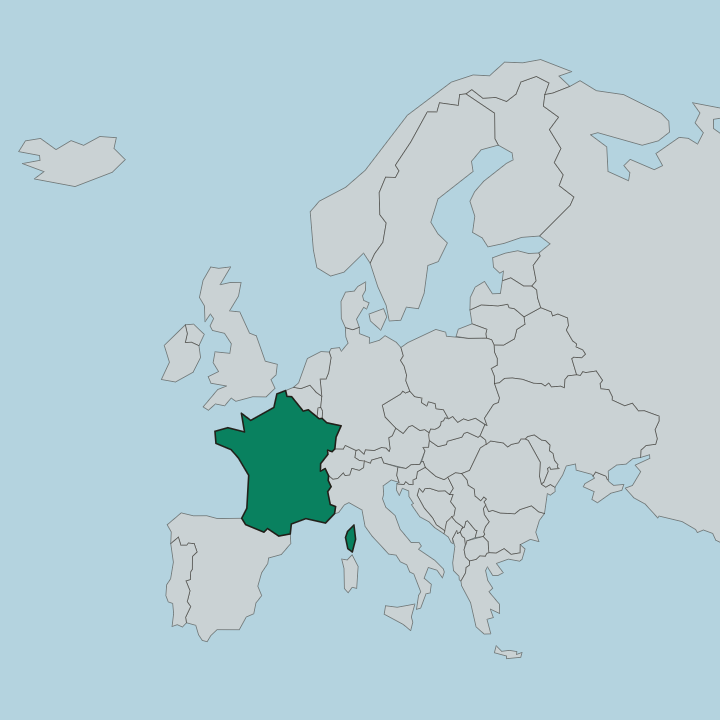
Centre-Val de Loire lies in the interior of France, south-west of Paris and reaching no sea. The Loire, the longest river in France, cuts across it from the south-east toward the west and gives the region both its name and its spine. Six departments make up the whole: Loiret and Eure-et-Loir in the north, Loir-et-Cher and Indre-et-Loire along the river, and Cher and Indre in the south.
Orléans stands at the northern bend of the Loire, the point where the river turns west toward the Atlantic. Tours sits downstream where the Cher joins the Loire, the largest city of the region. Beyond the valley floor the land rolls into wheat plains and forest.
The Sologne, a low country of ponds and pine, spreads south of the river near Chambord, while the Beauce plain runs north toward Chartres. Six regions border it in turn. Normandy and Île-de-France lie to the north, Bourgogne-Franche-Comté and Auvergne-Rhône-Alpes to the east and south-east, Nouvelle-Aquitaine to the south-west, and Pays de la Loire downriver to the west.
Water, not coast, defines the place. The Loire and its tributaries, the Cher chief among them, carry the whole region's geography.
What is Centre-Val de Loire like?
This was the garden of the French court. When the Valois kings moved between Blois, Amboise and Chambord in the fifteenth and sixteenth centuries, the valley became the workshop of the French Renaissance. Italian masons, gardeners and cooks followed the court up the Loire.
Leonardo da Vinci spent his last years at Amboise, and his tomb lies in the château chapel there. That inheritance still shapes daily life. The region's food and drink grew up around the same courtly table: goat cheeses like Sainte-Maure de Touraine, rillettes from Tours, and the Chenin and Sauvignon wines of Vouvray and Sancerre.
Orléans keeps a fiercer memory. Each spring the city honours Joan of Arc, who lifted the English siege there in 1429 and turned the Hundred Years' War. Kings, saints and stonemasons all left their mark.
The valley wears its history in walls and vines rather than in monuments alone.
What is the history of Centre-Val de Loire?
The modern region was drawn up in 1960 from three old provinces: the Orléanais around Orléans, Berry in the south around Bourges, and Touraine on the river at Tours. It carried the plain name Centre until 2015. Then it took the fuller Centre-Val de Loire to mark the valley at its heart, and long before either name this stretch of the Loire had been a seat of royal power under the Valois kings.
In the year 1429 Joan of Arc broke the siege of Orléans here and turned the Hundred Years' War toward France. The river made the region. The crown made its castles.
What is the climate of Centre-Val de Loire?
The valley runs mild and oceanic. Atlantic air pushes this far inland up the Loire, keeping summers warm rather than hot, which is exactly the weather that ripens the Chenin vines of Vouvray and suits a slow afternoon in the château gardens. Winters turn cool and damp.
Frost and snow stay uncommon on the valley floor, and rain falls through the year instead of arriving in one drenching season. The far east and south, away from the river, feel a shade more continental than the towns strung along the Loire itself.
How do you get to Centre-Val de Loire?
Come down from Paris. The fast train makes it simple: a TGV reaches Tours in about an hour, and mainline services run through the day to Orléans, Blois and Bourges. The region keeps no coast.
Arriving means road or rail across the interior of France rather than any ferry, with Paris and its two big airports feeding the valley from the north. Once you reach the river, a car is what opens up the scattered châteaux strung between Orléans and Tours that no single railway station can reach on its own.
Common questions
What is the best area to stay in Centre-Val de Loire?
Tours: a first Loire châteaux trip. Amboise: a central château-hopping base. Blois: the Blésois and Sologne. Bourges: the southern Berry away from the crowds.
More regions in France
Updated October 2026