France · Centre-Val de Loire
Where to Stay in Orléans, Centre-Val de Loire
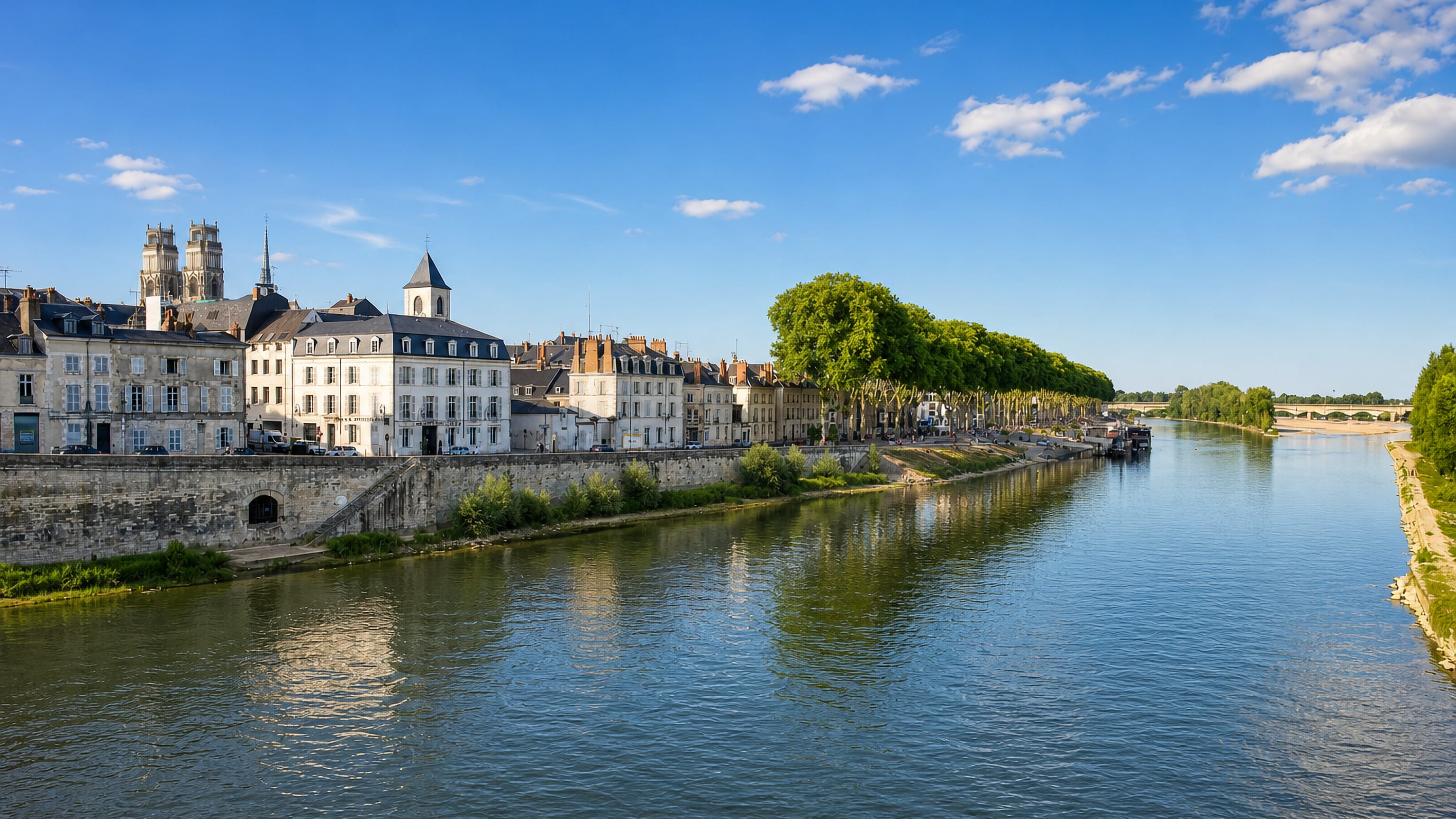
Joan of Arc lifted the siege at Orléans, prefecture of Loiret in the Centre-Val de Loire, known for its old town and the Musée des Beaux-Arts d'Orléans.
Hotel links are affiliate links: booking through them may earn us a commission, at no extra cost to you. It never affects how places are ranked. How this works



Where to stay in Orléans
Where visitors usually base themselves, and why.
Orléans sorts into a few clear quarters, and the choice sets the character of a visit. The medieval centre, gathered around the Maison dite de Jeanne d'Arc in Orléans and the timber-framed streets, puts the old town and its cafes within a short walk. Stay here for the history.
East toward the church of Saint-Aignan d'Orléans, the quieter streets hold the older ecclesiastical quarter, a calm base still close to the centre. Travellers drawn to art often pick the blocks near the Musée des Beaux-Arts d'Orléans, while those arriving by train from Paris lean toward the district around the station a short walk north. Each quarter of Orléans trades a little quiet for a little convenience, and the decision comes down to whether you want the timber lanes of the Jeanne d'Arc quarter, the calm around Saint-Aignan d'Orléans, or a fast walk from the platform into the Centre-Val de Loire.
Find hotels in Orléans
Direct booking searches for these neighbourhoods.
Jeanne d'Arc quarter
The Maison dite de Jeanne d'Arc in Orléans and the timber lanes sit within a short walk.Find hotels in Jeanne d'Arc quarterQuiet streets near the old churchSaint-Aignan quarter
The blocks around Saint-Aignan d'Orléans keep the ecclesiastical quarter calm and close.Find hotels in Saint-Aignan quarterTrain arrivals from ParisGare d'Orléans quarter
The station streets suit fast platform access into the Centre-Val de Loire.Find hotels in Gare d'Orléans quarterHotel links are affiliate links: booking through them may earn us a commission, at no extra cost to you. It never affects how places are ranked. How this works
Things to do in Orléans
Ranked by global recognition; descriptions from Wikidata (CC0).
Museums & Galleries
3- Hôtel des Créneaux Heritage
- Musée des Beaux-Arts d'Orléans
- Maison dite de Jeanne d'Arc in Orléans
Churches & Religious Sites
6- Saint-Aignan d'Orléans Heritage
- Église Notre-Dame-de-Recouvrance Heritage
- Restes de l'église Saint-Paul Heritage
- Église Saint-Euverte (Orléans) Heritage
- Église Saint-Pierre-le-Puellier Heritage
Show 1 more →
- Église Saint-Pierre-du-Martroi d'Orléans Heritage
Castles & Historic Sites
1- Cenabum
Stadiums & Sports
2- Zénith d'Orléans
- Palais des Sports Orléans
Landmarks & Notable Places
8- Maison de la Chancellerie Heritage
- Maison 37 rue de l'Empereur, Orléans Heritage
- Maison de Jean d'Alibert Heritage
- Maison, 17 rue de la Bretonnerie Heritage
- Maison, 34 rue de la Charpenterie Heritage
Show 3 more →
- Maison de la Pomme Heritage
- Maison de la Prévôté Heritage
- Maison 3 rue de l'Empereur, Orléans Heritage
worth knowingacross 5 categories in Orléans
About Orléans
What is Orléans known for?
Orléans is known for its part in the story of Joan of Arc, who broke the English siege of the city in the Hundred Years' War. The Maison dite de Jeanne d'Arc in Orléans keeps her memory in the old town. History runs old here.
The Roman settlement of Cenabum stood on the site, the Musée des Beaux-Arts d'Orléans holds the fine-art collection, and the church of Saint-Aignan d'Orléans anchors the medieval quarter.
What are the main landmarks in Orléans?
Orléans keeps its landmarks across the old town. The Musée des Beaux-Arts d'Orléans holds the fine-art collection, and the Maison dite de Jeanne d'Arc in Orléans marks the city's link to Joan of Arc. Churches fill the centre.
Saint-Aignan d'Orléans and the Église Notre-Dame-de-Recouvrance carry the medieval faith, while the Hôtel des Créneaux and the Musée historique et archéologique de l'Orléanais preserve the civic and Roman past of Cenabum.
What is the history of Orléans?
Orléans began as the Gallic and Roman town of Cenabum, whose name the city carried before it took its present one. The Musée historique et archéologique de l'Orléanais gathers the finds from that early settlement. War made its fame.
In the Hundred Years' War the English laid siege to Orléans, and Joan of Arc led the relief that broke the siege and turned the war, an event the Maison dite de Jeanne d'Arc in Orléans still commemorates in the old town. The church of Saint-Aignan d'Orléans and the Église Notre-Dame-de-Recouvrance survive from the medieval city that grew after the siege. As prefecture of the Loiret and of the Centre-Val de Loire, Orléans held administrative weight across the region for centuries.
Trade sustained it. The timber-framed houses and the Hôtel des Créneaux recall the mercantile town that grew along the routes between Paris and the south. The city stayed a river town of the Loire valley through each age, and its medieval churches, Roman roots, and the memory of Joan of Arc give Orléans a history that runs from antiquity to the making of France.
Where is Orléans?
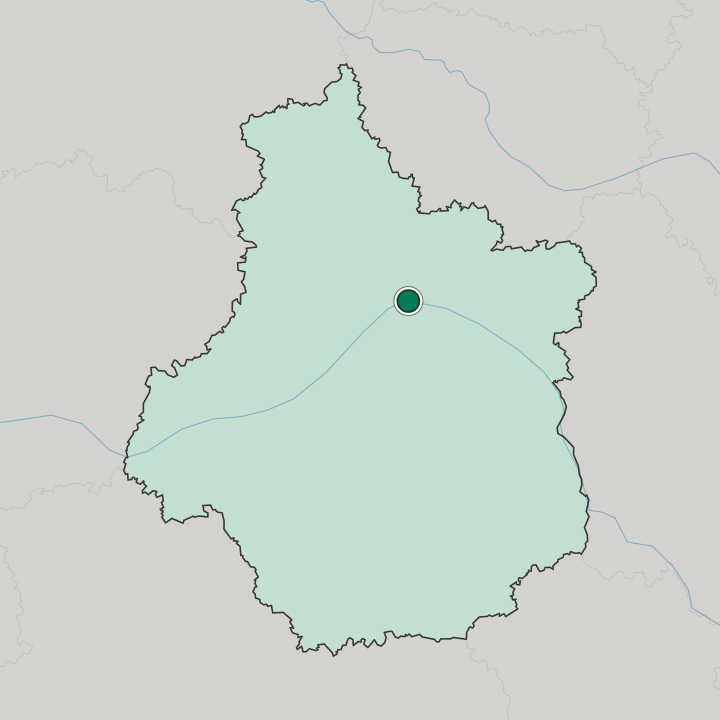
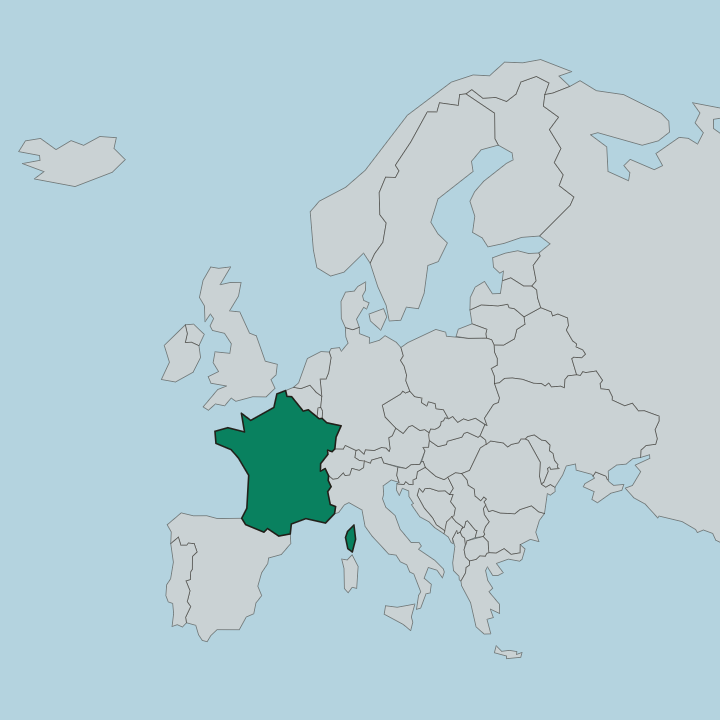
Orléans lies in north-central France, southwest of Paris, in the Loiret department of the Centre-Val de Loire region. The city marks the northern edge of the Loire valley, where the great river swings closest to the capital. Flat farmed country surrounds it.
The plains of the Loiret spread around Orléans in gentle arable land, and the Val de Loire that names the region carries the vineyards and châteaux downstream from the city.
What is the climate of Orléans?
Orléans has a mild temperate climate typical of the Loire country. Winters run cool and damp without the deep cold of the mountains, and summers stay warm across the plains of the Loiret. Seasons turn evenly here.
Atlantic weather reaching inland keeps the Centre-Val de Loire green through much of the year, and hard frosts stay rare in the sheltered river valley around Orléans.
How do you get to Orléans?
Orléans sits on the main routes south from Paris. Frequent trains link the city to the capital in around an hour, making it an easy first stop in the Centre-Val de Loire. Roads meet here too.
Motorways run through the Loiret toward the south of France, and from the Gare d'Orléans the old town and the Musée des Beaux-Arts d'Orléans lie within a short walk across the medieval centre.
Common questions
What is the best area to stay in Orléans?
Jeanne d'Arc quarter: Old-town history in the medieval core. Saint-Aignan quarter: Quiet streets near the old church. Gare d'Orléans quarter: Train arrivals from Paris.
Good for
More cities in Centre-Val de Loire
Updated September 2026