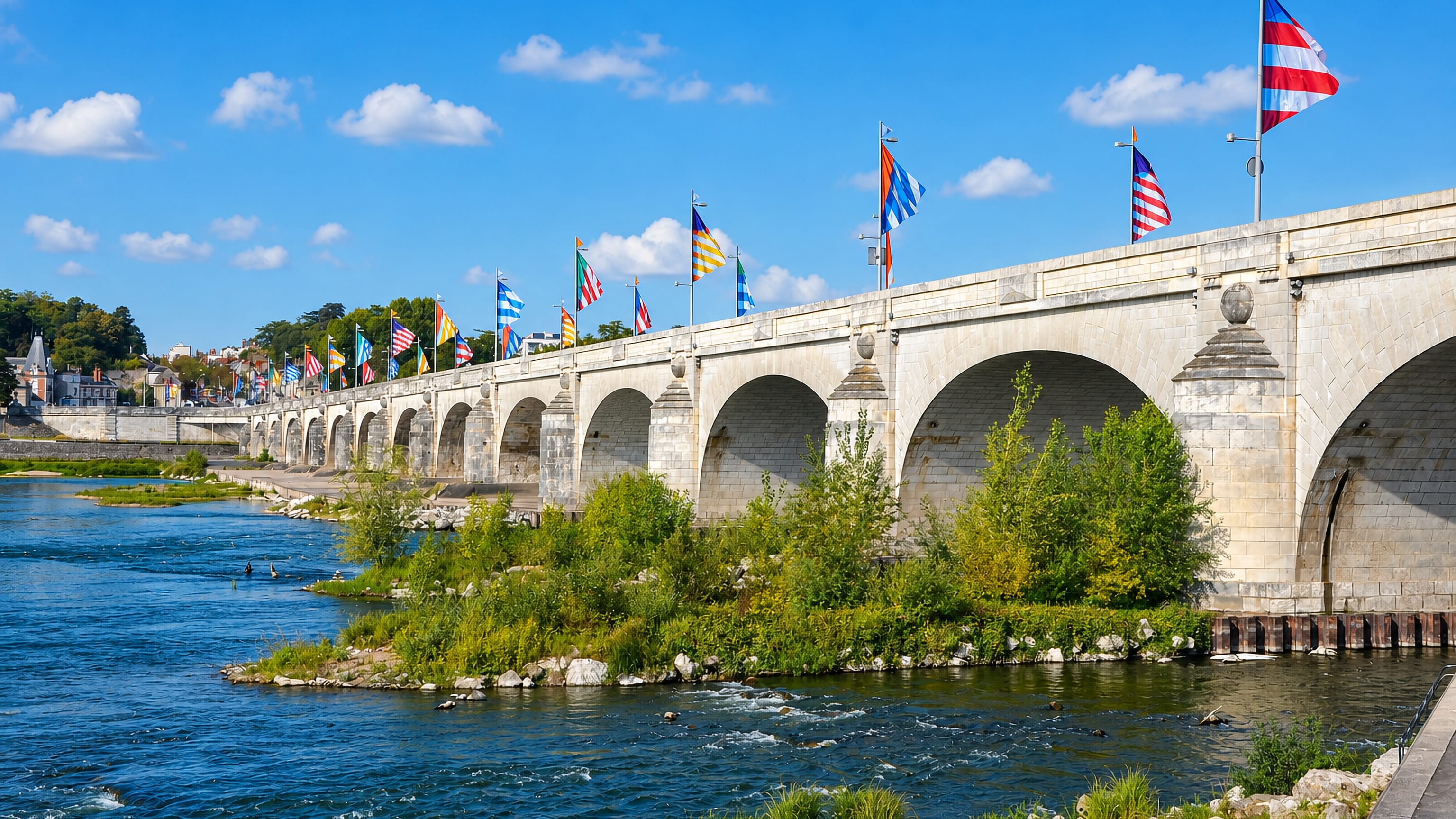
France · Centre-Val de Loire
Where to Stay in Tours, Centre-Val de Loire
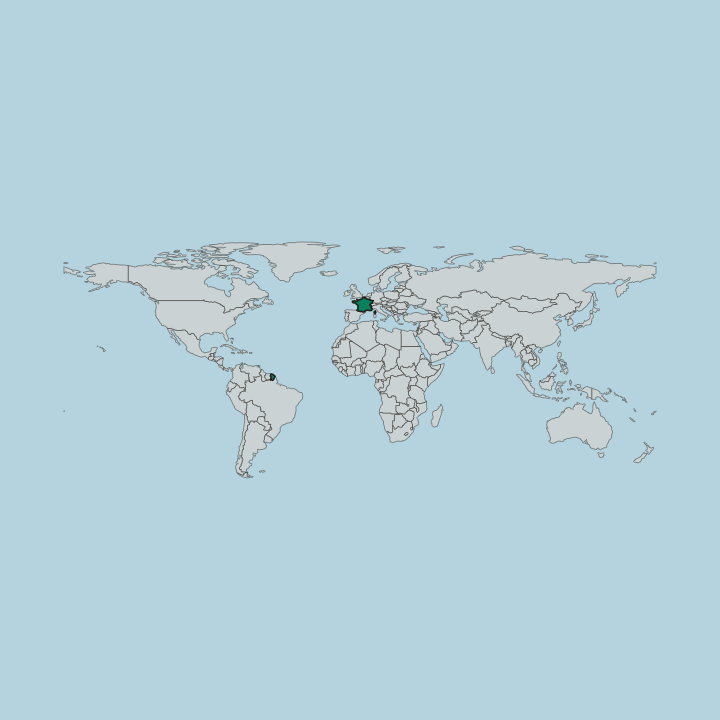
Tours is a city in Centre-Val de Loire, a former Roman Caesarodunum whose old streets gather around the Basilica of St. Martin.
Hotel links are affiliate links: booking through them may earn us a commission, at no extra cost to you. It never affects how places are ranked. How this works


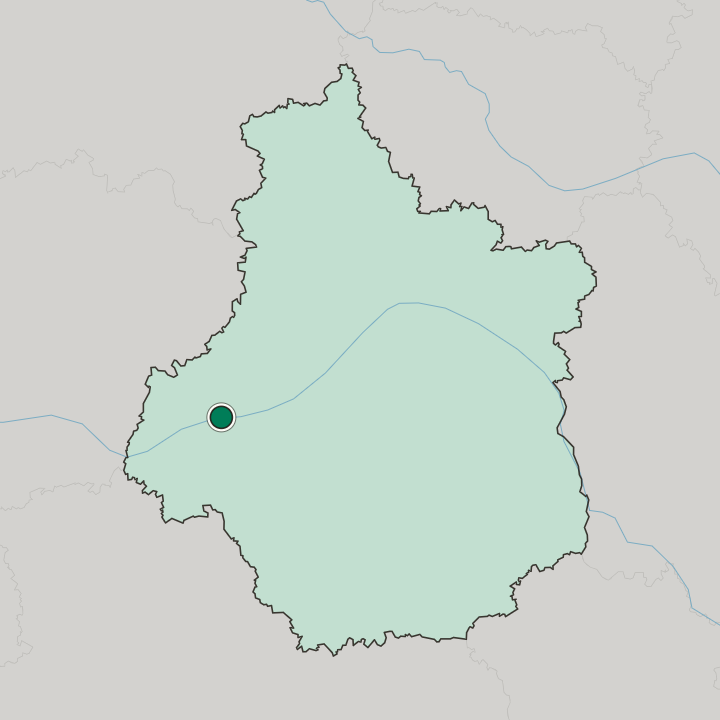
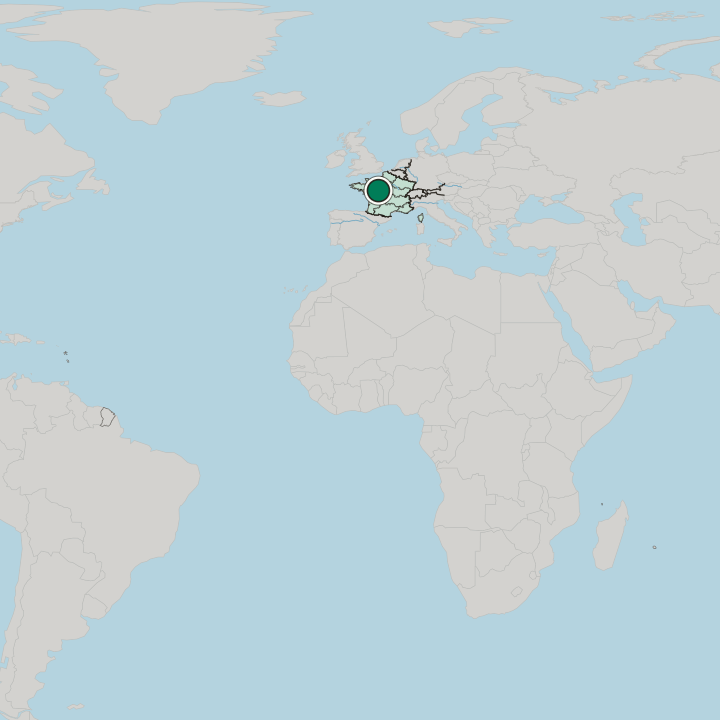
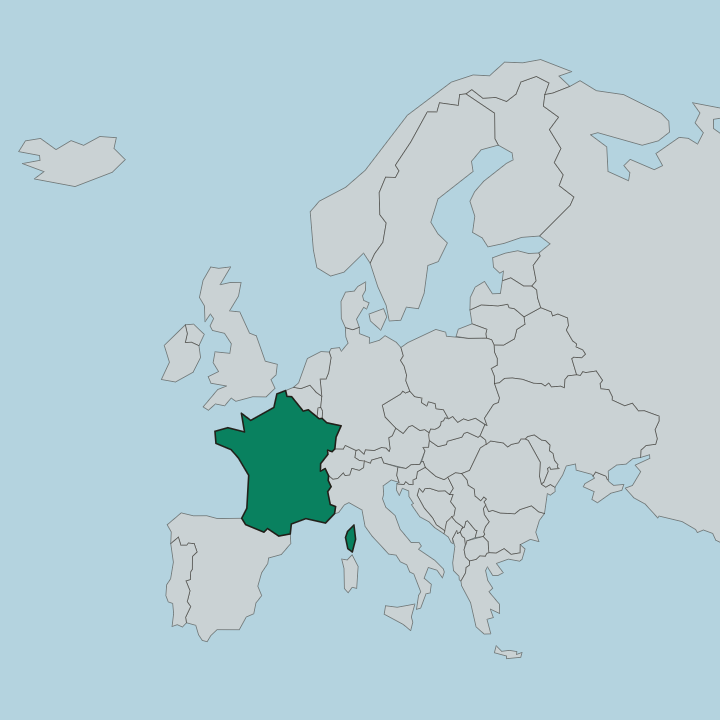
Where to stay in Tours
One neighbourhood here has its own guide — here's what it is best for.
 ToursFrance
Rochepinard
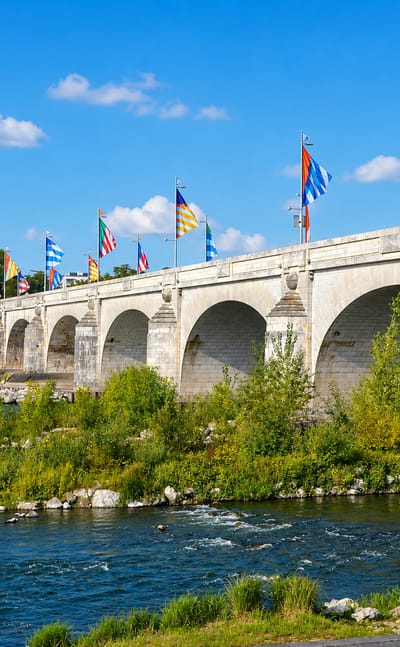
Rochepinard, also called Bouzignac, is a quarter of Tours on the right bank of the Cher, built between 1968 and 1974 just after the river was reshaped.Where to stay →Hotel links are affiliate links: booking through them may earn us a commission, at no extra cost to you. It never affects how places are ranked. How this works
Find hotels in Tours
Direct booking searches for these neighbourhoods.
Cathedral quarter
Around the château de Tours and the Musée des Beaux-Arts de Tours, steps from the Église Saint-Julien de Tours.Find hotels in Cathedral quarterevenings out and pilgrim historySaint-Martin
Under the two towers of the Basilica of St. Martin, along the merchant houses of rue Briçonnet by place des Carmes.Find hotels in Saint-Martinhalf-timbered streets and small hotelsRue Colbert and rue du Change
The timber-house spine of Tours, the closest small hotels to both the château and the basilica.Find hotels in Rue Colbert and rue du Changequieter, family-paced staysNotre-Dame-la-Riche
The calmer western edge by the Église Notre-Dame-la-Riche, back from the busiest eating lanes.Find hotels in Notre-Dame-la-RicheHotel links are affiliate links: booking through them may earn us a commission, at no extra cost to you. It never affects how places are ranked. How this works
Things to do in Tours
Ranked by global recognition; descriptions from Wikidata (CC0).
Museums & Galleries
2- château de Tours Heritage
- Musée des Beaux-Arts de Tours Heritage
Churches & Religious Sites
8- Basilica of St. Martin, Tours Heritage
- Église Saint-Julien de Tours Heritage
- Église Notre-Dame-la-Riche Heritage
- Église Saint-Grégoire des Minimes Heritage
- Saint-Pierre le Puellier (Tours) Heritage
Show 3 more →
- Église Saint-Symphorien de Tours Heritage
- église Saint-Denis (Tours) Heritage
- église Saint-Clément de Tours Heritage
Castles & Historic Sites
2- Caesarodunum
- Château de Beaujardin
Stadiums & Sports
2- Stade de la Vallée du Cher
- Atgt (tennis)
Landmarks & Notable Places
8- Tour Charlemagne Heritage
- Tour de l'Horloge Heritage
- Maison, 31 rue Briçonnet Heritage
- Maisons, 2 rue du Change Heritage
- Maison de Ronsard Heritage
Show 3 more →
- Ancienne maison canoniale de Saint-Martin Heritage
- Maison, 29 rue Briçonnet Heritage
- Maison, 1 place des Carmes Heritage
worth knowingacross 5 categories in Tours
About Tours
What is Tours known for?
Tours is known above all for the Basilica of St. Martin and the pilgrim cult it grew around; the Tour Charlemagne and the Tour de l'Horloge still stand from the great medieval church that once rose here. Old timber houses line rue Briçonnet and rue Colbert. Add the château de Tours and the Musée des Beaux-Arts de Tours, and the compass of the old town is set.
What are the main landmarks in Tours?
Tours keeps its landmarks in two clusters. The great Basilica of St. Martin holds the west, with the Tour Charlemagne and the Tour de l'Horloge left standing from the vanished medieval church. Around the cathedral rise the château de Tours, the Musée des Beaux-Arts de Tours, and the Musée du compagnonnage.
The Gallo-Roman Temple of Tours and the Église Saint-Symphorien de Tours mark the older ground.
What is the history of Tours?
Tours began as Caesarodunum, the Gallo-Roman town whose temple ground still survives in the city. Its later fame grew from one man. Martin of Tours, the soldier-bishop, was buried here in the fourth century, and the Basilica of St. Martin rose over his grave to become one of the great pilgrim churches of the medieval west, drawing the roads and the walls of the town toward it.
The Tour Charlemagne and the Tour de l'Horloge are the surviving fragments of that vast church. A separate cathedral quarter grew up around the Église Saint-Julien de Tours and the ground later crowned by the château de Tours, and the two poles, saint and see, shaped the double heart the old town still keeps. Merchant wealth followed in the later Middle Ages, and the timber and stone houses of rue Briçonnet and rue du Change date from those centuries of trade.
The compagnonnage, the guild tradition remembered in the Musée du compagnonnage, carried the crafts of that age forward. Old Tours reads as a layered record of Roman fort, saint's shrine, and merchant town.
Where is Tours?
Tours lies in Centre-Val de Loire, one of the region's principal cities. The Vallée du Cher runs along the southern edge of the built-up area, the same valley the Stade de la Vallée du Cher takes its name from. Flat ground holds the centre.
The old town gathers on level, walkable land between its two poles, the Basilica of St. Martin to the west and the cathedral quarter around the château de Tours to the east.
What is the climate of Tours?
Tours has a mild, moist climate typical of the lower Loire country of Centre-Val de Loire. Winters stay cool. Grey, damp spells come and go rather than any deep cold, and hard frost is the exception on the sheltered ground beside the Vallée du Cher.
Summers are warm and long, the kind of season that fills the café terraces along rue Colbert. Rain spreads fairly evenly across the year.
How do you get to Tours?
Tours sits on the main rail spine into Centre-Val de Loire, and the train is the usual way in. The station opens a short walk from the cathedral quarter and the château de Tours, which makes arriving by rail simple and leaves most visitors within reach of a bed before they have unfolded a map. Roads reach the city up the Vallée du Cher from the south.
The old town between the Basilica of St. Martin and the cathedral quarter is small enough to cross end to end on foot once you arrive. Distances inside Tours stay small.
Common questions
What is the best area to stay in Tours?
Cathedral quarter: museums and a calm historic base. Saint-Martin: evenings out and pilgrim history. Rue Colbert and rue du Change: half-timbered streets and small hotels. Notre-Dame-la-Riche: quieter, family-paced stays.
Good for
More cities in Centre-Val de Loire
Updated October 2026