United Kingdom · England · Plymouth
Stonehouse, Plymouth — Area Guide & Where to Stay
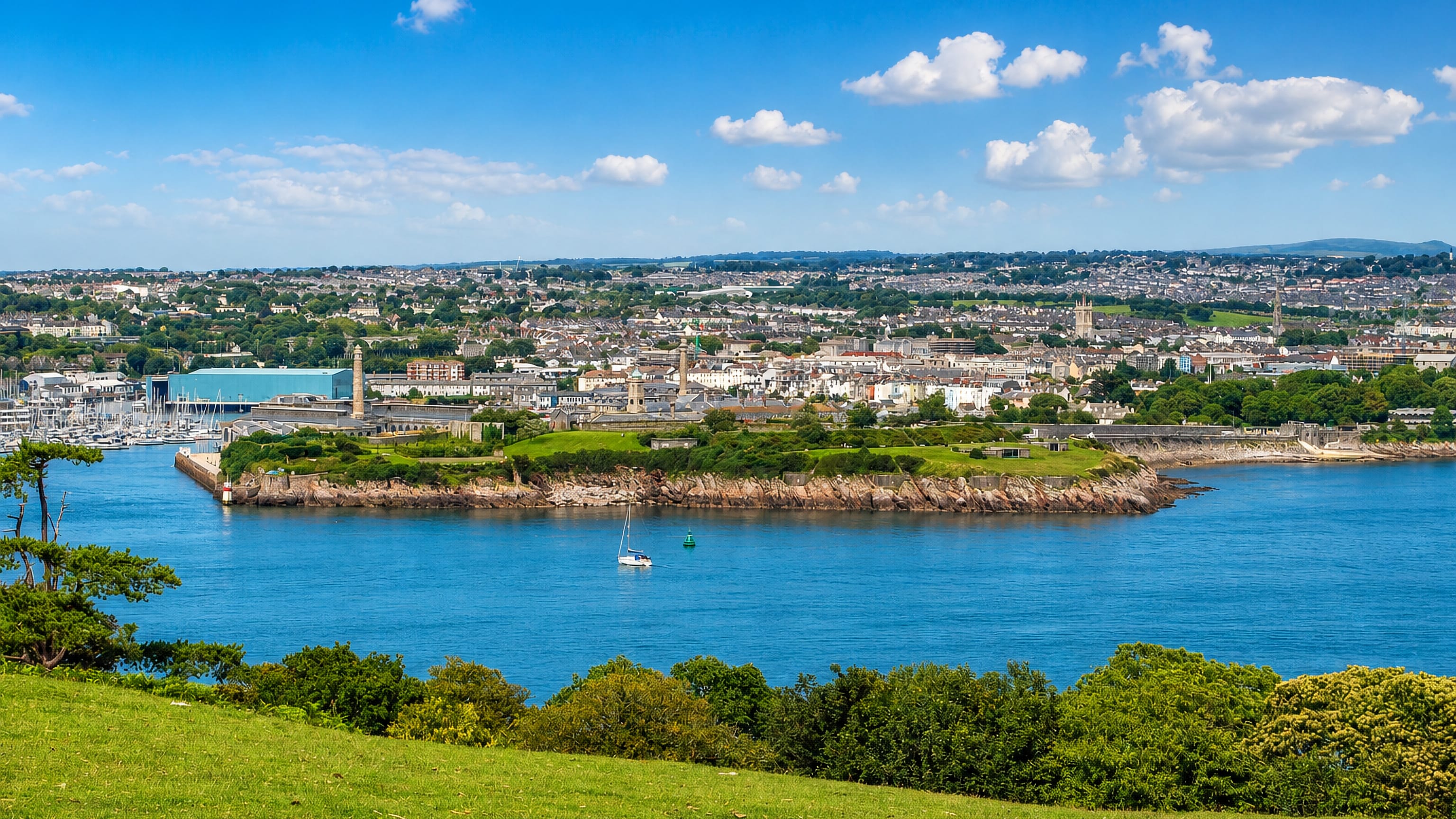
Stonehouse, East Stonehouse in full, is one of three towns amalgamated into Plymouth, on the Devon side of the mouth of the Tamar.
Hotel links are affiliate links: booking through them may earn us a commission, at no extra cost to you. It never affects how places are ranked. How this works


Where to stay in Stonehouse
The practical side of choosing where to sleep.
The Tamar is the reference. Stonehouse holds the Devon bank at the mouth of the estuary, which places a room here between the Plymouth streets the old town was merged into and the Cornwall shore inside Mount Edgcumbe Country Park. The Church of St Peter stands close by.
Beds gather in Plymouth proper rather than in what was East Stonehouse.
Find hotels in Stonehouse
Direct booking searches for these neighbourhoods.
Stonehouse
East Stonehouse keeps the Devon side of the estuary mouth, with the Church of St Peter and the Church of St Paul among the fixed points left from the old town. Rooms are few around here — worth securing early.Find hotels in StonehouseThe Cornwall ground where West Stonehouse stoodMount Edgcumbe Country Park
The park in Cornwall covers the site of West Stonehouse, the village destroyed in 1350, and it faces the Devon bank across the water. Lodging is scarce in this area; reserve in advance.Find hotels in Mount Edgcumbe Country ParkThe city the three towns were amalgamated intoPlymouth
Plymouth absorbed East Stonehouse together with the other two towns, and the Church of St Andrew at Stoke Damarel belongs to that wider city.Find hotels in PlymouthHotel links are affiliate links: booking through them may earn us a commission, at no extra cost to you. It never affects how places are ranked. How this works
About Stonehouse
What are the main landmarks in Stonehouse?
Stonehouse's entries are all churches, three of them. The Church of St Andrew at Stoke Damarel, the Church of St Peter and the Church of St Paul are the whole of it, which leaves the water and the far bank to supply whatever else there is to look at from here. Mount Edgcumbe Country Park lies across in Cornwall, on the ground where West Stonehouse stood until 1350.
What is the history of Stonehouse?
Three towns became one. East Stonehouse was amalgamated with the other two into modern-day Plymouth, in the ceremonial county of Devon, and it is that settlement, on the Devon side of the mouth of the Tamar estuary, which carries the name Stonehouse. West Stonehouse fared worse.
The French destroyed the village in 1350, and its site lies inside Mount Edgcumbe Country Park in Cornwall. The Church of St Andrew at Stoke Damarel, the Church of St Peter and the Church of St Paul stand among the buildings recorded here.
Where is Stonehouse?
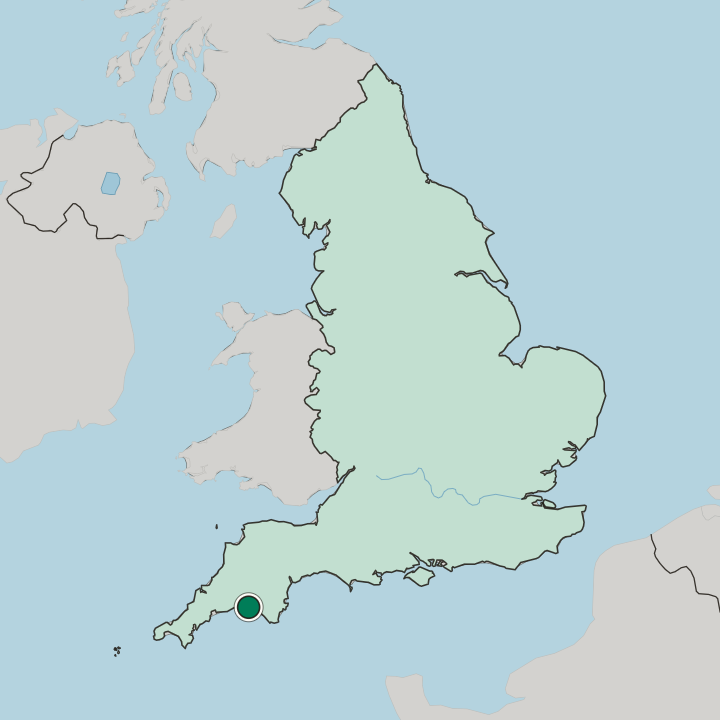
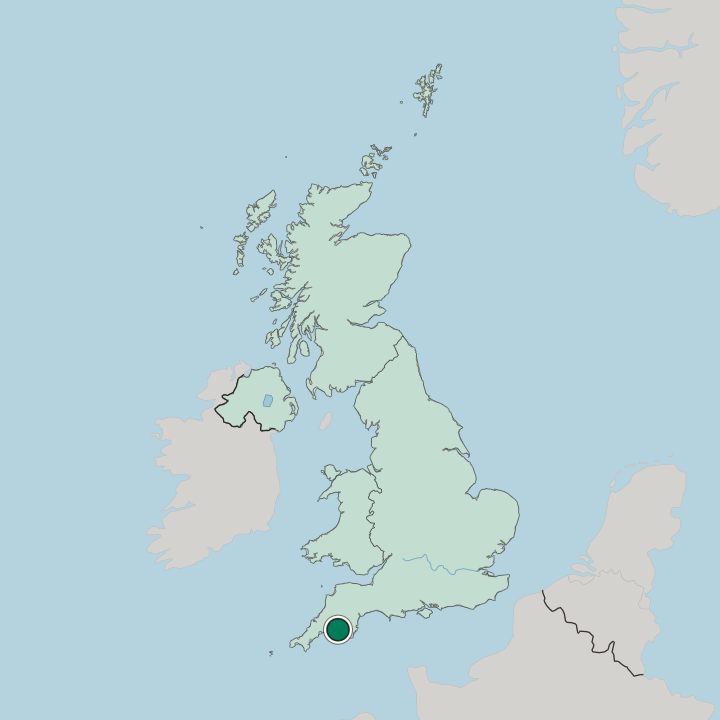
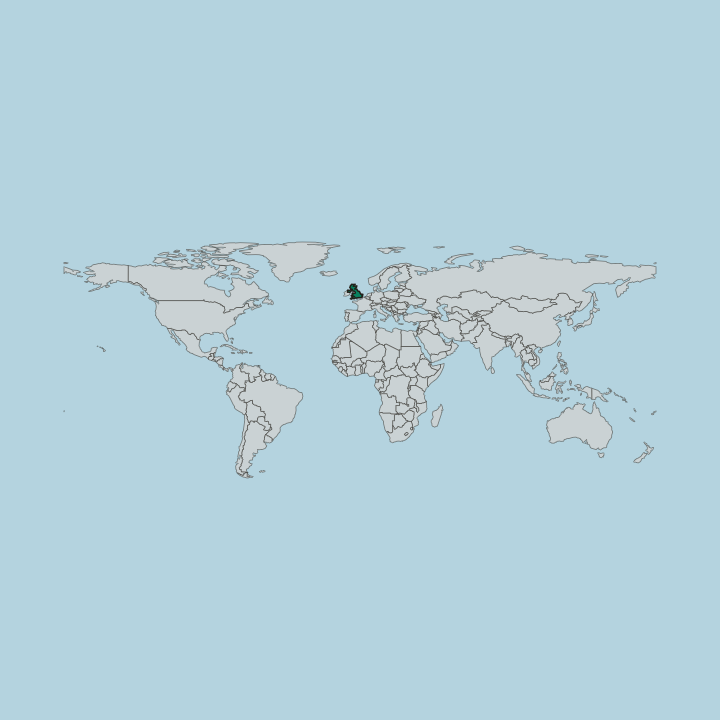
Stonehouse holds the Devon side of the mouth of the Tamar estuary within Plymouth, with Cornwall on the far bank of the water.
Common questions
What is the best area to stay in Stonehouse?
Stonehouse: The Devon bank at the mouth of the Tamar. Mount Edgcumbe Country Park: The Cornwall ground where West Stonehouse stood. Plymouth: The city the three towns were amalgamated into.
Good for
More areas in Plymouth
Updated October 2026