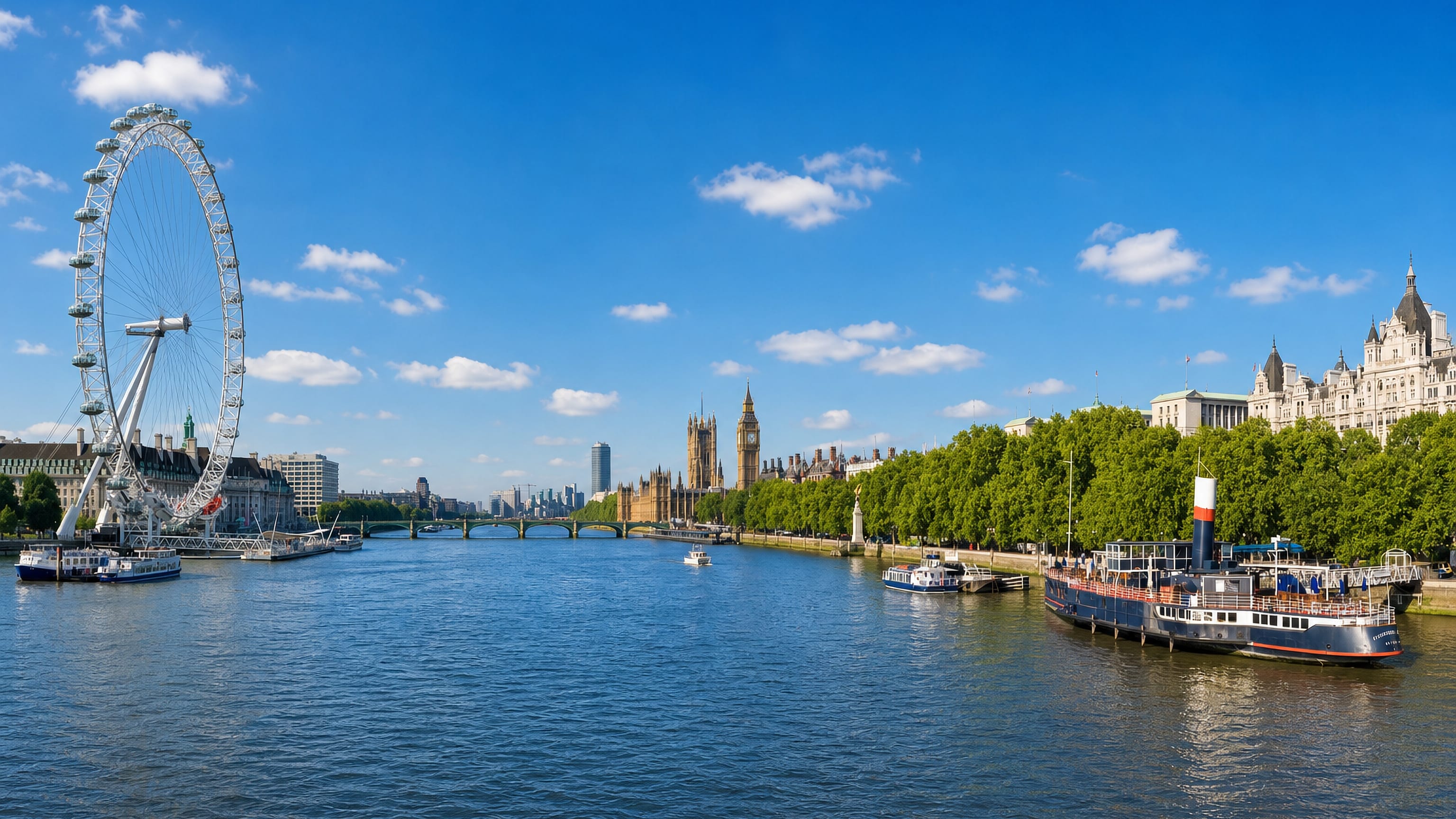
United Kingdom
England, United Kingdom — Towns & Travel Guide
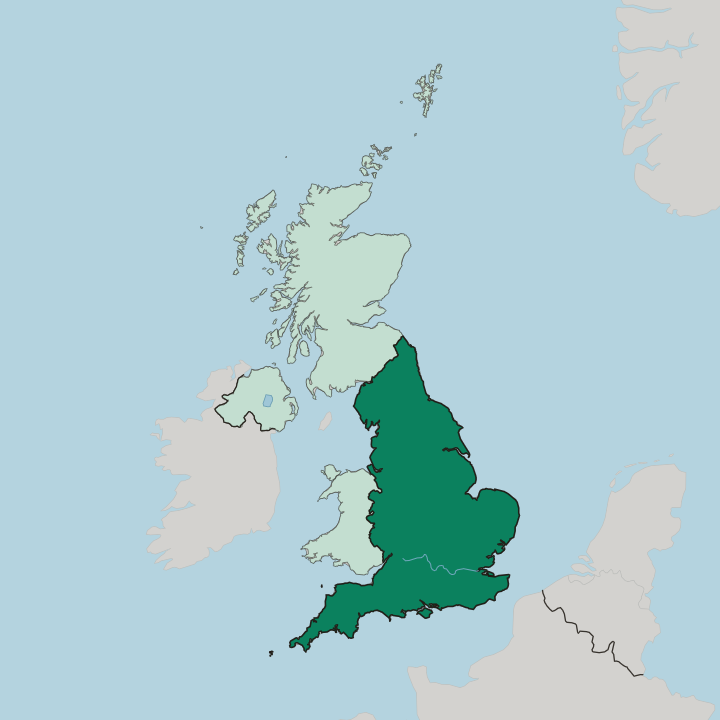
England is the largest of the four countries of the United Kingdom, filling the south and centre of the island of Great Britain.
Hotel links are affiliate links: booking through them may earn us a commission, at no extra cost to you. It never affects how places are ranked. How this works


Towns & cities in England
Pick a town or city — each links to where to stay.
 United Kingdom
London
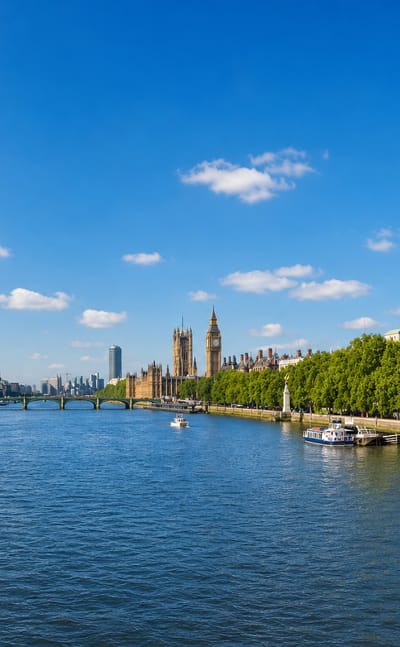
London is the capital of England and the United Kingdom, a city on the River Thames founded by the Romans as Londinium.Where to stay →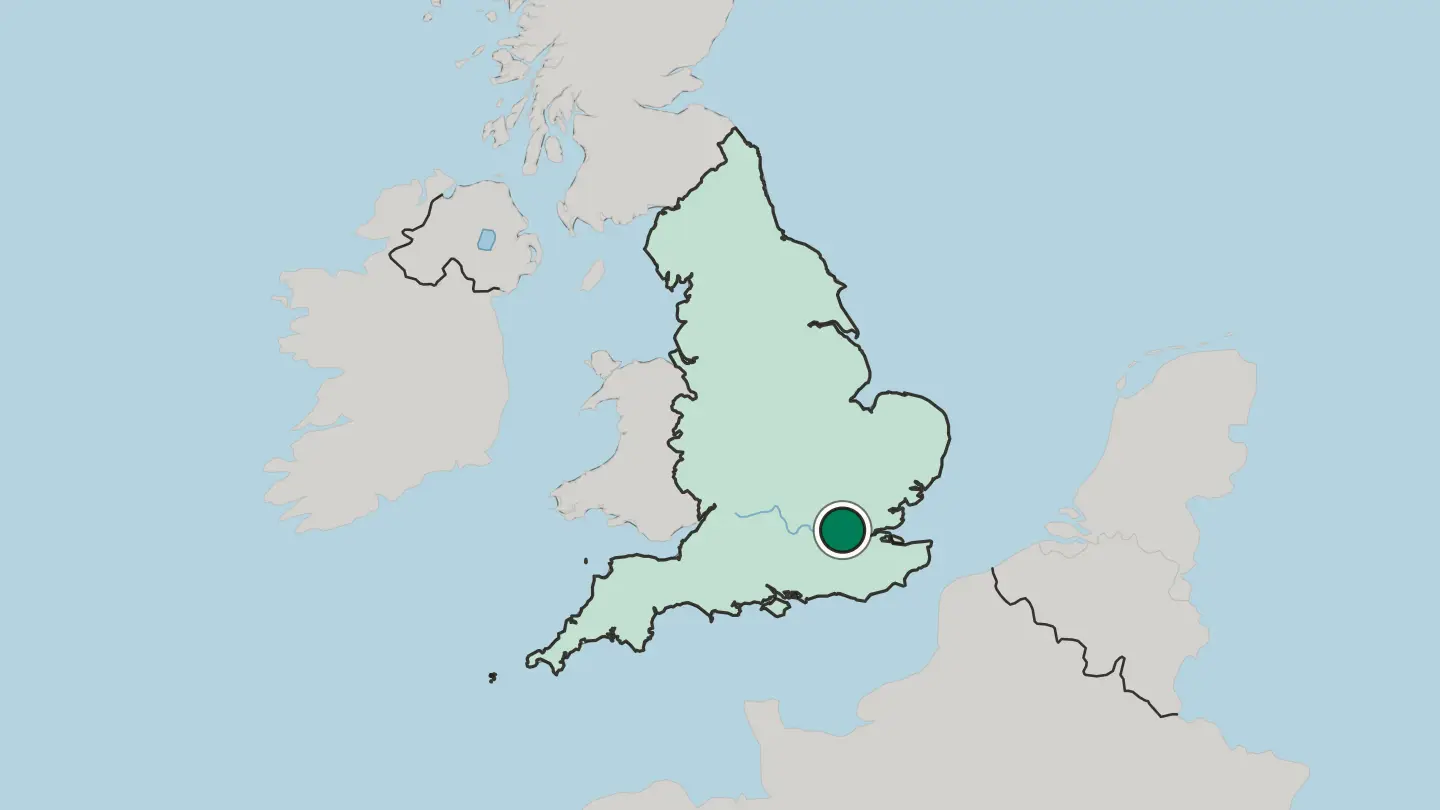
 United Kingdom
Birmingham
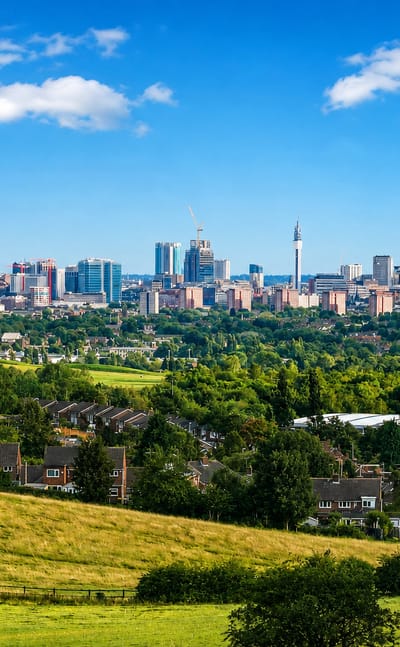
Brick and iron built Birmingham, a city in the West Midlands of England and Britain's second-largest, known for the Bull Ring and its old workshop trades.Where to stay →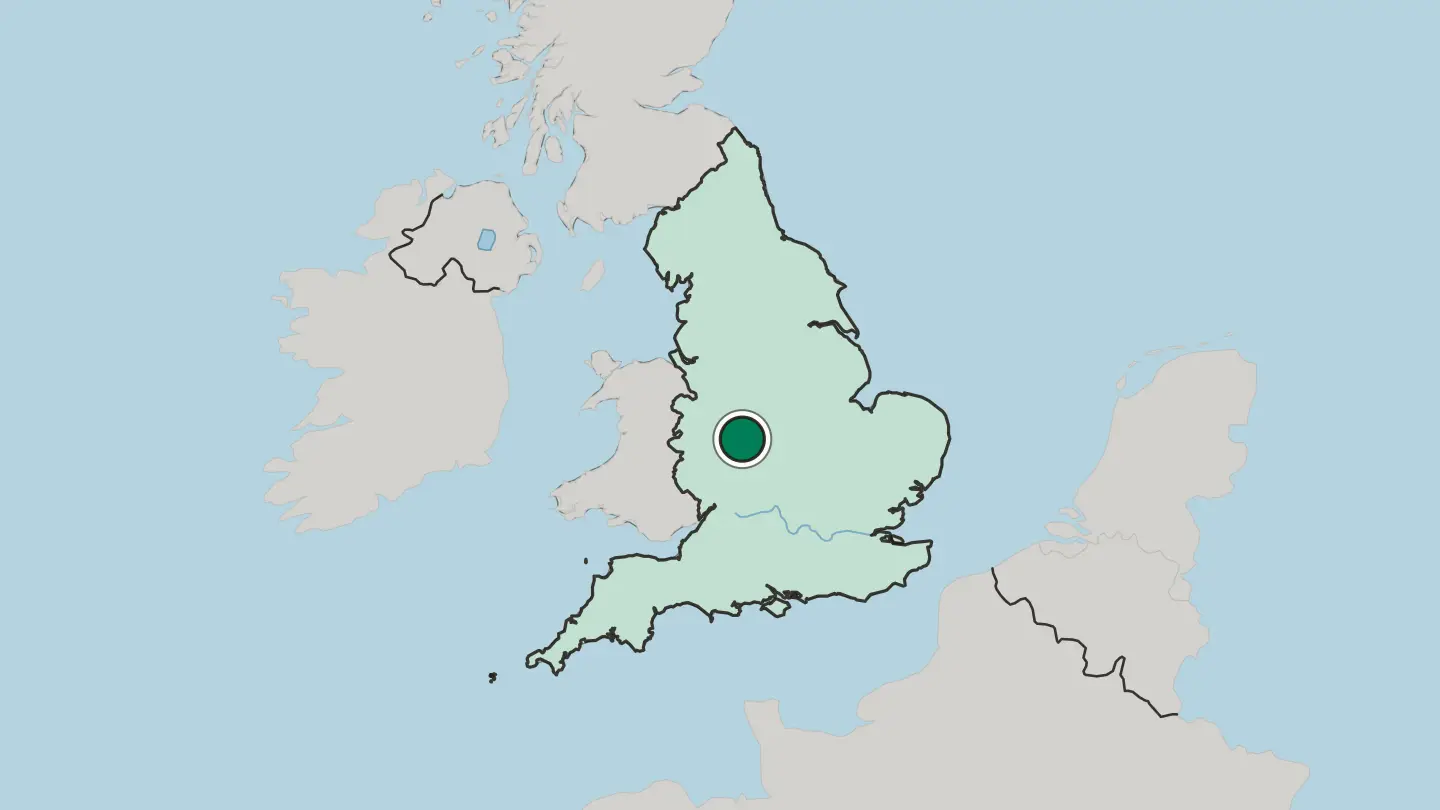
 United Kingdom
Manchester
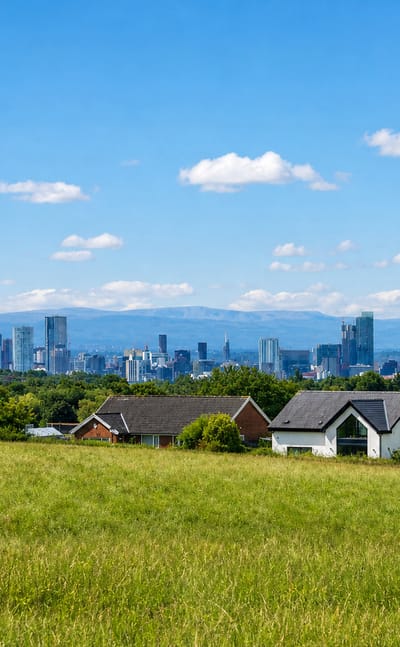
Red brick mills line the waterways of Manchester, a city in Greater Manchester, North West England, known for Chetham's Library and its cotton-trade past.Where to stay →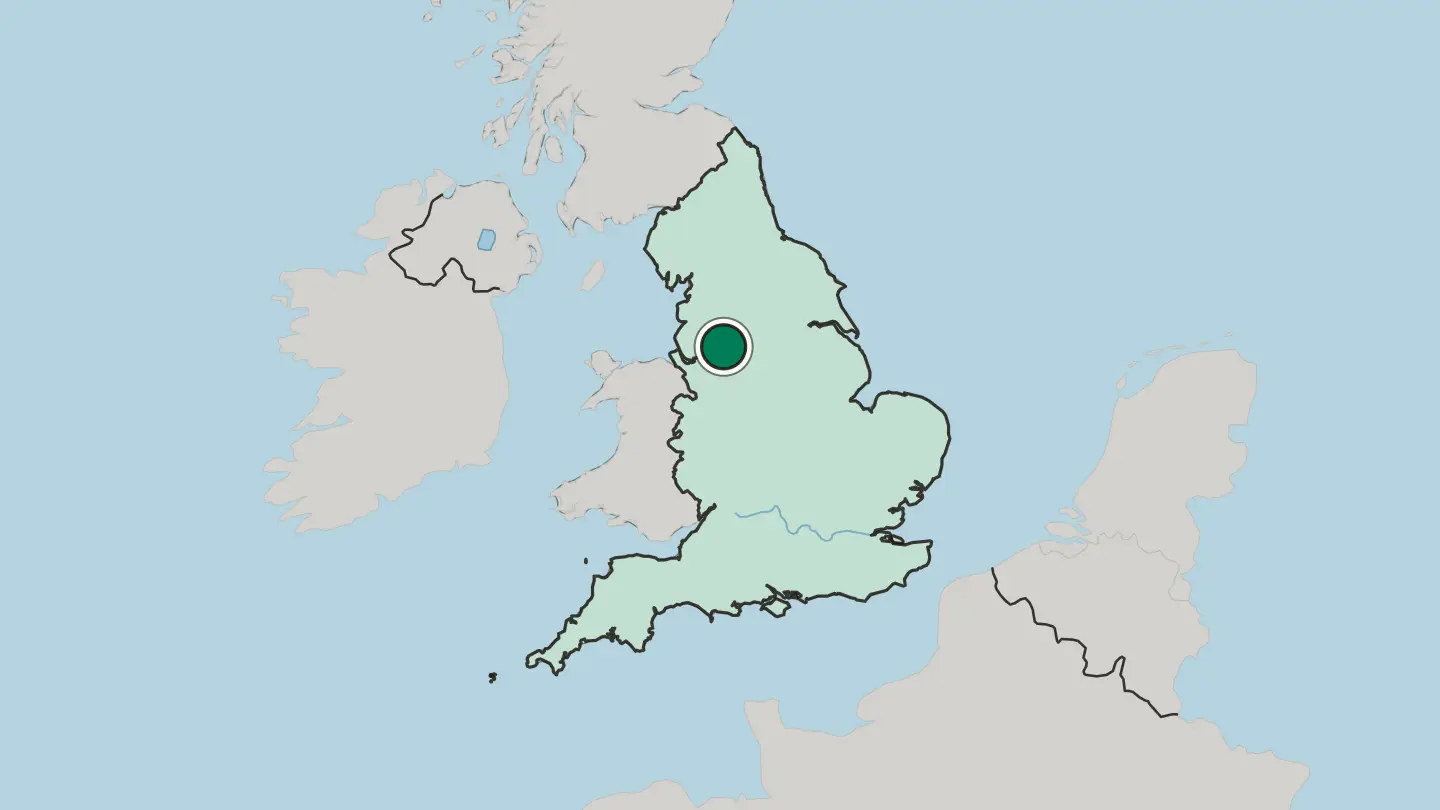
 United Kingdom
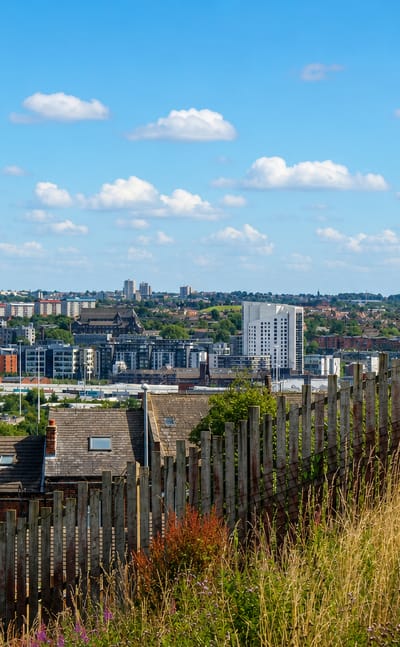
Sheffield
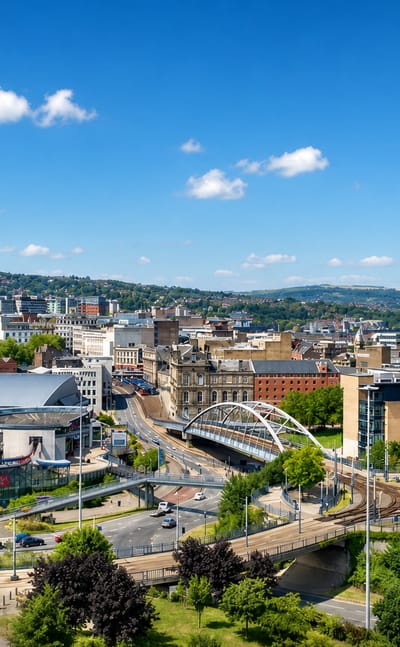
Theatre and industry meet in Sheffield, a city in South Yorkshire, England, known for the Crucible Theatre and the Kelham Island Museum.Where to stay →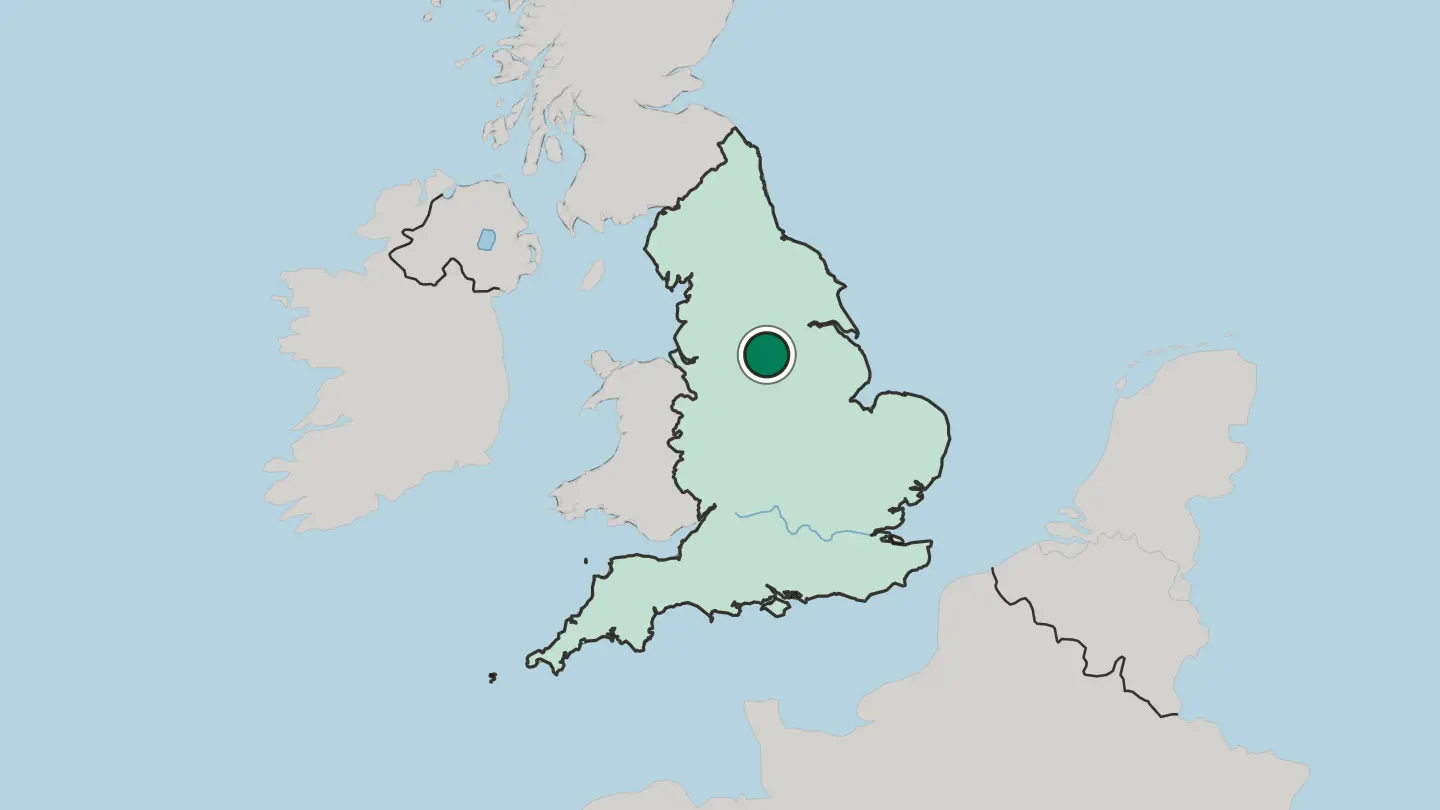
 United Kingdom
Leeds
Brick and glass rise above the River Aire at Leeds, the largest city in West Yorkshire, known for the Victoria Quarter arcades and Royal Armouries Leeds.Where to stay →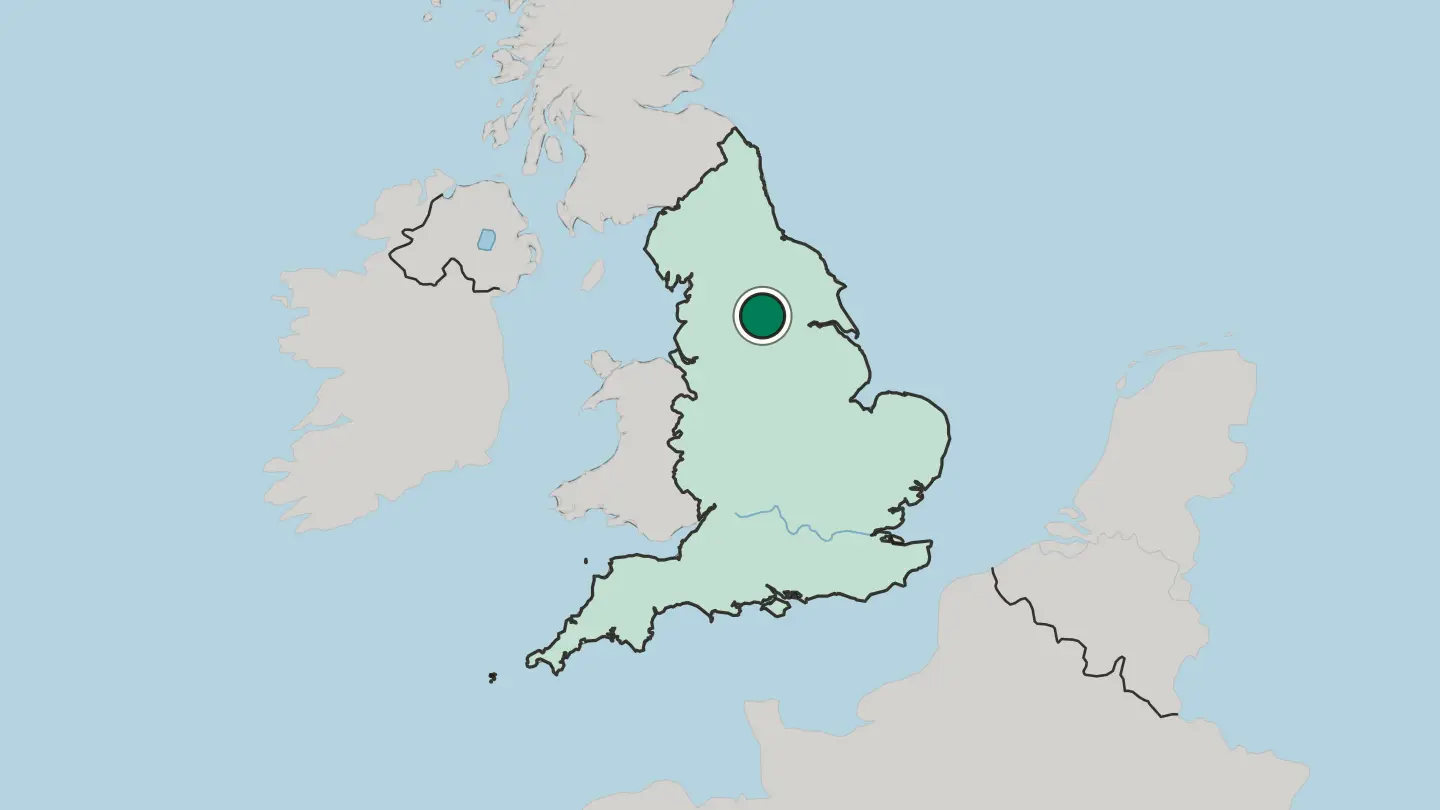
 United Kingdom
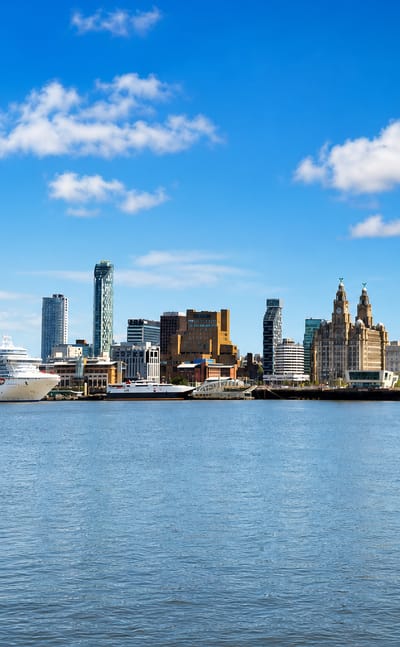
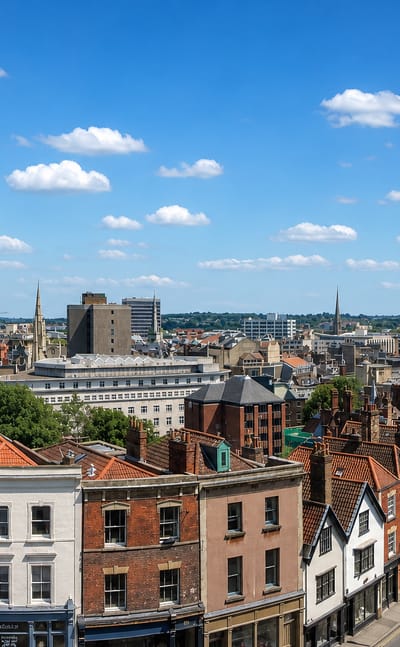
Liverpool
Wide docks front the Mersey Estuary at Liverpool, a port city in Merseyside, England, known for the Merseyside Maritime Museum and the Walker Art Gallery.Where to stay →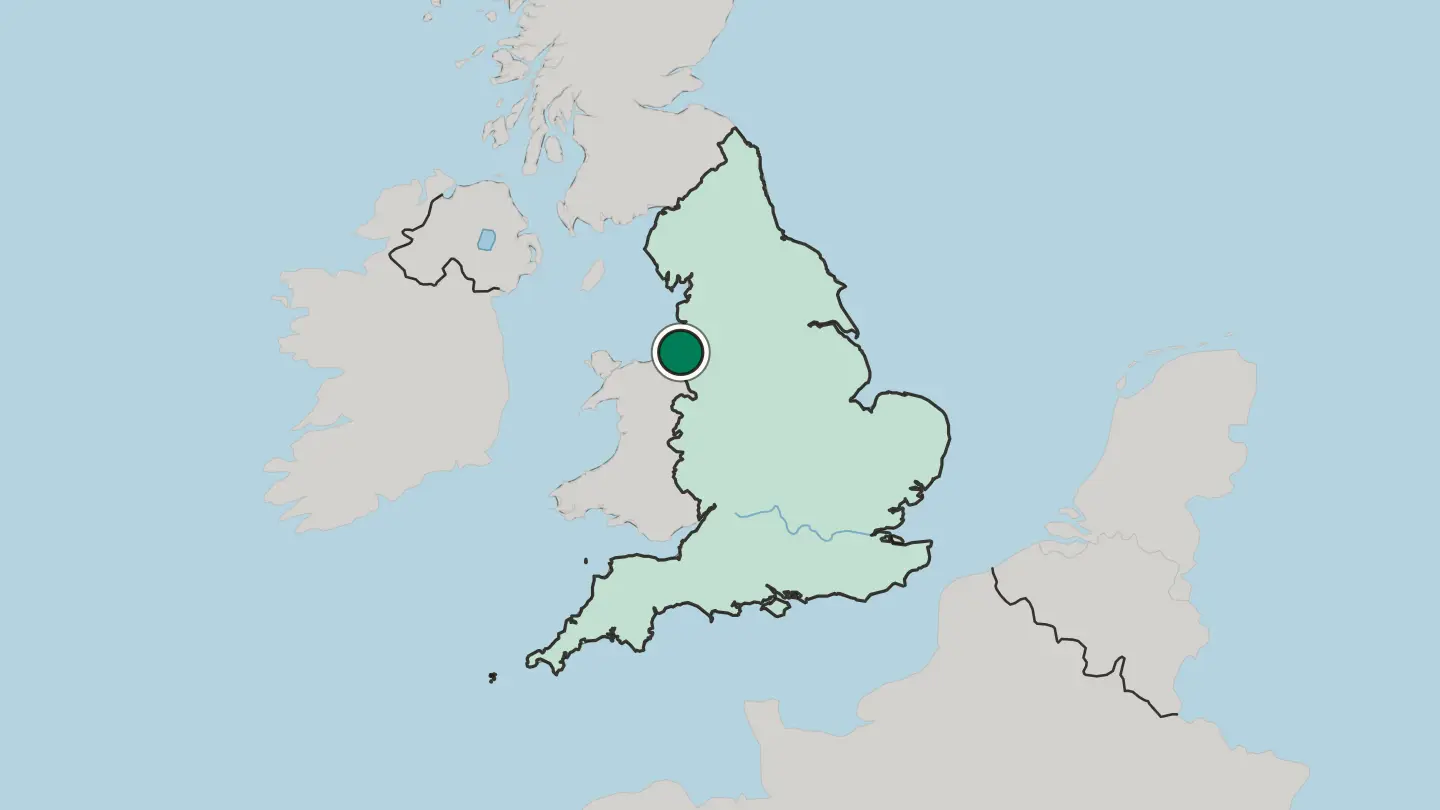
 United Kingdom
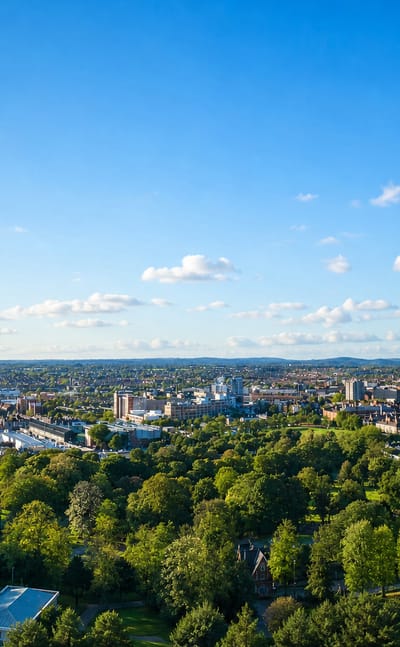
Bristol
Tall masts rise beside the harbour at Bristol, a city in England known for the SS Great Britain and the spire of St Mary Redcliffe.Where to stay →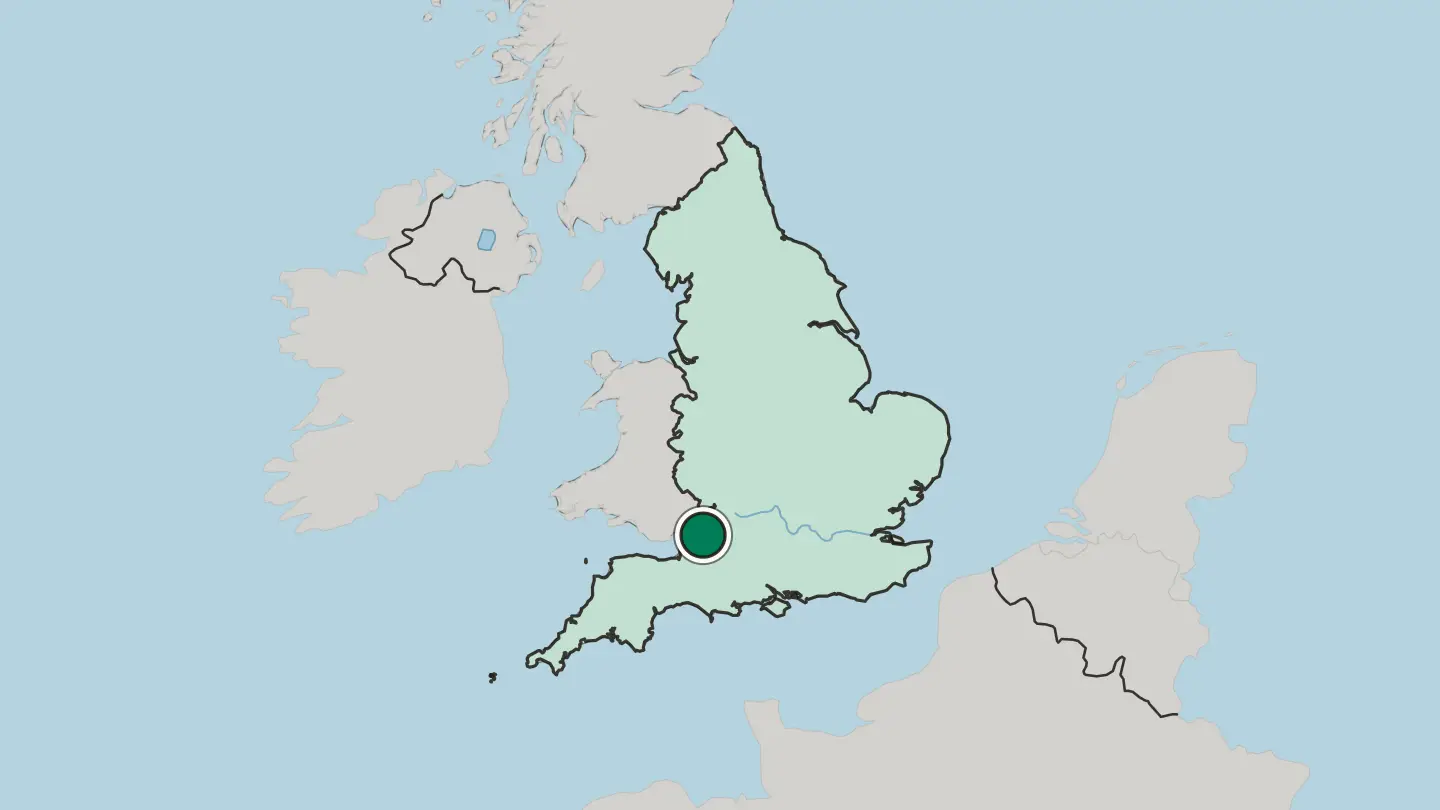
 United Kingdom
Leicester
Roman foundations underlie Leicester, the county town of Leicestershire in the East Midlands of England, known for the King Richard III Visitor Centre.Where to stay →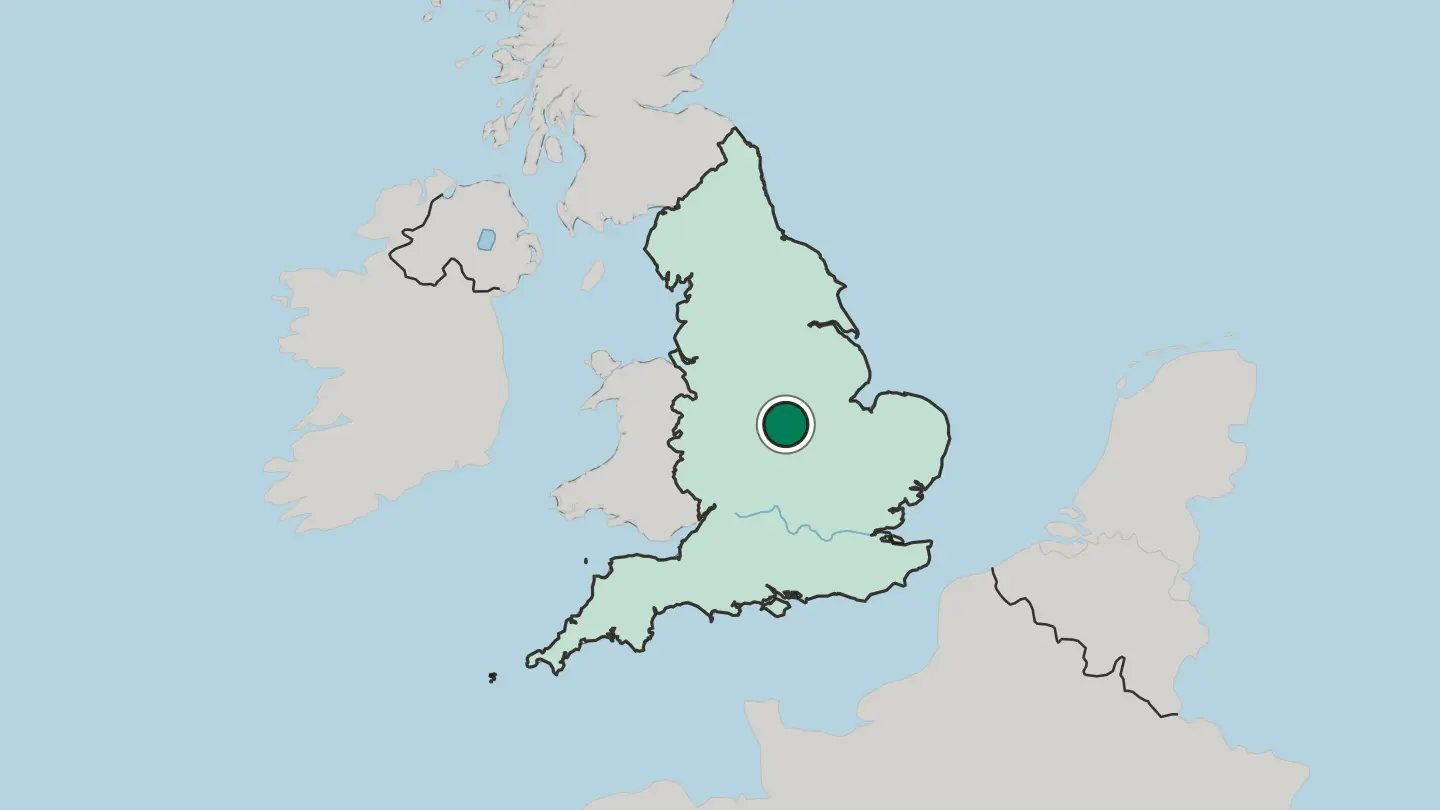
All towns & cities (199)
 United Kingdom
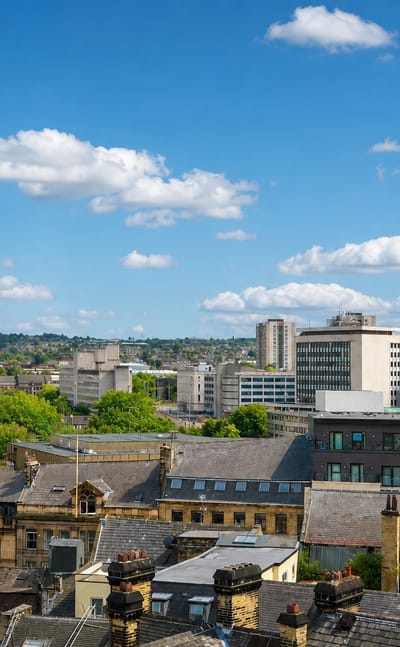
Bradford
Mill-yard stone sets the tone in Bradford, an inland city in England, known for the National Science and Media Museum and the greenery of Lister Park.Where to stay →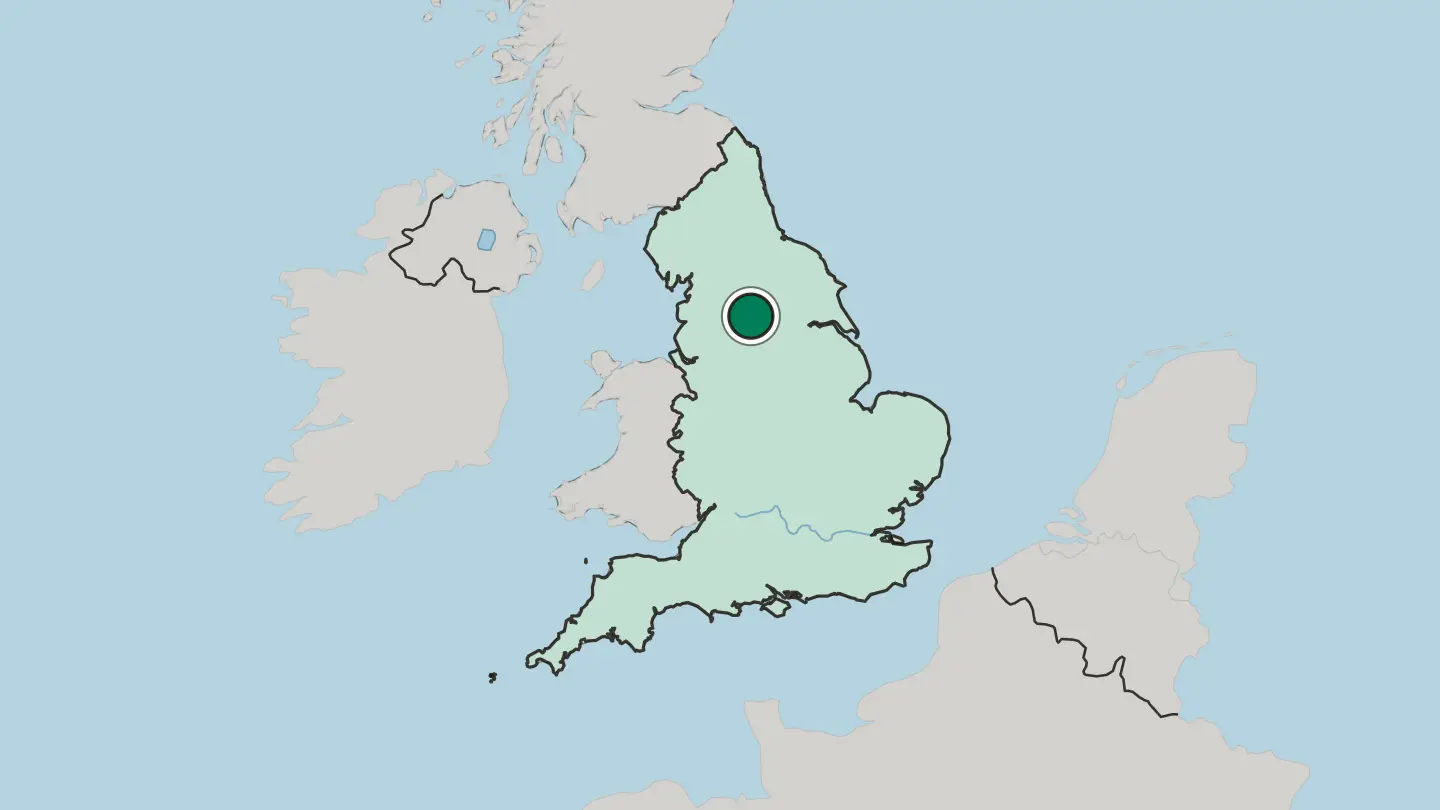
 United Kingdom
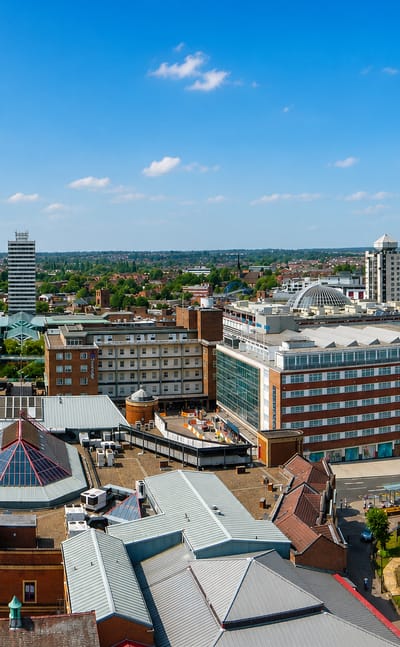
Coventry
Three medieval spires rise over Coventry, a city in the West Midlands known for its two cathedrals and the legend of Lady Godiva.Where to stay →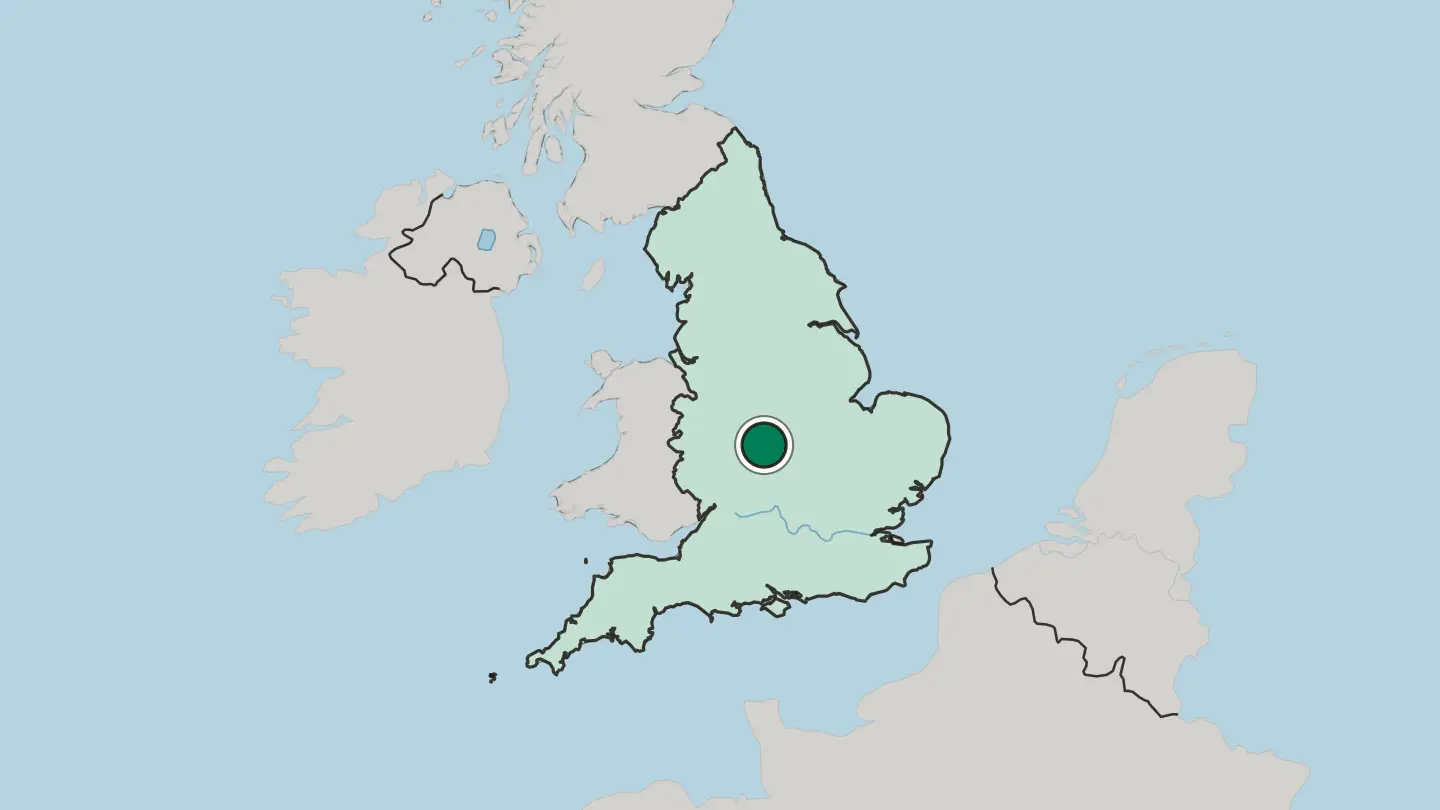
 United Kingdom
Birkenhead
Birkenhead is an industrial port town on the Wirral Peninsula, facing Liverpool across the River Mersey and long reckoned part of Cheshire.Where to stay →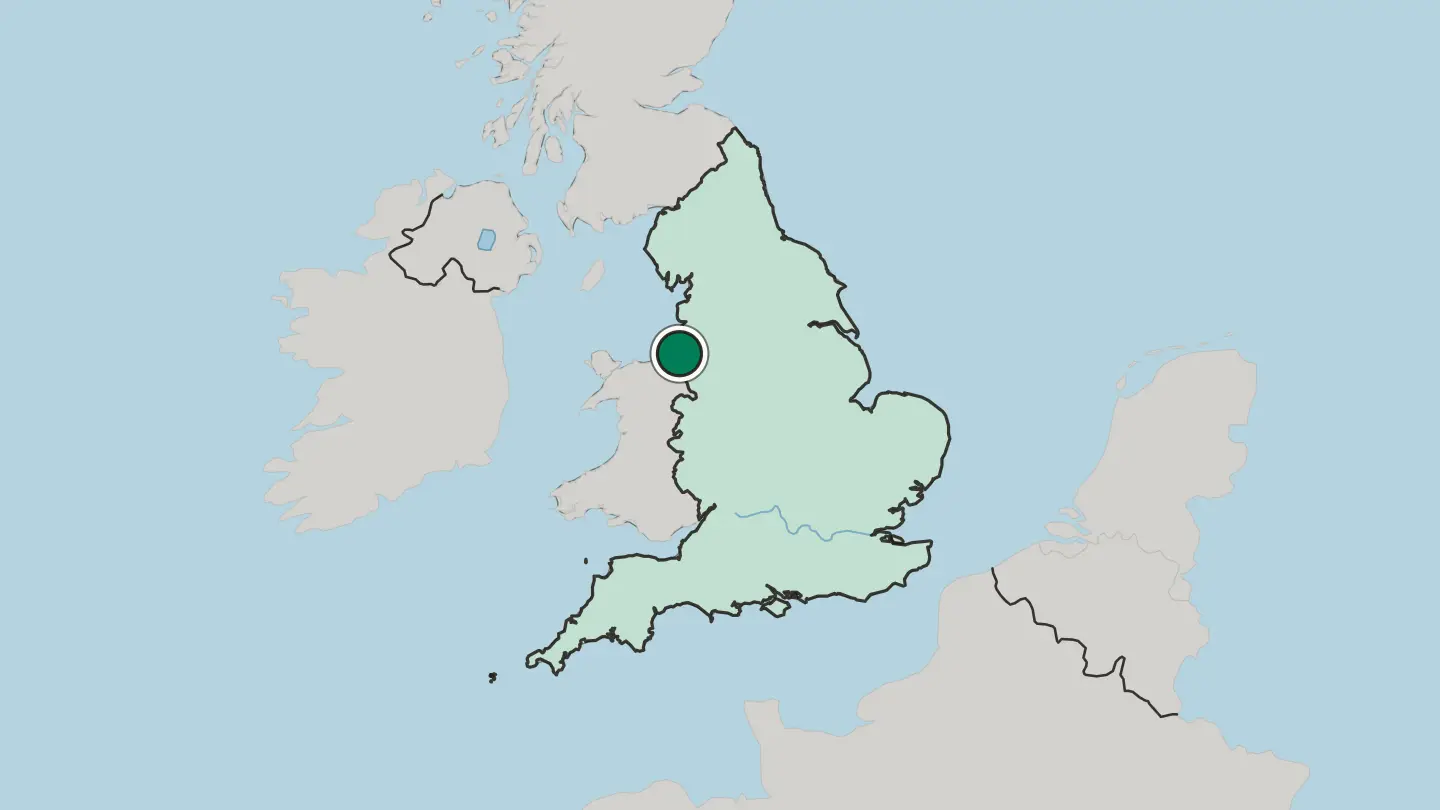
 United Kingdom
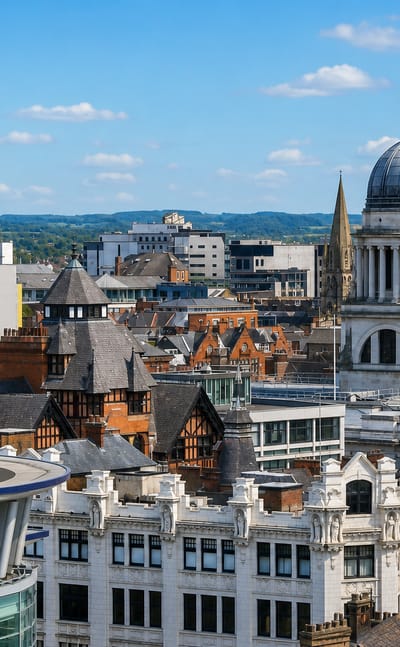
Nottingham
Sandstone caves honeycomb the rock beneath Nottingham, a city in Nottinghamshire, England, known for Nottingham Castle and the legend of Robin Hood.Where to stay →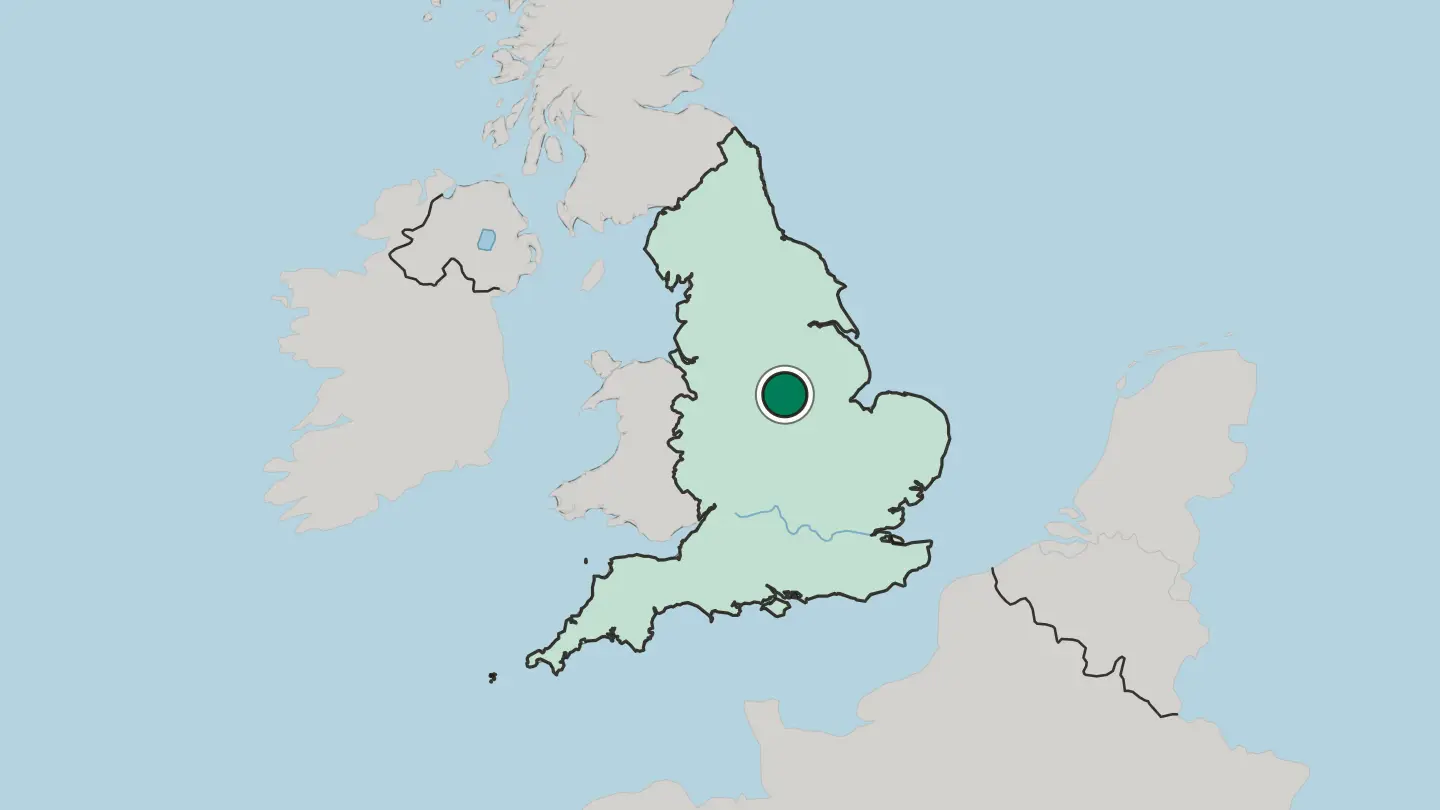
 United Kingdom
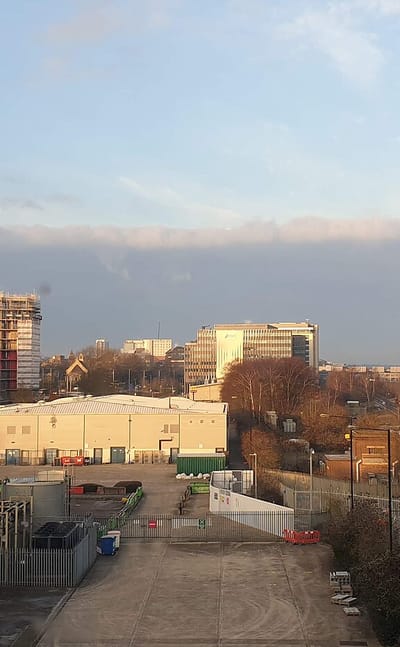
Islington
Upper Street, Essex Road and Highbury Fields shape Islington, an inner-city district of north London within the London Borough of Islington.Where to stay →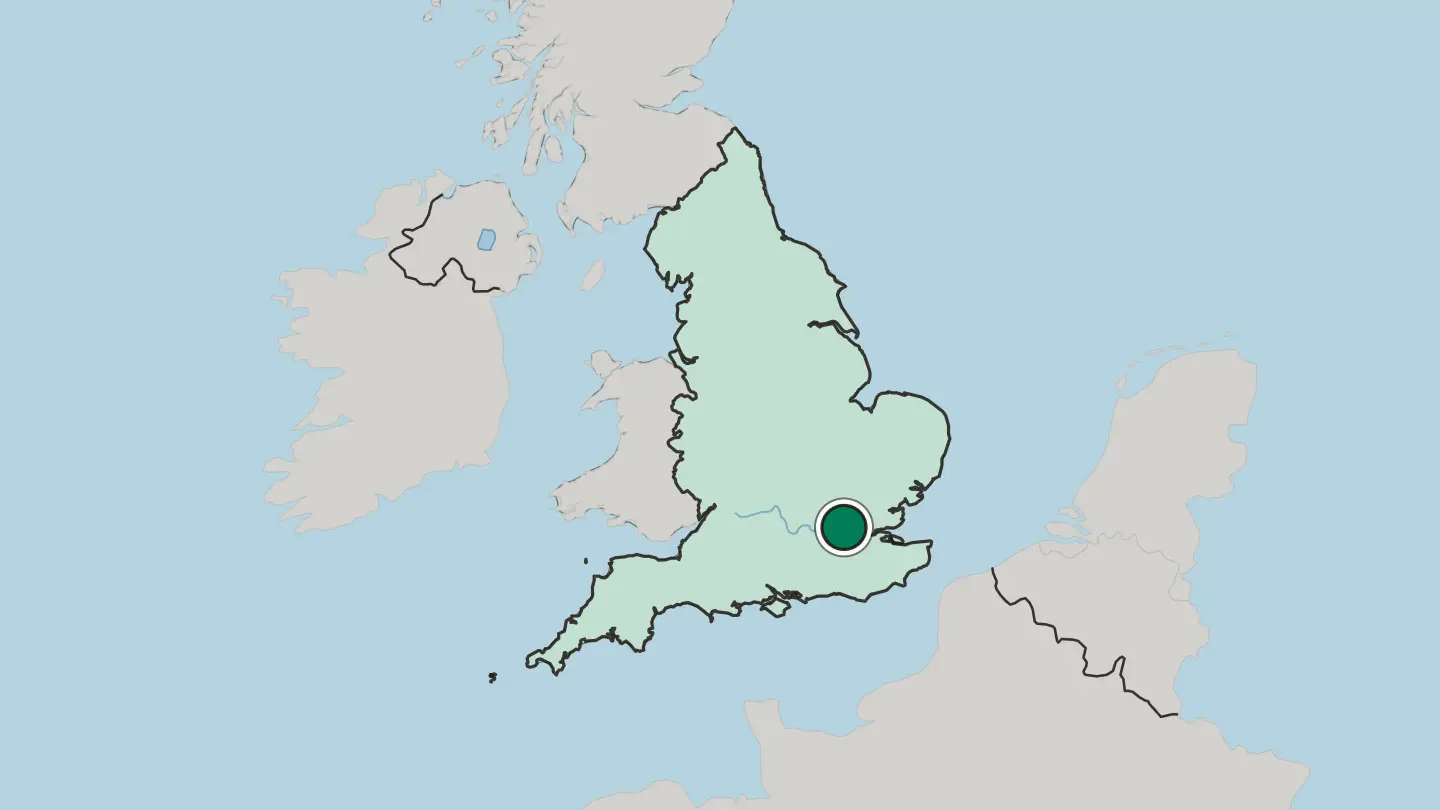
 United Kingdom
Reading
Reading is a riverside town of England, its old core marked by Reading Minster and a cluster of university museums.Where to stay →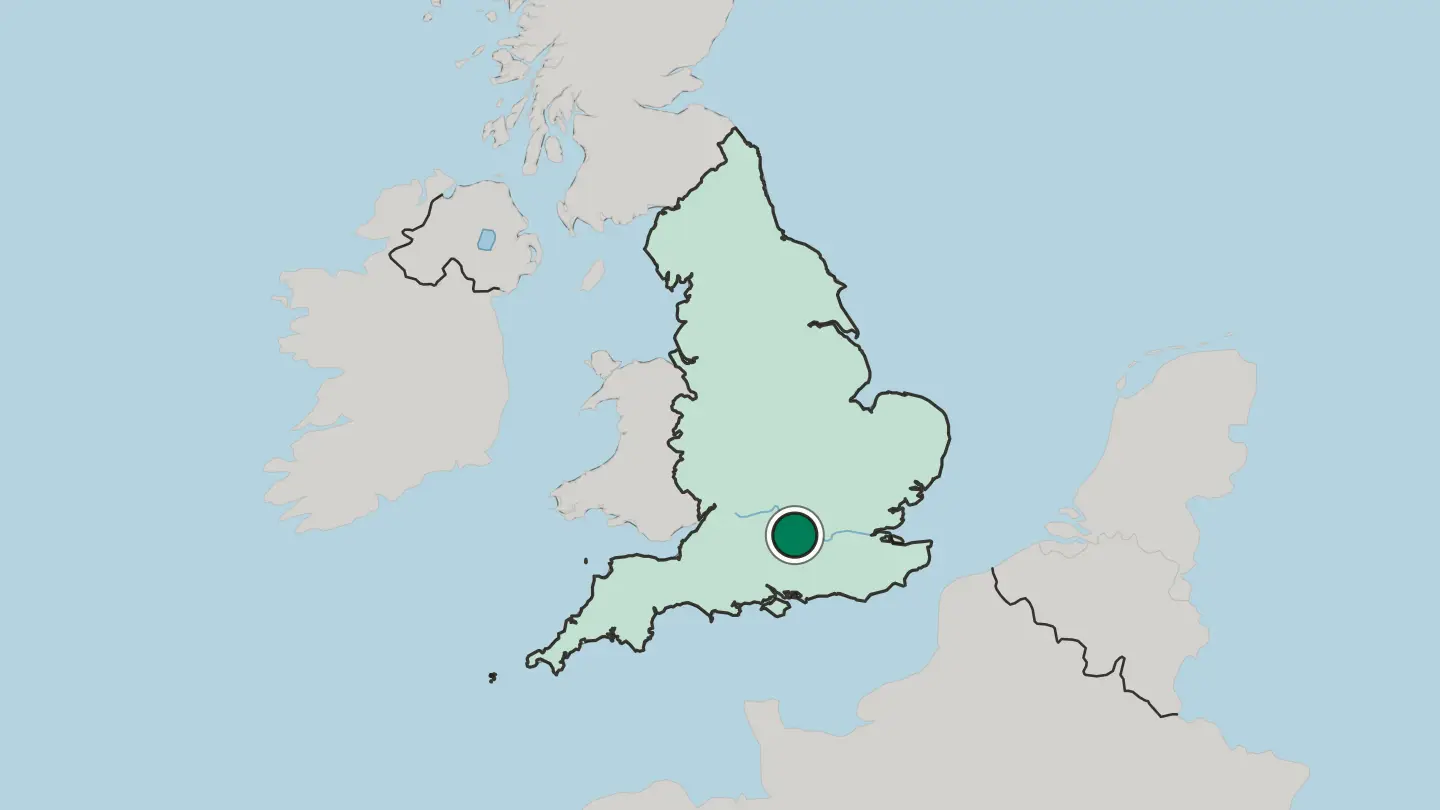
 United Kingdom
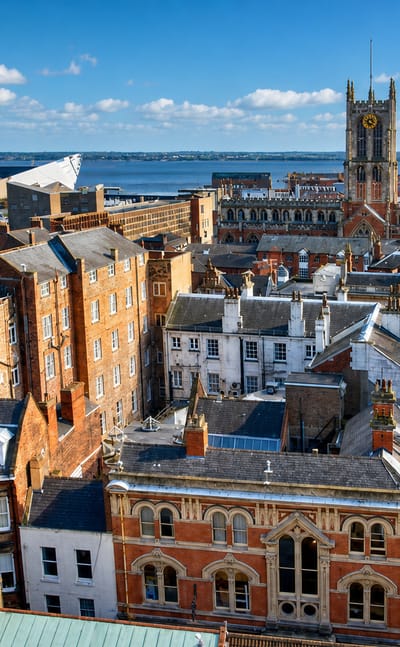
Kingston upon Hull
Kingston upon Hull, or Hull, is a port city where the River Hull meets the Humber Estuary in the East Riding of Yorkshire, England.Where to stay →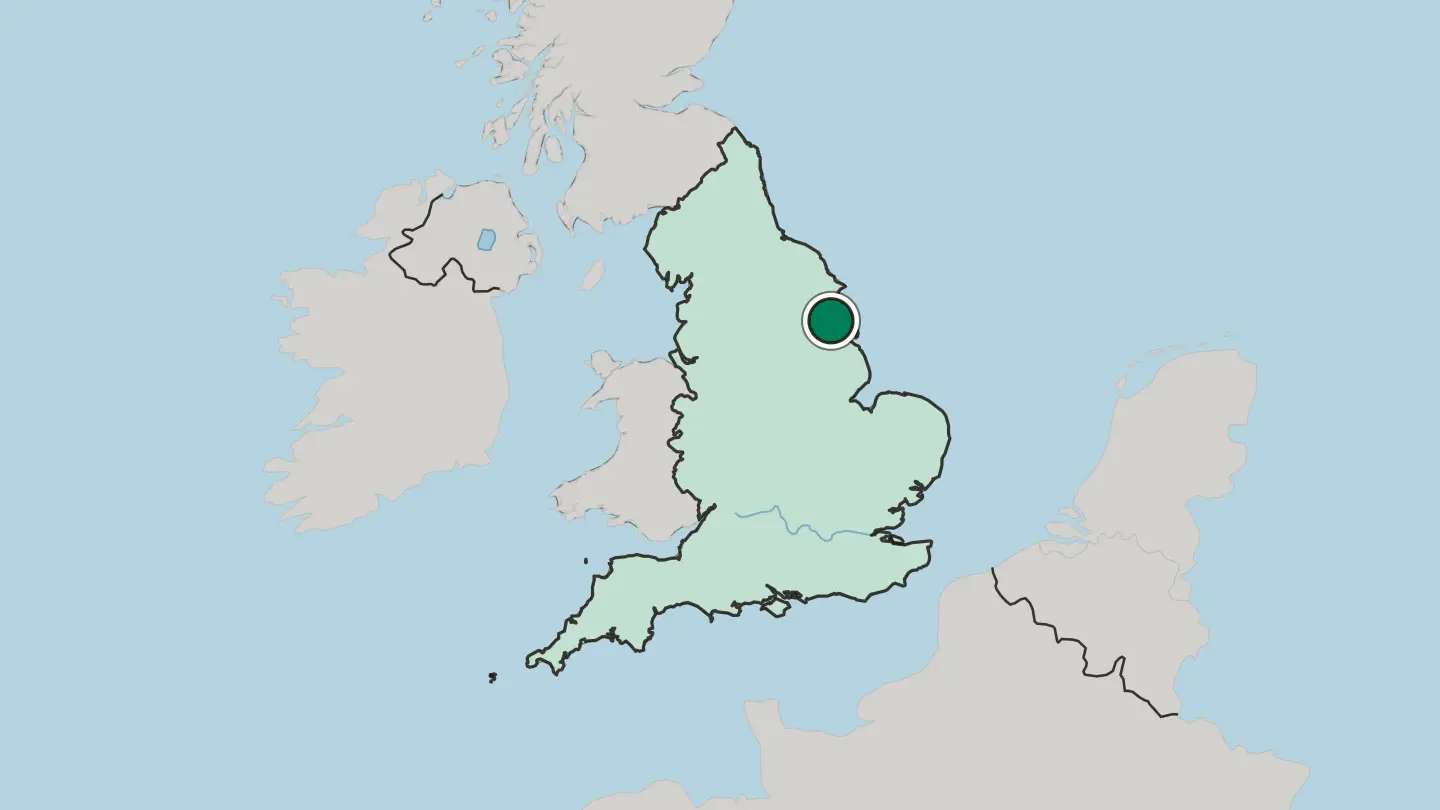
 United Kingdom
Preston
Preston is a Lancashire city on the north bank of the River Ribble, the county's administrative centre and the site of the Harris Museum.Where to stay →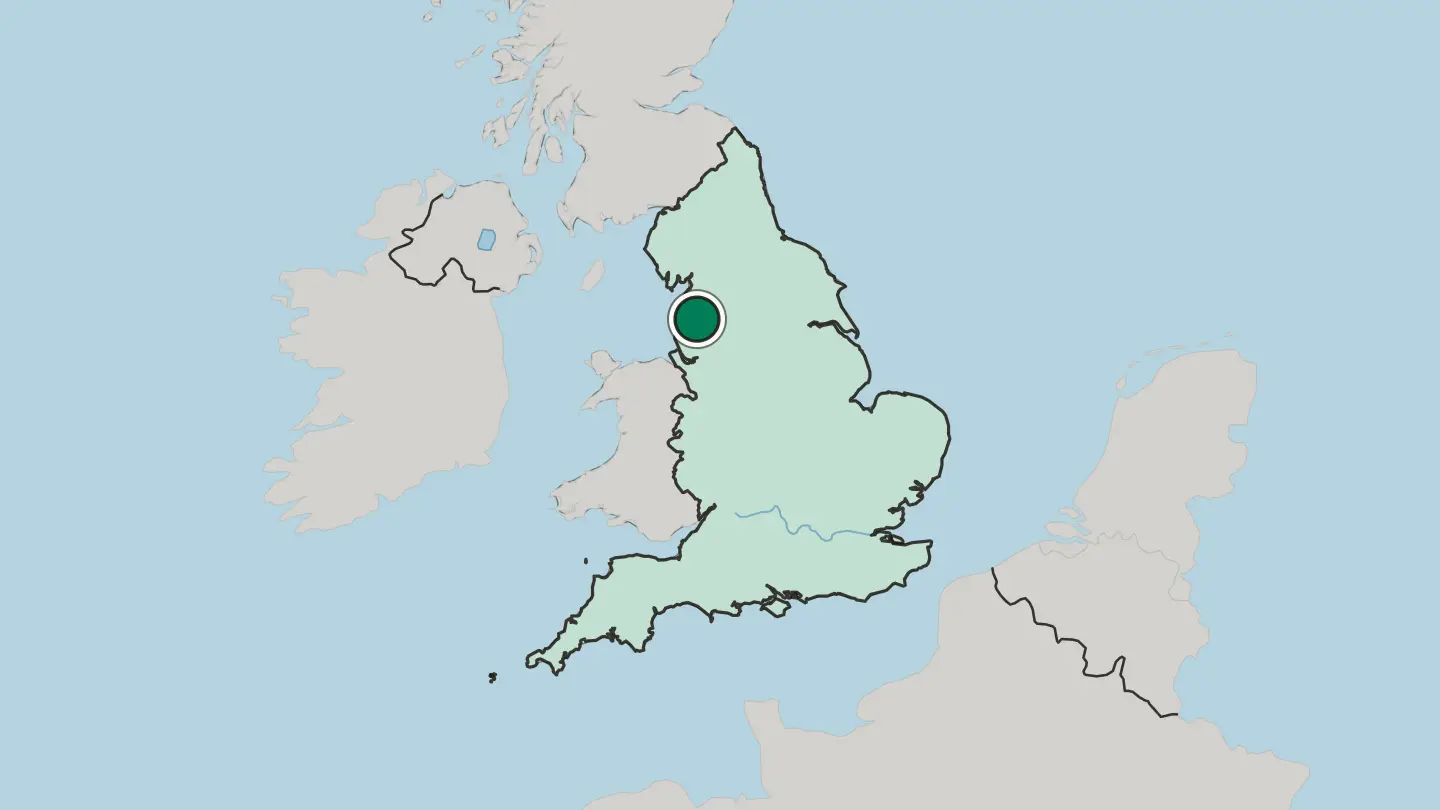
 United Kingdom
Newcastle upon Tyne
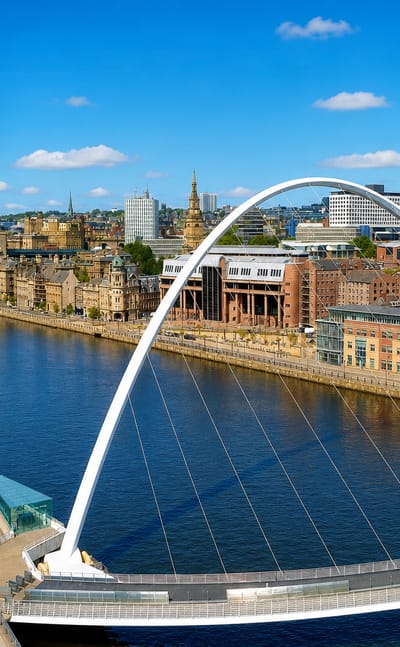
The River Tyne runs through Newcastle upon Tyne, England's northernmost city, an industrial and cultural centre in Tyne and Wear.Where to stay →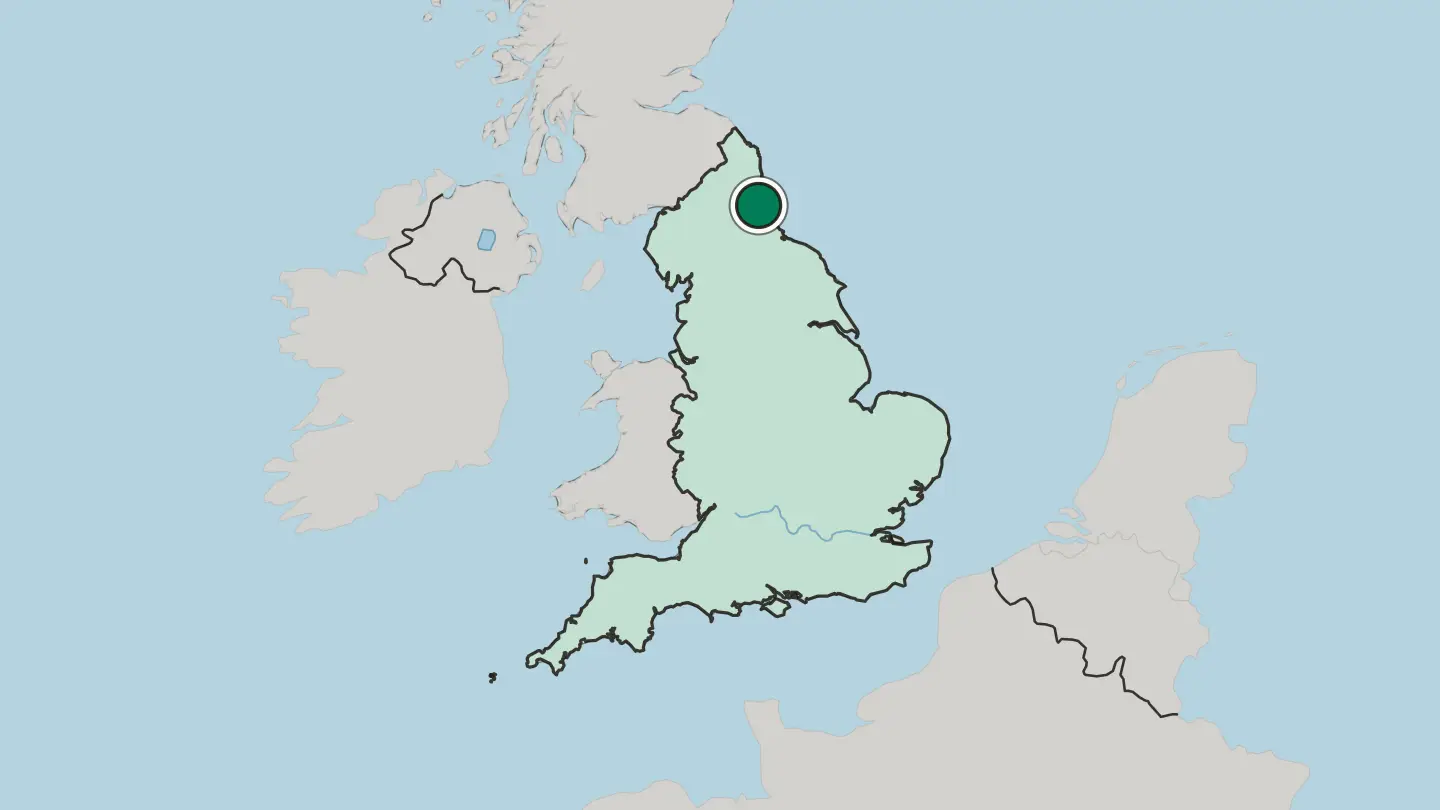
 United Kingdom
Southend-on-Sea
Southend-on-Sea is a seaside town of Essex in the east of England, a resort on the Thames estuary, famous for the longest pleasure pier in the world.Where to stay →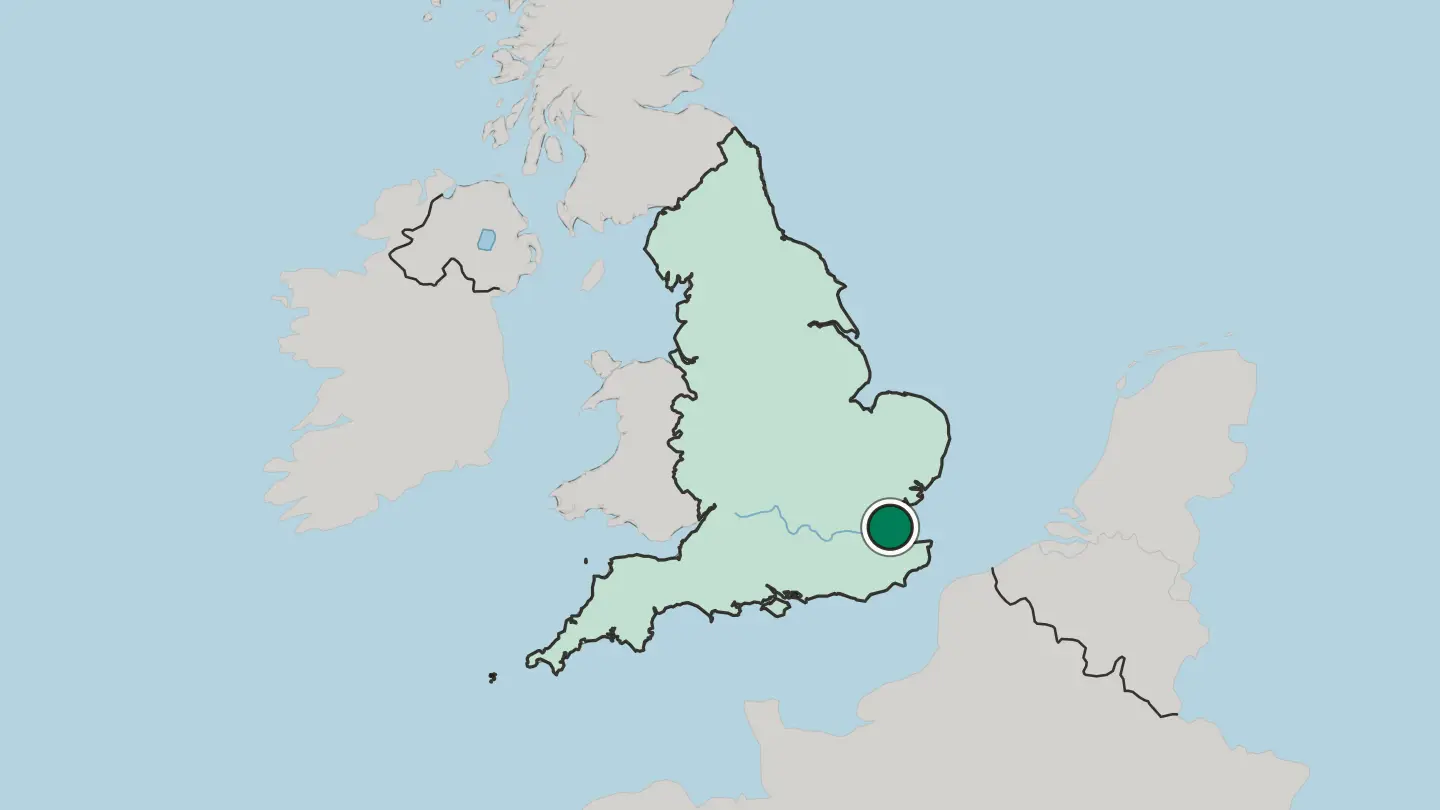
 United Kingdom
Brighton
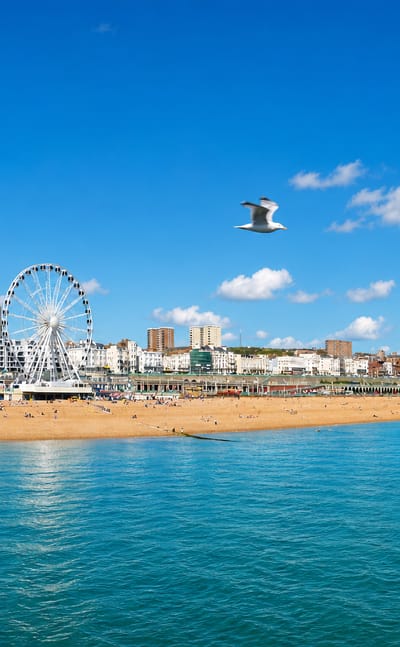
Sea spray blows over the front at Brighton, a seaside resort in East Sussex, England, known for the Royal Pavilion and the long deck of Brighton Pier.Where to stay →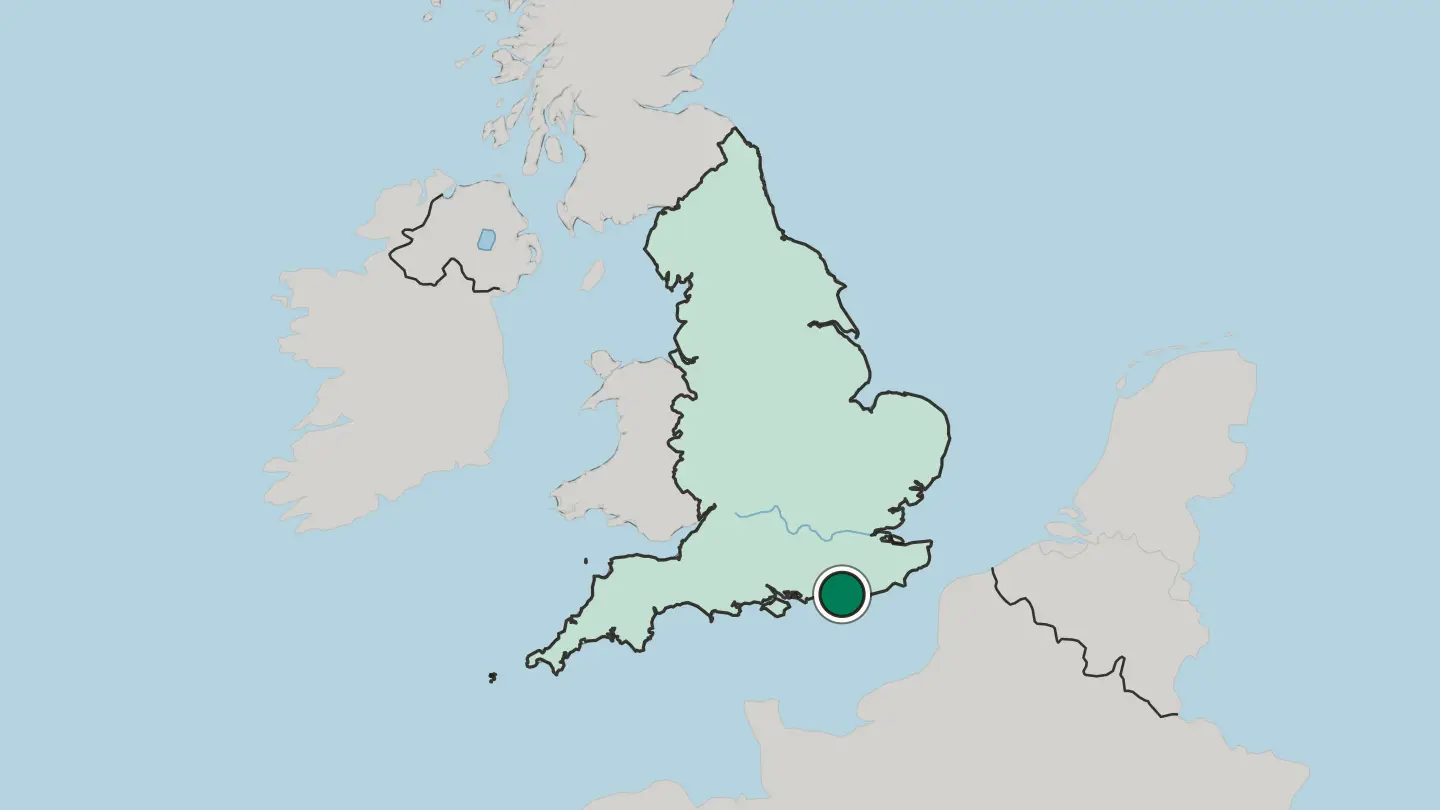
 United Kingdom
Derby
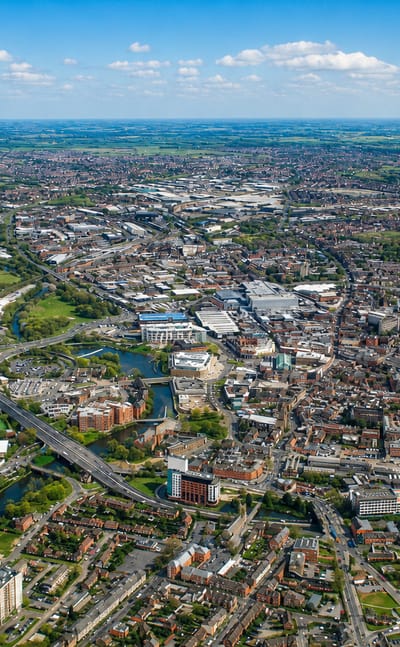
Derby is a cathedral city on the River Derwent in Derbyshire, England, the county town that gave Derbyshire its name.Where to stay →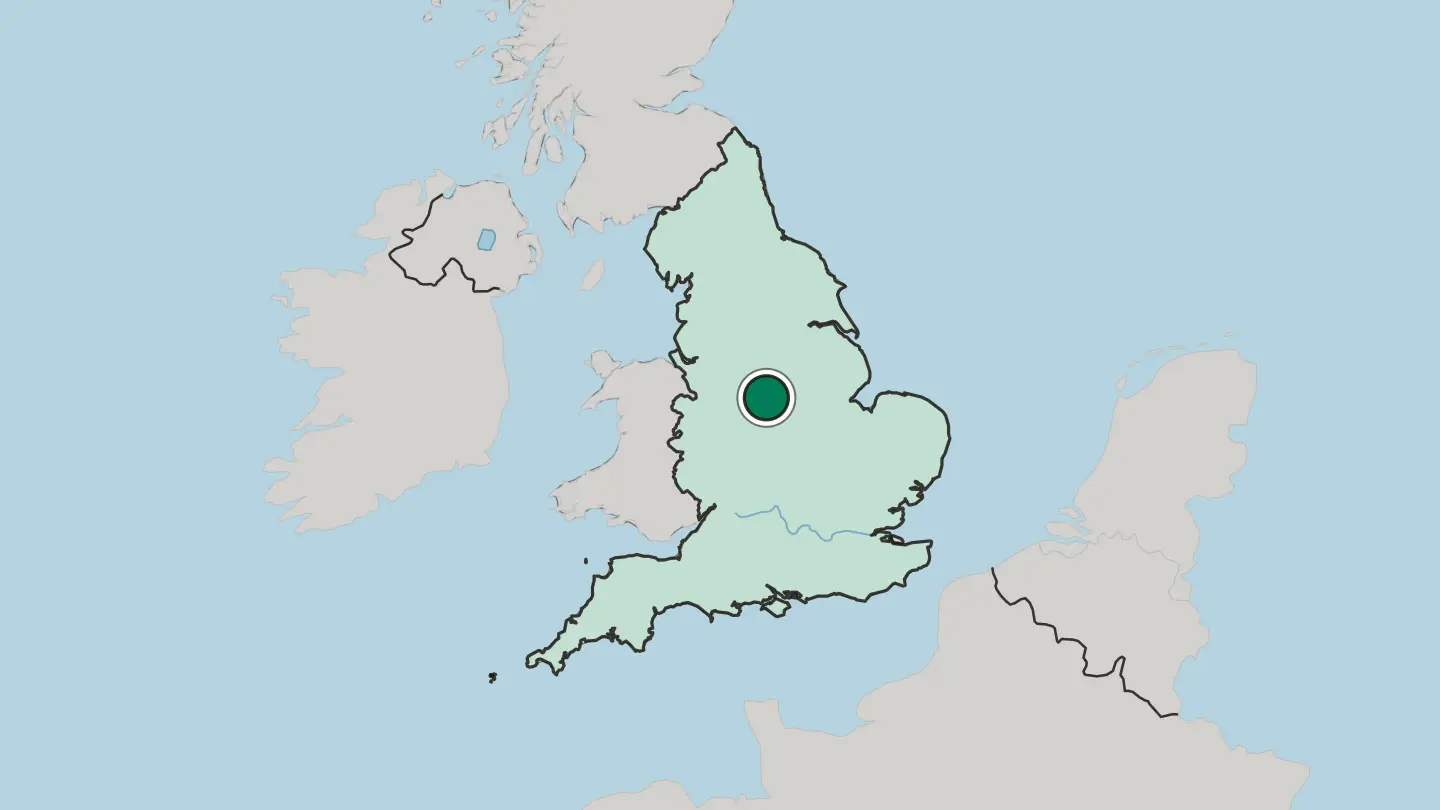
 United Kingdom
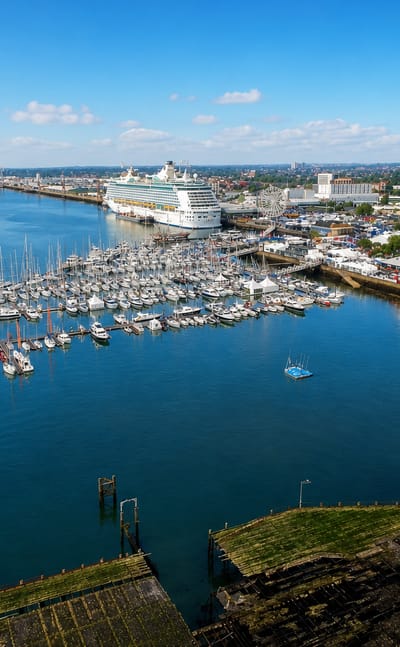
Southampton
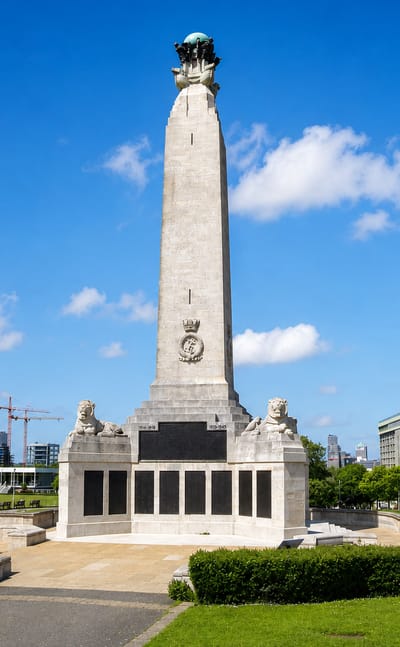
Maritime memory runs deep in Southampton, a port city in England, United Kingdom, known for its Titanic memorials and the SeaCity Museum.Where to stay →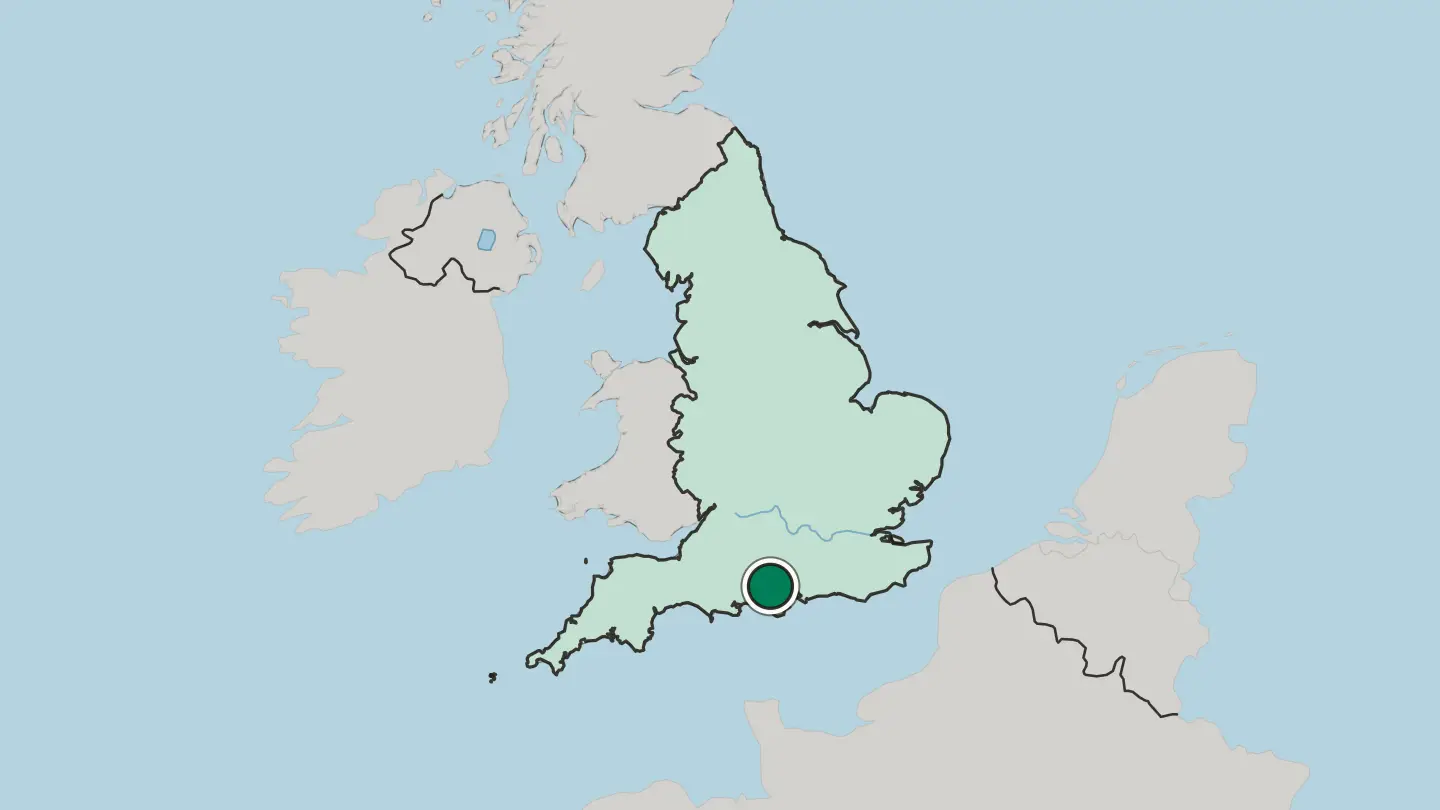
 United Kingdom
Wolverhampton
Wolverhampton stands on high ground north-west of Birmingham in the West Midlands, England, known for Molineux Stadium and St Peter's Collegiate Church.Where to stay →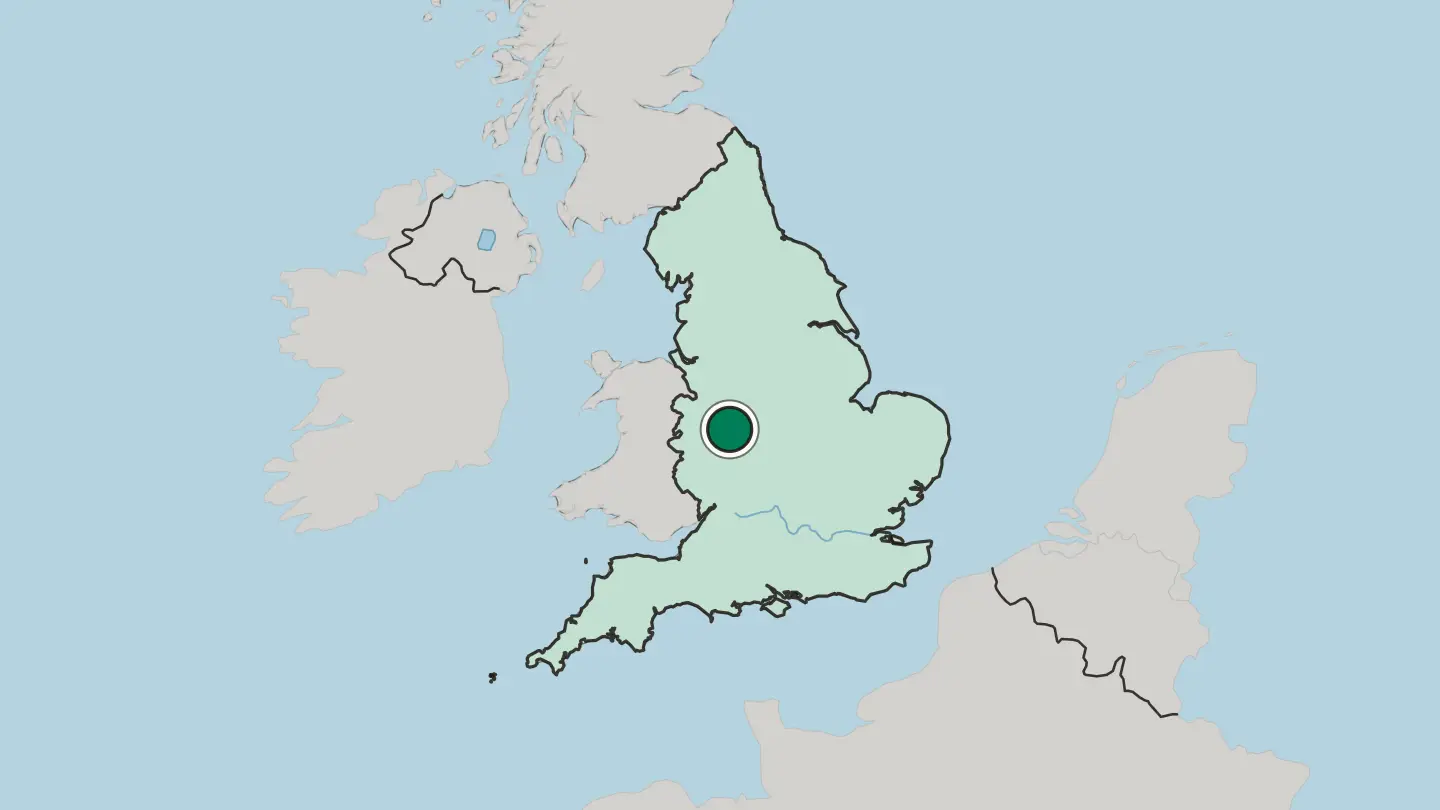
 United Kingdom
Plymouth
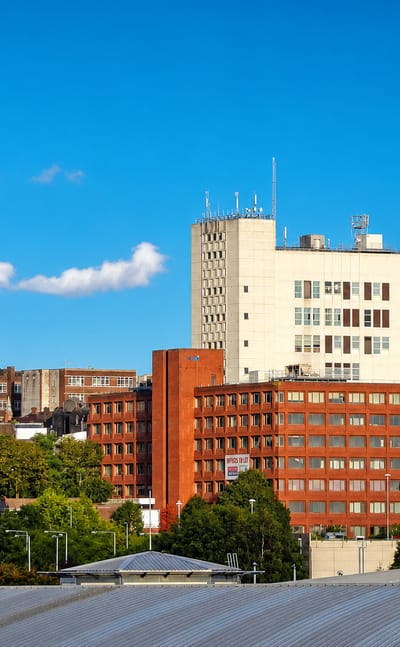
Plymouth is a port city on the south coast of Devon, England, set between the mouths of the Plym and the Tamar below the Royal Citadel.Where to stay →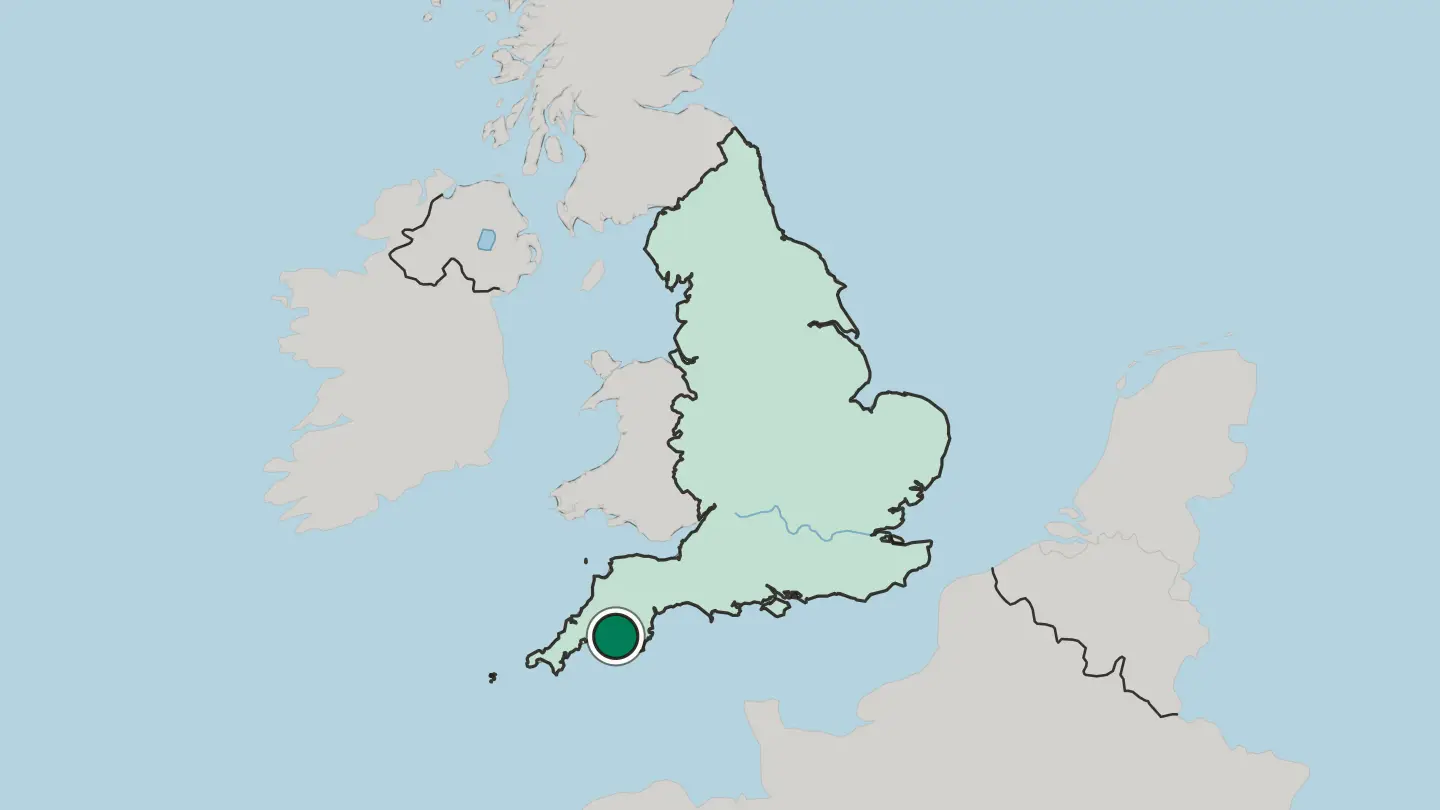
 United Kingdom
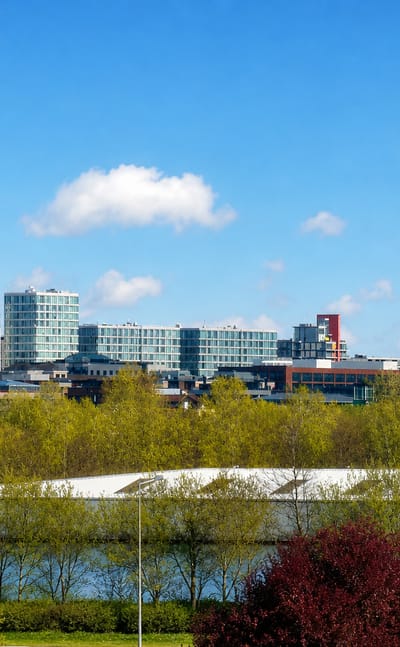
Stoke-on-Trent
Stoke-on-Trent is the pottery city of Staffordshire, England, a federation of six old towns around the kilns of the Potteries.Where to stay →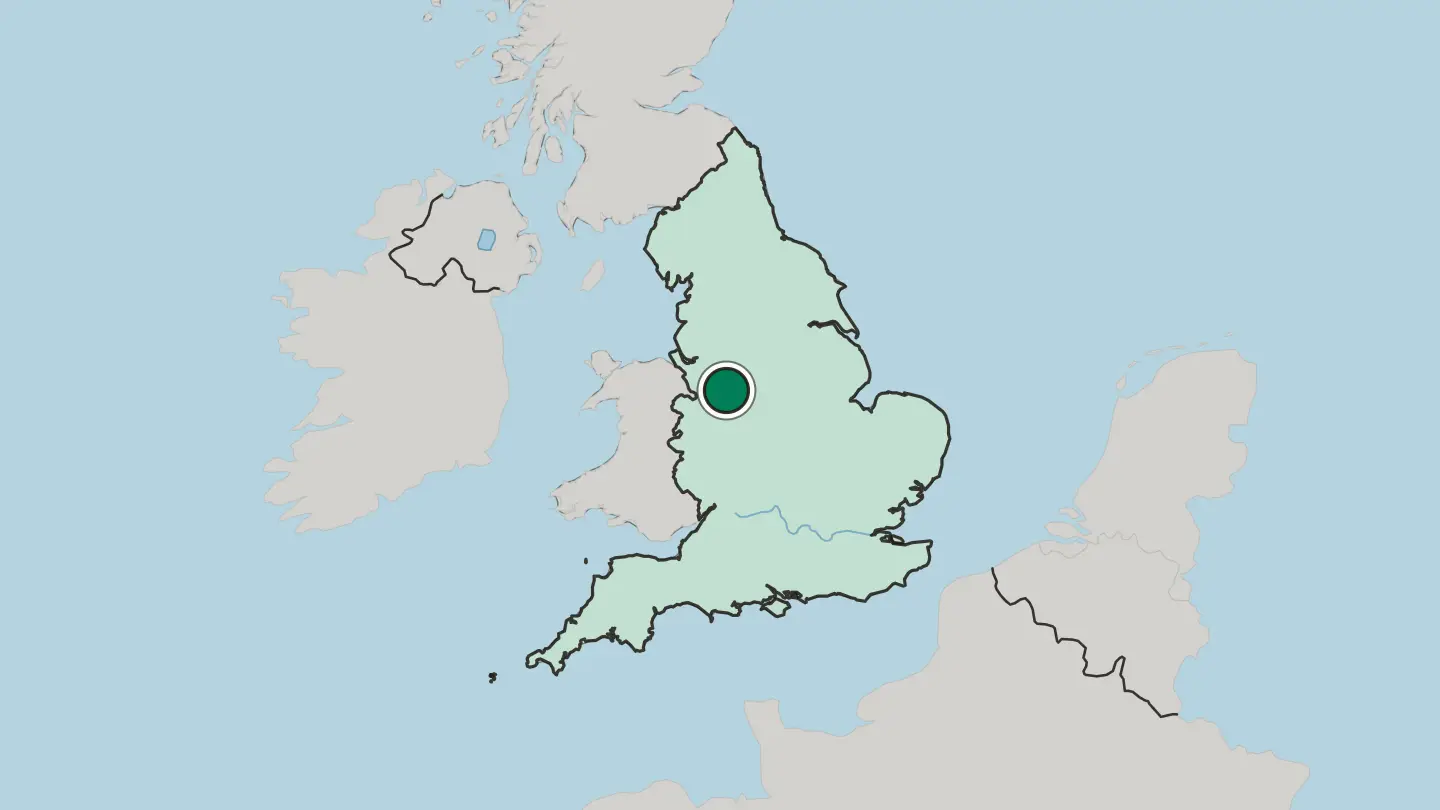
 United Kingdom
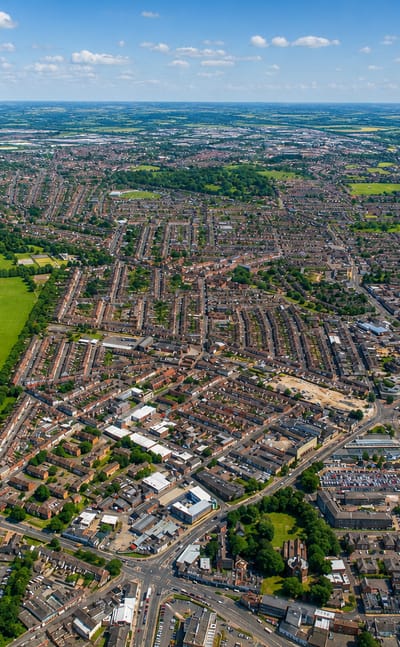
Milton Keynes
Grid boulevards and linear parks define Milton Keynes, a planned city in Buckinghamshire, England, laid out from 1967 between the Great Ouse and the Ouzel.Where to stay →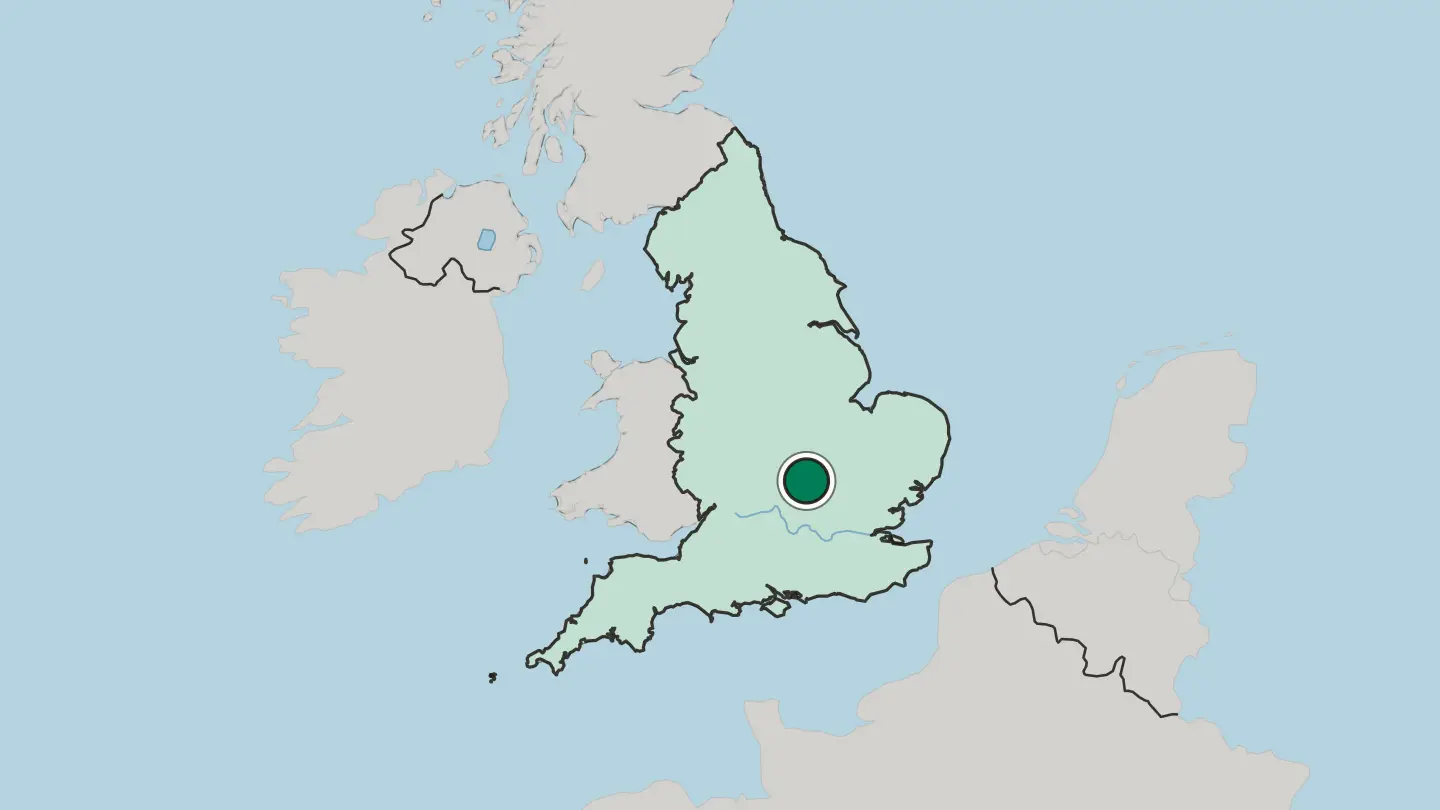
 United Kingdom
Northampton
Northampton is a market town of England, its old core gathered around All Saints' Church and the earthworks of Northampton Castle.Where to stay →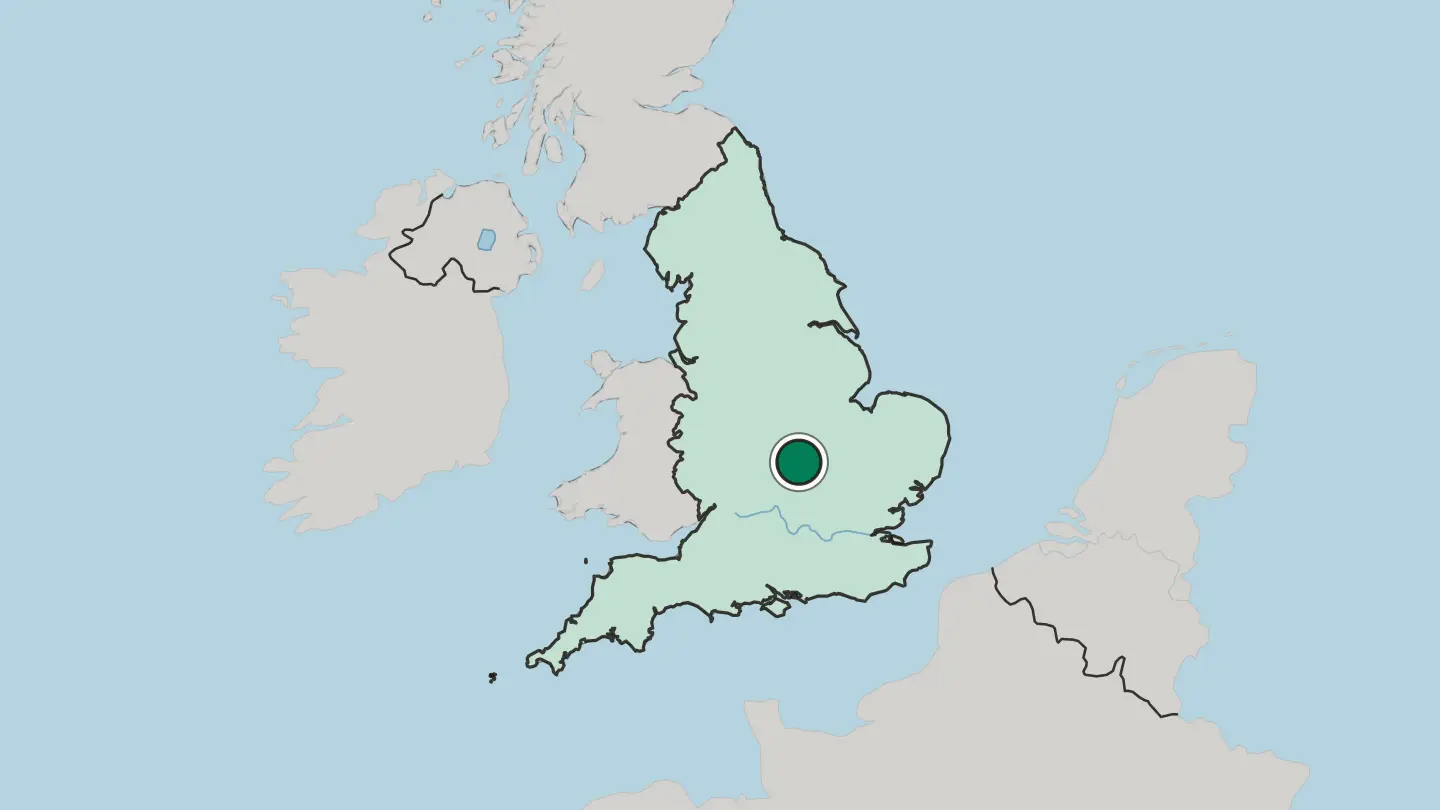
 United Kingdom
Oldham
Oldham is a former textile town in Greater Manchester, on elevated ground between the rivers Irk and Medlock in the foothills of the Pennines.Where to stay →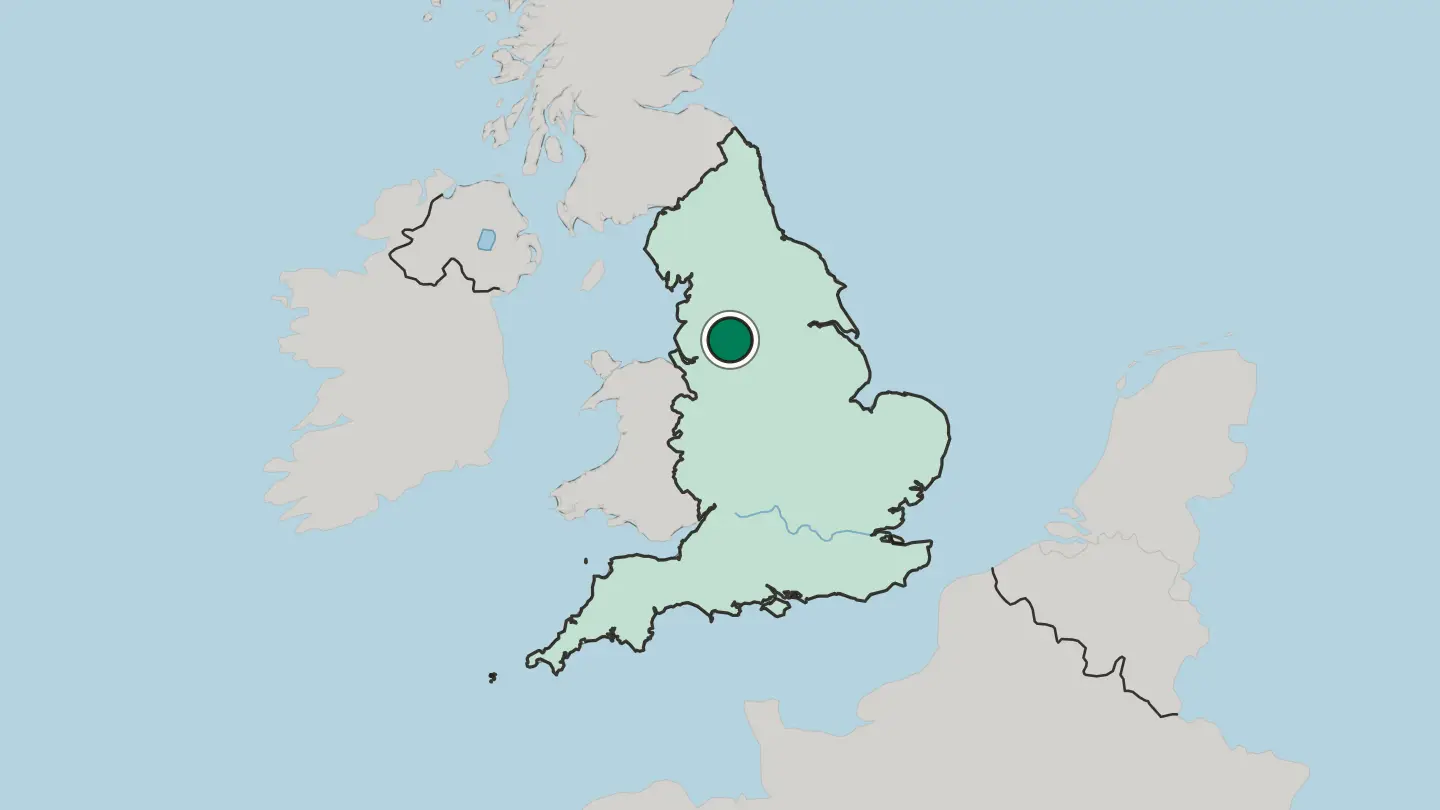
 United Kingdom
Bexley
Bexley, also called Old Bexley or Bexley Village, is an area of south-eastern Greater London holding Hall Place and Gardens and the Red House.Where to stay →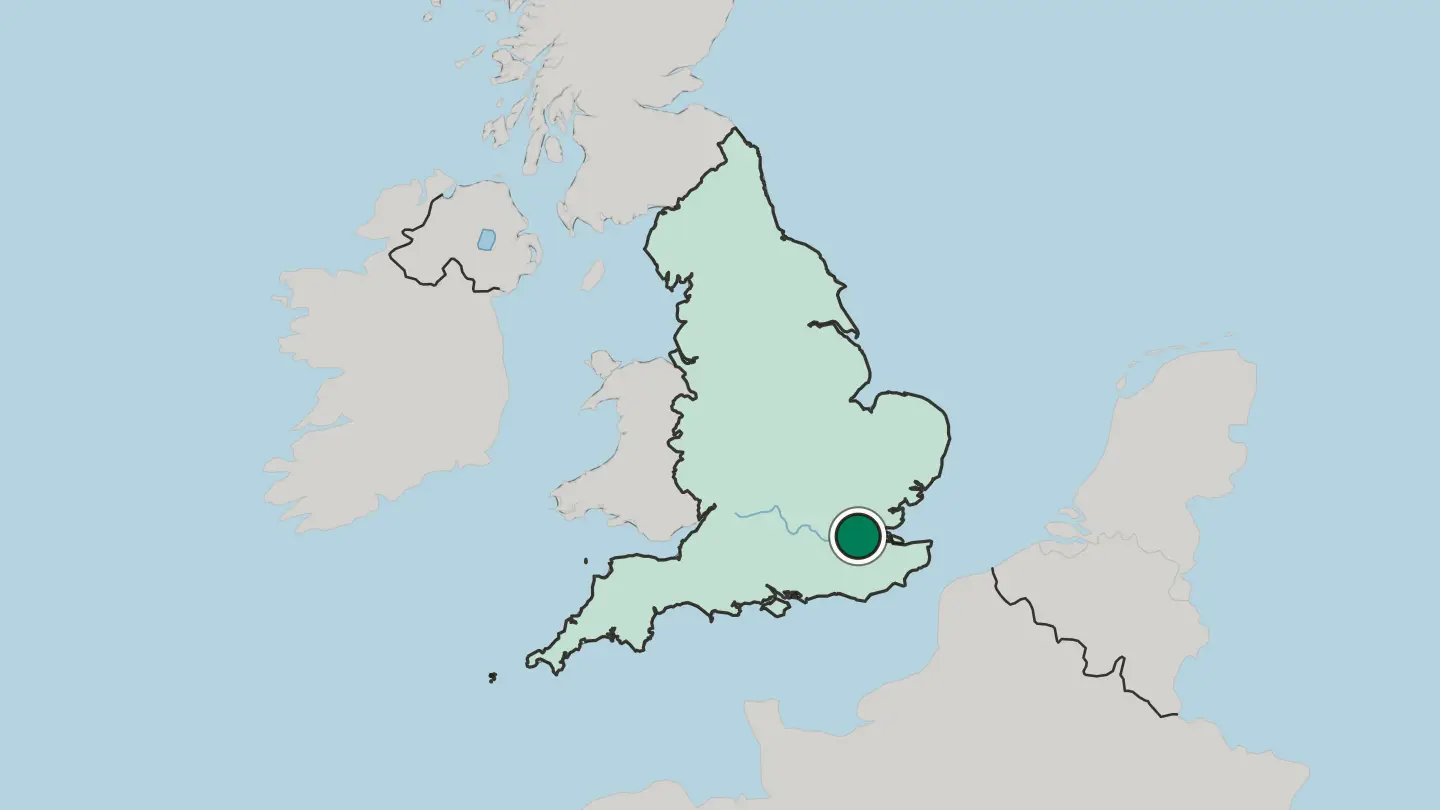
 United Kingdom
Luton
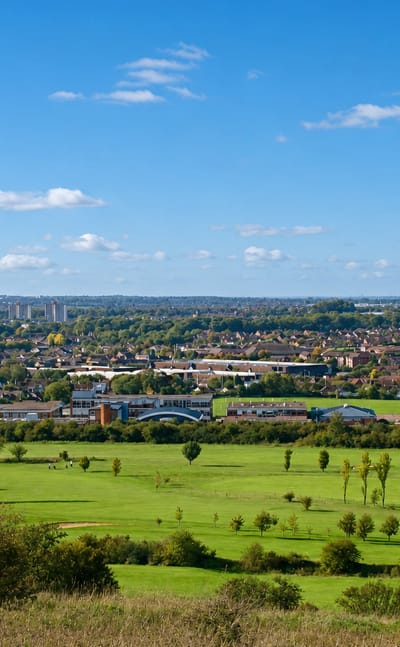
The green sweep of Wardown Park opens across Luton, a town in Bedfordshire in England, known for its old parish church of St Mary's.Where to stay →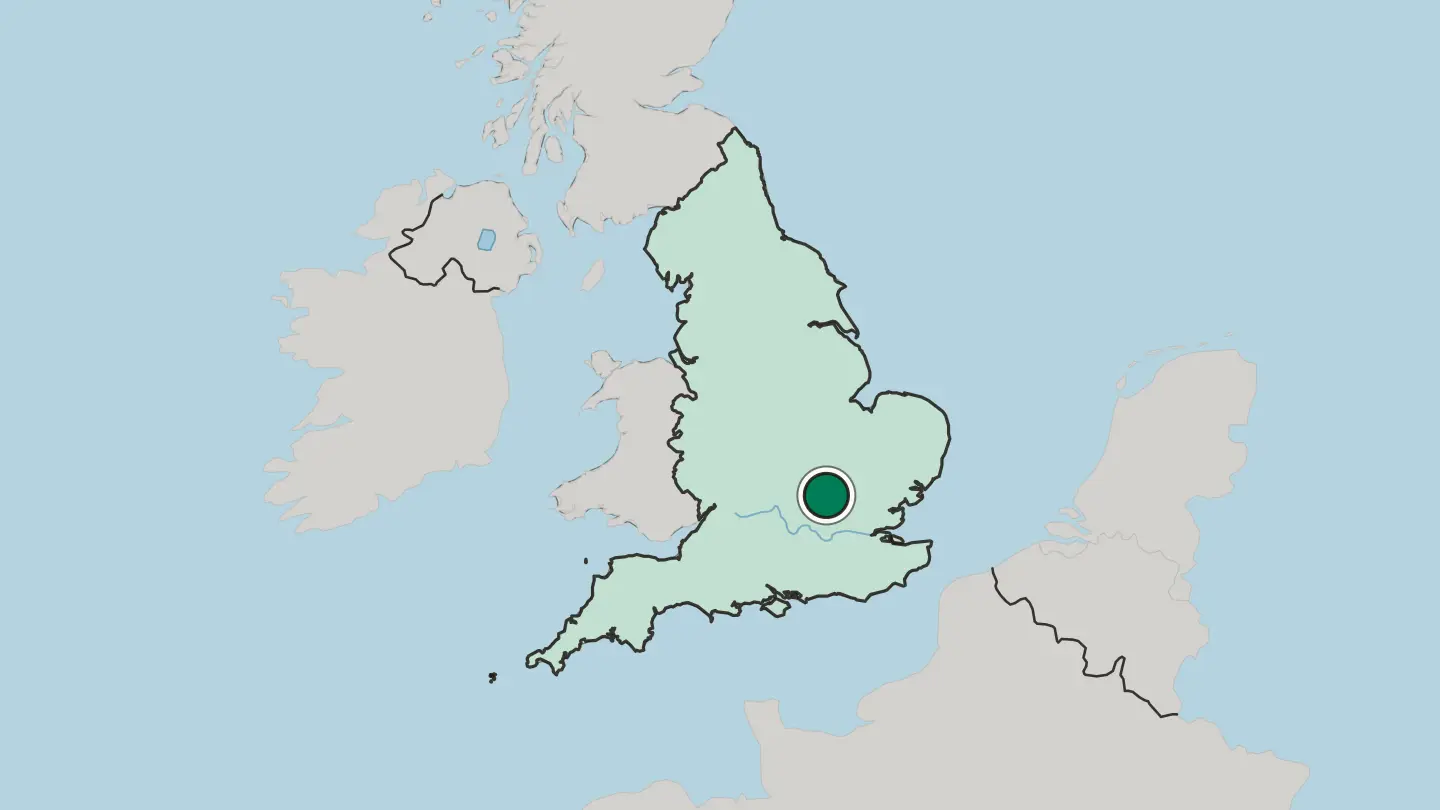 United Kingdom
Barking
Barking is a riverside town in the London Borough of Barking and Dagenham, East London, with Barking Abbey standing on its oldest ground.Where to stay →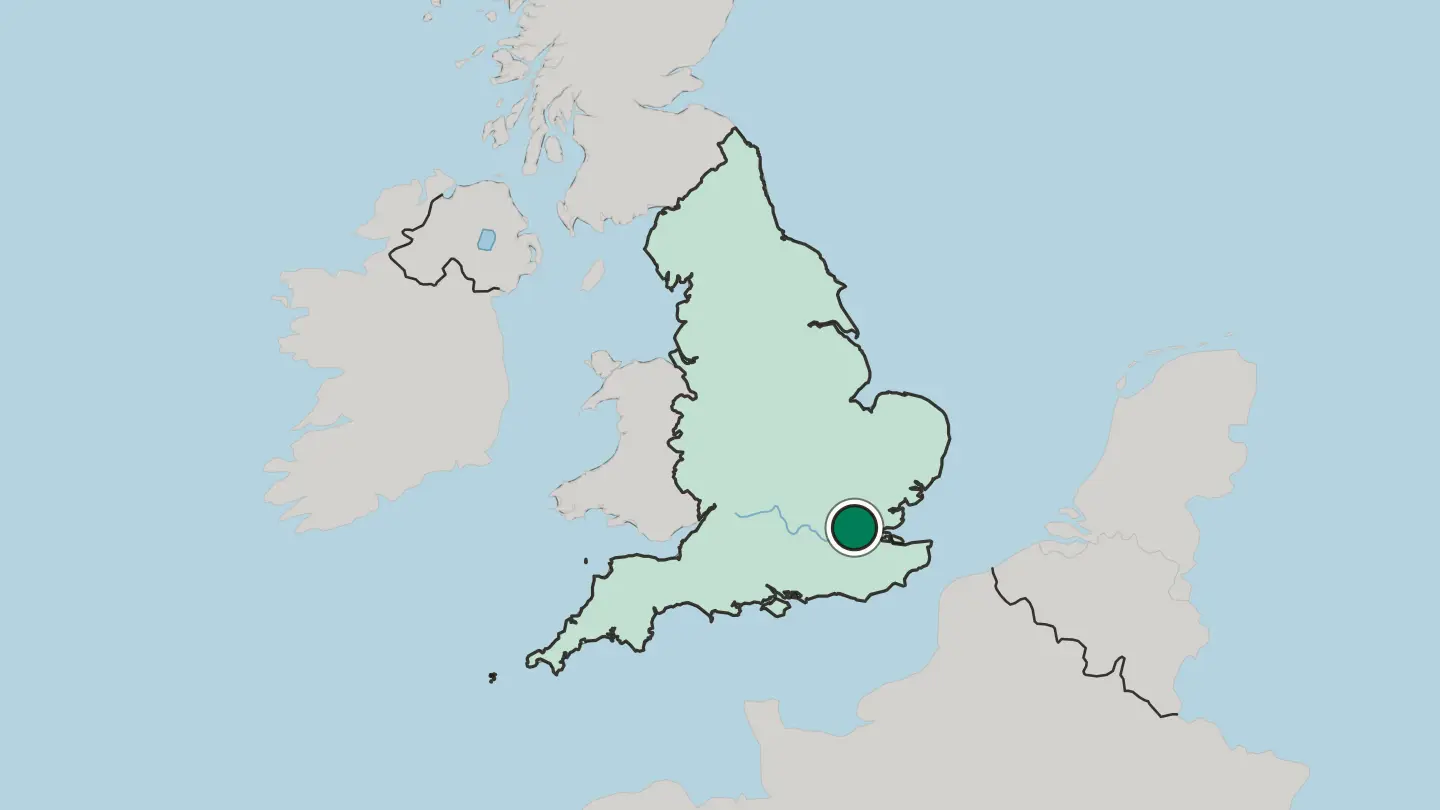
 United Kingdom
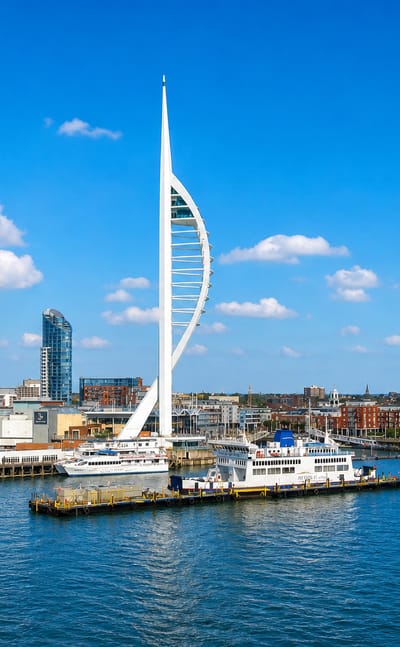
Portsmouth
Portsmouth is a naval harbour city of England, home port to HMS Victory and the raised Tudor warship Mary Rose.Where to stay →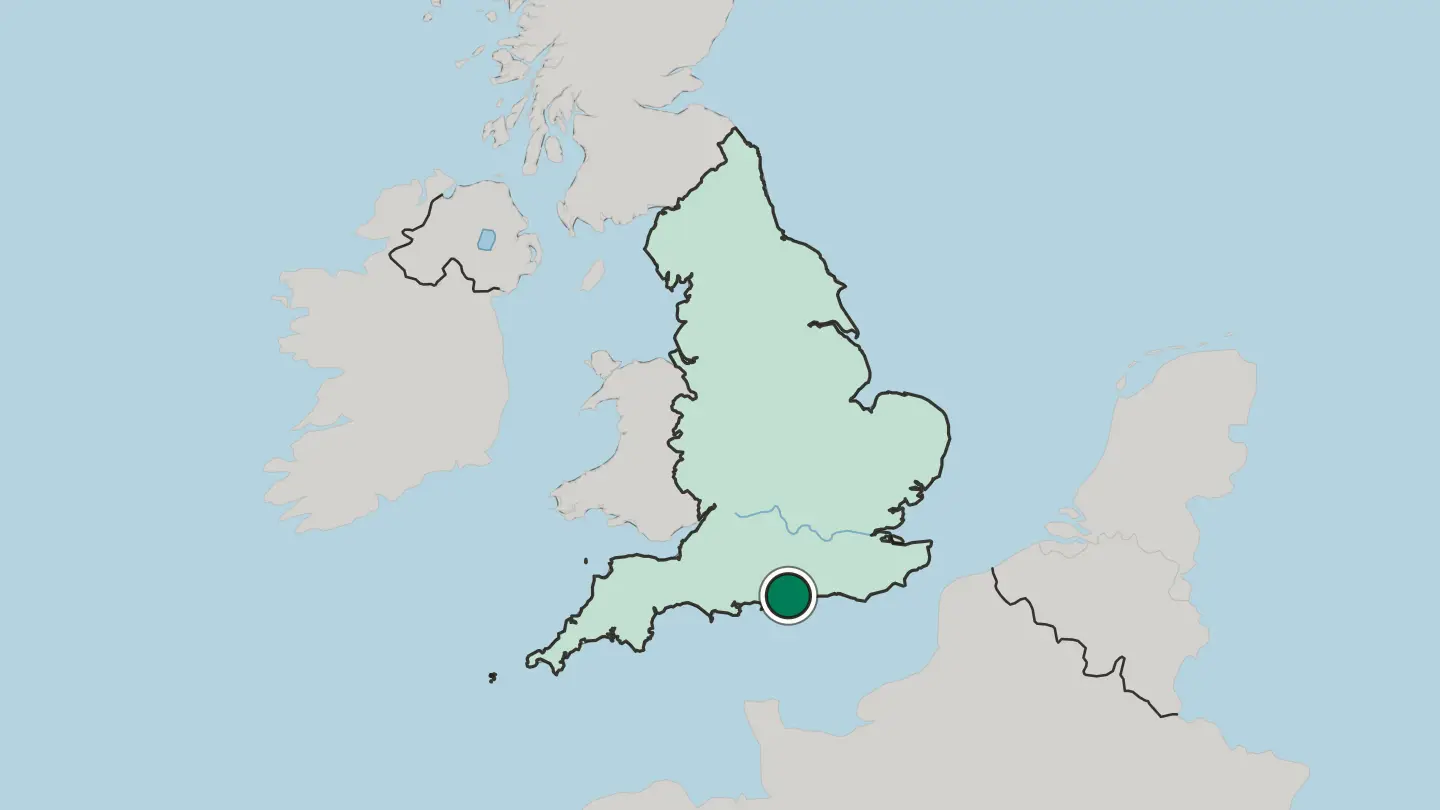
 United Kingdom
Swindon
Swindon is a town of Wiltshire in southern England, a railway town on the edge of the Marlborough Downs, built around the Great Western Railway works.Where to stay →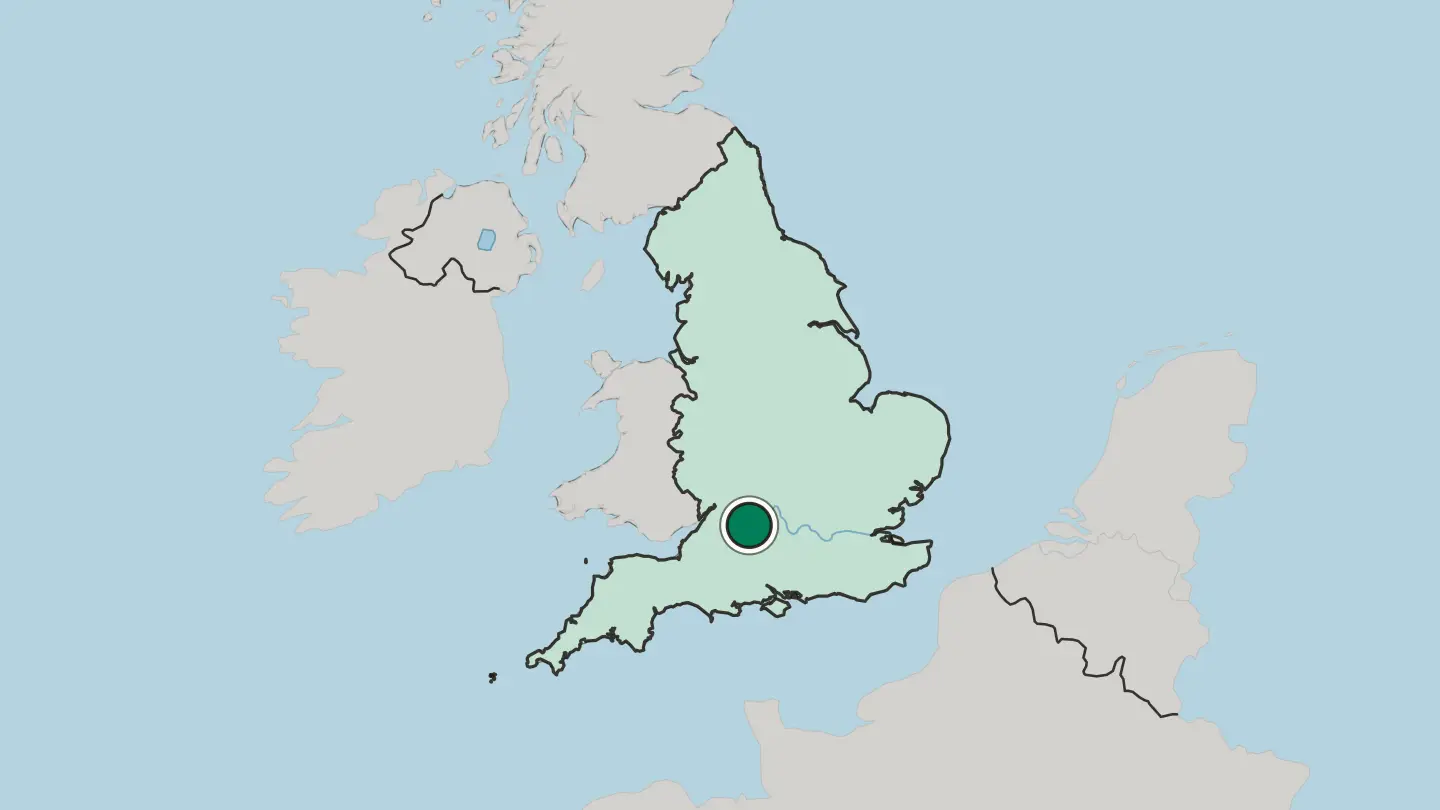
 United Kingdom
Dudley
Dudley is a market town in the West Midlands, administrative centre of the Metropolitan Borough of Dudley, known as the capital of the Black Country.Where to stay →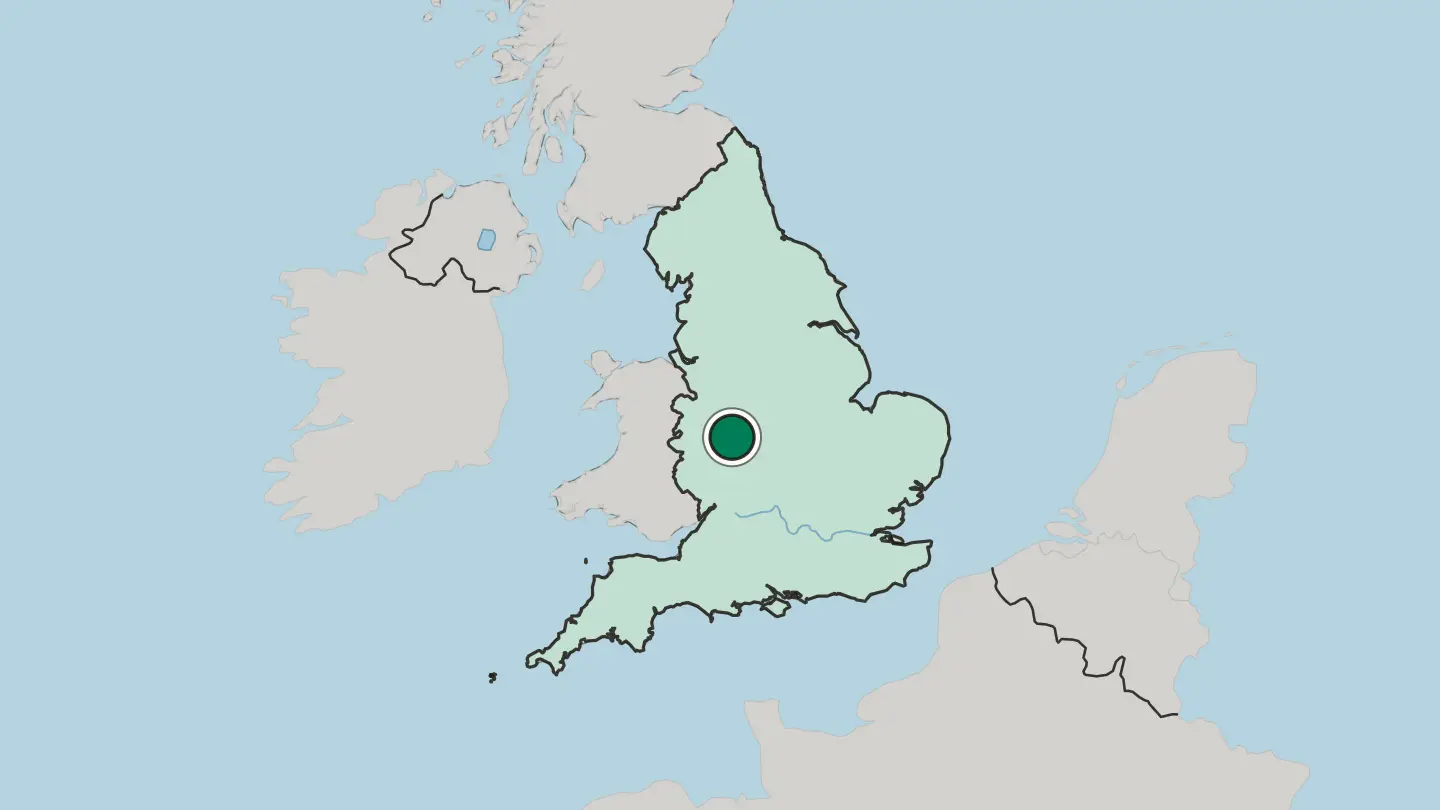 United Kingdom
Sutton
Sutton is a town in South London, England, the administrative headquarters of its Outer London borough, ten miles from Charing Cross.Where to stay →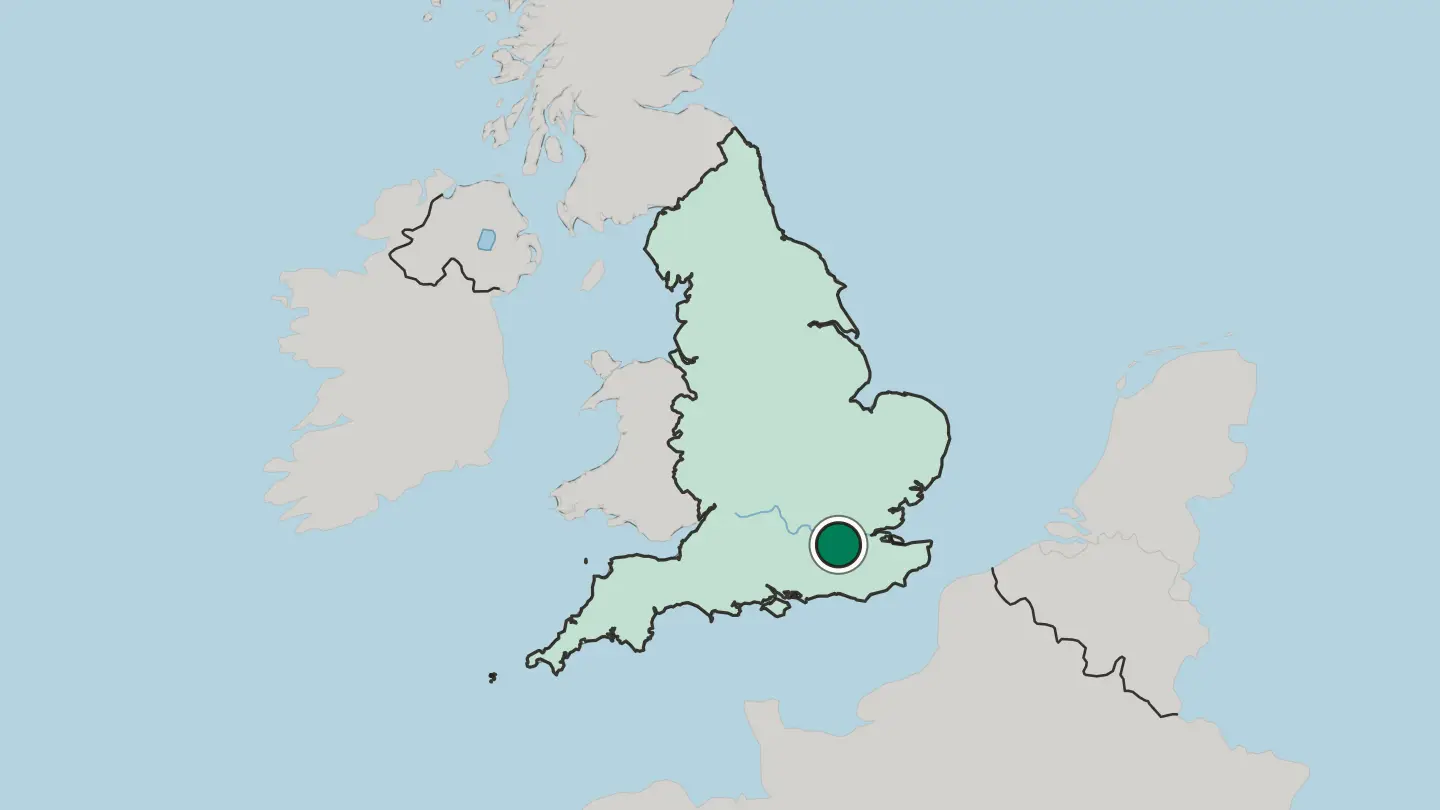
 United Kingdom
St Helens
St Helens is an industrial town in Merseyside, north-east of Liverpool, and the administrative centre of its own metropolitan borough.Where to stay →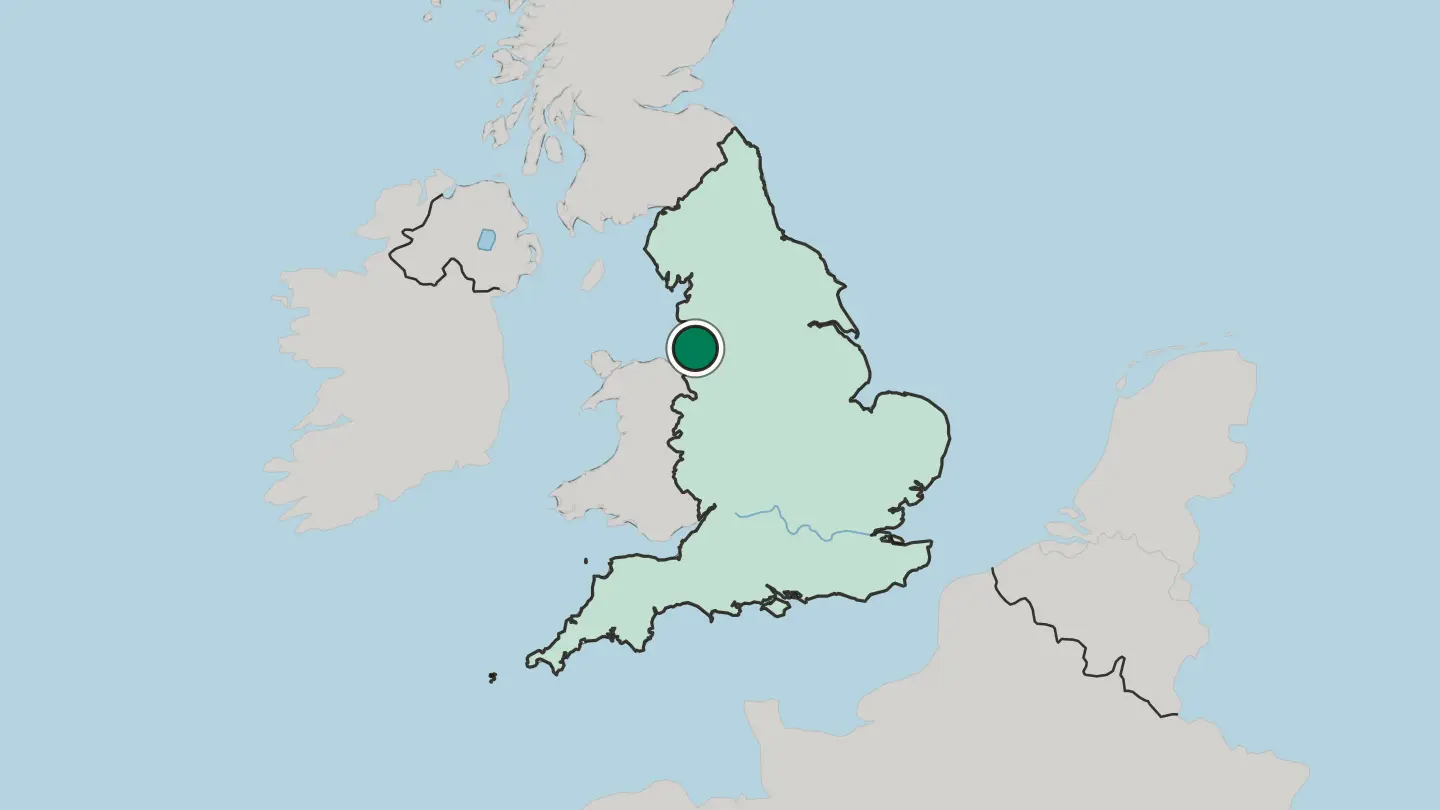
 United Kingdom
Ipswich
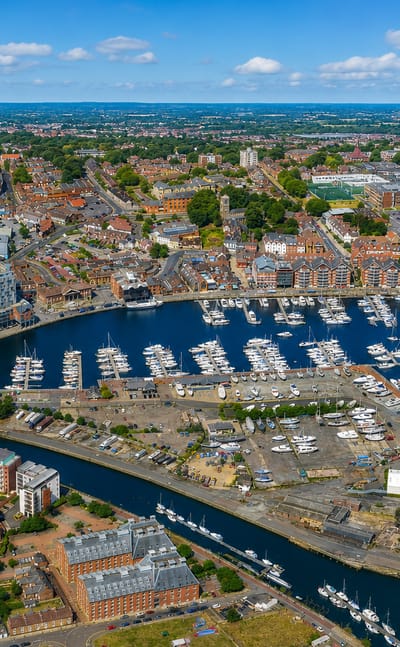
Ipswich is a port town on the River Orwell in Suffolk, England, and the county town of Suffolk in East Anglia.Where to stay →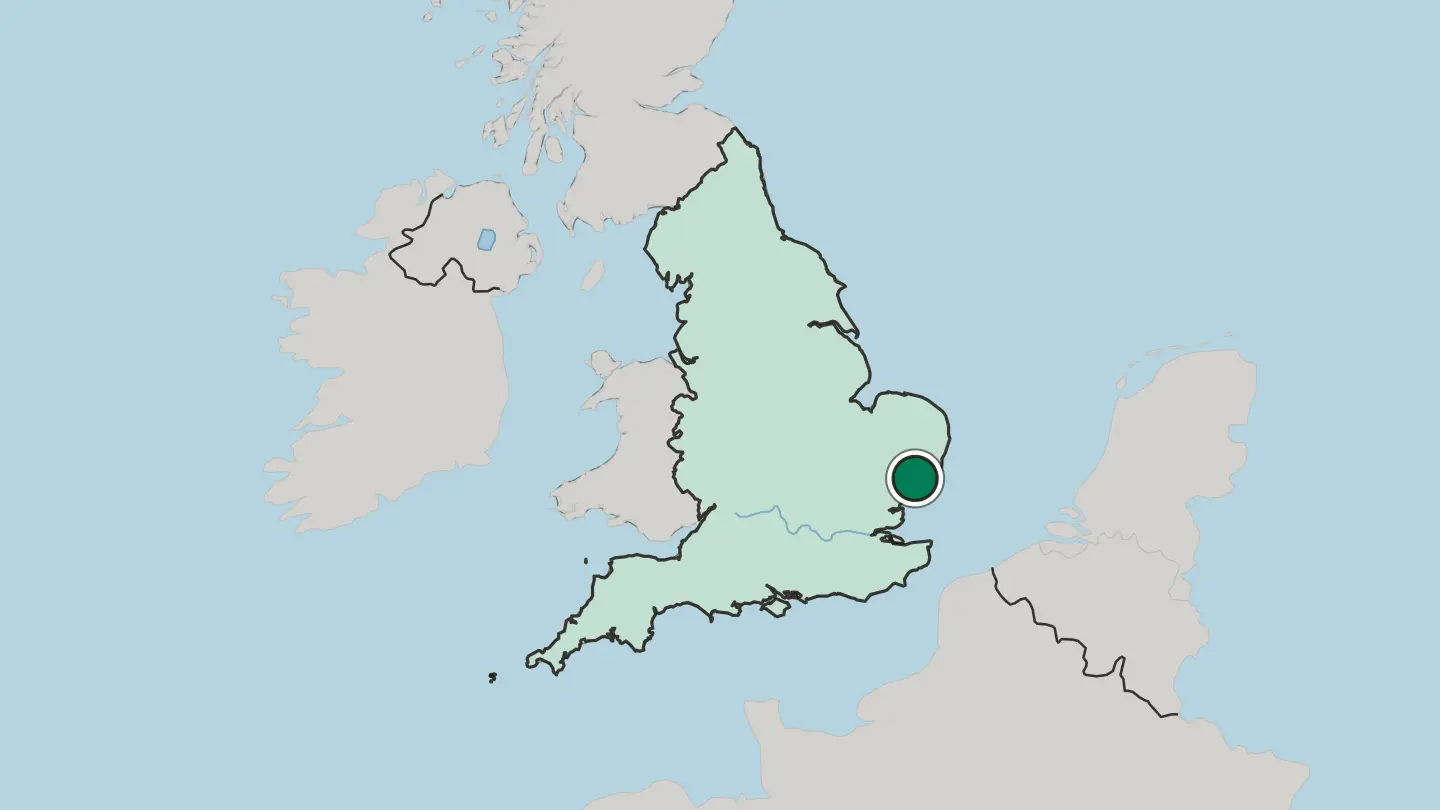
 United Kingdom
Wigan
Wigan is an industrial town in Greater Manchester, midway between Manchester and Liverpool and the centre of its own metropolitan borough.Where to stay →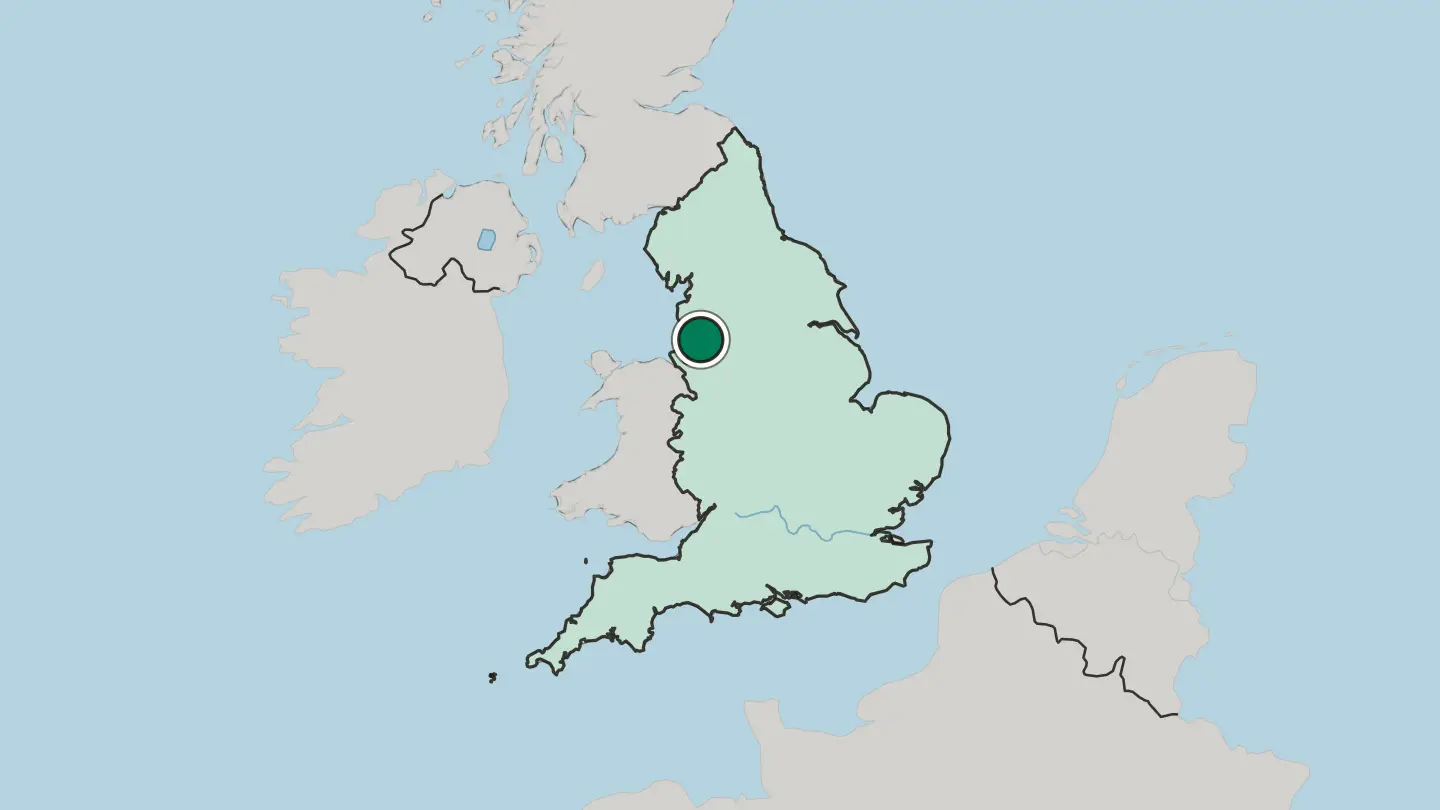
 United Kingdom
Croydon
Croydon is a large town of South London, part of the London Borough of Croydon, holding one of the biggest commercial districts in Greater London.Where to stay →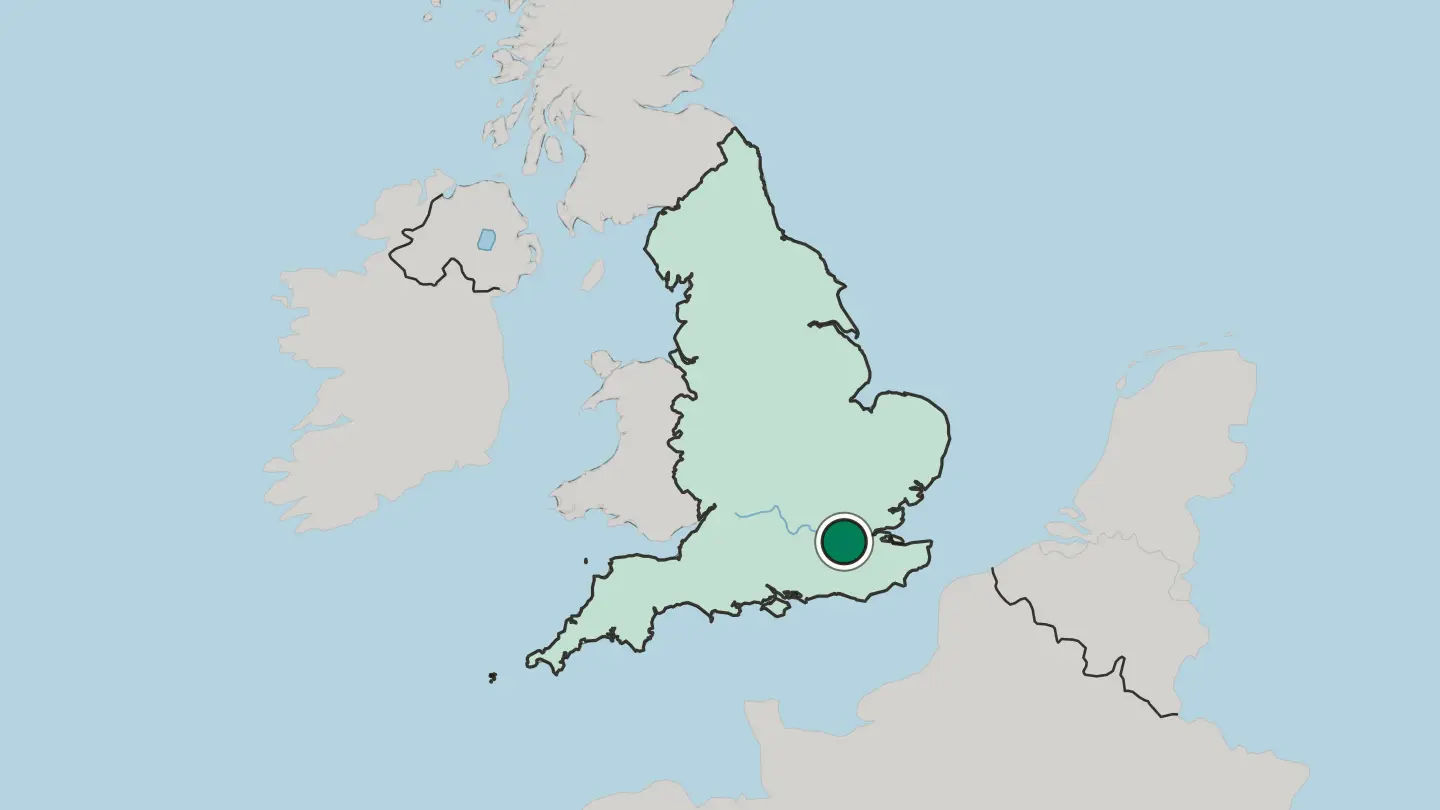
 United Kingdom
Warrington
Warrington is an industrial town on the River Mersey in Cheshire, midway between Liverpool and Manchester, with St Elphin's Church at its old core.Where to stay →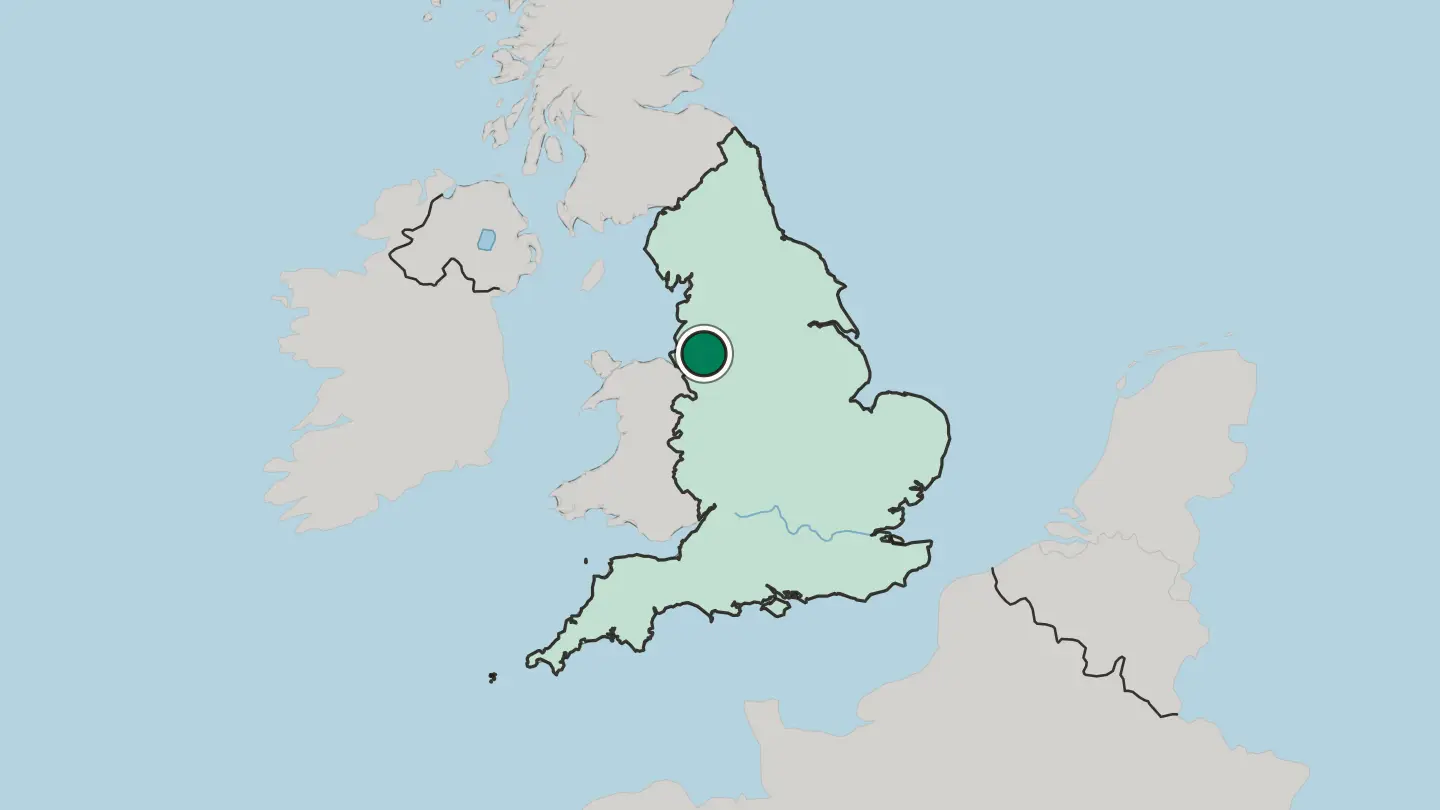
 United Kingdom
Walsall
Walsall is a Black Country market town north-west of Birmingham, with The New Art Gallery Walsall and the Walsall Leather Museum at its centre.Where to stay →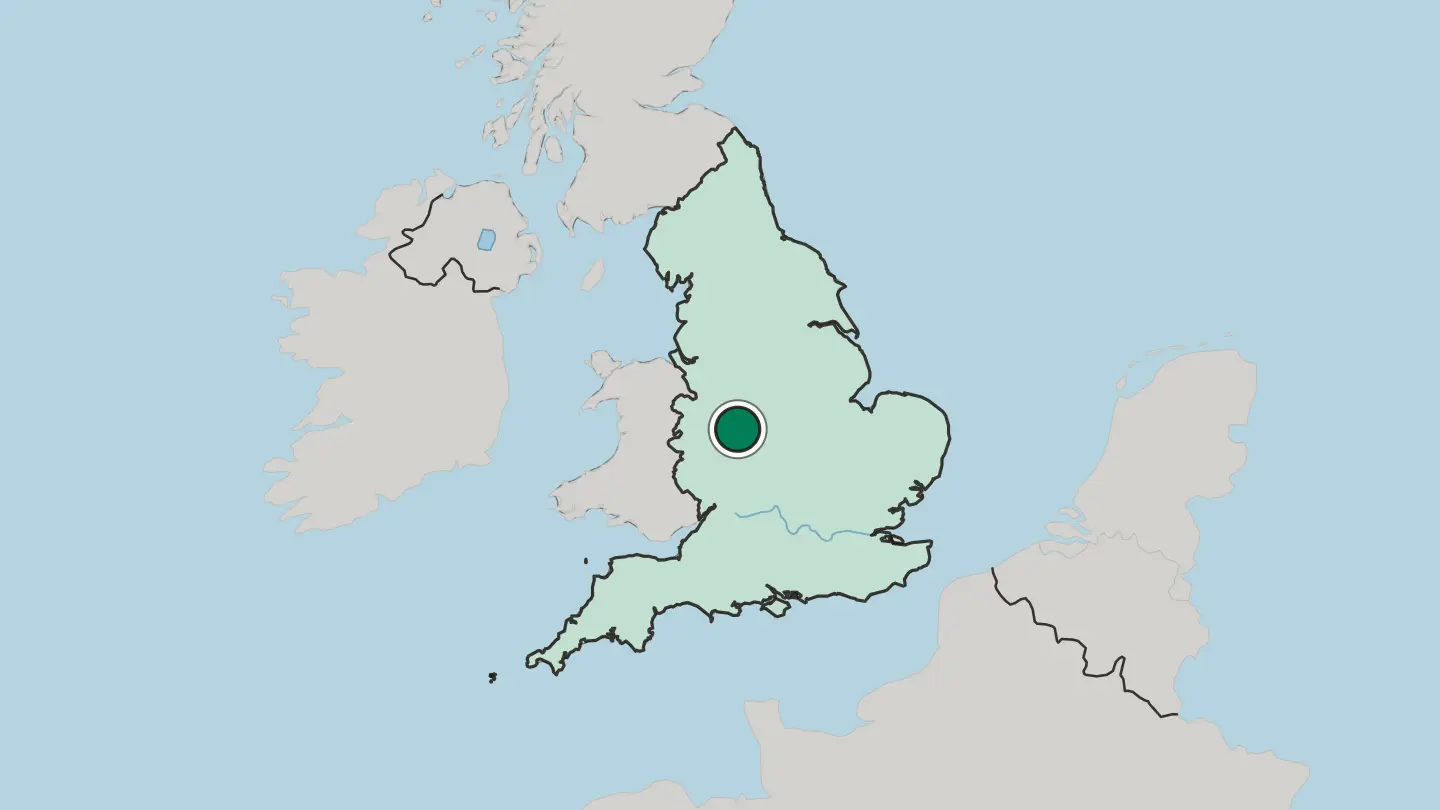
 United Kingdom
Mansfield
Mansfield is a market town in the Maun Valley of Nottinghamshire, chartered by Henry III in 1227 and the administrative centre of Mansfield District.Where to stay →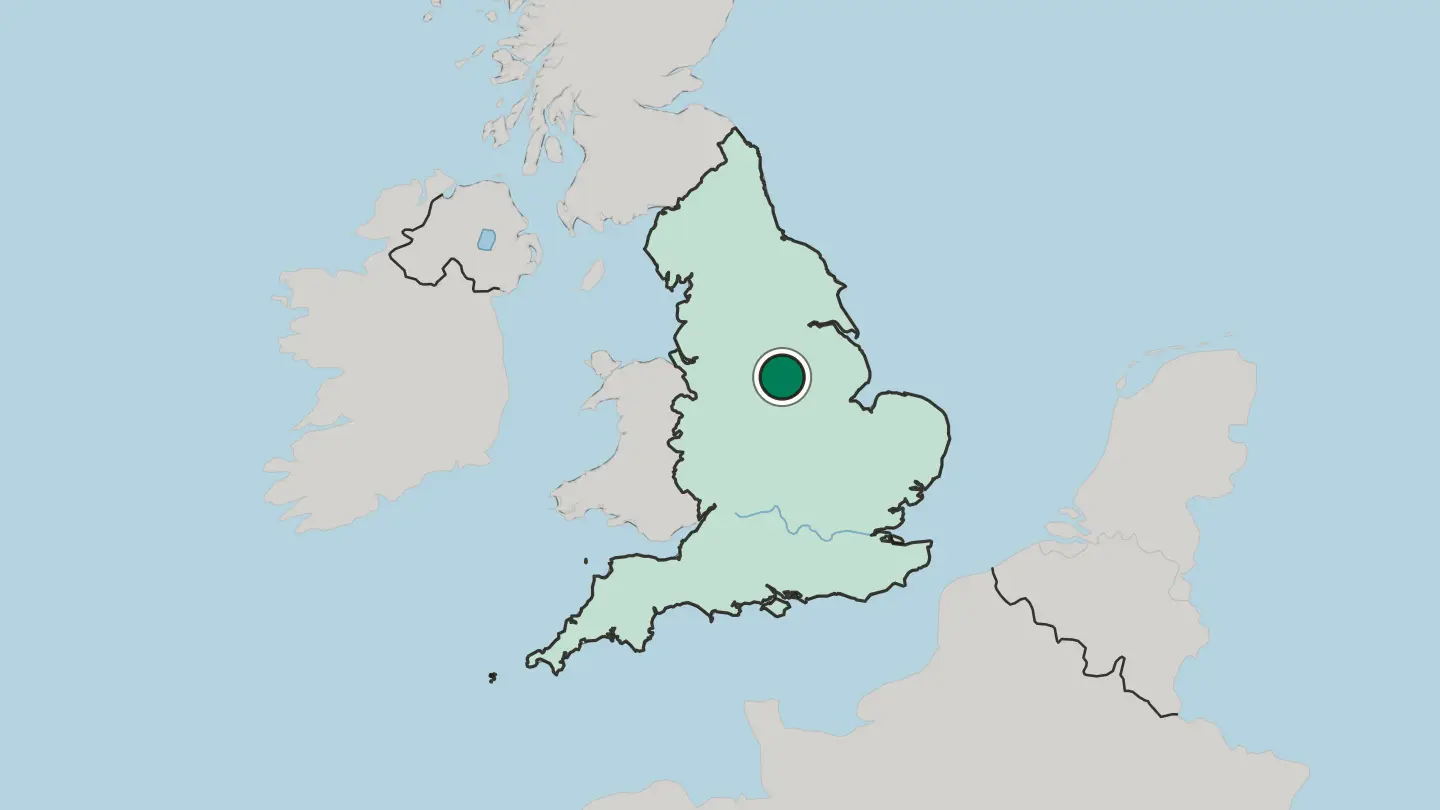
 United Kingdom
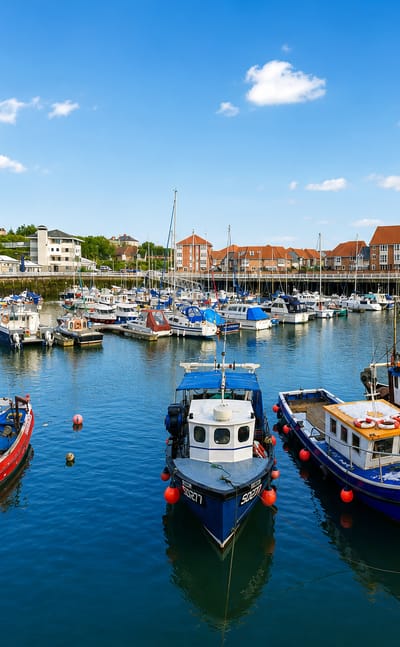
Sunderland
The River Wear meets the North Sea at Sunderland, a port city in England known for the National Glass Centre and the twin churches at Monkwearmouth.Where to stay →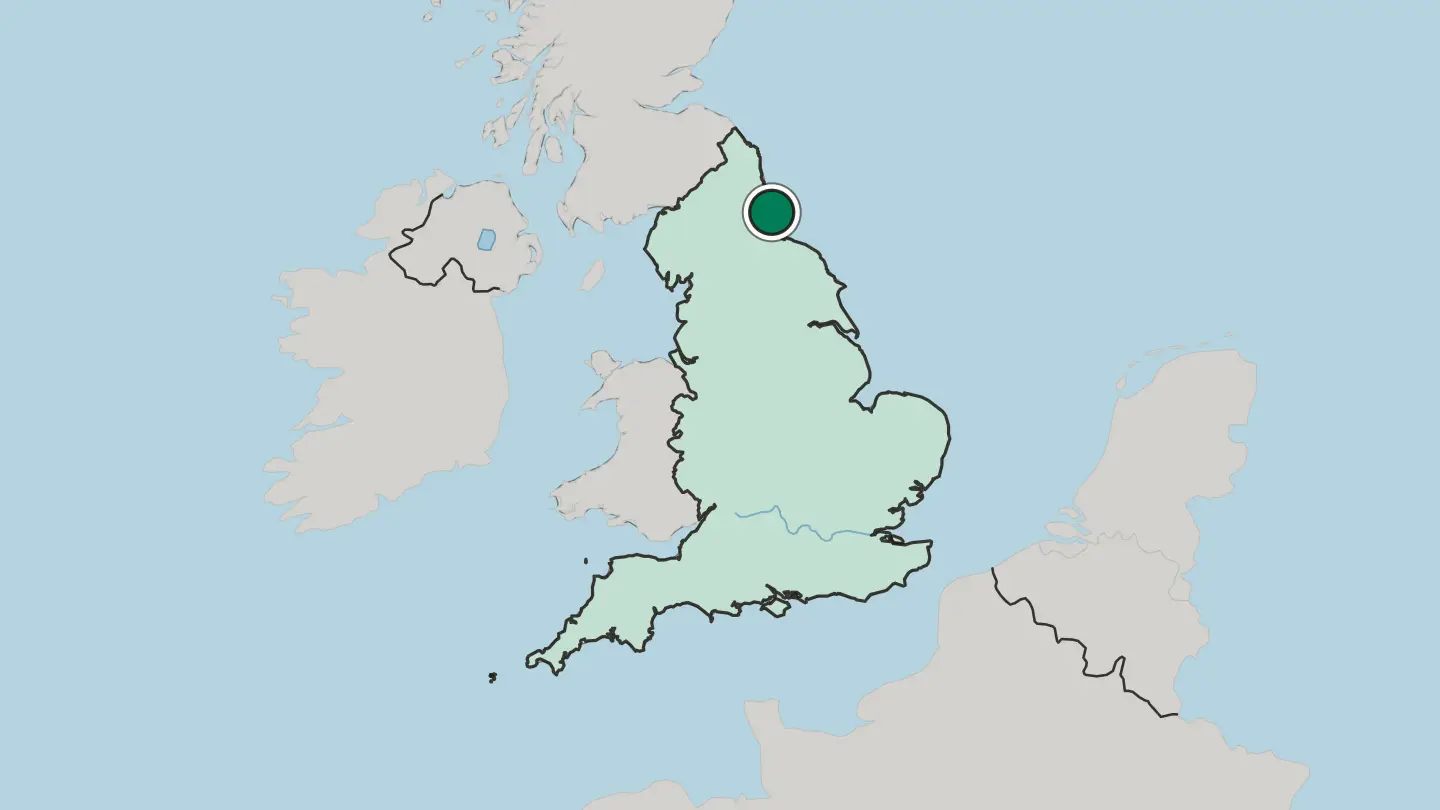
 United Kingdom
Ilford
Ilford is a large town in East London, part of the London Borough of Redbridge, with Valentines Mansion and Barking Abbey within reach.Where to stay →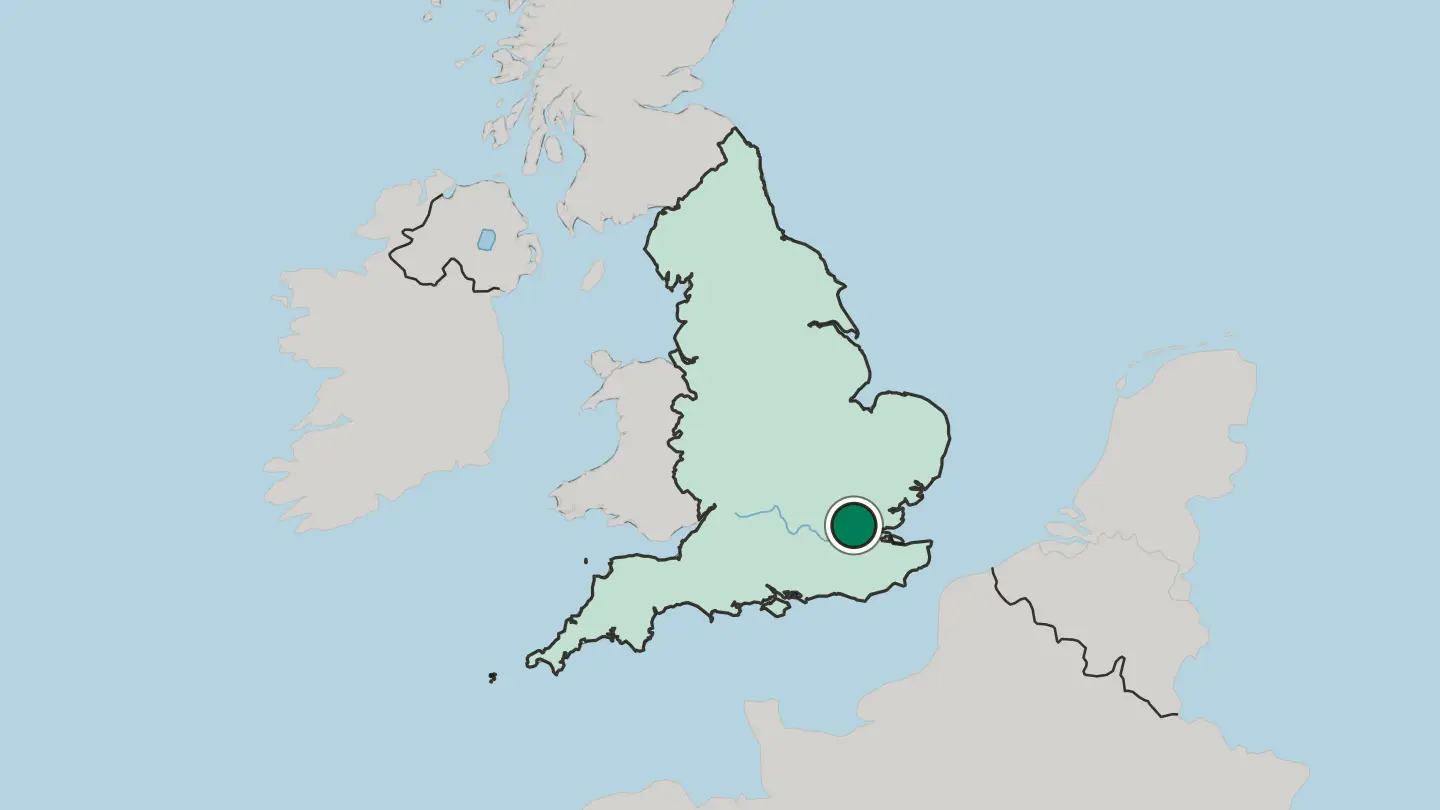
 United Kingdom
Slough
Slough is a Berkshire town in the Thames Valley, west of central London at the meeting of the M4, M40 and M25, with Windsor Castle close by.Where to stay →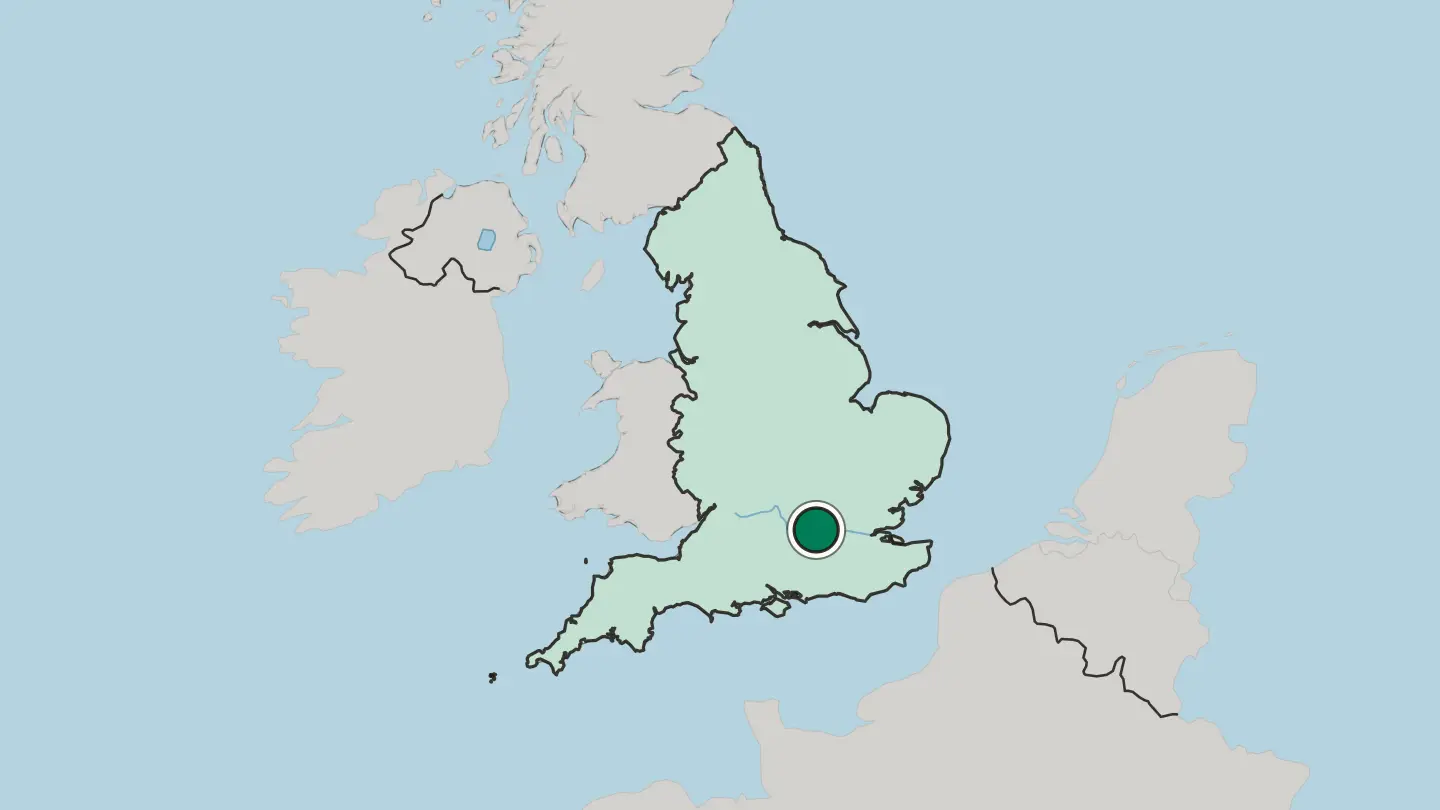
 United Kingdom
Bournemouth
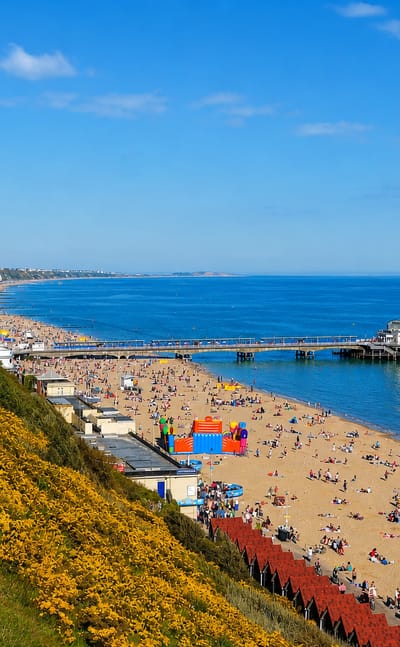
Sand runs for miles below the cliffs at Bournemouth, a seaside resort in Dorset, England, founded in 1810 and known for its long beach and pier.Where to stay →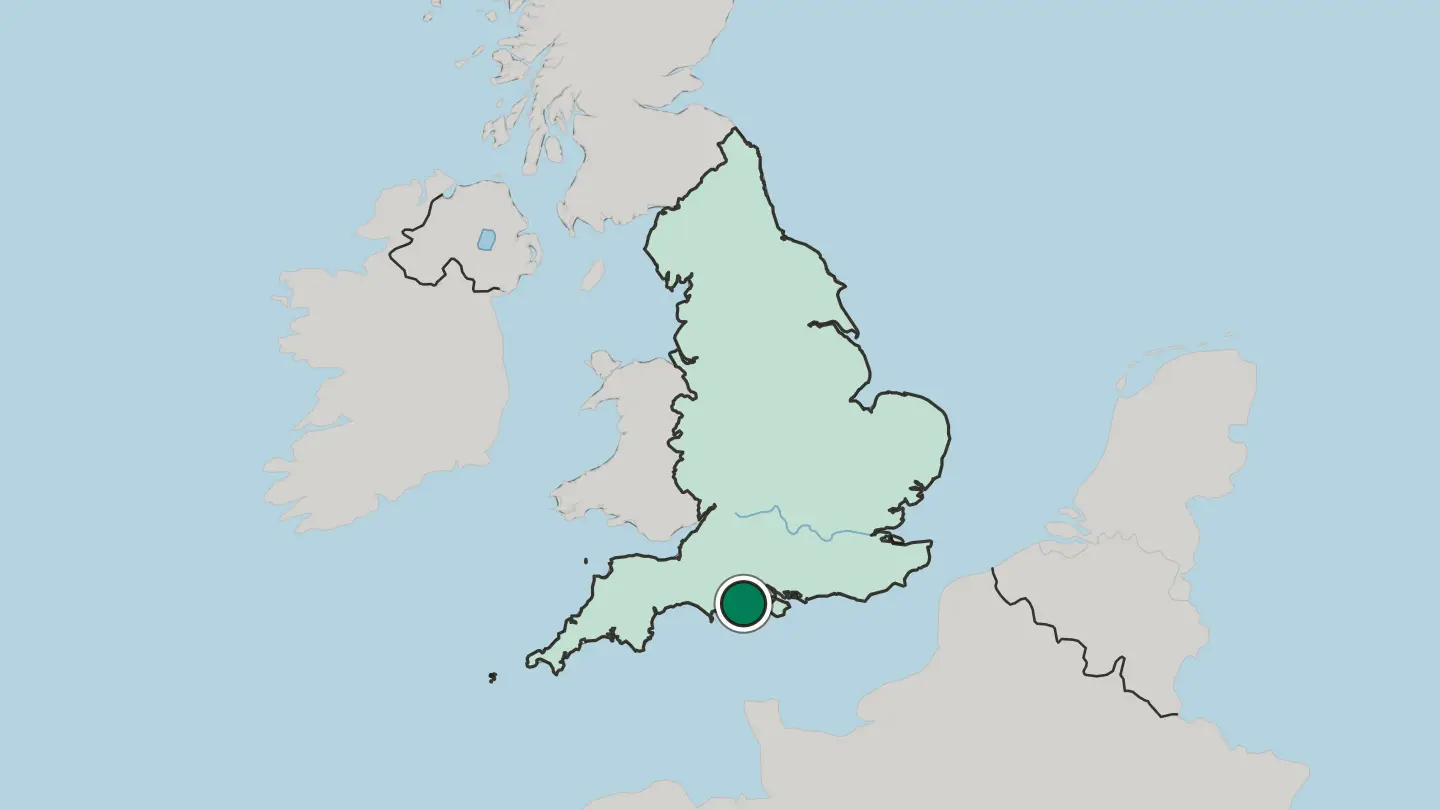
 United Kingdom
Peterborough
Peterborough is a cathedral city on the River Nene in Cambridgeshire, England, grown around an abbey founded in 655.Where to stay →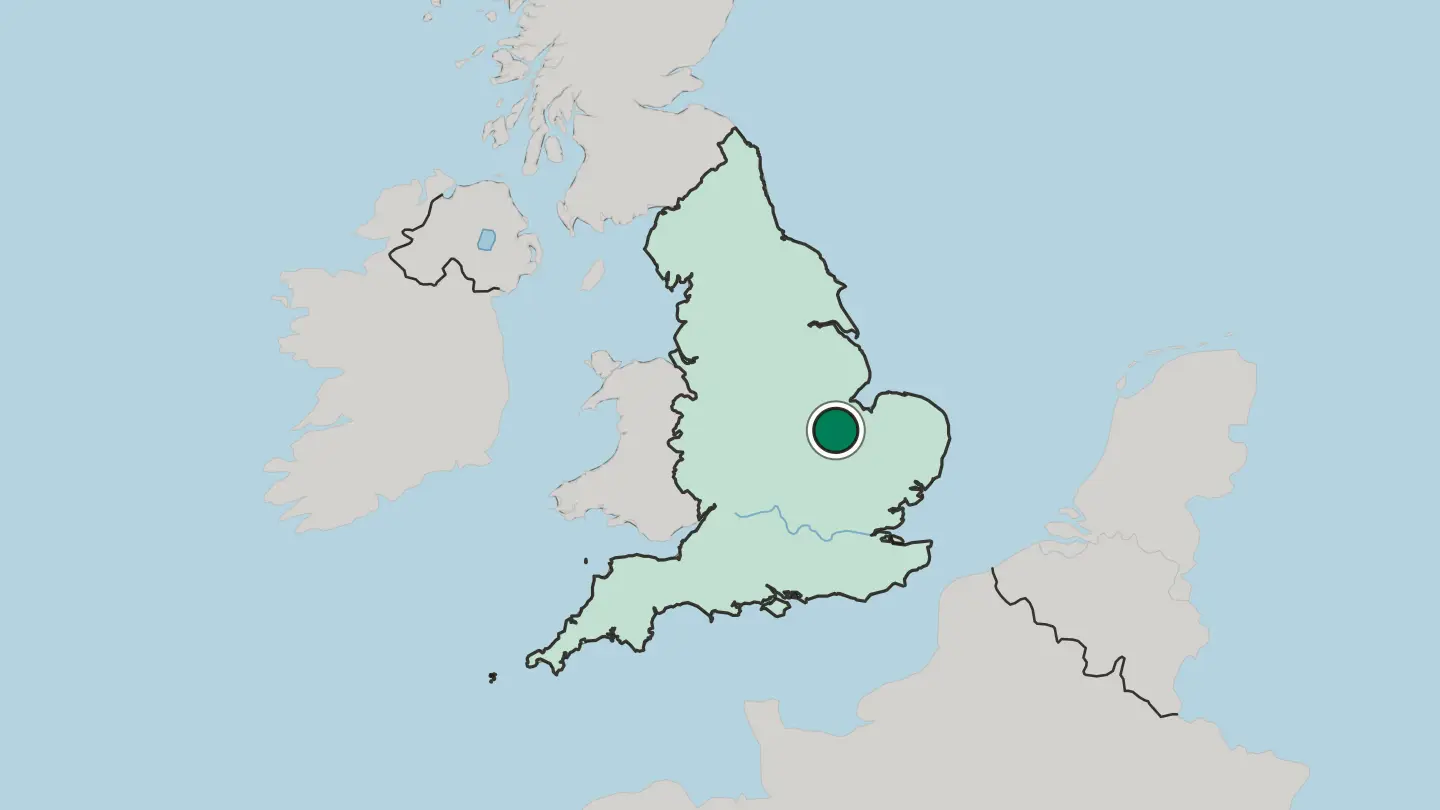
 United Kingdom
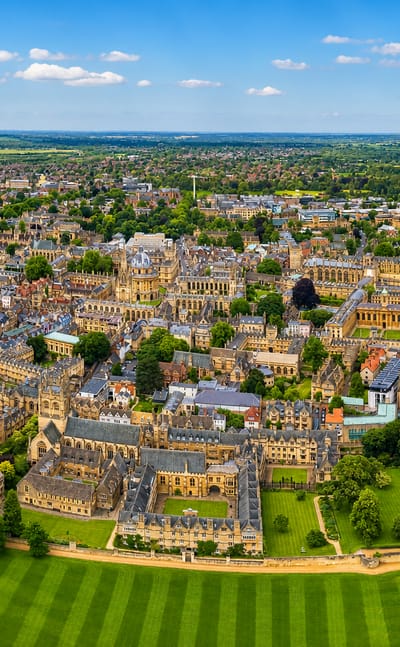
Oxford
College towers rise over Oxford, a university city in Oxfordshire, England, set on the Thames and the Cherwell and known for its Ashmolean Museum.Where to stay →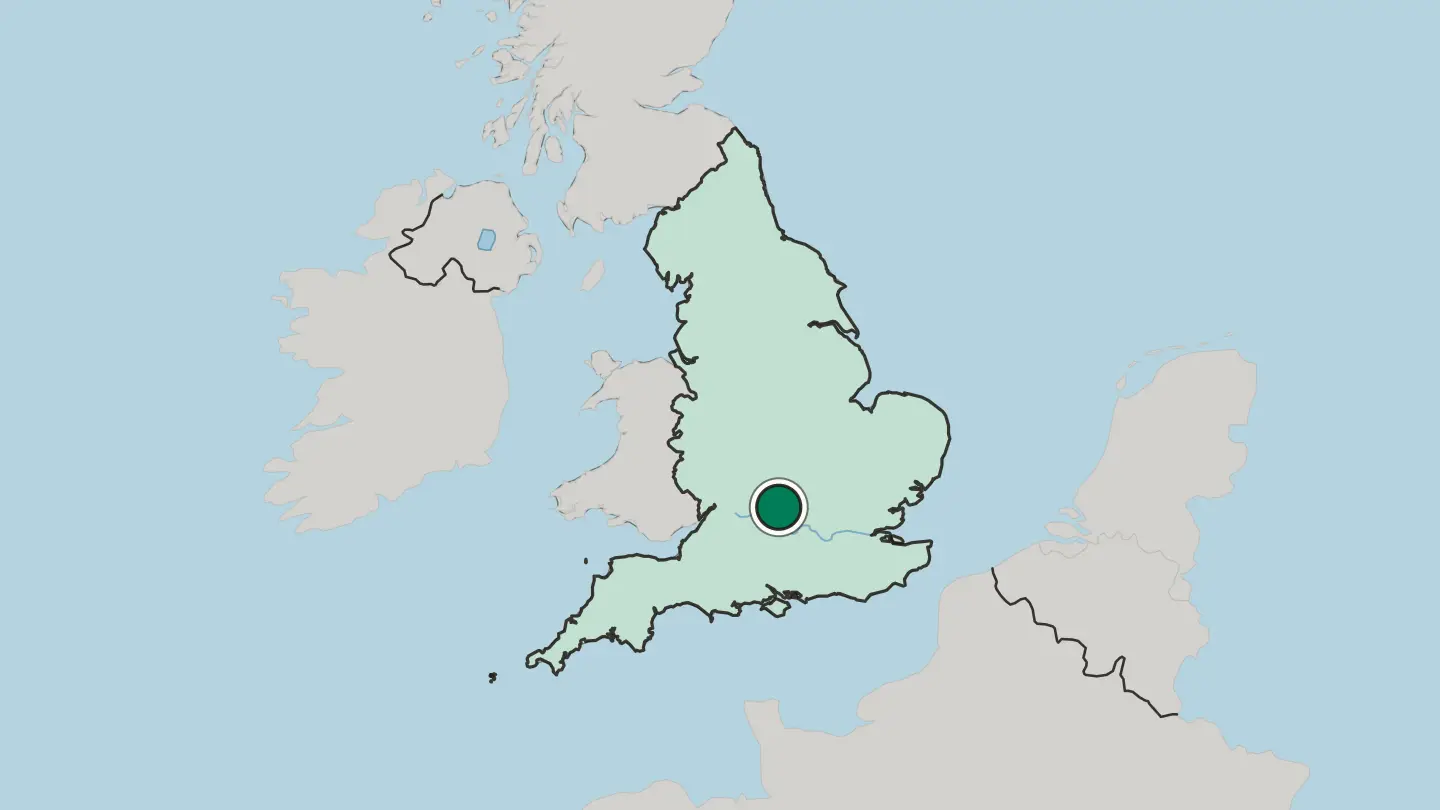
 United Kingdom
Enfield Town
Enfield Town is the old core of Enfield, a large town in north London, with Forty Hall and Myddelton House among its surviving named houses.Where to stay →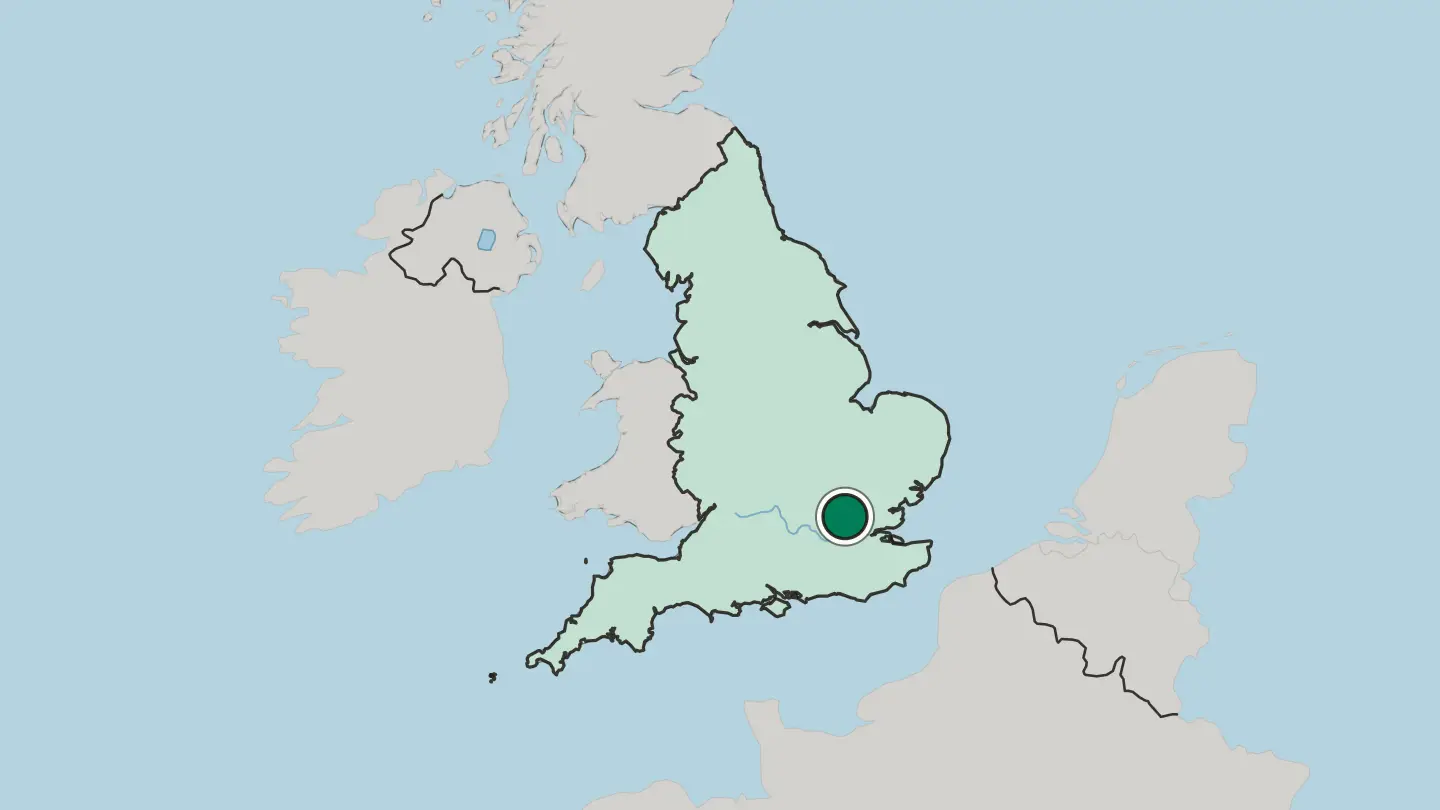
 United Kingdom
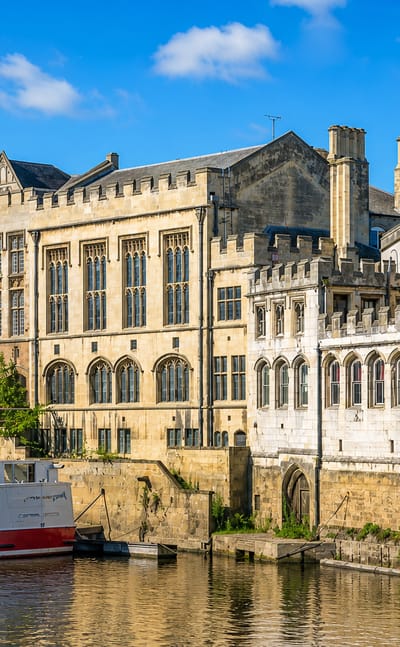
York
Roman walls ring the old core of York, a cathedral city in England, United Kingdom, known for York Minster and the medieval lane of the Shambles.Where to stay →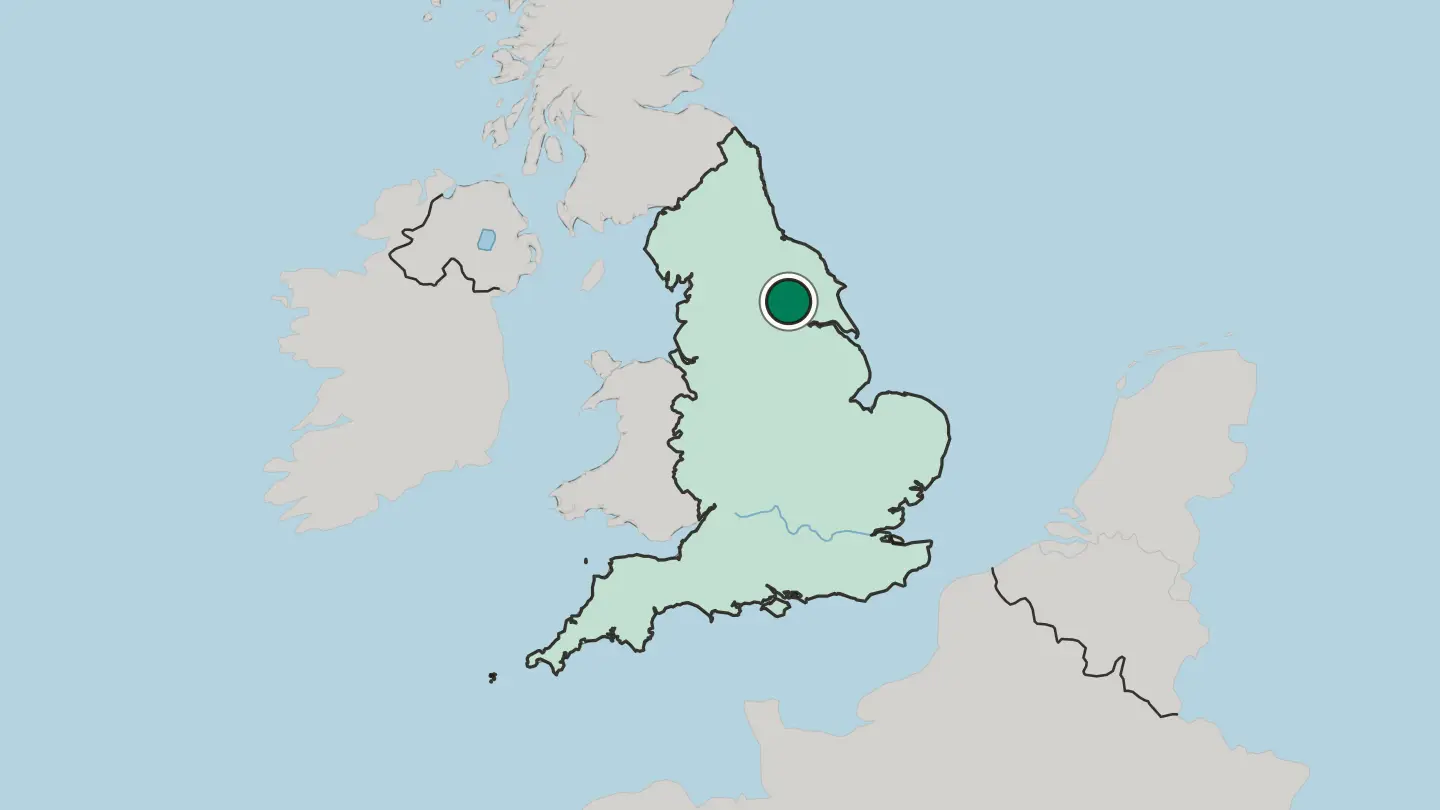
 United Kingdom
Telford
Telford is a new town on the Shropshire Coalfield in England, grown from villages around the Ironbridge Gorge near the hill called The Wrekin.Where to stay →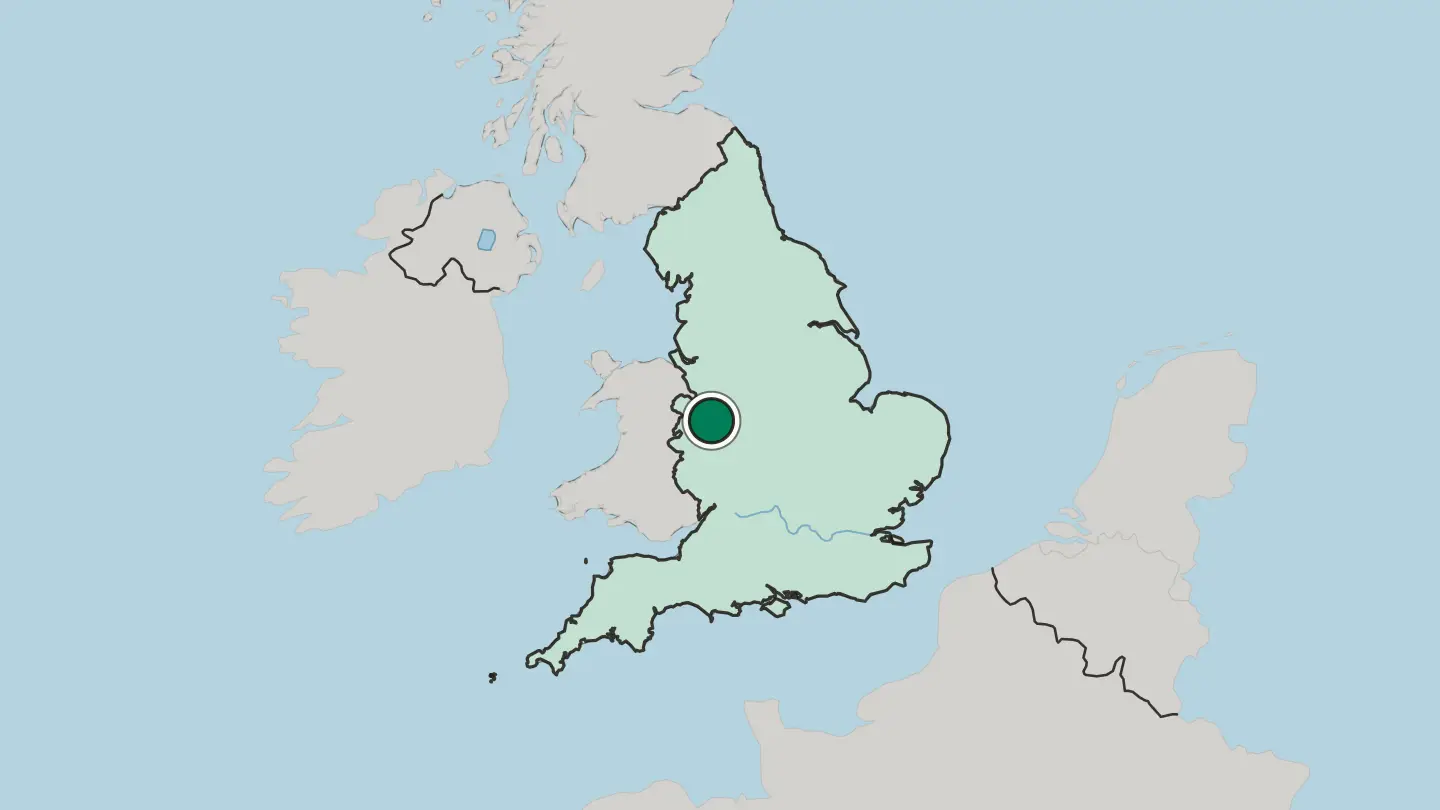
 United Kingdom
Poole
Poole is a Dorset seaport on a large natural harbour, with Brownsea Island offshore, Blue Flag beaches and the Lighthouse arts centre.Where to stay →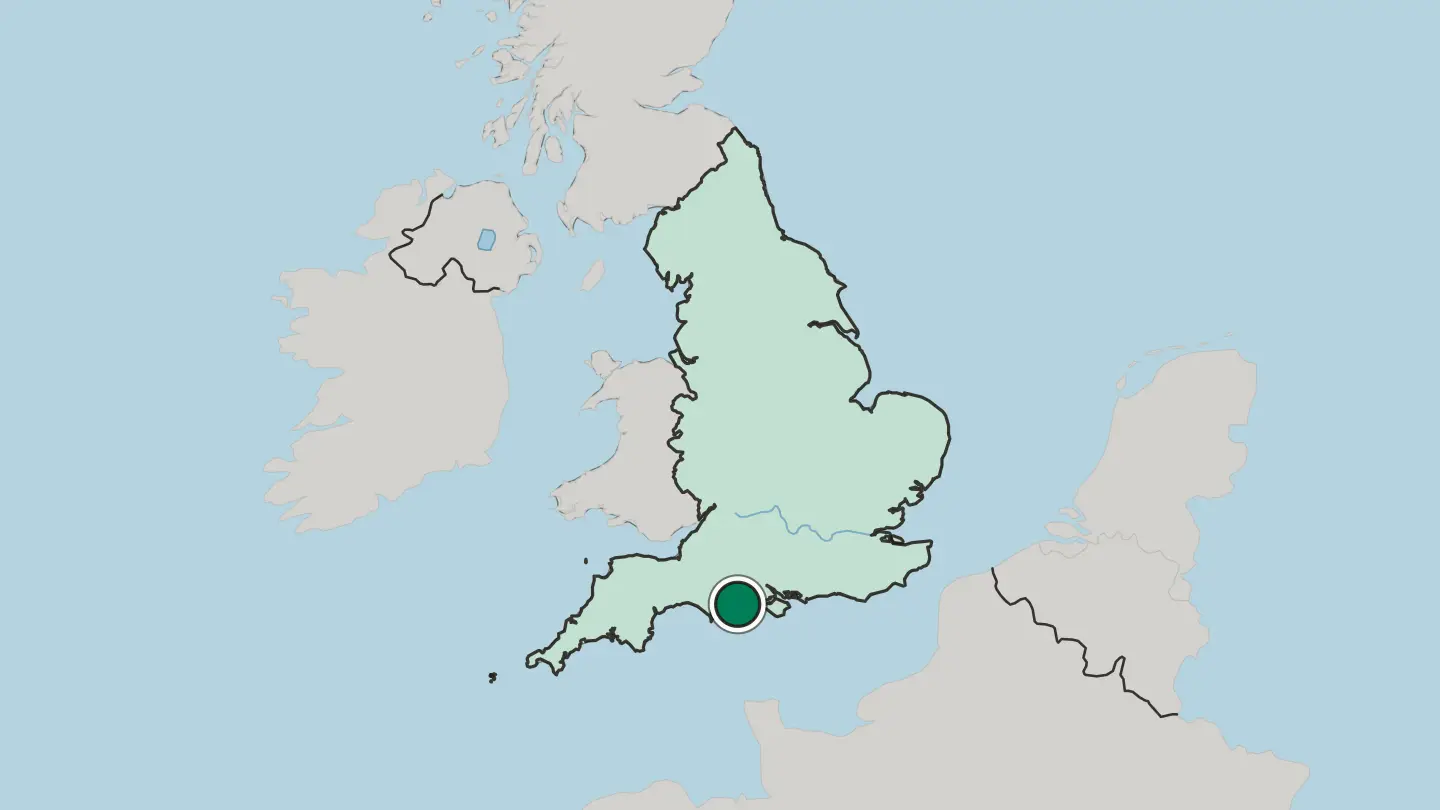
 United Kingdom
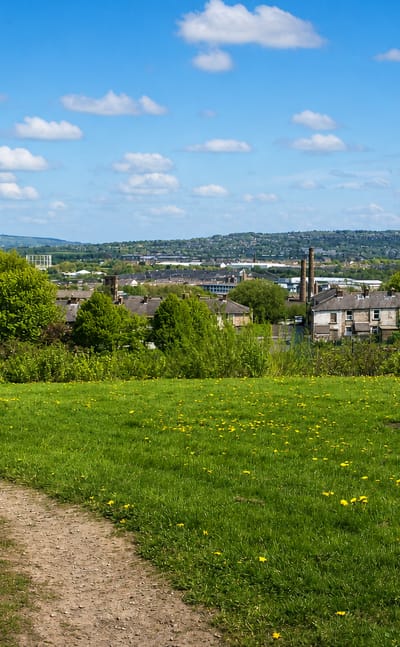
Burnley
Mill chimneys frame Burnley, a town where the River Brun meets the River Calder in Lancashire, known for Towneley Hall and the Weavers' Triangle.Where to stay →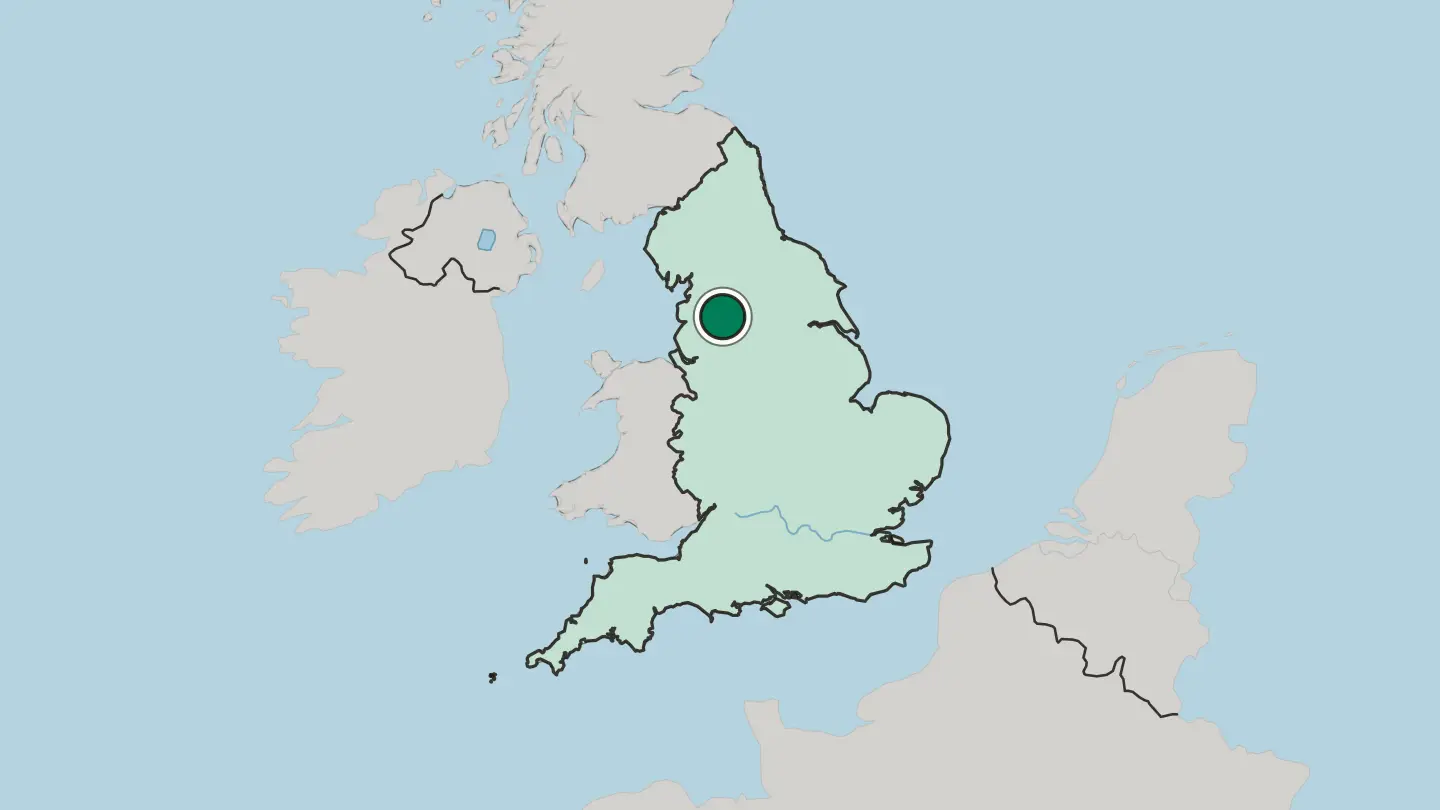
 United Kingdom
Harrow
Harrow is a town in Greater London, England, the principal settlement of its borough, gathered on and under the rise at Harrow on the Hill.Where to stay →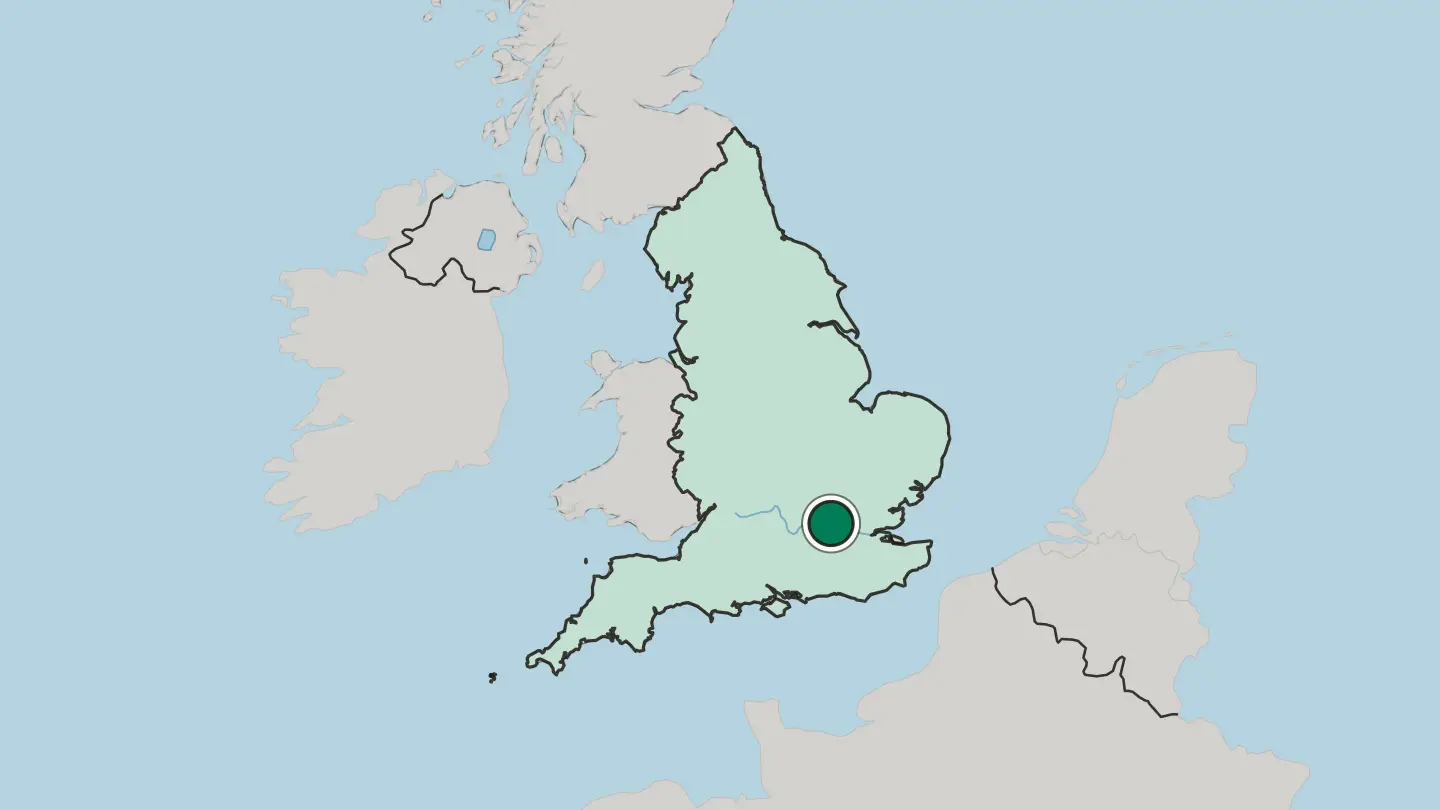
 United Kingdom
Huddersfield
Huddersfield is a textile town in the Pennine foothills of West Yorkshire, where the River Holme meets the Colne, and the centre of the Kirklees district.Where to stay →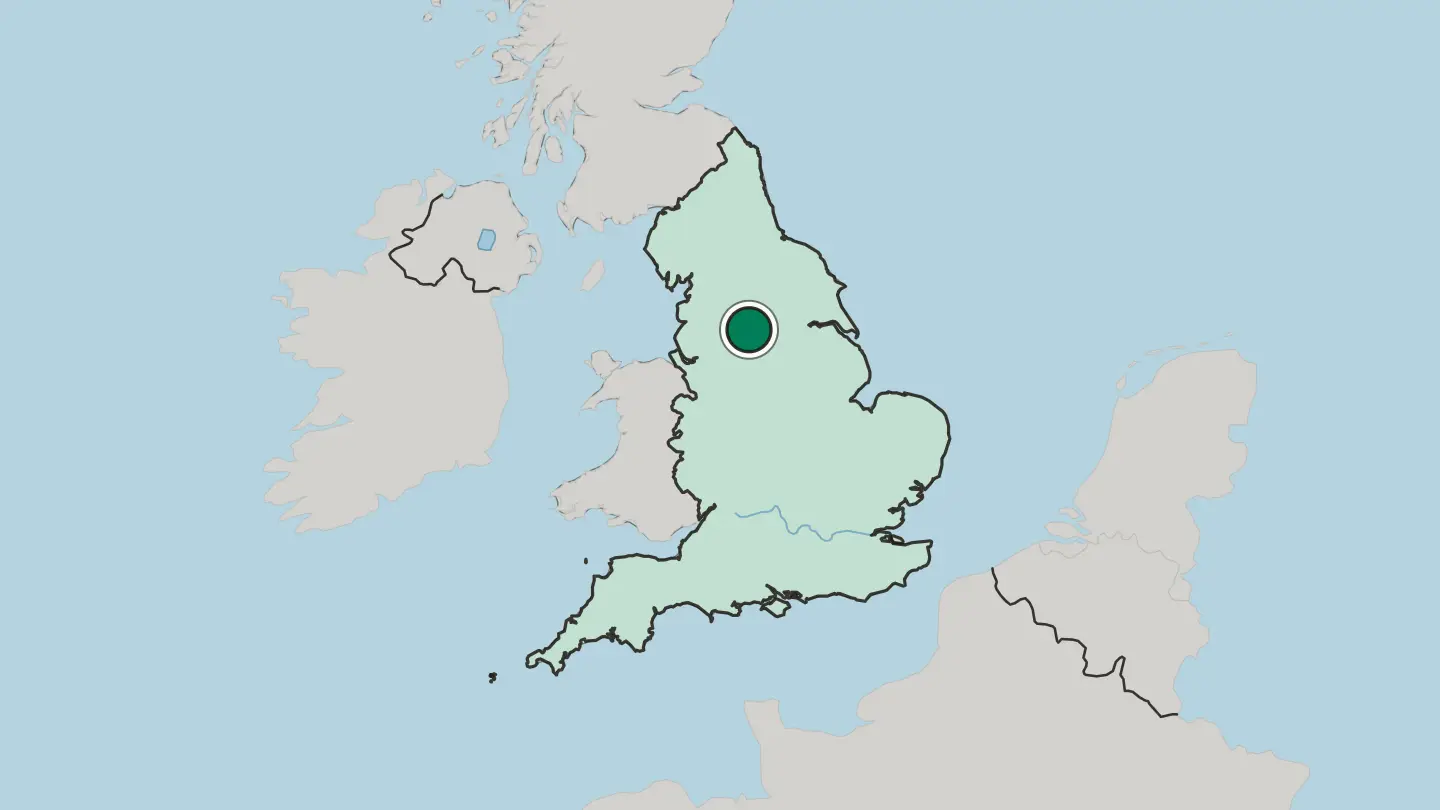
 United Kingdom
Blackburn
Blackburn is the administrative centre of Blackburn with Darwen, an industrial Lancashire town under the West Pennine Moors.Where to stay →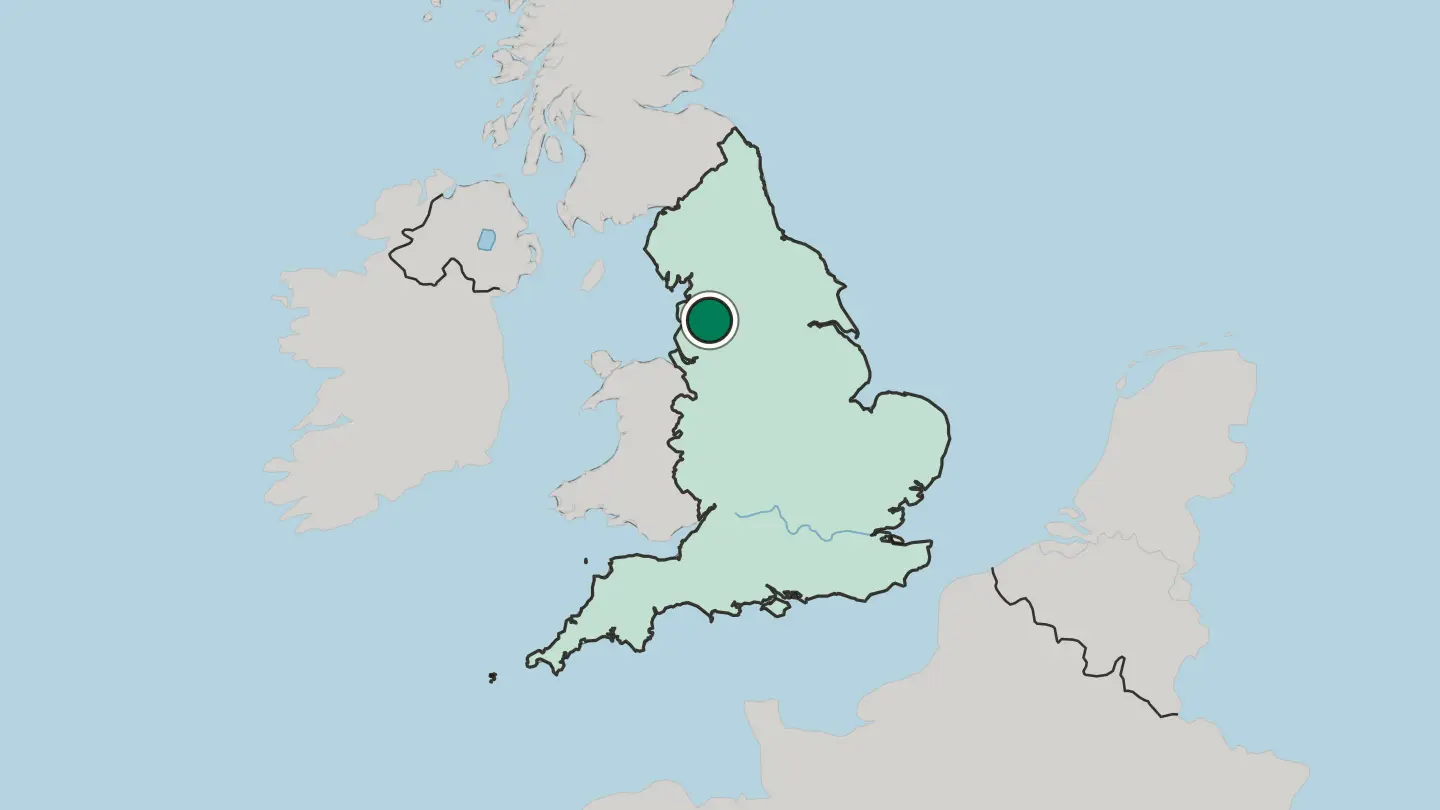
 United Kingdom
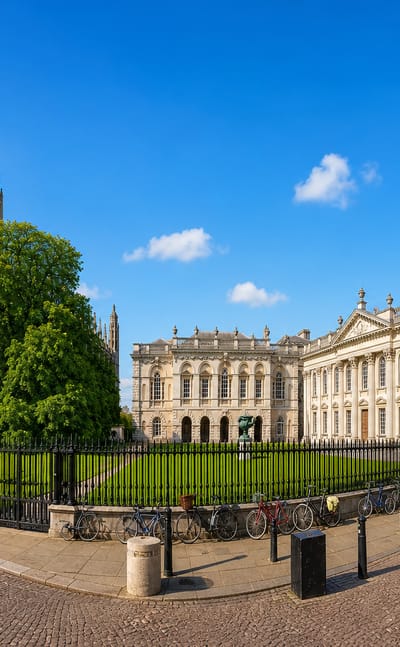
Cambridge
College spires and old stone gather at Cambridge, a university city in England known for Trinity College Chapel and the Fitzwilliam Museum.Where to stay →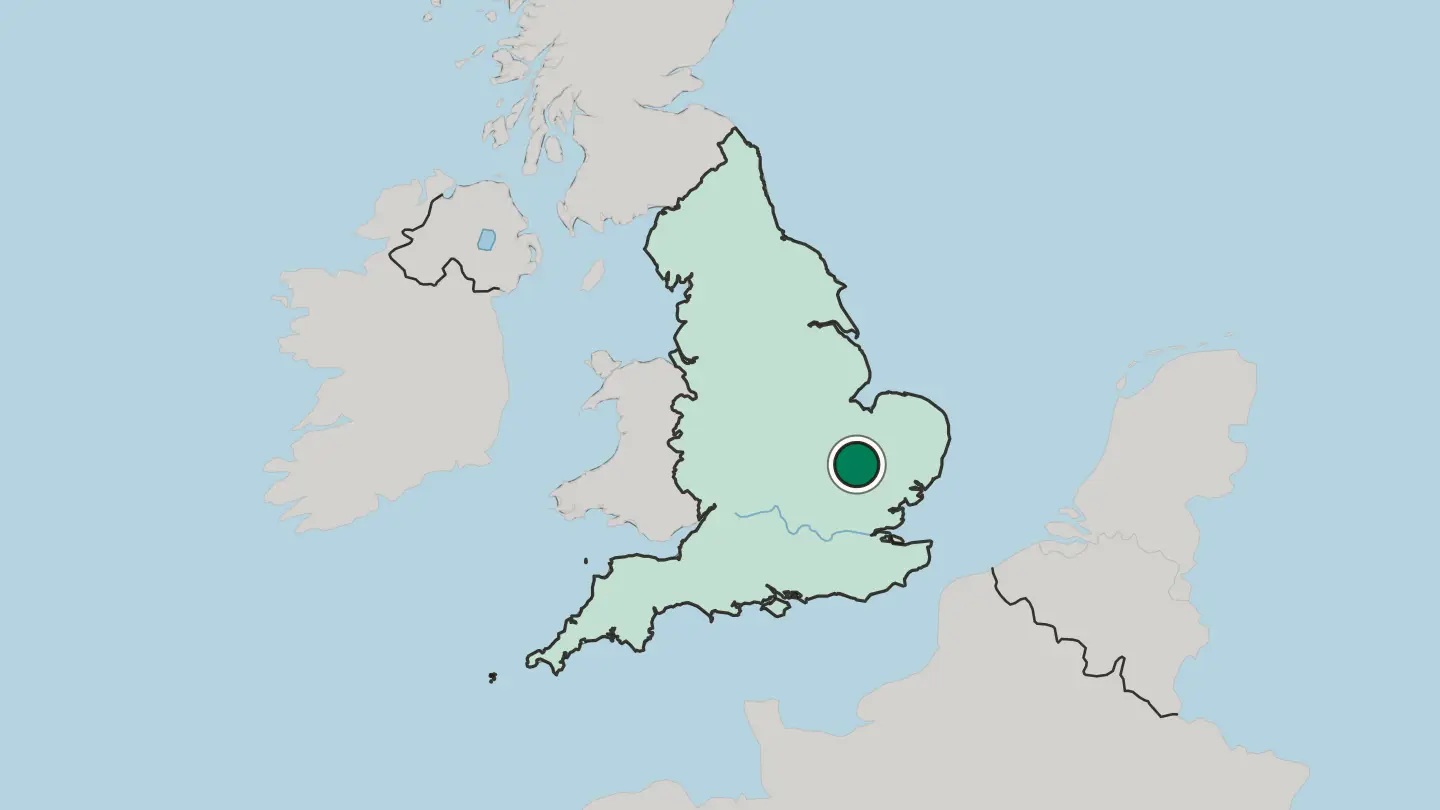
 United Kingdom
Blackpool
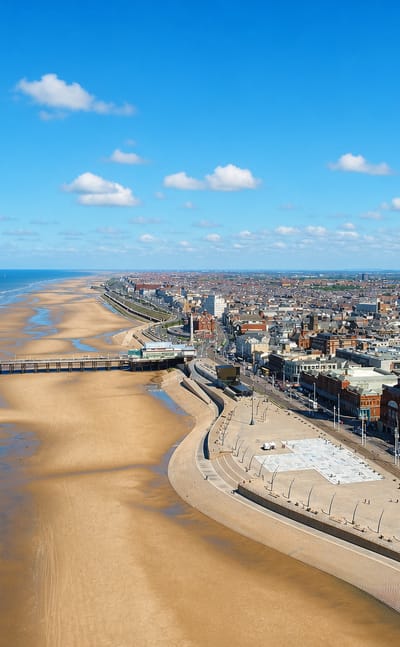
Salt air carries down the front at Blackpool, a resort town on the Irish Sea in Lancashire, known for Blackpool Tower and the Pleasure Beach Resort.Where to stay →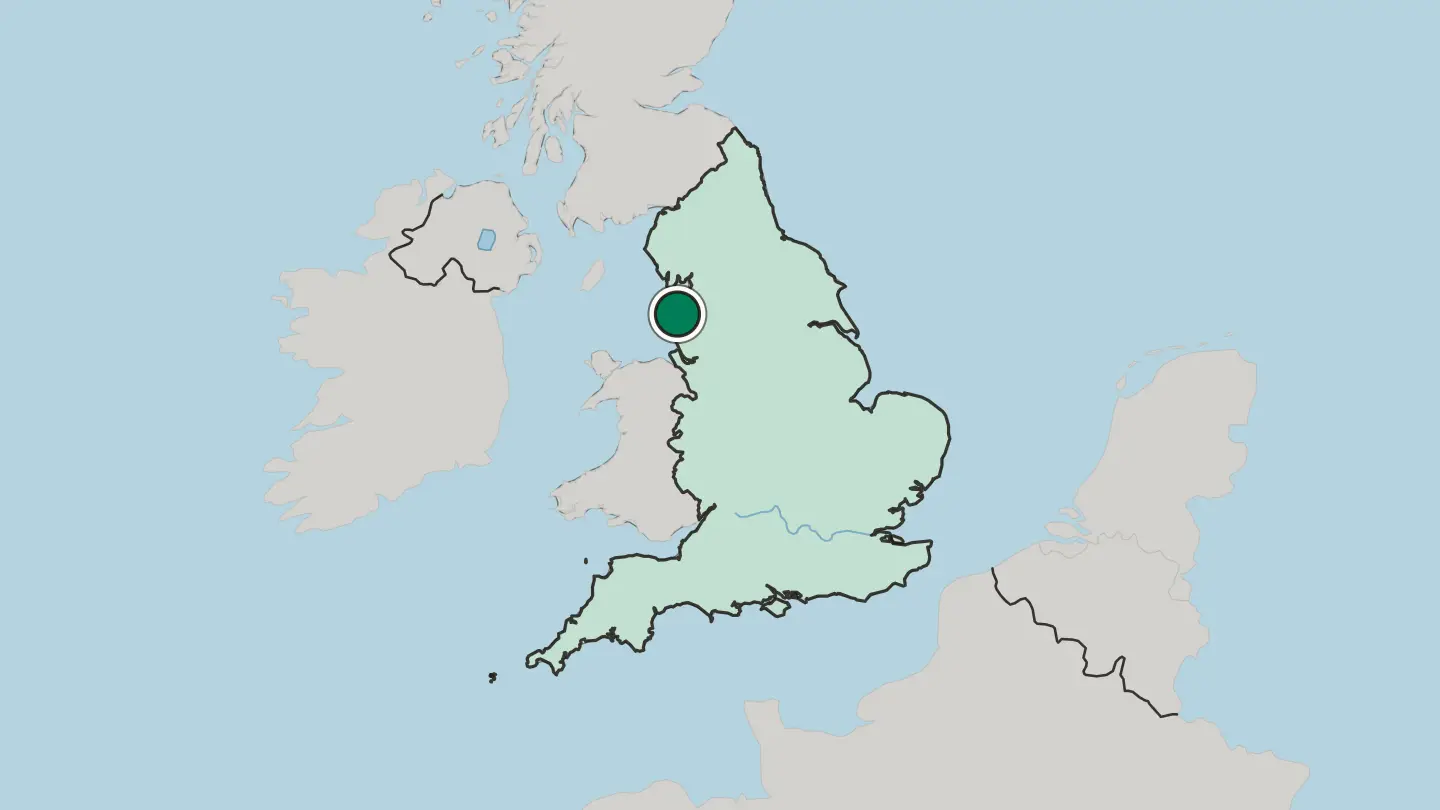
 United Kingdom
Basildon
Basildon is a town in Essex, 27 miles east of Central London and 10 miles west of Southend-on-Sea, and it names the borough around it.Where to stay →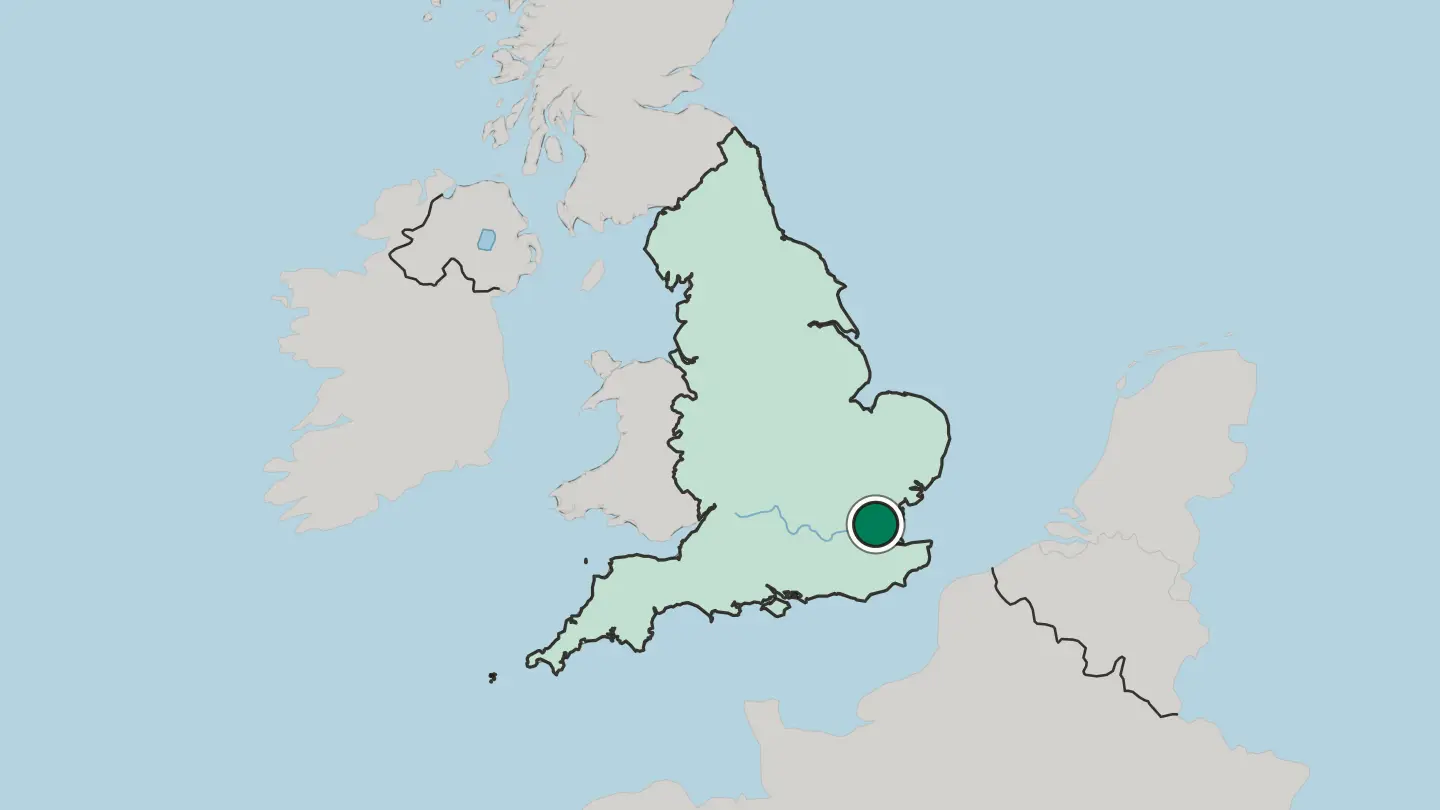
 United Kingdom
Norwich
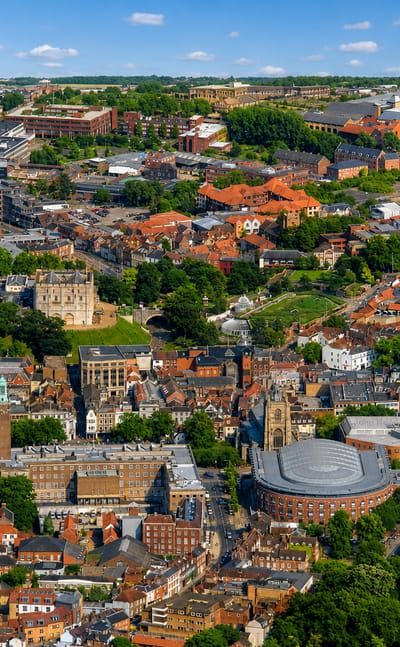
Norwich is a cathedral city of England, its skyline held by Norwich Castle and a dense crowd of medieval parish churches.Where to stay →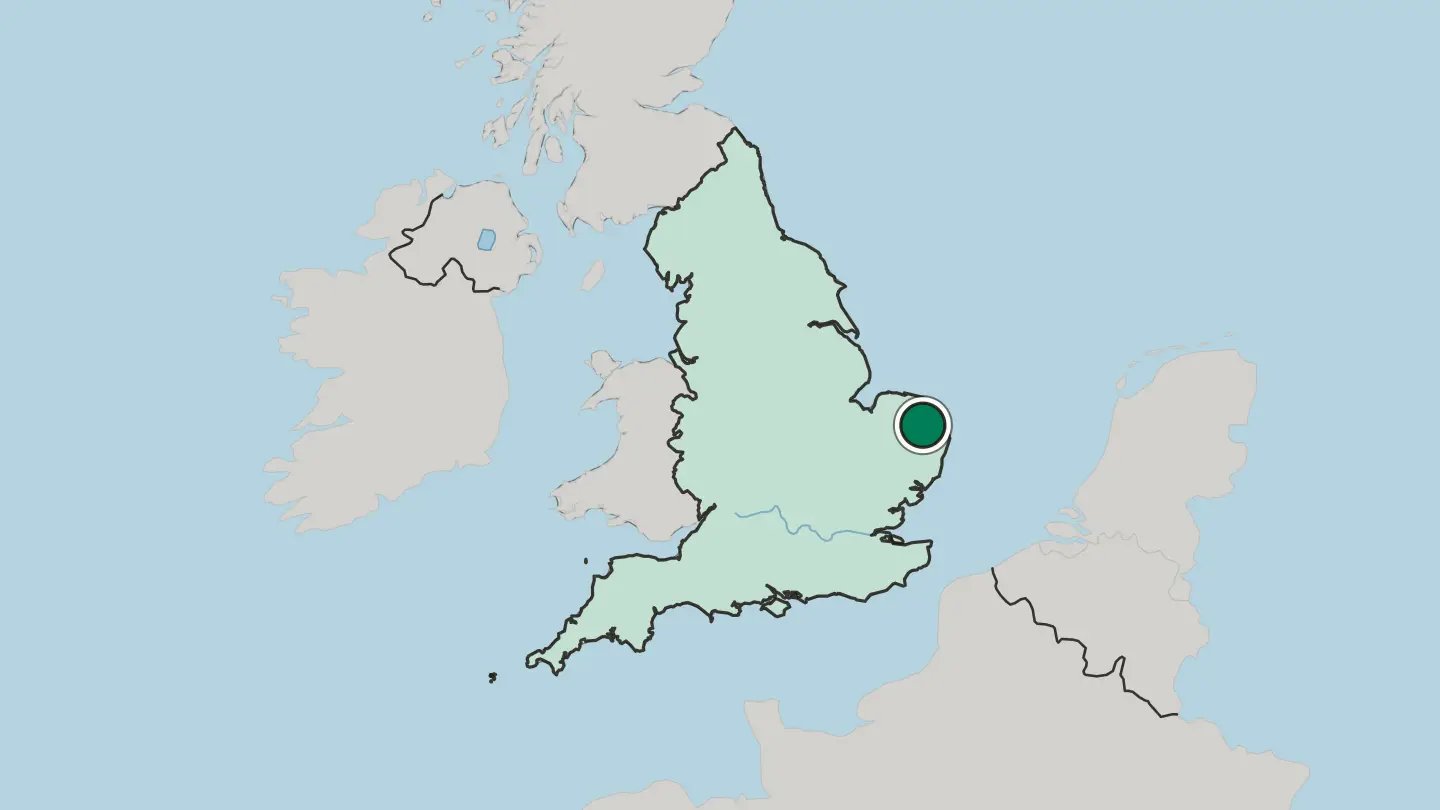
 United Kingdom
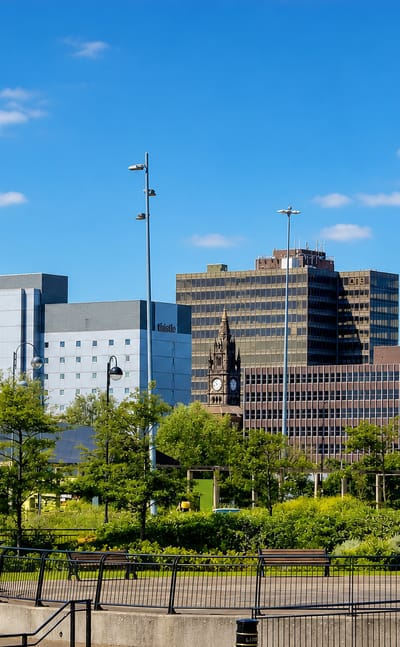
Middlesbrough
Middlesbrough is an industrial town on Teesside in England, founded in 1830 and built on iron and steel.Where to stay →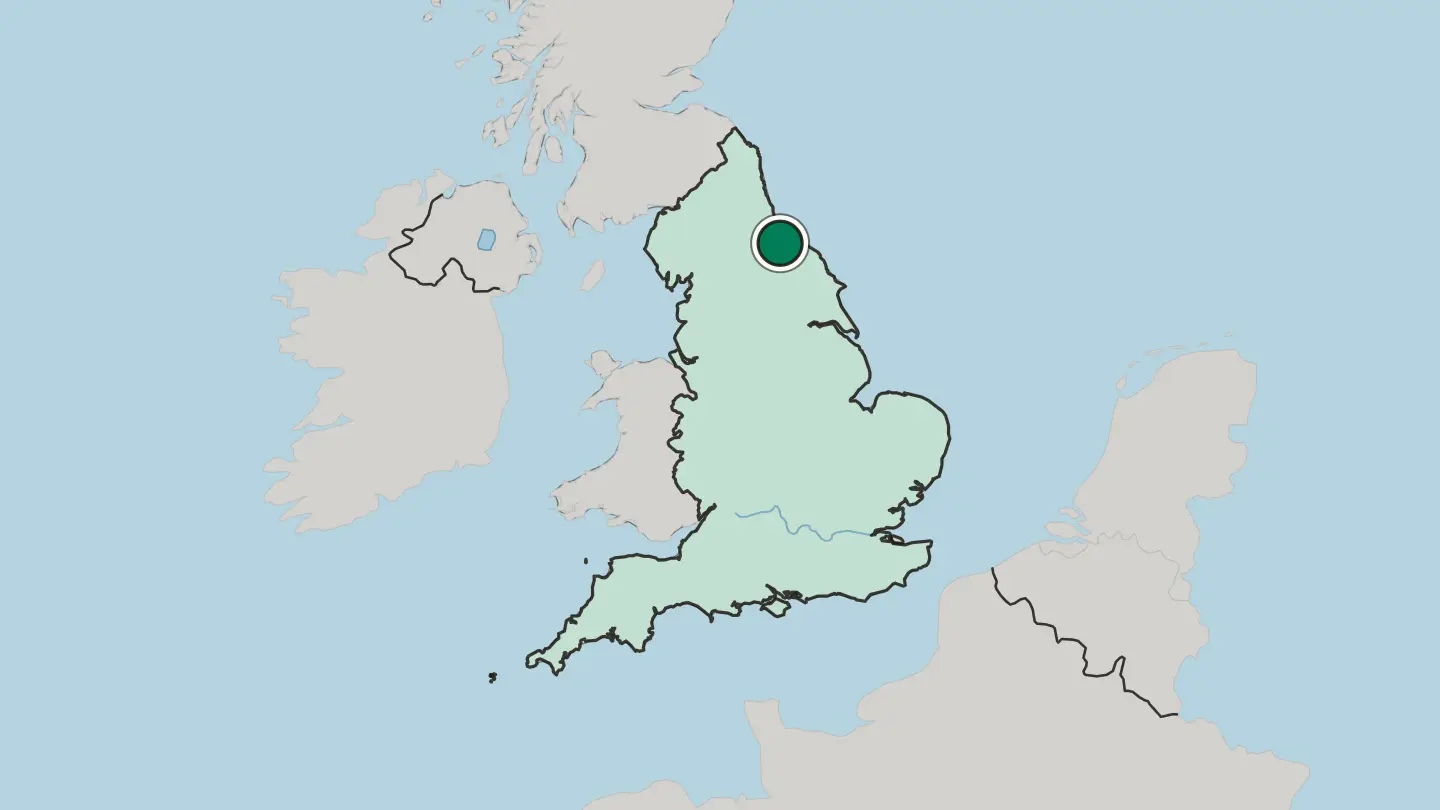 United Kingdom
Bolton
Bolton stands in the foothills of the West Pennine Moors, a Greater Manchester town built on cotton, coal and canals.Where to stay →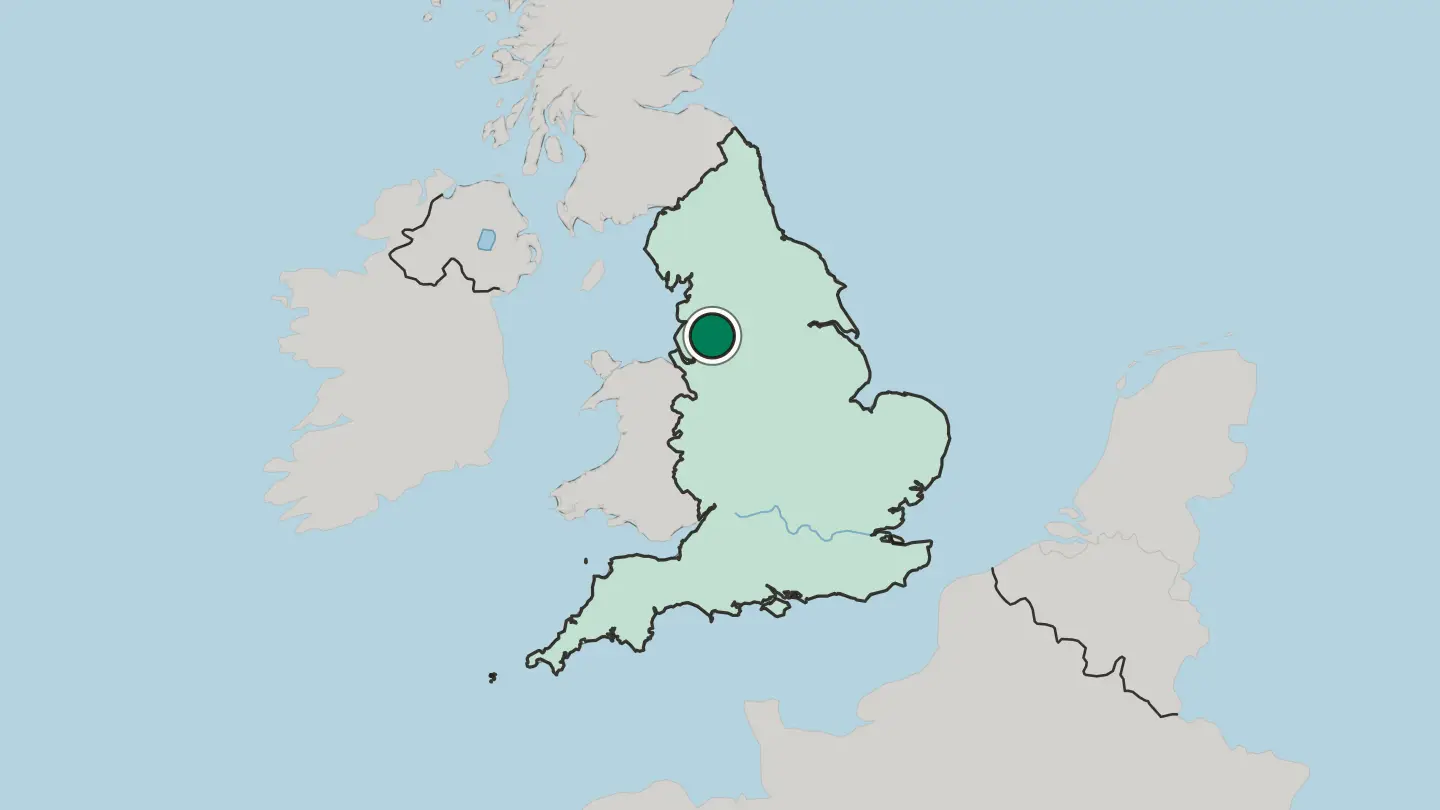
 United Kingdom
Stockport
Stockport stands where the Goyt and the Tame join to form the Mersey, a Greater Manchester town holding Bramall Hall and the Hat Works.Where to stay →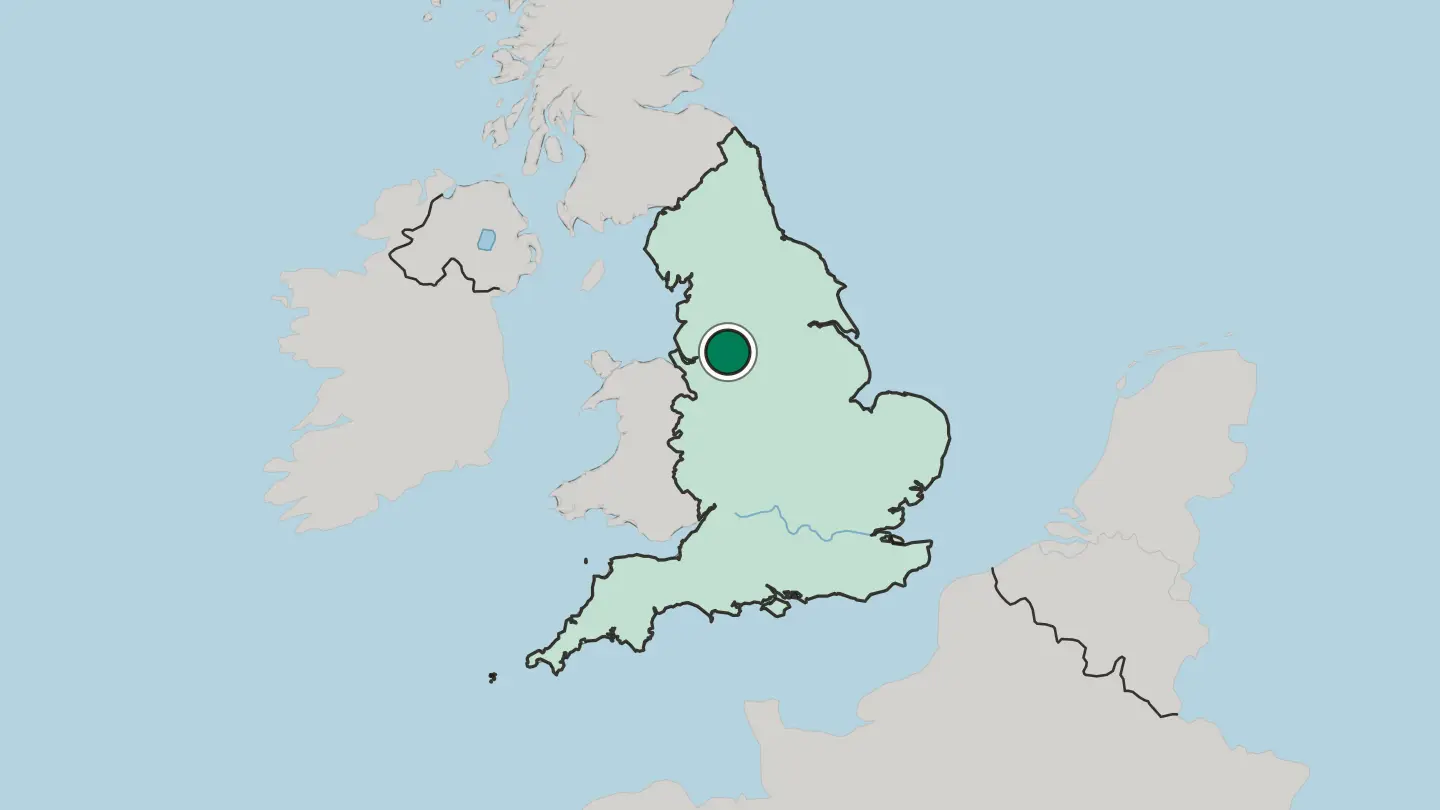
 United Kingdom
High Wycombe
High Wycombe is a Buckinghamshire market town in the River Wye valley, ringed by the Chiltern Hills, with Hughenden Manor and a medieval market.Where to stay →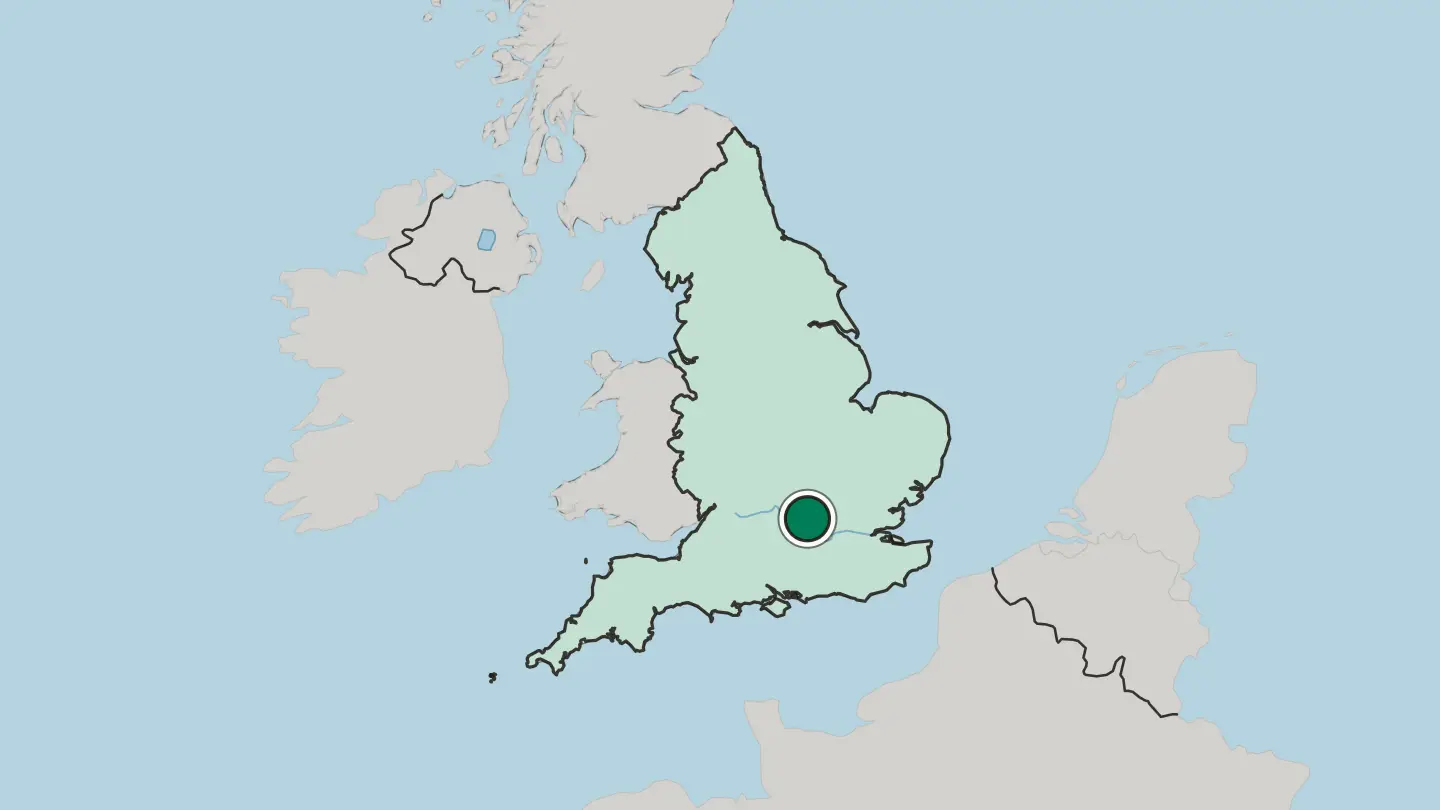
 United Kingdom
Gloucester
Gloucester is a cathedral city on the River Severn in Gloucestershire, England, grown from the Roman colonia of Glevum.Where to stay →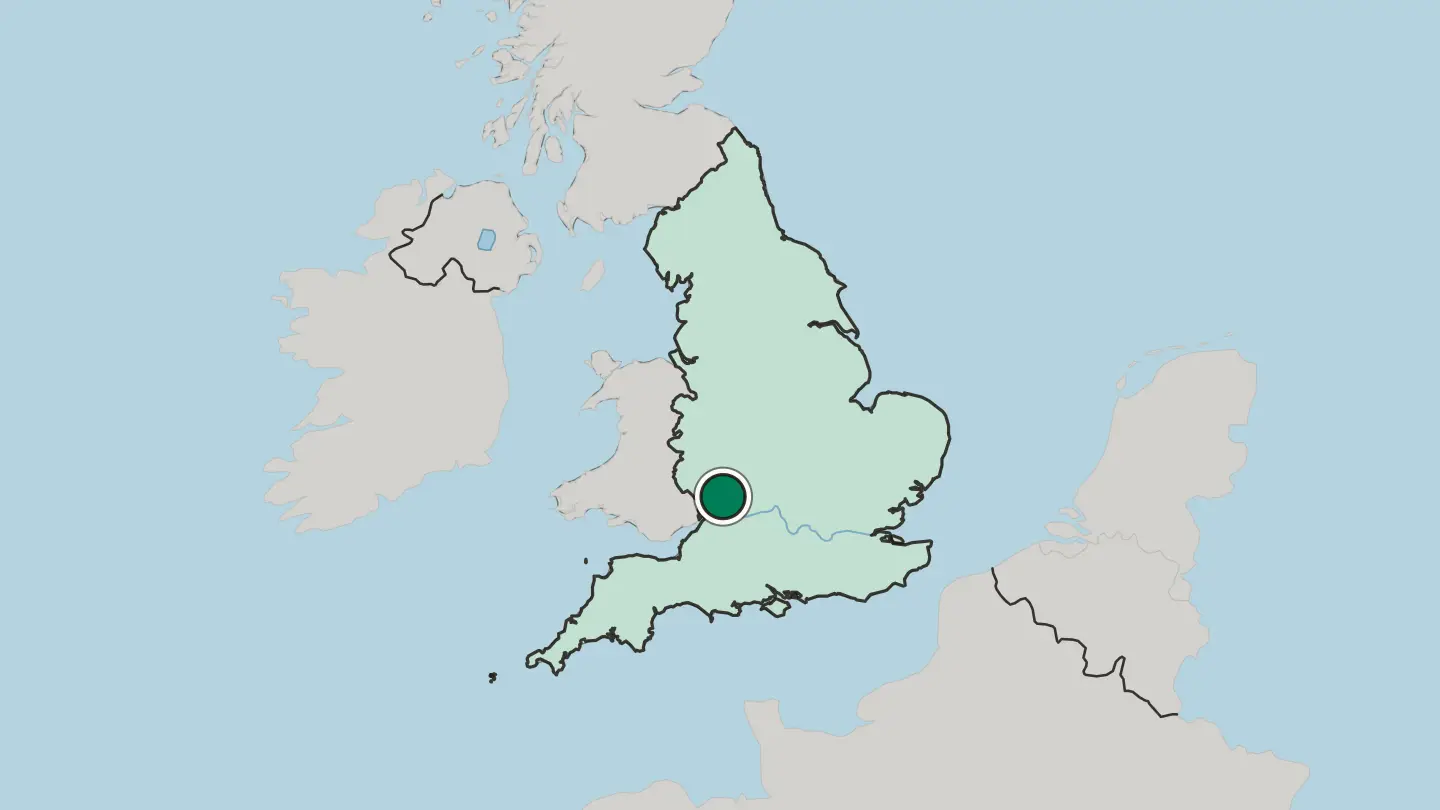
 United Kingdom
Exeter
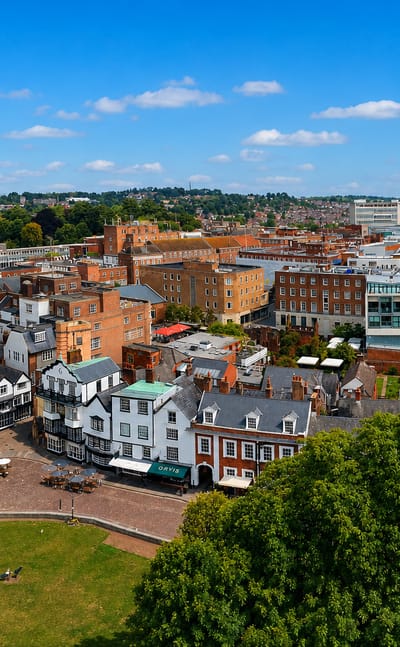
Exeter is a cathedral city on the River Exe in Devon, South West England, and the county town of Devon.Where to stay →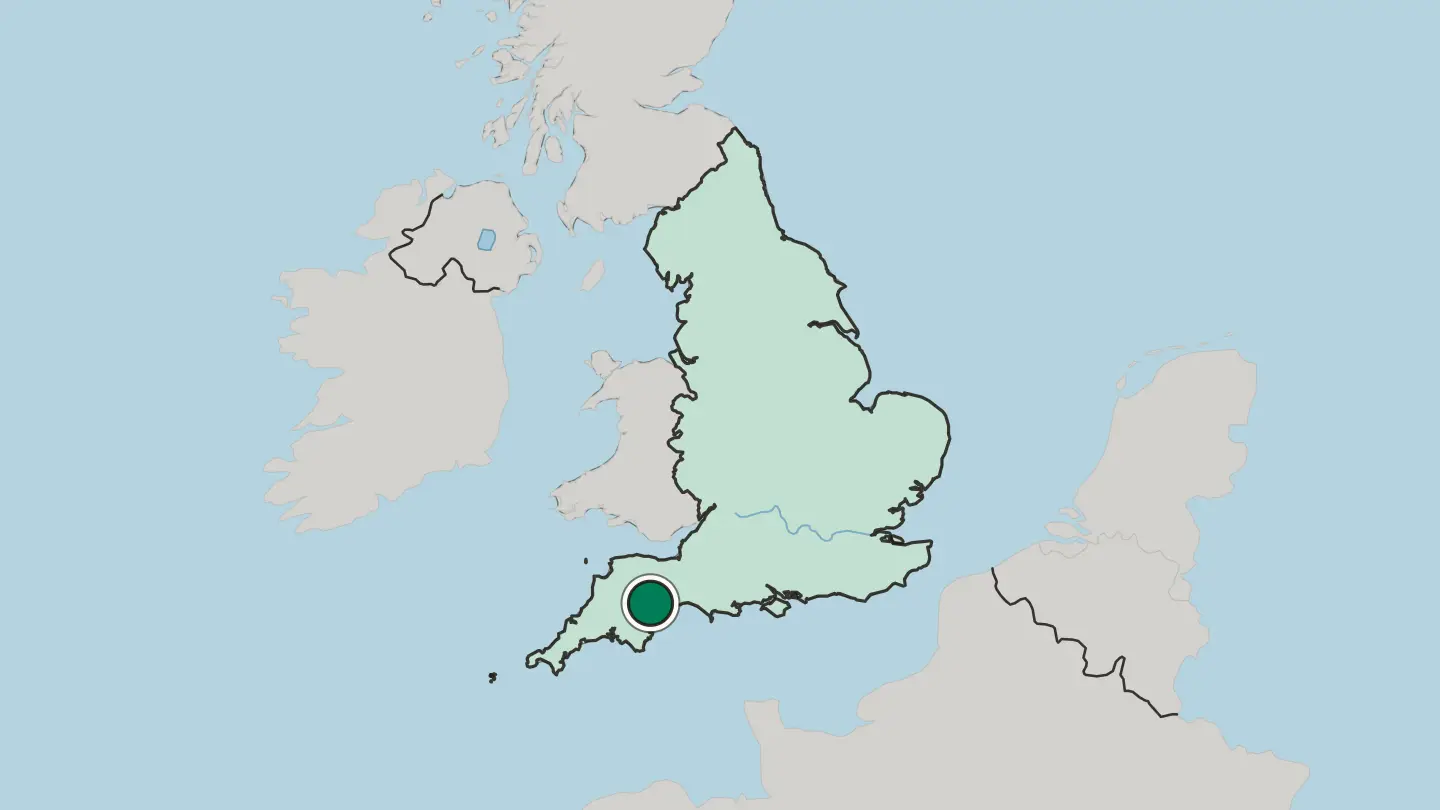
 United Kingdom
Colchester
Colchester is a historic city in Essex, England, once the Roman Camulodunum, crowned by the great Norman keep of Colchester Castle.Where to stay →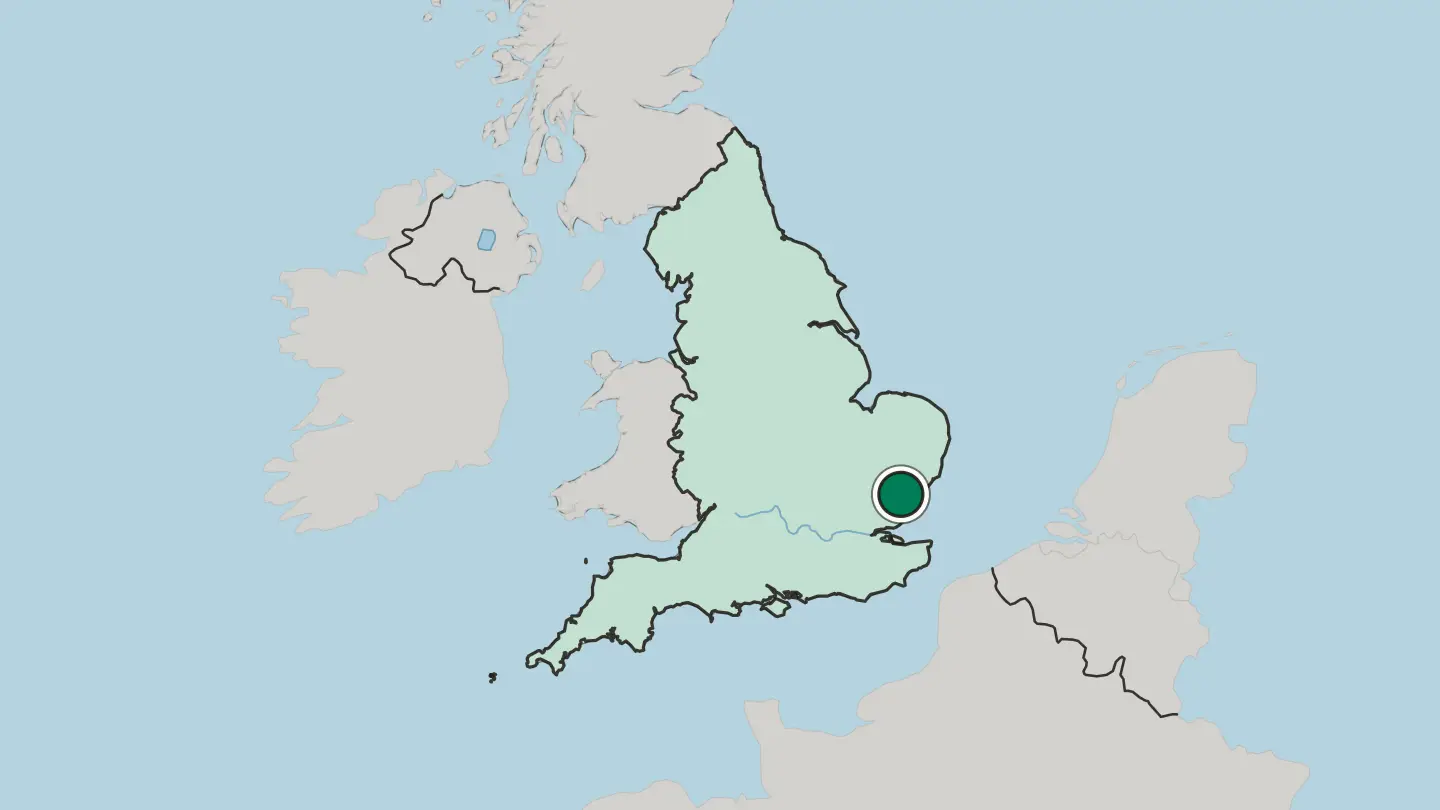
 United Kingdom
Tottenham
Tottenham is a district of the London Borough of Haringey, north-northeast of Charing Cross, known for Bruce Castle and All Hallows' Church.Where to stay →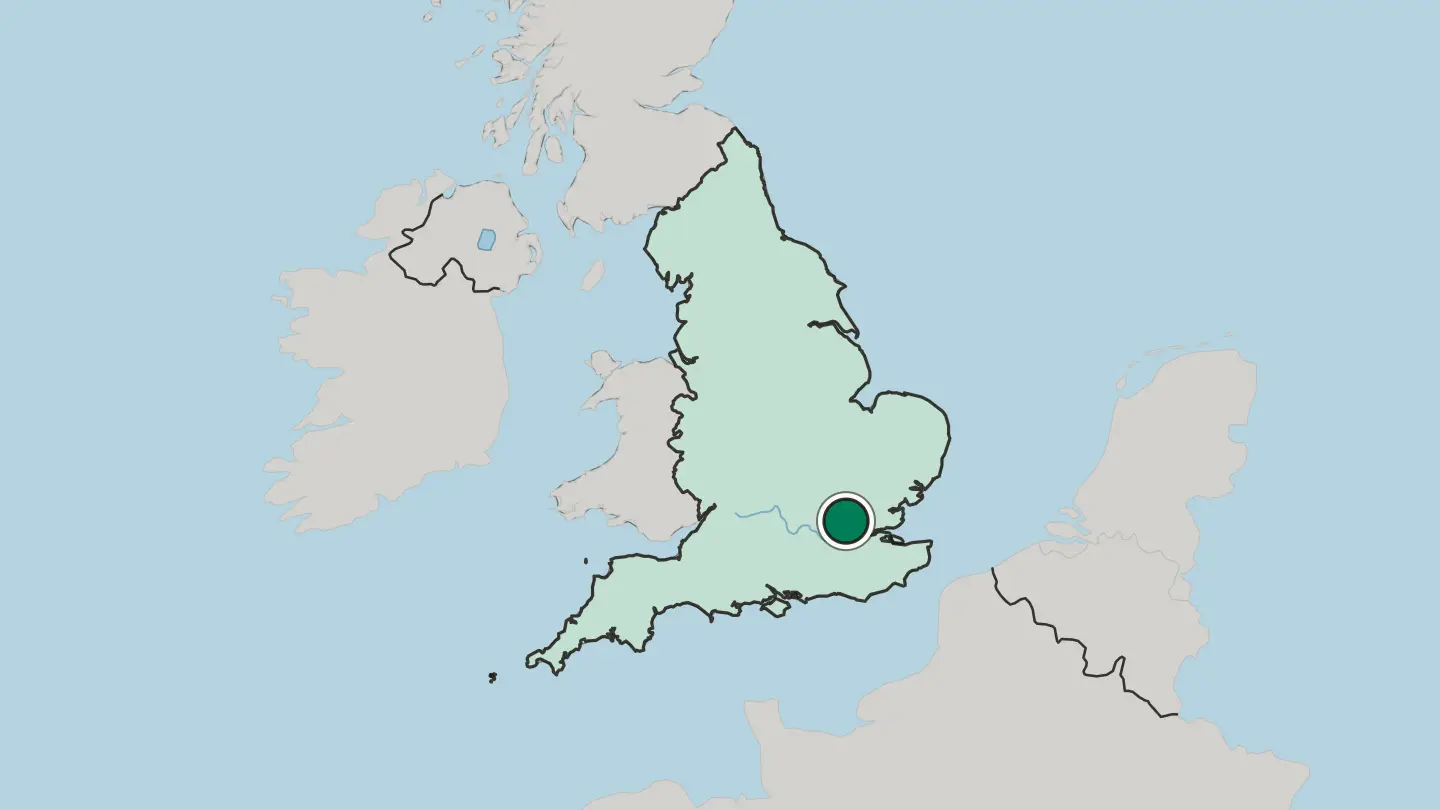
 United Kingdom
Salford
Salford is a city on the western bank of the River Irwell, facing Manchester across the water, with The Lowry and the Quays at its riverside end.Where to stay →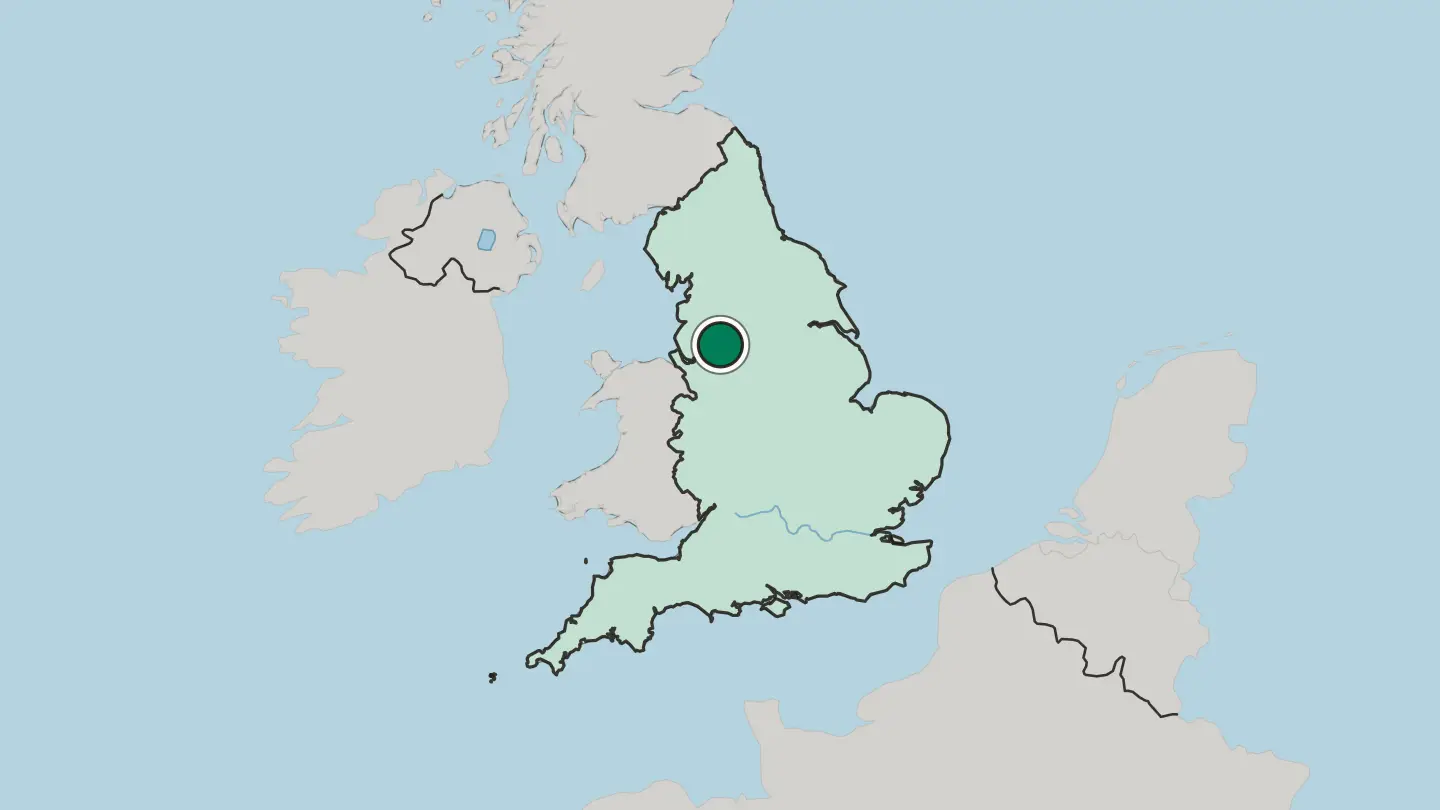
 United Kingdom
Newcastle under Lyme
Newcastle-under-Lyme is a Staffordshire market town, the centre of its borough, and it runs straight up against the city of Stoke-on-Trent.Where to stay →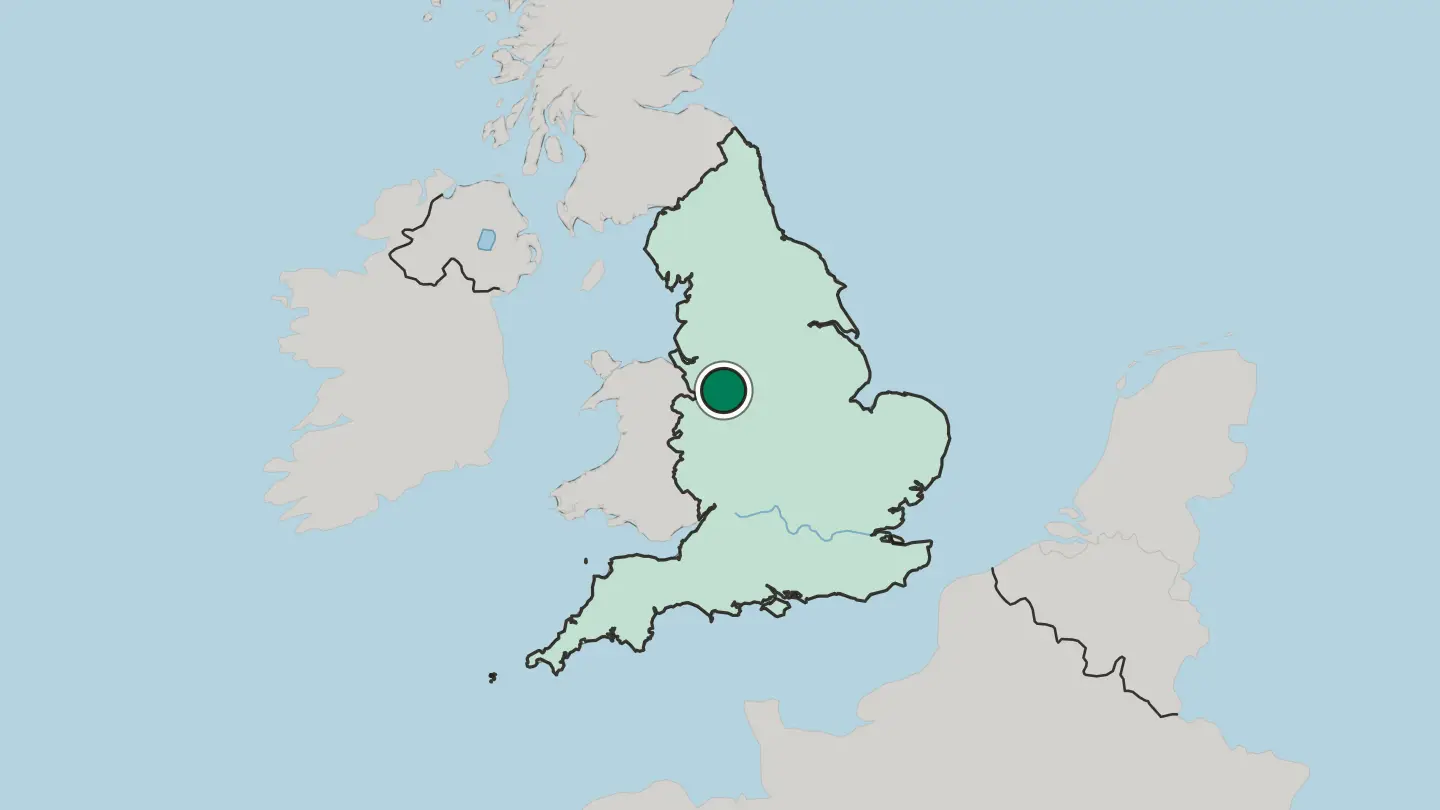
 United Kingdom
Solihull
Solihull is a West Midlands market town on the River Blythe, in the Forest of Arden country between Birmingham and Coventry.Where to stay →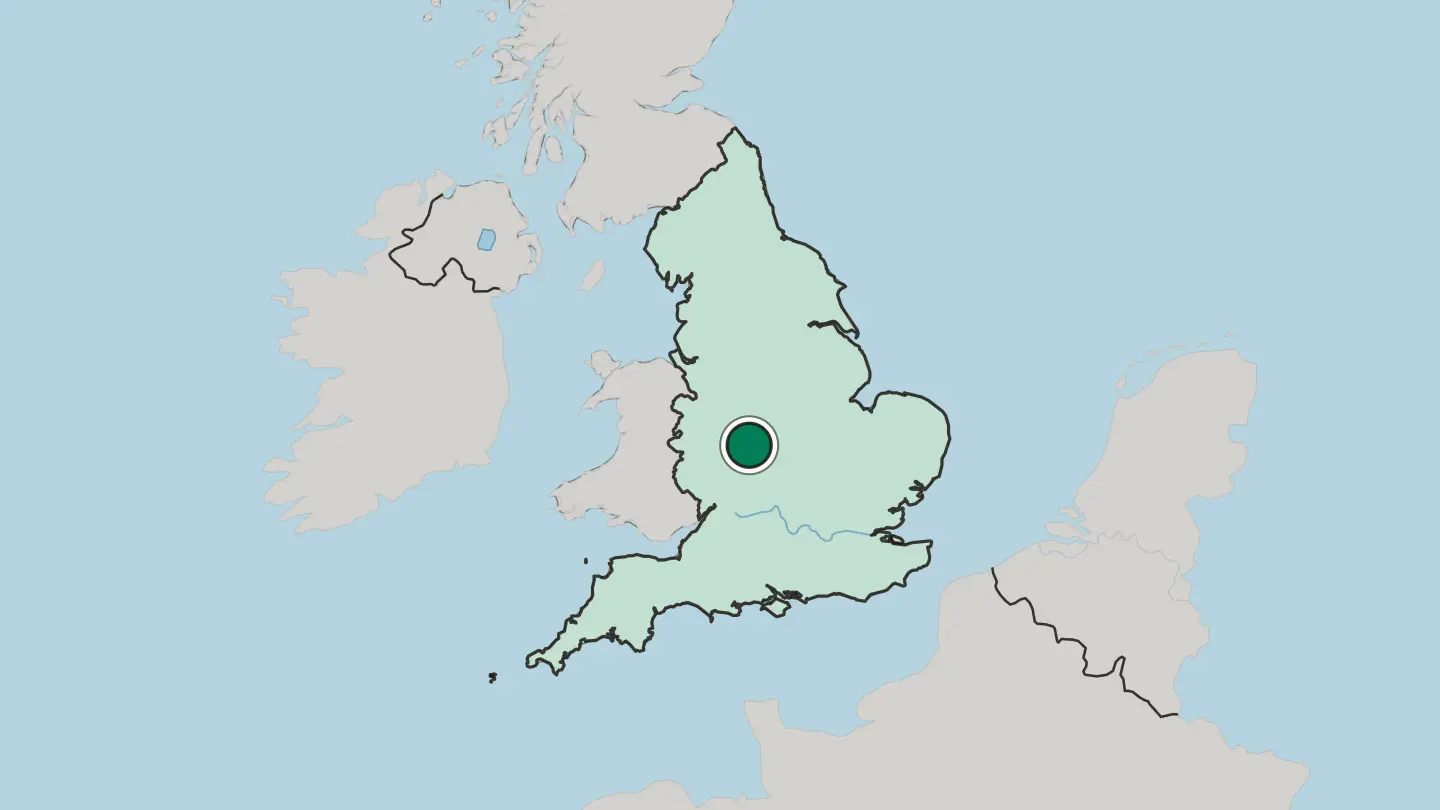
 United Kingdom
Watford
Watford is a large Hertfordshire town on the River Colne, north-west of Central London, with Watford Market and the Atria shopping centre at its core.Where to stay →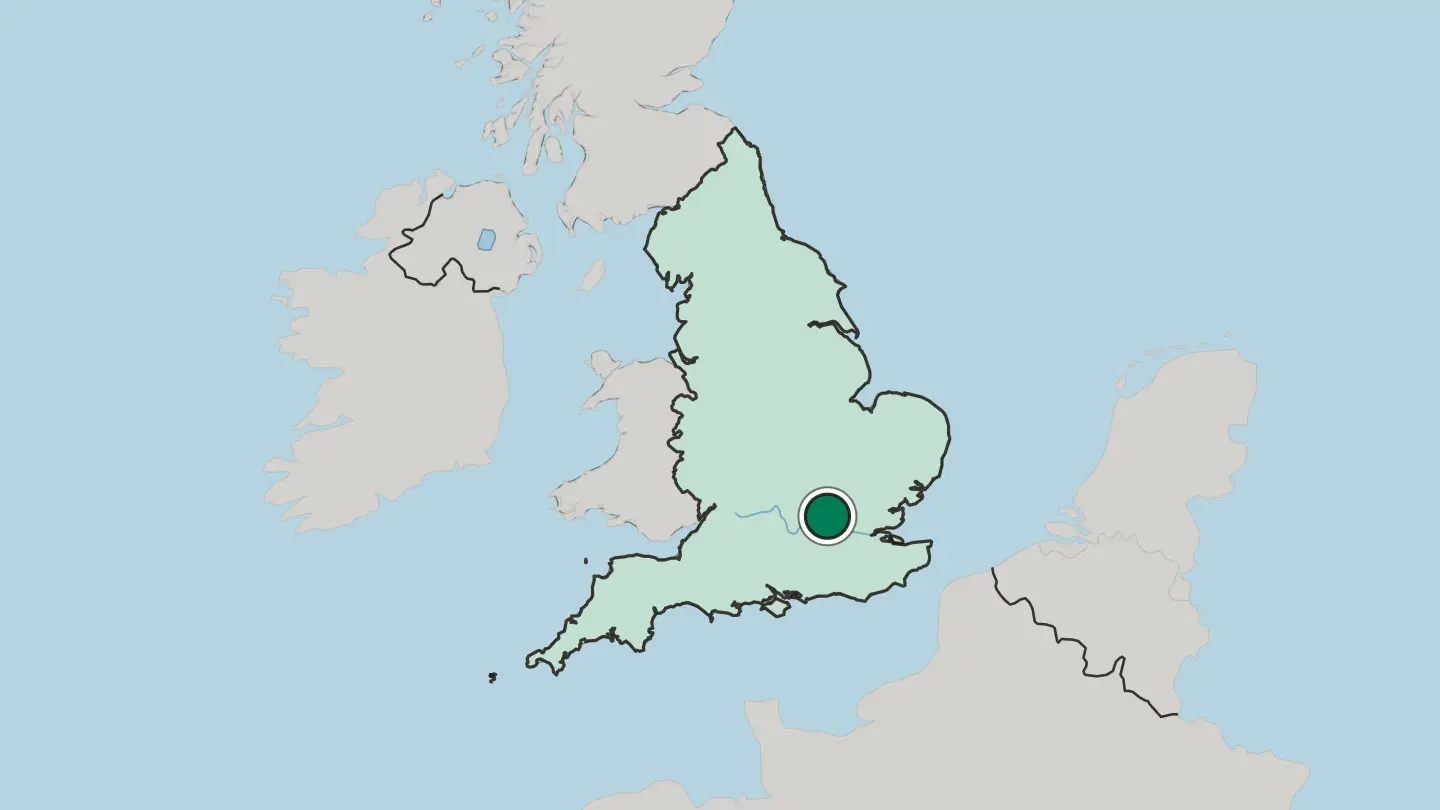
 United Kingdom
Crawley
Crawley is a large town and borough of West Sussex, south of London on the Surrey border, with Gatwick Airport alongside it.Where to stay →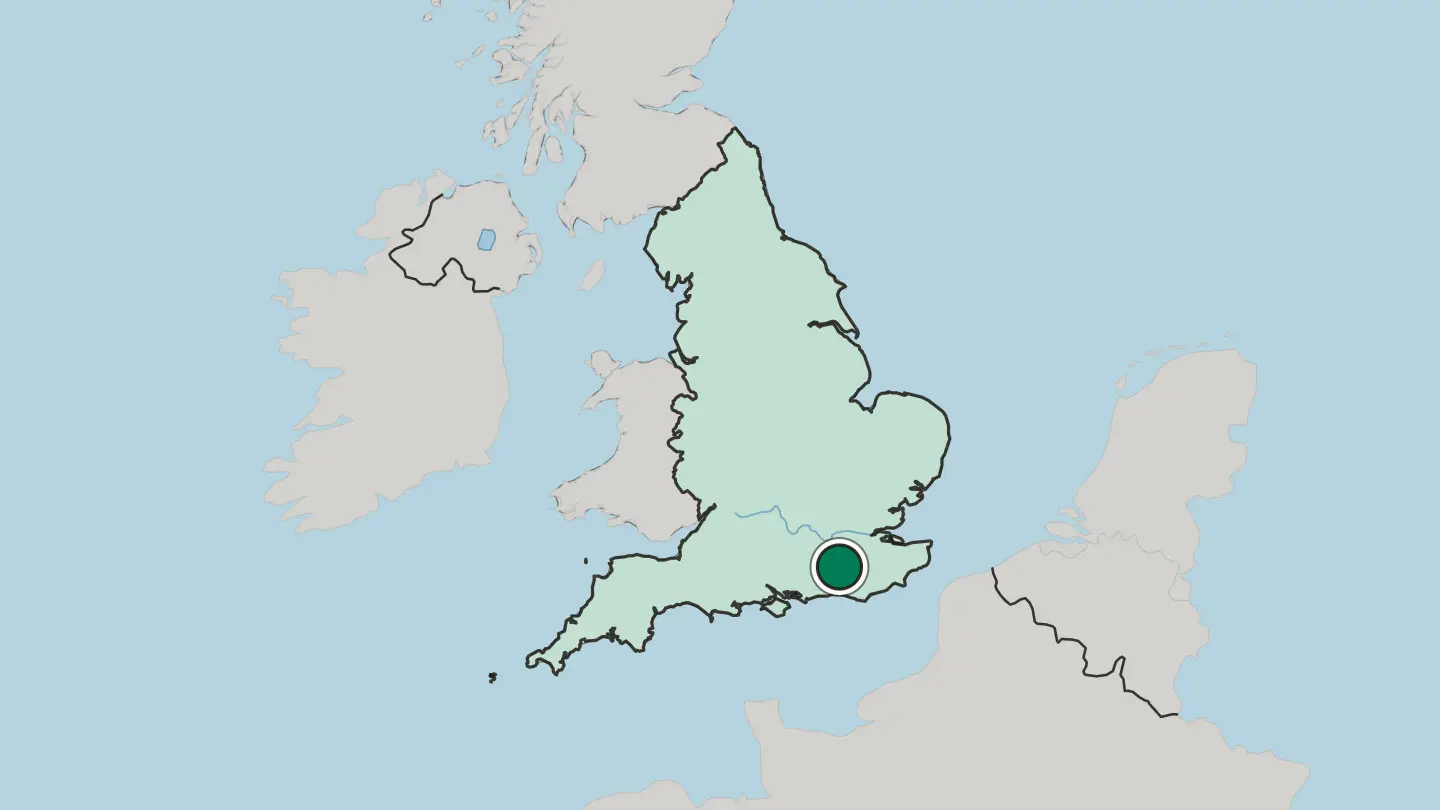
 United Kingdom
Burton upon Trent
Burton upon Trent is a Staffordshire market town on the River Trent, known for brewing, and it grew up around Burton Abbey.Where to stay →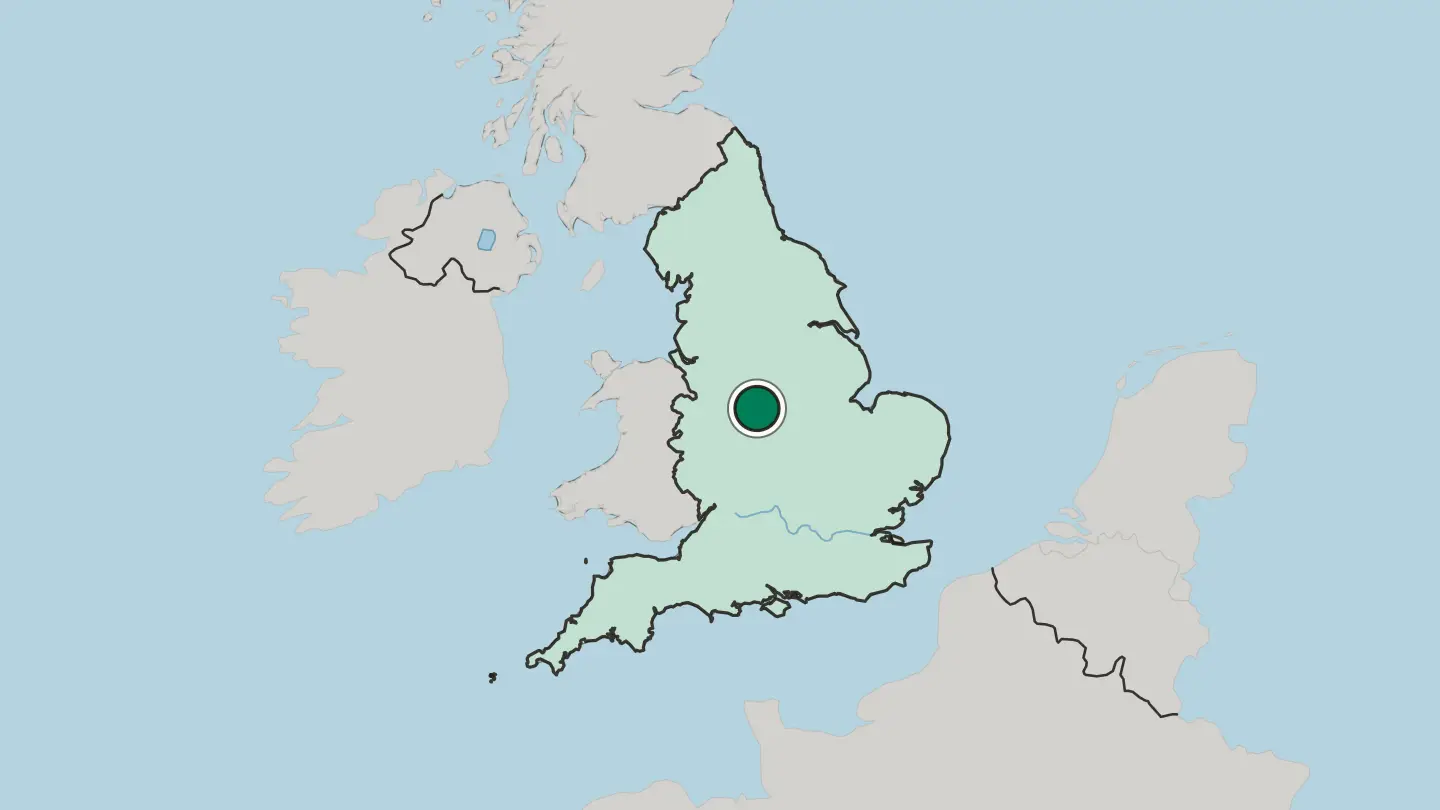
 United Kingdom
Cheltenham
Cheltenham is a Regency spa town of Gloucestershire in west England, of elegant terraces on the edge of the Cotswolds, famed for its racing and festivals.Where to stay →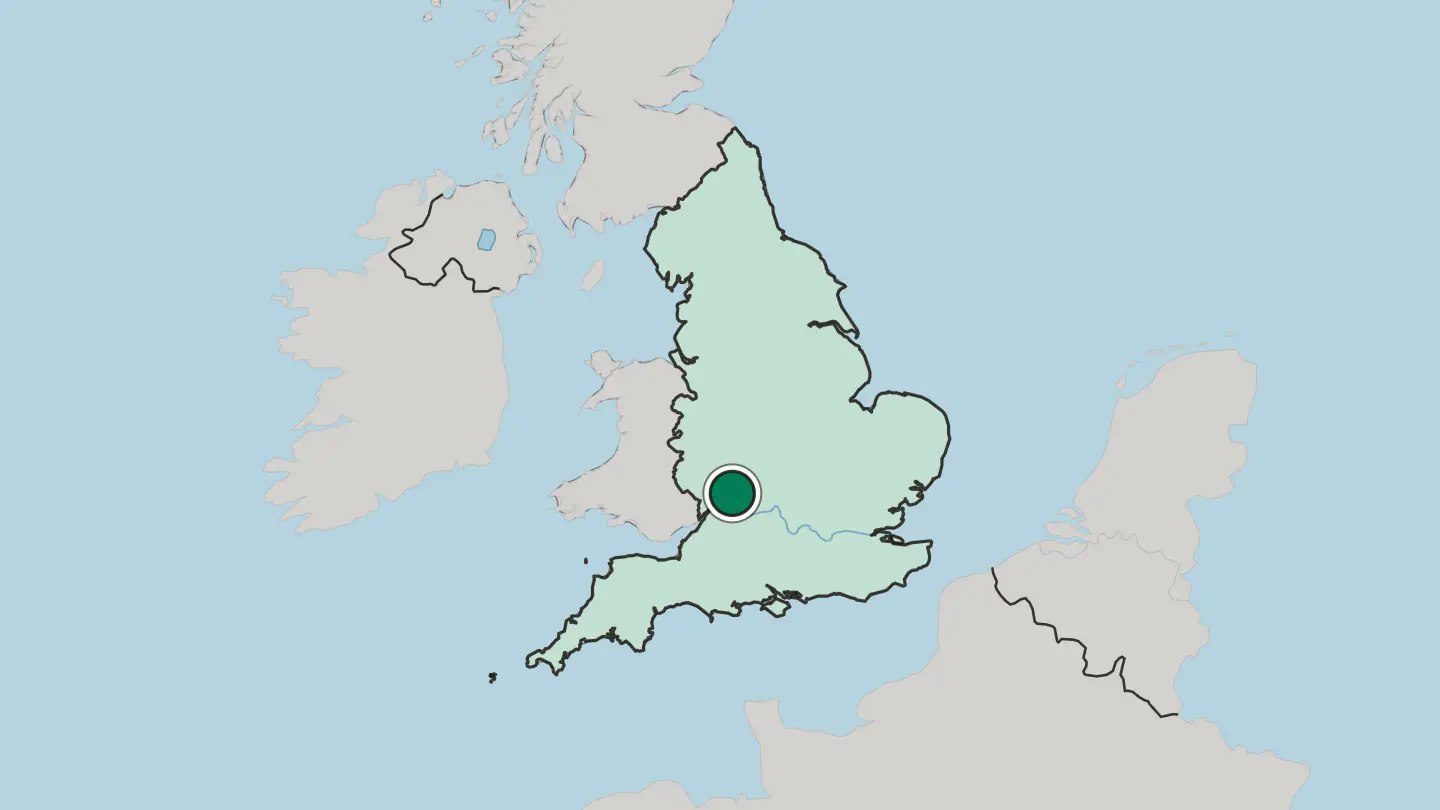
 United Kingdom
Rotherham
Rotherham is a South Yorkshire market town at the confluence of the River Rother and the River Don, with All Saints Church over the centre.Where to stay →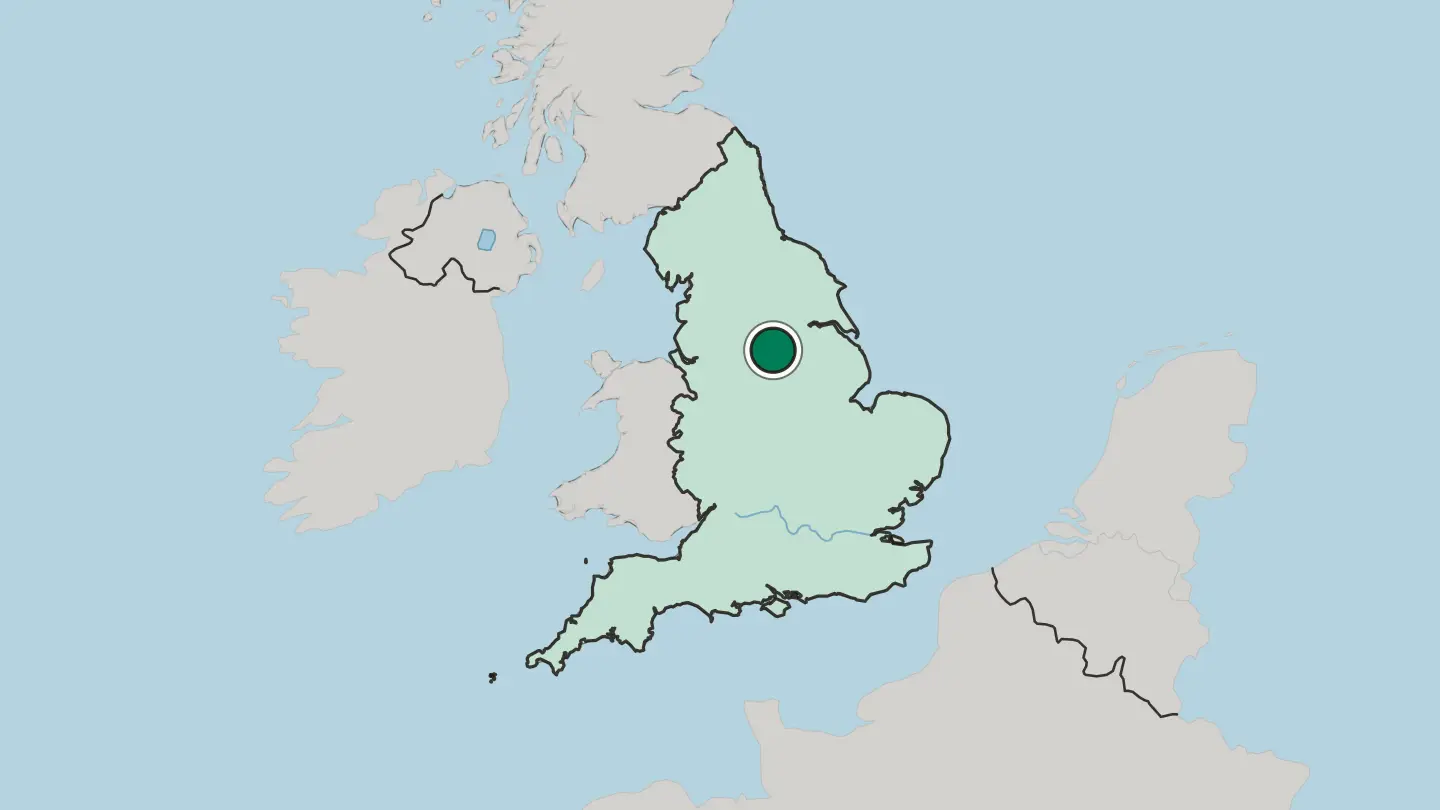 United Kingdom
Worthing
Worthing is a seaside town and borough in West Sussex, England, held between the English Channel and the South Downs National Park.Where to stay →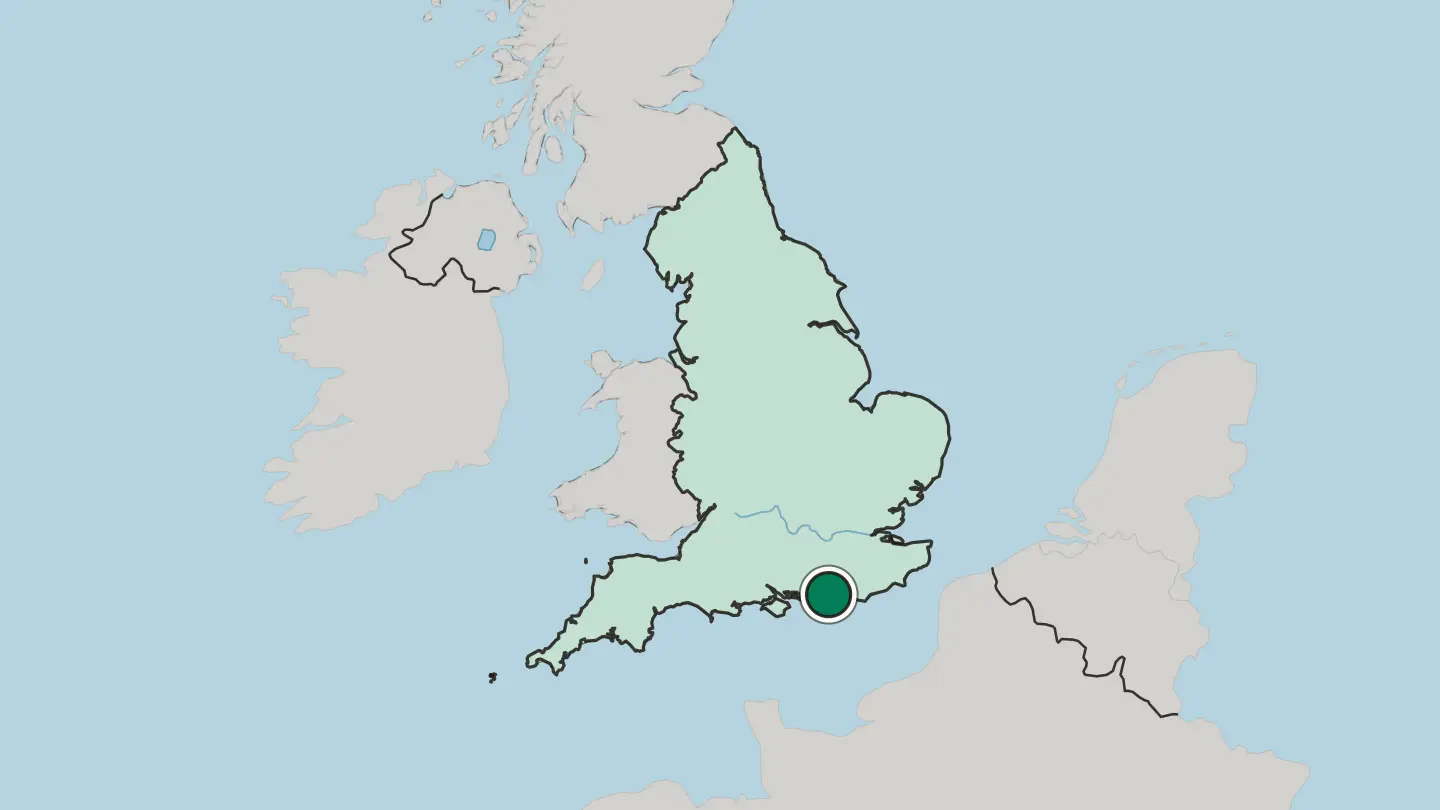
 United Kingdom
Doncaster
Doncaster is a market town on the River Don in South Yorkshire, England, grown from Roman Danum and crowned by St George's Minster.Where to stay →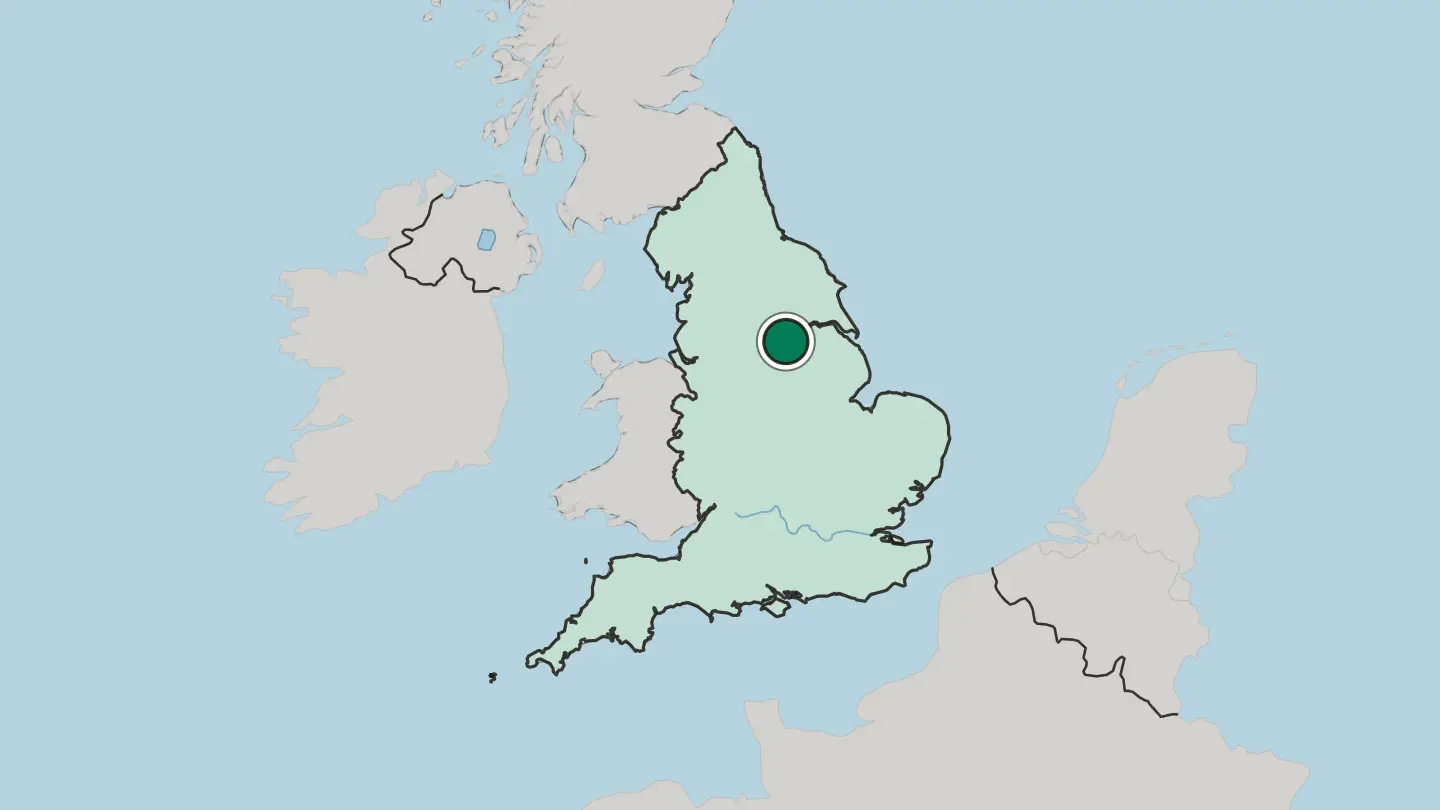
 United Kingdom
Chesterfield
Chesterfield is a Derbyshire market town best known for the twisted spire of the Church of St Mary and All Saints, Chesterfield.Where to stay →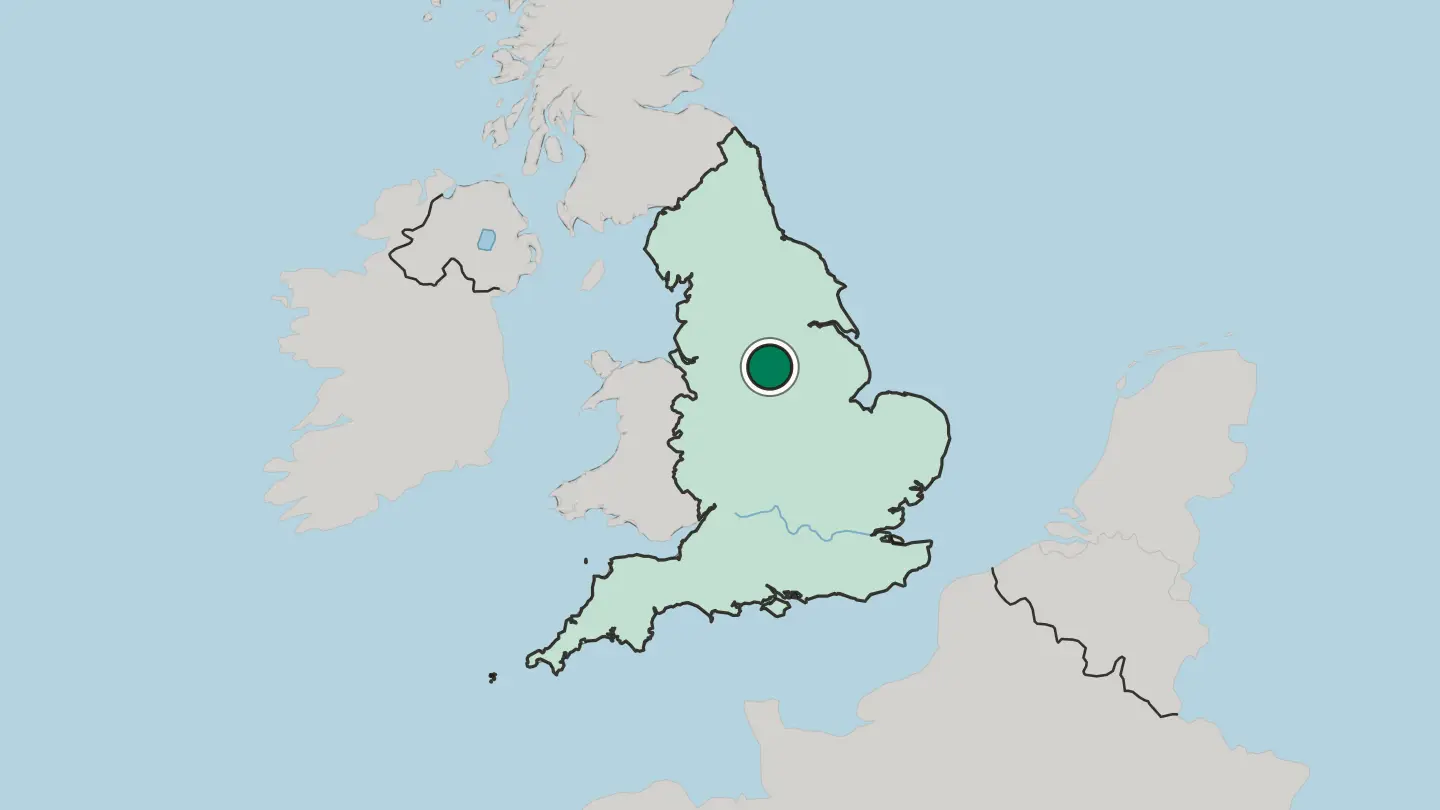
 United Kingdom
Chelmsford
Chelmsford is the county town of Essex and one of its three cities, a Roman site named Caesaromagus that grew into a commercial centre.Where to stay →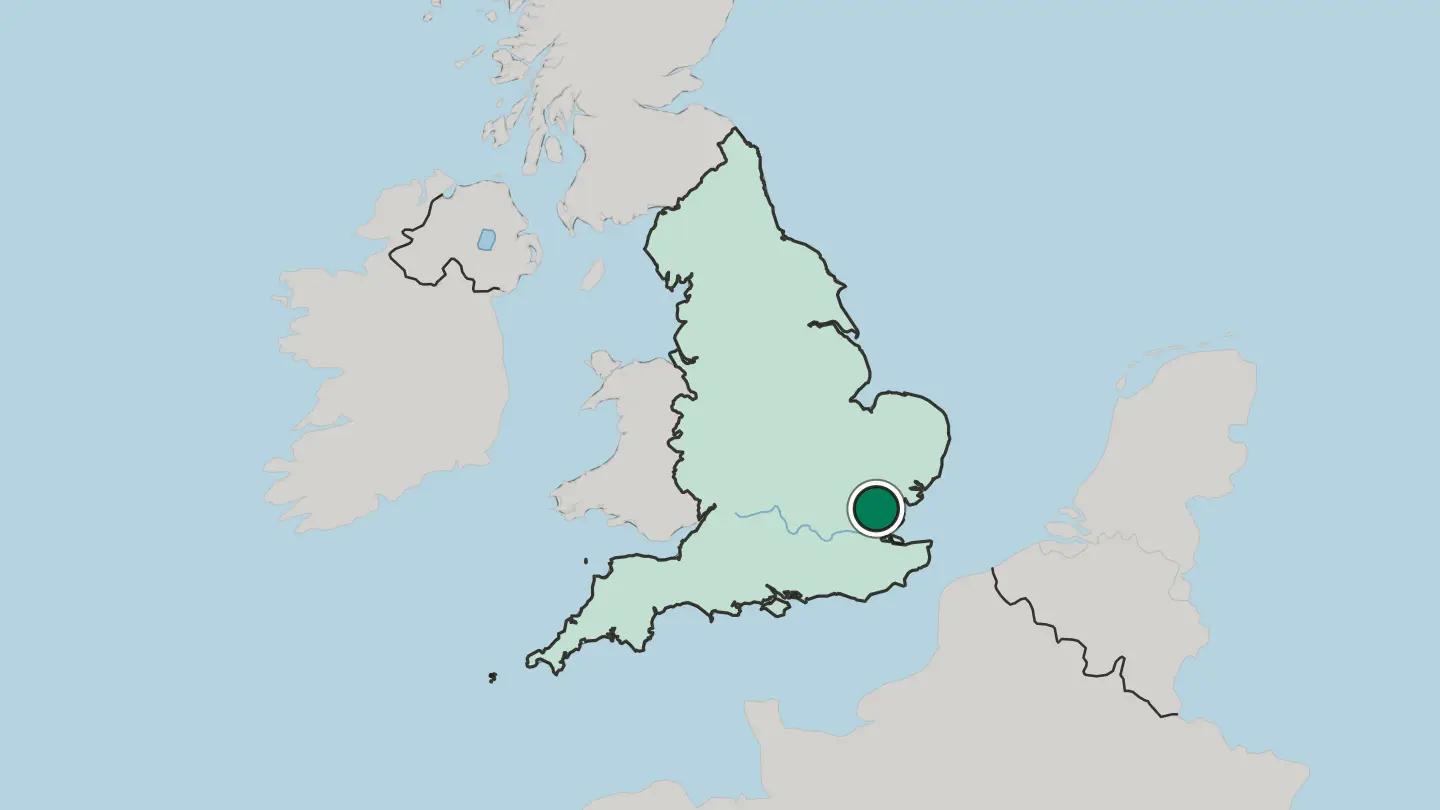
 United Kingdom
Sutton Coldfield
Sutton Coldfield is a town and civil parish in the city of Birmingham, England, holding the medieval deerpark remains in Sutton Park.Where to stay →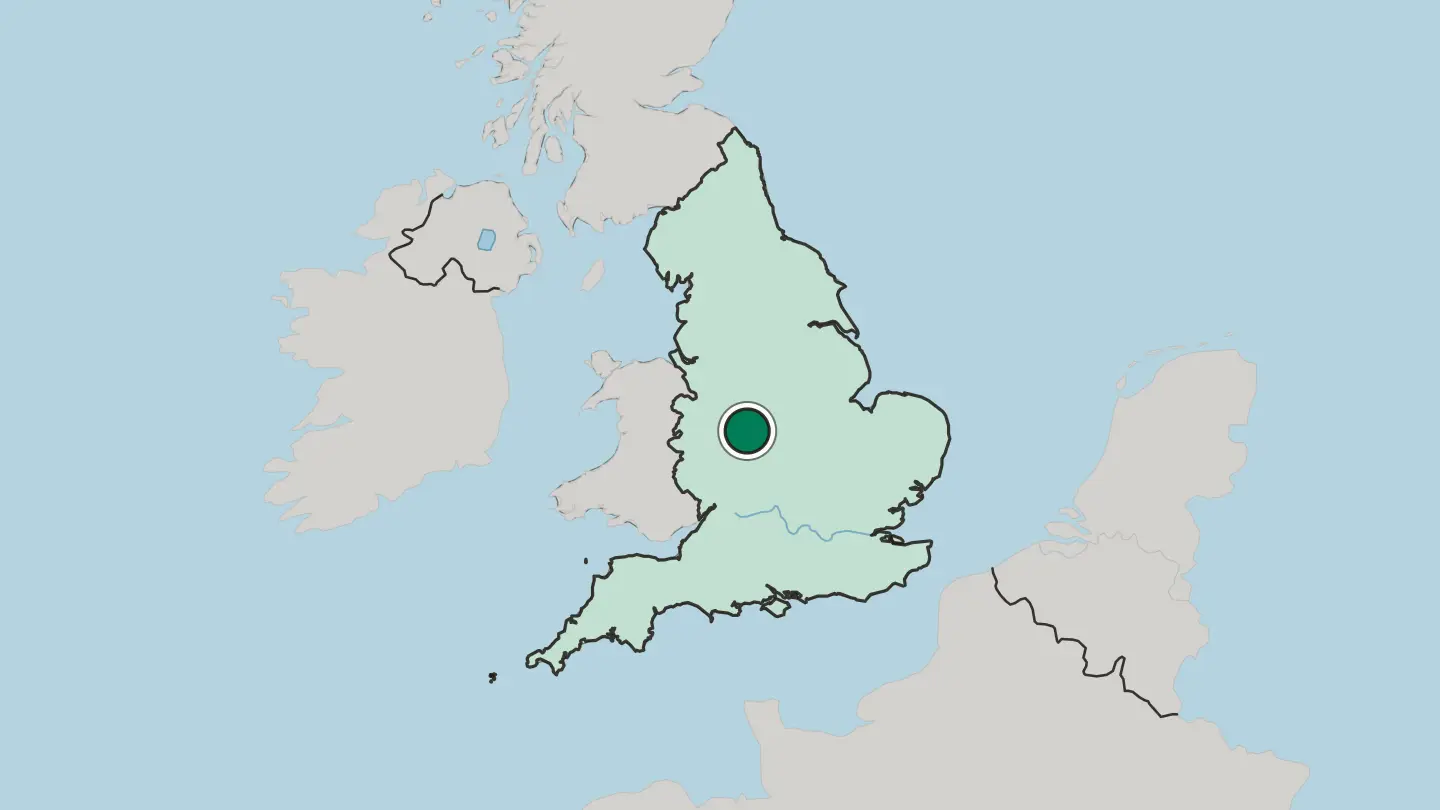
 United Kingdom
Wakefield
Wakefield is a cathedral city on the River Calder in West Yorkshire, with Sandal Castle and the Hepworth Wakefield among its landmarks.Where to stay →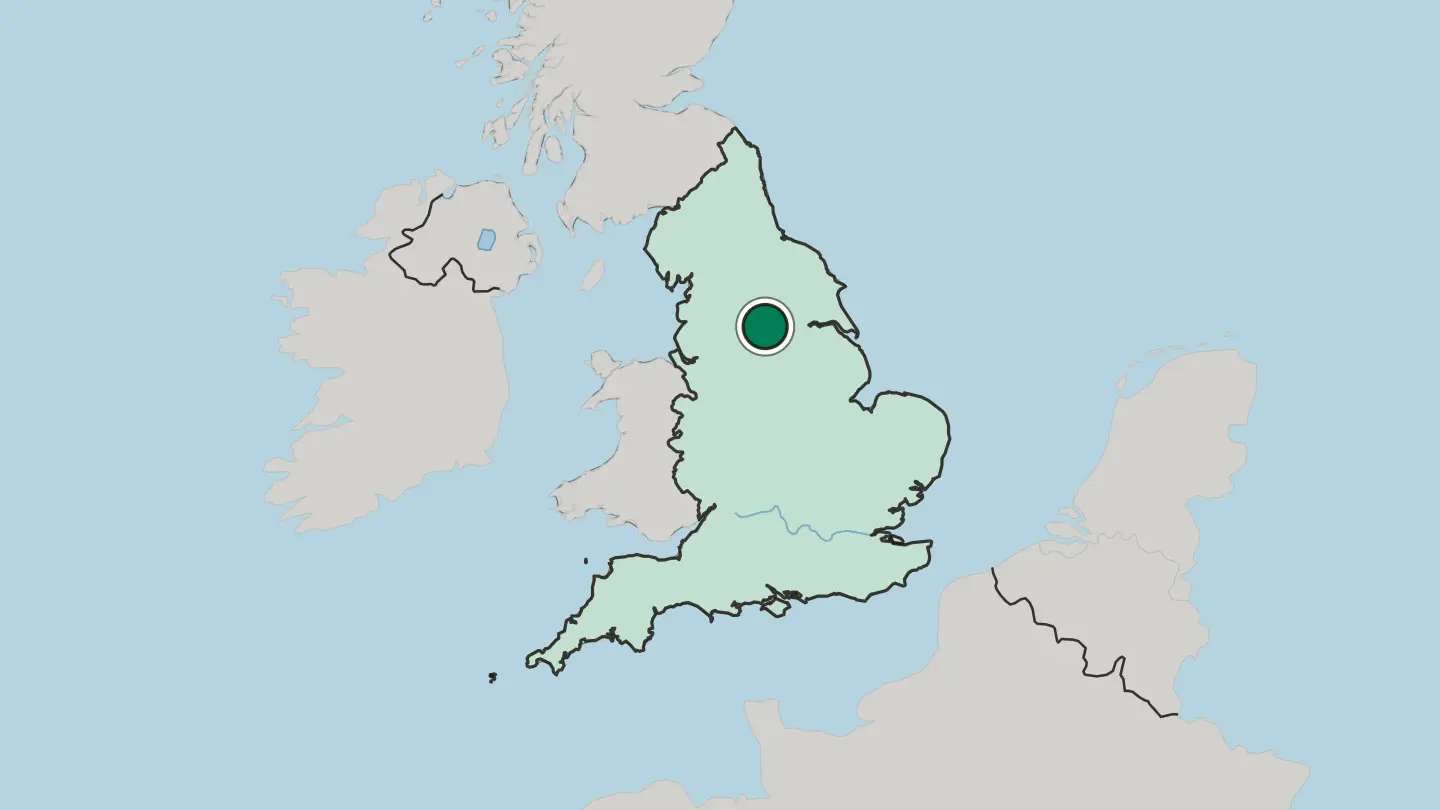
 United Kingdom
Walthamstow
Walthamstow is a town in the London Borough of Waltham Forest, north-east of Central London, with the William Morris Gallery at its heart.Where to stay →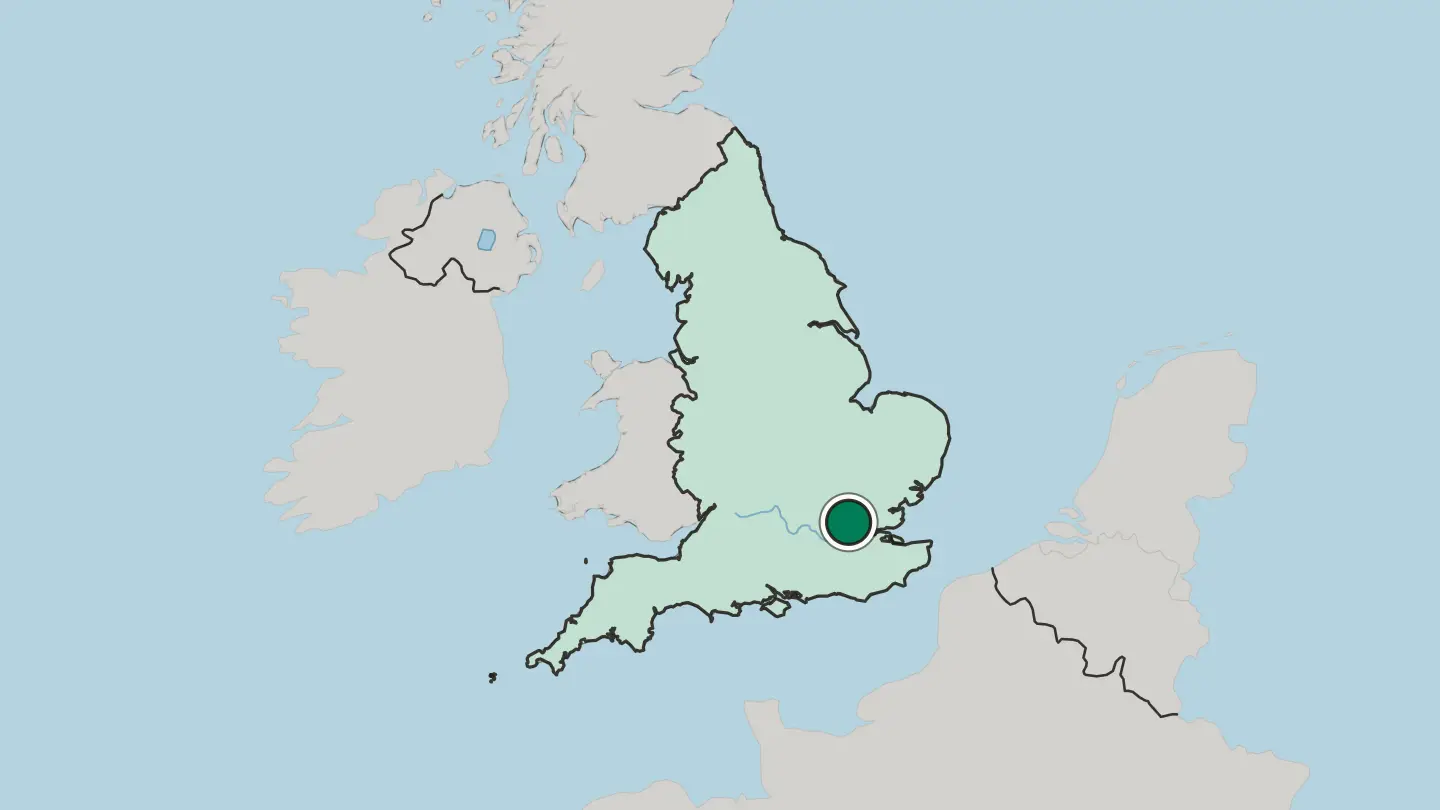 United Kingdom
Dagenham
Dagenham is a town in East London within the London Borough of Barking and Dagenham, east of Charing Cross and anchored by Valence House Museum.Where to stay →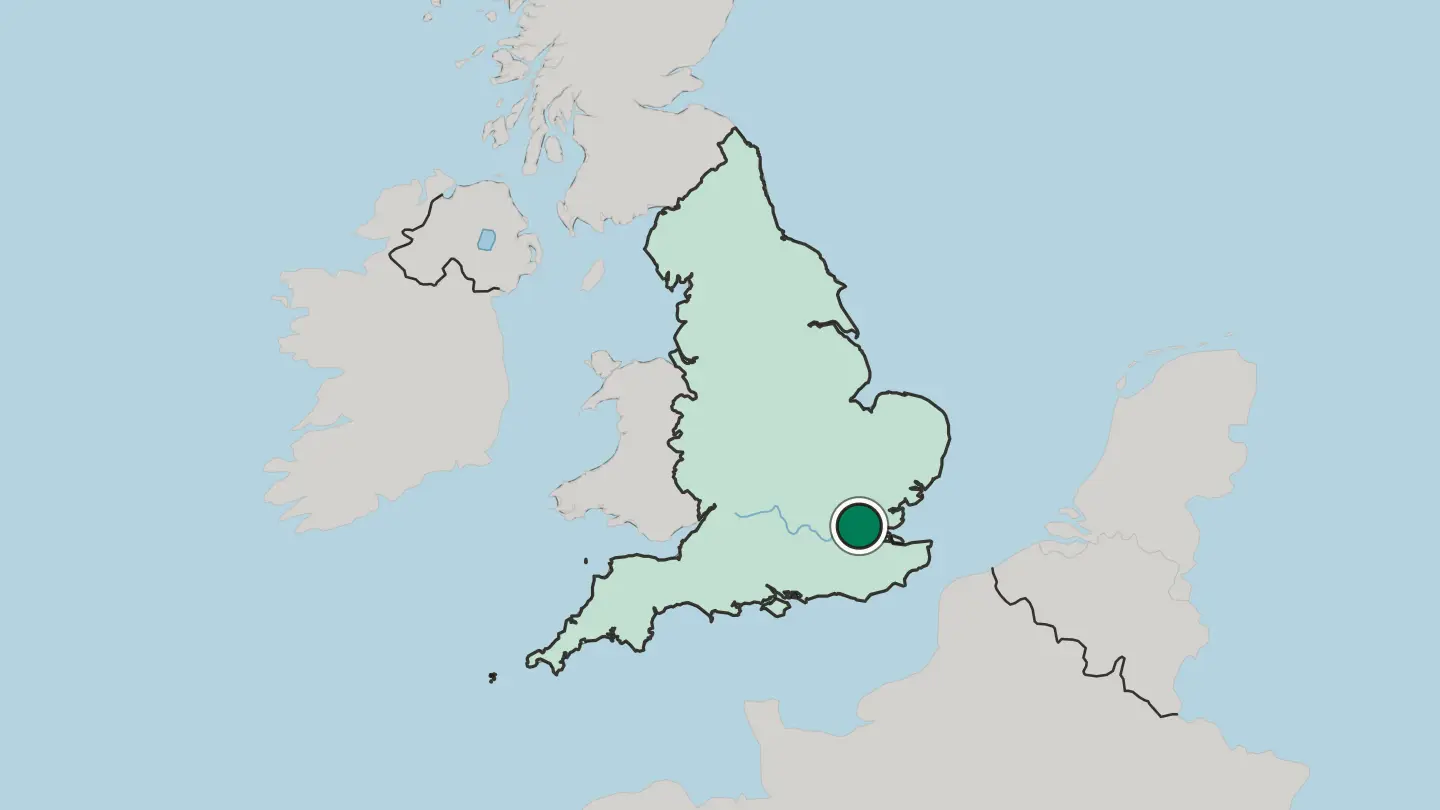 United Kingdom
Basingstoke
Basingstoke is a Hampshire market town at the source of the River Loddon, rebuilt as a new town and the county's largest settlement without city status.Where to stay →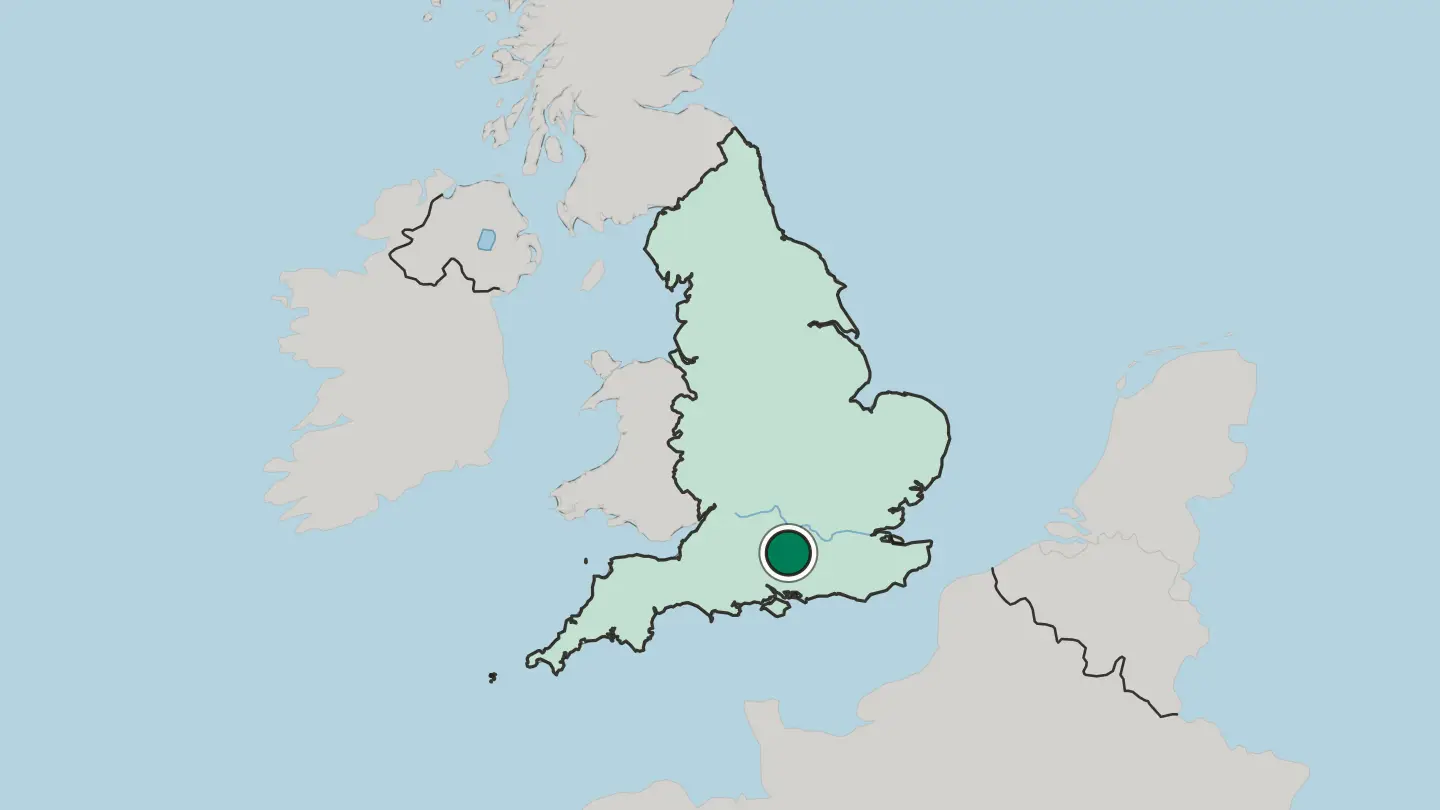
 United Kingdom
Maidstone
Maidstone is the county town of Kent, on the River Medway, with Allington Castle and the Maidstone Museum and Bentlif Art Gallery at its centre.Where to stay →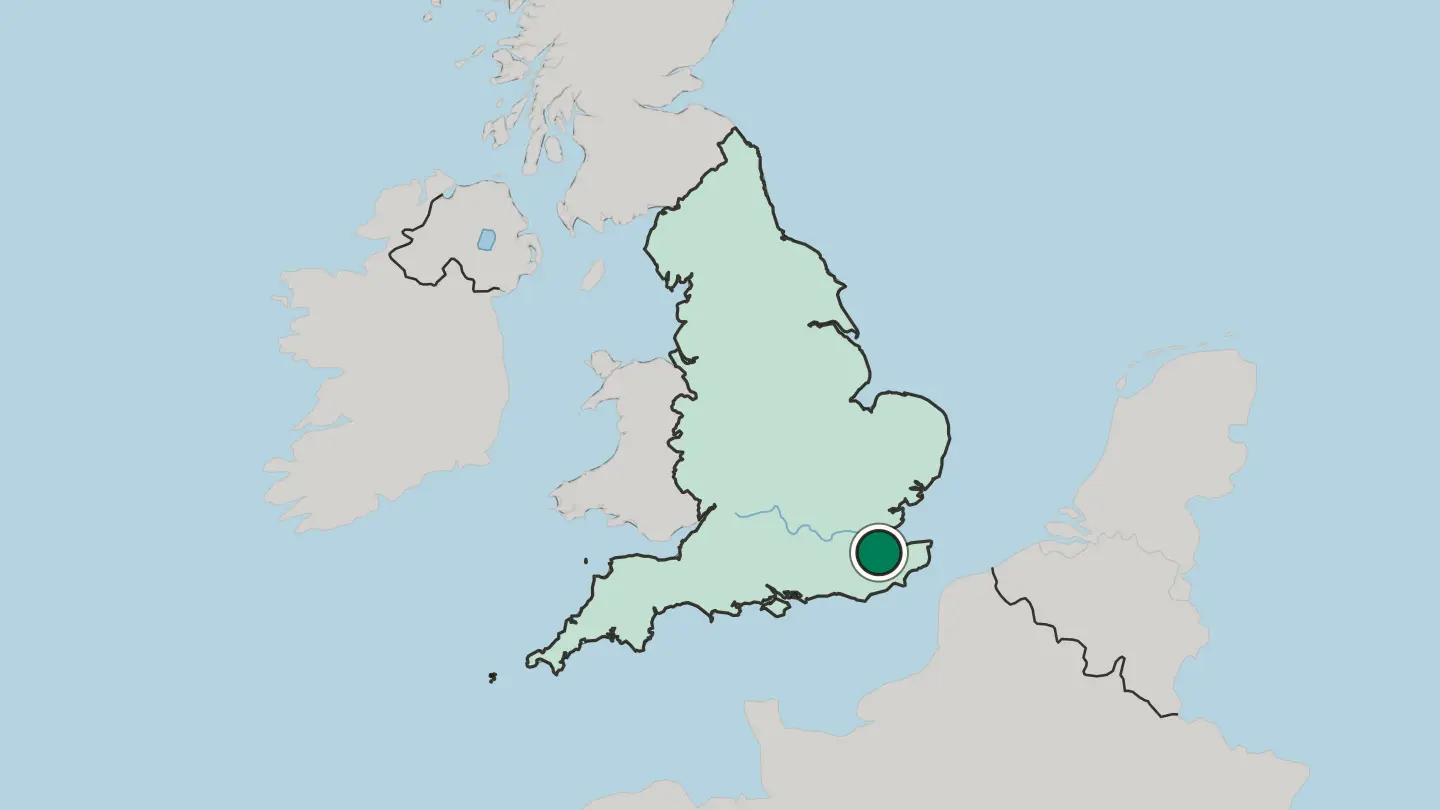
 United Kingdom
Bedford
Bedford is the county town of Bedfordshire, a market town holding Bedford Castle, the Moot Hall and the John Bunyan Museum and Library.Where to stay →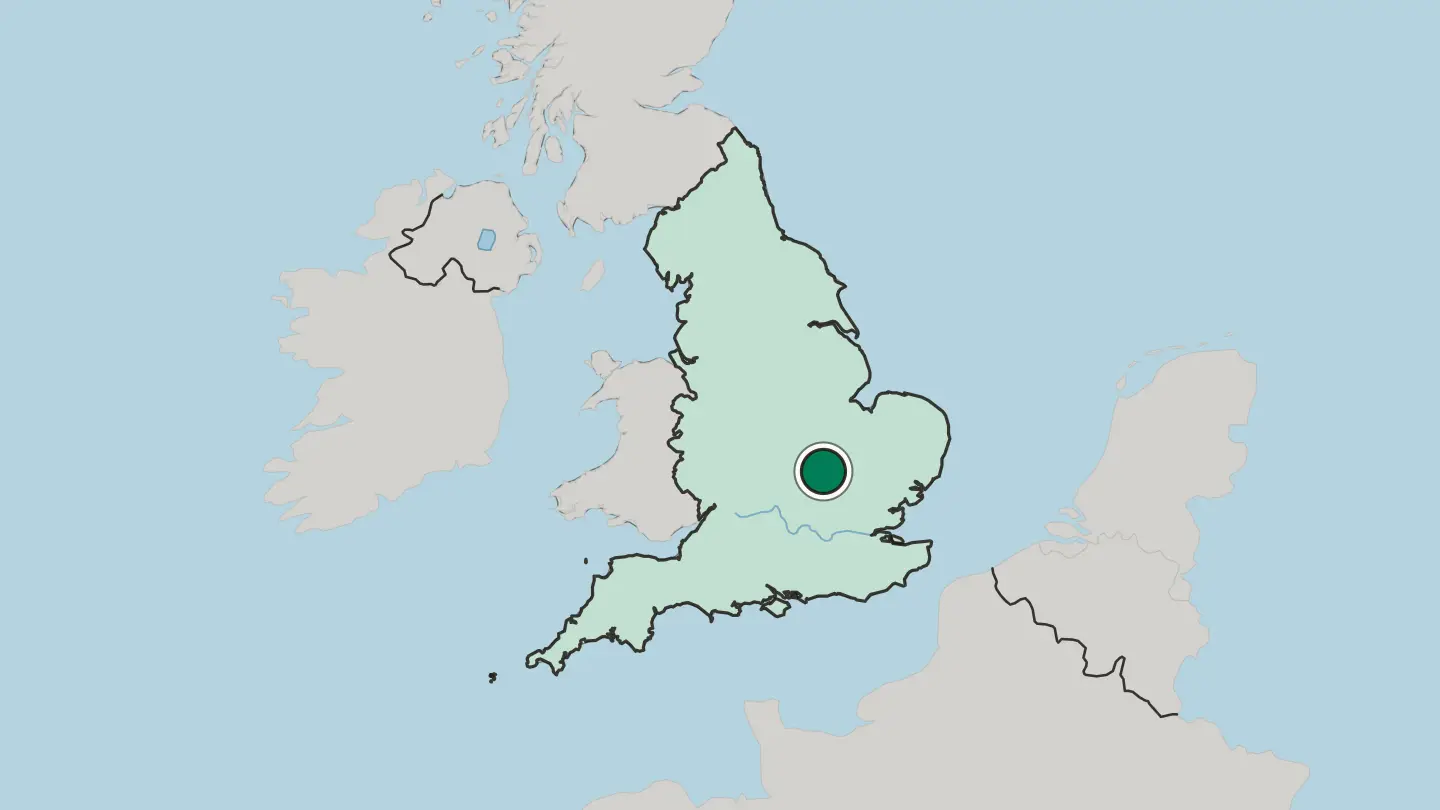
 United Kingdom
Woking
Woking is a town and borough in Surrey, England, grown around a railway station on land the London Necropolis Company sold off.Where to stay →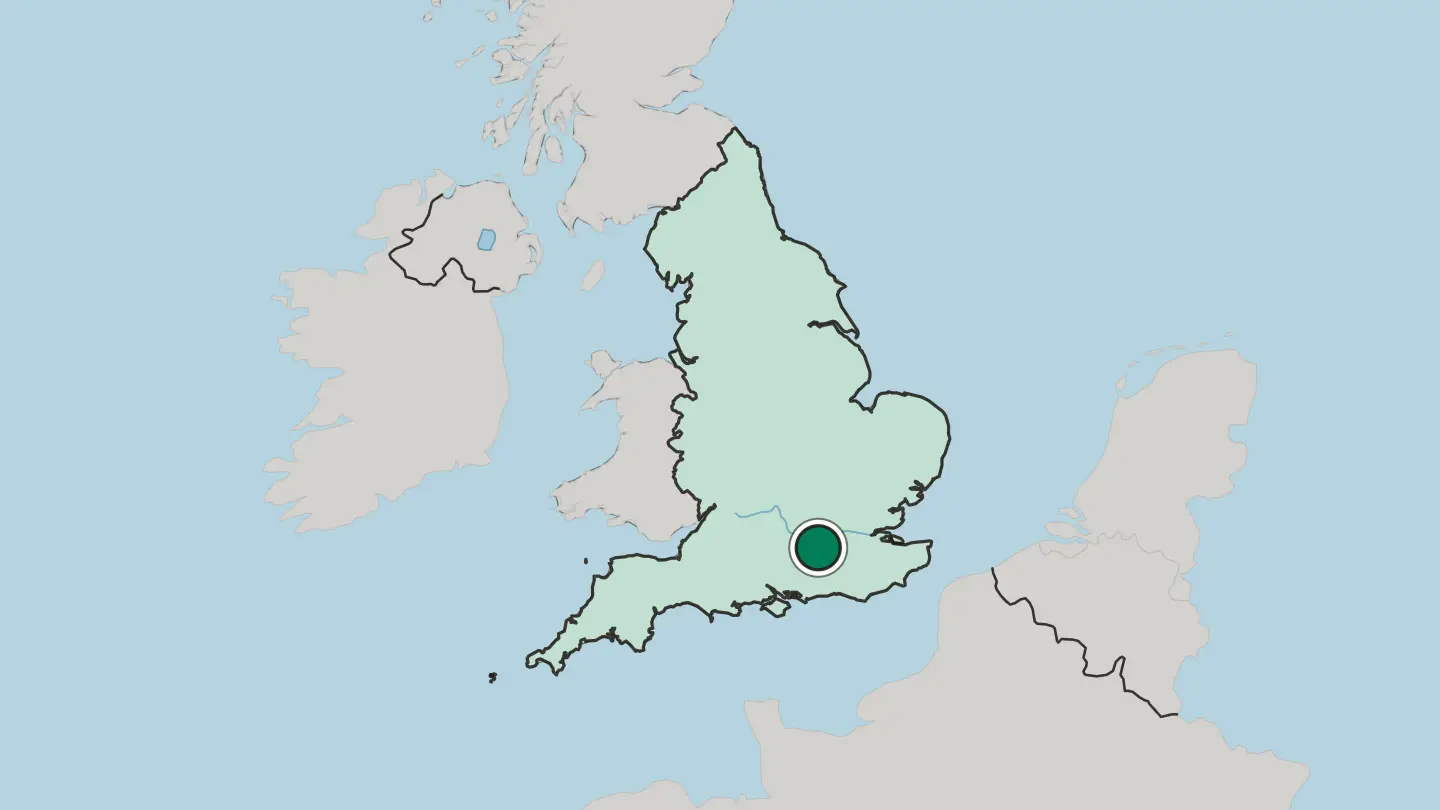
 United Kingdom
Lincoln
Lincoln is the county city of Lincolnshire in eastern England, its great cathedral and Norman castle crowning a steep hill above the plain.Where to stay →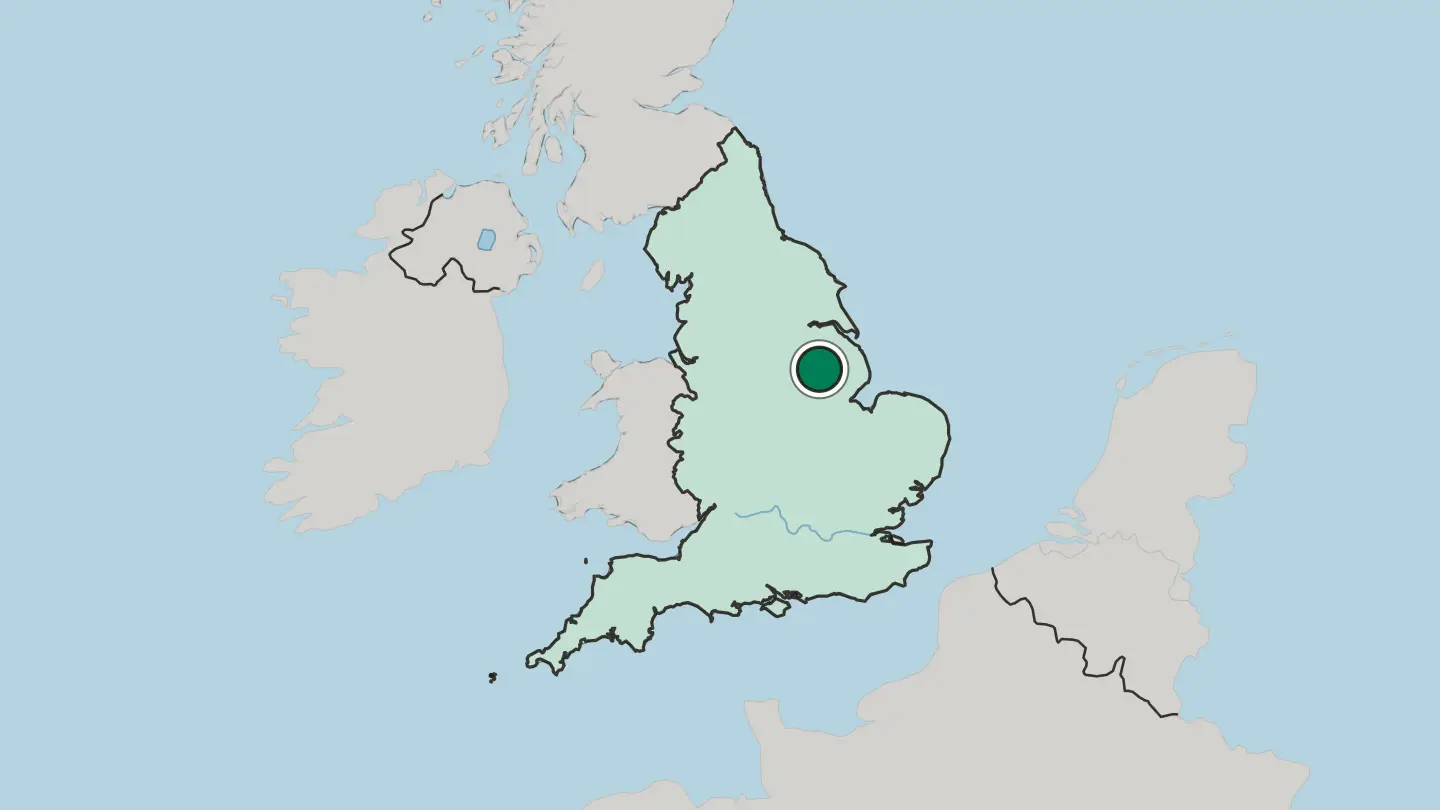
 United Kingdom
West Bromwich
West Bromwich is a market town in the borough of Sandwell, West Midlands, part of the Black Country and about two miles west of Birmingham.Where to stay →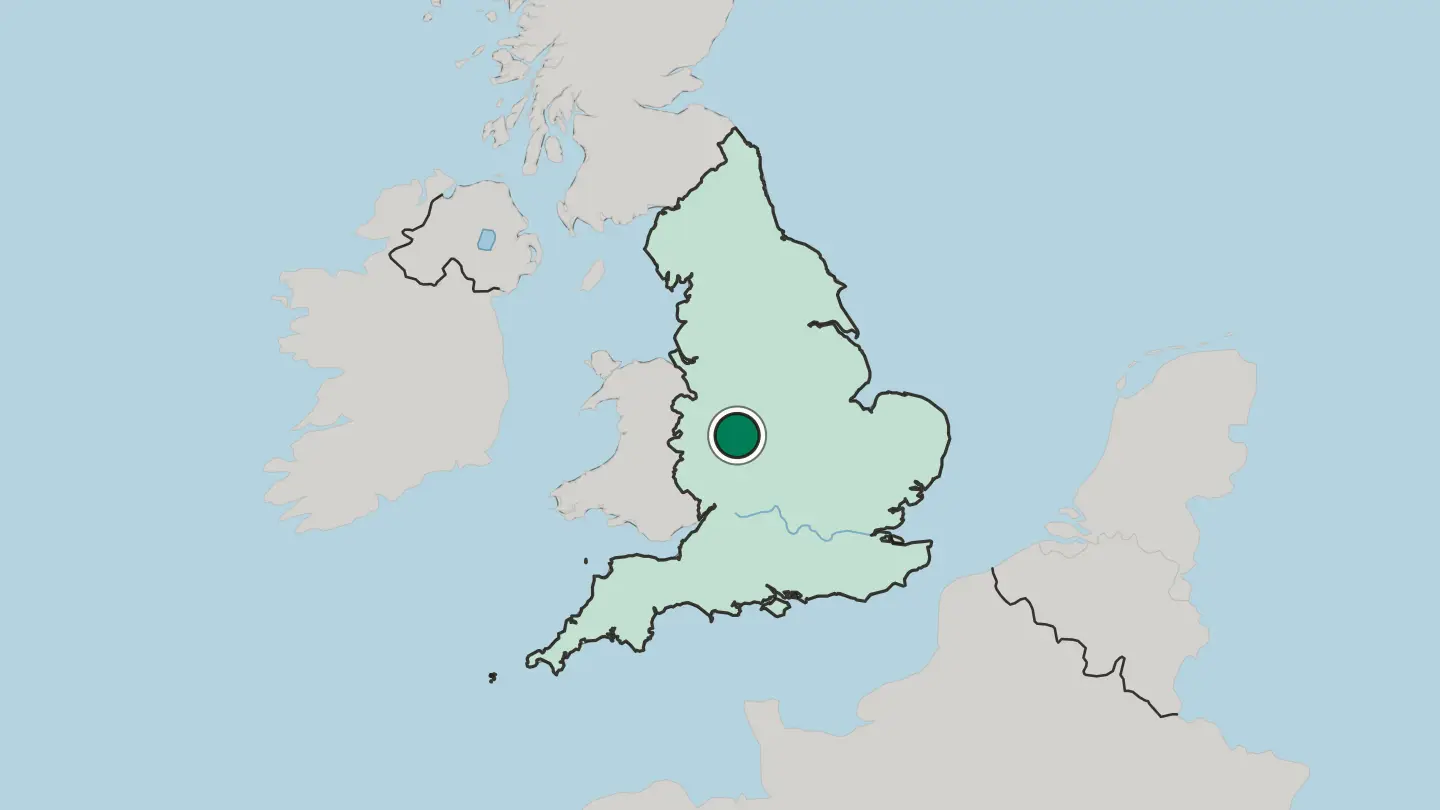
 United Kingdom
Eastbourne
Eastbourne is a seaside resort town in East Sussex, standing immediately east of Beachy Head, the highest chalk sea cliff in Great Britain.Where to stay →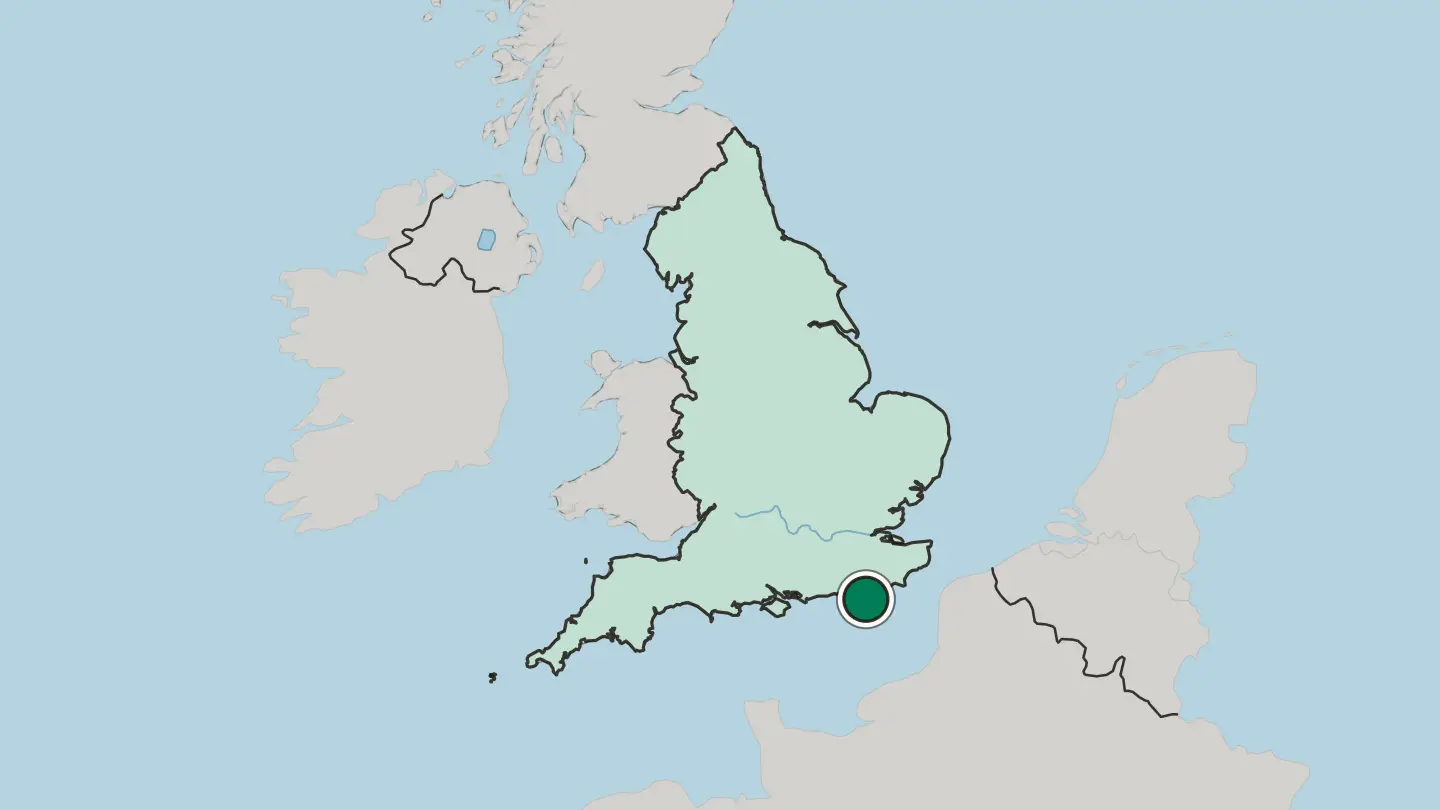
 United Kingdom
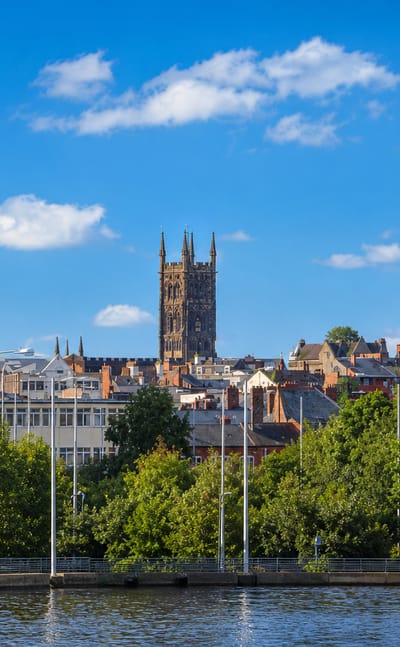
Worcester
Worcester is a cathedral city on the River Severn in the west of England, a place of a great riverside cathedral, fine porcelain, and the music of Elgar.Where to stay →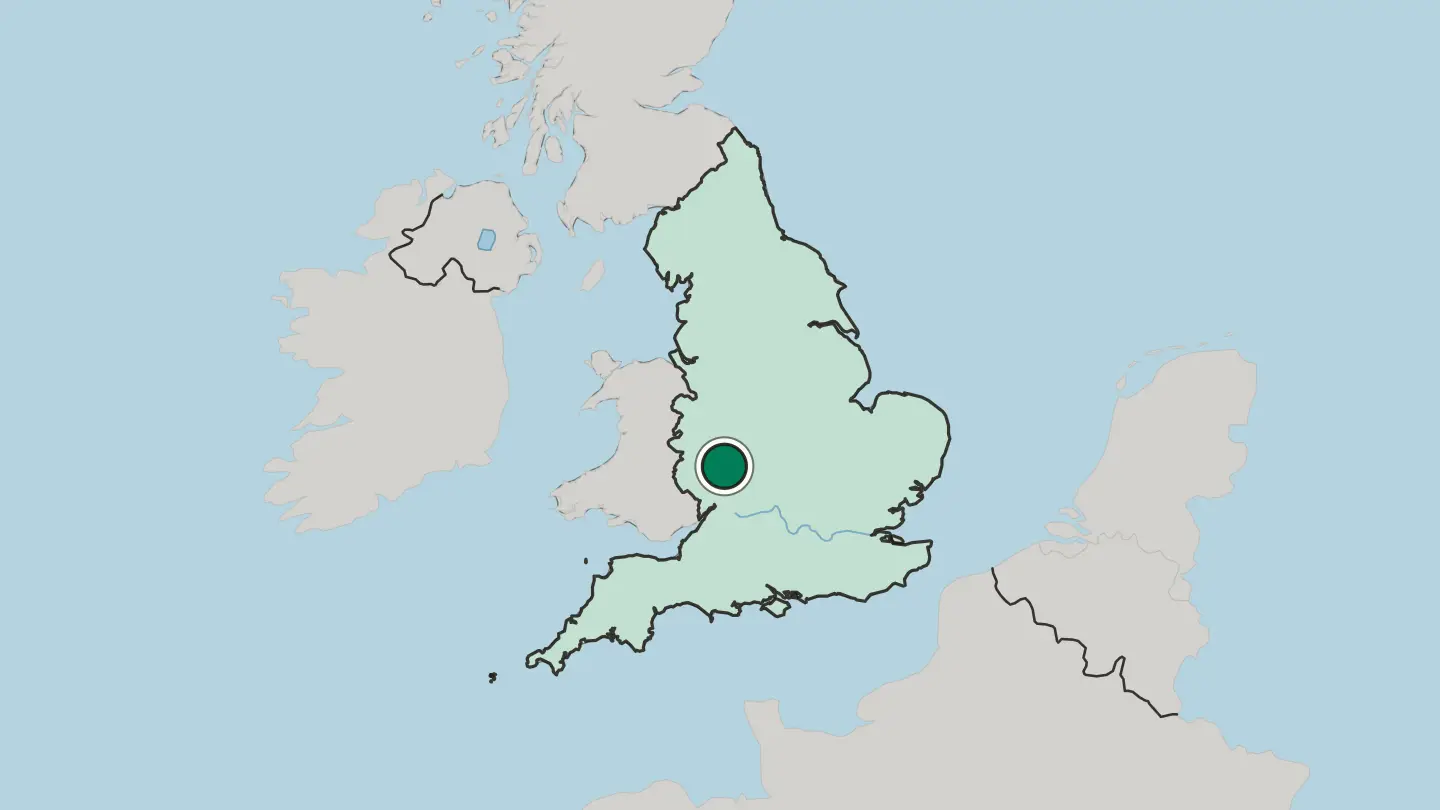
 United Kingdom
Bath
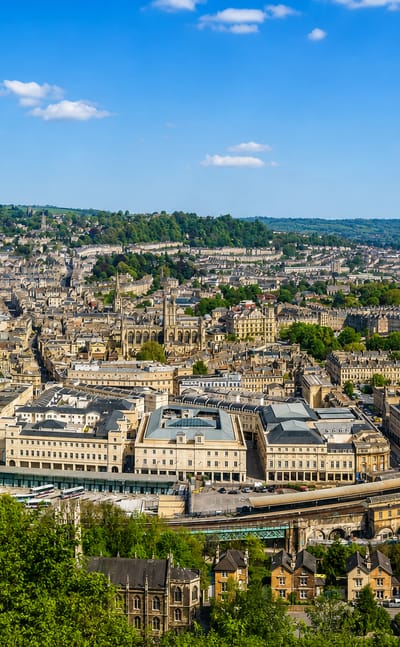
Pale stone terraces curve above the Roman Baths at Bath, a city in England founded as Aquae Sulis in AD 43 and known for No. 1 Royal Crescent.Where to stay →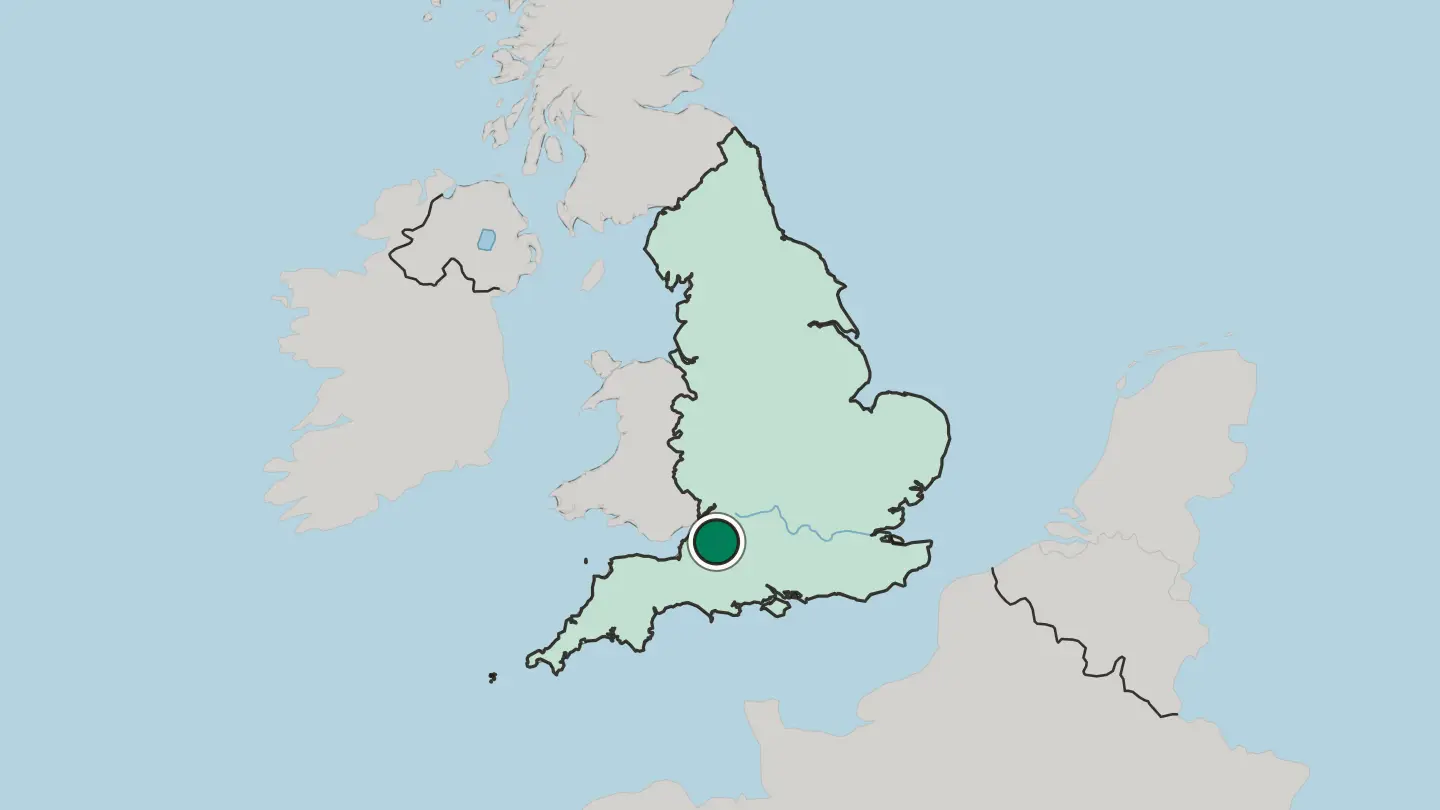
 United Kingdom
Gillingham
Gillingham is the largest town in the borough of Medway in Kent, strung along the River Medway beside Chatham and Rochester.Where to stay →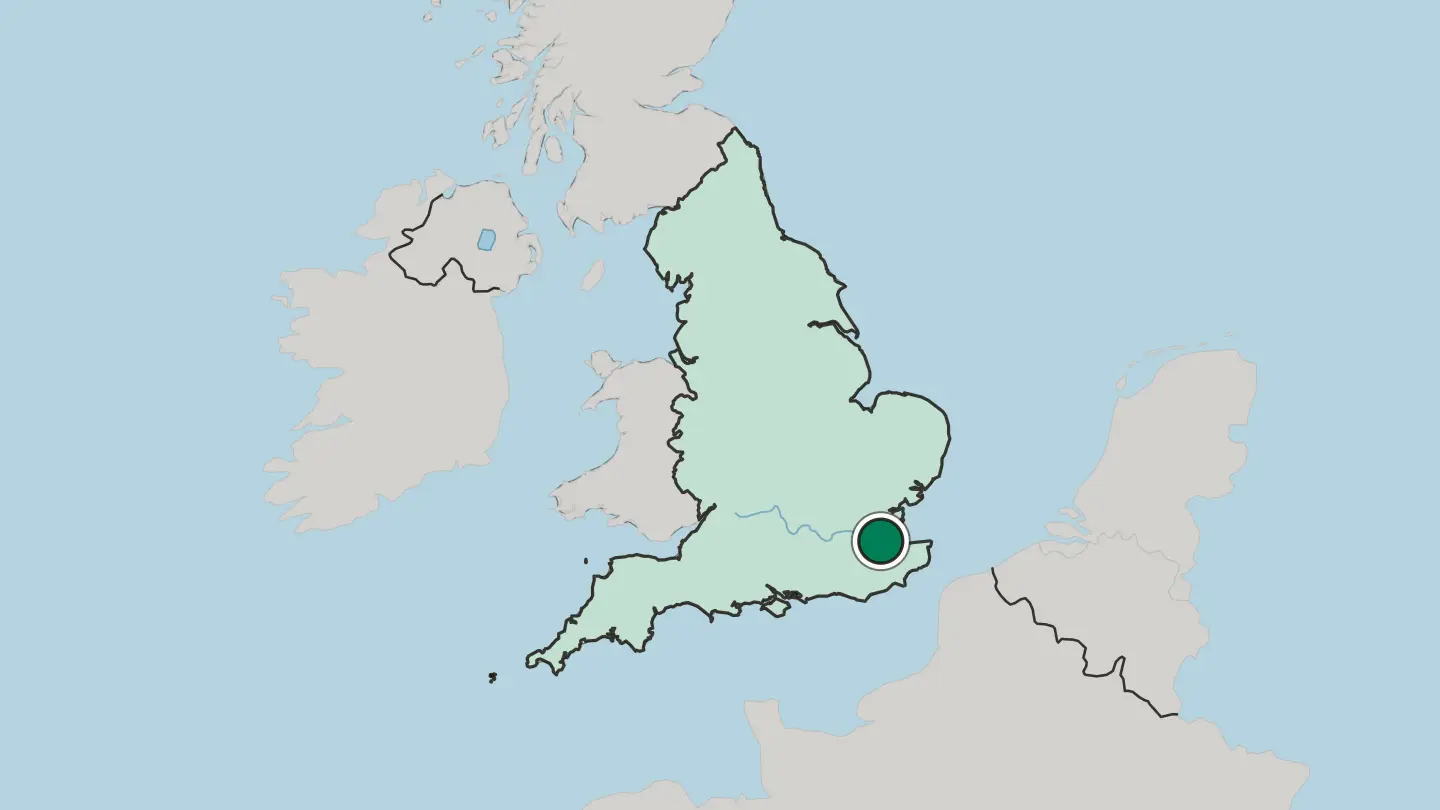
 United Kingdom
Rochdale
Rochdale is a Greater Manchester town in the dale of the River Roch, set in the foothills of the South Pennines below a Victorian town hall.Where to stay →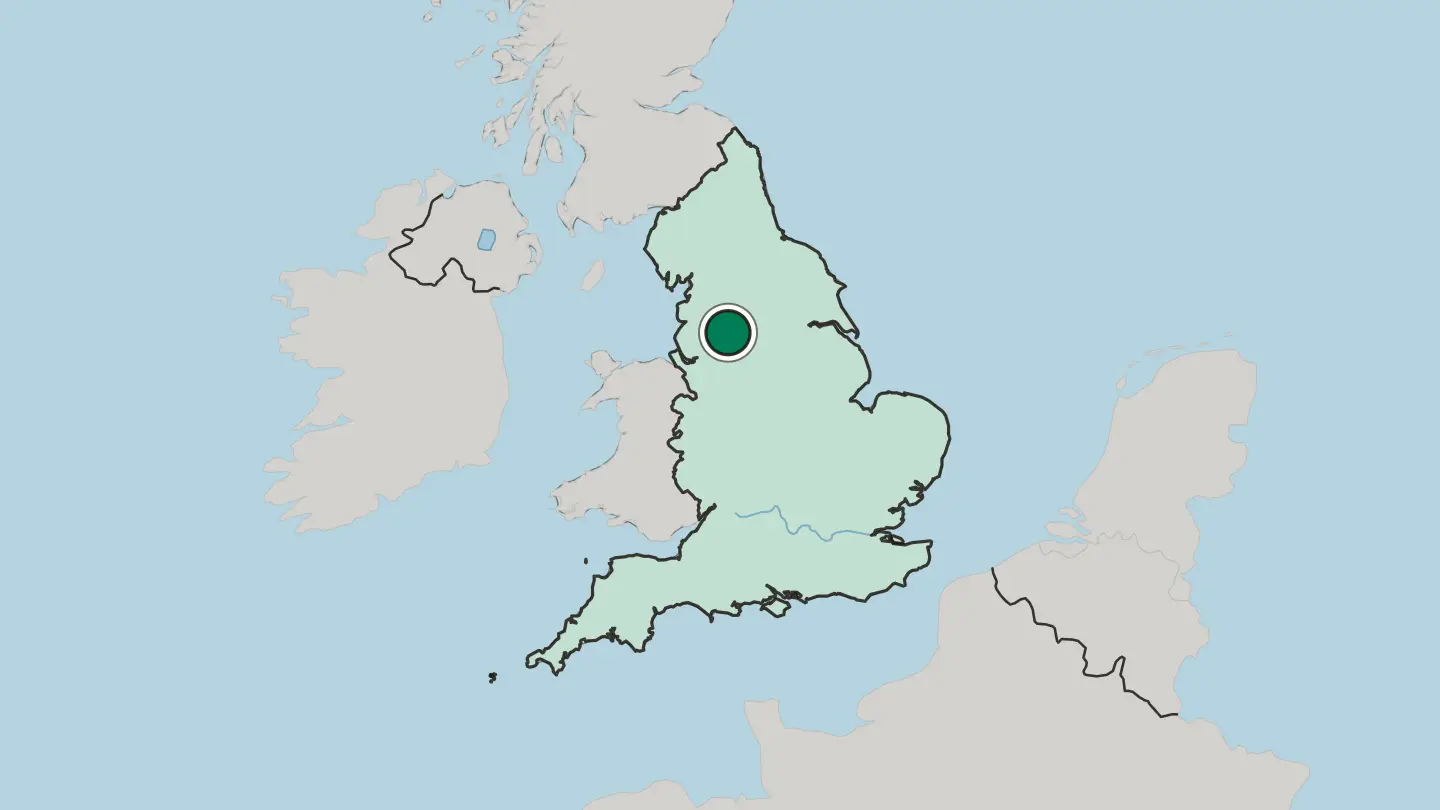
 United Kingdom
Hemel Hempstead
Hemel Hempstead is a town in the Dacorum district of Hertfordshire, England, with St Mary's Church and the Charter Tower marking its older core.Where to stay →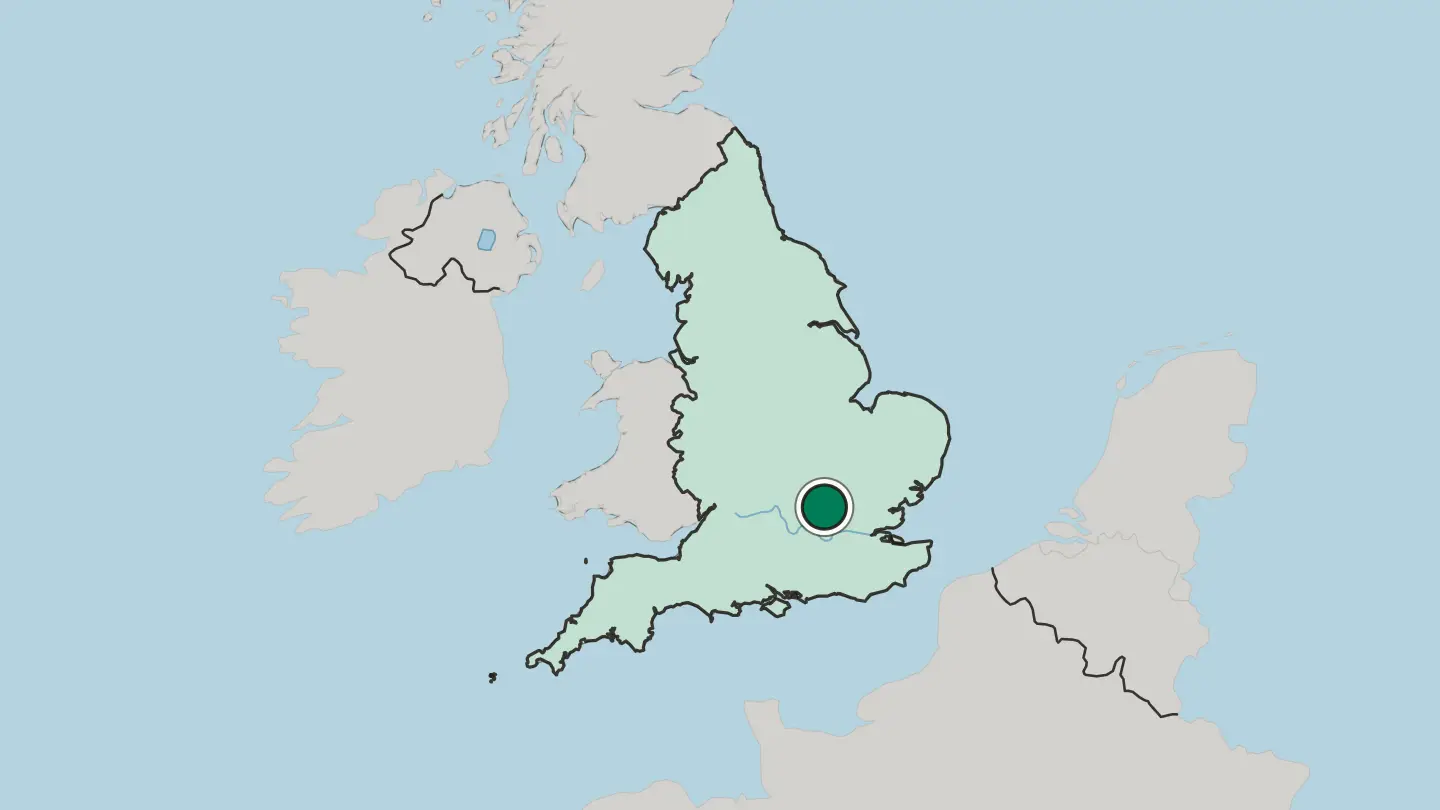
 United Kingdom
Romford
Romford is a large town in east London, a metropolitan centre of the London Borough of Havering around the Parish Church of St Edward the Confessor.Where to stay →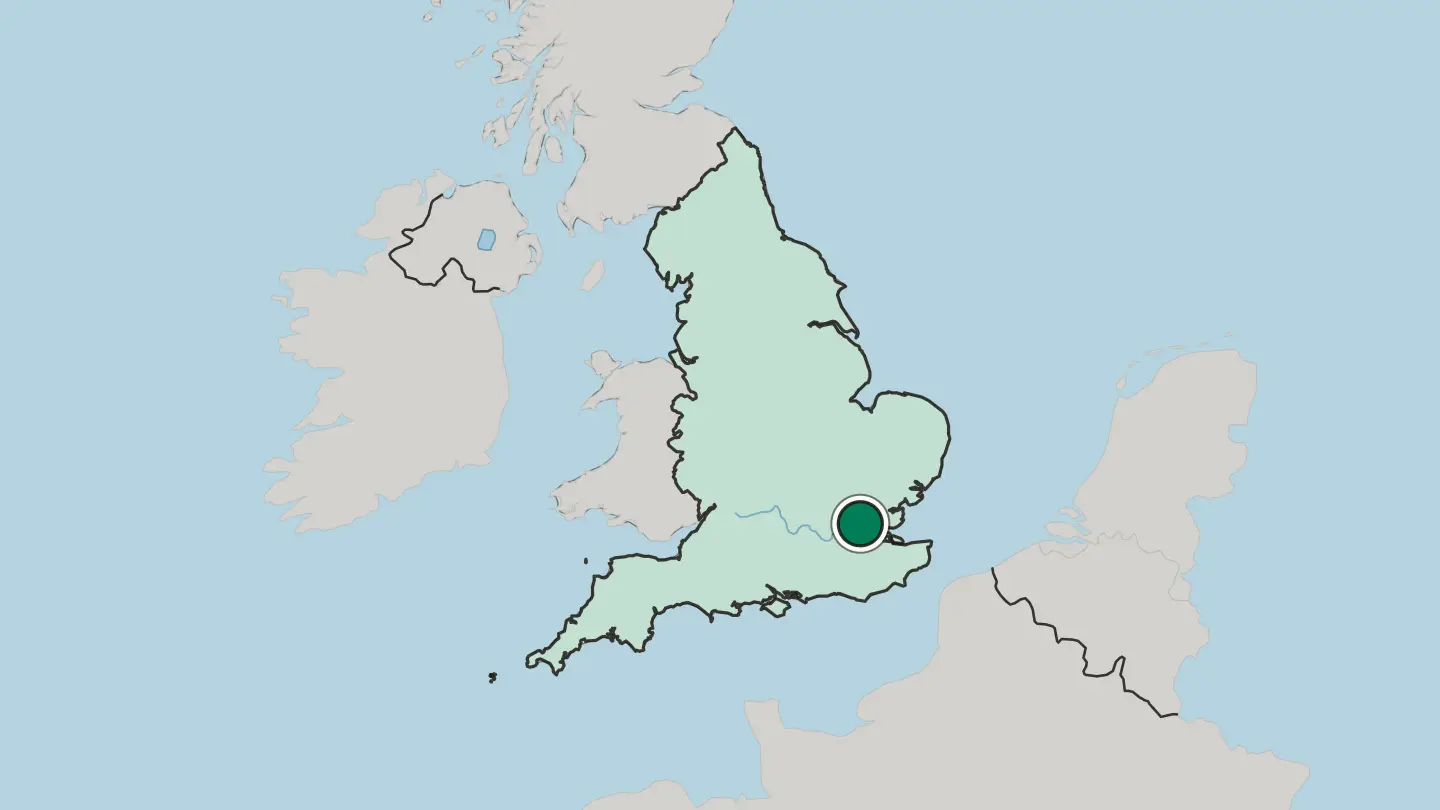 United Kingdom
Hayes
Hayes is a west London town in the London Borough of Hillingdon, with the Grand Union Canal through its centre and the Elizabeth line at its station.Where to stay →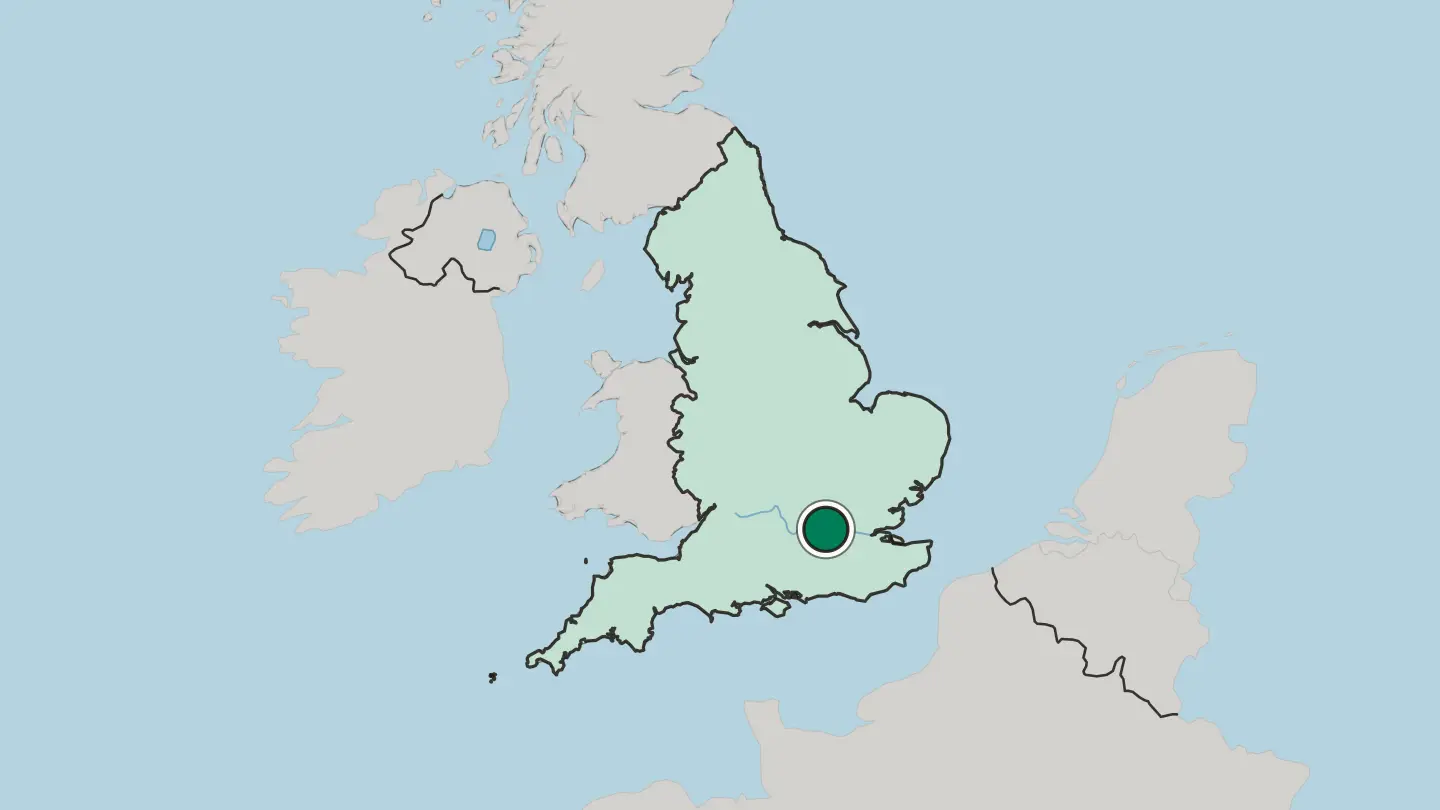
 United Kingdom
Harlow
Harlow is a post-war new town in the west of Essex, England, planned around the older settlement that is still called Old Harlow.Where to stay →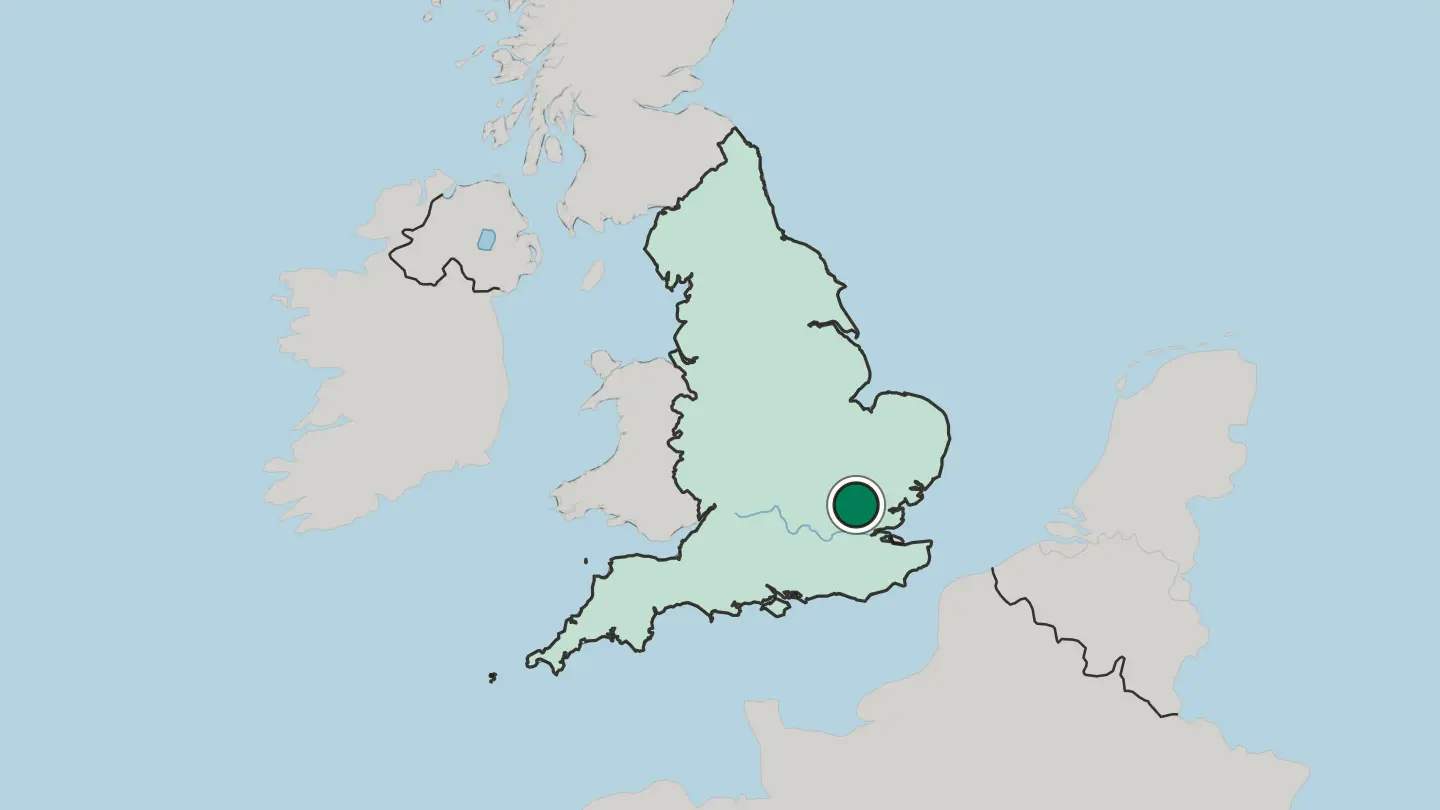
 United Kingdom
Hastings
Hastings is a seaside town on the Channel coast of East Sussex, England, its cliff-top castle recalling the Norman conquest of 1066.Where to stay →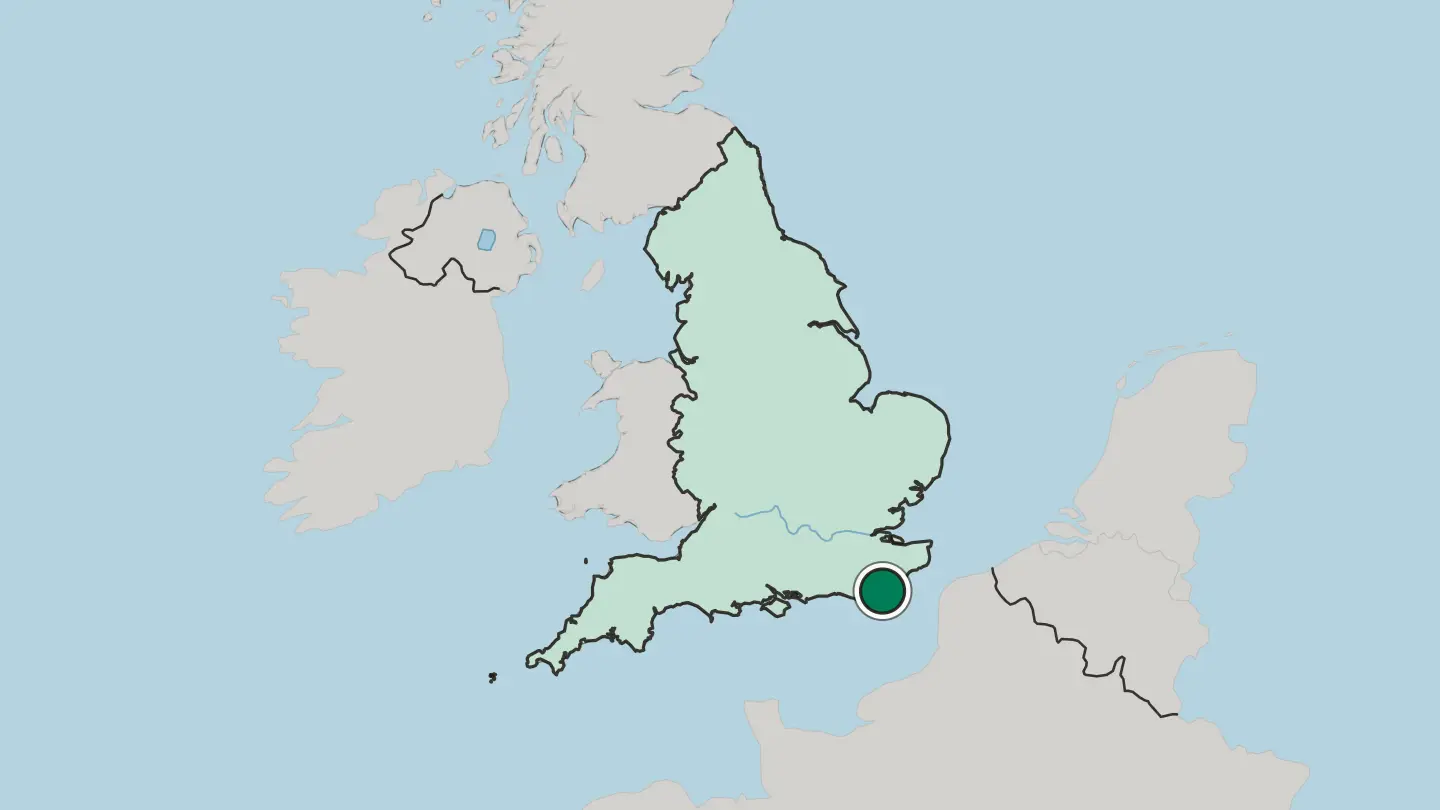
 United Kingdom
Darlington
Darlington is a market town on the River Skerne in County Durham, known for its part in the development of the railways in the 19th century.Where to stay →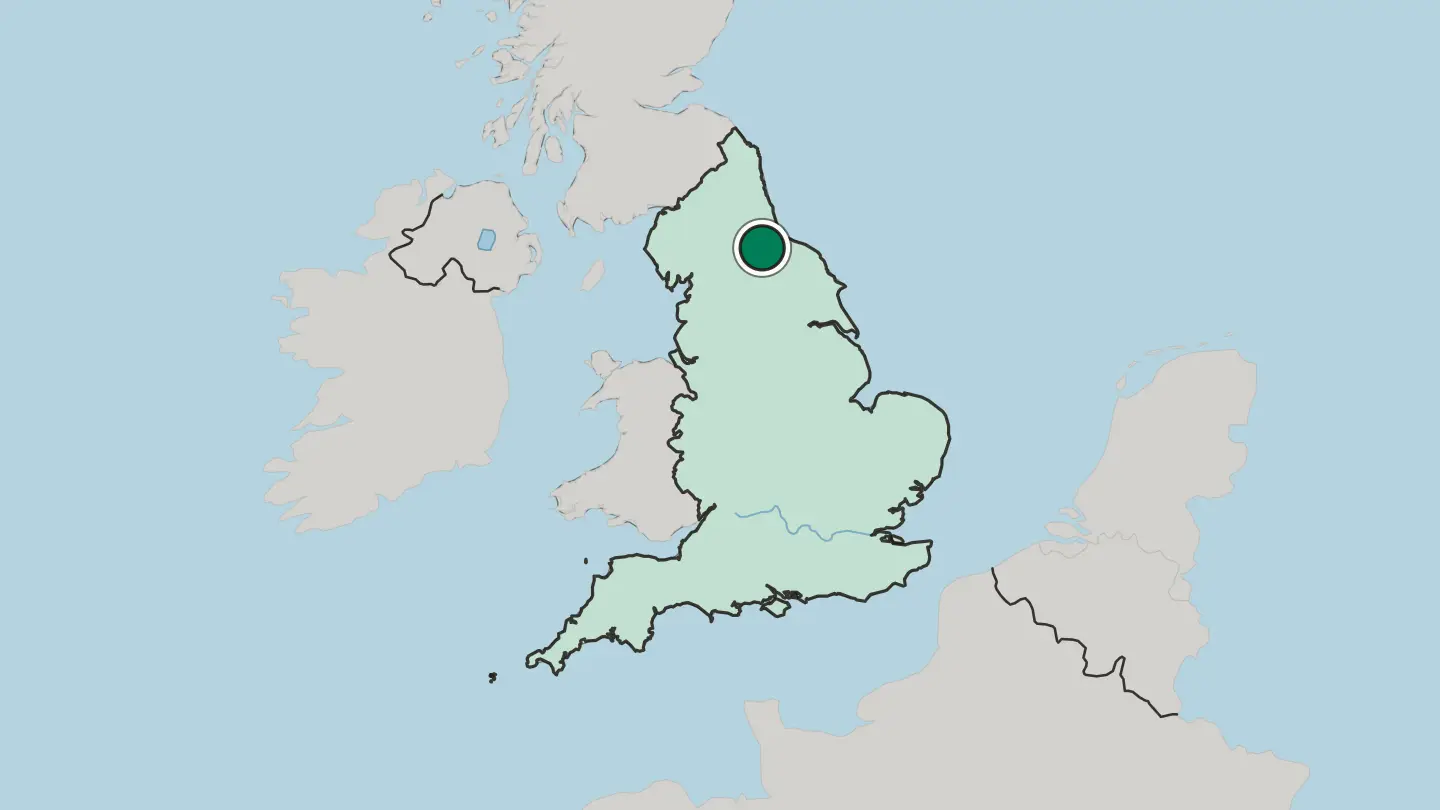
 United Kingdom
Stevenage
Stevenage, in Hertfordshire, was designated the United Kingdom's first New Town in 1946, and grew around an older High Street north of London.Where to stay →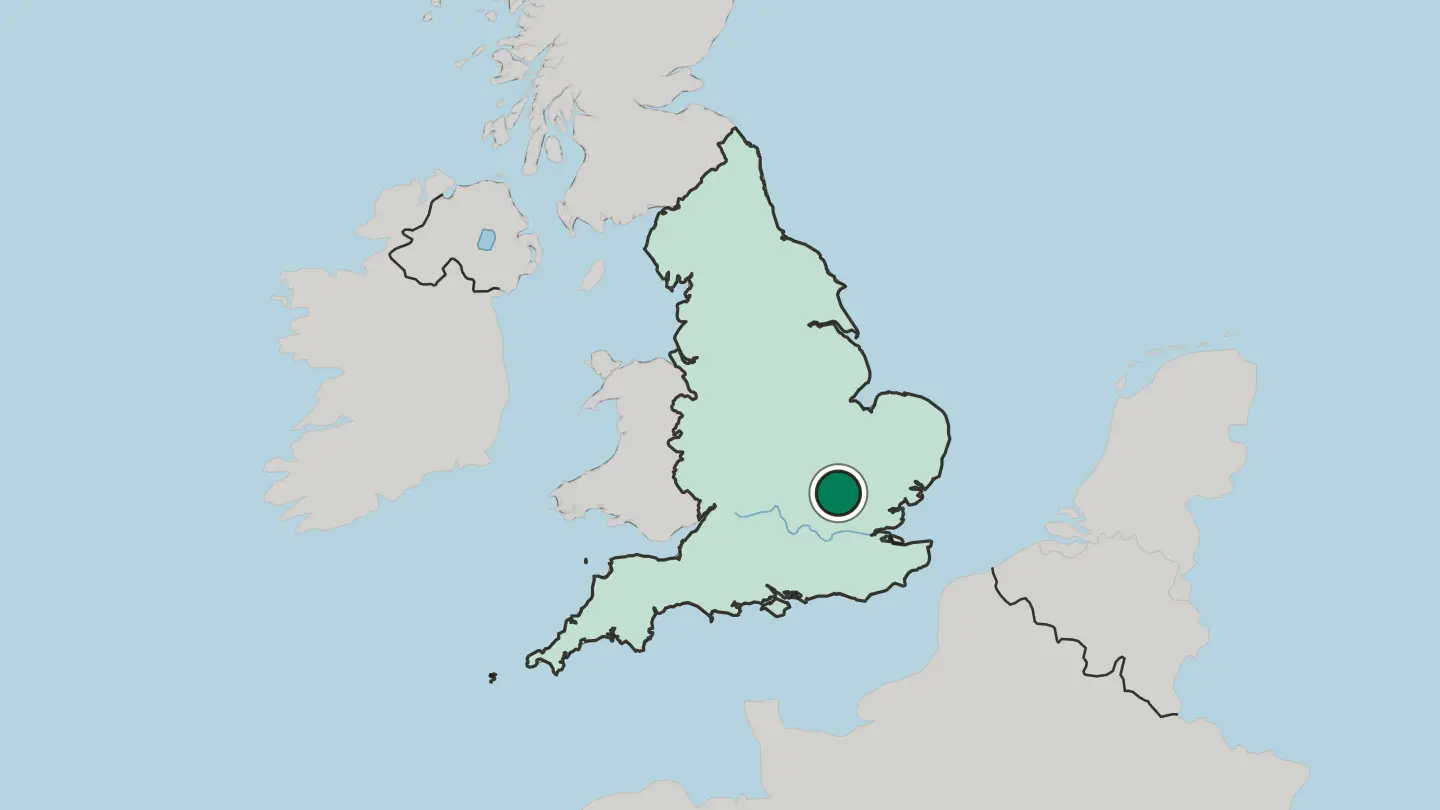
 United Kingdom
Southport
Southport is a seaside town on the Irish Sea coast of Sefton in Merseyside, north of Liverpool and south-west of Preston.Where to stay →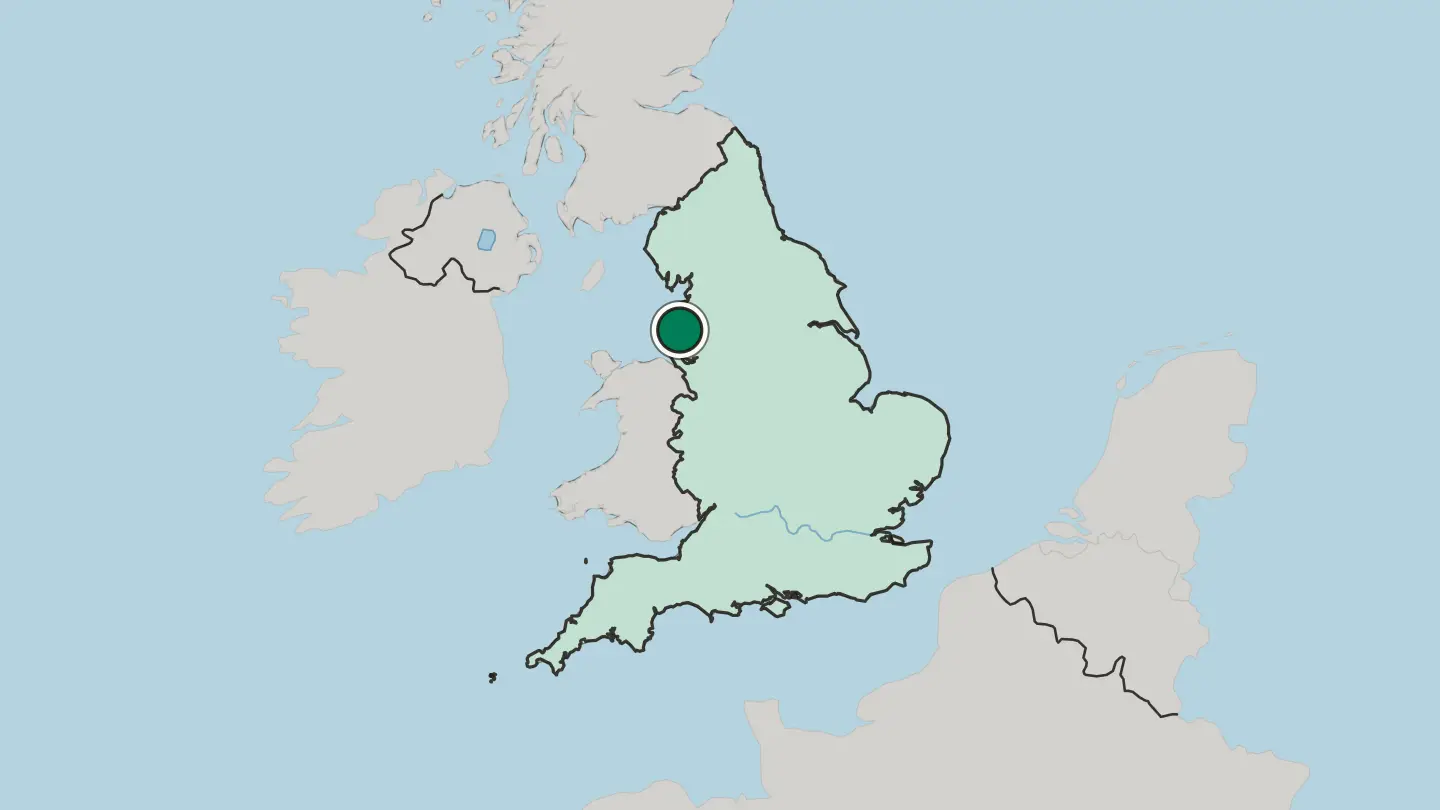
 United Kingdom
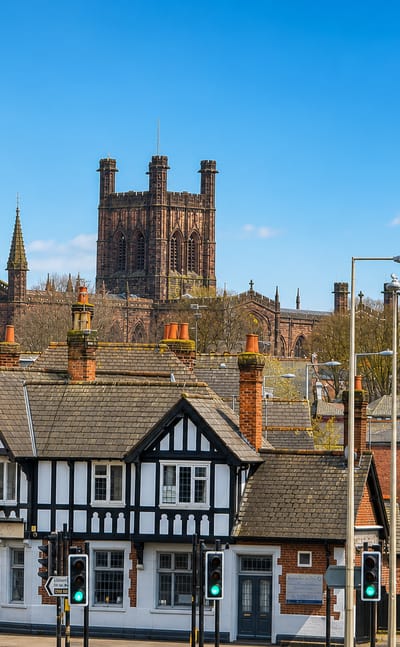
Chester
Sandstone walls trace the River Dee at Chester, a cathedral city in Cheshire near the Wales border, known for its Roman amphitheatre and Chester Castle.Where to stay →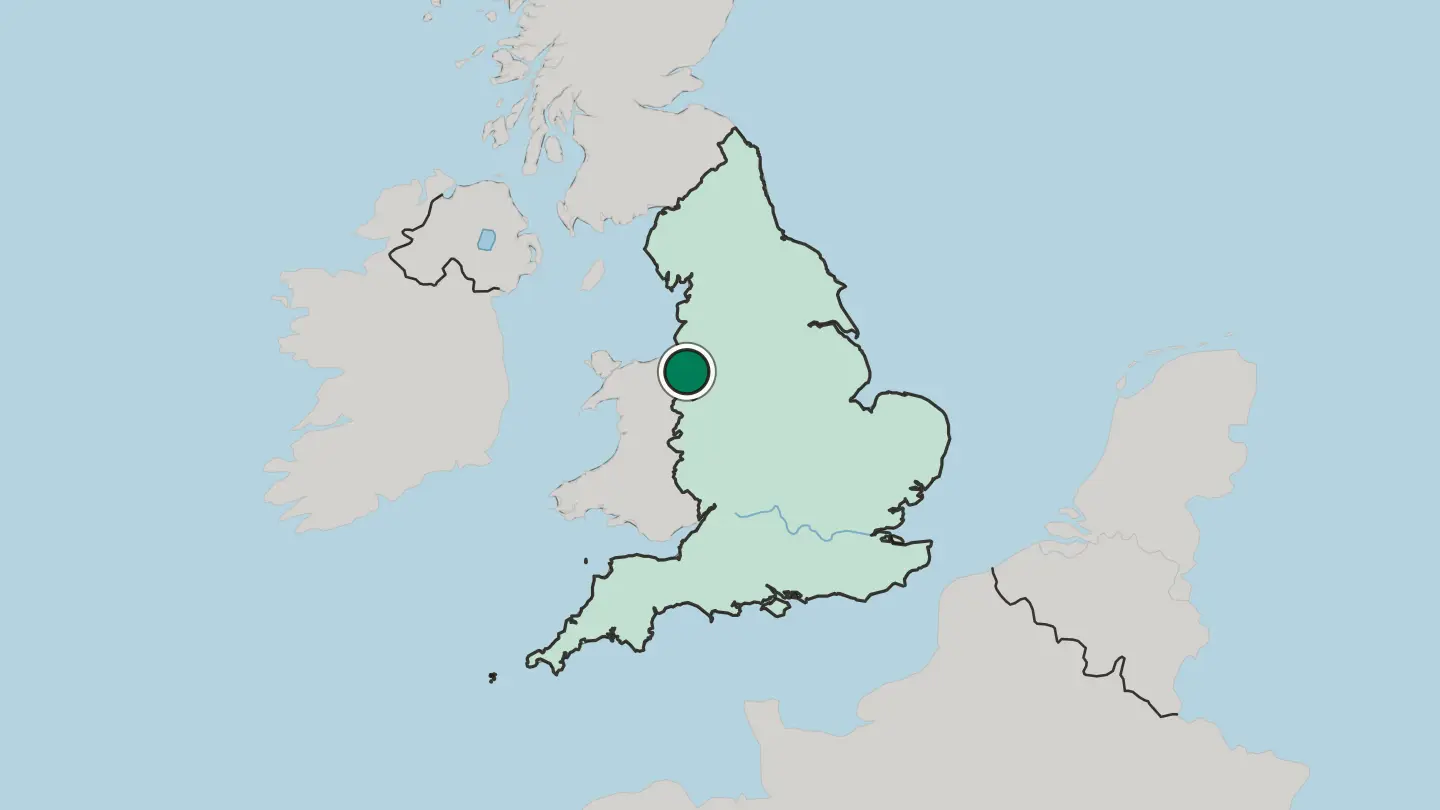
 United Kingdom
Wembley
Wembley is a district of the London Borough of Brent in north-west London, spread across ten wards from Alperton to Wembley Park.Where to stay →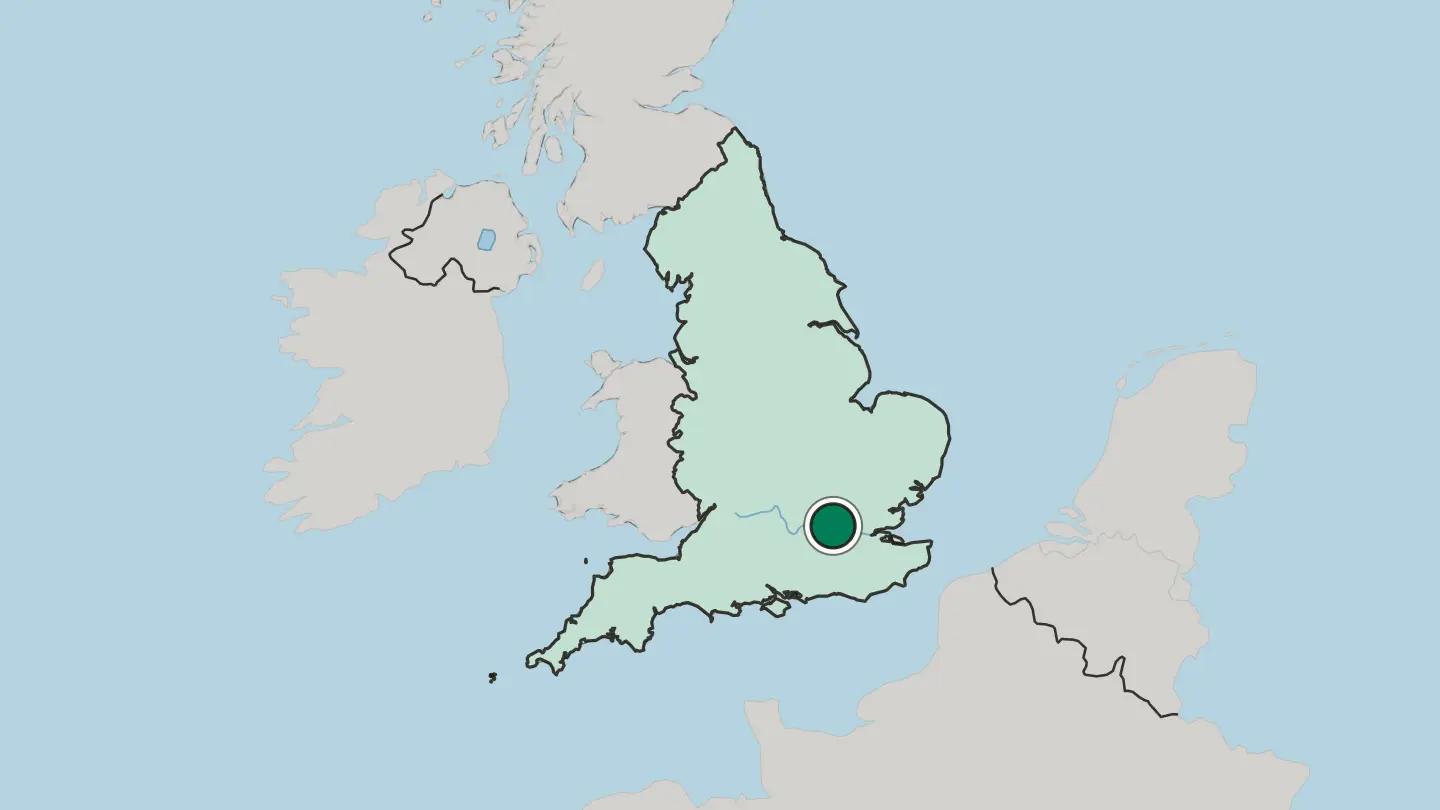 United Kingdom
Grays
Grays, historically Grays Thurrock, is the largest town of the borough of Thurrock, on the north bank of the River Thames in Essex.Where to stay →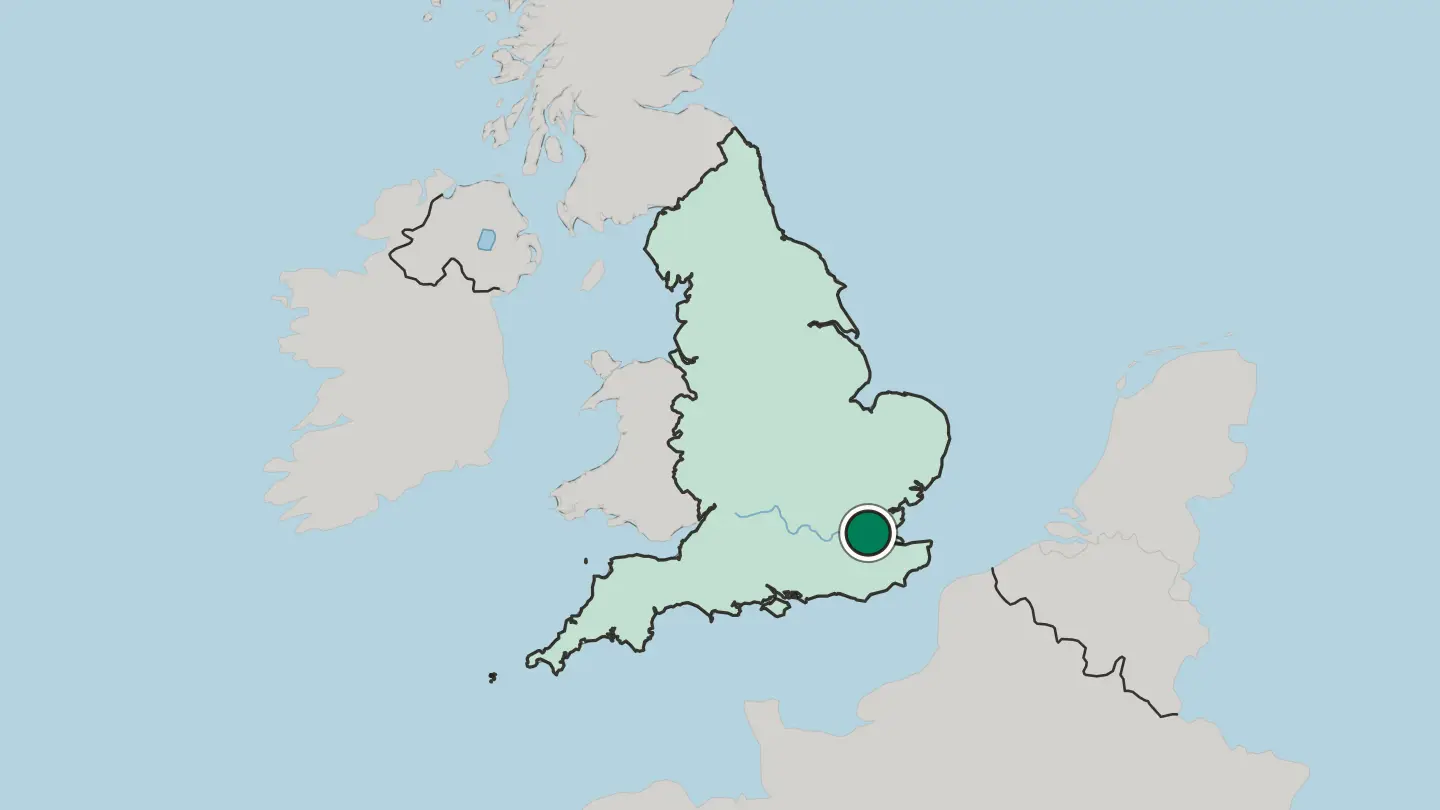
 United Kingdom
Harrogate
Harrogate is a spa town in North Yorkshire, England, its Regency and Victorian streets and public gardens standing on the edge of the Yorkshire Dales.Where to stay →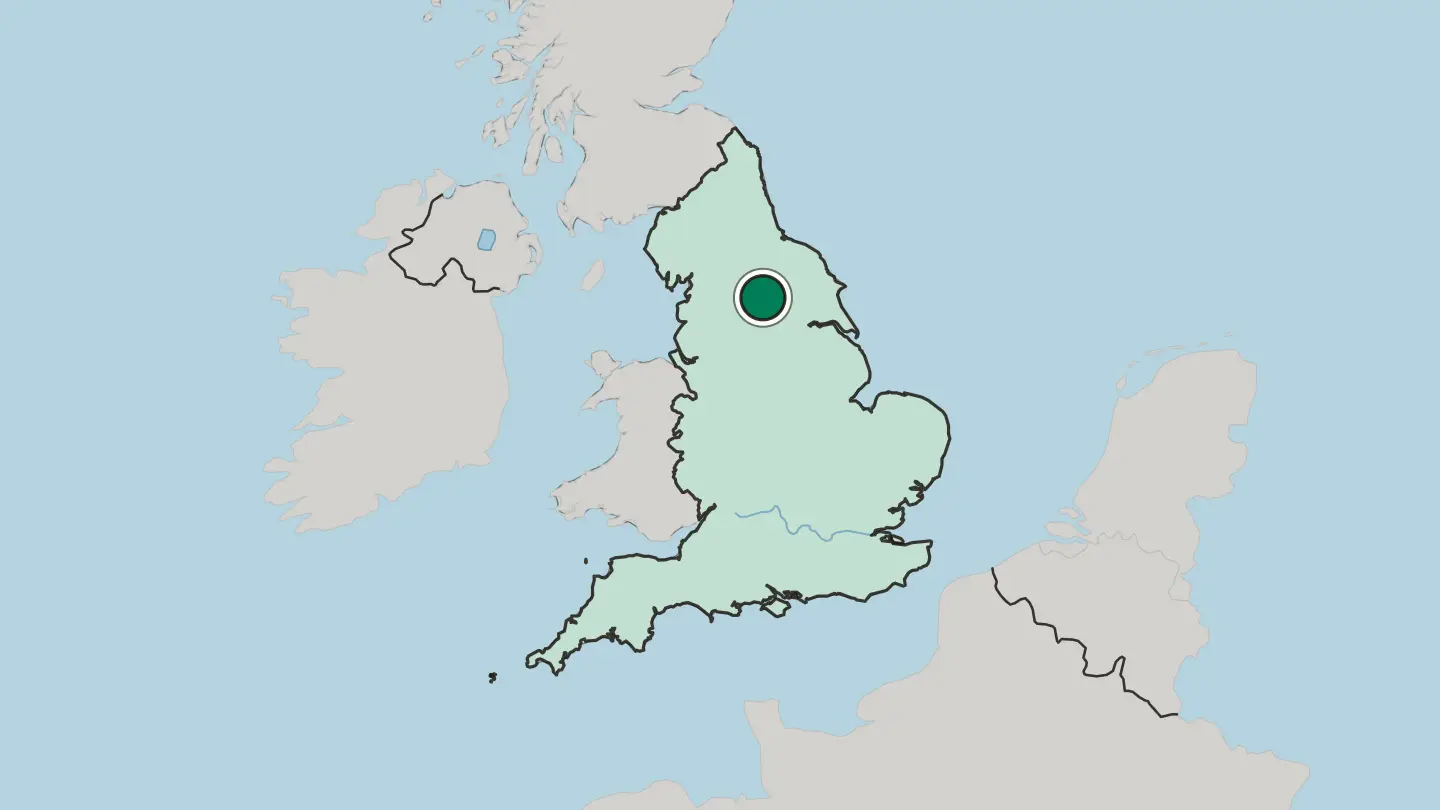
 United Kingdom
Hartlepool
Hartlepool is an industrial port town on the County Durham coast in England, where HMS Trincomalee lies in dock beside the Royal Navy museum.Where to stay →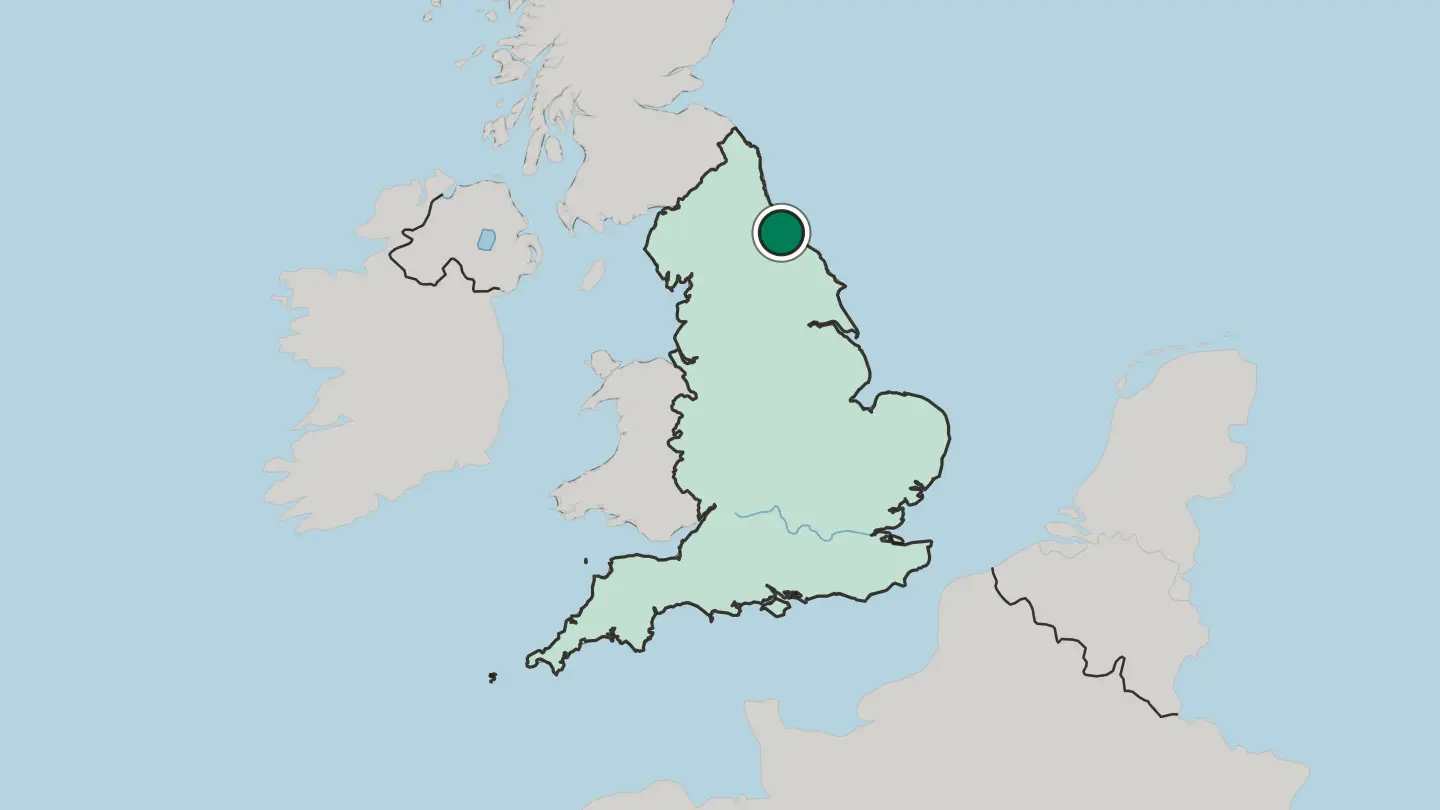
 United Kingdom
Nuneaton
Nuneaton is the largest town in Warwickshire, a market town in the Nuneaton and Bedworth district under the spoil heap of Mount Judd.Where to stay →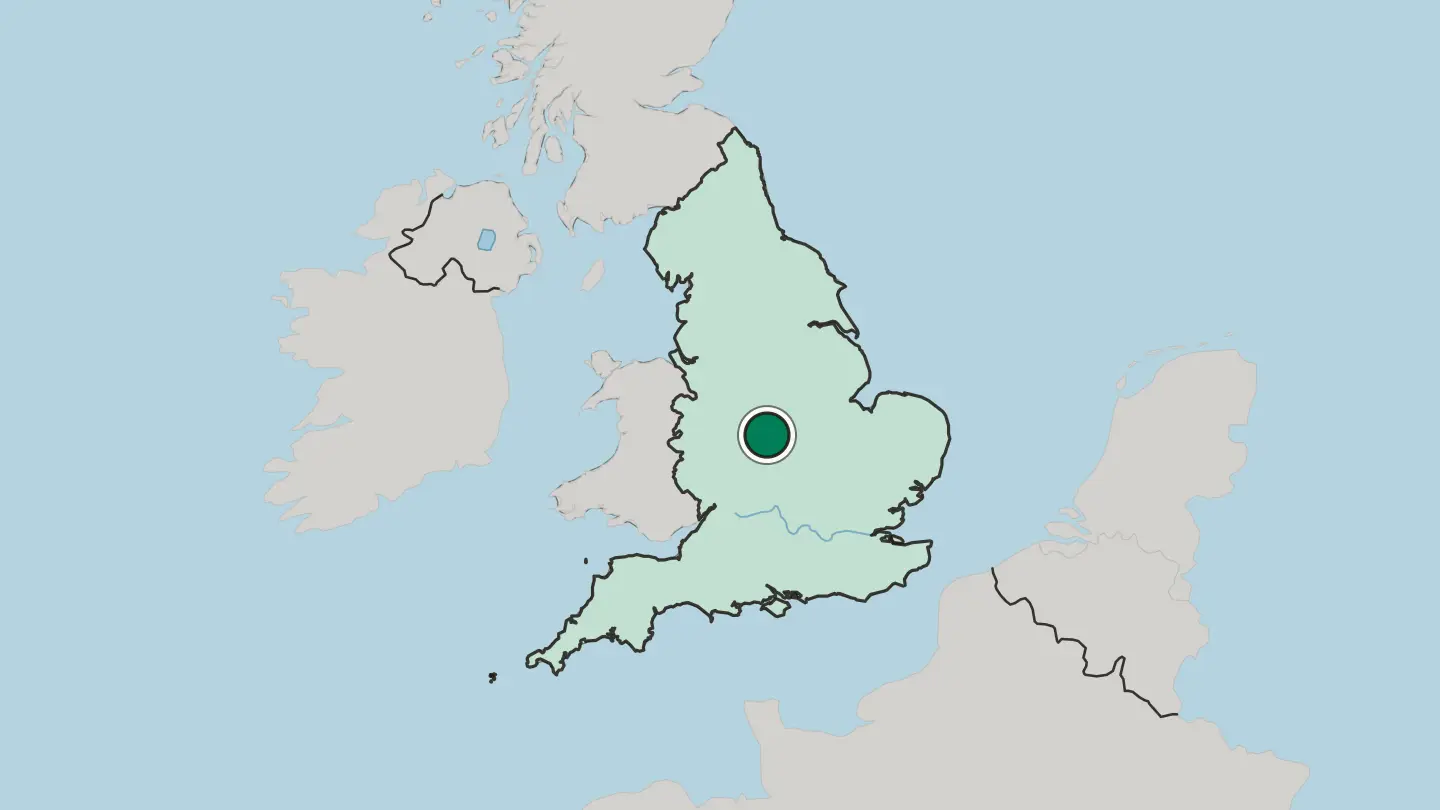
 United Kingdom
Redditch
Redditch is a Worcestershire town that once made most of the world's needles, a trade kept at the Forge Mill Needle Museum.Where to stay →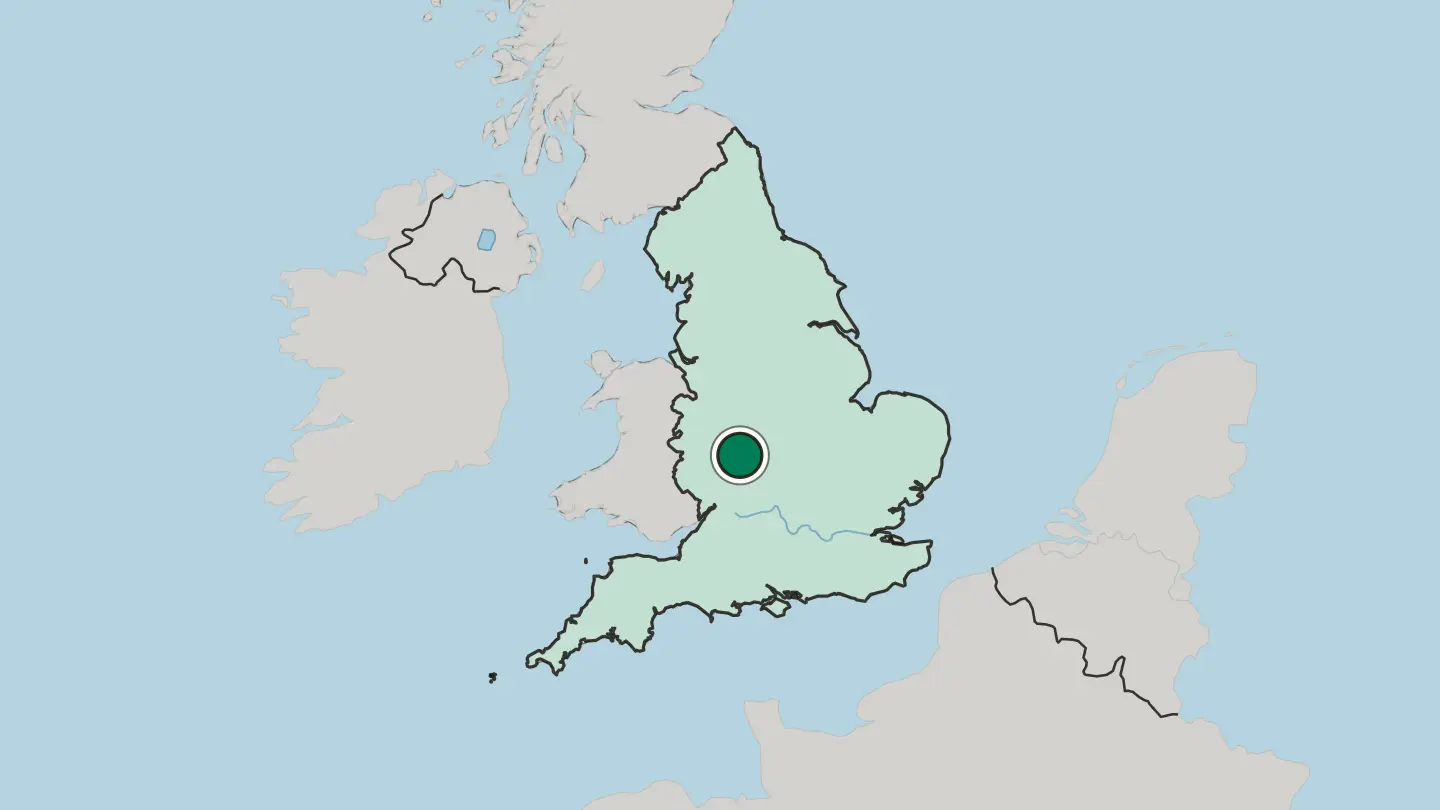
 United Kingdom
Fulham
Fulham is a West London area in a loop on the north bank of the River Thames, with Fulham Palace as its landmark.Where to stay →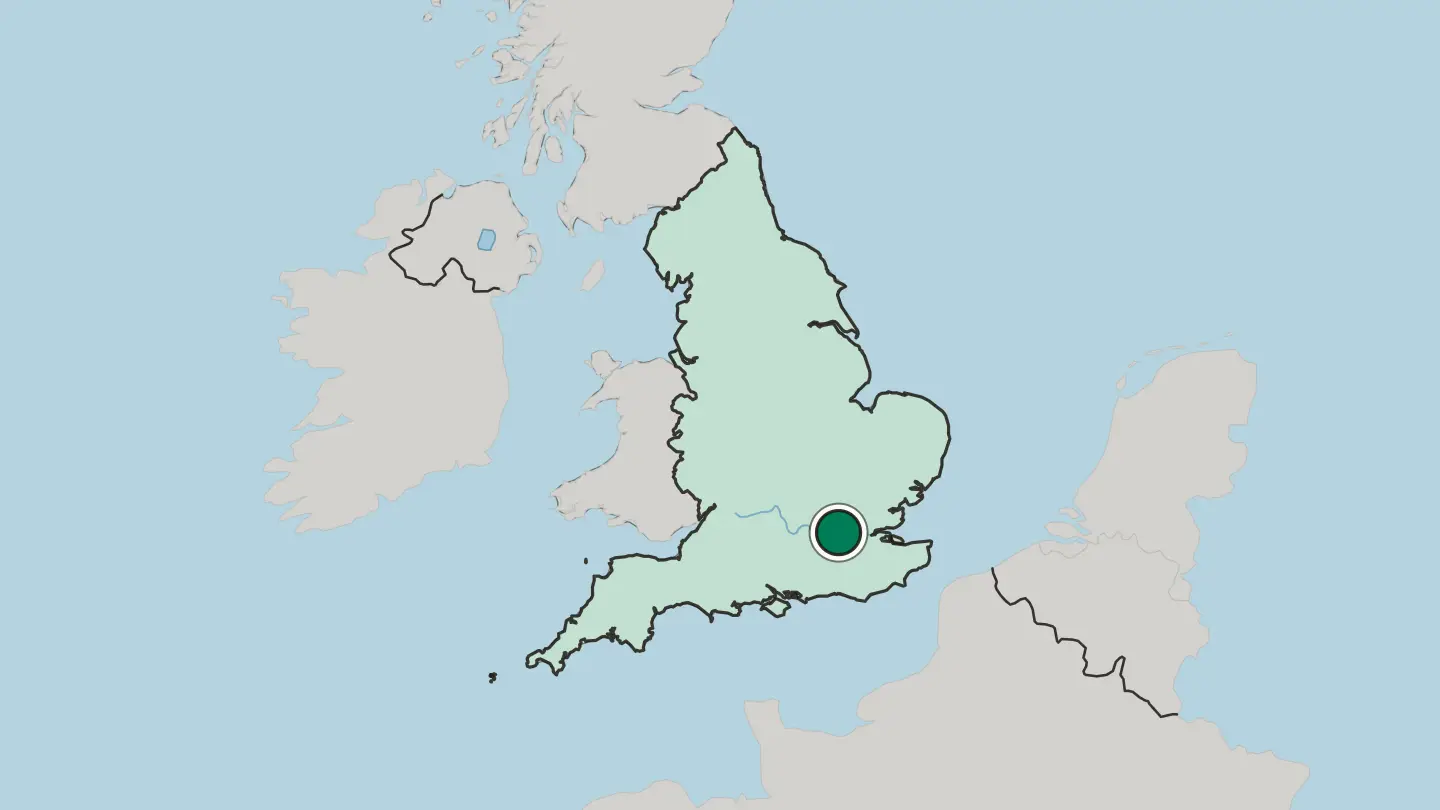
 United Kingdom
Grimsby
Grimsby is a fishing port on the south bank of the Humber in Lincolnshire, marked by the Grimsby Dock Tower and its medieval Minster.Where to stay →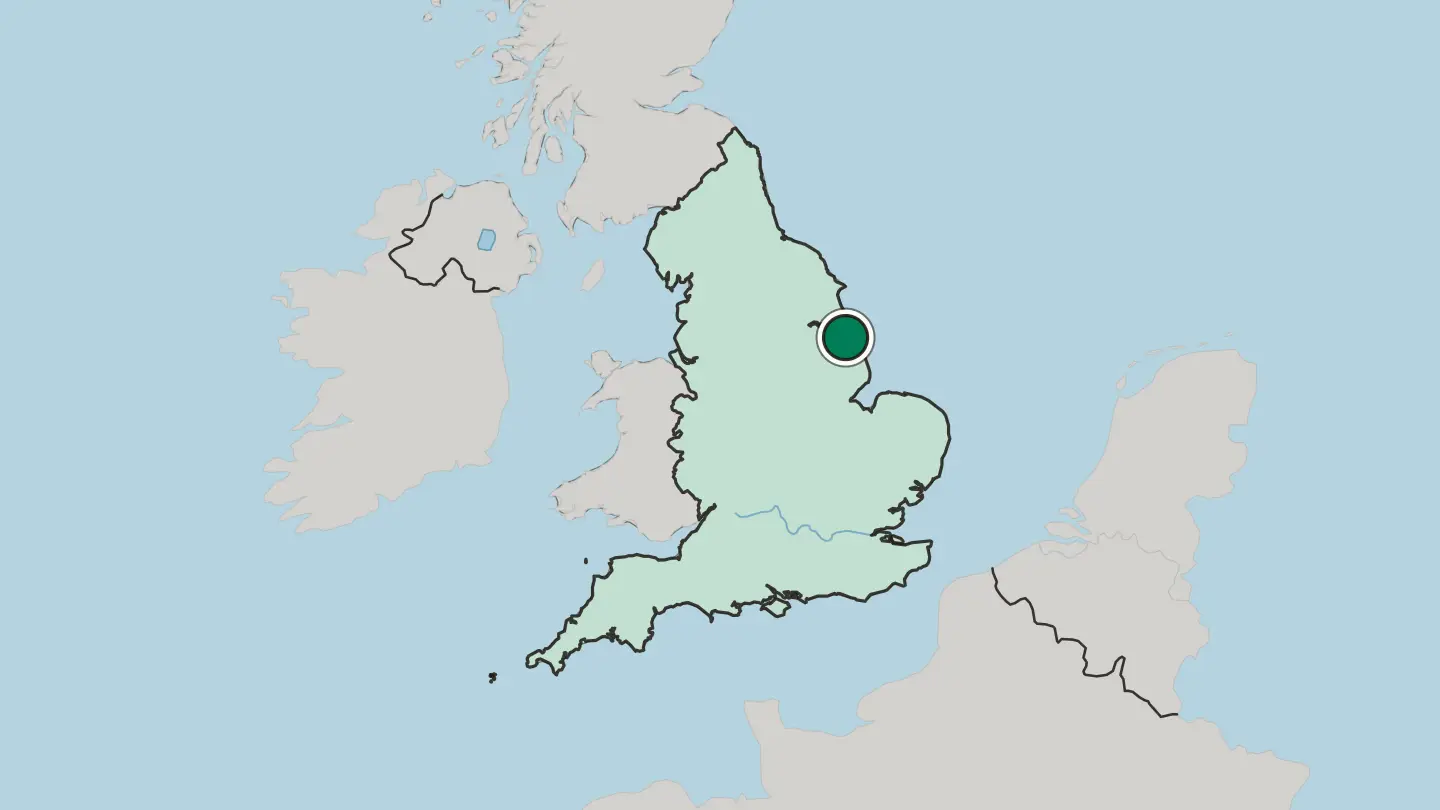 United Kingdom
Cannock
Cannock is the largest town of the Cannock Chase district in Staffordshire, England. Wolverhampton and Walsall sit nearby.Where to stay →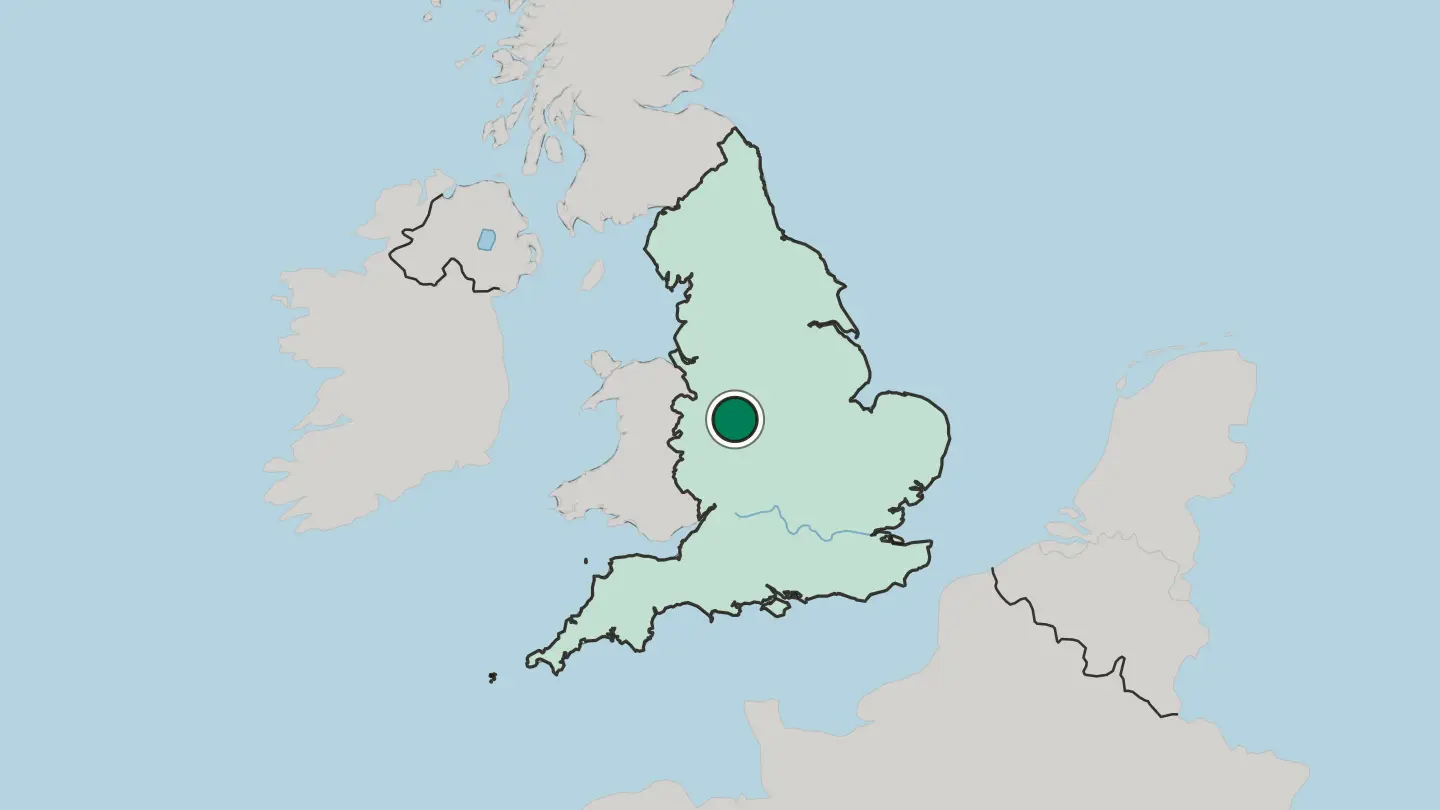
 United Kingdom
St Albans
St Albans is a cathedral city in Hertfordshire, north-west of London, standing beside the Roman city of Verulamium on Watling Street.Where to stay →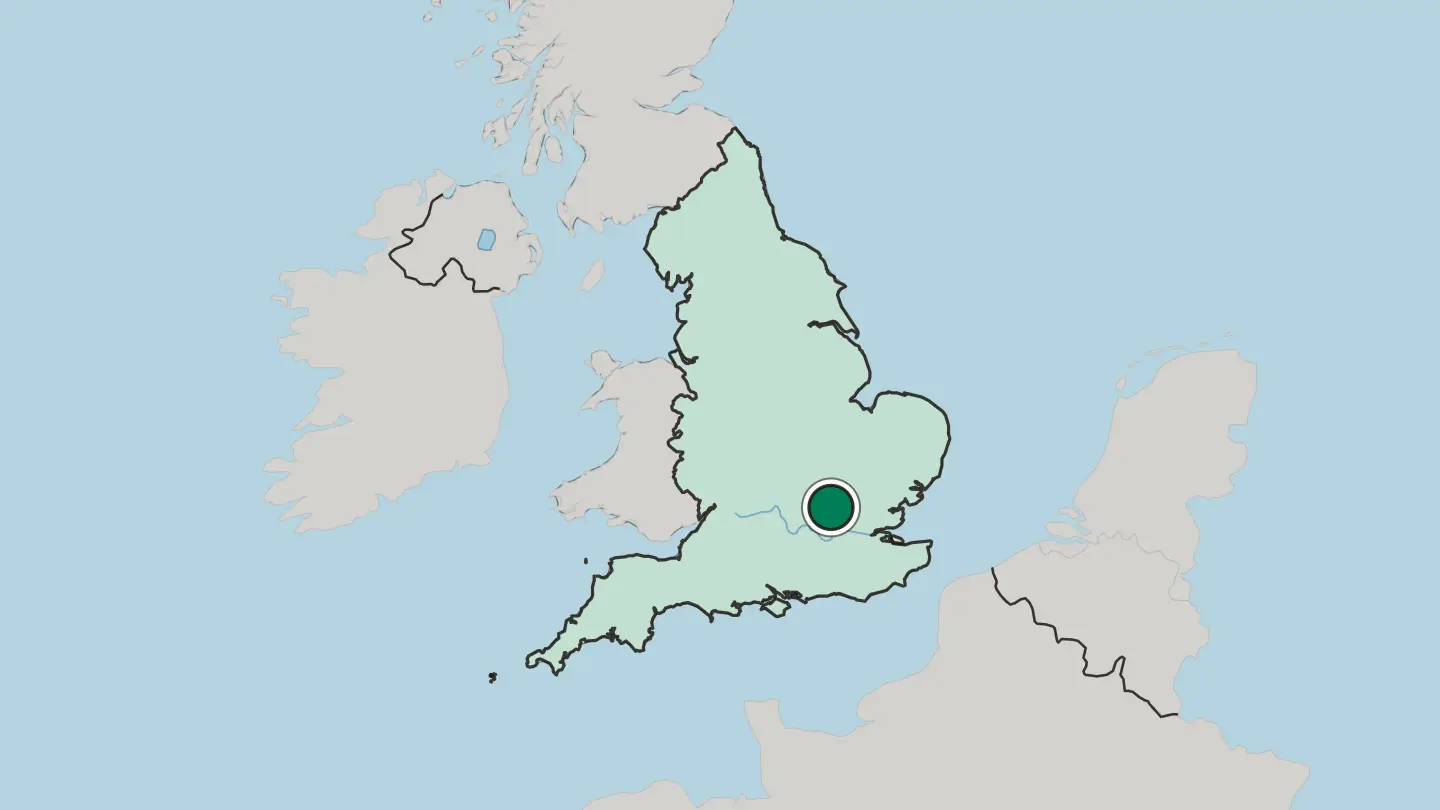
 United Kingdom
South Shields
South Shields is a coastal port town on the south bank of the Tyne mouth, in South Tyneside, the place Rome knew as Arbeia.Where to stay →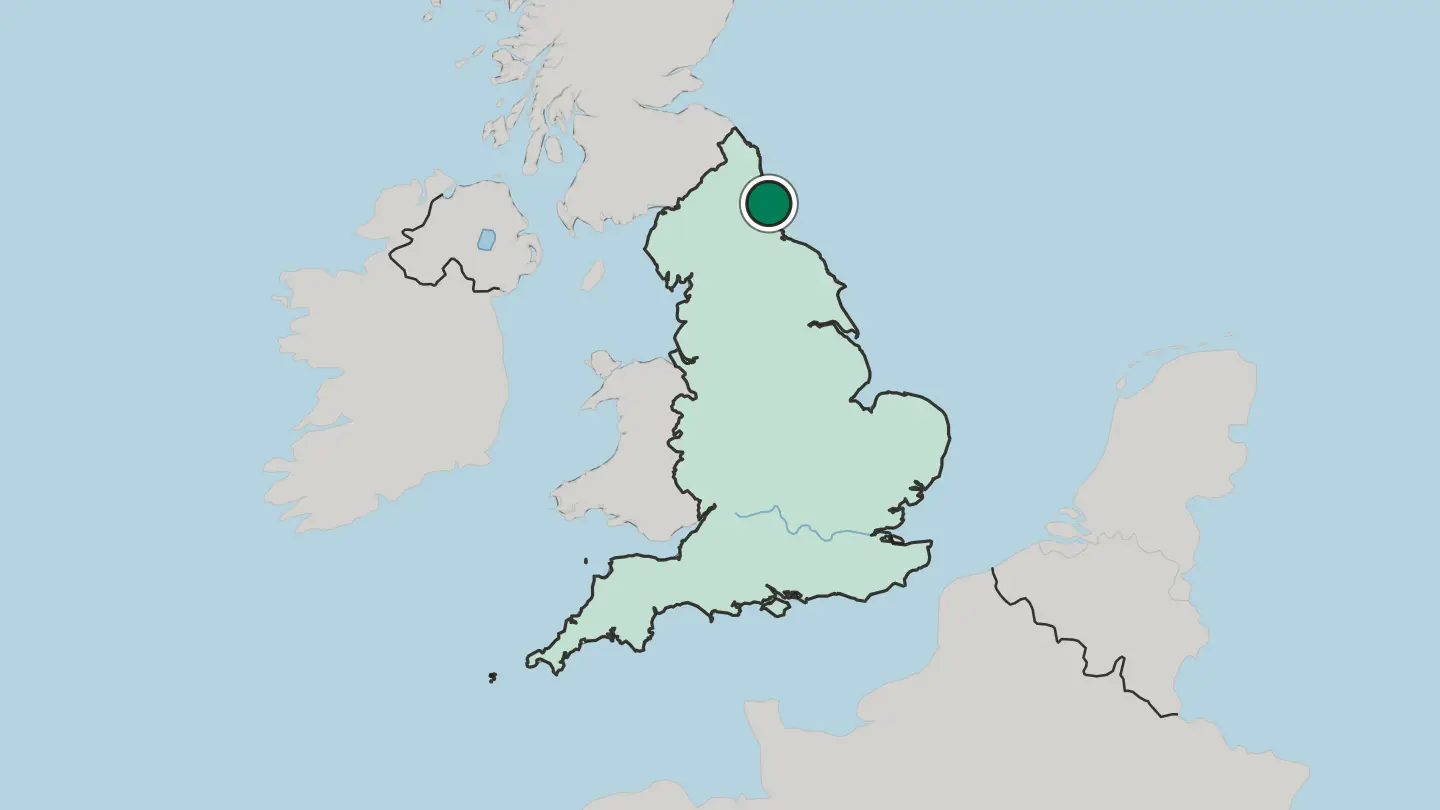
 United Kingdom
Weston-super-Mare
Weston-super-Mare is a Somerset seaside town on the Bristol Channel, held between Worlebury Hill and Bleadon Hill above the sands of Weston Bay.Where to stay →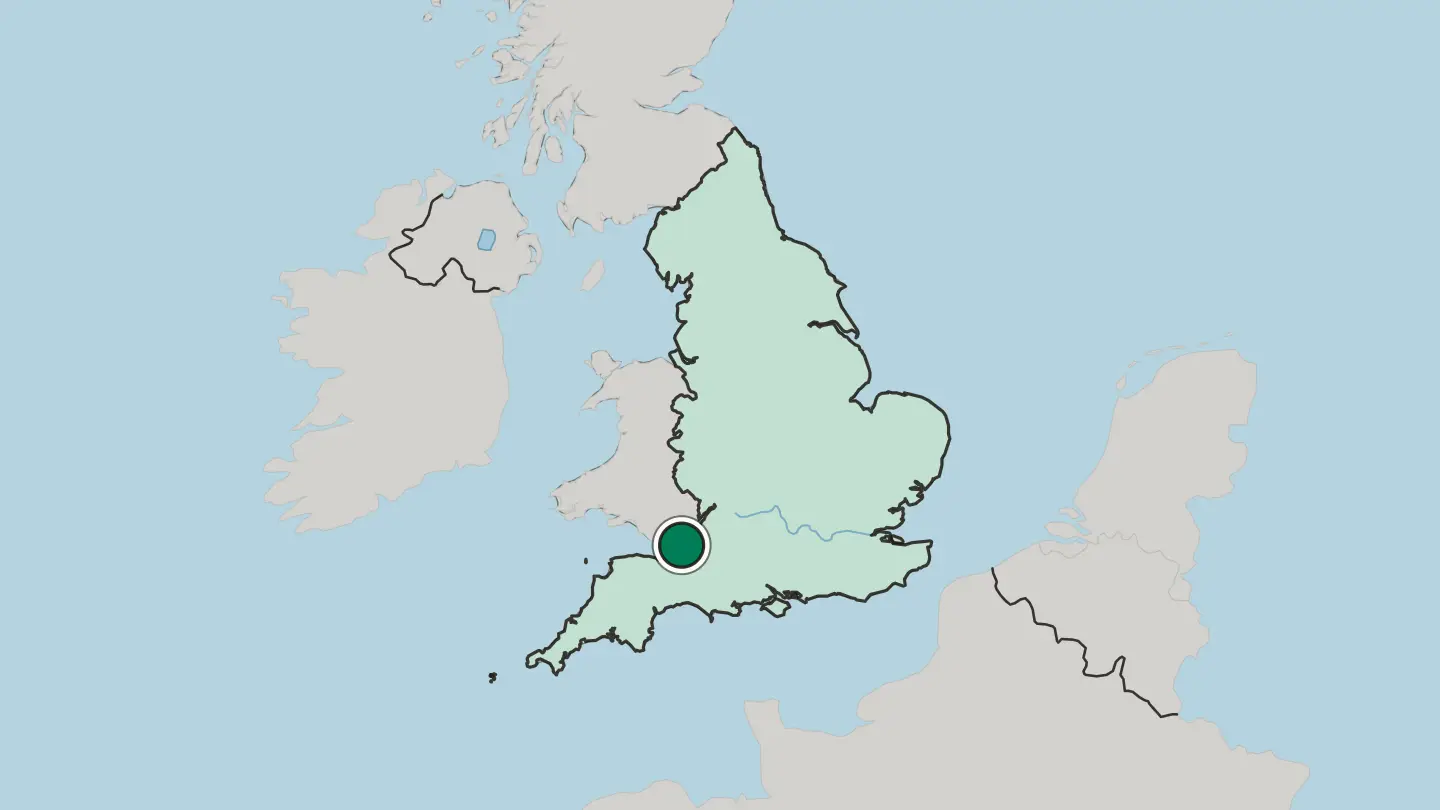
 United Kingdom
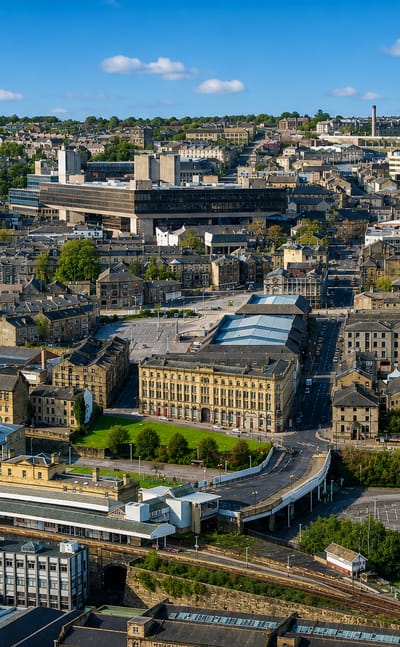
Halifax
Halifax is a town in Calderdale, in West Yorkshire, England, an old wool and textile centre set among the Pennine hills.Where to stay →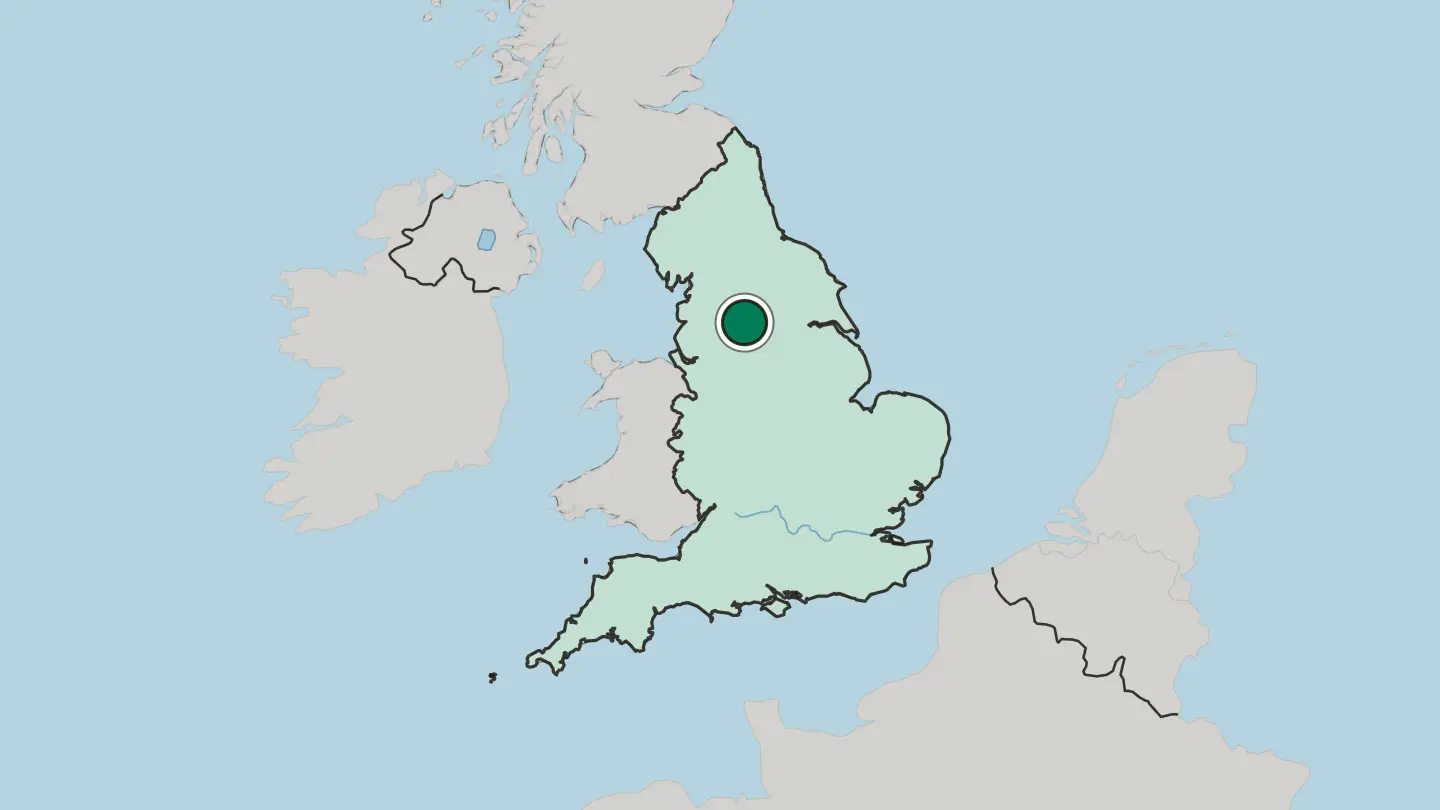 United Kingdom
Edmonton
Edmonton is a town in north London within the London Borough of Enfield, split between Lower Edmonton, or Edmonton Green, and Upper Edmonton.Where to stay →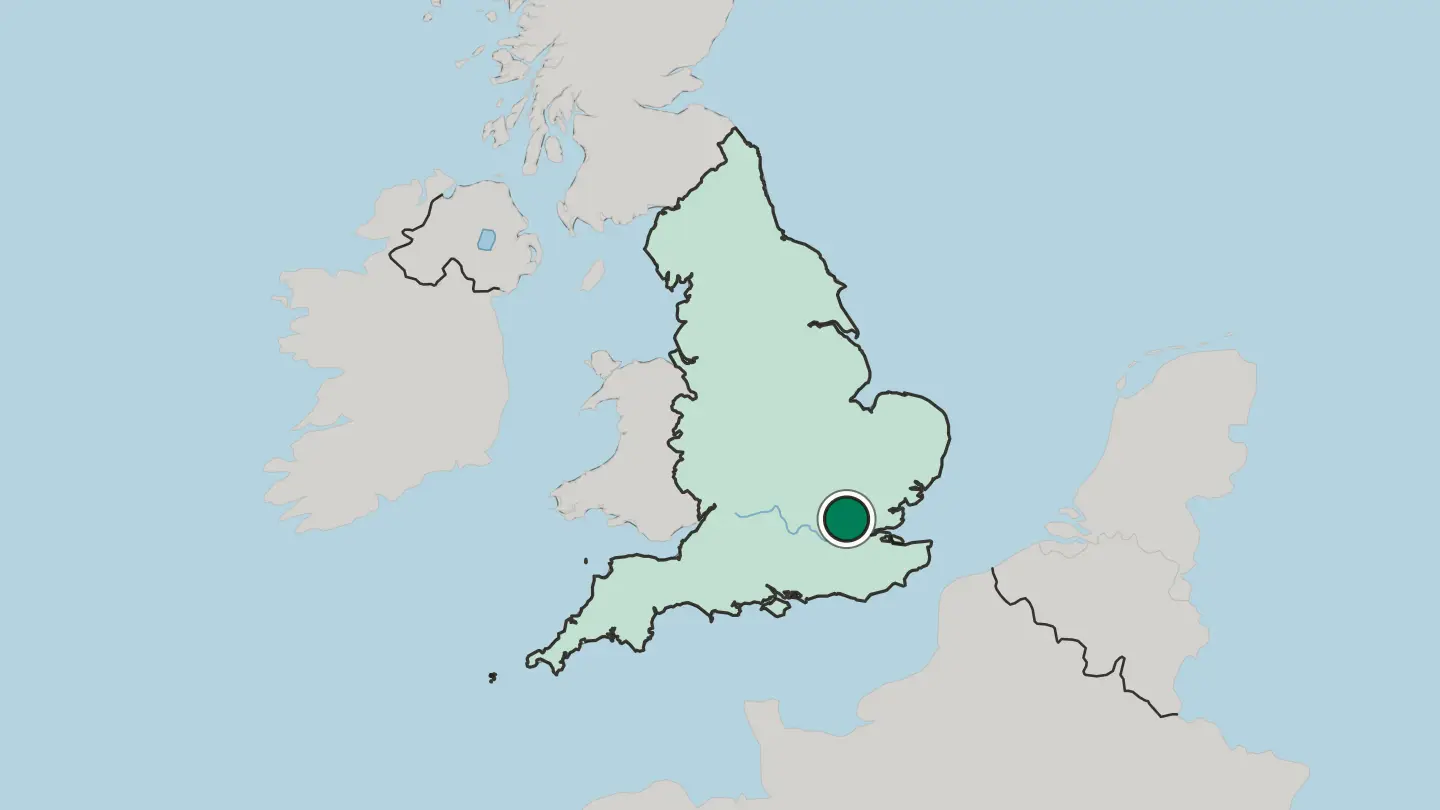
 United Kingdom
Tamworth
Tamworth is a market town and borough in Staffordshire, England, named for the River Tame and holding a medieval castle above it.Where to stay →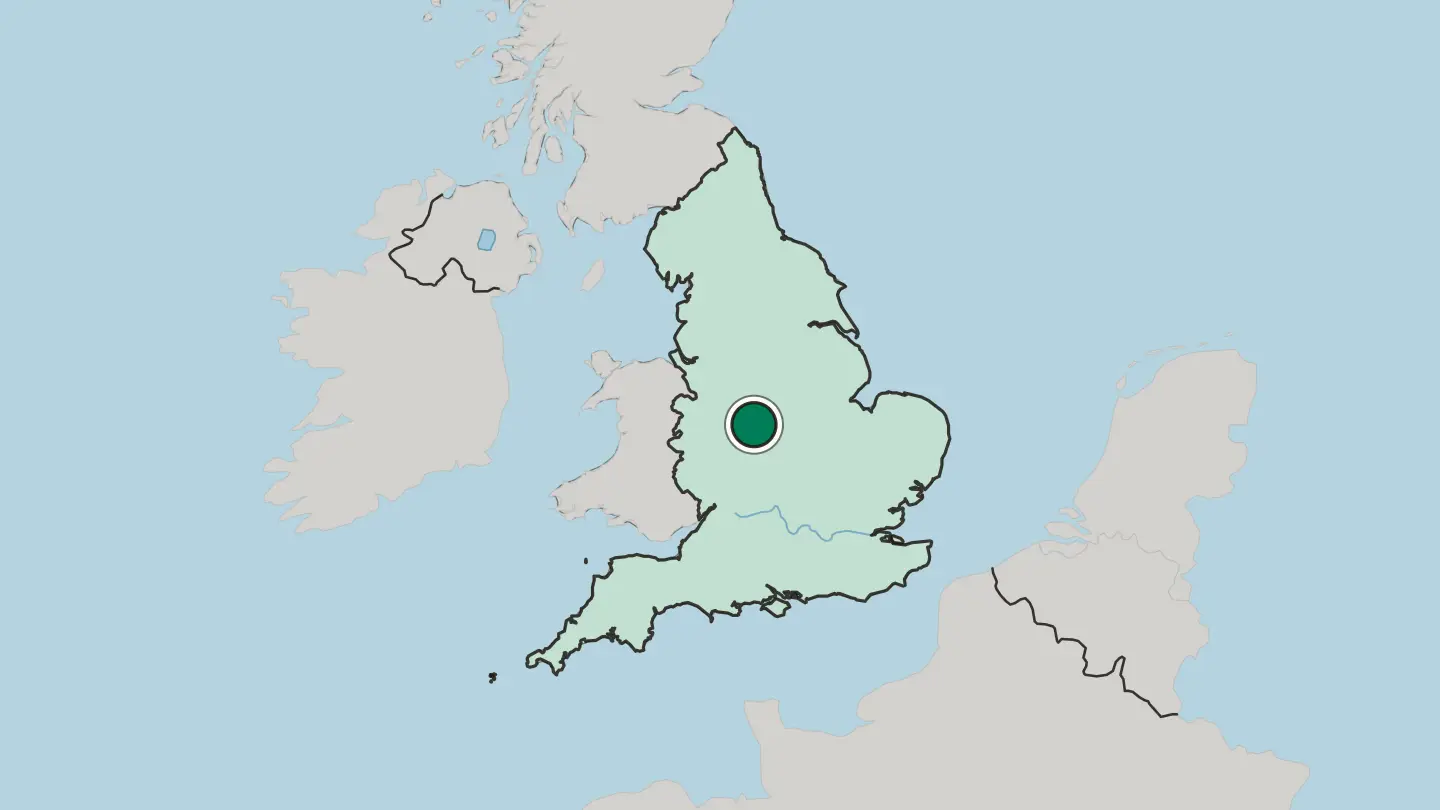
 United Kingdom
Gosport
Gosport is a Hampshire town on a peninsula on the western side of Portsmouth Harbour, holding the Royal Navy Submarine Museum and HMS Alliance.Where to stay →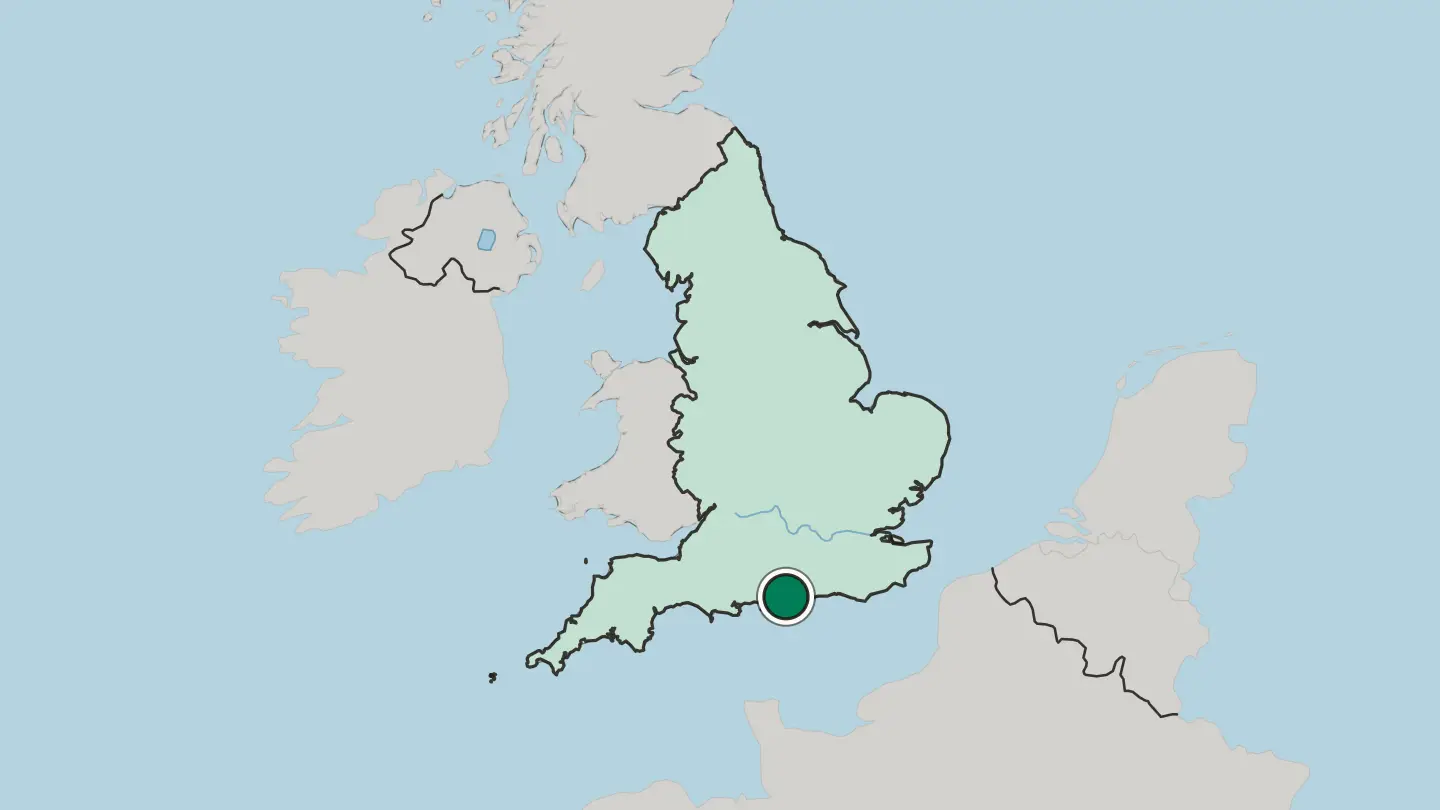
 United Kingdom
Scunthorpe
Scunthorpe is the industrial town at the head of North Lincolnshire, standing north of Lincoln between Grimsby and Doncaster.Where to stay →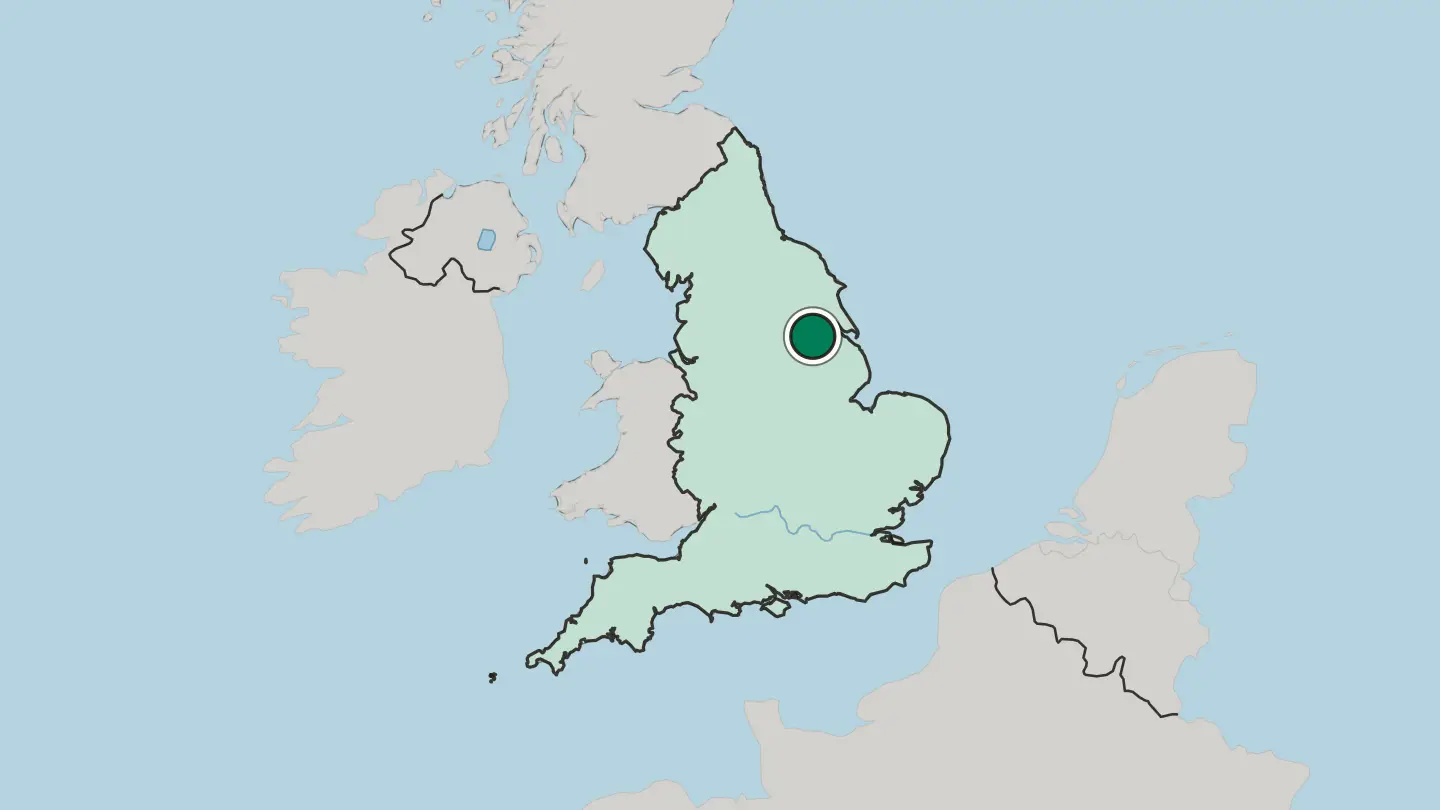
 United Kingdom
Chatham
Chatham is a maritime town on the River Medway in Kent, built around the Chatham Historic Dockyard and run together with Rochester and Gillingham.Where to stay →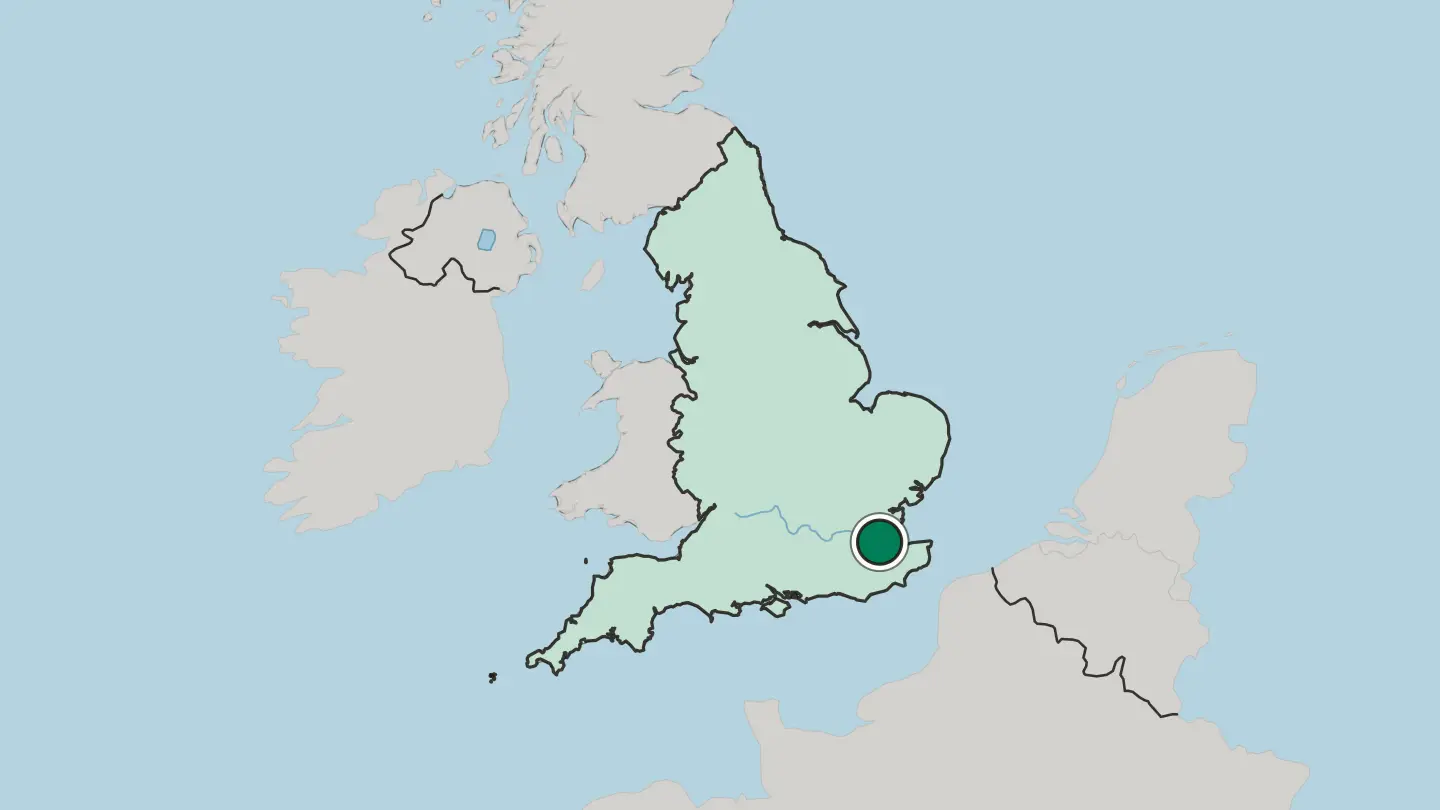
 United Kingdom
Stockton-on-Tees
Stockton-on-Tees is a County Durham market town on the northern bank of the River Tees, part of Teesside and of the wider Tees Valley.Where to stay →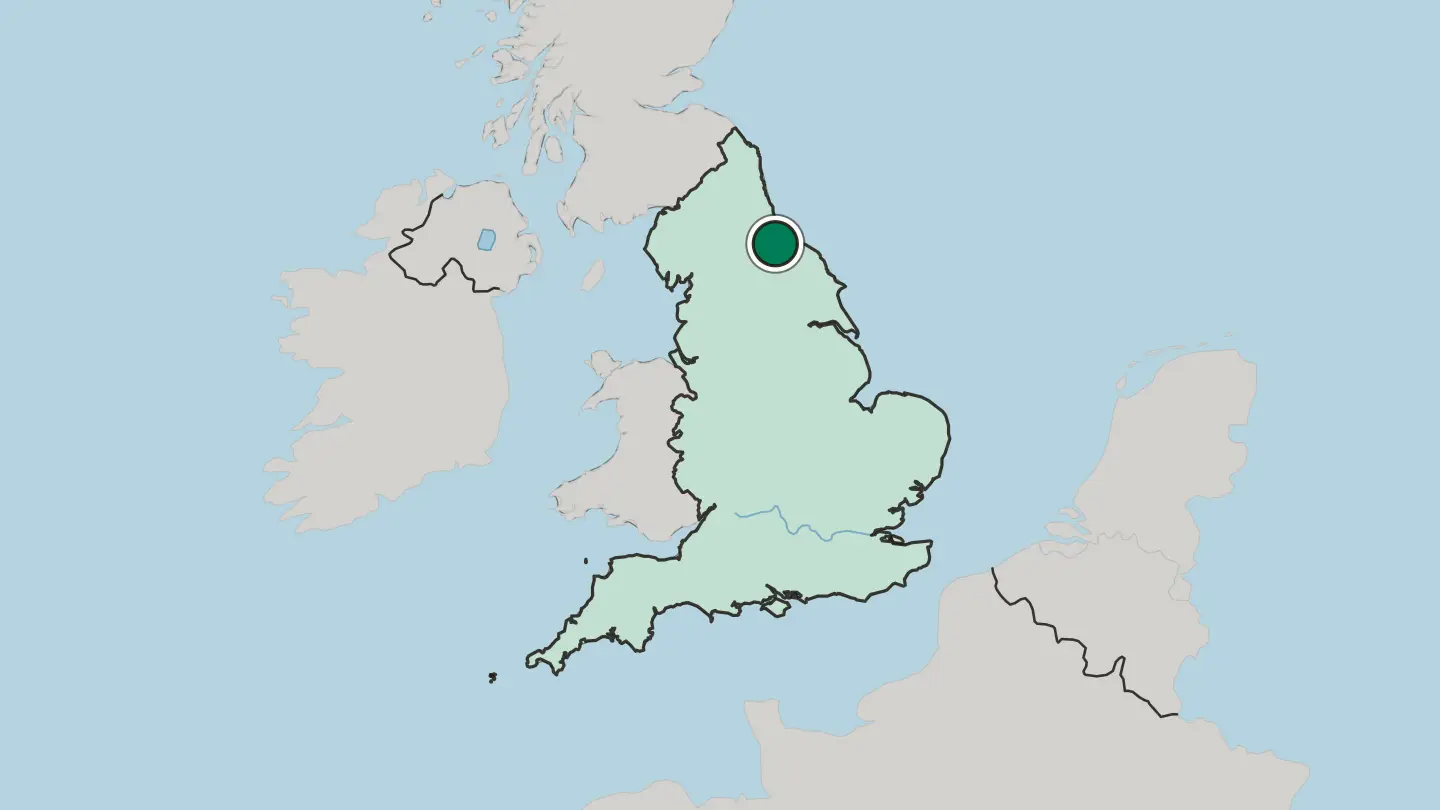
 United Kingdom
Carlisle
Carlisle is a border city in Cumbria, northwest England, on the River Eden, guarded for centuries by Carlisle Castle.Where to stay →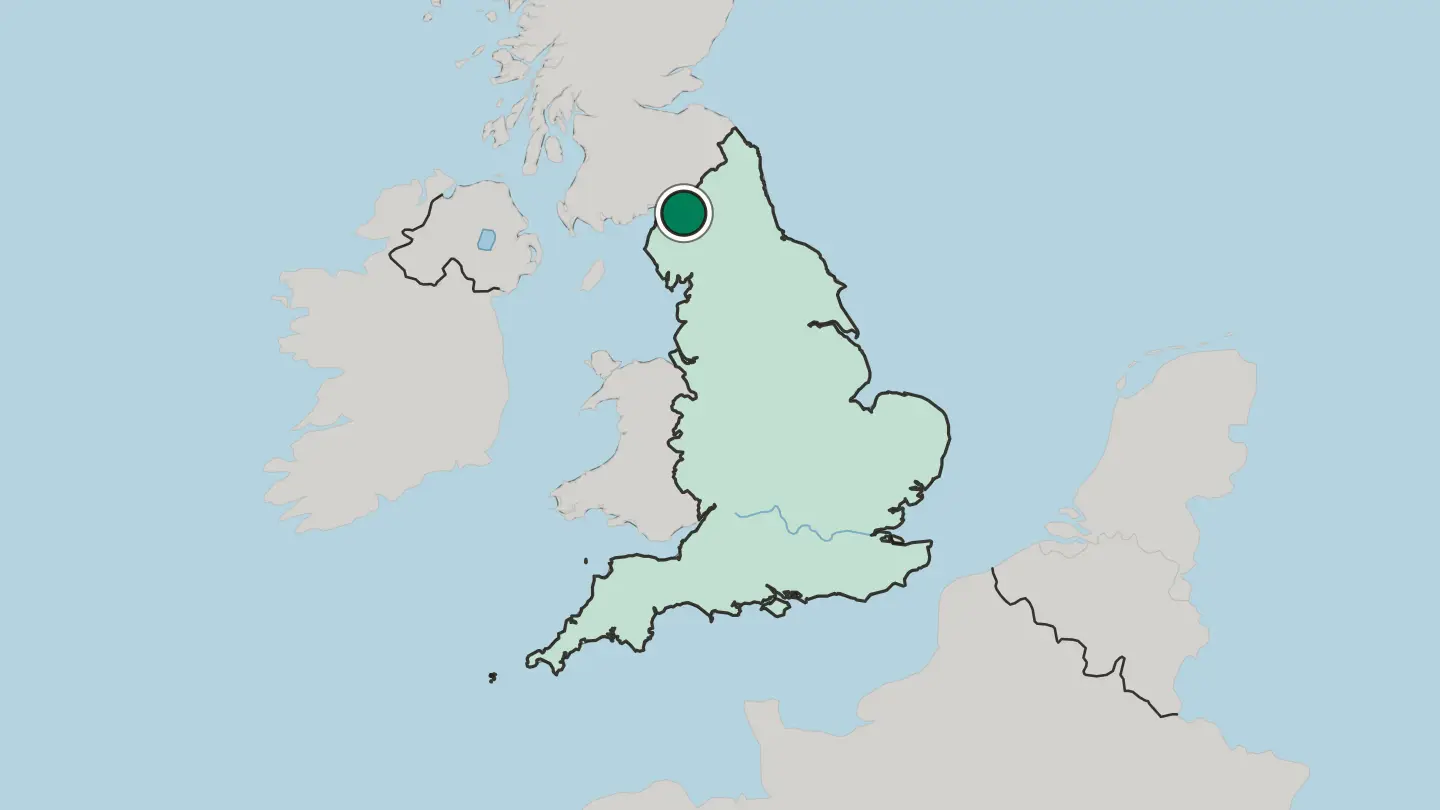
 United Kingdom
Southall
Southall is a large suburban town in West London, one of the seven major towns of the London Borough of Ealing.Where to stay →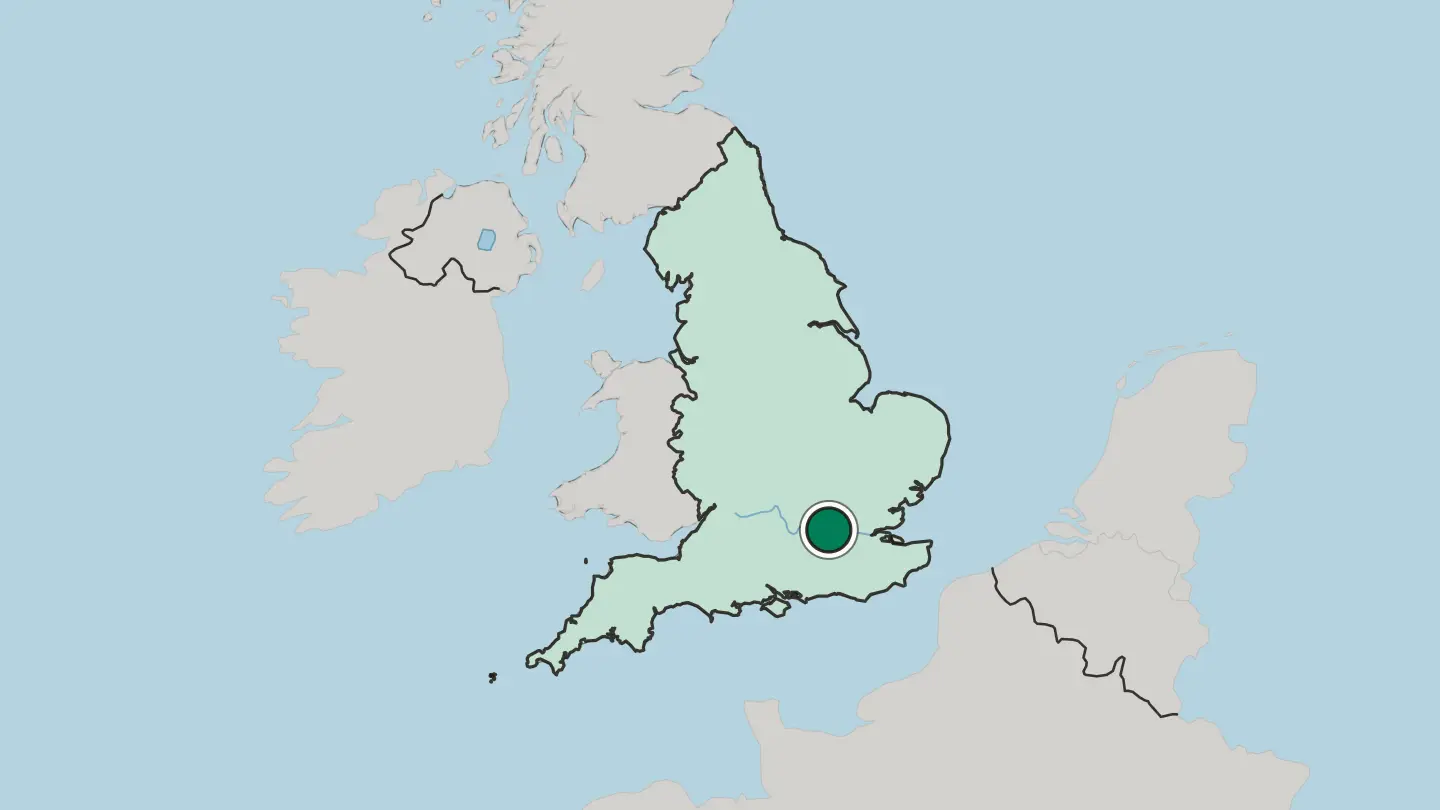
 United Kingdom
Rugby
Rugby is a market town on the River Avon in Warwickshire, credited as the birthplace of rugby football and of the jet engine.Where to stay →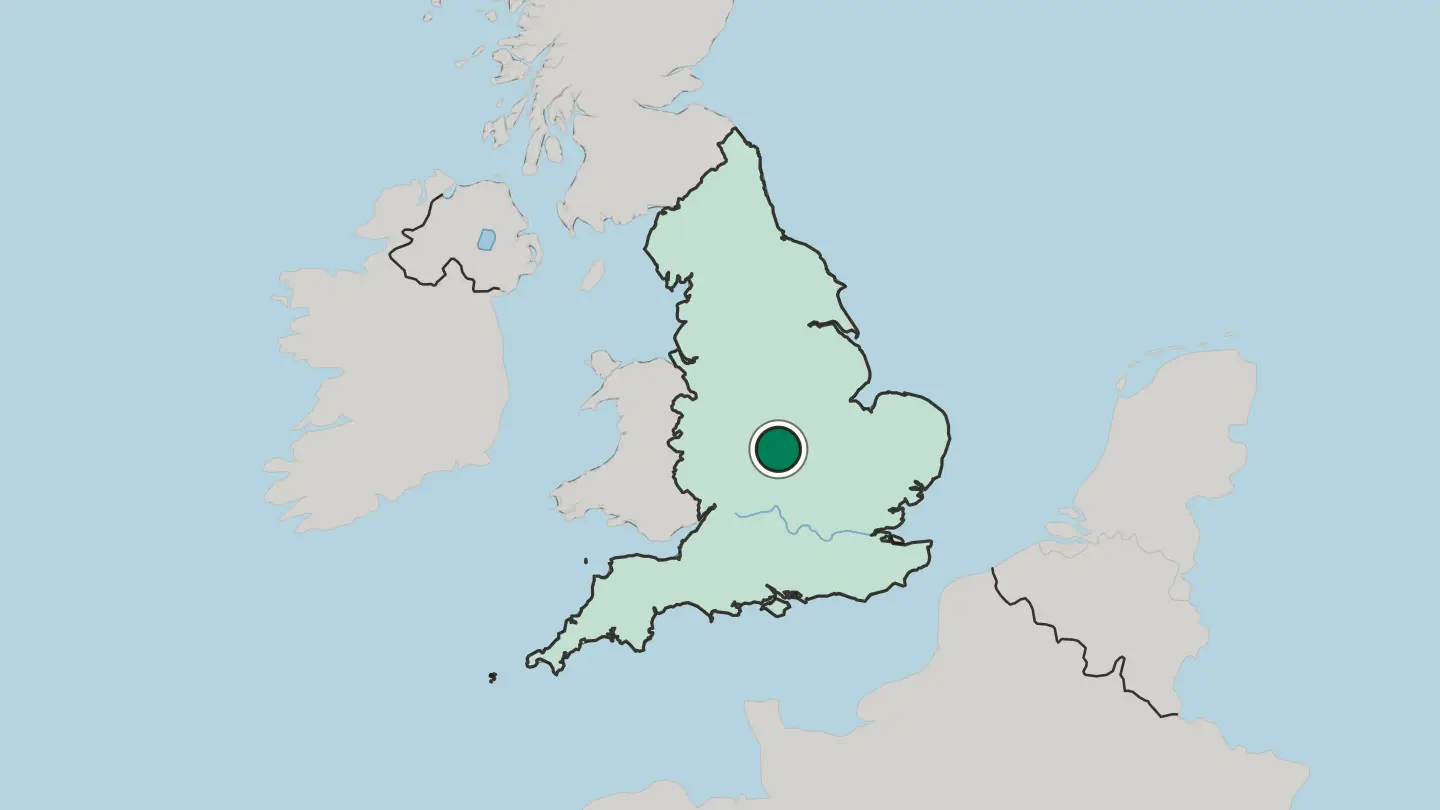
 United Kingdom
Gateshead
Gateshead stands on the south bank of the River Tyne, opposite Newcastle upon Tyne, and holds the Baltic Centre for Contemporary Art.Where to stay →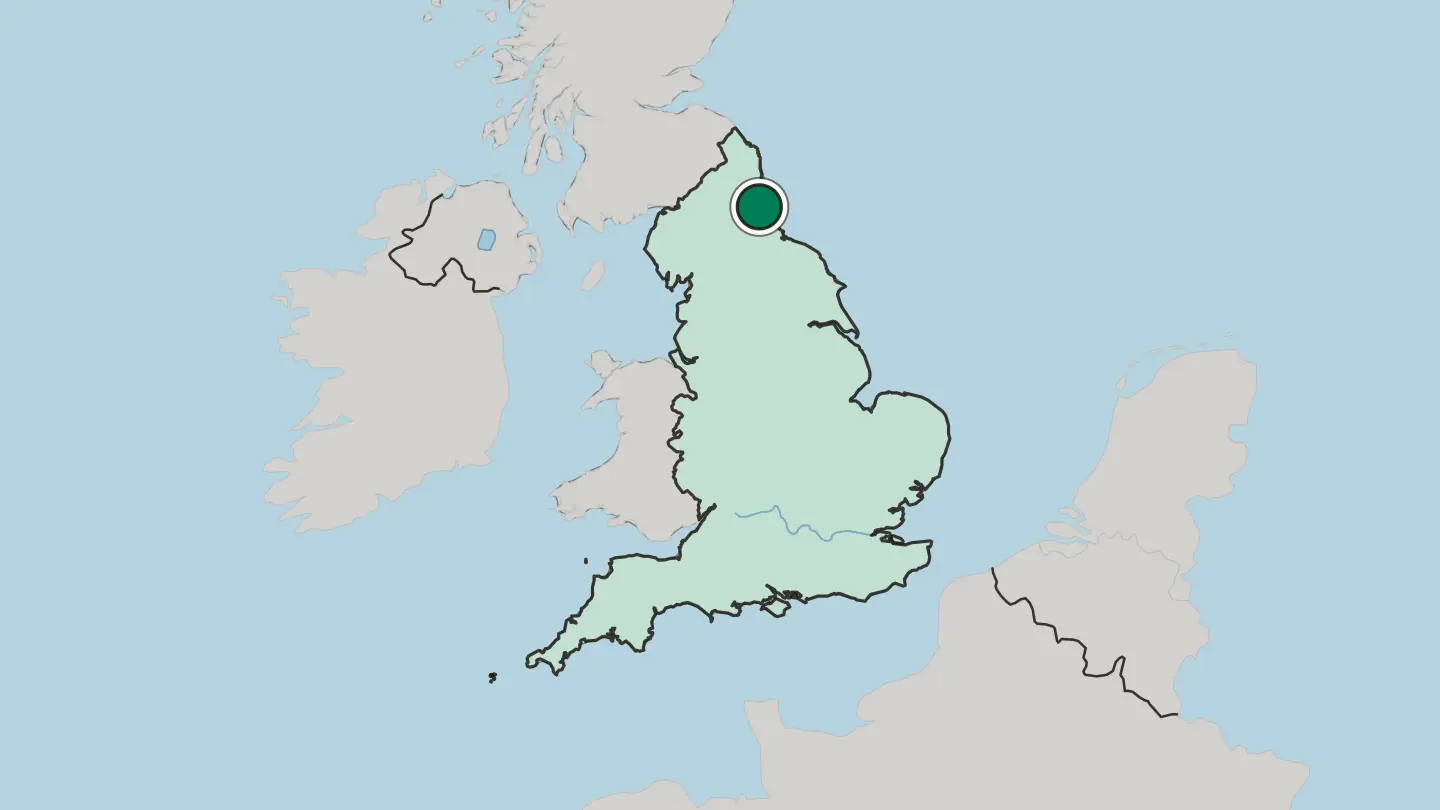 United Kingdom
Shrewsbury
Shrewsbury is the county town of Shropshire in the west of England, a medieval town wrapped in a great loop of the River Severn.Where to stay →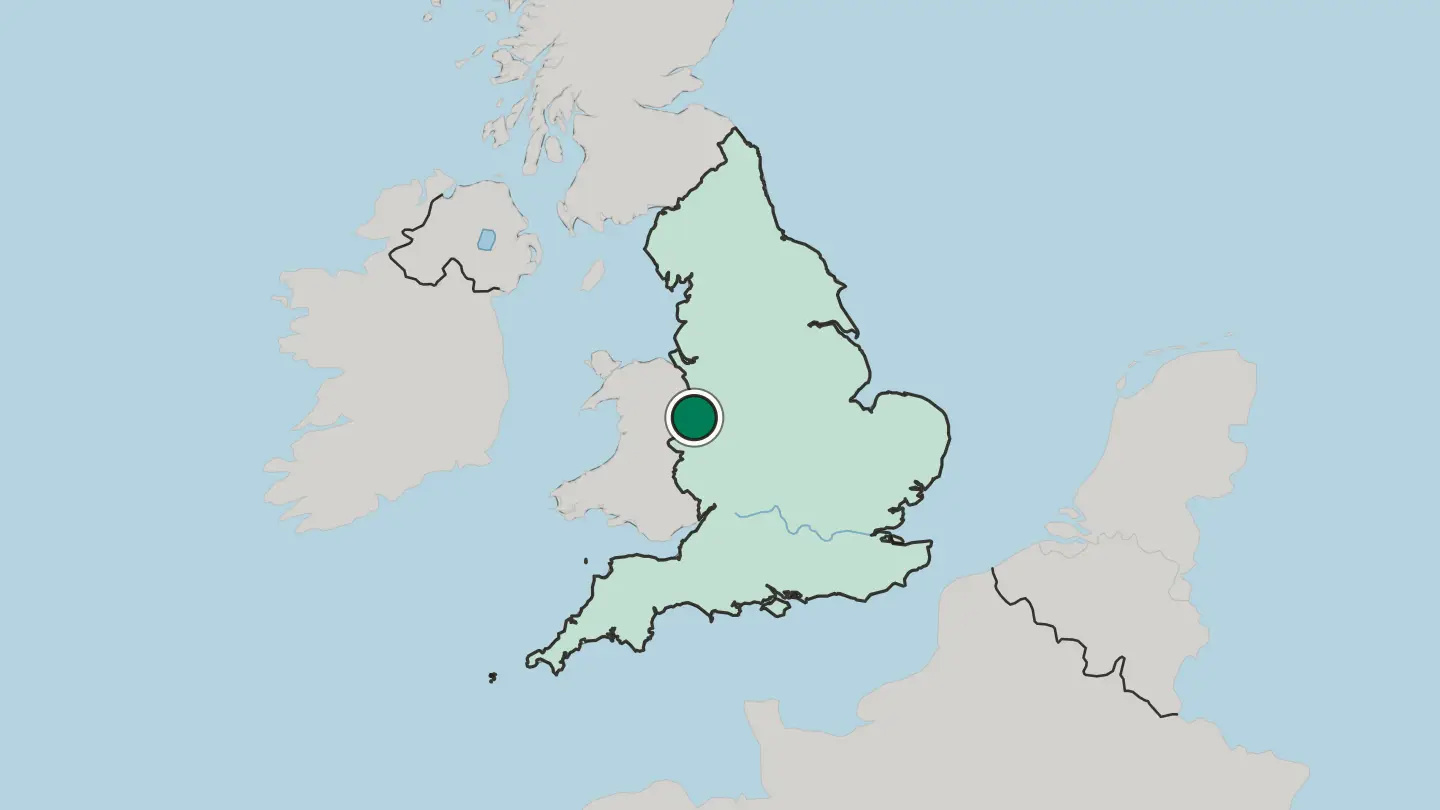 United Kingdom
Crewe
Crewe is a railway town and civil parish of Cheshire East, known for its junction, for Crewe Works, and for the Bentley factory on Pyms Lane.Where to stay →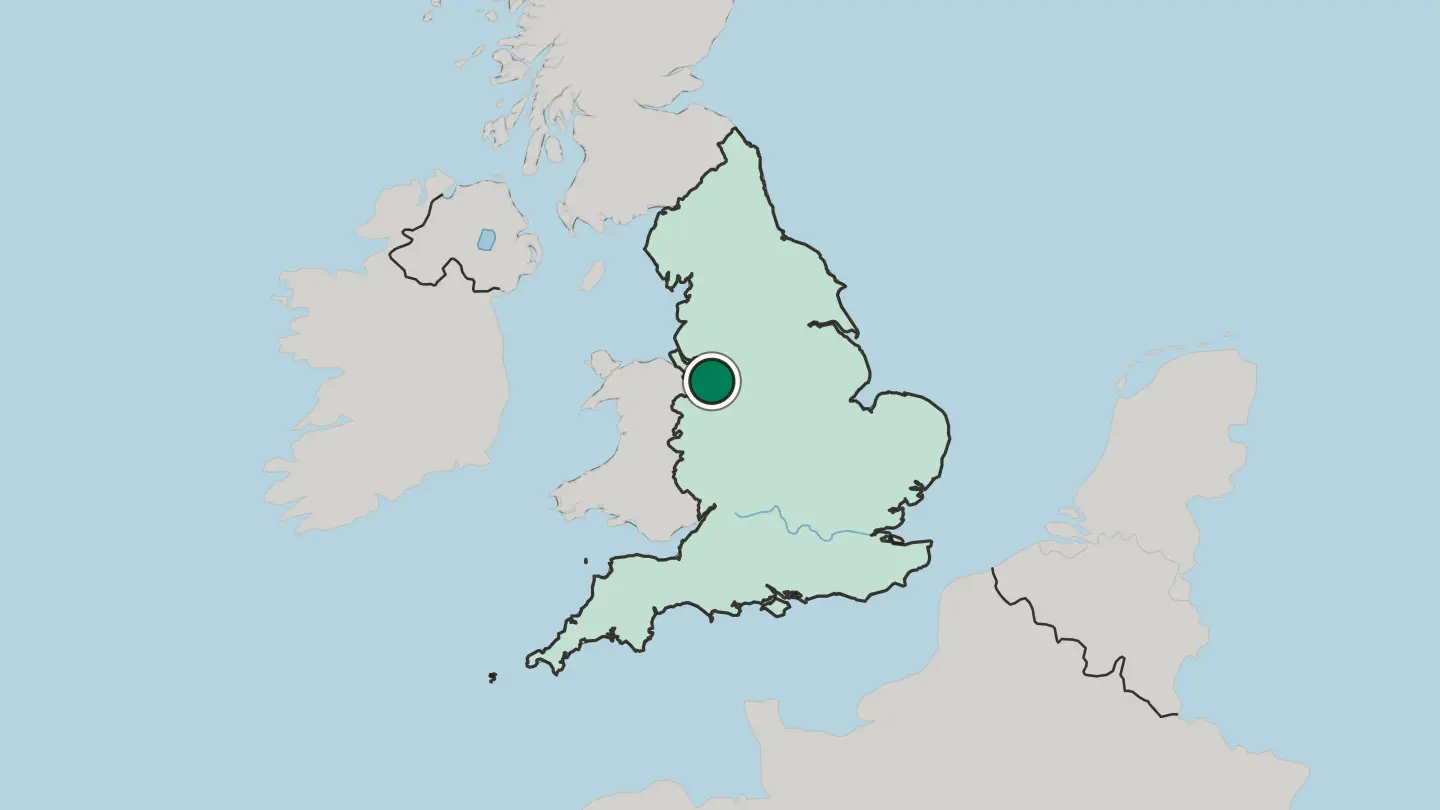
 United Kingdom
Bracknell
Bracknell is a Berkshire town and civil parish, administrative centre of Bracknell Forest and the western end of the Greater London Urban Area.Where to stay →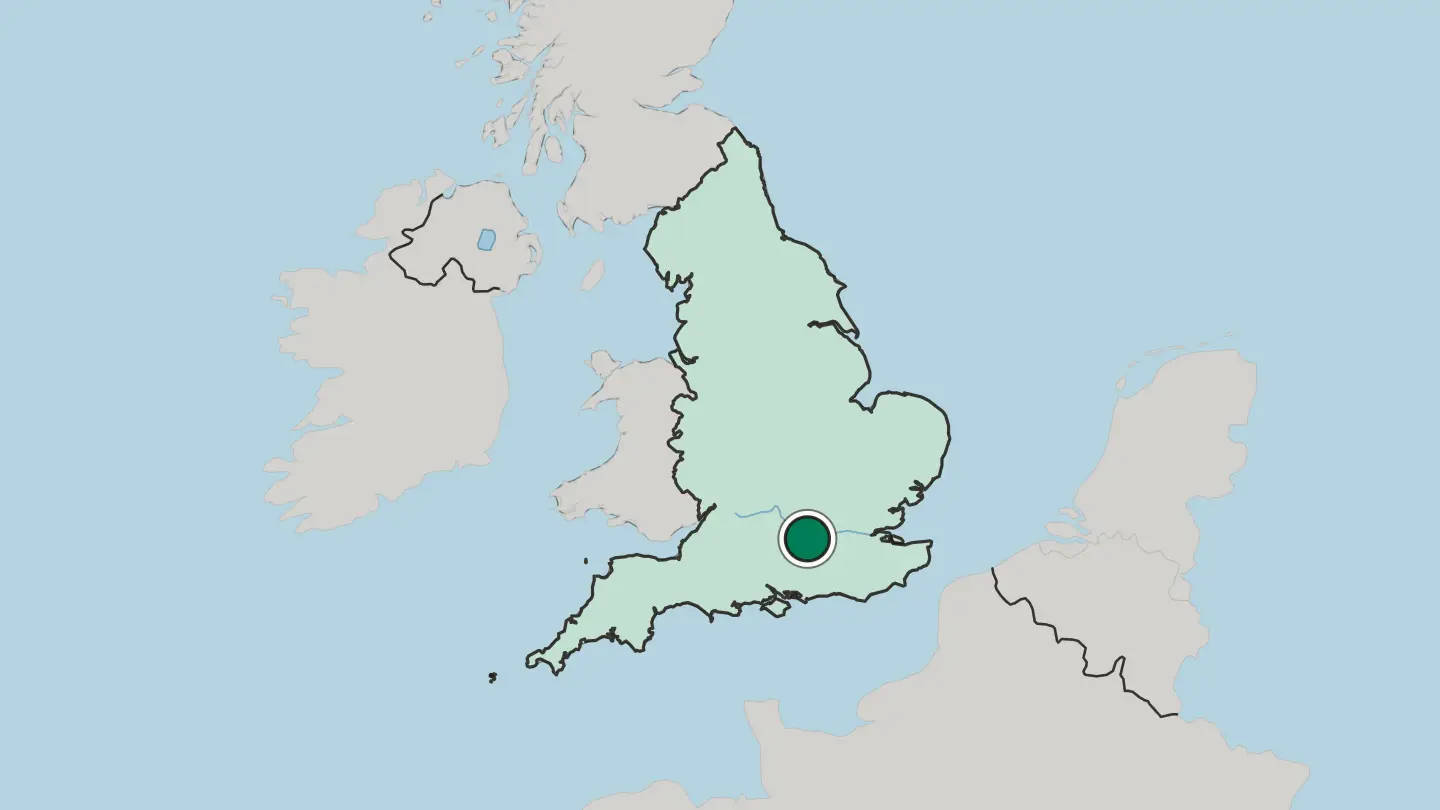
 United Kingdom
Hove
Hove is a seaside place on the East Sussex coast, one of two main parts of the city of Brighton and Hove, with a County Cricket Ground of its own.Where to stay →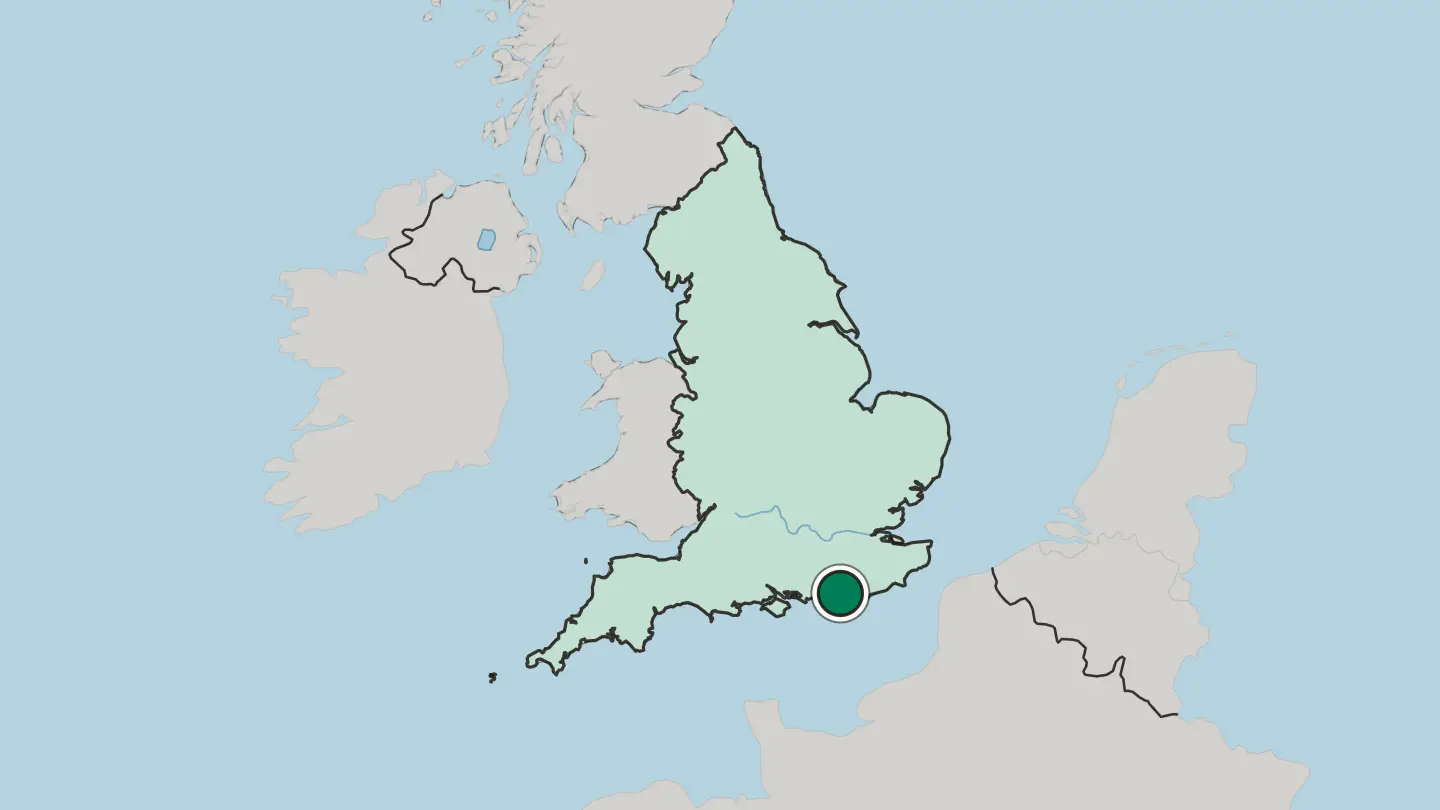
 United Kingdom
Aylesbury
Aylesbury is the county town of Buckinghamshire, midway between High Wycombe and Milton Keynes, with the Roald Dahl Children's Gallery at its centre.Where to stay →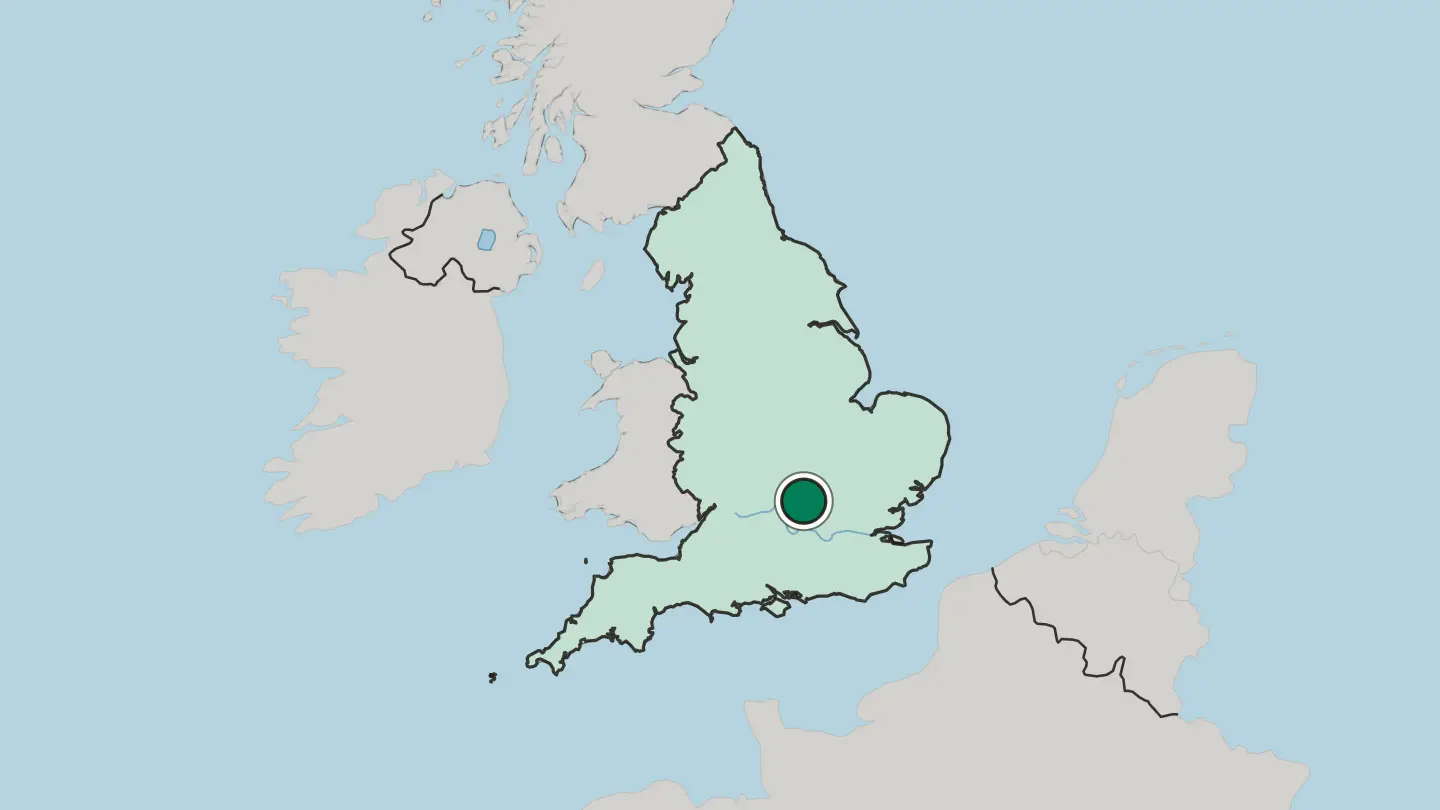
 United Kingdom
Guildford
Guildford is a royal town in west Surrey, England, where a cobbled High Street climbs from the River Wey to a medieval castle keep.Where to stay →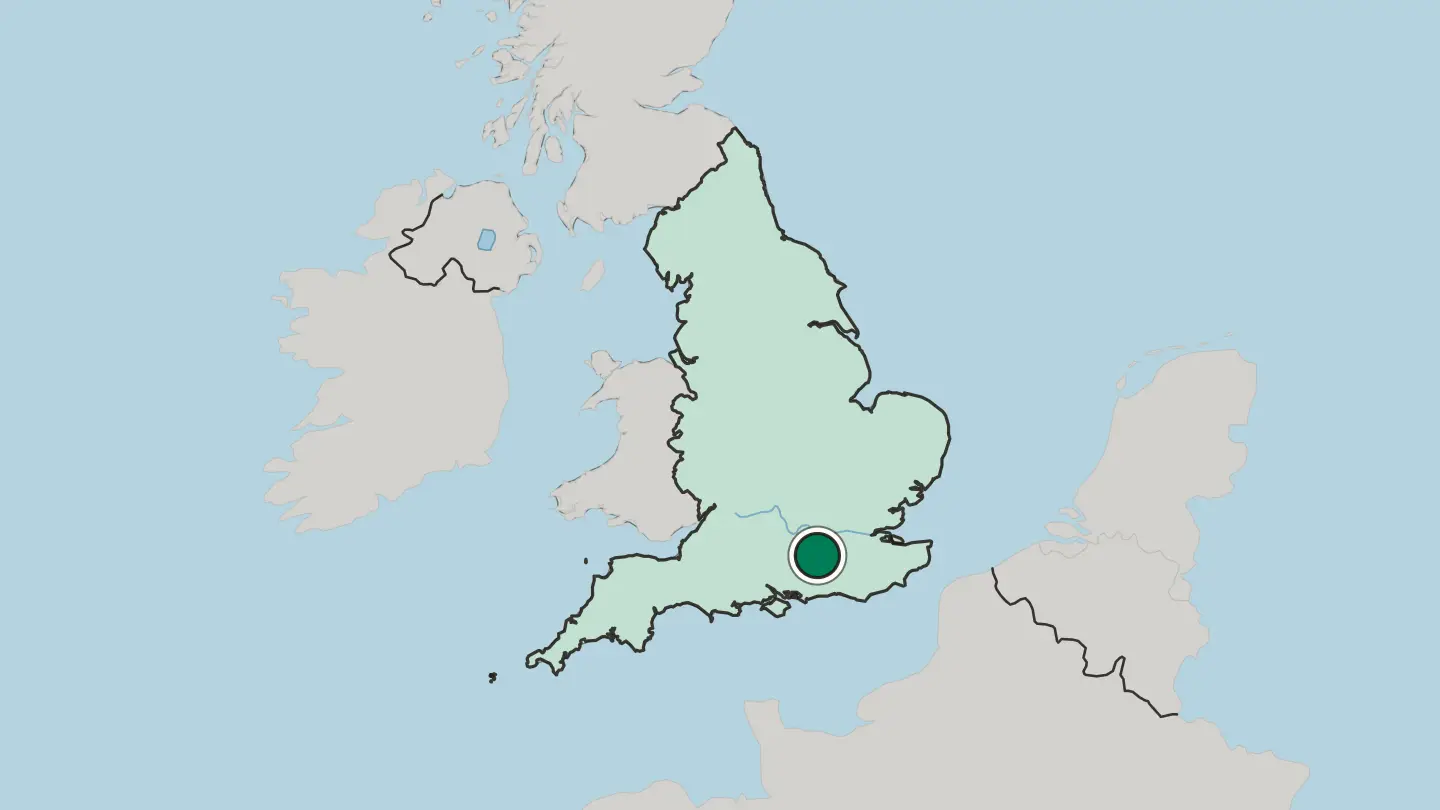
 United Kingdom
Barnsley
Barnsley is a South Yorkshire market town that made linen, then coal, glass and steel, and keeps the whole record at Experience Barnsley.Where to stay →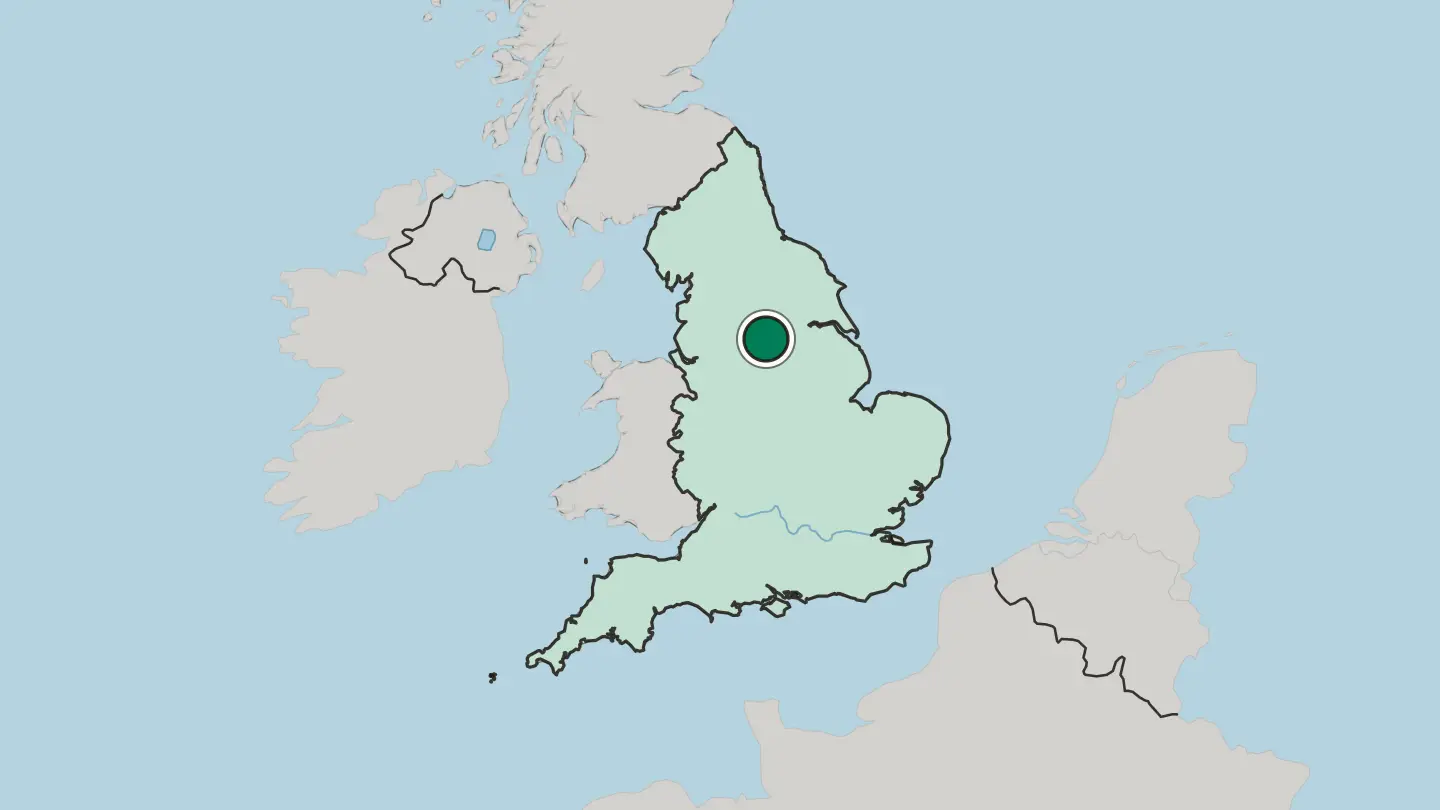
 United Kingdom
Lowestoft
Lowestoft is a coastal town in Suffolk, the most easterly settlement in the United Kingdom, with wide sandy beaches on the North Sea.Where to stay →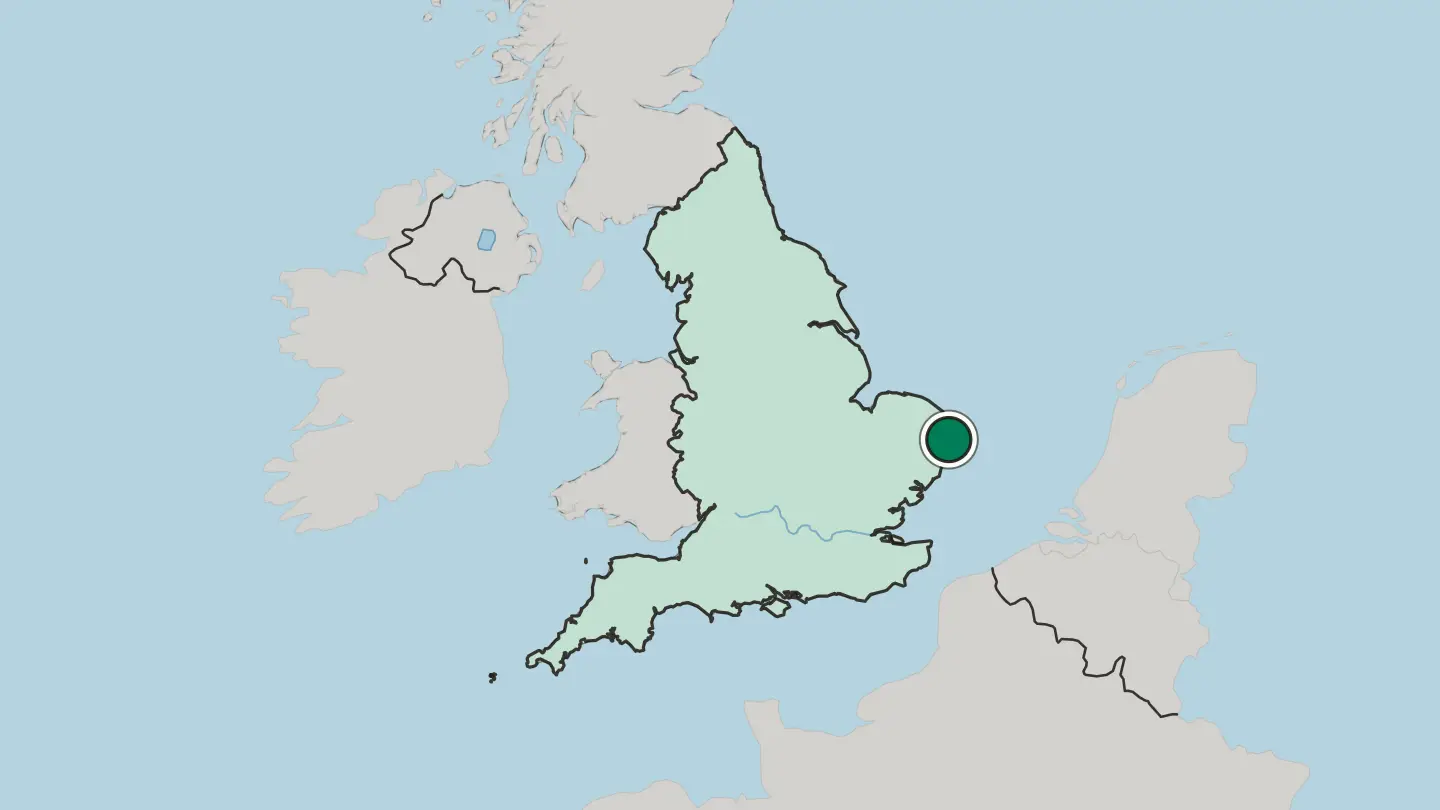
 United Kingdom
Chingford
Chingford is a suburban town in the London Borough of Waltham Forest, lying between the River Lea and Epping Forest.Where to stay →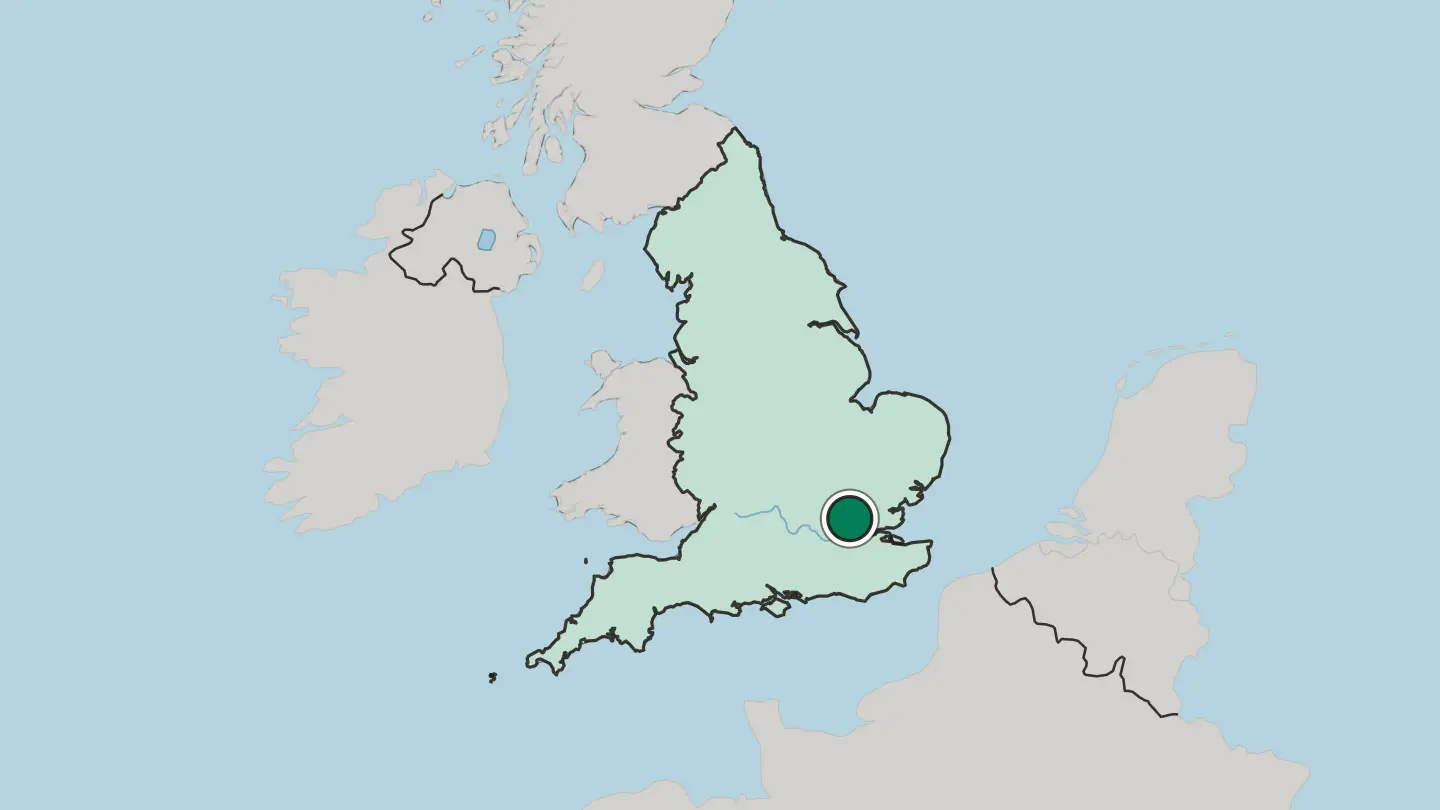
 United Kingdom
Maidenhead
Maidenhead is a market town in Berkshire on the southwestern bank of the River Thames, with Dorney Court and the Chiltern Hills within reach.Where to stay →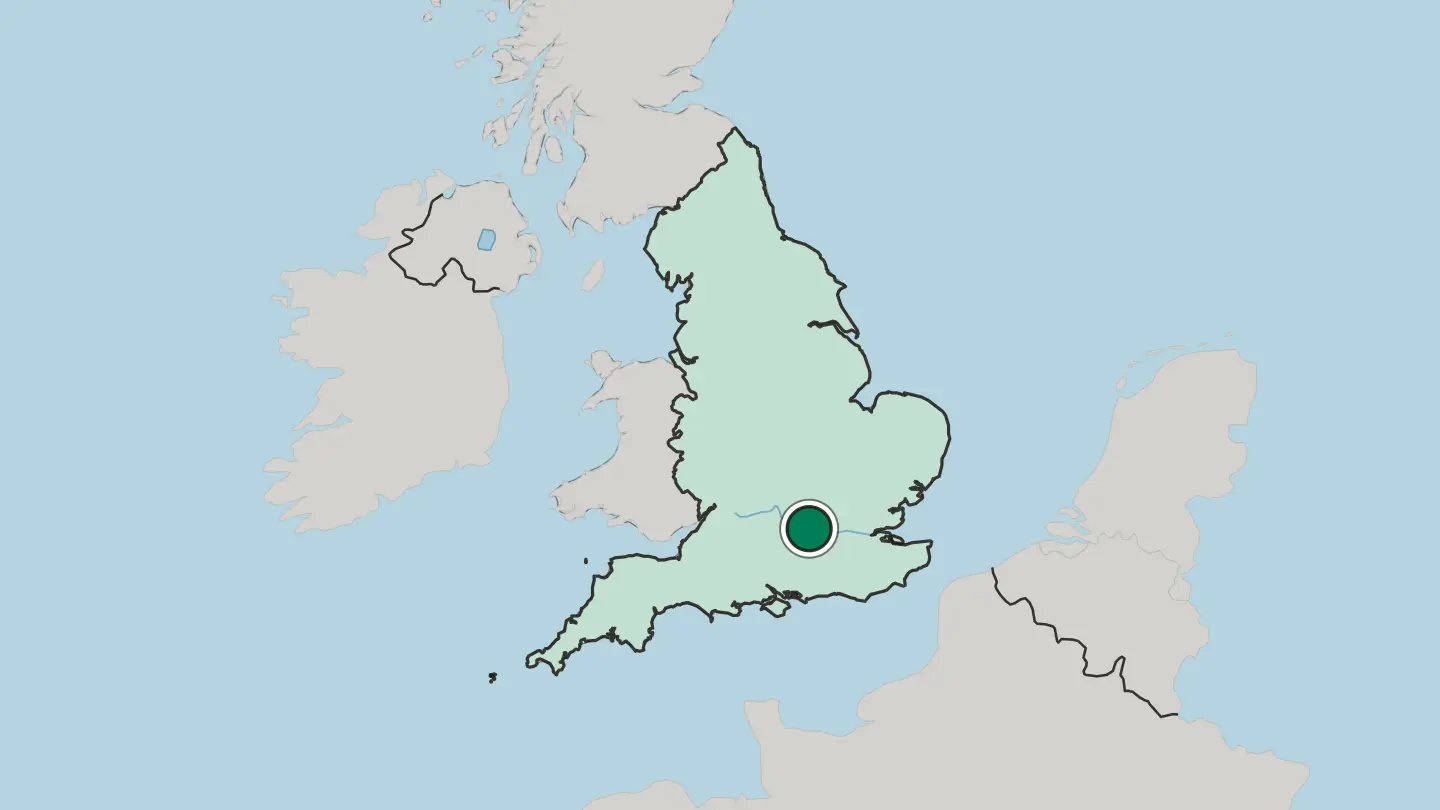
 United Kingdom
Stafford
Stafford is the county town of Staffordshire, a market town below Stafford Castle, midway between Stoke-on-Trent and Wolverhampton.Where to stay →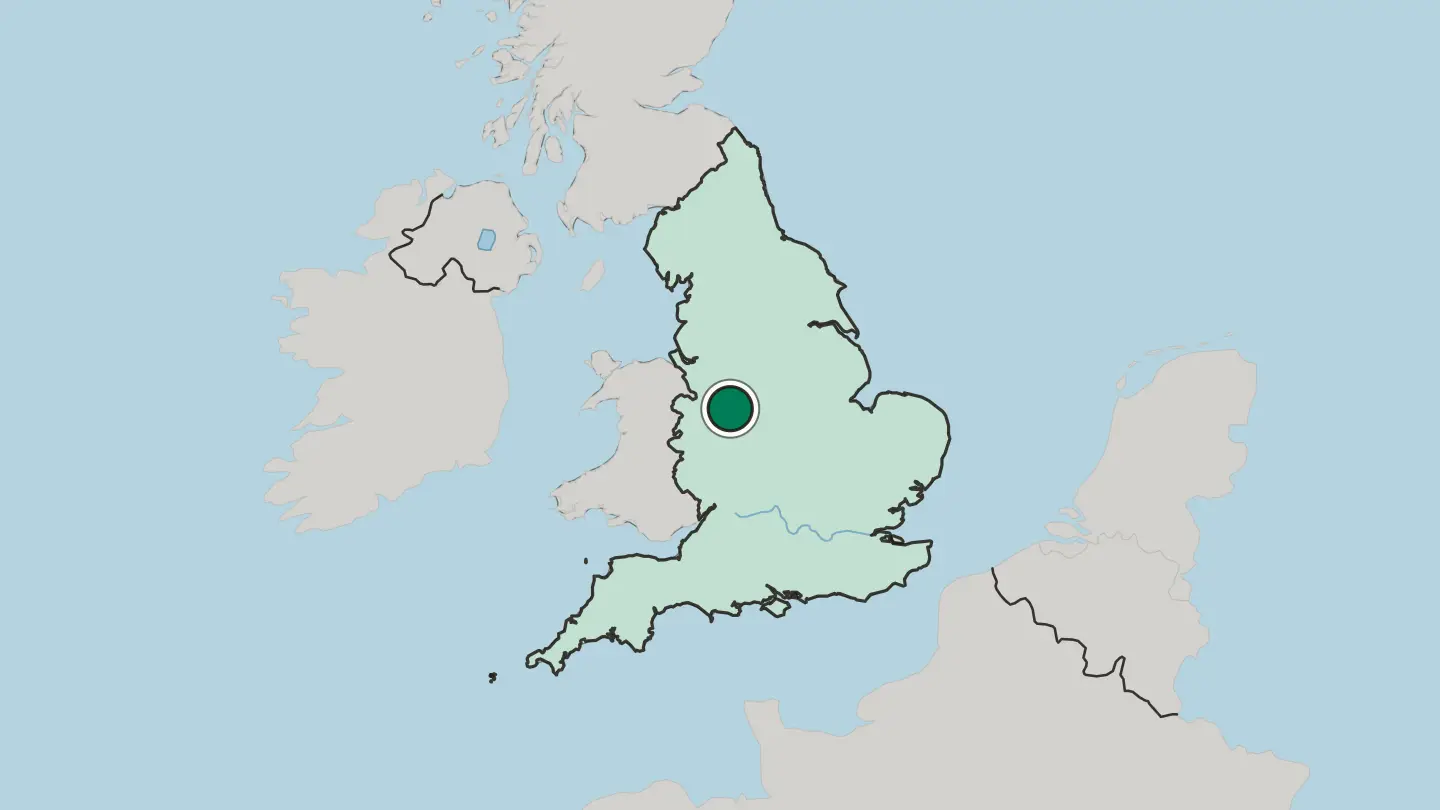 United Kingdom
Uxbridge
Uxbridge is a suburban town in west London, headquarters of the London Borough of Hillingdon and site of the Battle of Britain Bunker.Where to stay →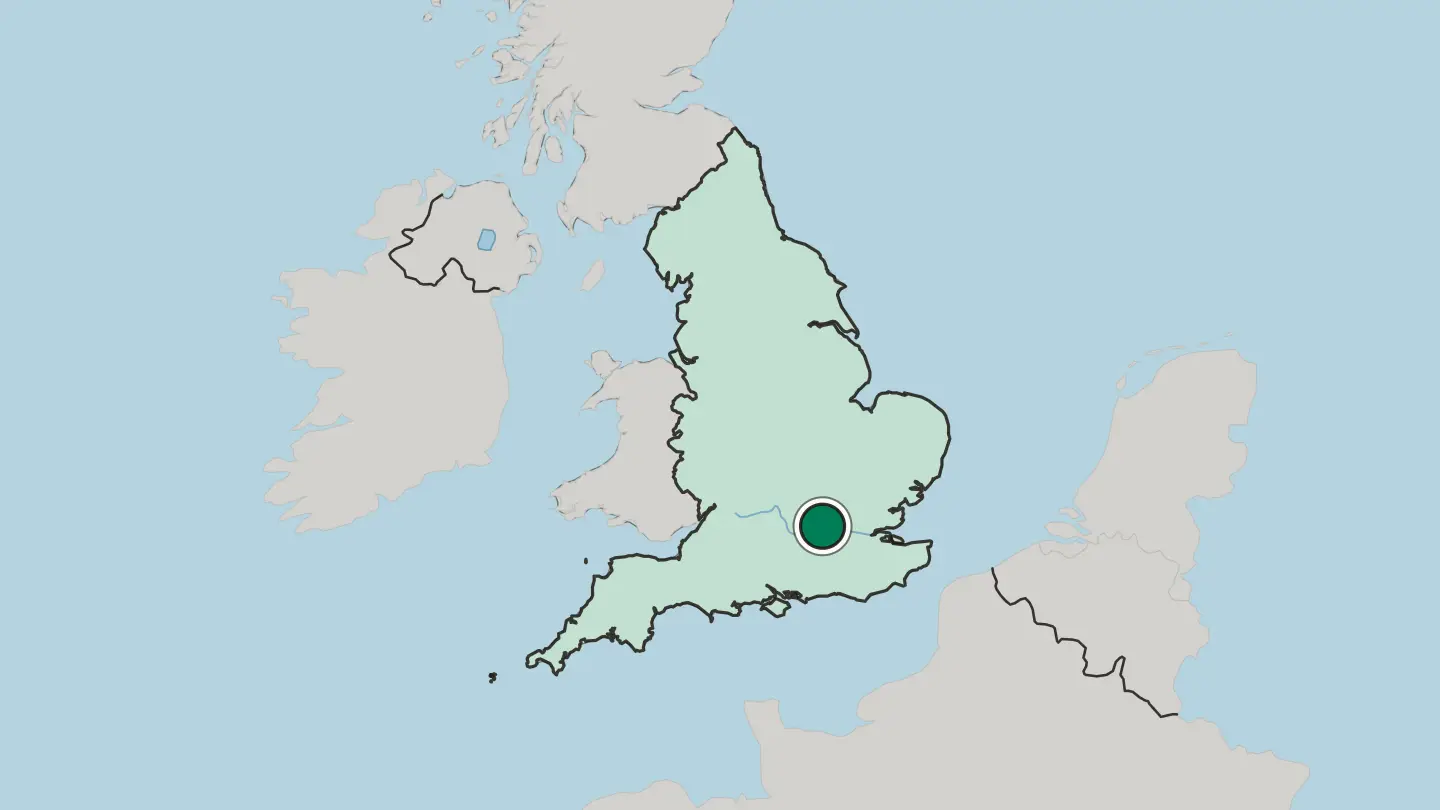
 United Kingdom
Royal Tunbridge Wells
Royal Tunbridge Wells is a Kent spa town on the northern edge of the High Weald, built around the Pantiles and its chalybeate spring.Where to stay →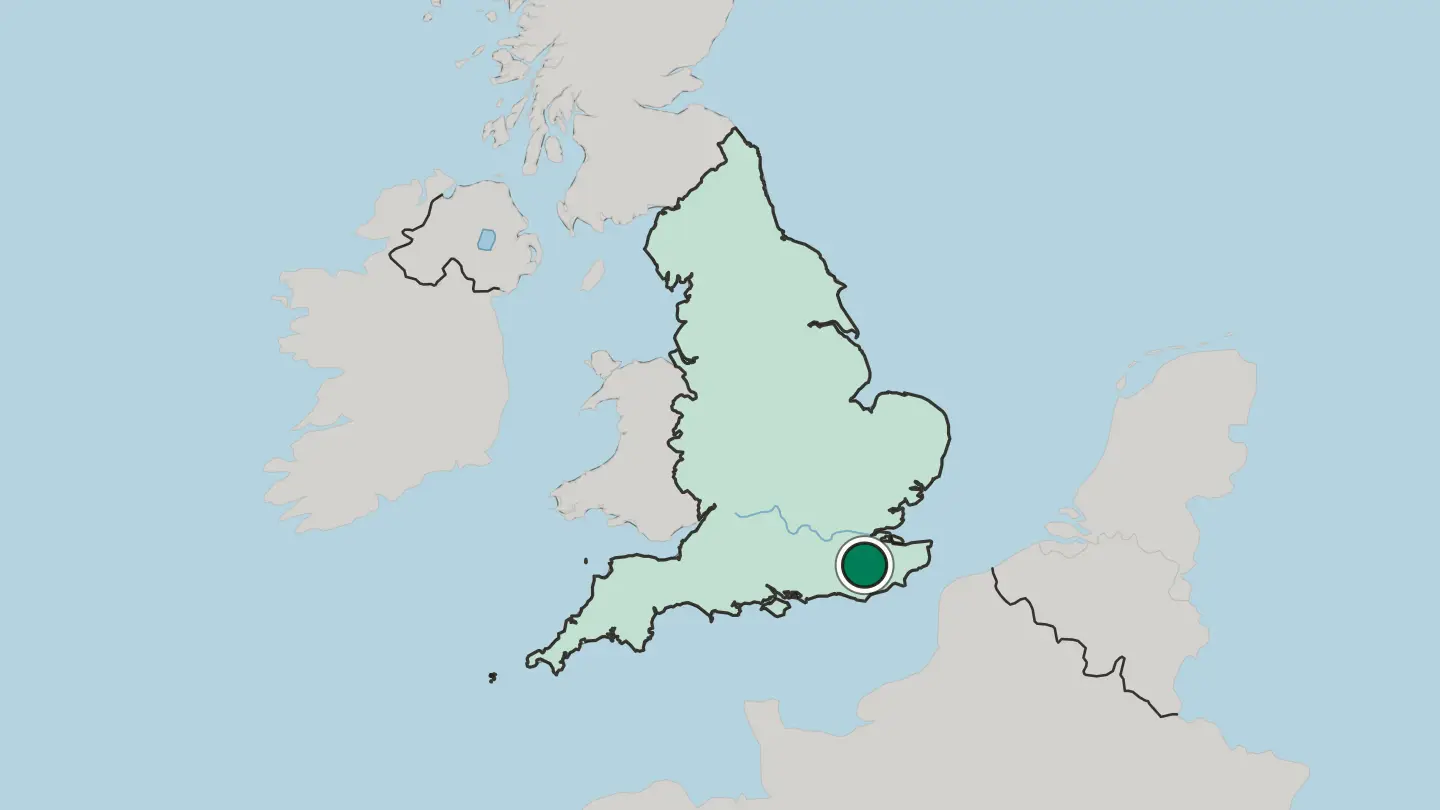
 United Kingdom
Corby
Corby is a town and civil parish of North Northamptonshire in England, north-east of Northampton and close to Rockingham Castle.Where to stay →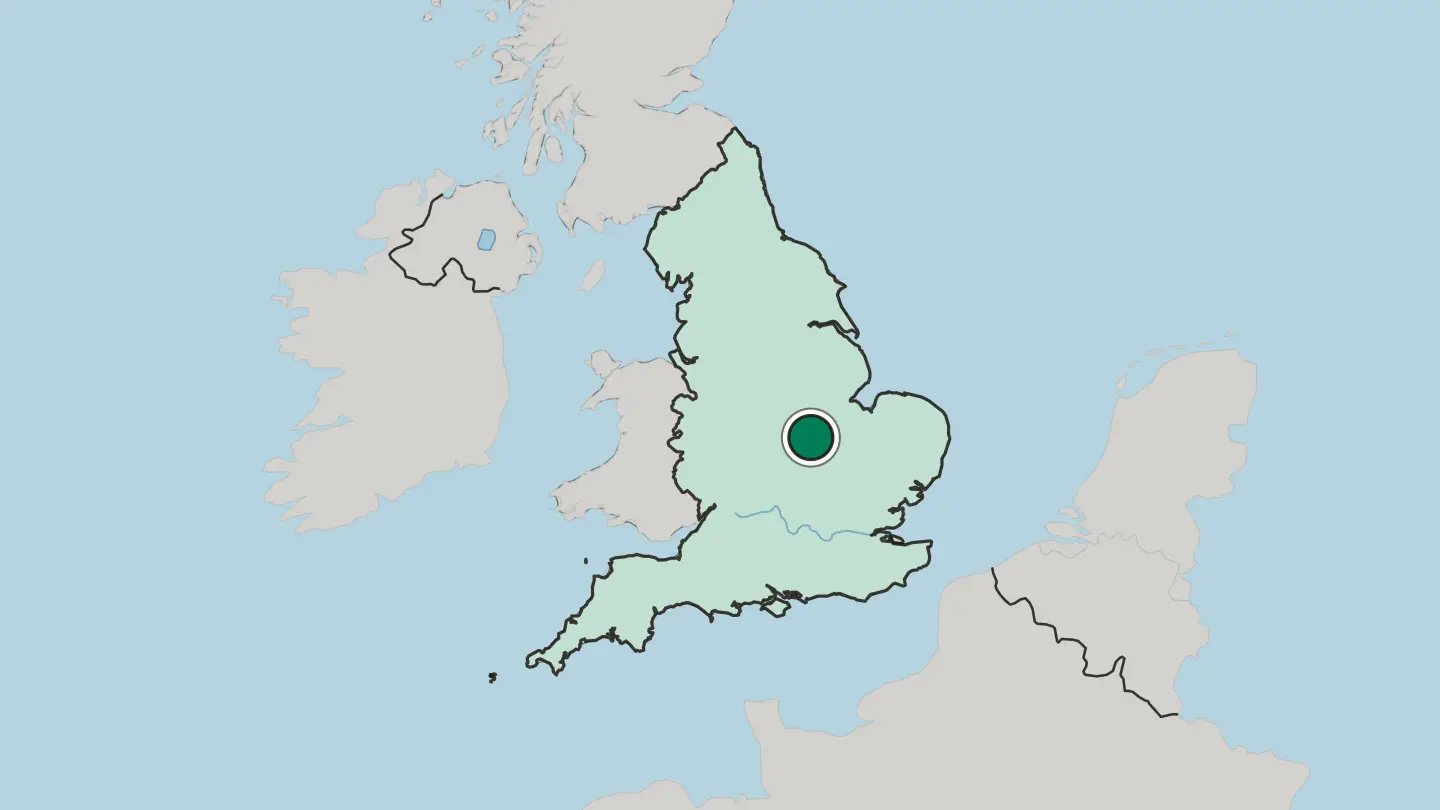 United Kingdom
Paignton
Paignton is a seaside town on Tor Bay in Devon, first mentioned in 1086, with Paignton Zoo and a harbour built in 1847.Where to stay →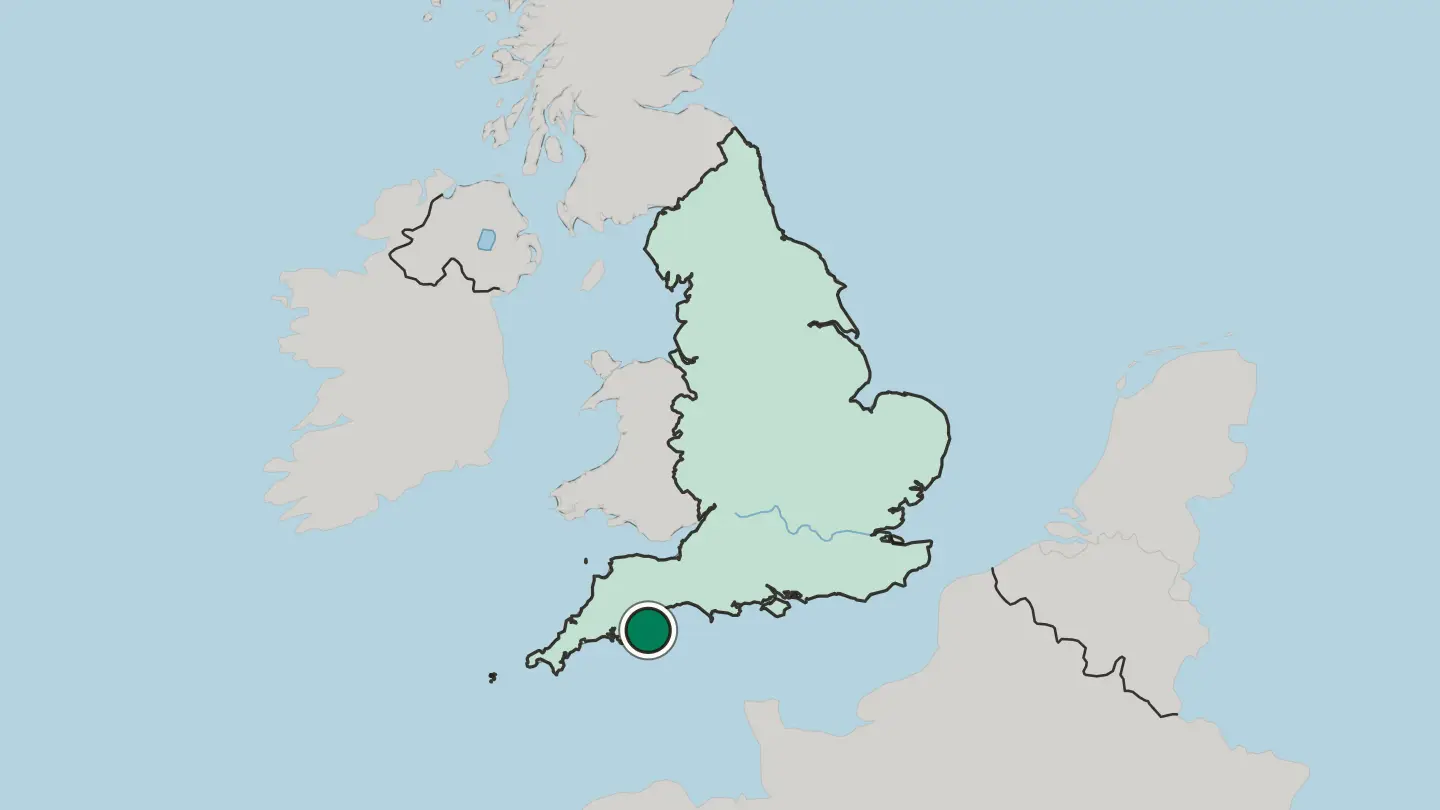
 United Kingdom
Washington
Washington is a New Town in Tyne and Wear, grown around the old village of the Washington family and their Washington Old Hall.Where to stay →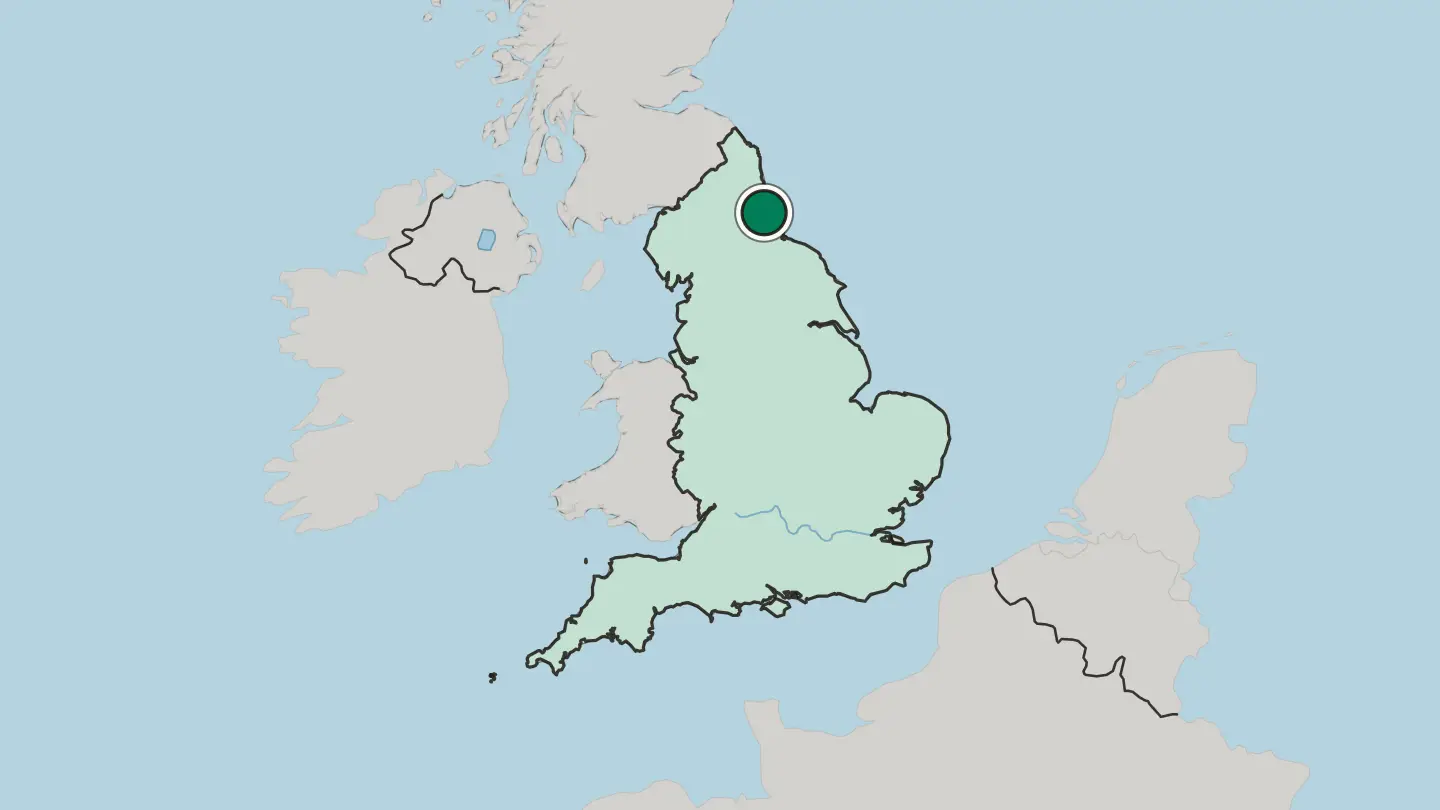
 United Kingdom
Folkestone
Folkestone is a Kent coastal town on the English Channel, in a valley between two cliffs at the southern edge of the North Downs.Where to stay →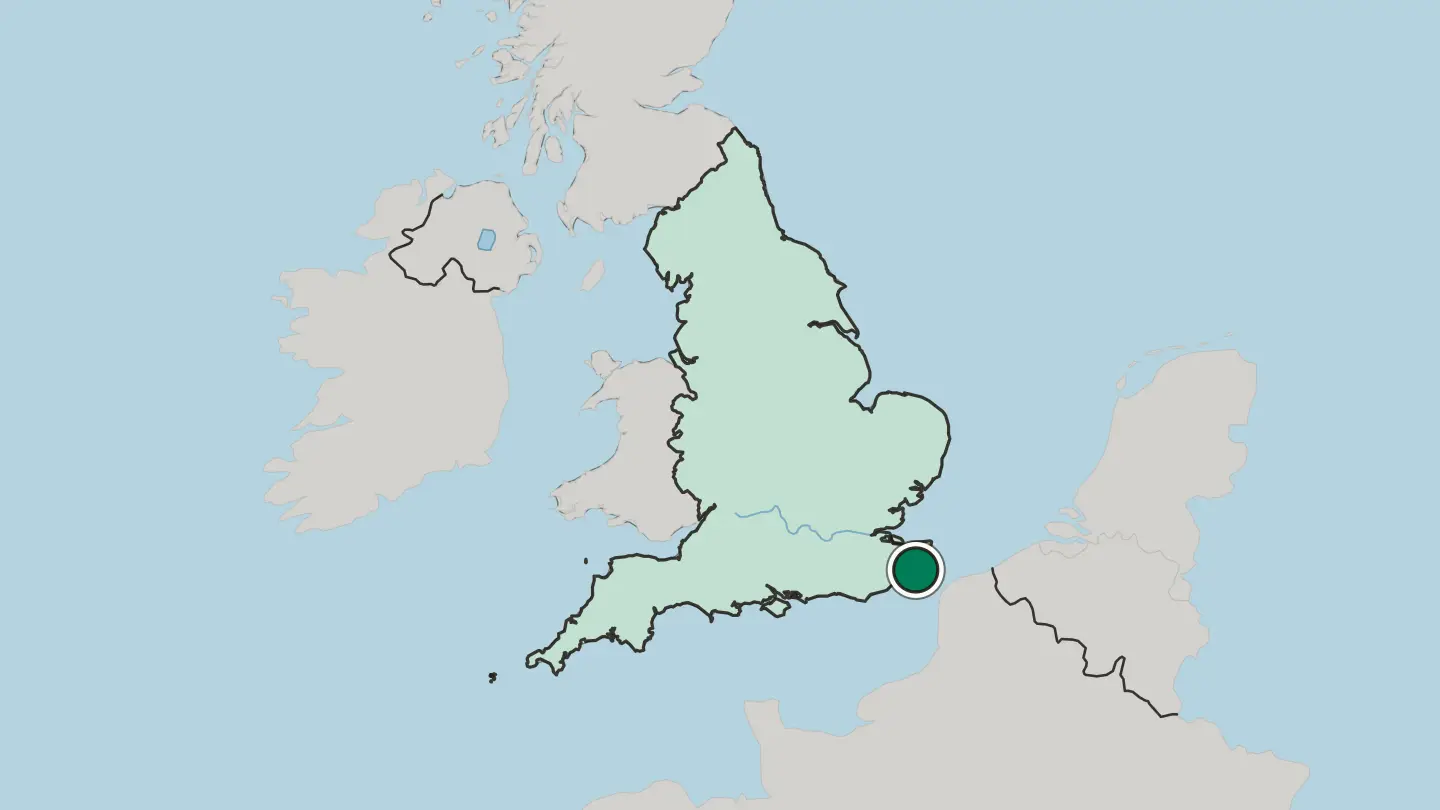
 United Kingdom
Hounslow
Hounslow is a large town in West London, the administrative centre of its borough and one of the 14 metropolitan centres named in the London Plan.Where to stay →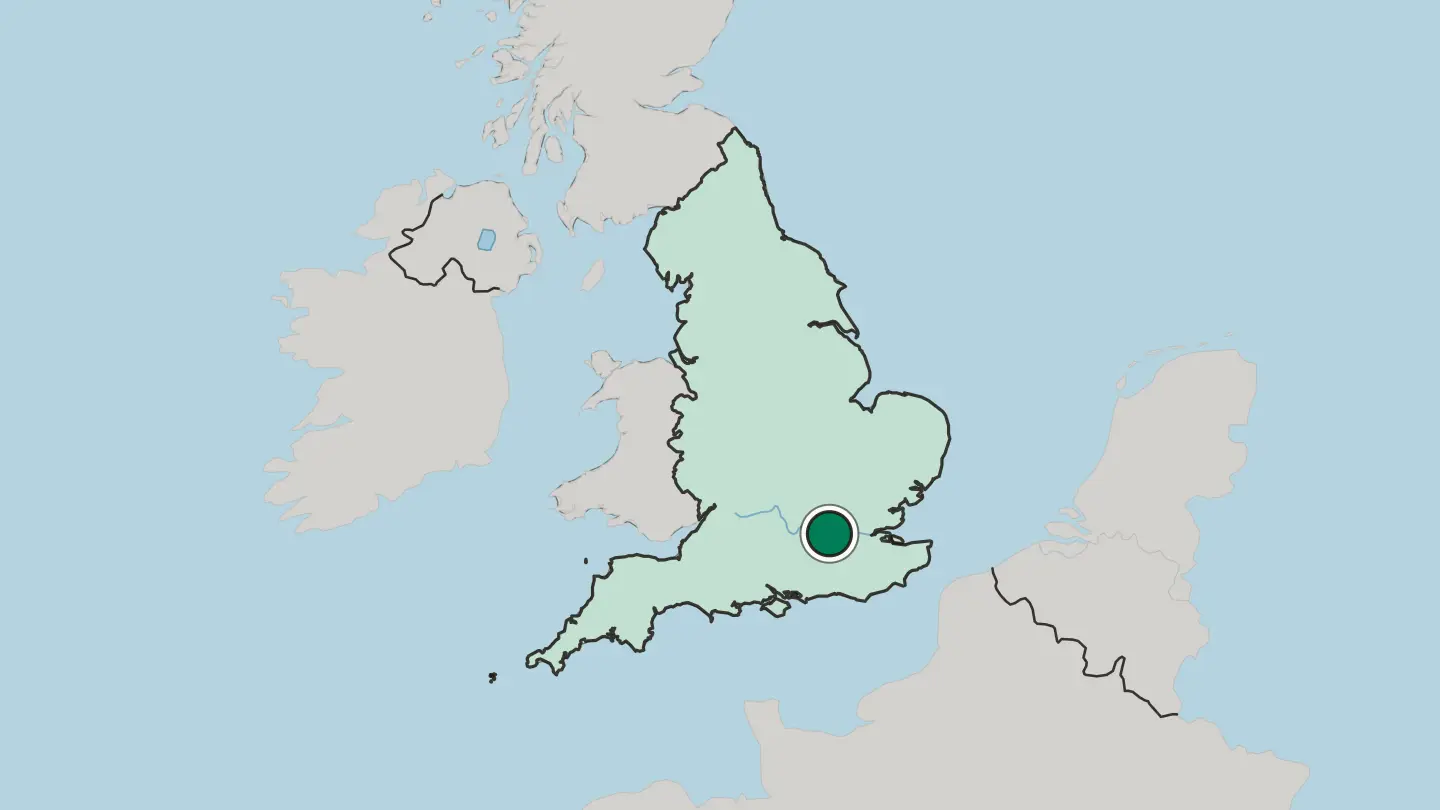 United Kingdom
Finchley
Finchley is a large district of north London in the London Borough of Barnet, holding St Mary-at-Finchley Church and the grounds of Avenue House.Where to stay →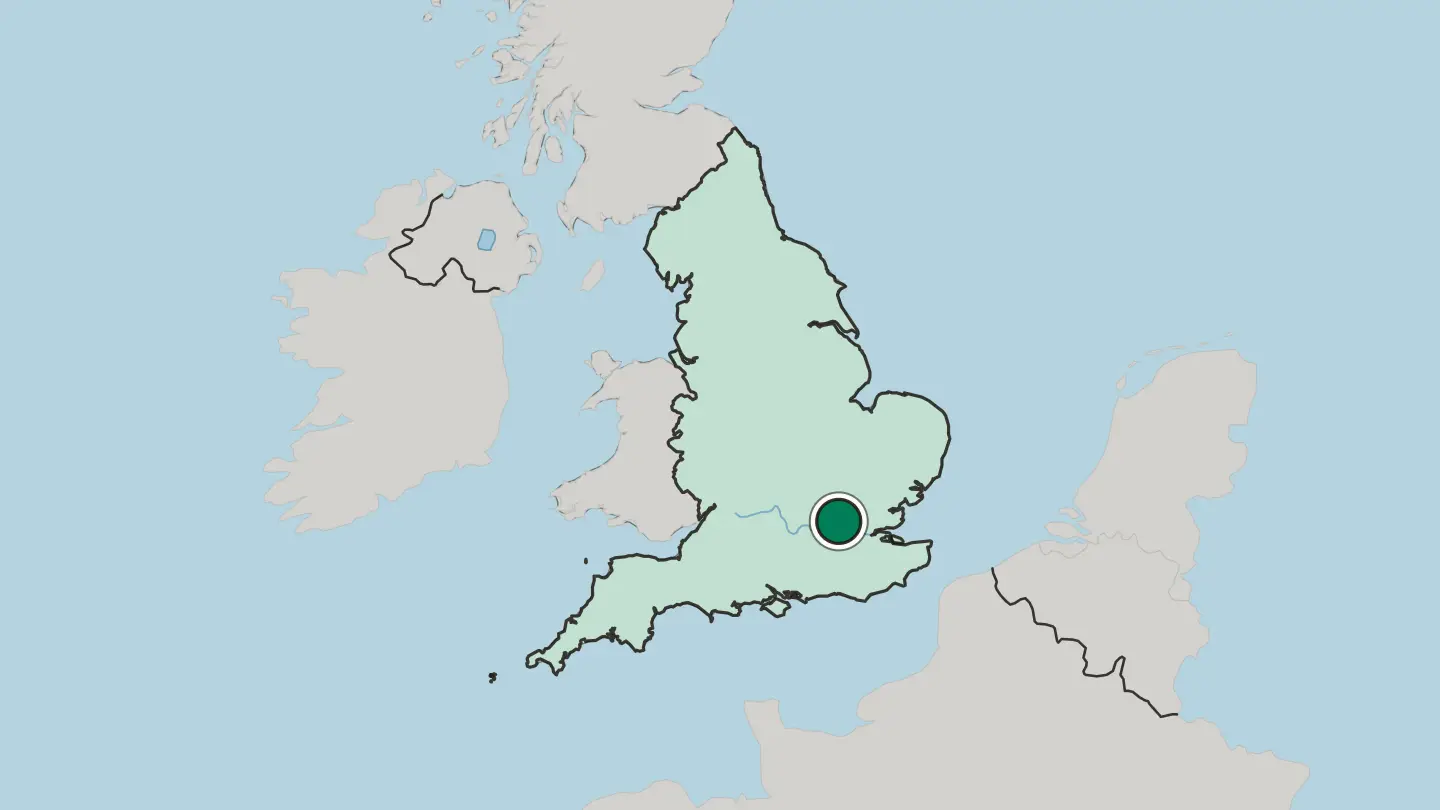 United Kingdom
Ellesmere Port Town
Ellesmere Port is an industrial canal town on the Manchester Ship Canal, six miles north of Chester. Blue Planet Aquarium is here.Where to stay →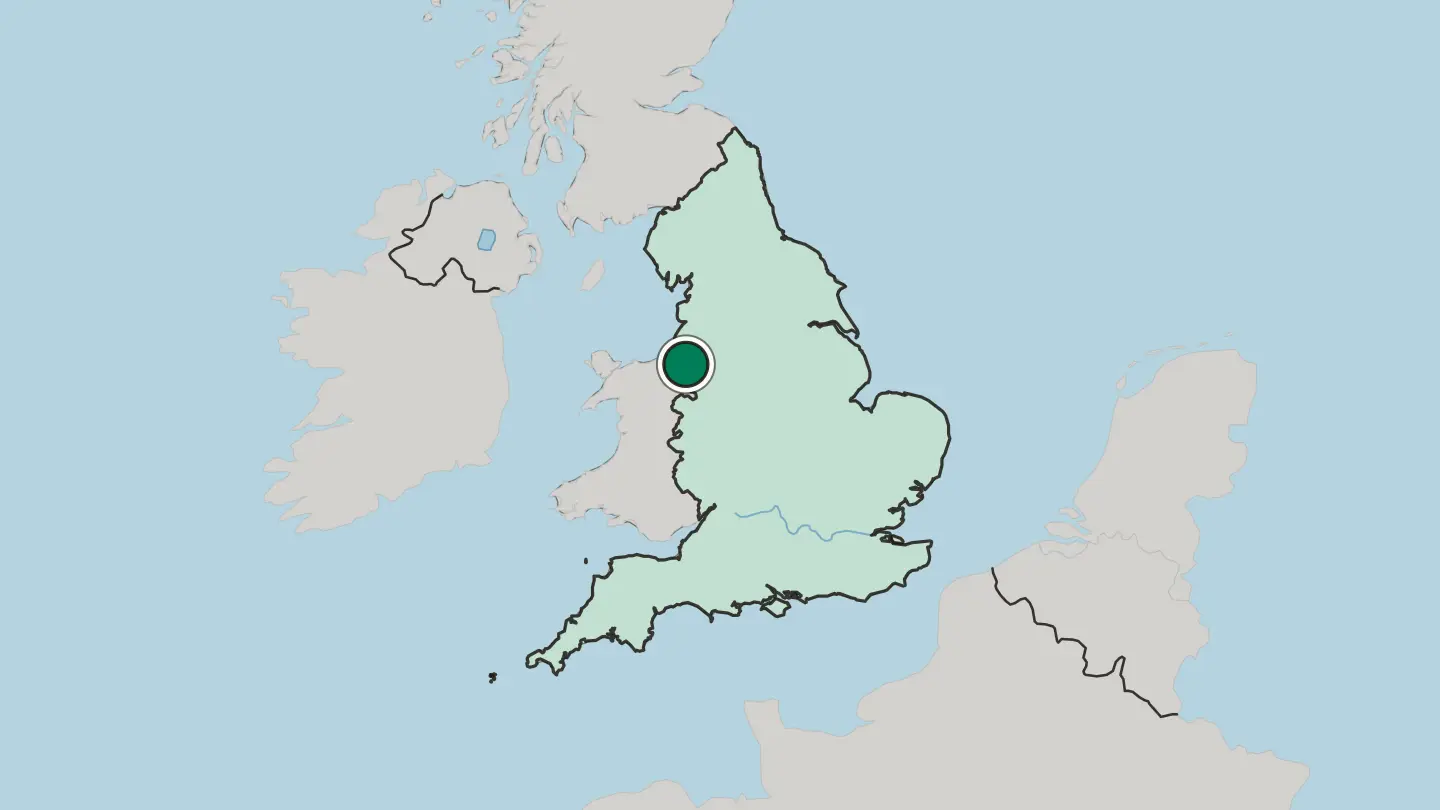
 United Kingdom
Torquay
Torquay is a Devon seaside town on the north shore of Tor Bay, the English Riviera resort of Torre Abbey, Kents Cavern, and long Channel views.Where to stay →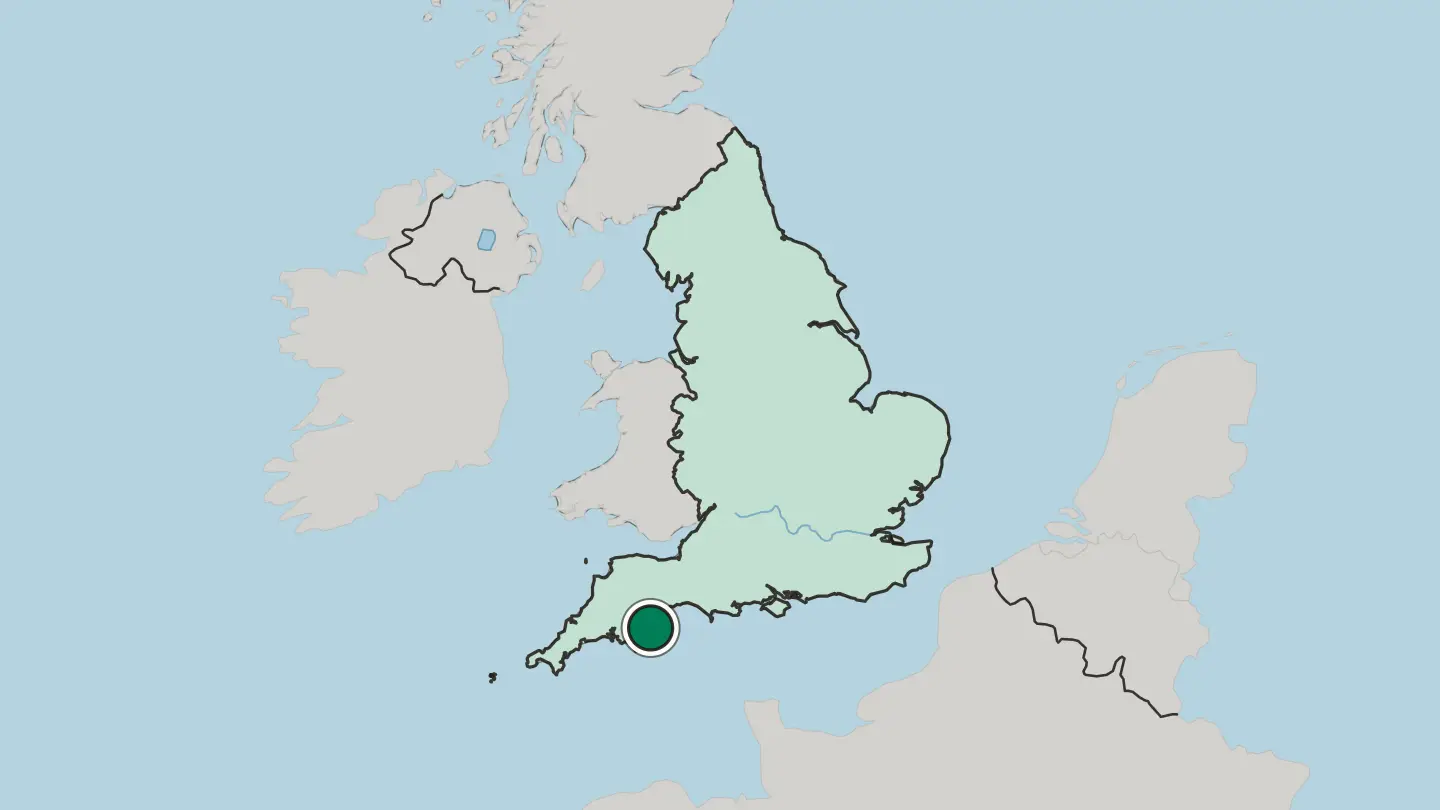
 United Kingdom
Loughborough
Loughborough is a market town in the Charnwood Borough of Leicestershire, known for its carillon tower, bell museums and the Great Central Railway.Where to stay →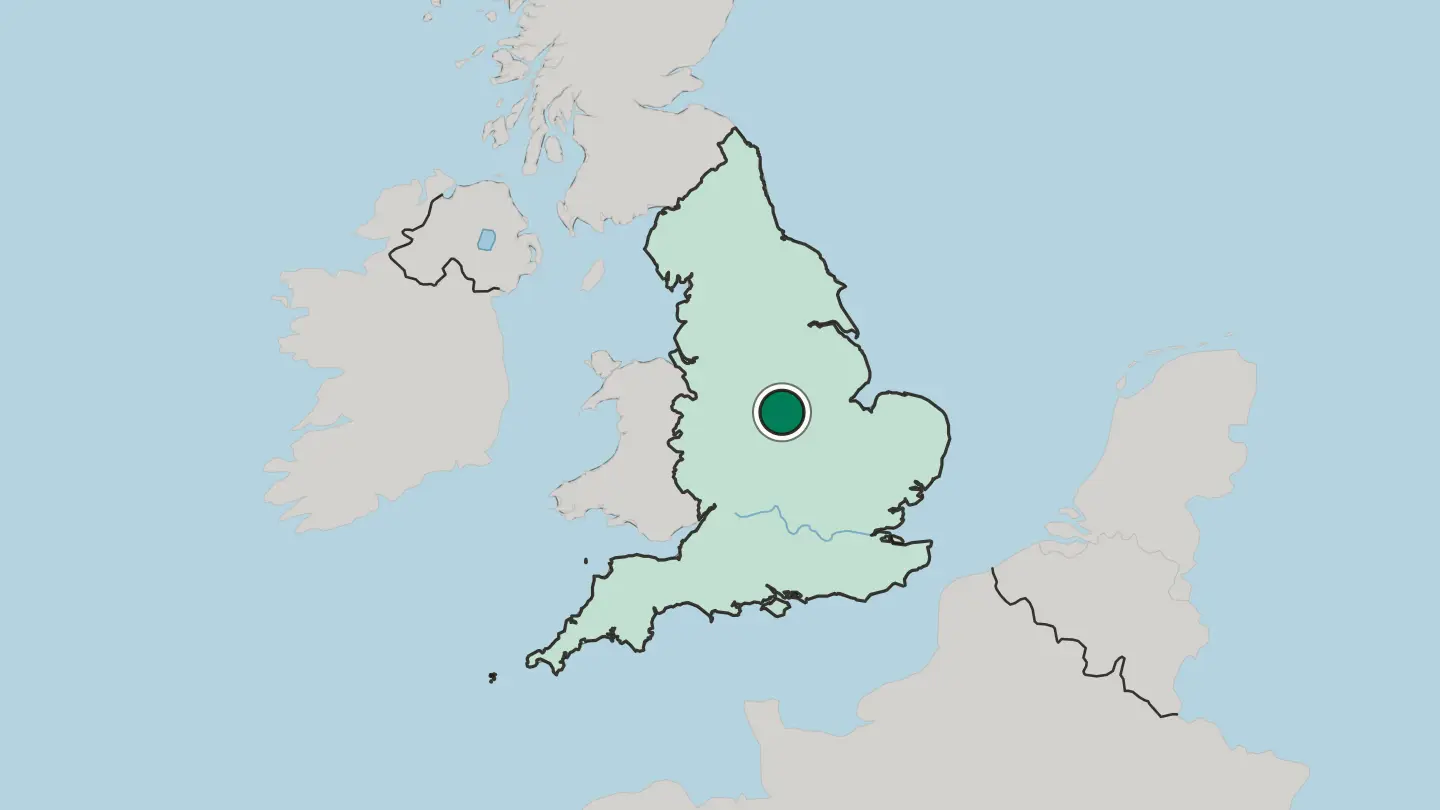 United Kingdom
Taunton
Taunton is the county town of Somerset in the south-west of England, a market town with a minster church and a Norman castle.Where to stay →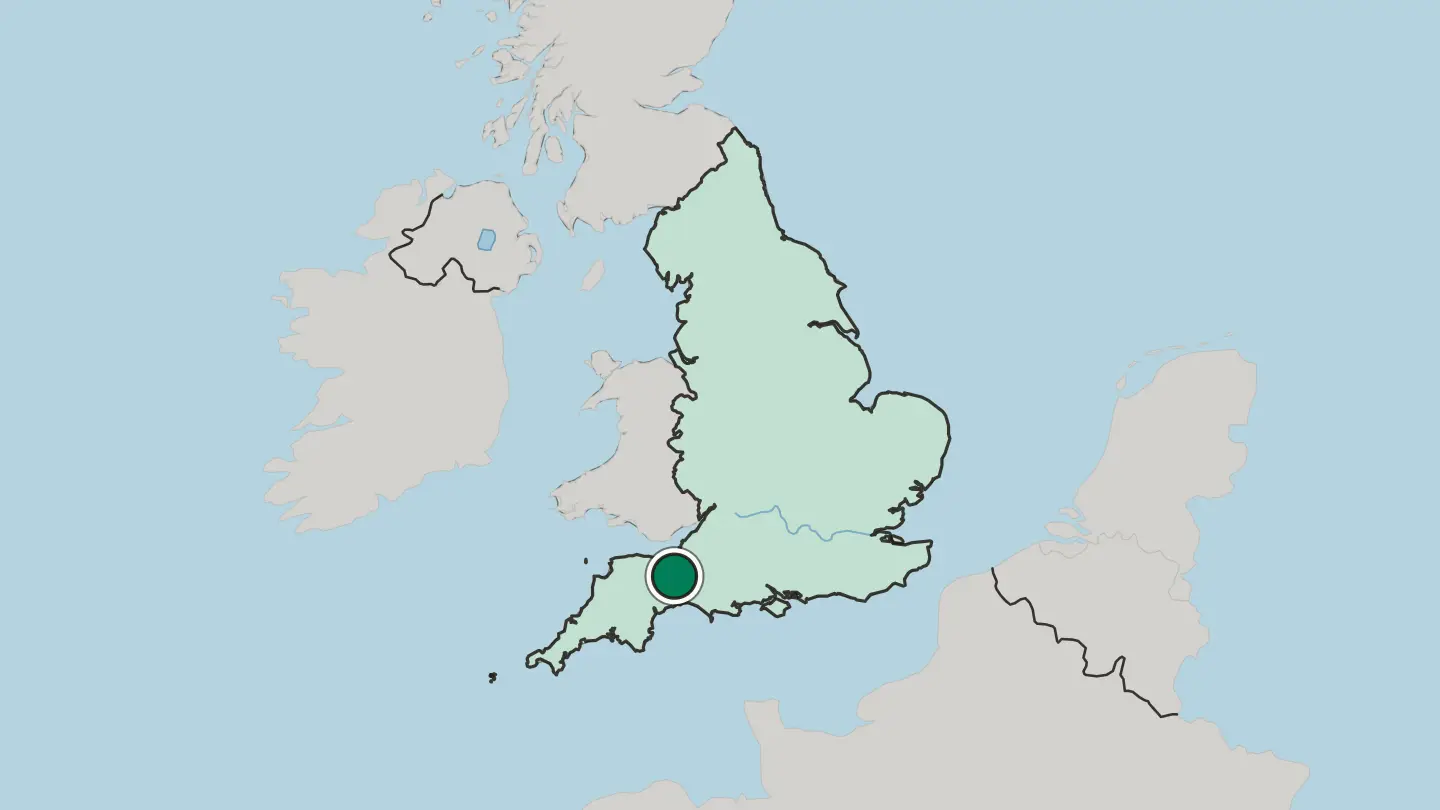
 United Kingdom
Bognor Regis
Bognor Regis is a seaside resort and civil parish on the West Sussex coast, in the Arun district, west of Brighton.Where to stay →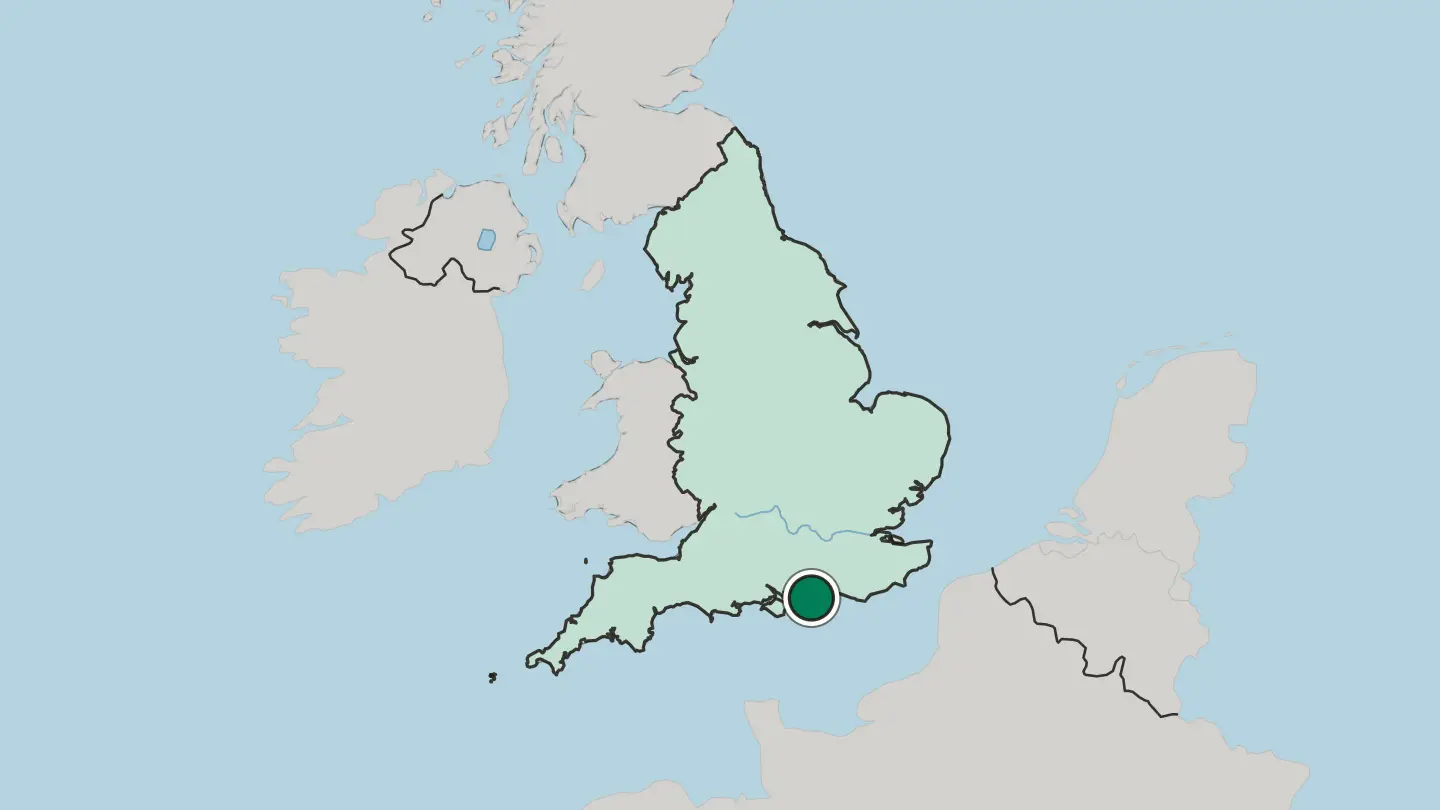
 United Kingdom
Great Yarmouth
Great Yarmouth is a seaside town at the mouth of the River Yare in Norfolk, known for its beach, its Minster and the Time and Tide Museum.Where to stay →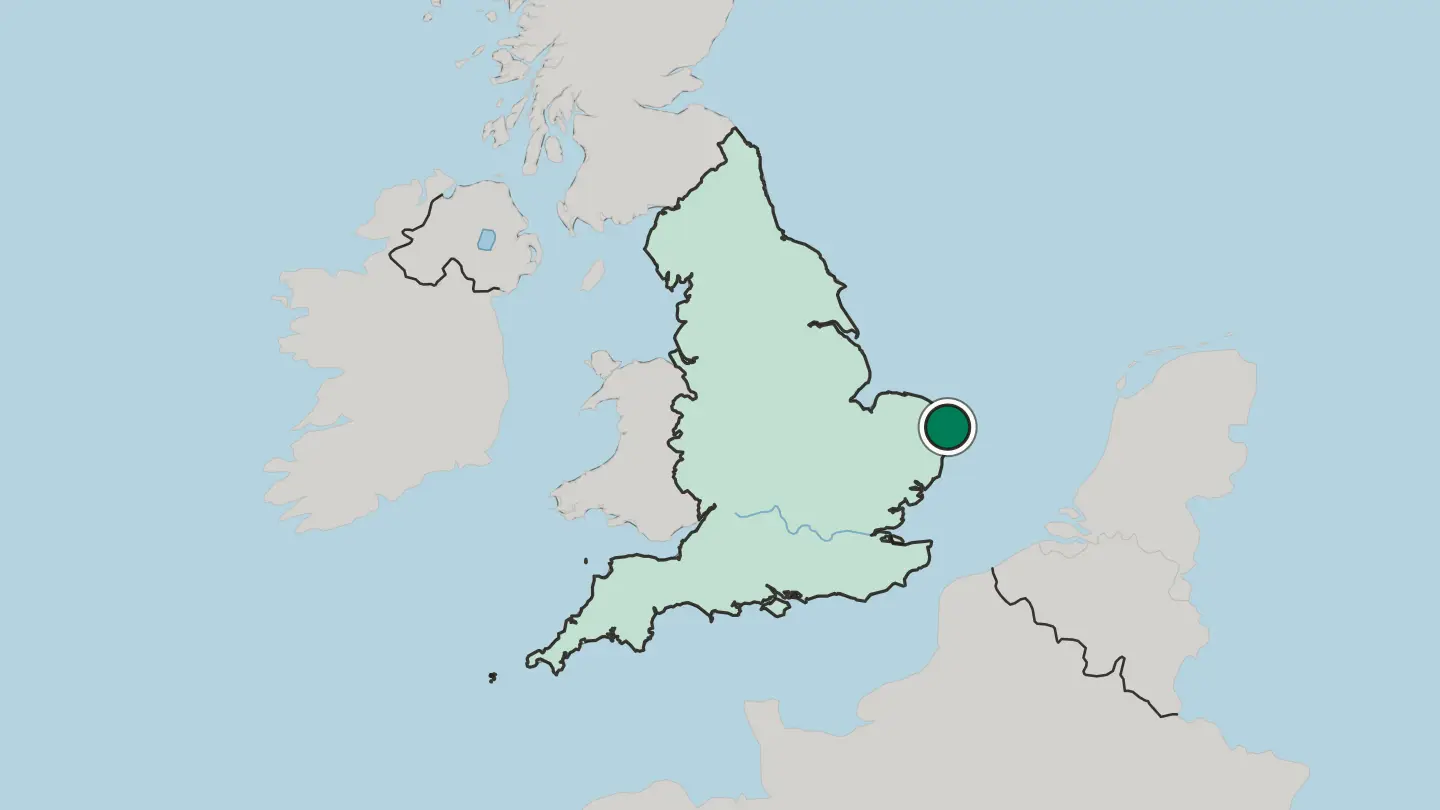
 United Kingdom
Feltham
Feltham is a town in West London, 13.5 miles from Charing Cross, historically part of Middlesex and in the London Borough of Hounslow since 1965.Where to stay →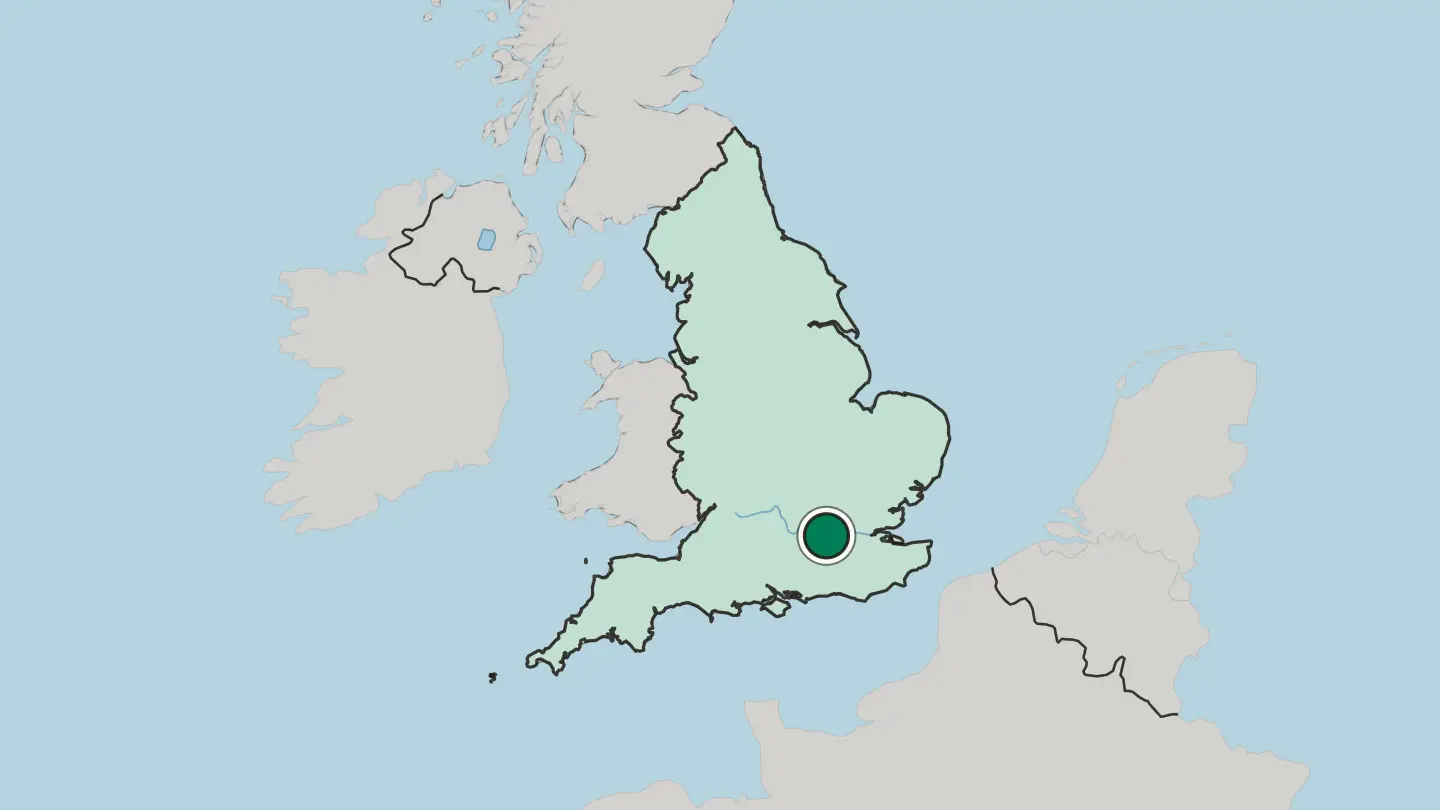
 United Kingdom
Margate
Margate is a seaside town in the Thanet District on the north Kent coast, with Dreamland Margate and its Scenic Railway behind the sands.Where to stay →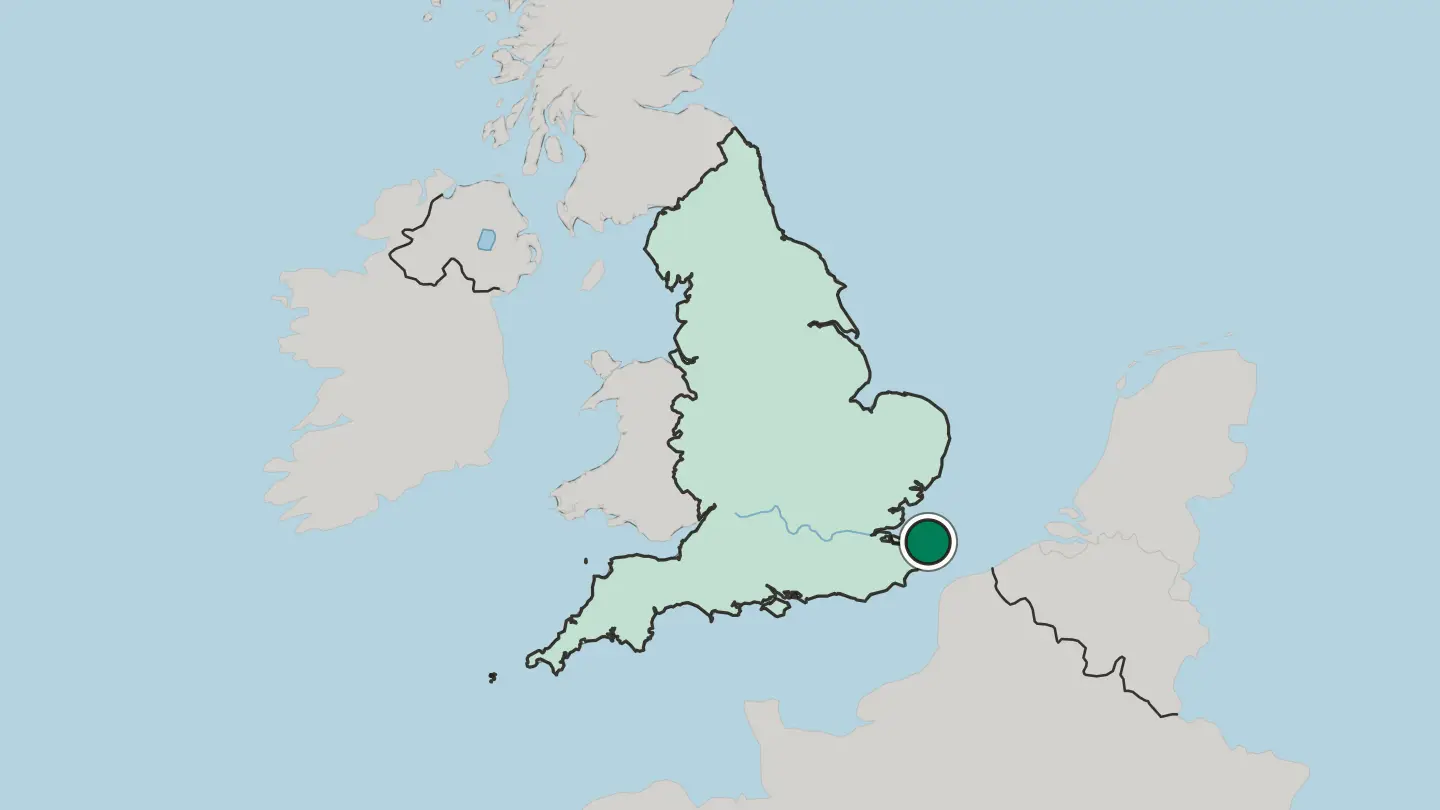 United Kingdom
Ashford
Ashford is a Kent market town on the River Great Stour, at the scarp edge of the North Downs, on record from 893 and trading ever since.Where to stay →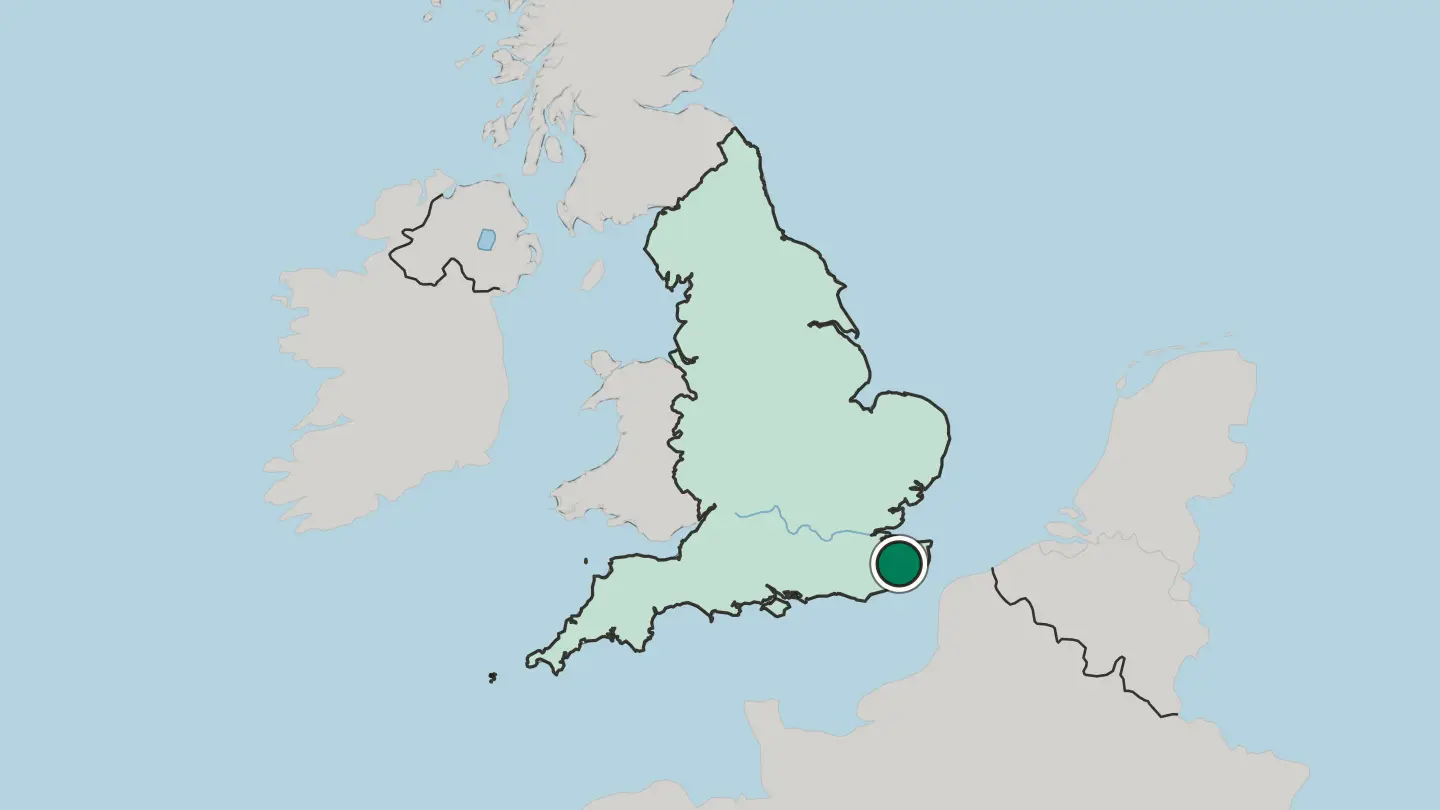
 United Kingdom
Sale
Sale is a town of the Borough of Trafford in Greater Manchester, an old Cheshire market settlement on the south bank of the River Mersey.Where to stay →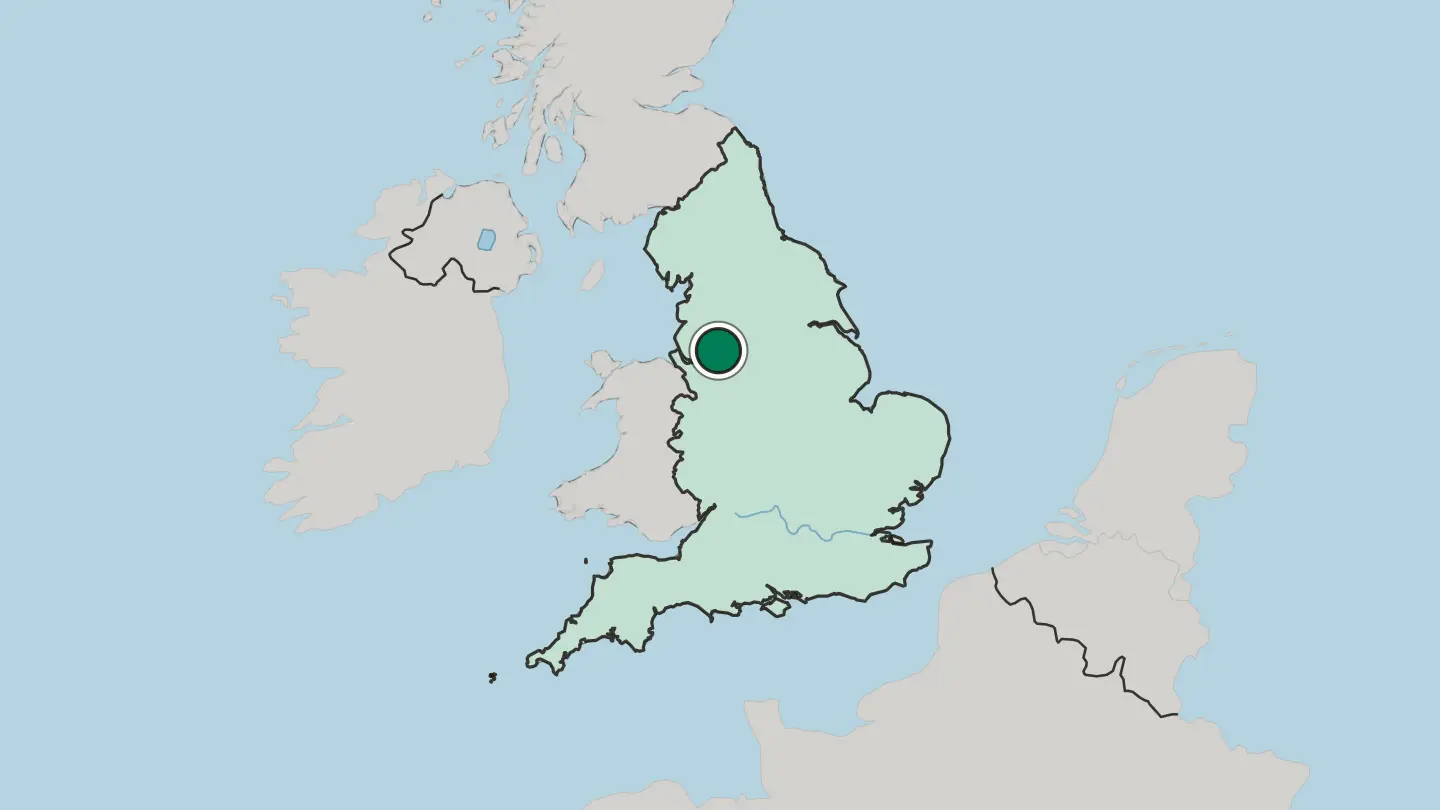 United Kingdom
Acton
Acton is a West London town in the London Borough of Ealing, west of Charing Cross, with Gunnersbury Park and Pitzhanger Manor on its edges.Where to stay →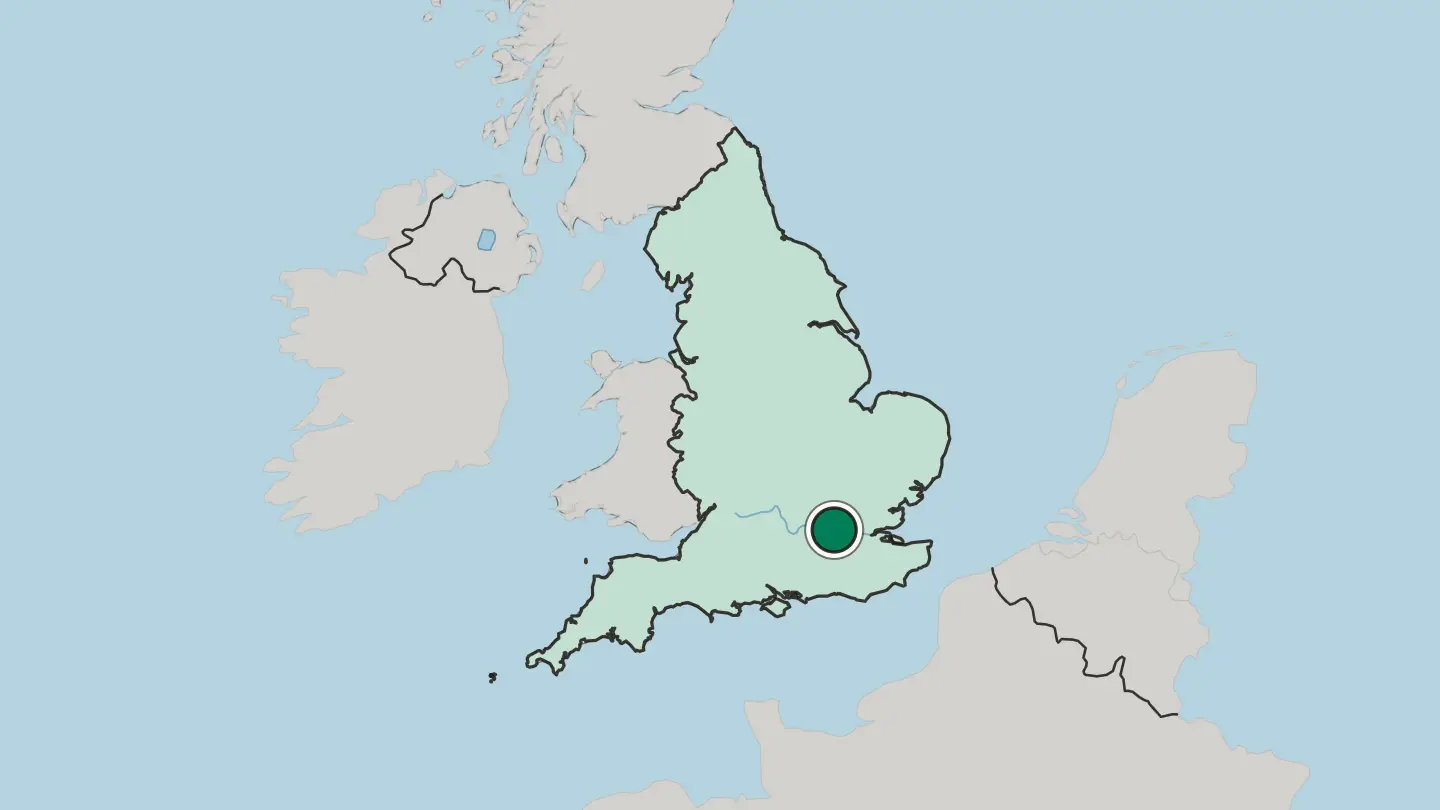
 United Kingdom
Scarborough
Scarborough is a seaside town on the North Yorkshire coast, with two sandy bays divided by the headland that carries Scarborough Castle.Where to stay →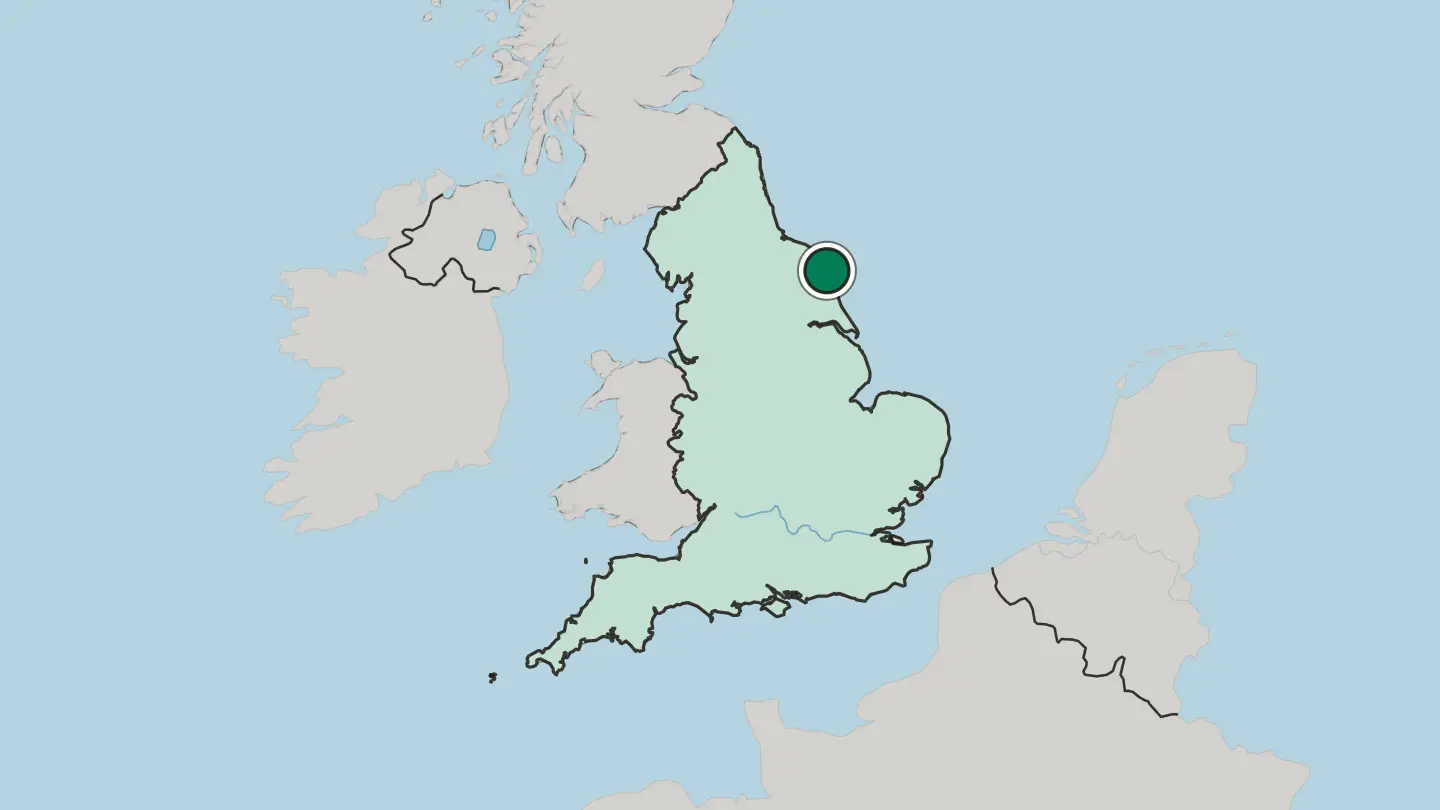
 United Kingdom
Widnes
Science centre, rugby league museum. Widnes is an industrial town in the Borough of Halton, in Cheshire, England.Where to stay →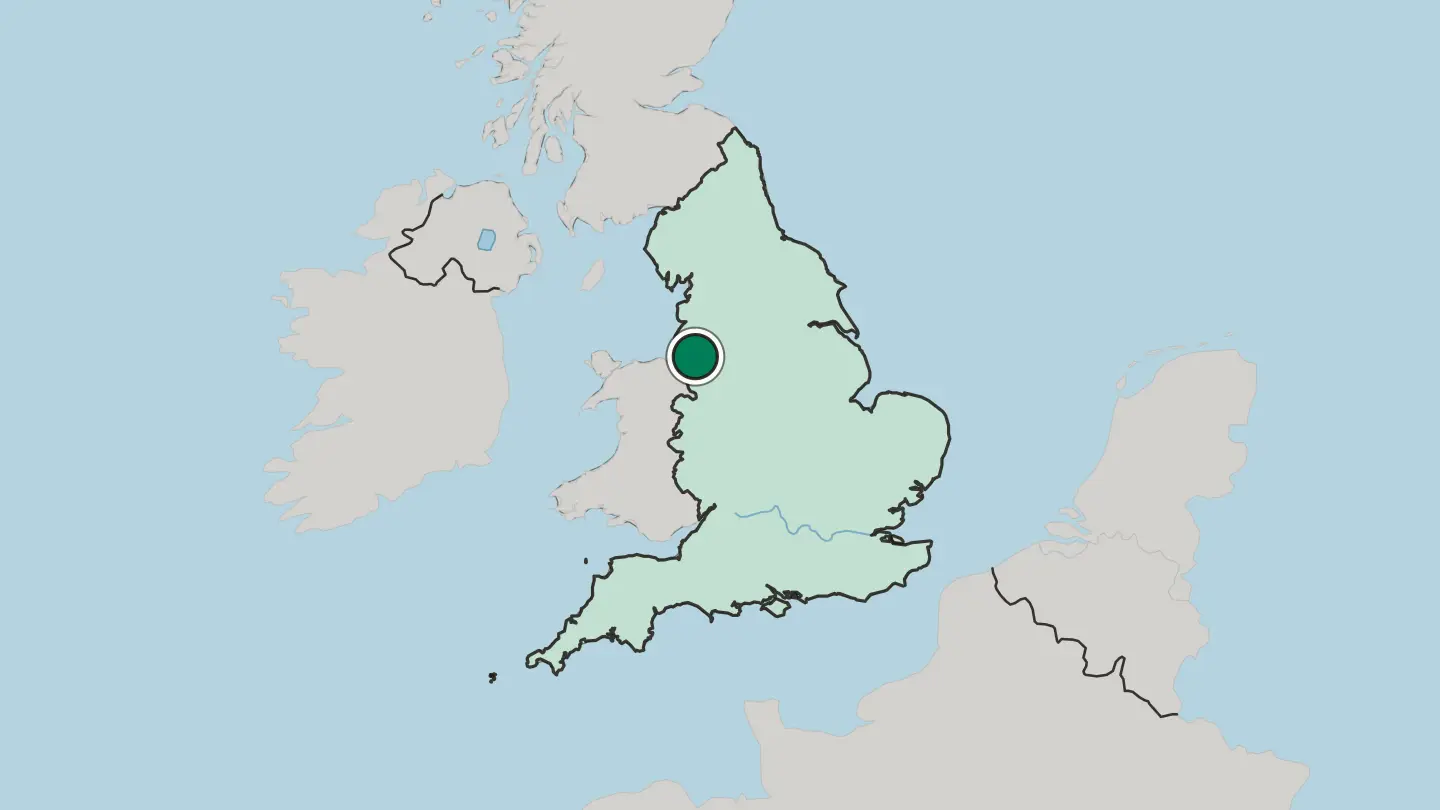
 United Kingdom
Runcorn
Runcorn is an industrial town and cargo port on the south bank of the River Mersey, where the estuary narrows to form the Runcorn Gap.Where to stay →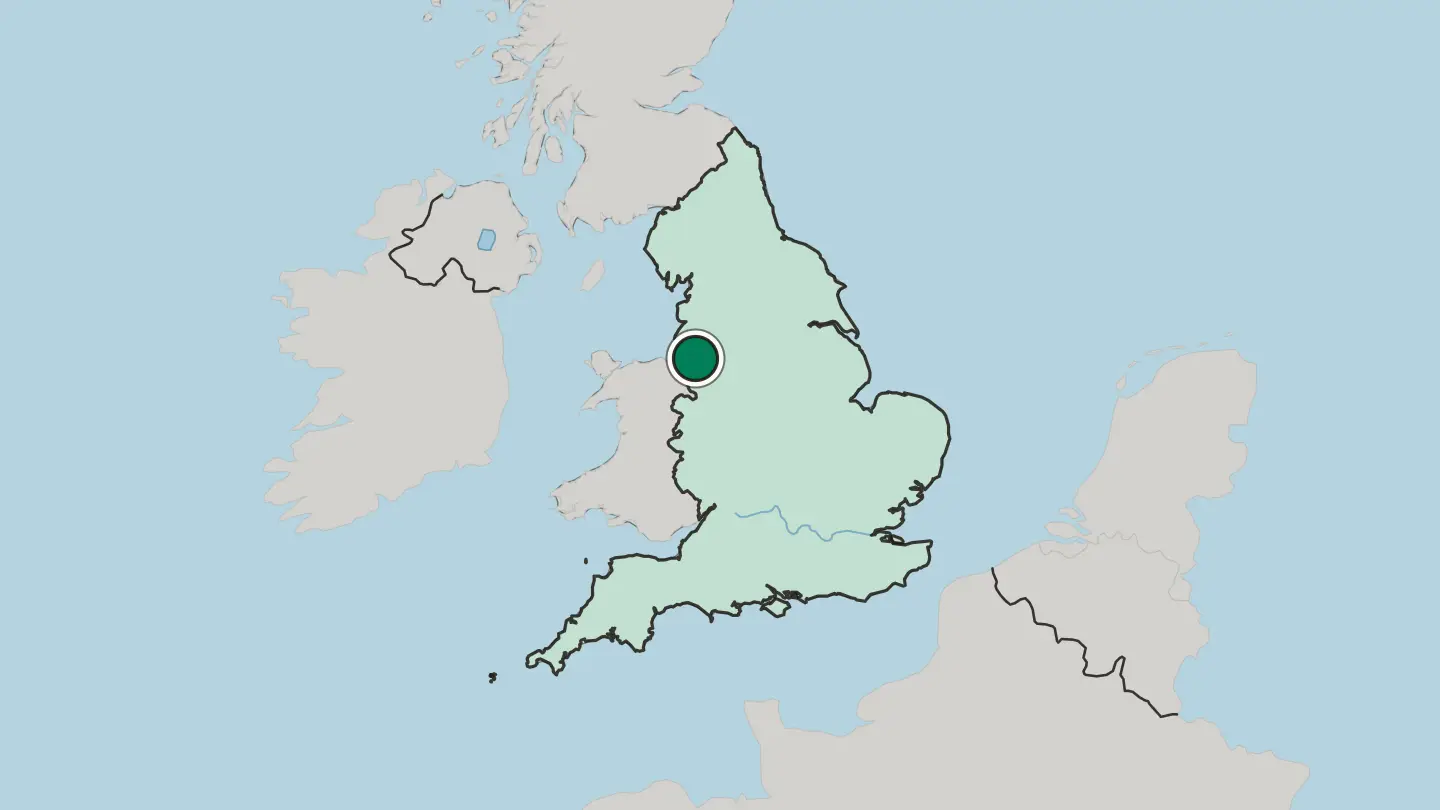
 United Kingdom
Bury
Bury is a former textile-milling market town on the river Irwell in Greater Manchester, with Bury Castle and the East Lancashire Railway among its names.Where to stay →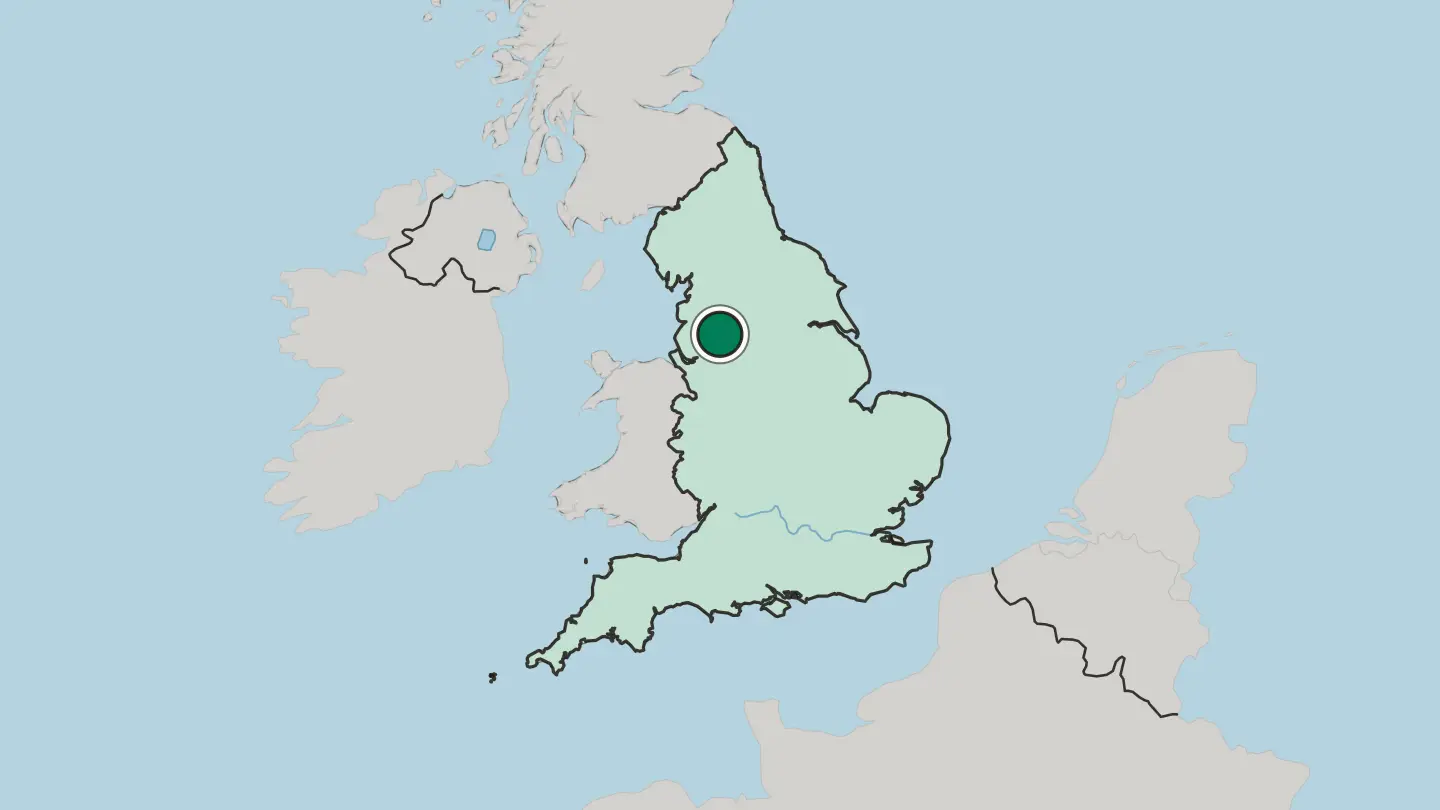 United Kingdom
Dewsbury
Dewsbury is a market town on the River Calder, the largest in the Heavy Woollen District of Kirklees, West Yorkshire. It sits west of Wakefield.Where to stay →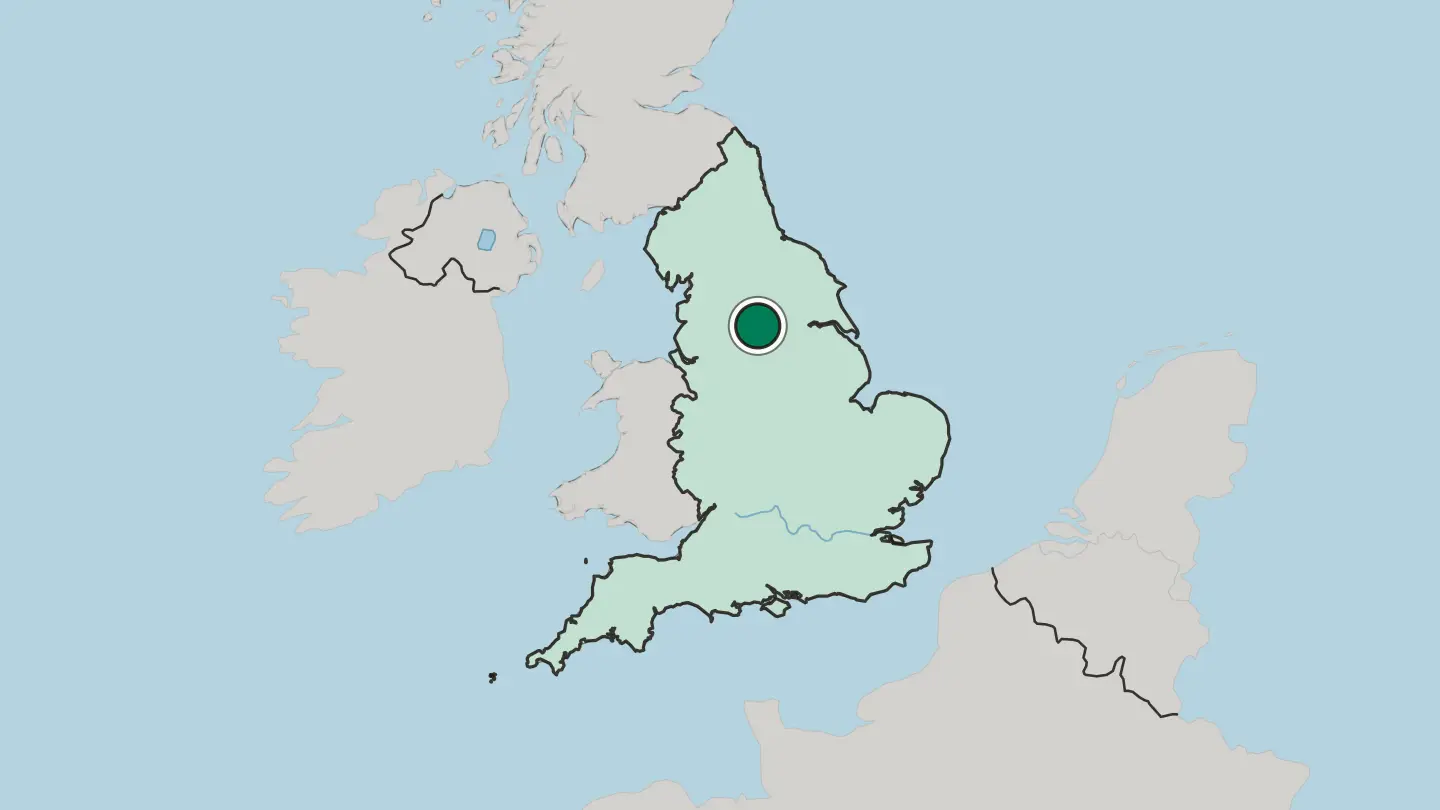
 United Kingdom
Beckenham
Beckenham is a town of south-east London in the London Borough of Bromley, part of Kent until 1965, with cricket grounds threaded through it.Where to stay →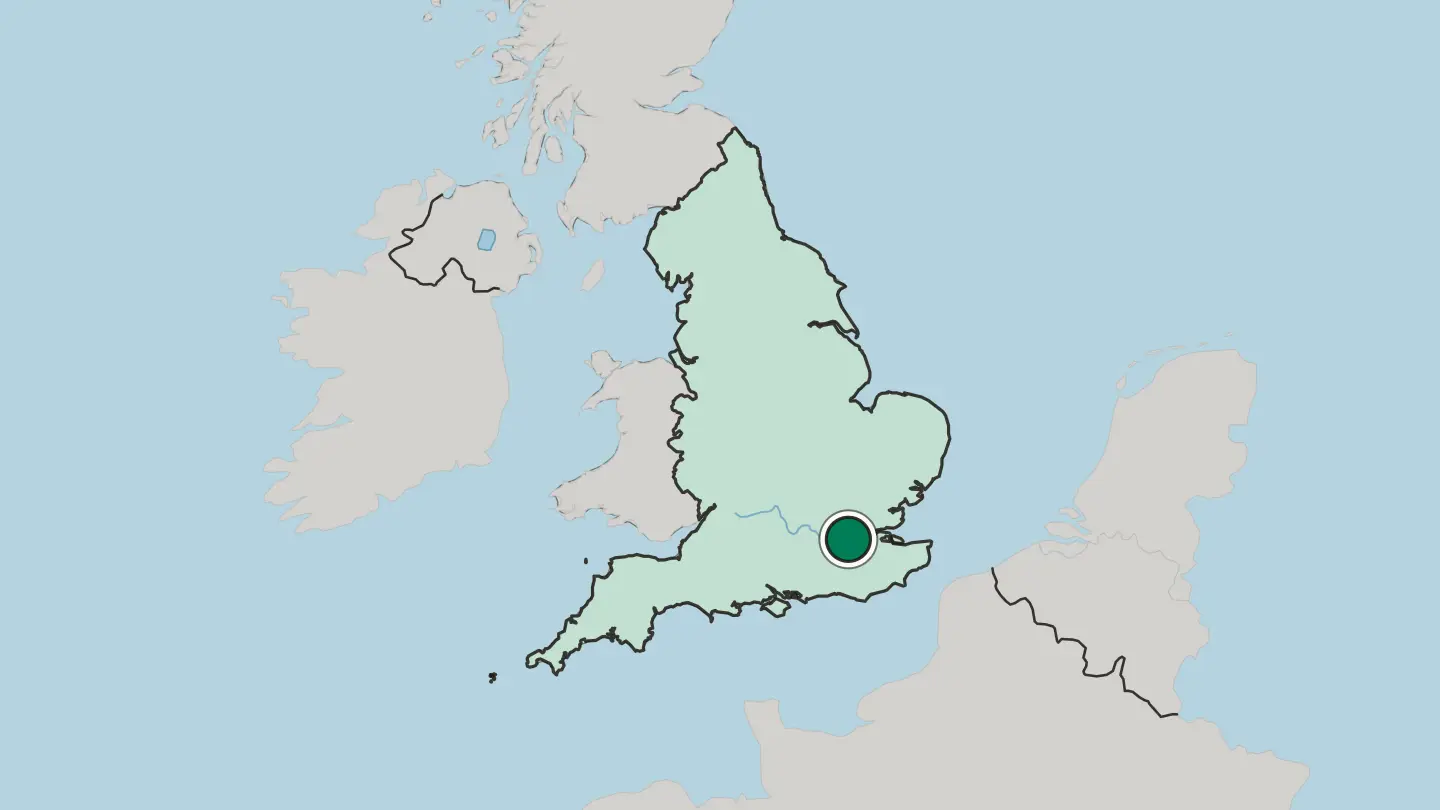 United Kingdom
Farnborough
Farnborough is Hampshire's aviation town, in the Rushmoor district, where Samuel Cody made Britain's first powered flight in 1904.Where to stay →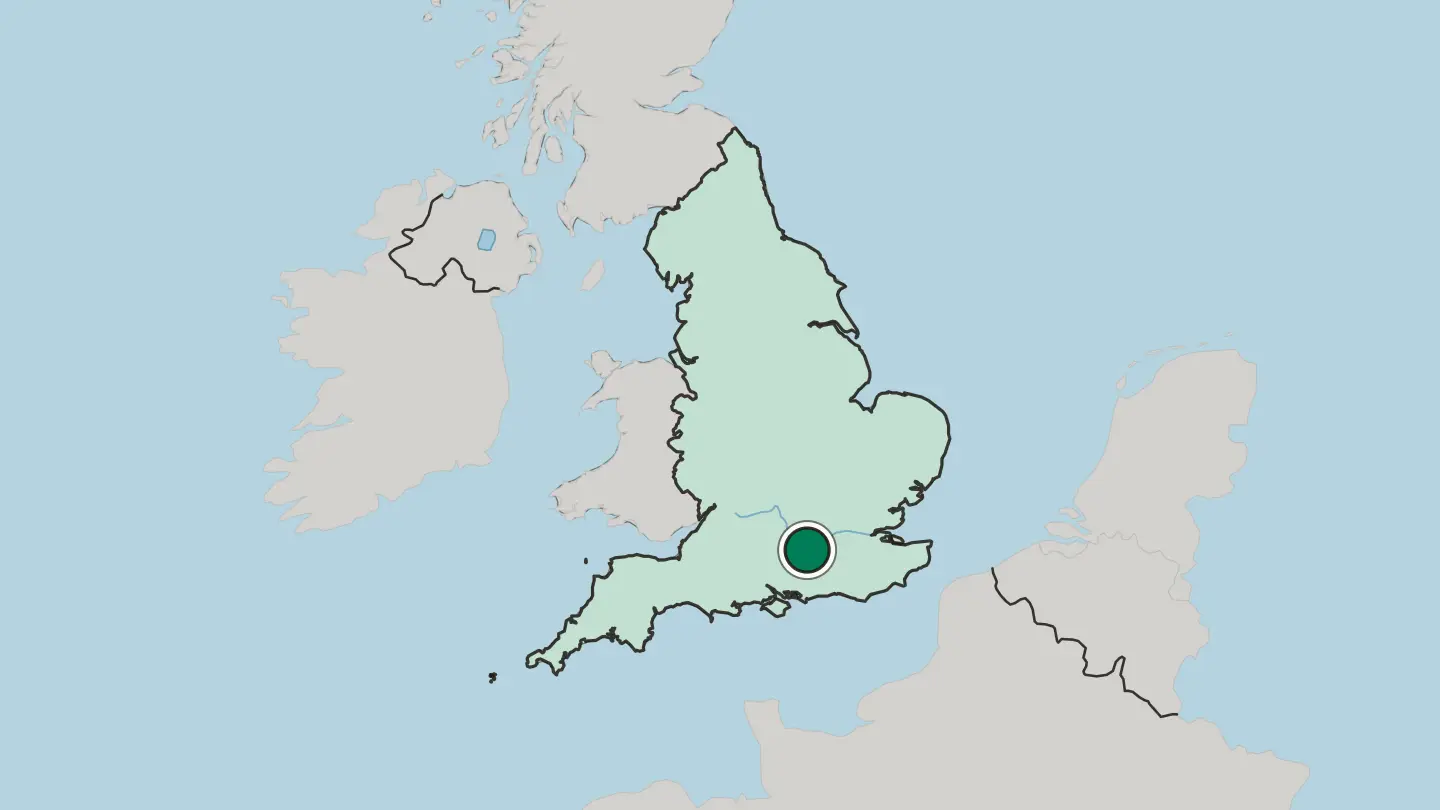
 United Kingdom
Tynemouth
Castle and priory crown the headland. Tynemouth holds the north side of the mouth of the River Tyne, with the North Sea open beyond it.Where to stay →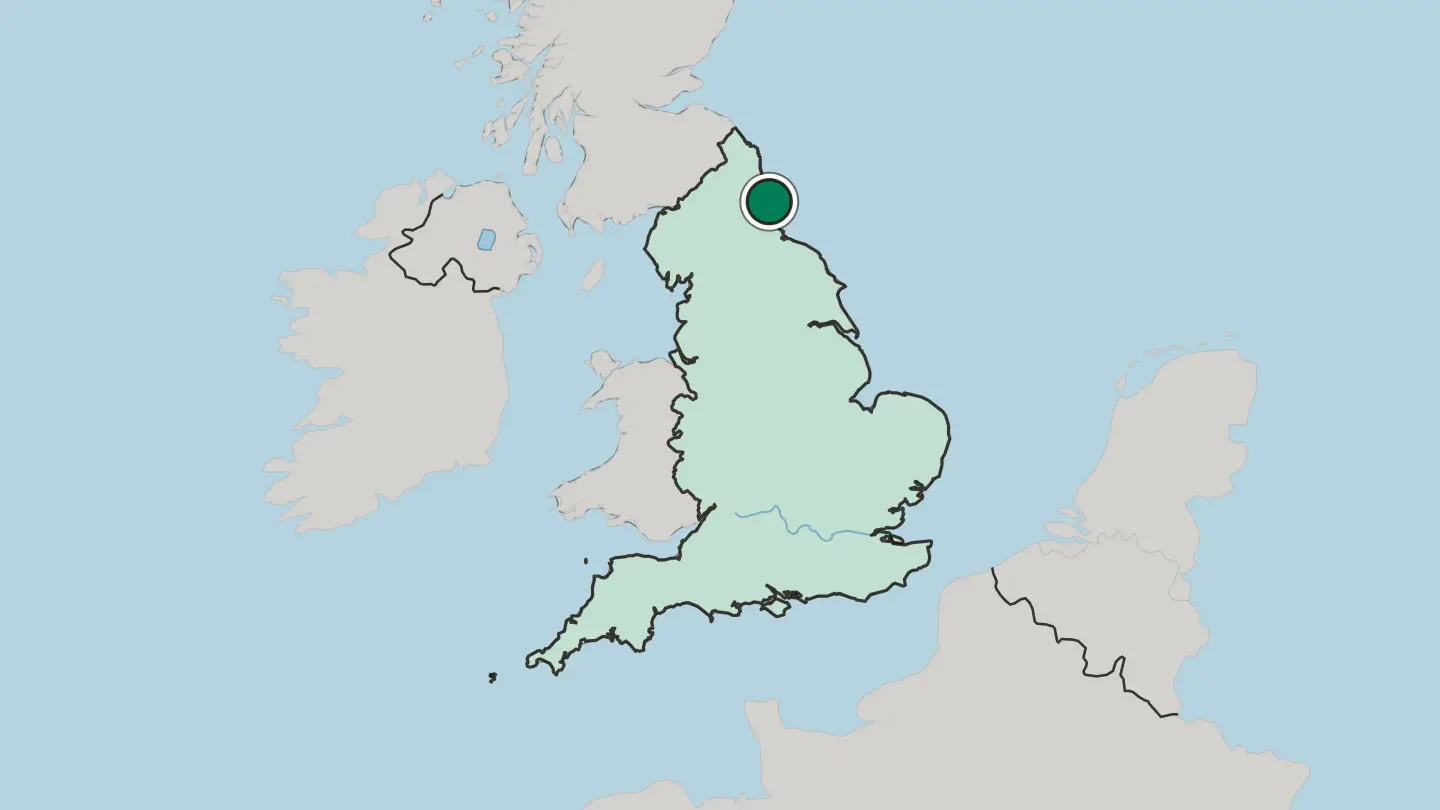
 United Kingdom
Hereford
Hereford is a city of Herefordshire in western England, an old cathedral town on the River Wye, in the cider and cattle country near the Welsh border.Where to stay →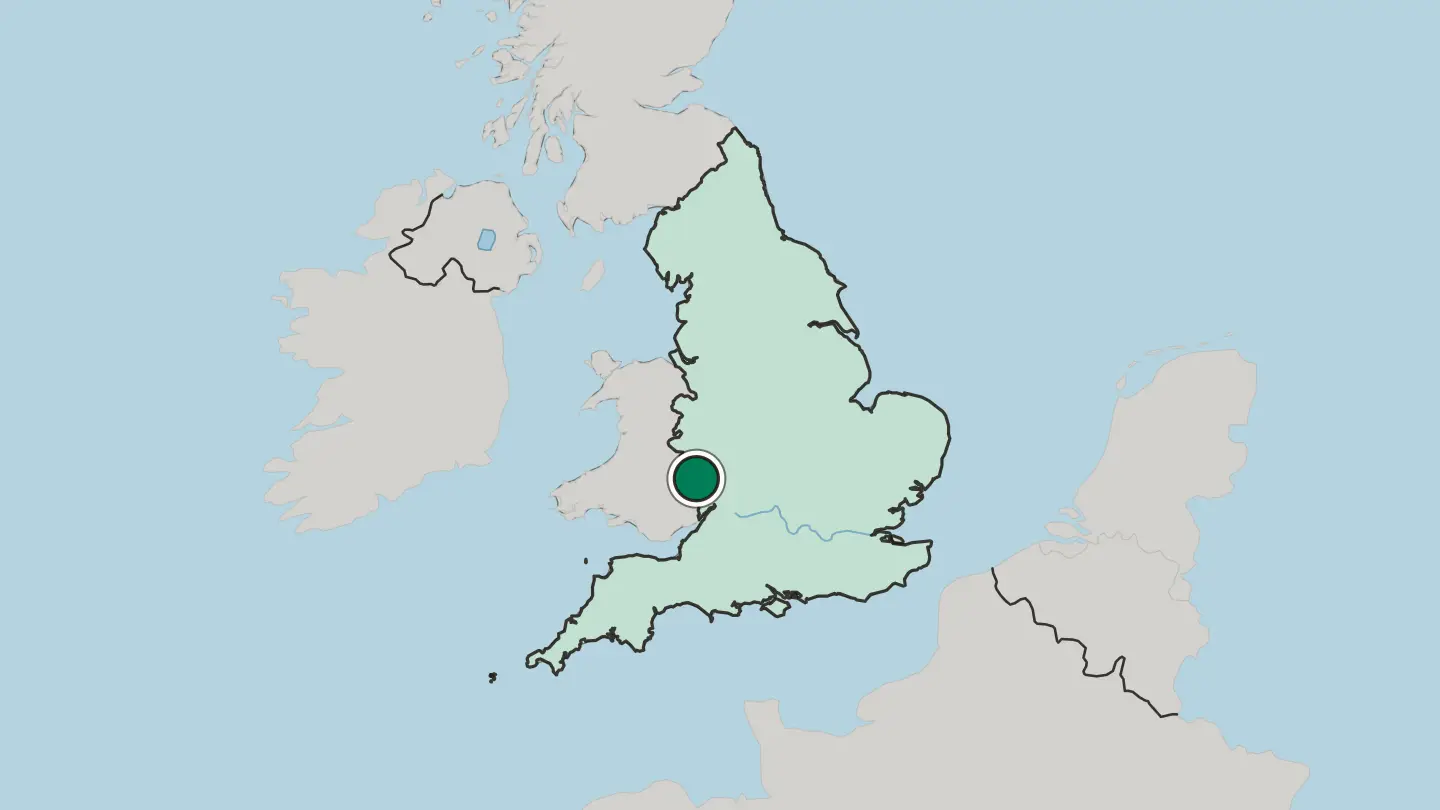
 United Kingdom
Stroud
Stroud is a market town and civil parish in Gloucestershire, England, at the heart of the Five Valleys in the Cotswolds.Where to stay →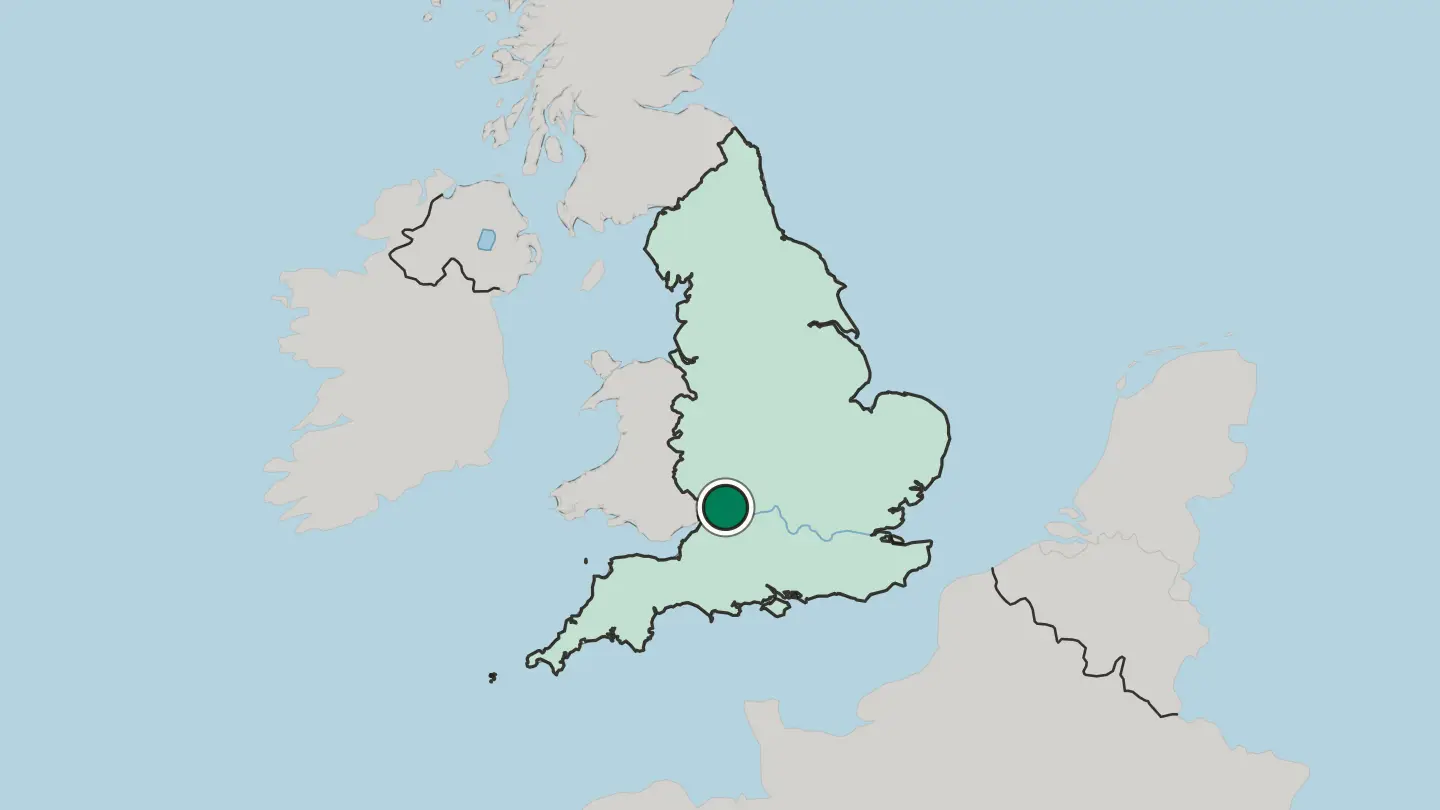 United Kingdom
Halesowen
Halesowen is a market town in the Metropolitan Borough of Dudley, West Midlands, known for The Leasowes and the Church of St John the Baptist.Where to stay →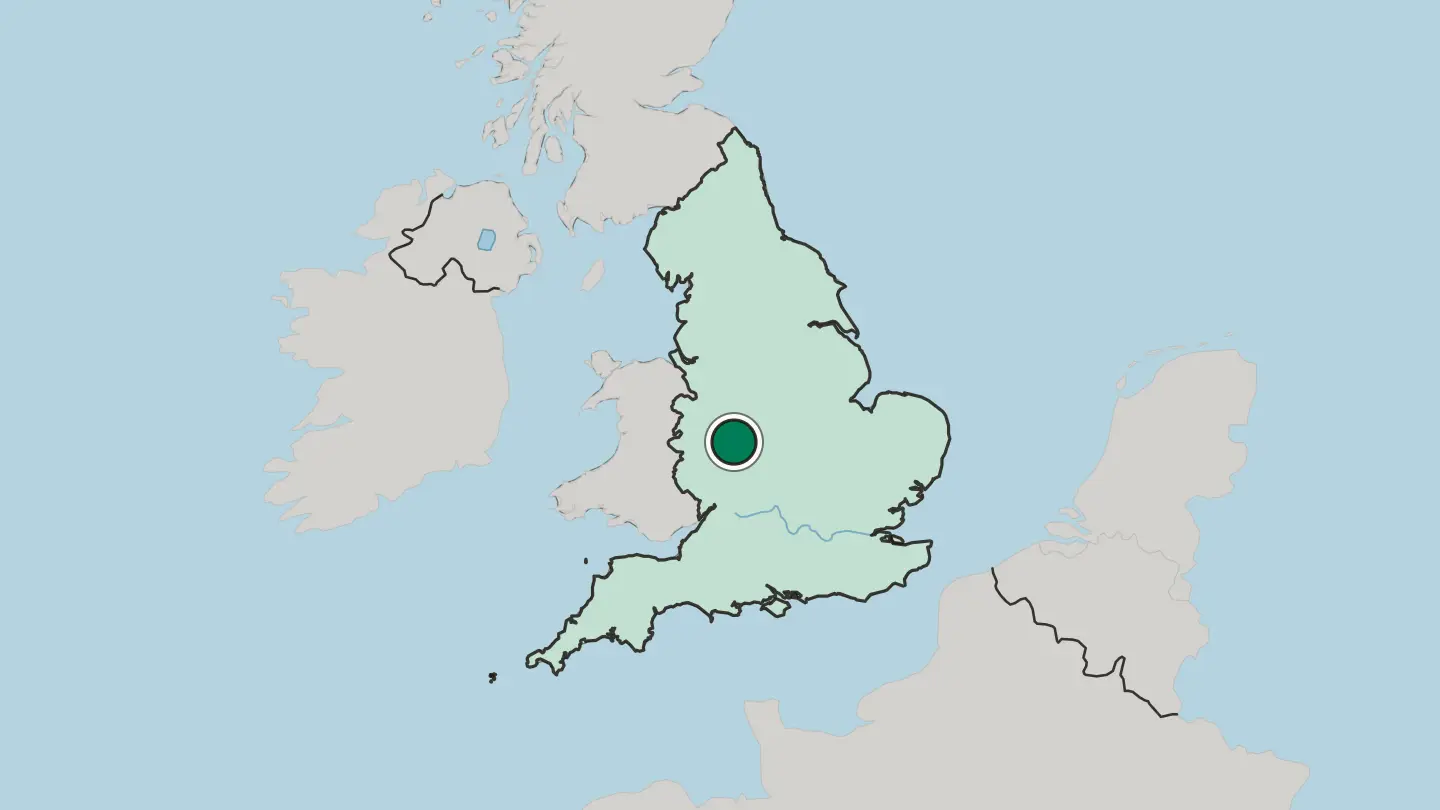
 United Kingdom
Wallasey
Wallasey is a Wirral town at the mouth of the River Mersey, taking in the seaside resort of New Brighton and the districts of Egremont and Seacombe.Where to stay →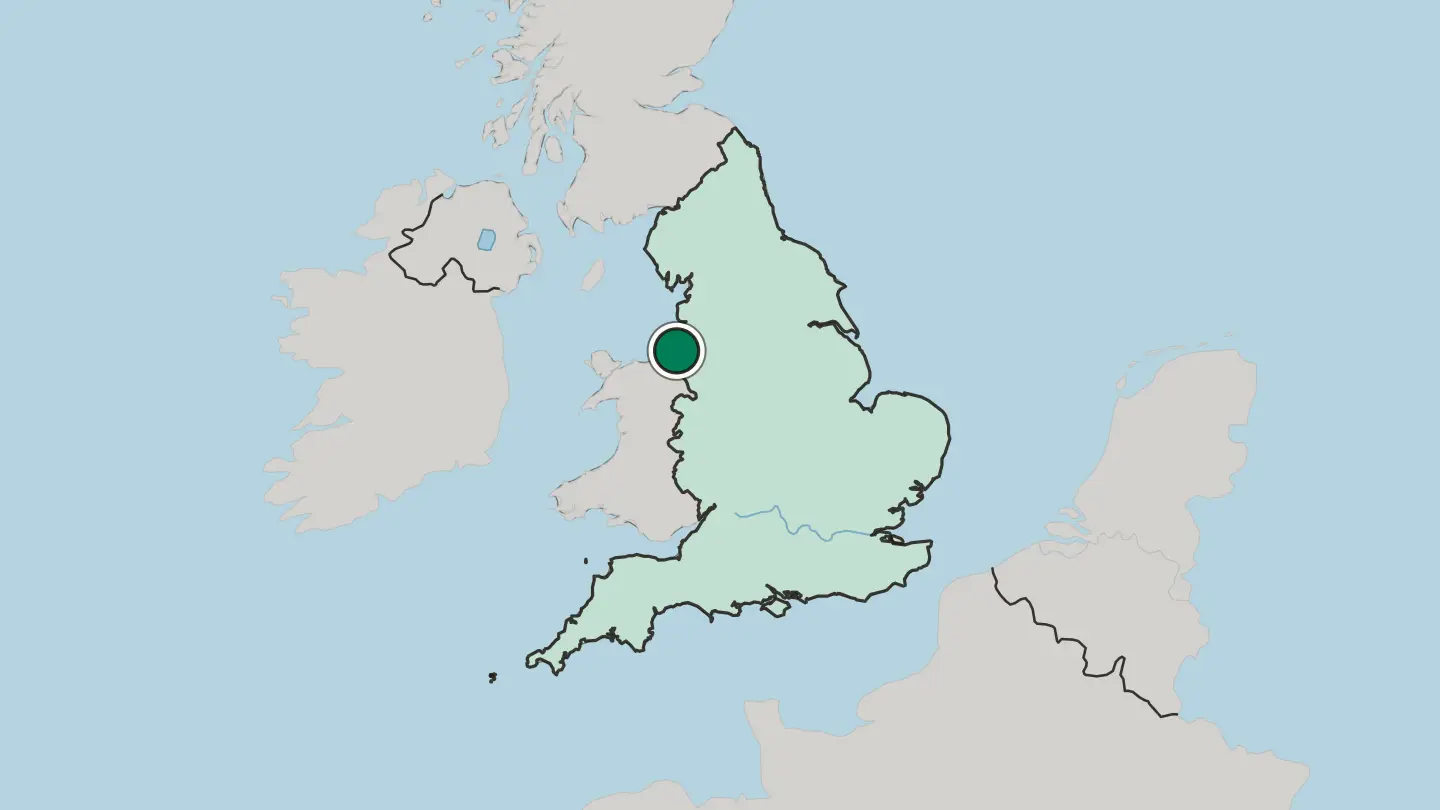
 United Kingdom
Littlehampton
Littlehampton is a West Sussex seaside town on the eastern bank of the River Arun mouth, with Harbour Park and a beach on the English Channel.Where to stay →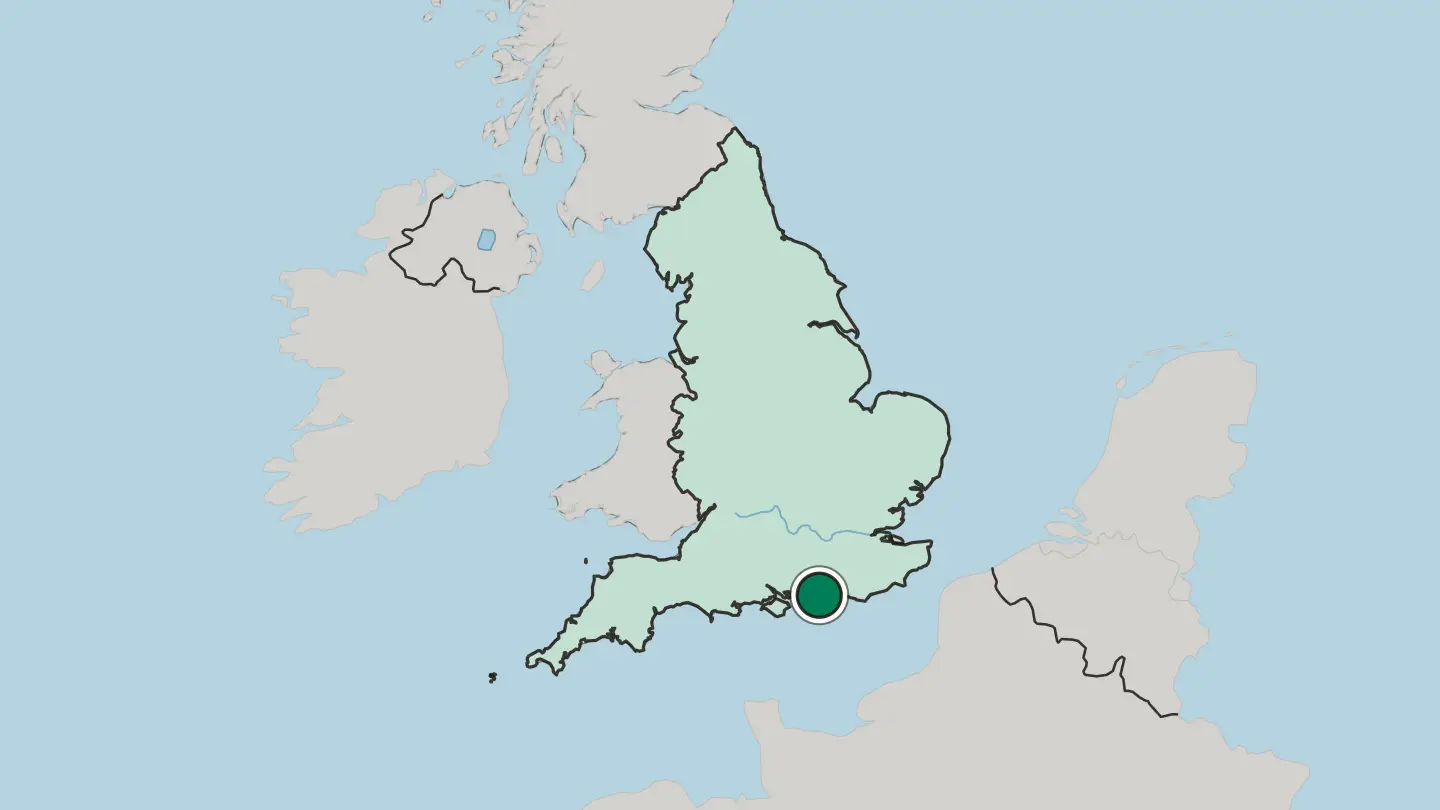 United Kingdom
Streatham
Streatham is a district of south London, five miles south of Charing Cross, lying mostly within the London Borough of Lambeth.Where to stay →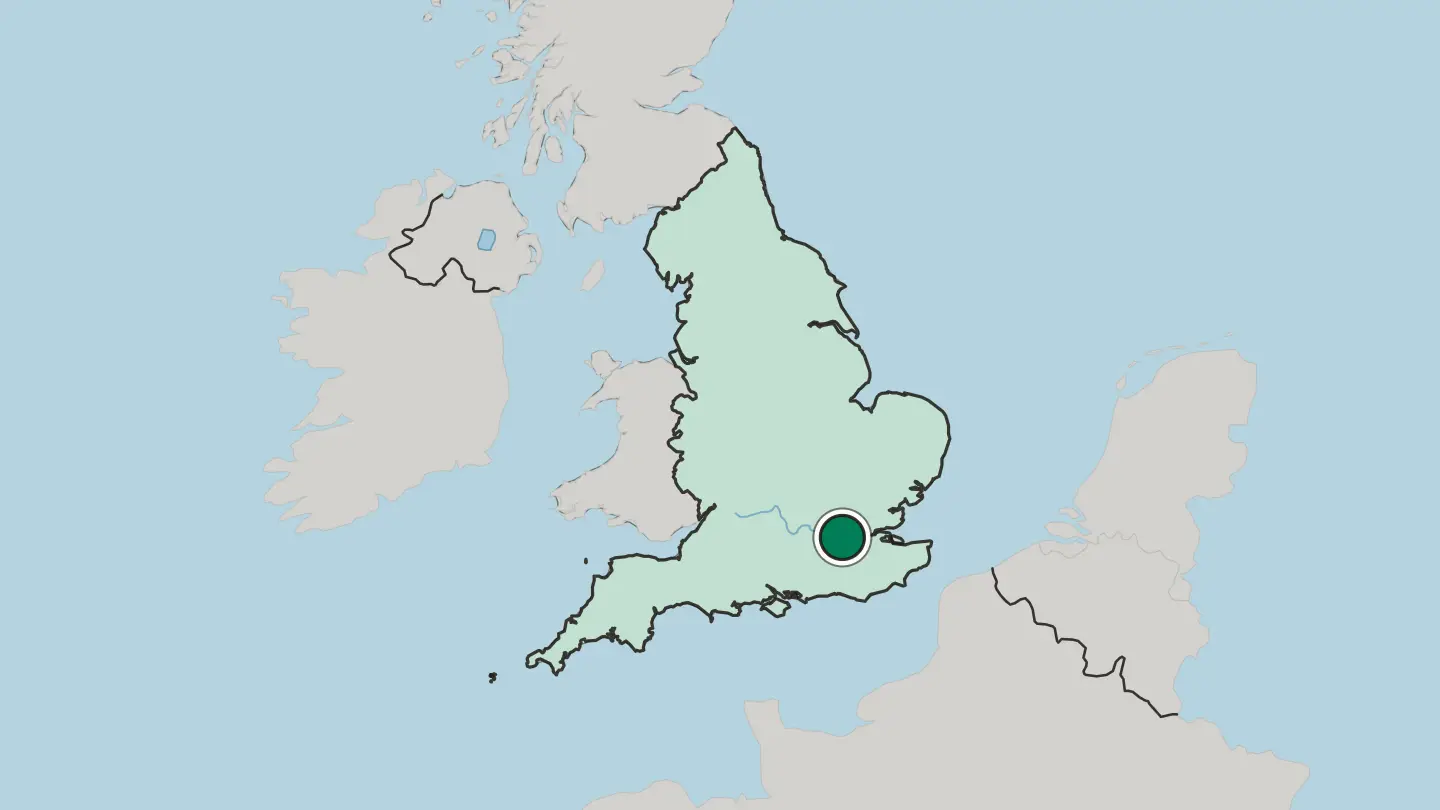 United Kingdom
Bootle
Bootle is a Merseyside town in the Metropolitan Borough of Sefton, part of the Liverpool City Region.Where to stay →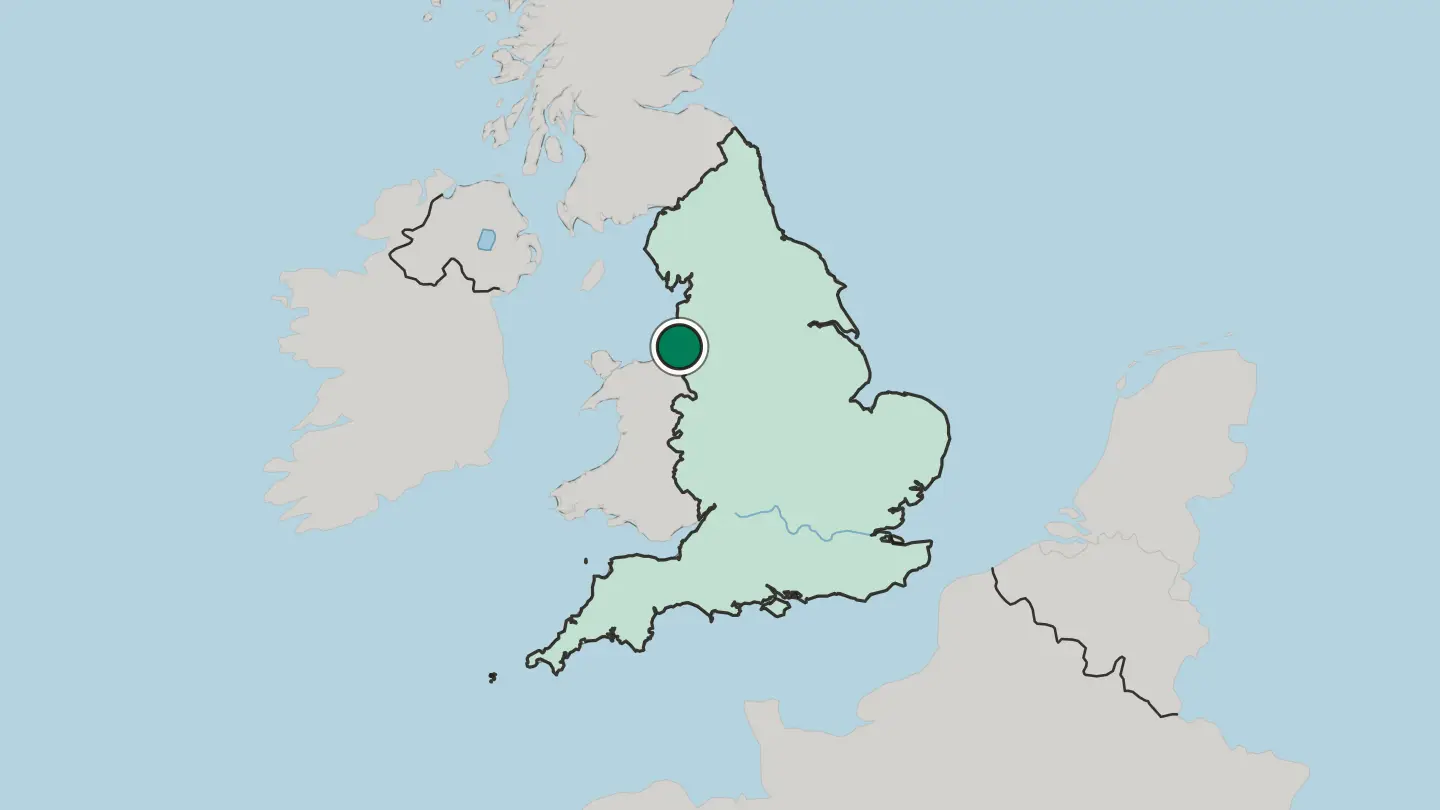
 United Kingdom
Kidderminster
Kidderminster is a market town in Worcestershire, north of the River Stour, where the Museum of Carpet and the Severn Valley Railway meet.Where to stay →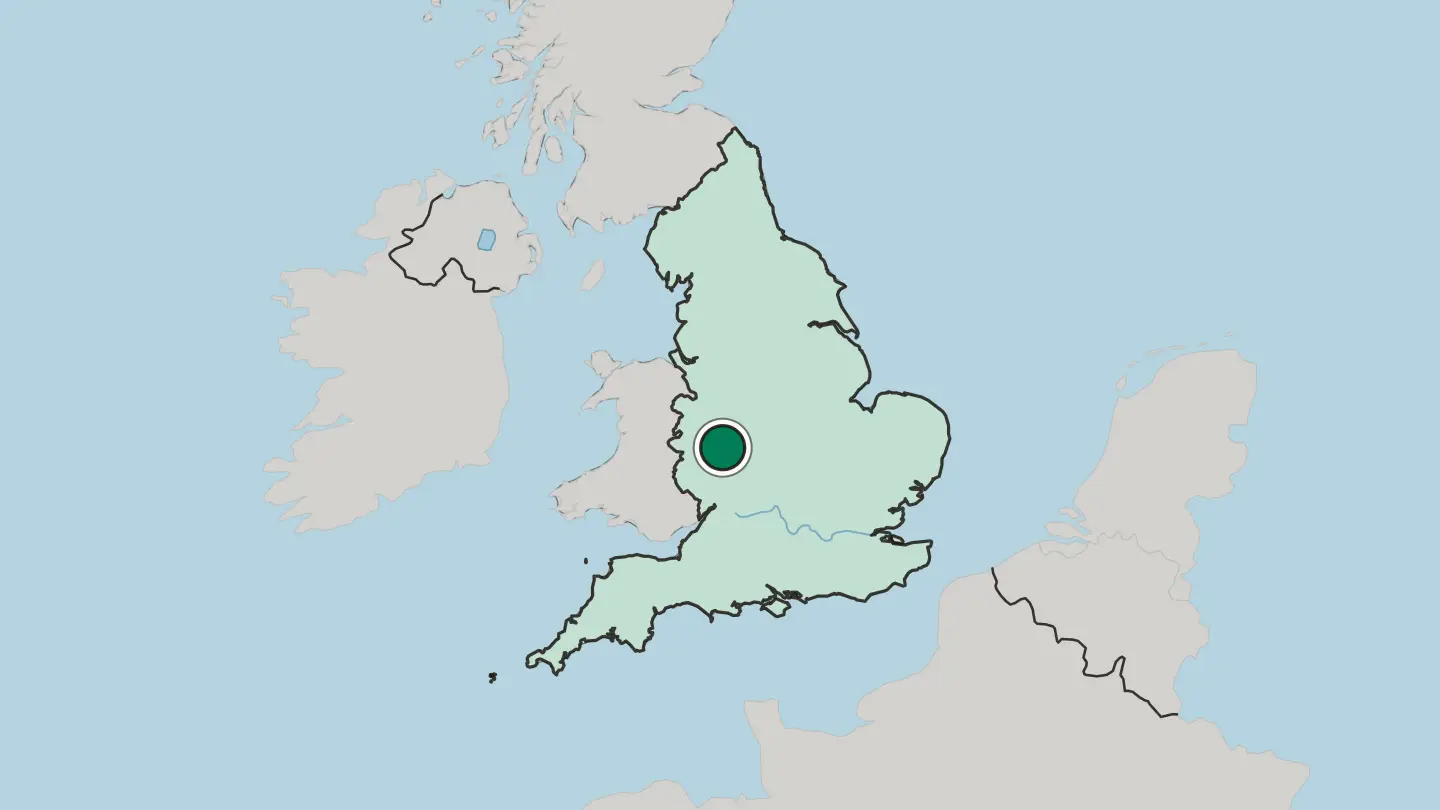 United Kingdom
Stourbridge
Stourbridge is a West Midlands market town on the River Stour, a glass-making centre marked by the Red House Glass Cone at the Black Country's edge.Where to stay →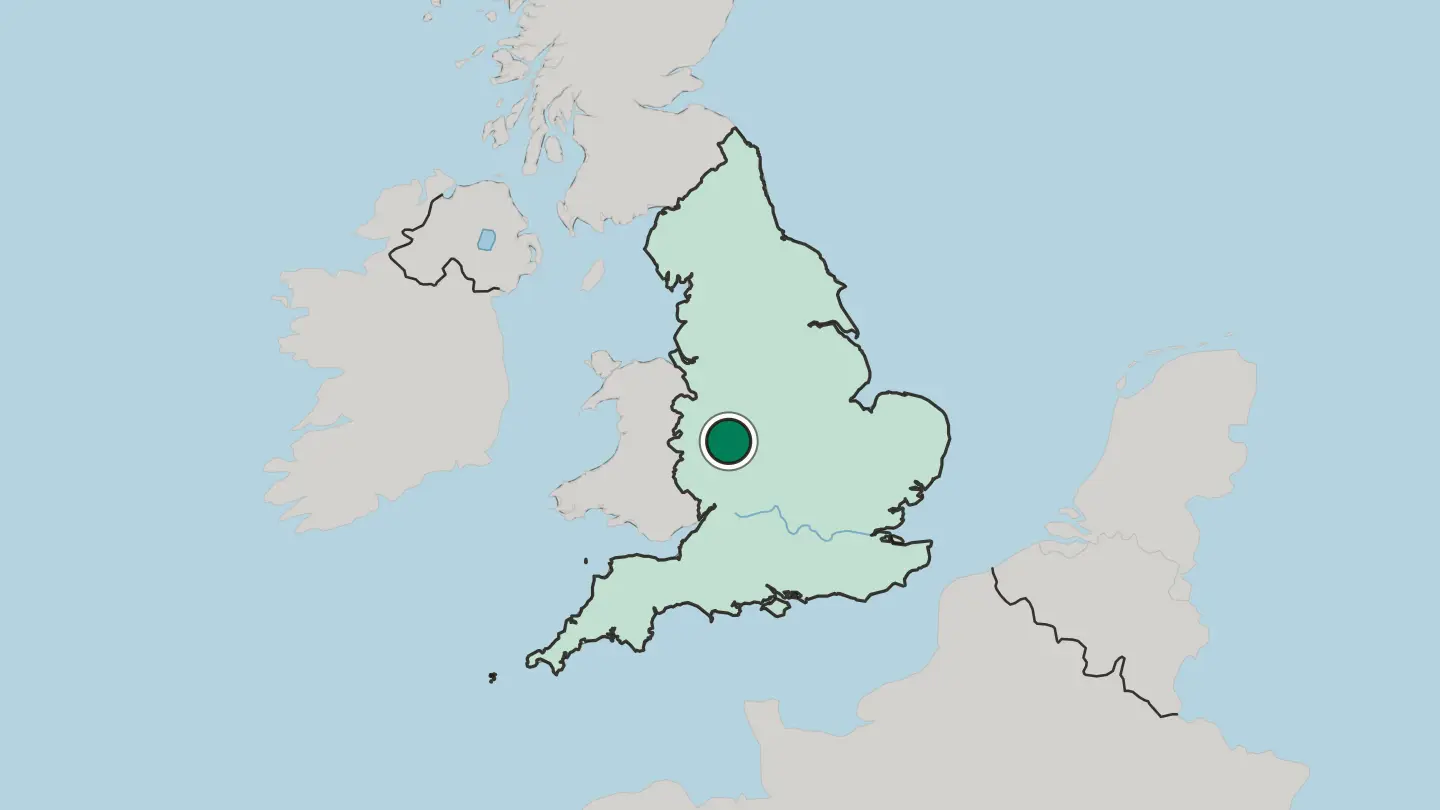 United Kingdom
Kettering
Kettering is a market and industrial town of North Northamptonshire, west of the River Ise, known best for Wicksteed Park and its parish churches.Where to stay →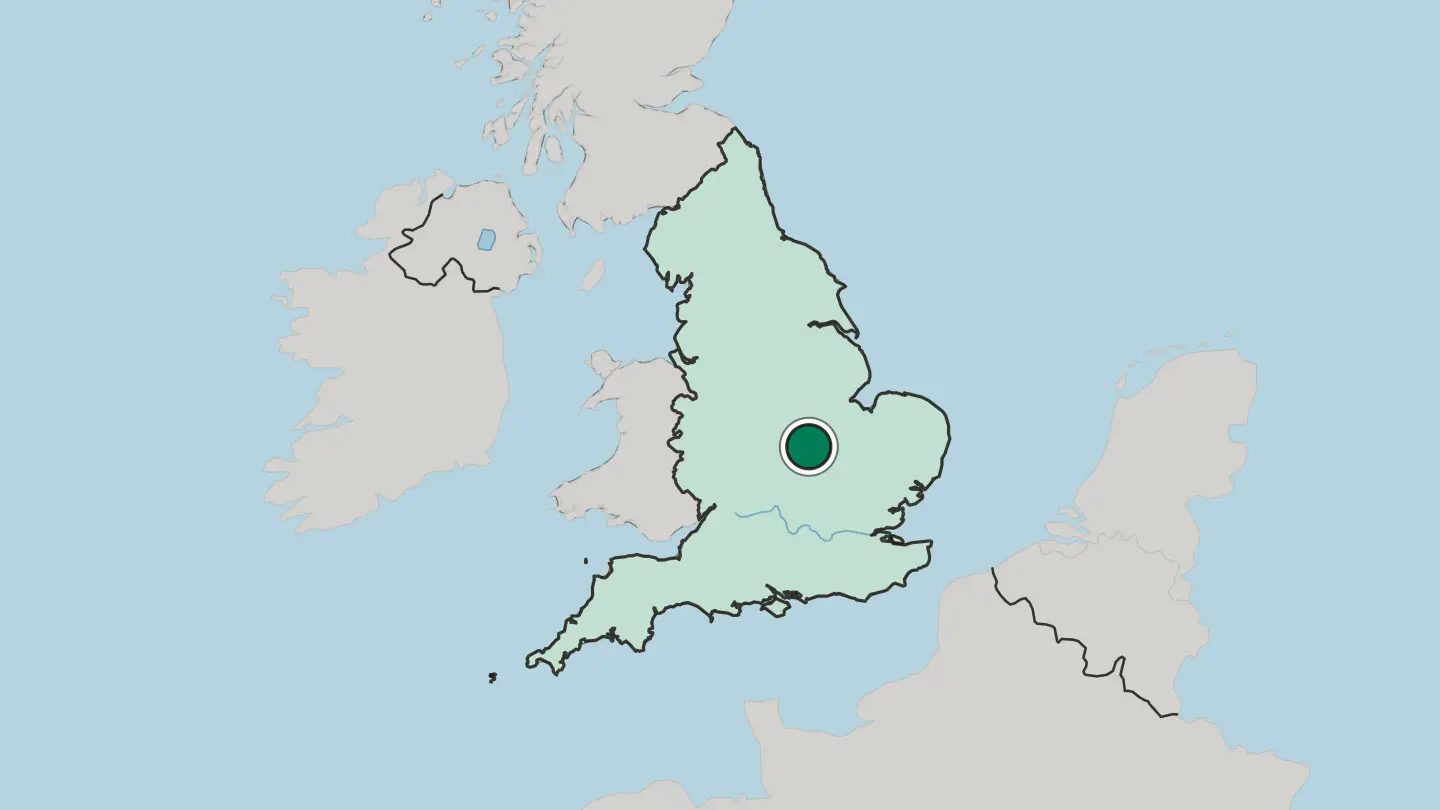
 United Kingdom
Wellingborough
Wellingborough is a Northamptonshire market town on the hills above the River Nene, with the Church of All Hallows at its old centre.Where to stay →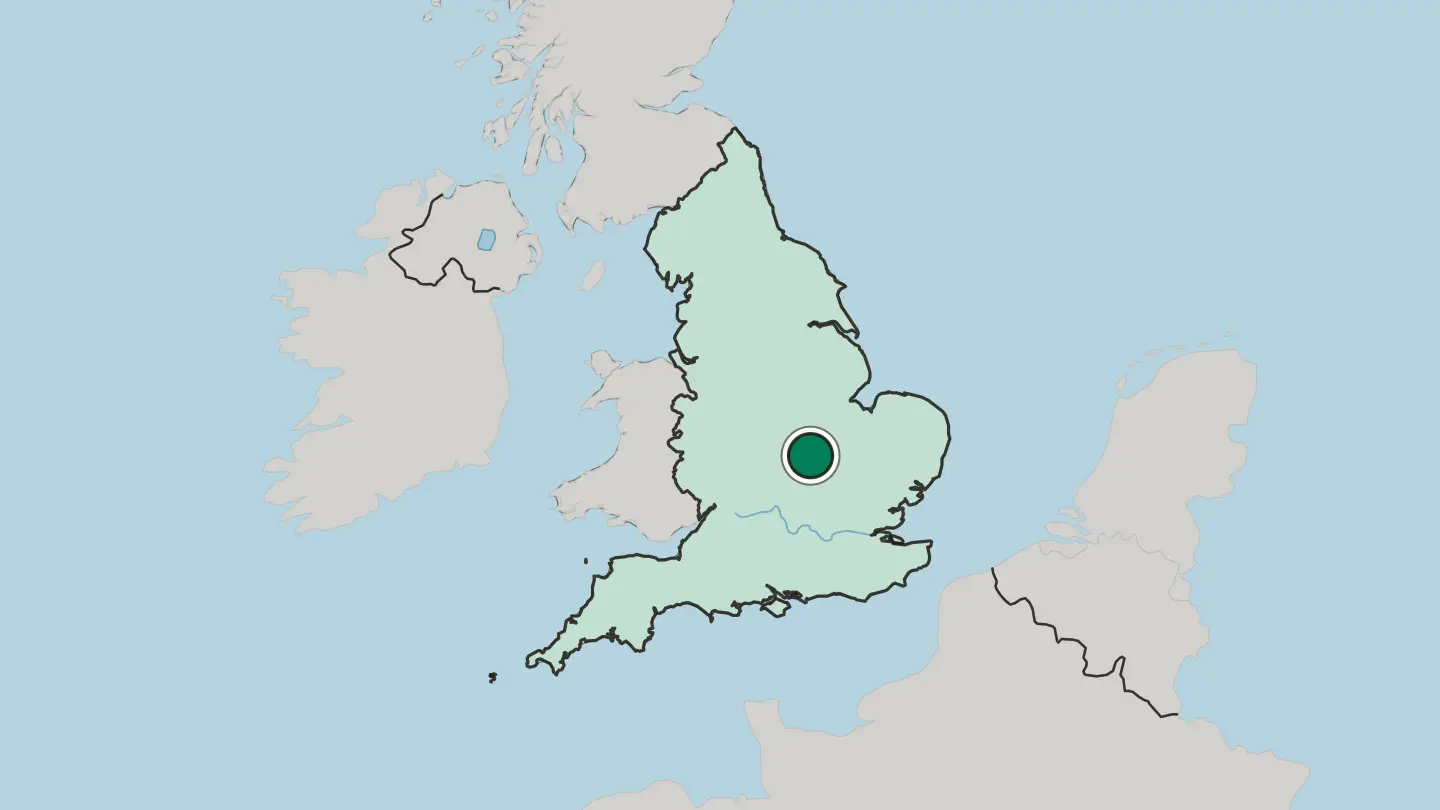 United Kingdom
Barrow in Furness
Barrow-in-Furness is an industrial port town at the tip of the Furness peninsula in Cumbria, alongside Walney Island and the Irish Sea.Where to stay →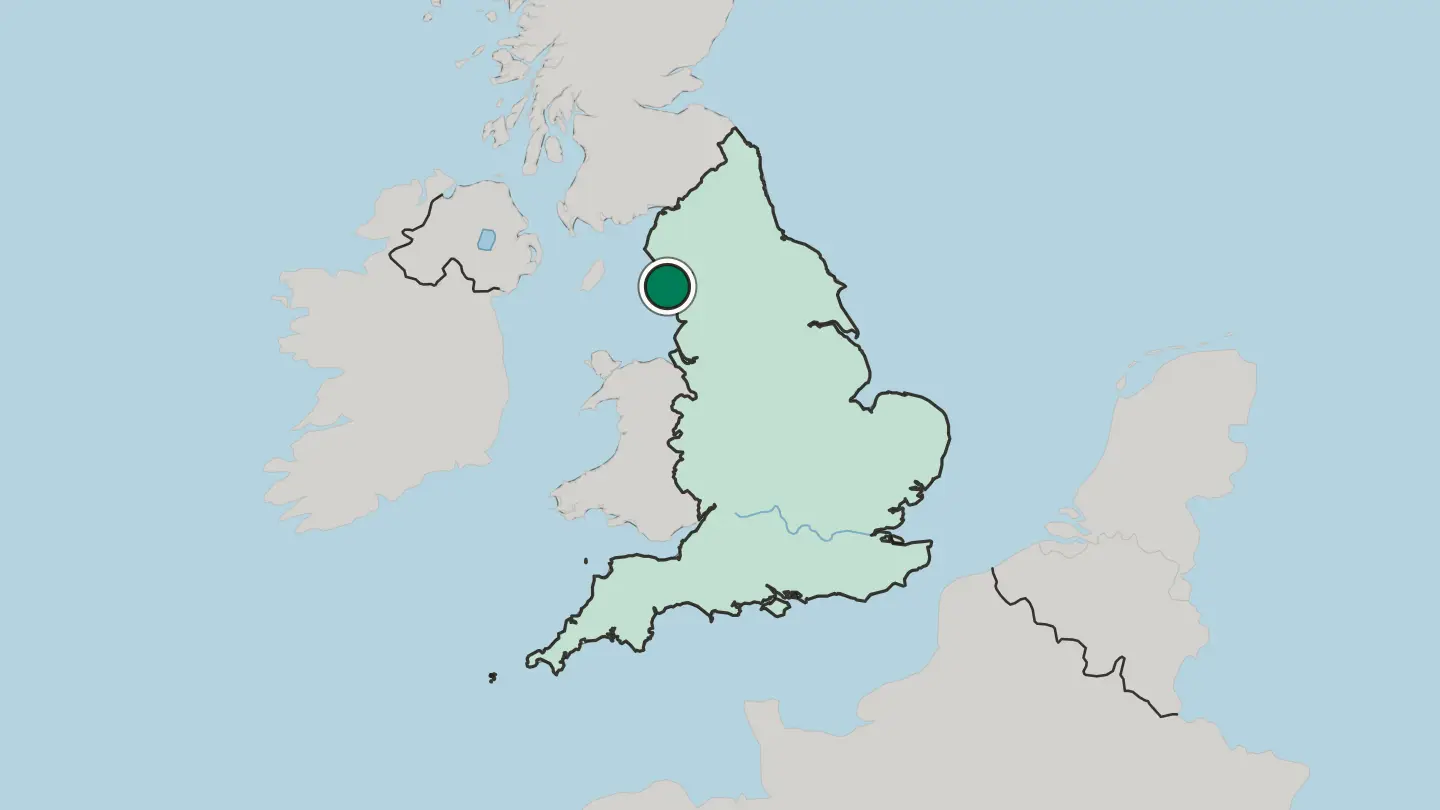
 United Kingdom
Canterbury
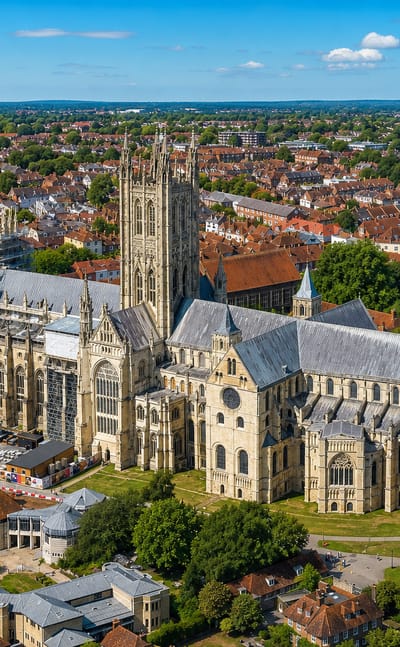
Old walls trace the River Stour at Canterbury, a cathedral city in Kent, a UNESCO World Heritage Site known for Canterbury Castle and its Roman past.Where to stay →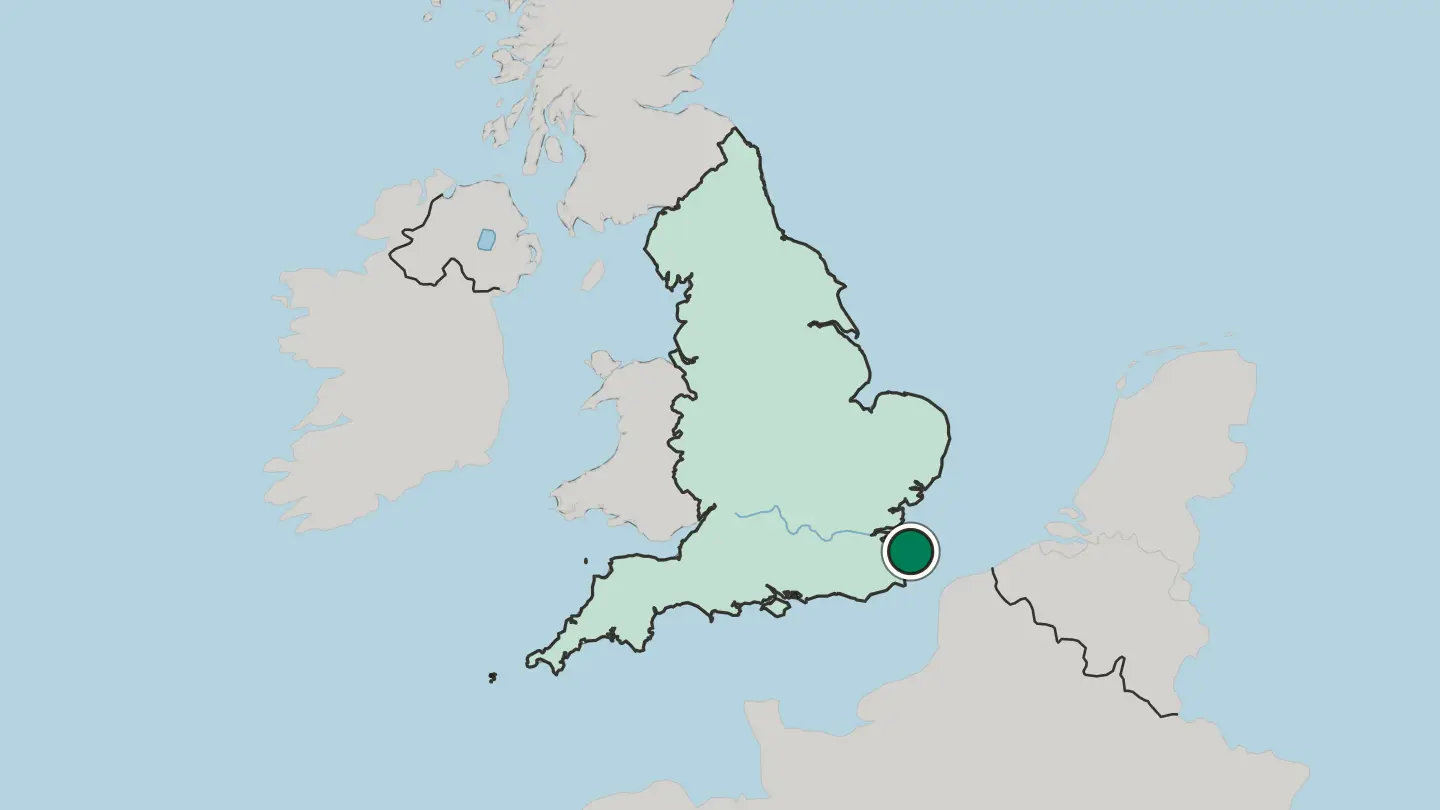 United Kingdom
Huyton
Huyton is a town in the Metropolitan Borough of Knowsley on Merseyside, inside the Liverpool Built-up Area, with St Michael's Church at its old core.Where to stay →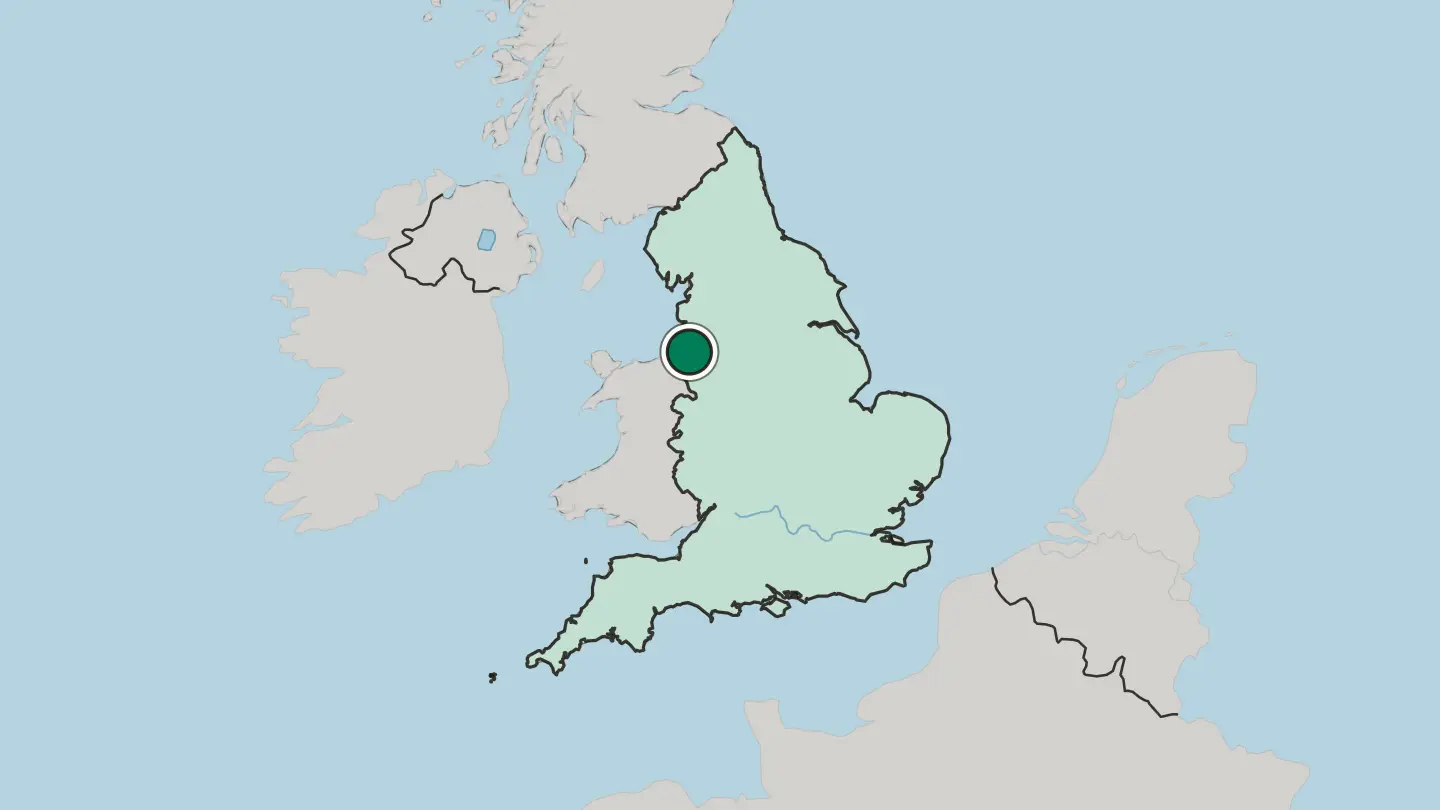 United Kingdom
Sittingbourne
Watling Street runs through it. Sittingbourne is an industrial town in the Swale district of Kent, on the Roman road between London and Canterbury.Where to stay →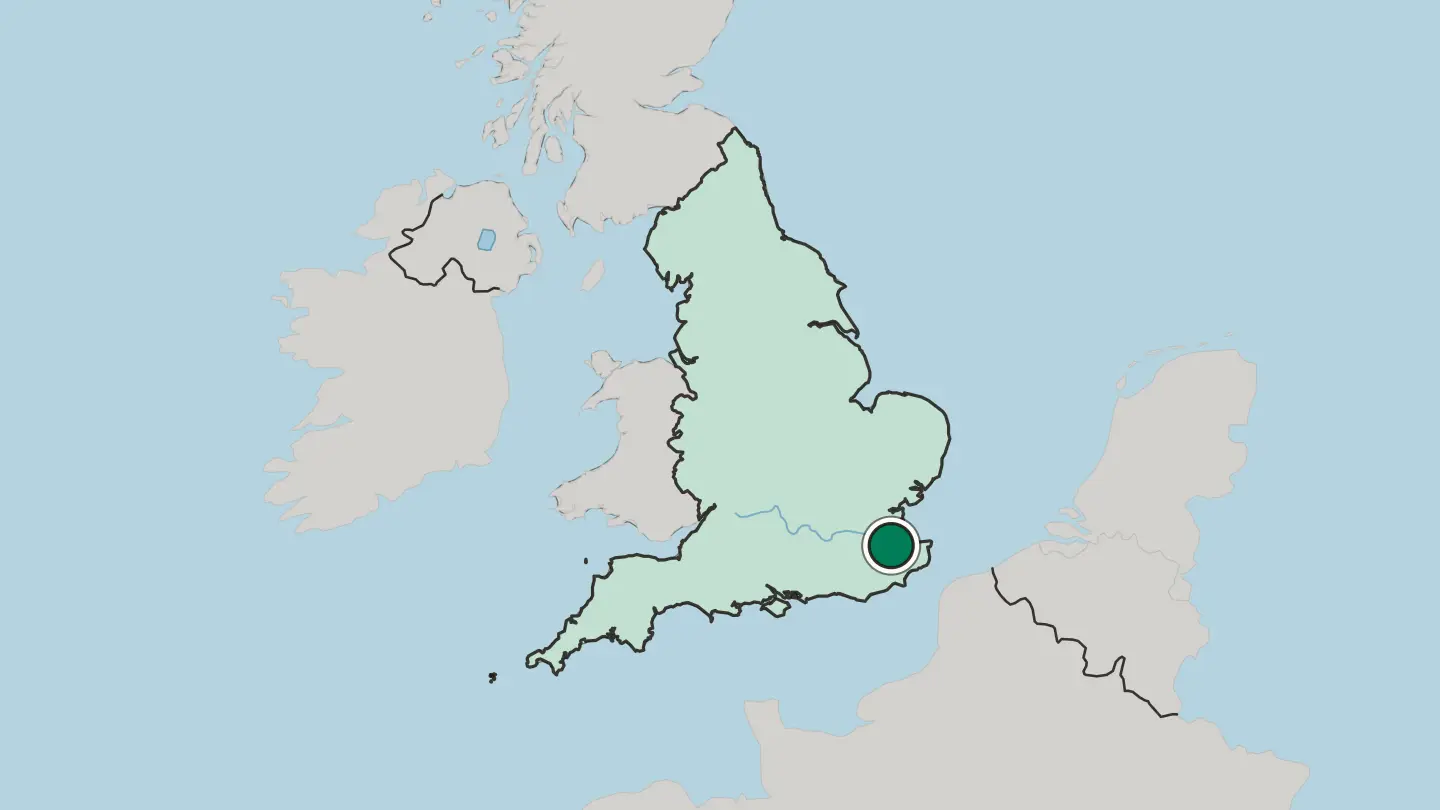
 United Kingdom
Macclesfield
Macclesfield is a Cheshire market town on the River Bollin, where the Cheshire Plain gives way to Macclesfield Forest and the Peak District.Where to stay →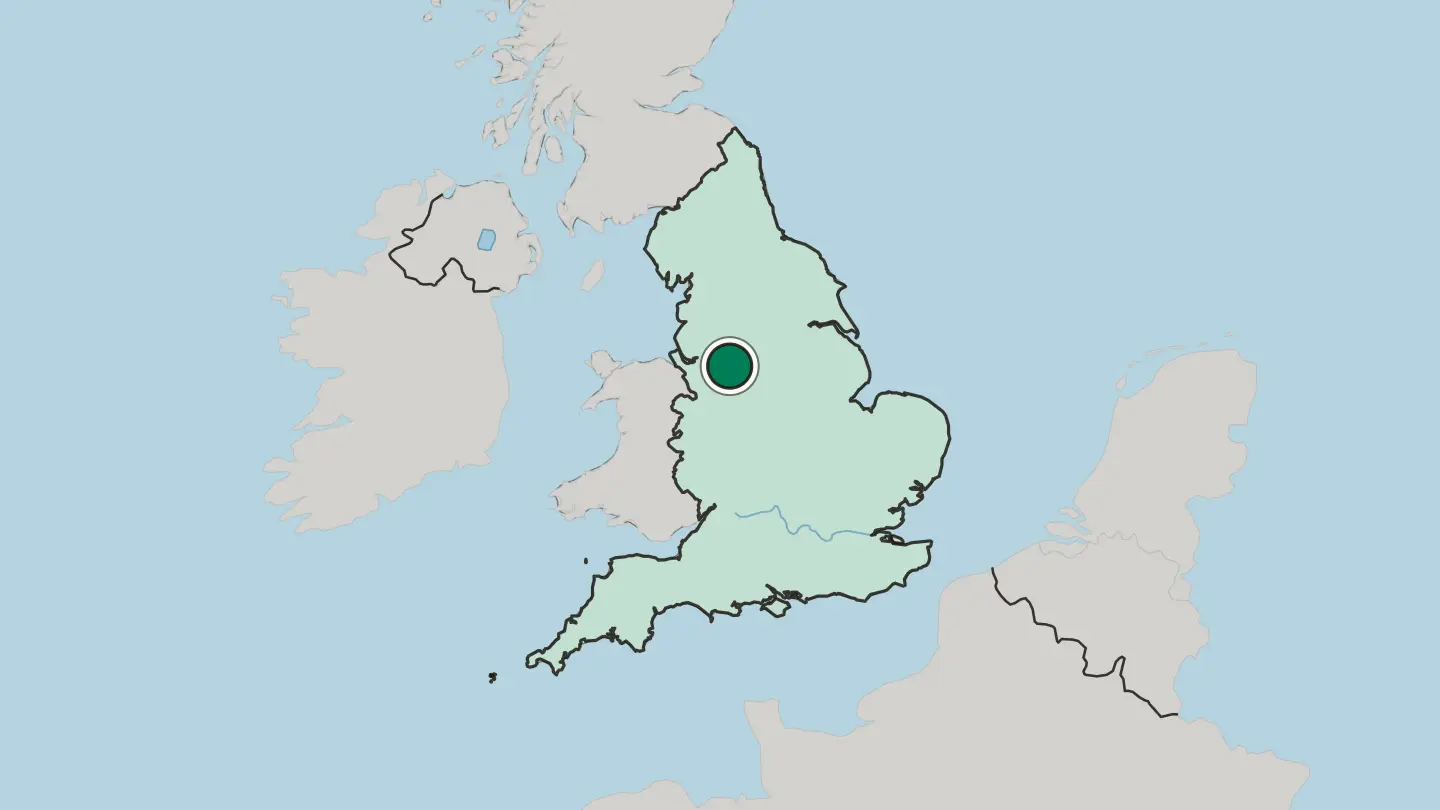
 United Kingdom
Gravesend
Gravesend faces Tilbury across the River Thames in northwest Kent, and St George's Church holds the memorial to Pocahontas.Where to stay →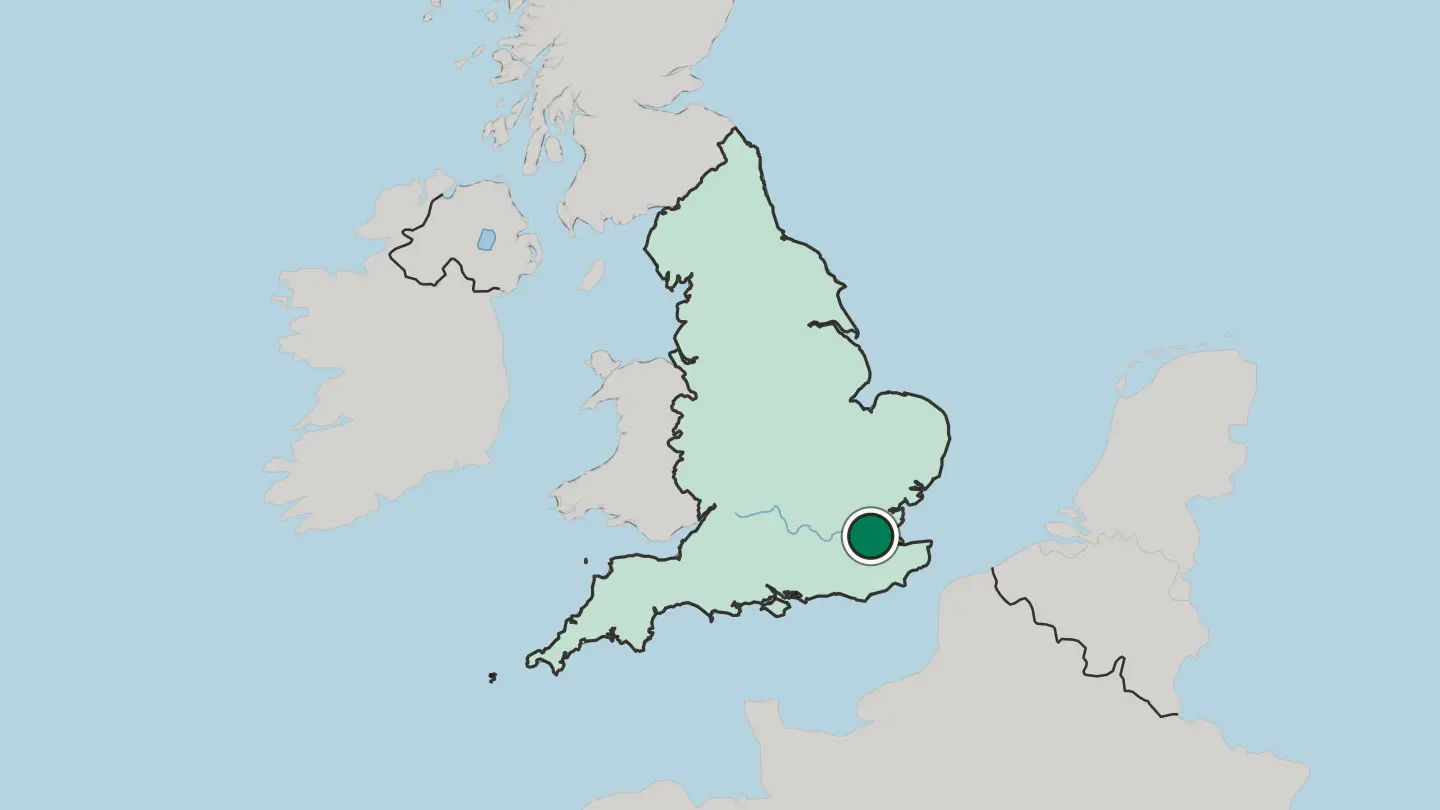 United Kingdom
Eastleigh
Eastleigh sits between Southampton and Winchester in Hampshire, a railway town and the seat of the Borough of Eastleigh. Its museum keeps that story.Where to stay →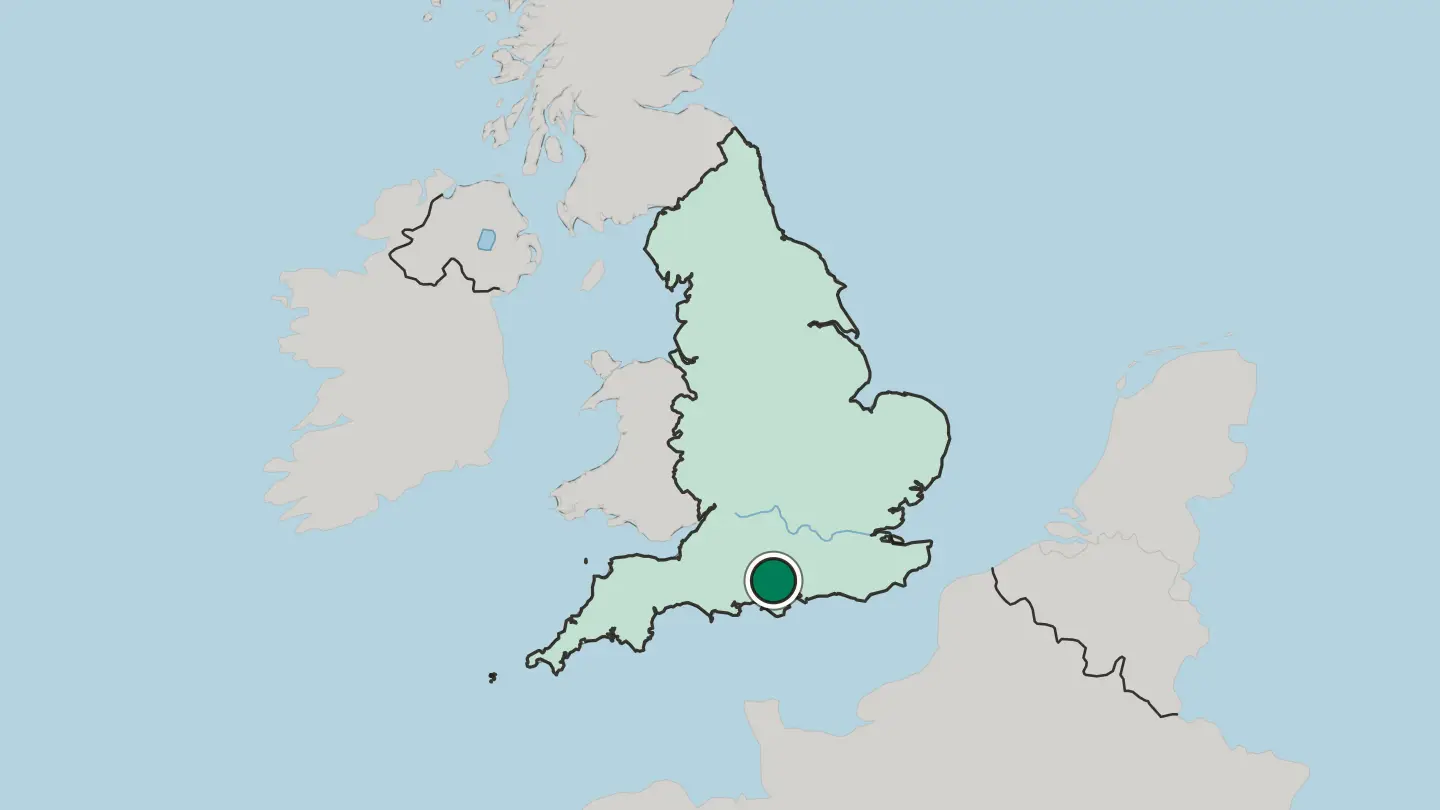 United Kingdom
Smethwick
Smethwick is an industrial town in the Sandwell district of the West Midlands, four miles west of Birmingham city centre. Staffordshire held it first.Where to stay →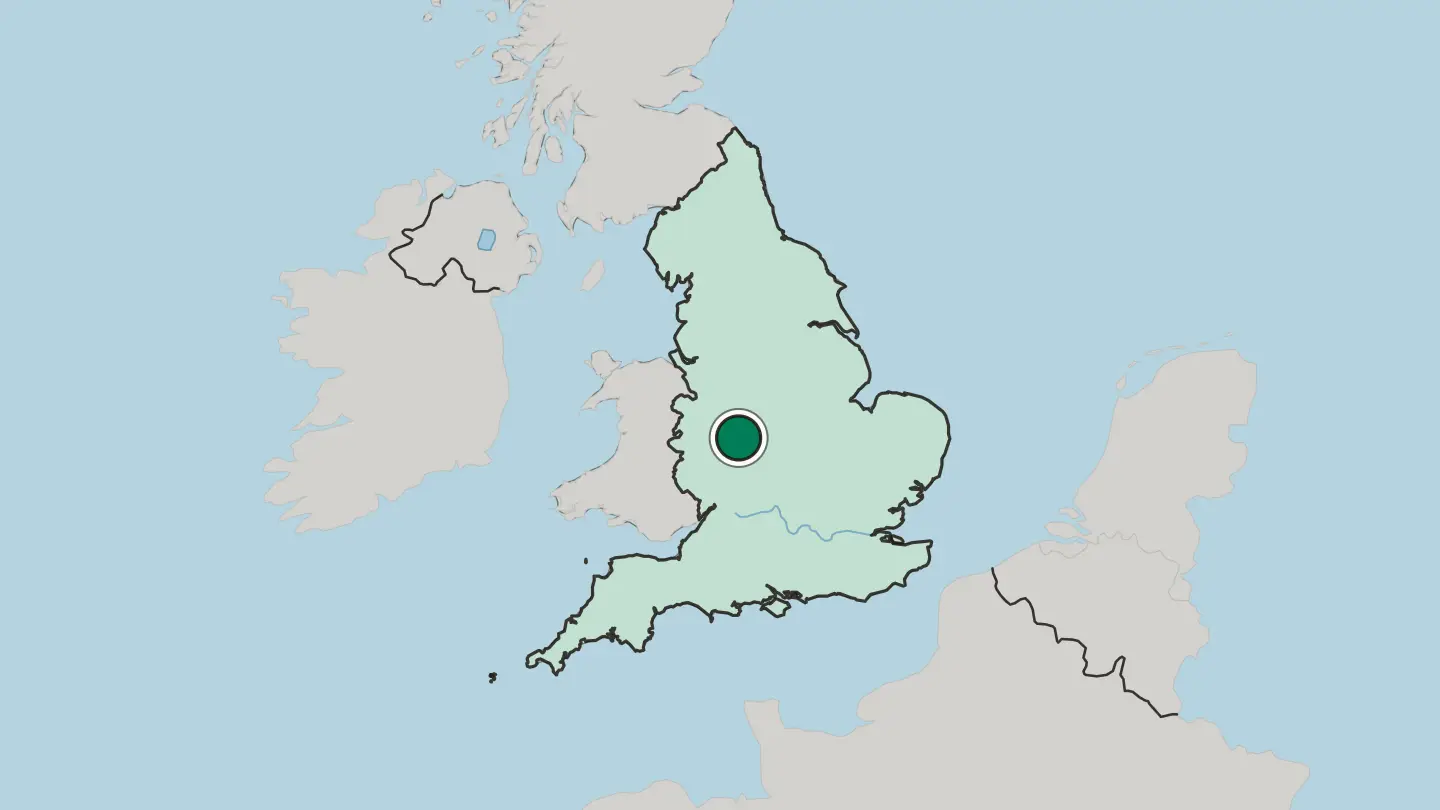
 United Kingdom
Braintree
Braintree is the largest settlement in the Braintree District of Essex, and the Warner Textile Archive is its best-known address.Where to stay →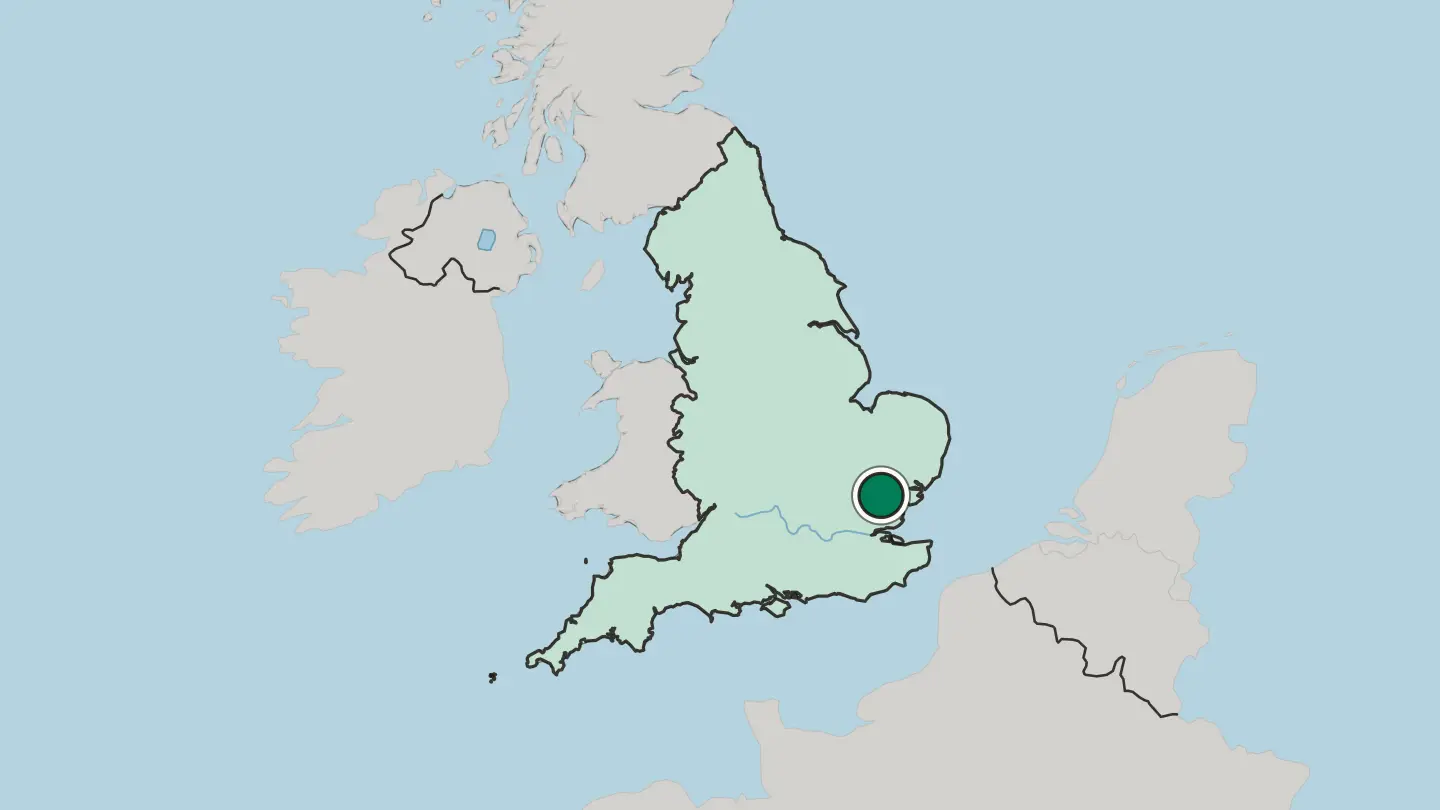
 United Kingdom
Weymouth
Weymouth is a Dorset seaside town on a sheltered bay at the mouth of the River Wey, roughly halfway along the Jurassic Coast.Where to stay →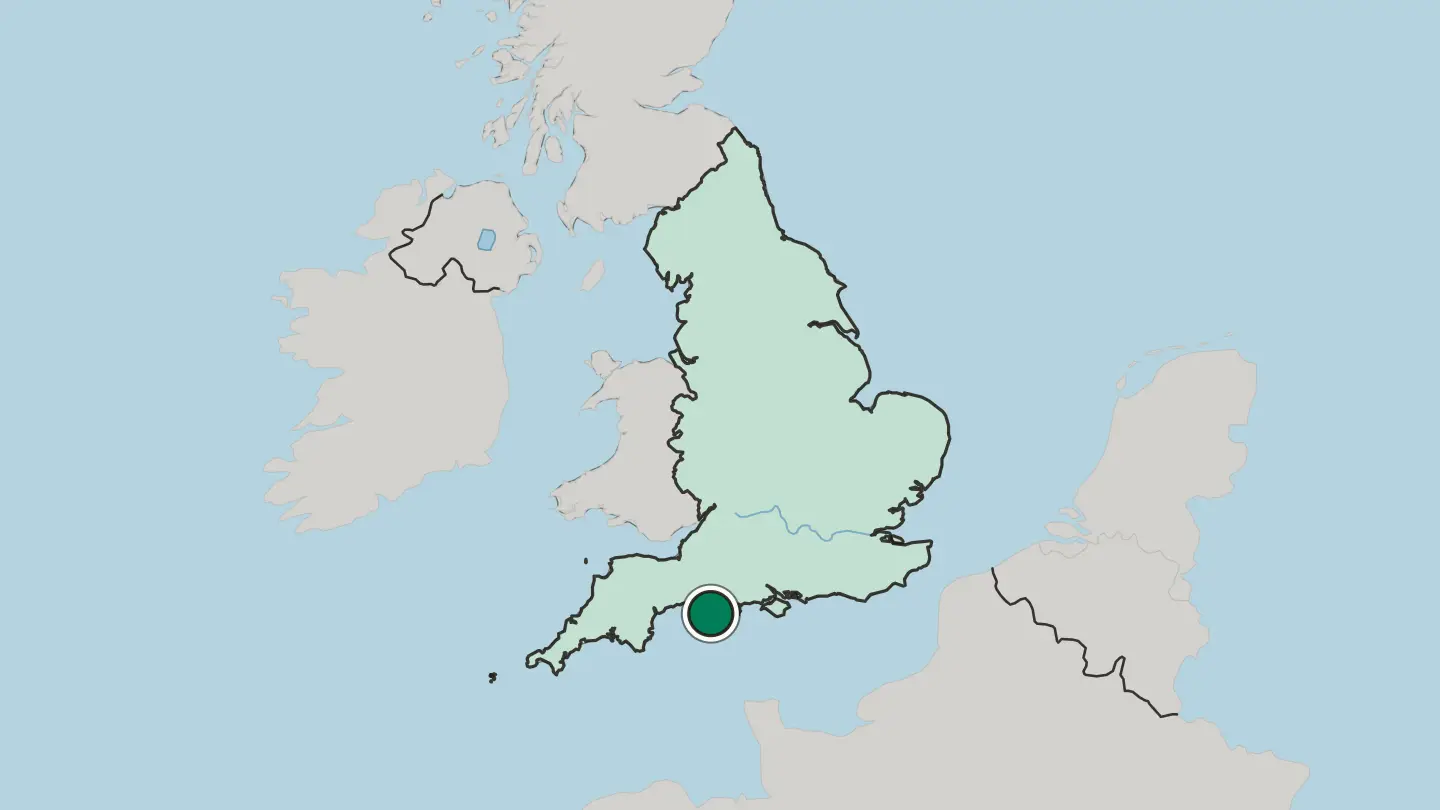
 United Kingdom
Brentwood
Brentwood is an Essex town on the London commuter belt, just outside the M25, with Shenfield, Warley, Brook Street and Hutton among its suburbs.Where to stay →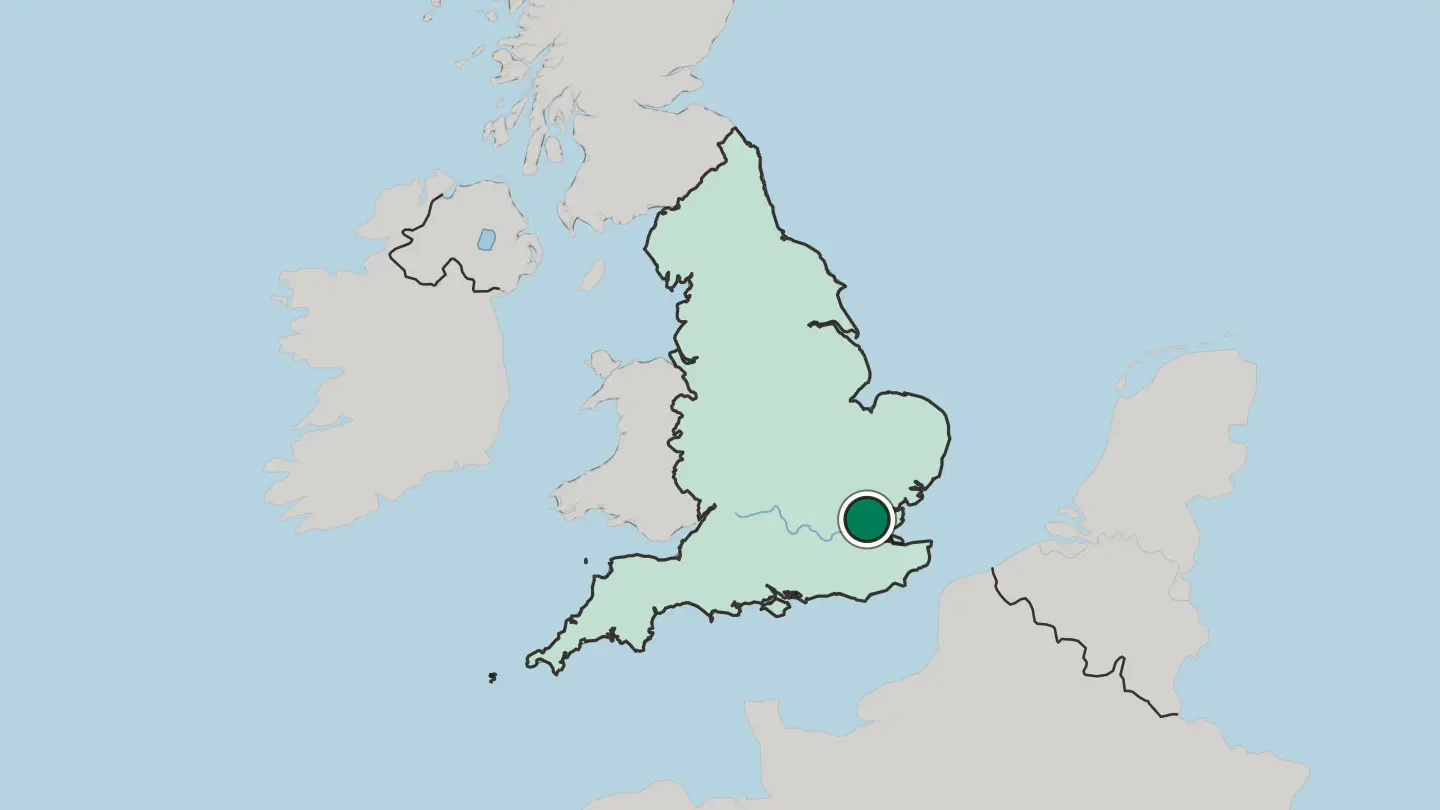
 United Kingdom
Esher
Esher sits in the borough of Elmbridge, north Surrey, east of the River Mole, with Wayneflete Tower and Esher Place among its old buildings.Where to stay →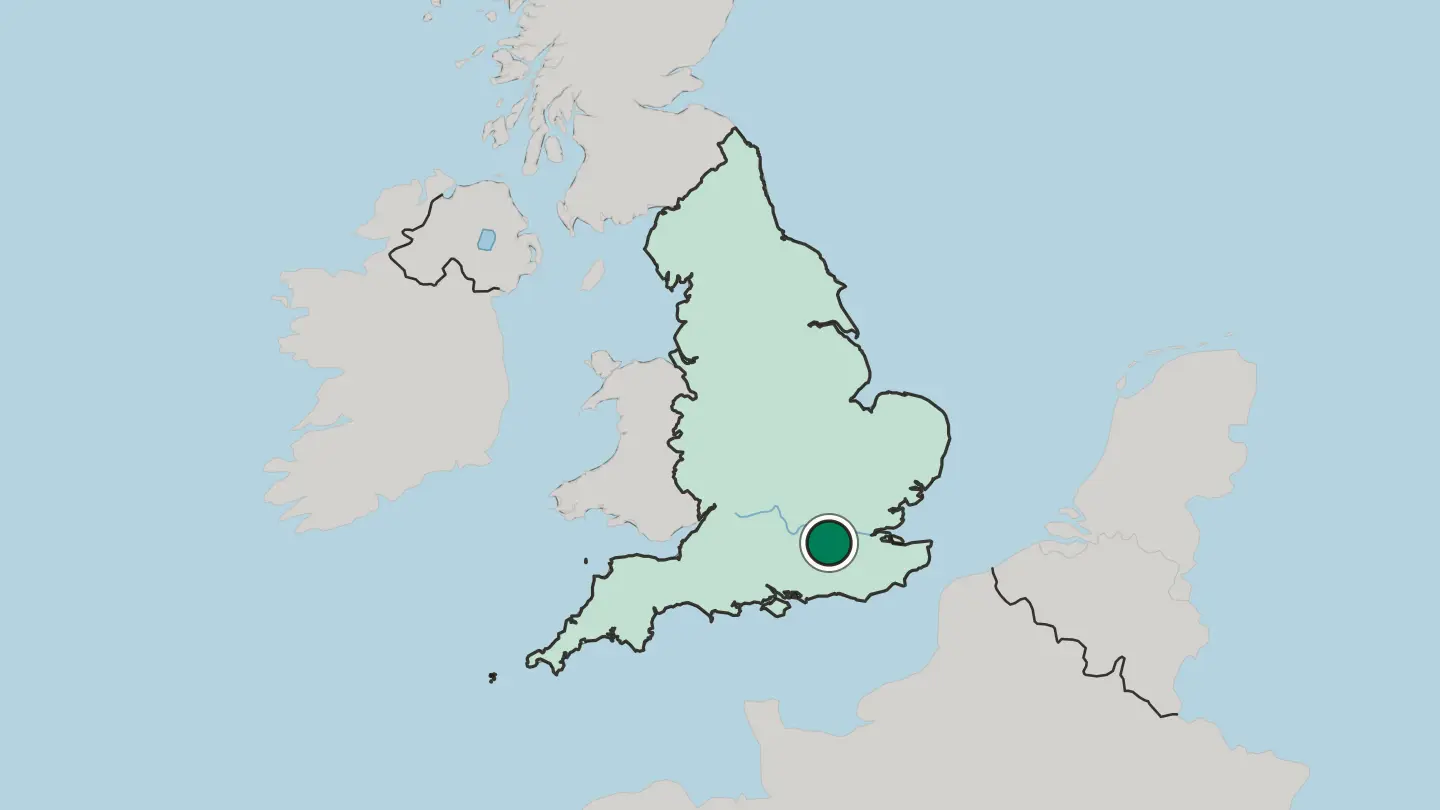
 United Kingdom
Dunstable
Dunstable is a Bedfordshire market town east of the Chiltern Hills, below the chalk escarpments of Dunstable Downs. Whipsnade Zoo draws visitors.Where to stay →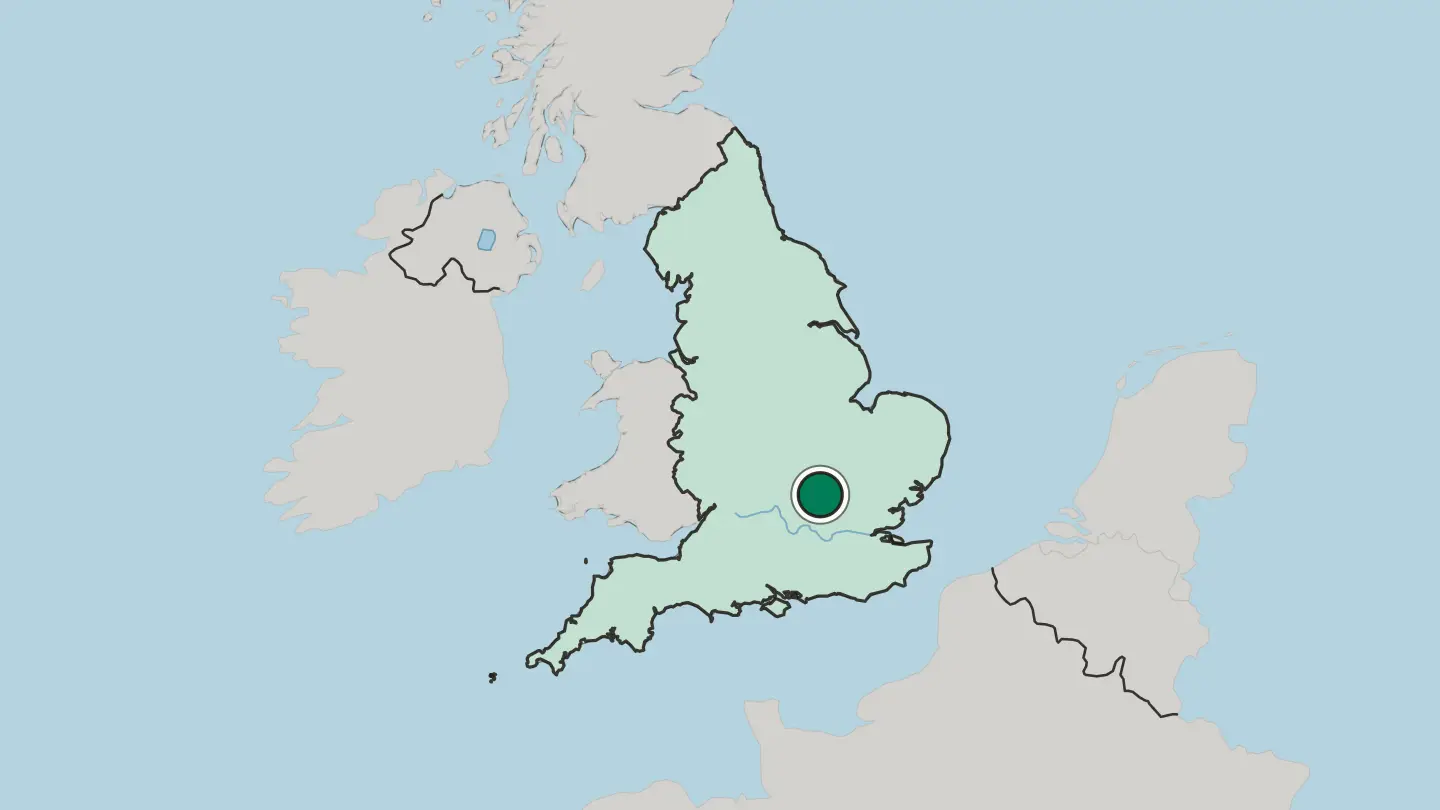
 United Kingdom
Morecambe
Morecambe is a Lancashire seaside town on Morecambe Bay, constituted in 1889, and the small port of Heysham belongs to it.Where to stay →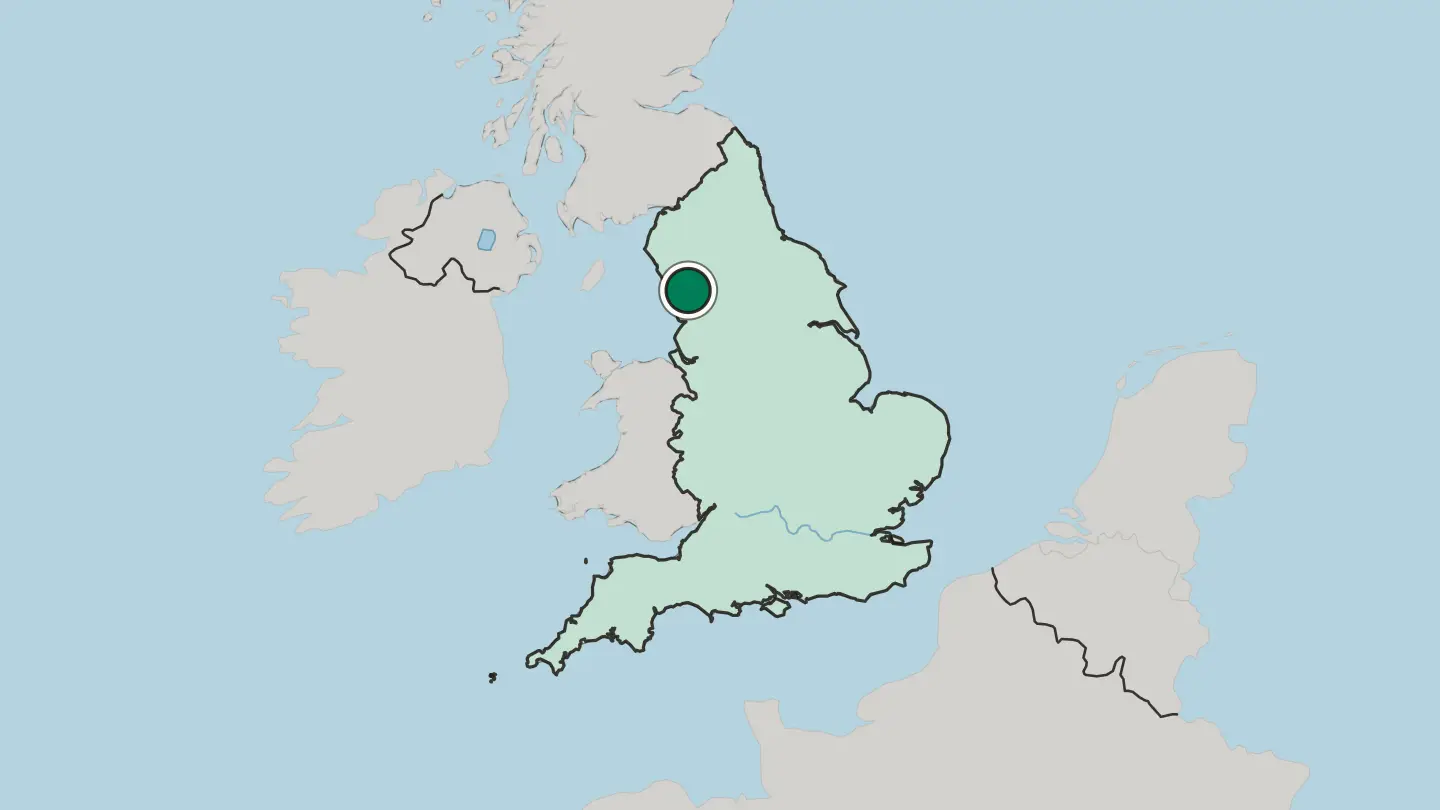 United Kingdom
Redhill
Redhill is a commercial town in Surrey, joined to Reigate and its castle, priory and Baron's Cave, and set in the London commuter belt.Where to stay →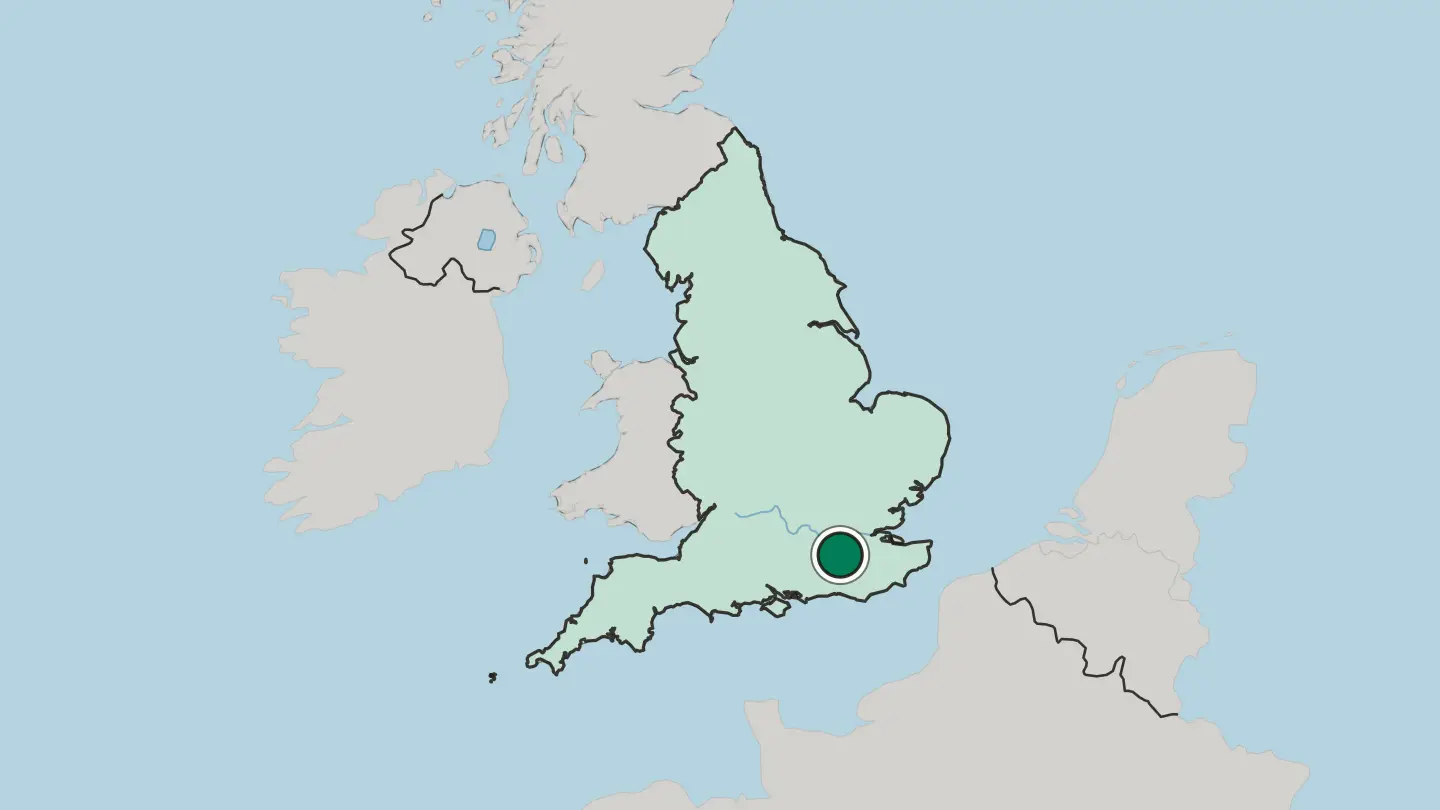
 United Kingdom
Welwyn Garden City
Welwyn Garden City is a planned Hertfordshire town, set out from 1920 as England's second garden city and one of its first new towns.Where to stay →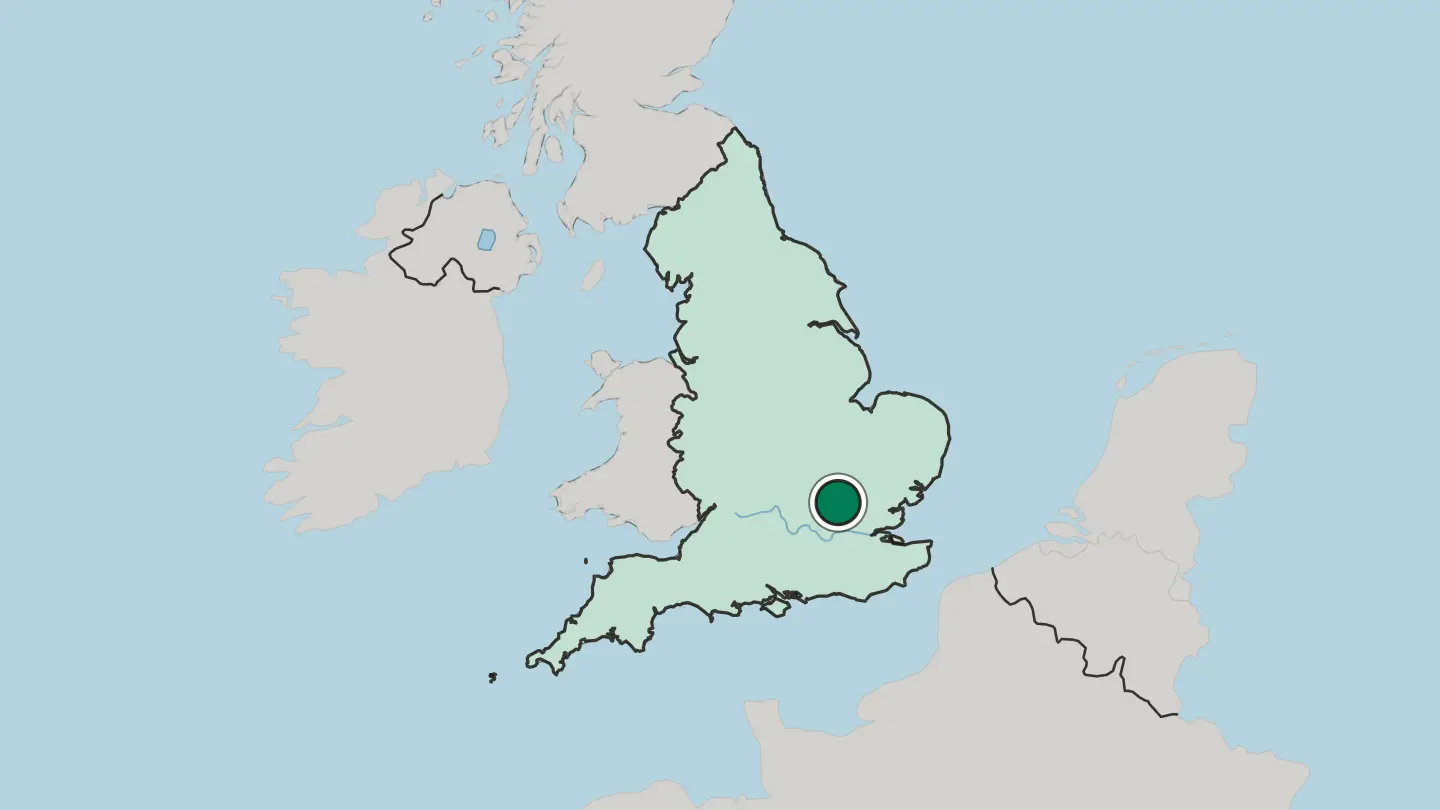 United Kingdom
Horsham
Horsham is a West Sussex market town on the upper River Arun at the fringe of the Weald, first recorded in King Eadred's charter of AD 947.Where to stay →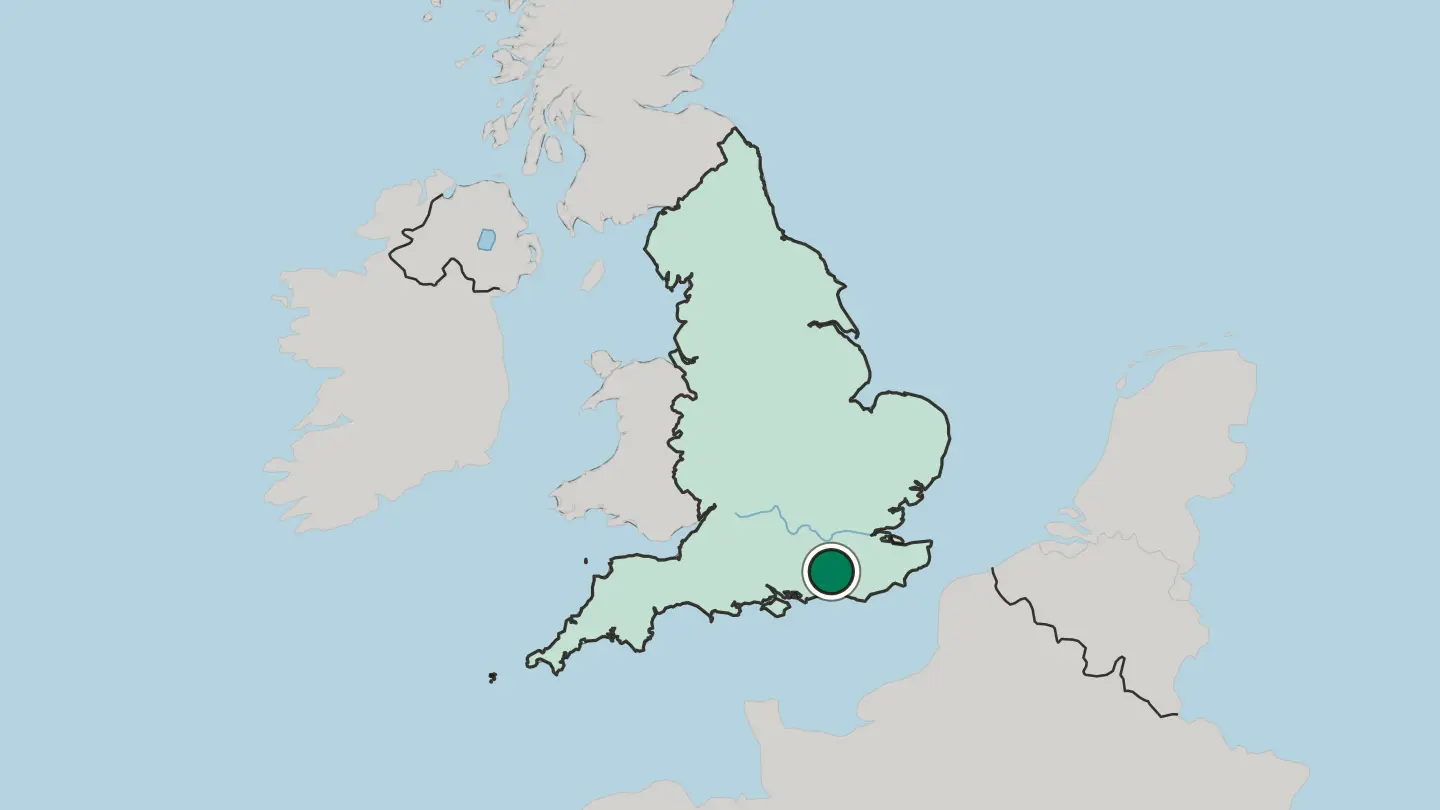 United Kingdom
Dartford
Dartford is the principal town of the Borough of Dartford in Kent, a commuter town south-east of Central London near the Thames Estuary.Where to stay →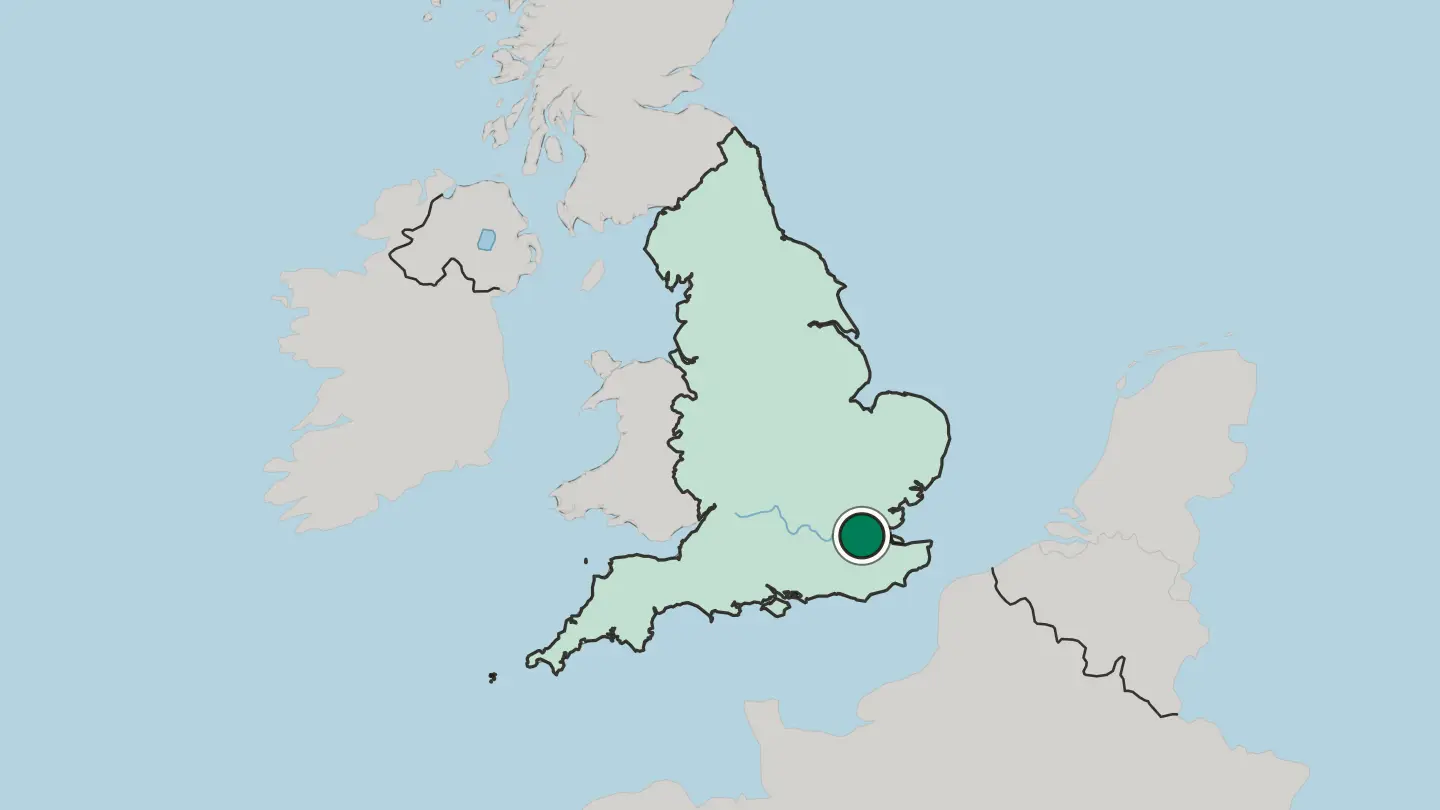
 United Kingdom
Staines
Staines-upon-Thames is a Surrey market town where the Colne joins the Thames, with Thorpe Park and Heathrow Airport on its doorstep.Where to stay →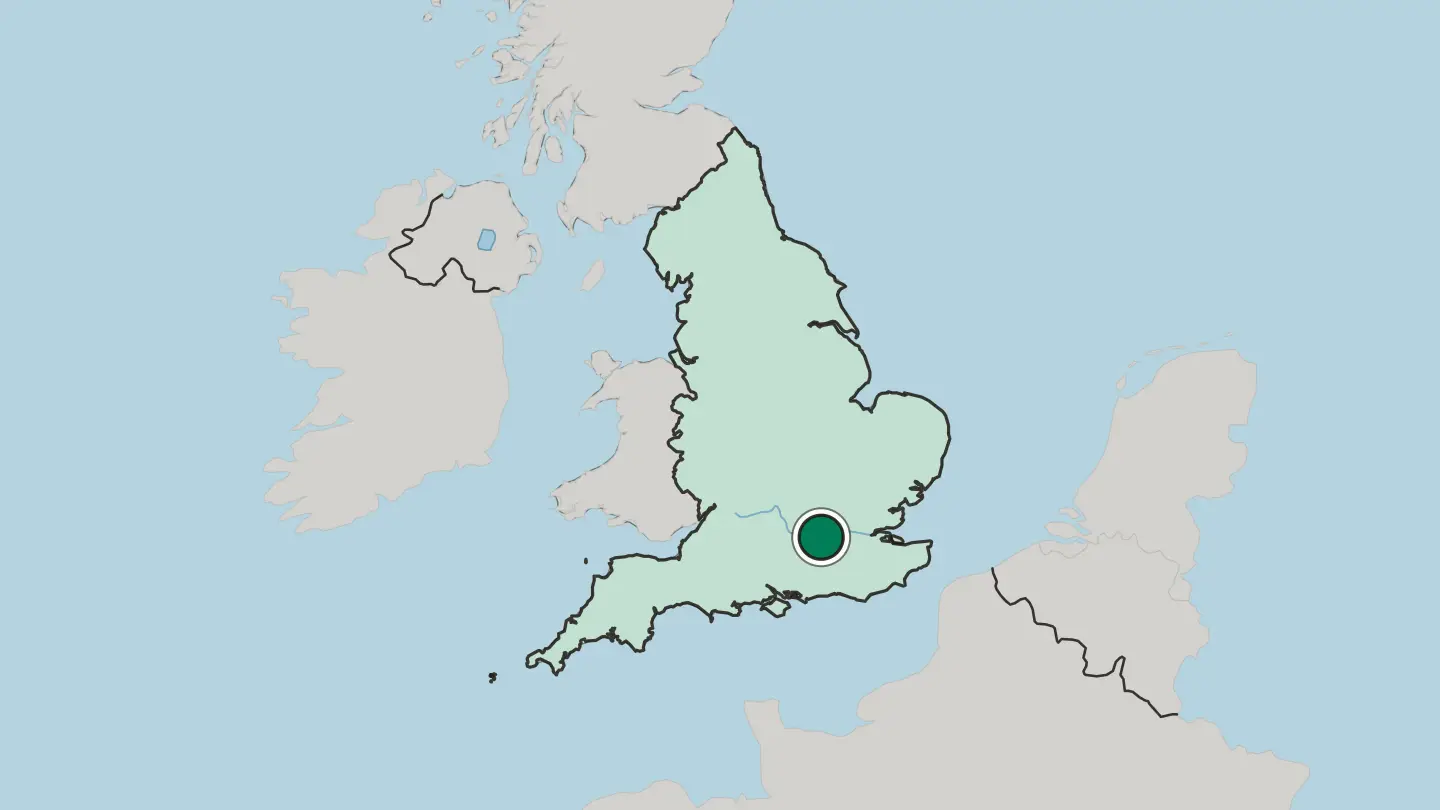
 United Kingdom
Royal Leamington Spa
Royal Leamington Spa is a Warwickshire spa town on the River Leam, where the Royal Pump Rooms served the water that made its name.Where to stay →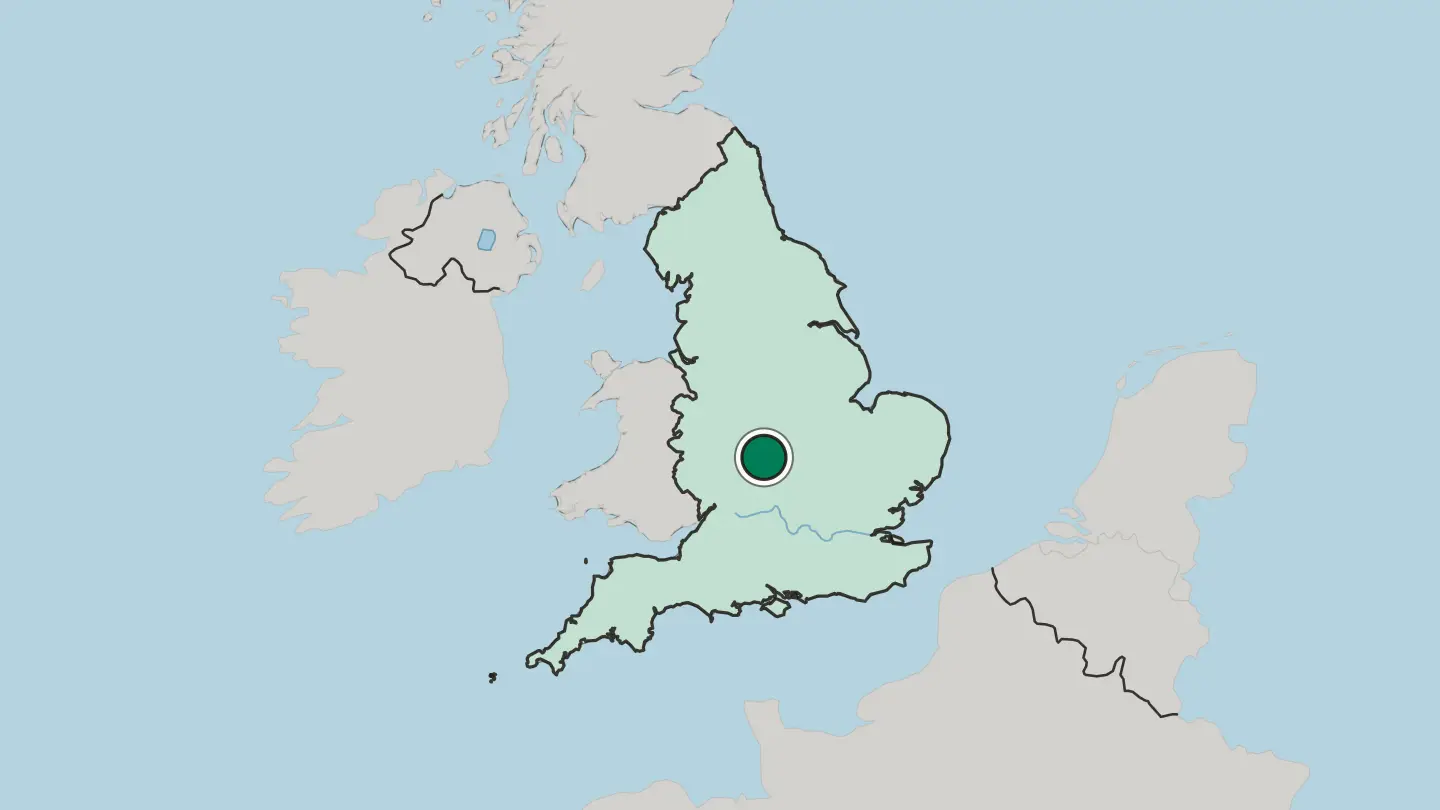
 United Kingdom
Hinckley
Hinckley is a market town in south-west Leicestershire, on the Warwickshire border about halfway between Leicester and Coventry, near Watling Street.Where to stay →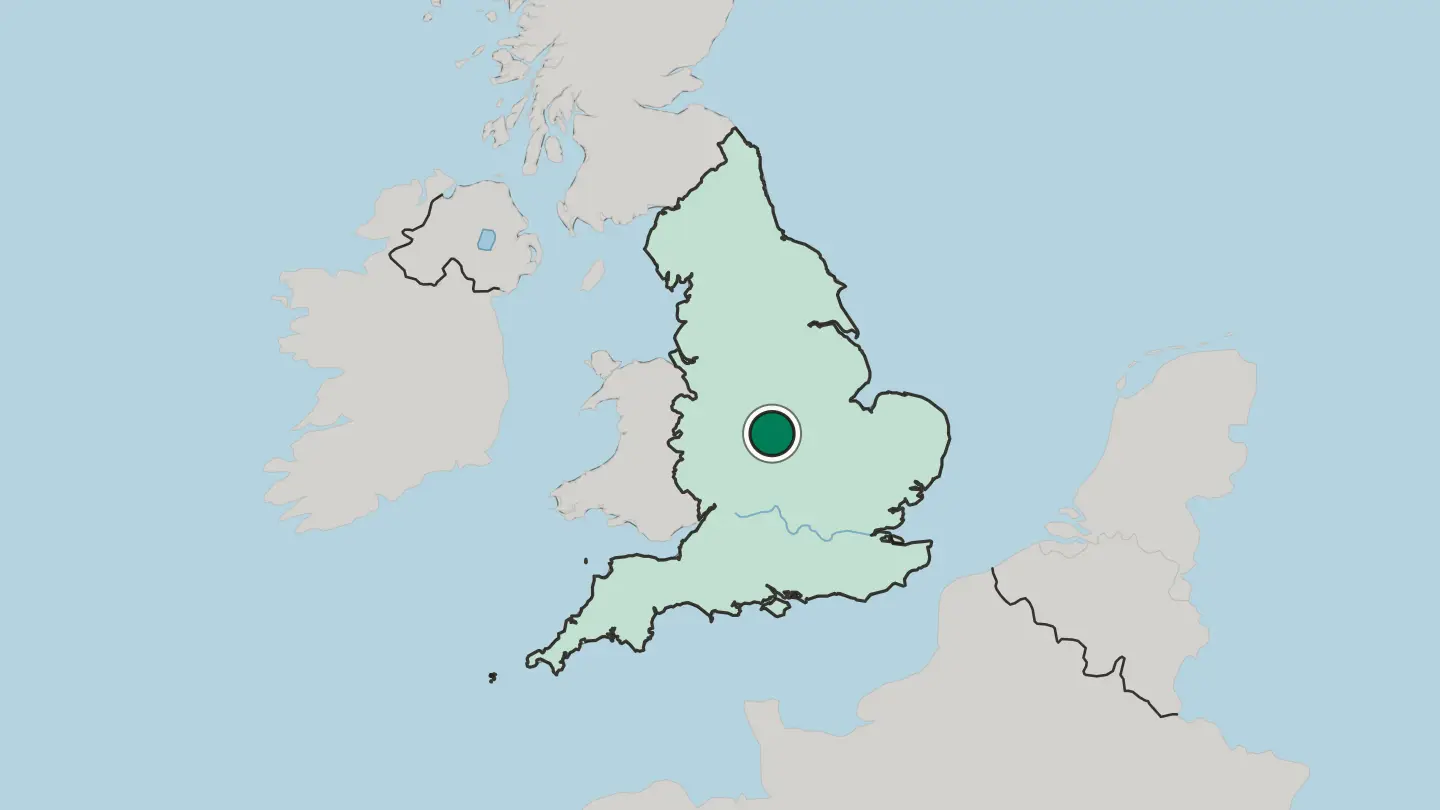
 United Kingdom
Clacton-on-Sea
Clacton-on-Sea is a coastal resort town of Essex, largest settlement of the Tendring District, grown out beyond the older village of Great Clacton.Where to stay →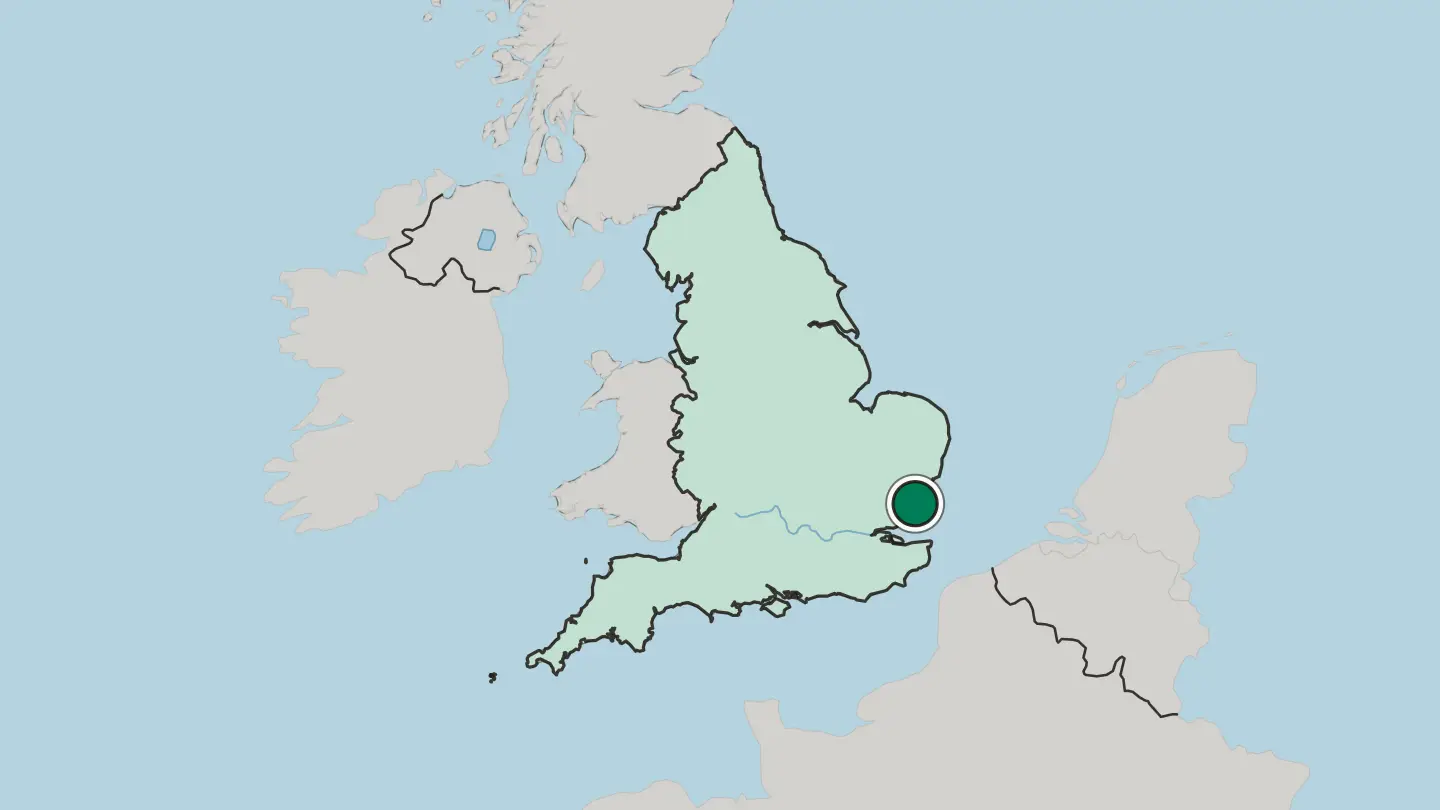
 United Kingdom
Yeovil
Yeovil is a town and civil parish in Somerset, England, a helicopter-building place near the Dorset border with Roman ground under its edges.Where to stay →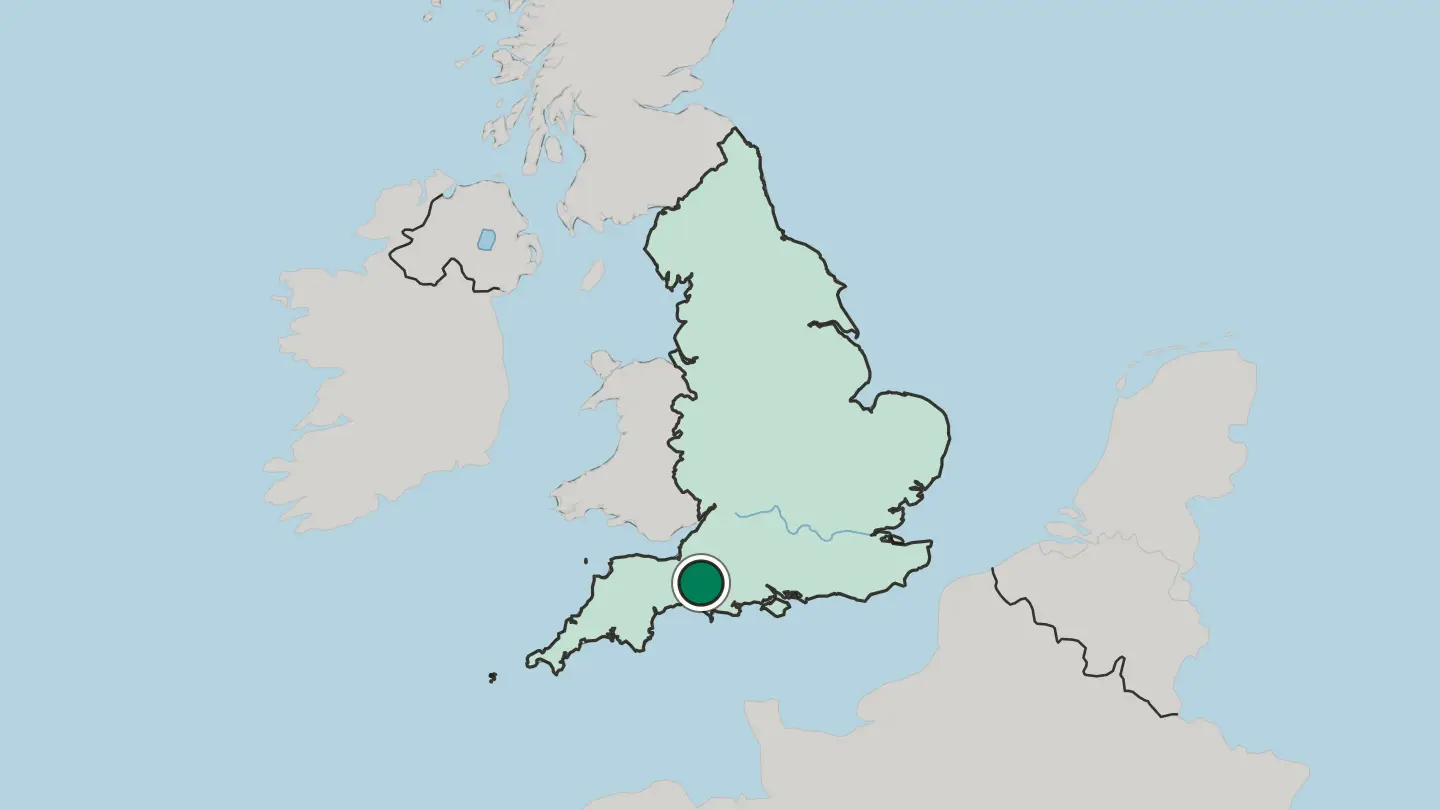
 United Kingdom
Keighley
Keighley is a market town in the Aire Valley of West Yorkshire, with Cliffe Castle, East Riddlesden Hall and a cluster of railway museums.Where to stay →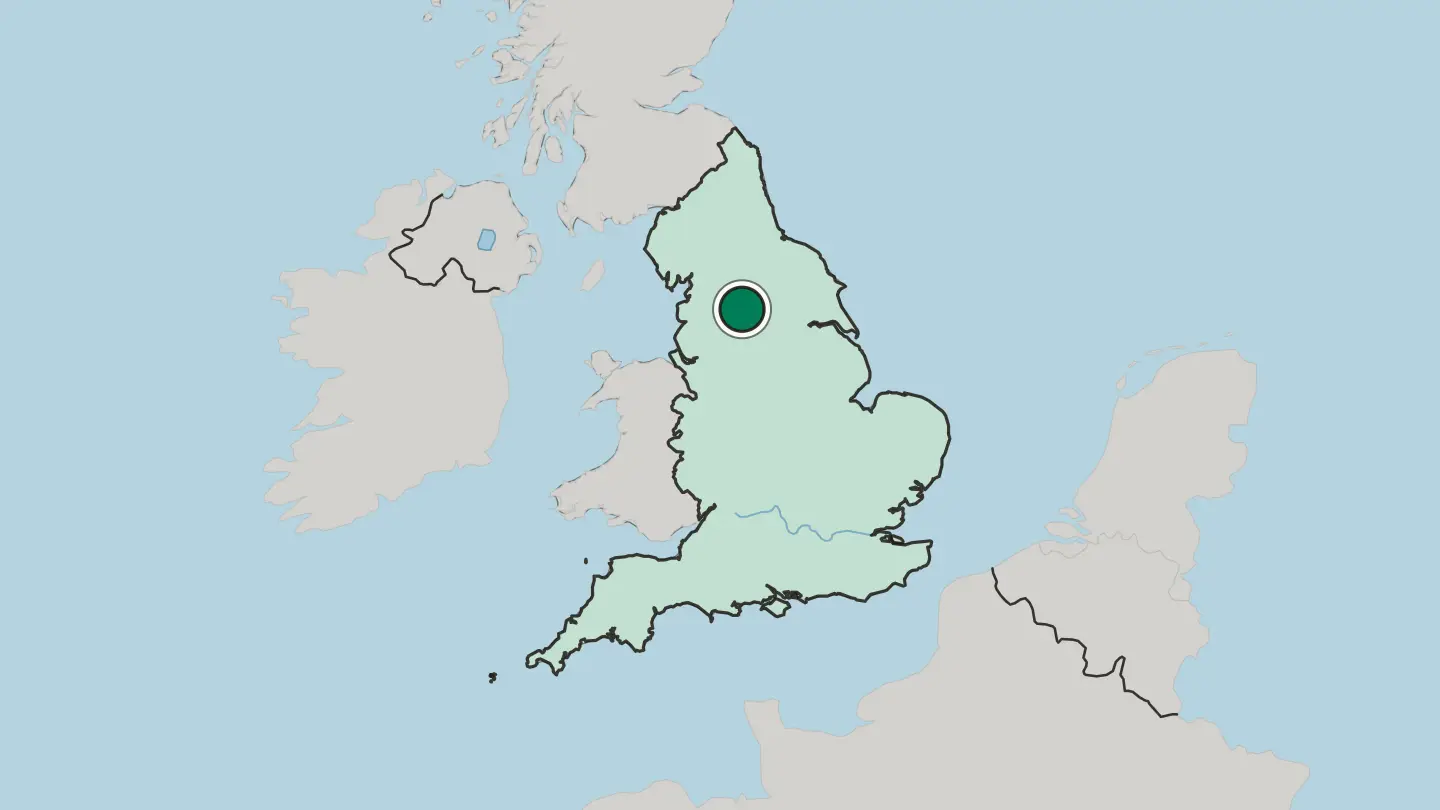
Hotel links are affiliate links: booking through them may earn us a commission, at no extra cost to you. It never affects how places are ranked. How this works
About England
What is England known for?
England is the largest of the United Kingdom's four countries. Most travellers see it first. London is both its capital and its largest city, and the usual point of arrival for the whole union.
Its countryside is the other draw, with rolling hills and green fields inland and a rugged coastline along the edges. Scotland lies over the northern border and Wales to the west, while the North Sea and the English Channel frame the eastern and southern coasts.
Where is England?
England covers about two-thirds of the island of Great Britain, filling the south and centre of it. More than a hundred smaller islands lie off its shores. It is the largest and southernmost of the countries that share the island of Great Britain.
Scotland lies to the north and Wales to the west, the two other mainland countries of the island. London stands in the south-east, the capital and largest city. Every other edge of England is sea.
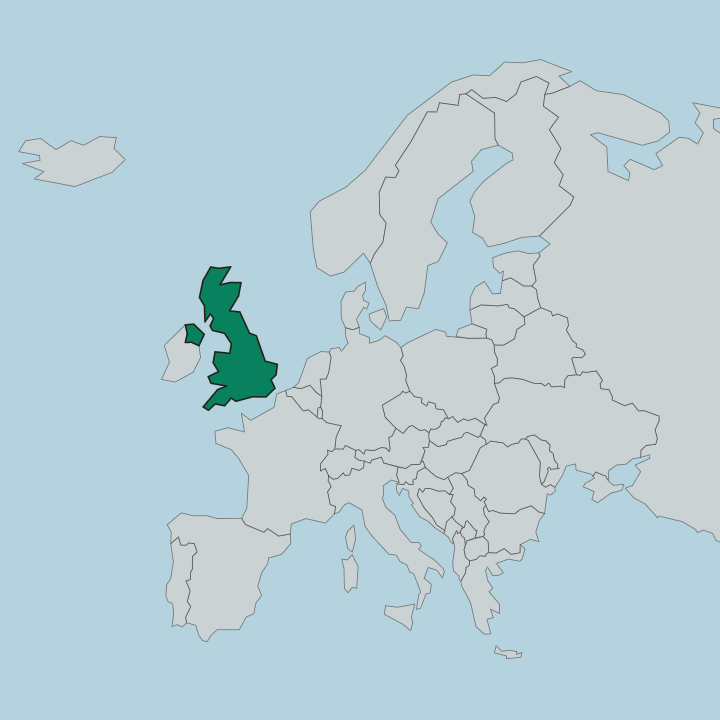
The North Sea lies to the east, the English Channel to the south between England and continental Europe, the Celtic Sea to the south-west, and the Irish Sea to the west. England reaches closest to continental Europe at its south-eastern corner, and only the narrow English Channel divides the two there. The coastline turns rocky and cliff-bound in places and low and flat in others, but it is never far off.
No part of the country sits far from a coast. Ireland lies further west again, across that water. That sea-bound geography has shaped England as much as any land border ever has.
What is England like?
England likes to picture itself as a green and pleasant land, and the countryside sits at the centre of how the country sees itself. That image is more than a slogan; it shapes what visitors come to see. Stately manor houses and landscape gardens dot that countryside.
The same land inspired generations of English writers and poets. Heritage shows up everywhere here. It is written into the architecture, the museums, the galleries and the monuments that fill the towns and the capital at London.
Music and art run strong alongside the built heritage. The common language is English, shared across England and the wider United Kingdom, and it carries a literature read far beyond the island of Great Britain. London draws much of it together.
The capital holds many of the great museums and galleries, but the country's culture is not only urban. Landscape gardens and old parkland belong to the picture as much as any gallery does. It lives in villages and country houses as much as in cities, spread across the whole of England.
Difference between town and country is part of the character.
What is the history of England?
The Kingdom of England dates to the year 927, when the separate early kingdoms of the land were first drawn together under one ruler. For centuries it stood as a state in its own right. Its later history is bound up with the island of Great Britain, as England, Scotland and Wales came to share one crown, and later one parliament, in the United Kingdom.
What began as a single early kingdom became one country within a larger union.
What is the climate of England?
England has a mild, temperate climate, wetter in the west and drier toward the east. The surrounding seas keep it changeable, and no single day's weather holds for long. Winters are cool and summers moderate, with rain spread through the year rather than falling in one season.
The North Sea coast in the east tends to run cooler and drier than the wetter western side facing the Irish Sea and the Celtic Sea. Grey skies are part of the bargain.
How do you get to England?
Most visitors to England arrive by air, with London the country's main point of arrival. England sits on the island of Great Britain, so reaching it from abroad means either crossing water or coming overland from Scotland to the north or Wales to the west. Ferries and trains cross south to continental Europe.
The English Channel is the shortest sea between England and the mainland. Inside the country, road and rail link London with the coasts and the countryside.
Common questions
What is the best area to stay in England?
London: an opening introduction to England. The English Channel coast: England's southern shore. The North Sea coast: the eastern seaboard. The inland countryside: rolling hills and green fields.
Good for
More regions in United Kingdom
Updated September 2026