United Kingdom · Scotland · Edinburgh
West End, Edinburgh — Area Guide & Where to Stay
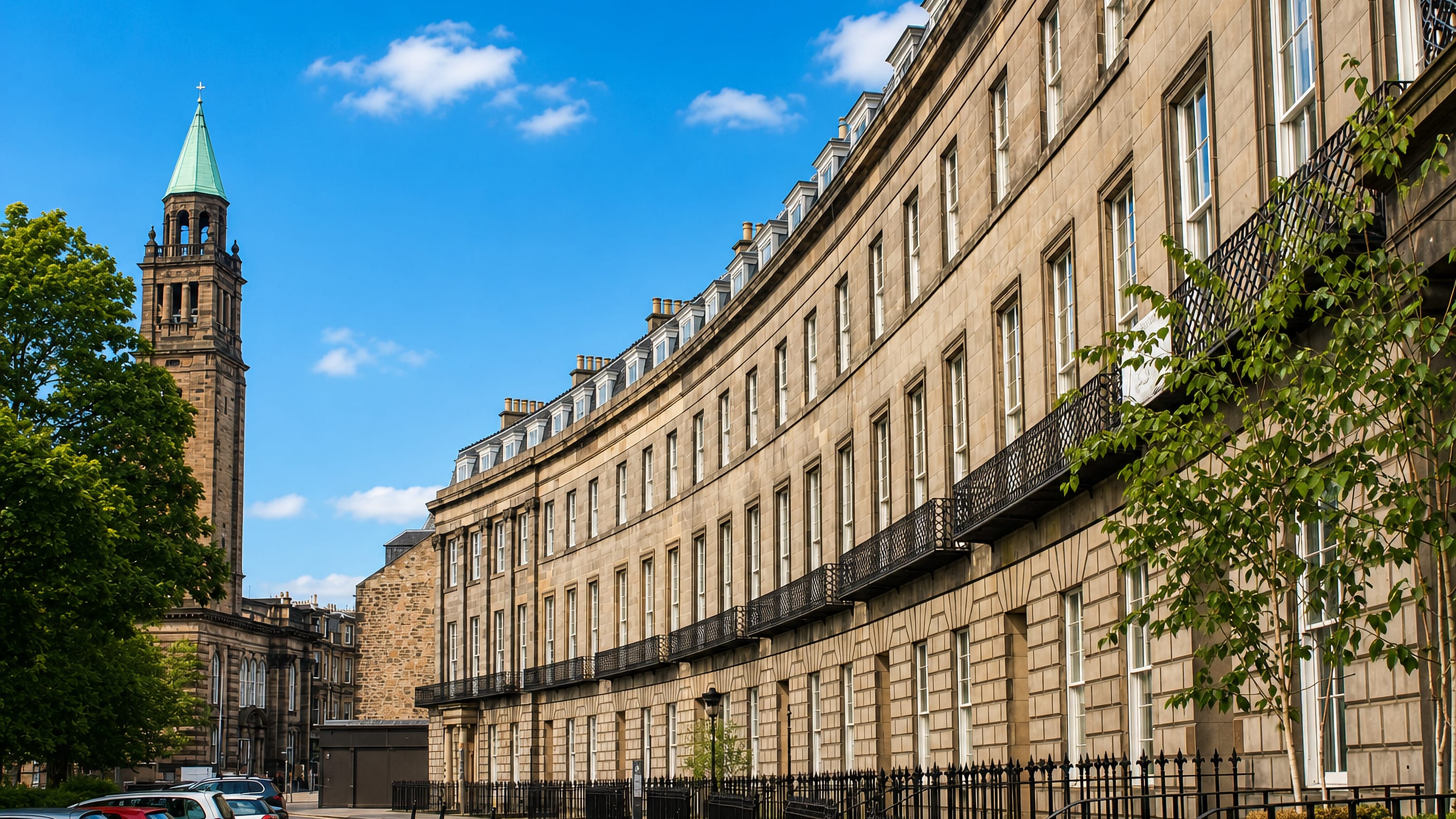
Edinburgh's West End runs from Charlotte Square to Haymarket, Georgian terraces round St Mary's Cathedral. Shandwick Place carries on from Princes Street.
Hotel links are affiliate links: booking through them may earn us a commission, at no extra cost to you. It never affects how places are ranked. How this works


Map data © OpenStreetMap contributors
Where to stay in West End
Where visitors usually base themselves, and why.
The West End makes a calm base. Many of the Georgian townhouses along Melville Street and Palmerston Place now run as guesthouses and small hotels, while larger hotels line Lothian Road and the western end of Princes Street. Theatre-goers do well, with the Royal Lyceum and Usher Hall a few doors away.
The tram to the airport stops on Shandwick Place. For the castle and the Royal Mile, the Old Town is a short walk east through Princes Street Gardens.
Things to do in and around Edinburgh
Ranked by global recognition; descriptions from Wikidata (CC0).
Museums & Galleries
3- Scottish National Portrait Gallery Heritage
- Scottish National Gallery of Modern Art Heritage
- Modern Two Heritage
Churches & Religious Sites
5- St Giles' Cathedral Heritage
- The Hub Heritage
- St Margaret's Heritage
- Greyfriars Kirk Heritage
- Tron Kirk Heritage
Castles & Historic Sites
5- Edinburgh Castle Heritage
- Scott Monument Heritage
- National Monument of Scotland Heritage
- Nelson Monument Heritage
- Dugald Stewart Monument Heritage
Nature & Outdoors
1- Bruntsfield Links
Landmarks & Notable Places
2- Bute House Heritage
- Dundas House Heritage
worth knowingacross 5 categories in and around Edinburgh
About West End
What are the main landmarks in West End?
St Mary's Cathedral is the district's landmark. Its three spires rise over Palmerston Place, and the church, designed by George Gilbert Scott, is the largest built in Scotland since the Reformation. The theatres cluster to the south along Lothian Road: the domed Usher Hall, the Victorian Royal Lyceum Theatre, and the modern Traverse Theatre.
William Street holds the West End's boutiques and bars. Melville Crescent, with its statue of Robert Dundas, is the grandest of the Georgian streets.
What is the history of West End?
The West End grew as Edinburgh's New Town pushed west across the Coates estate in the first half of the 19th century. The Walker family, who owned the land, laid out Melville Street, Palmerston Place and the surrounding crescents. Haymarket station opened in 1842 as the first terminus of the Edinburgh and Glasgow Railway.
St Mary's Cathedral followed later, built from 1874 with money left by the Walker sisters, whose names, Barbara and Mary, were given to its two western spires. The Georgian grid has changed little.
Where is West End?
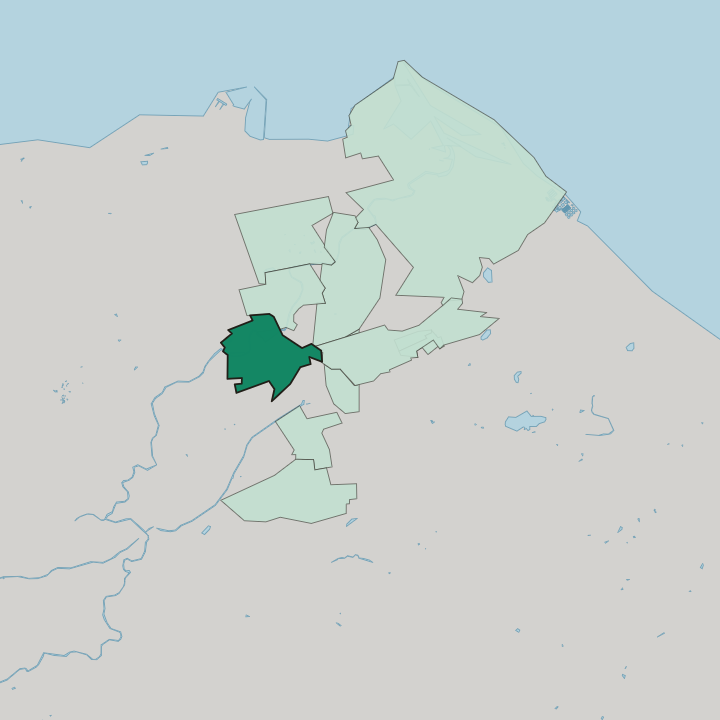
The West End begins just west of Charlotte Square, at the far end of George Street and Princes Street. Its southern edge is Lothian Road, which drops towards Tollcross past the Usher Hall. Haymarket marks the west.
Northwards the land falls to the Water of Leith, where the Dean Bridge carries the road across to Dean Village.
Good for
More areas in Edinburgh
Updated October 2026