United Kingdom · Scotland
Where to Stay in Edinburgh, Scotland
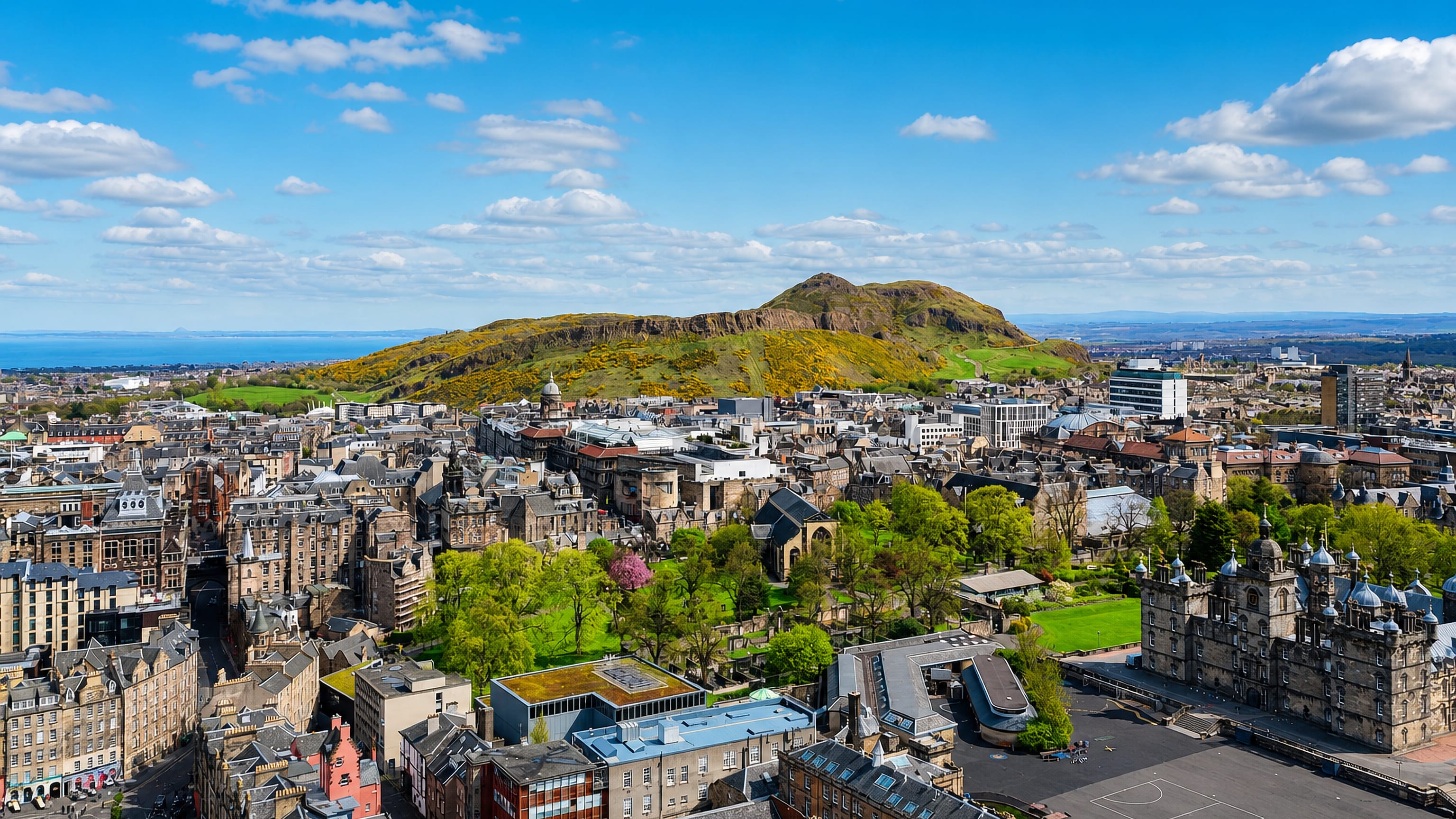
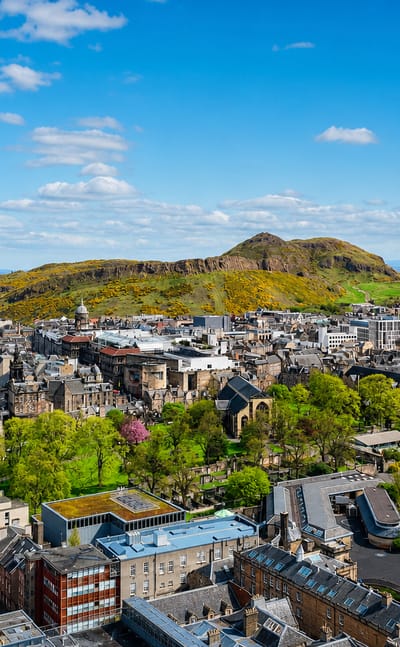
Edinburgh Castle stands on an old volcano above the capital of Scotland, a city on the Firth of Forth known for its Old Town and St Giles' Cathedral.
Hotel links are affiliate links: booking through them may earn us a commission, at no extra cost to you. It never affects how places are ranked. How this works



Where to stay in Edinburgh
Where you base yourself shapes the visit — here's the character of each area.

 EdinburghUnited Kingdom
Old Town
The Royal Mile runs from Edinburgh Castle past St Giles' Cathedral to the National Museum of Scotland.Old Town →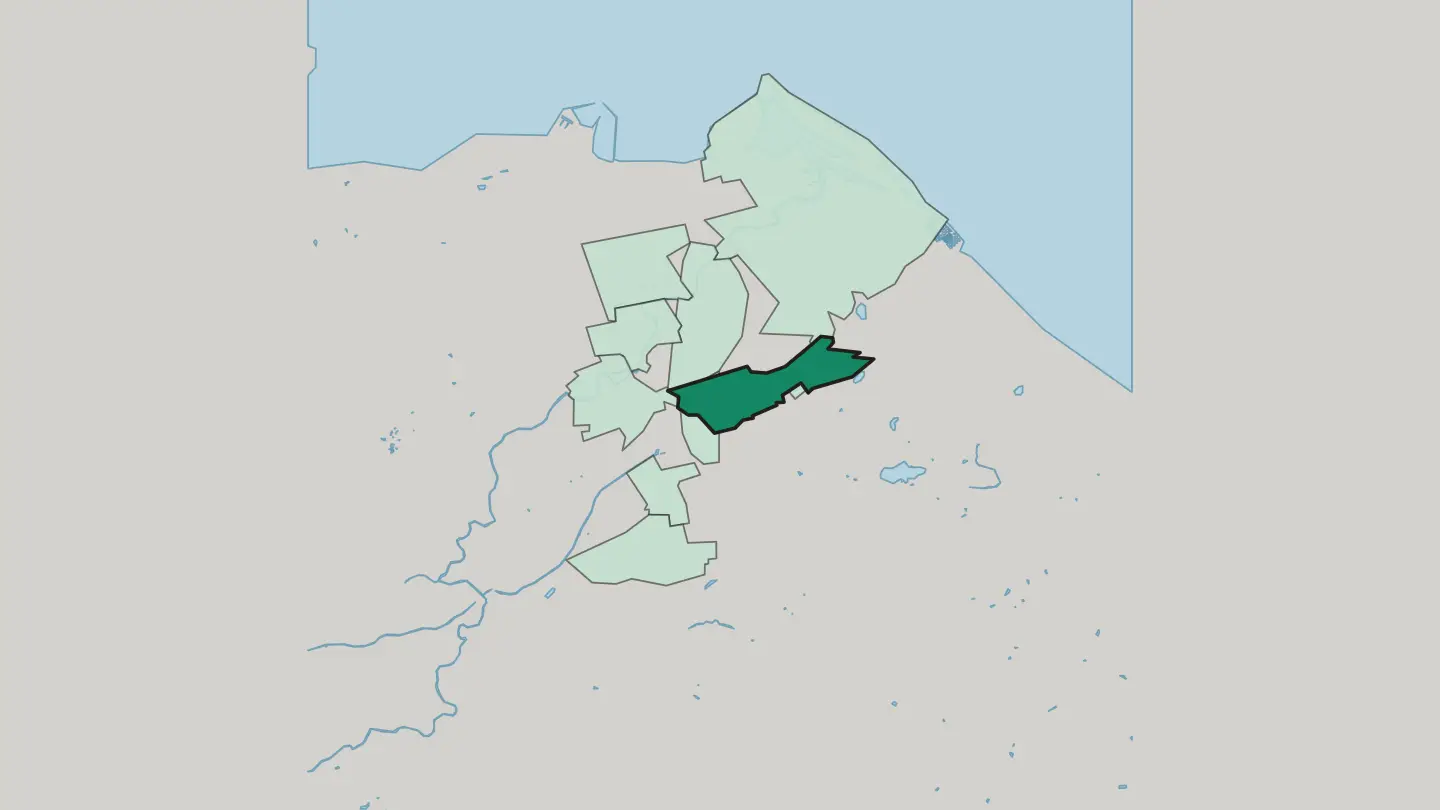
 EdinburghUnited Kingdom
New Town
Wide streets hold the Scottish National Gallery and the Scott Monument north of the Old Town valley.New Town →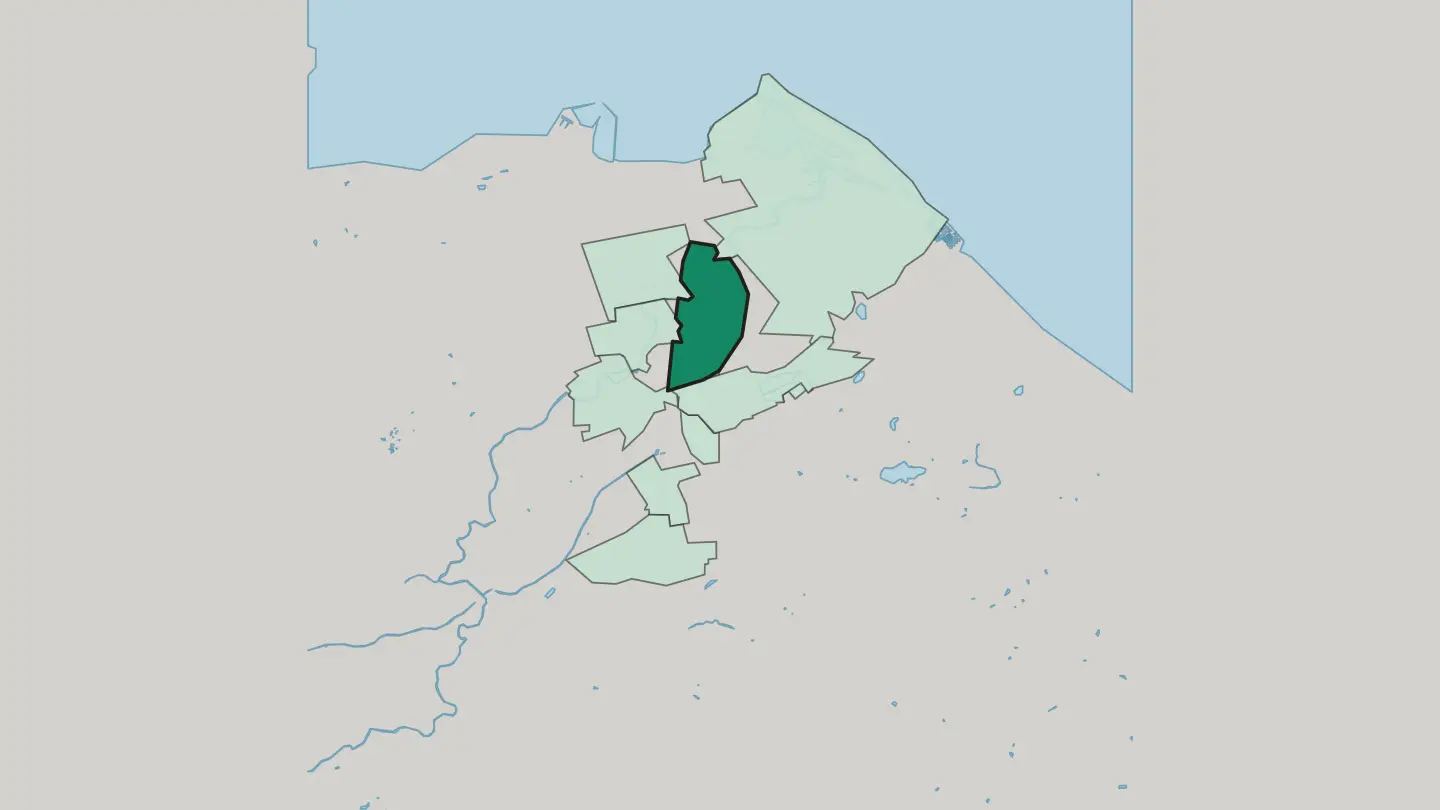
 EdinburghUnited Kingdom
Holyrood
Holyrood ends Edinburgh's Royal Mile at the Palace of Holyroodhouse, the Scottish Parliament opposite, Holyrood Park rising to Arthur's Seat.Where to stay →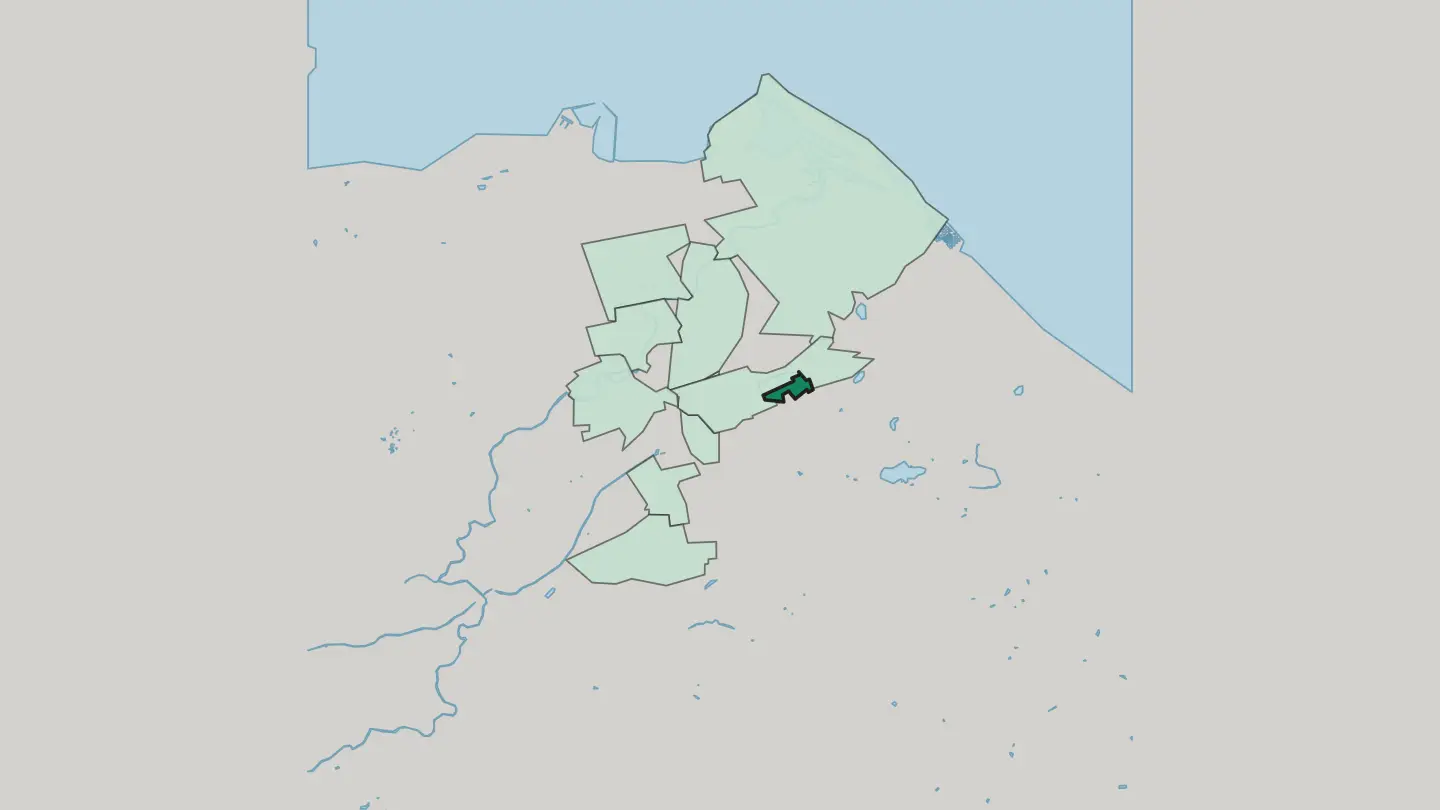
 EdinburghUnited Kingdom
Canongate
Canongate is the lower Royal Mile, running down to Holyrood as the main eastern stretch of the Old Town. Canongate Kirk stands on it.Where to stay →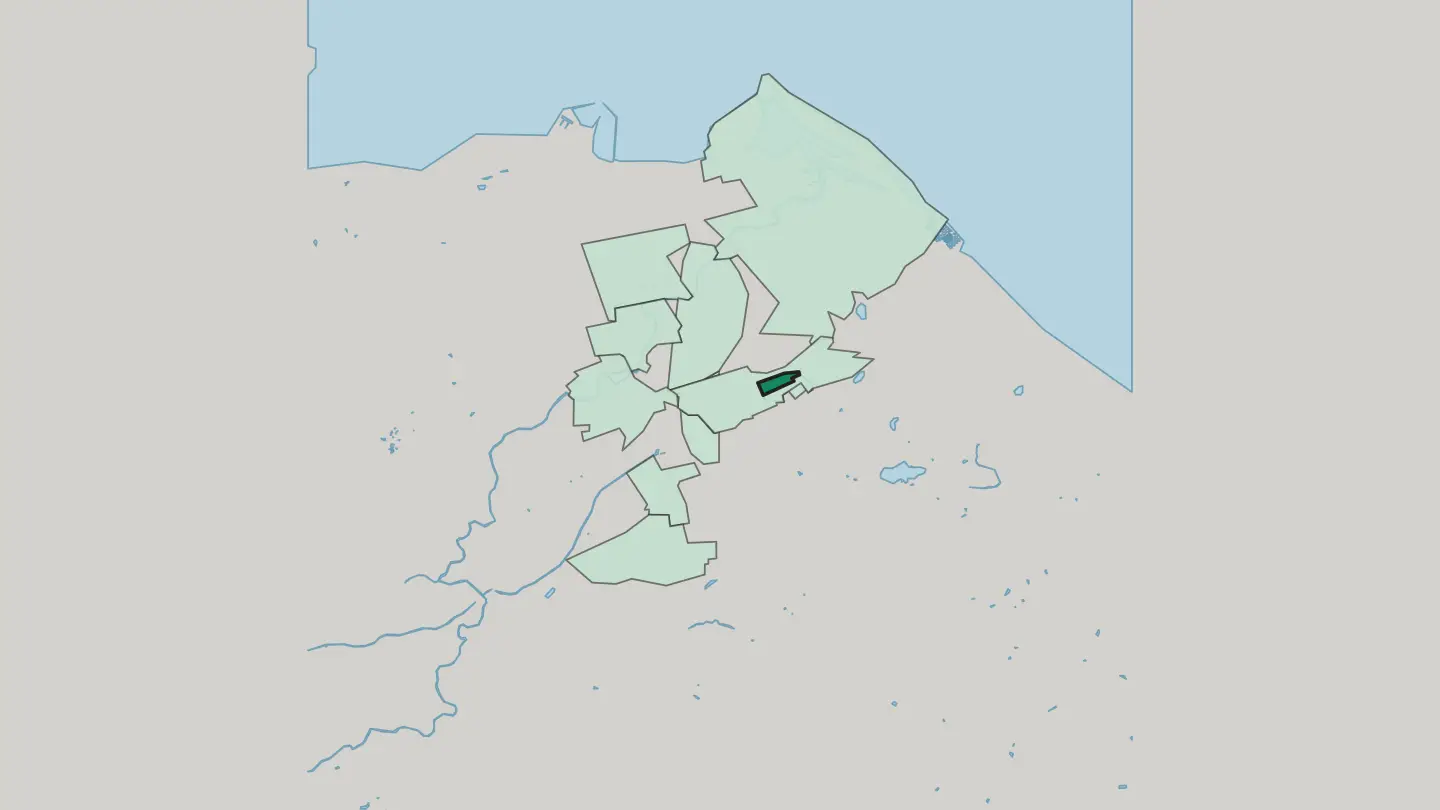
 EdinburghUnited Kingdom
Grassmarket
The Grassmarket is a broad square in the Old Town under the Castle Rock, with Victoria Street curving up to the Royal Mile. Edinburgh Castle looms above.Where to stay →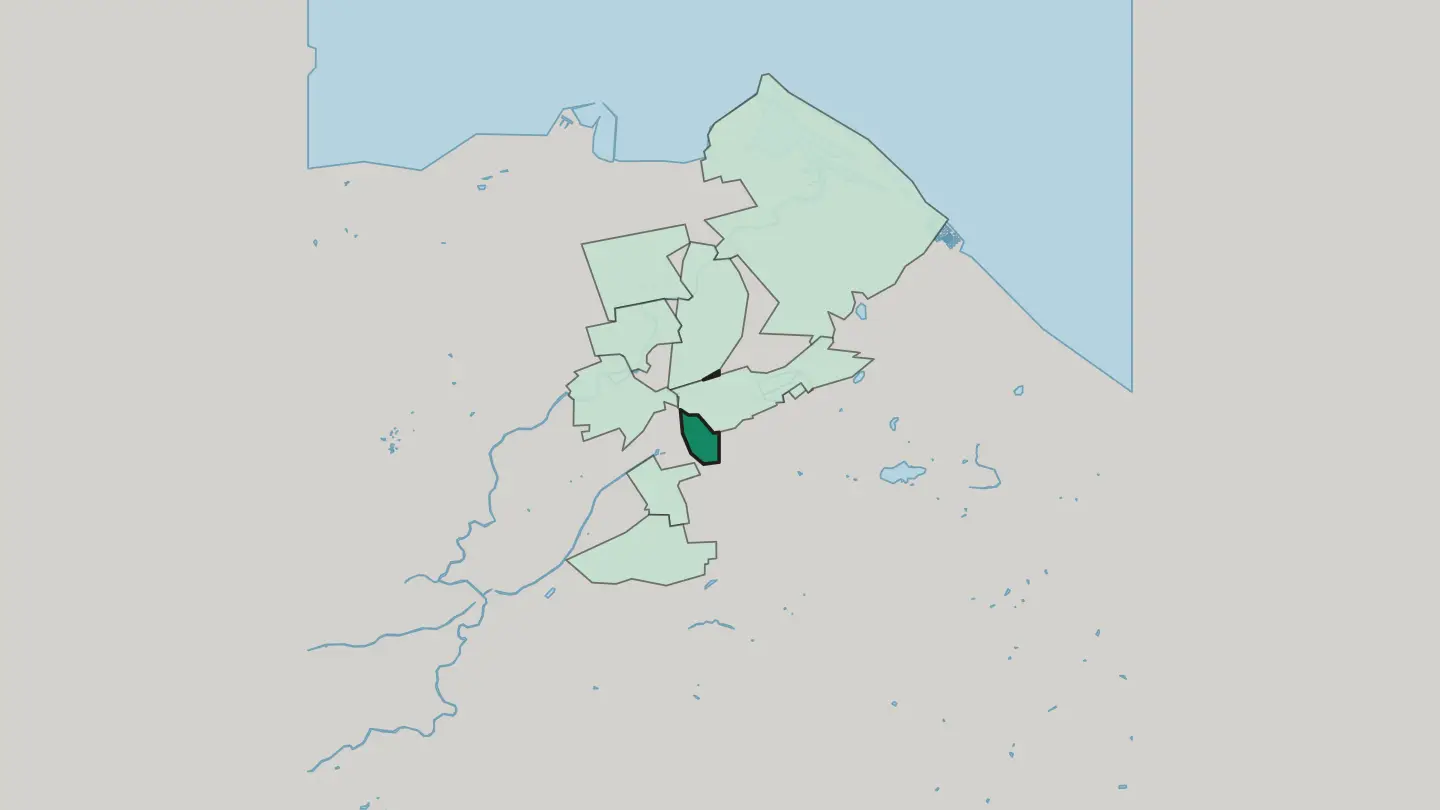
 EdinburghUnited Kingdom
Stockbridge
Stockbridge is a former village in north Edinburgh, in the Water of Leith valley below the New Town. Raeburn Place and St Stephen Street hold shops.Where to stay →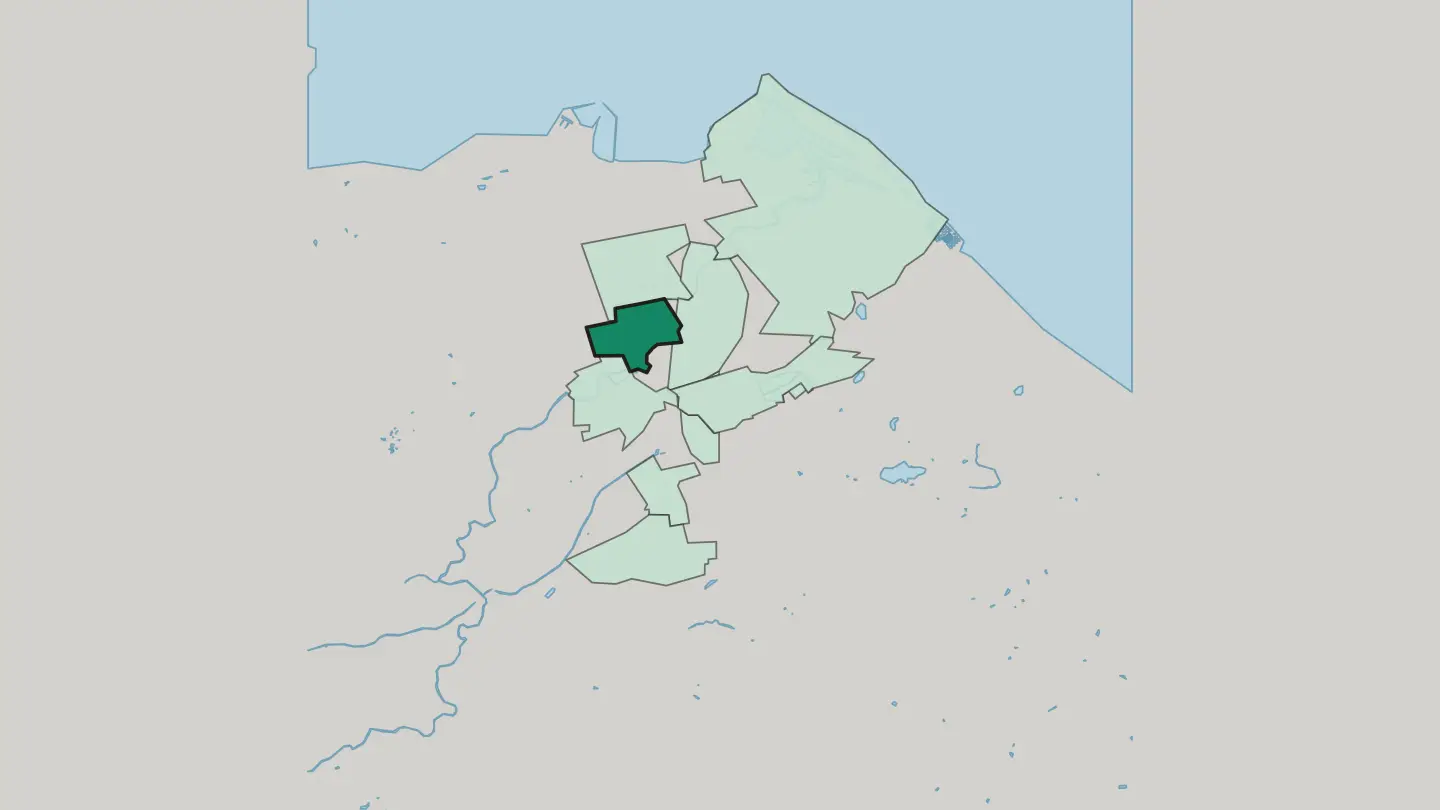
 EdinburghUnited Kingdom
West End
Edinburgh's West End runs from Charlotte Square to Haymarket, Georgian terraces round St Mary's Cathedral. Shandwick Place carries on from Princes Street.Where to stay →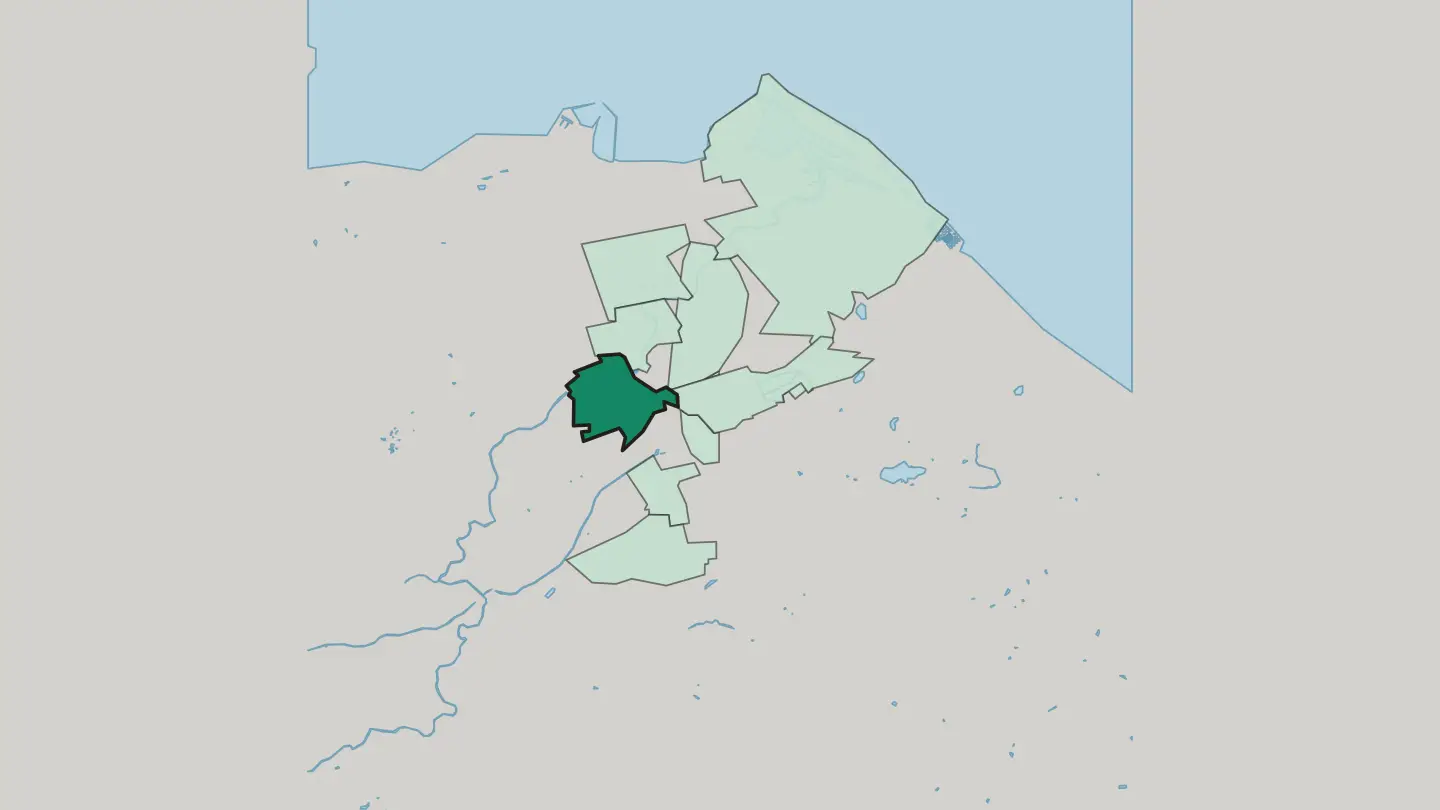
 EdinburghUnited Kingdom
Dean Village
Dean Village is a former milling hamlet in the valley of the Water of Leith, northwest of central Edinburgh. Watermills ground grain here for 800 years.Where to stay →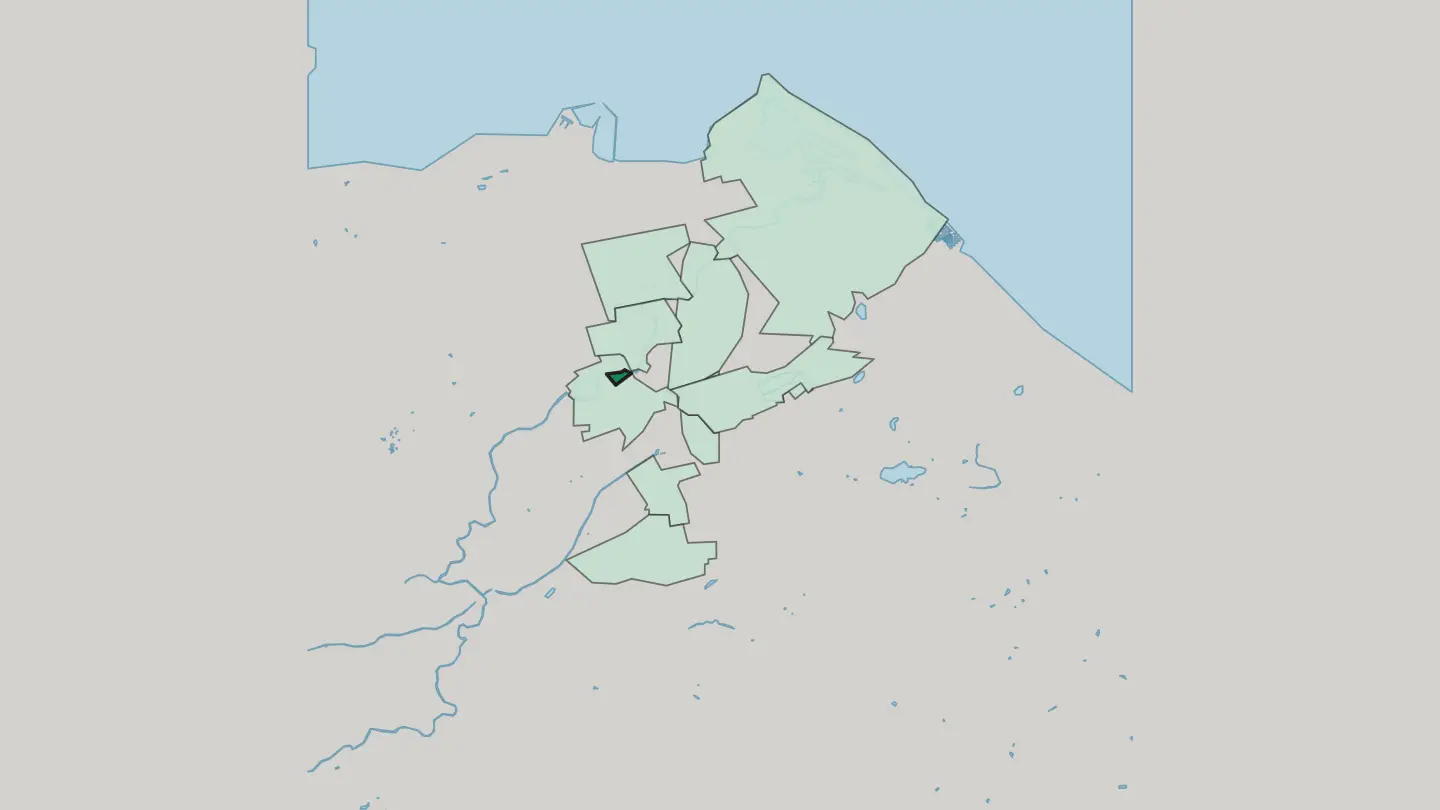
 EdinburghUnited Kingdom
Inverleith
Inverleith is a north Edinburgh suburb beyond the New Town, anchored by the Royal Botanic Garden Edinburgh. Inverleith Park spreads toward Stockbridge.Where to stay →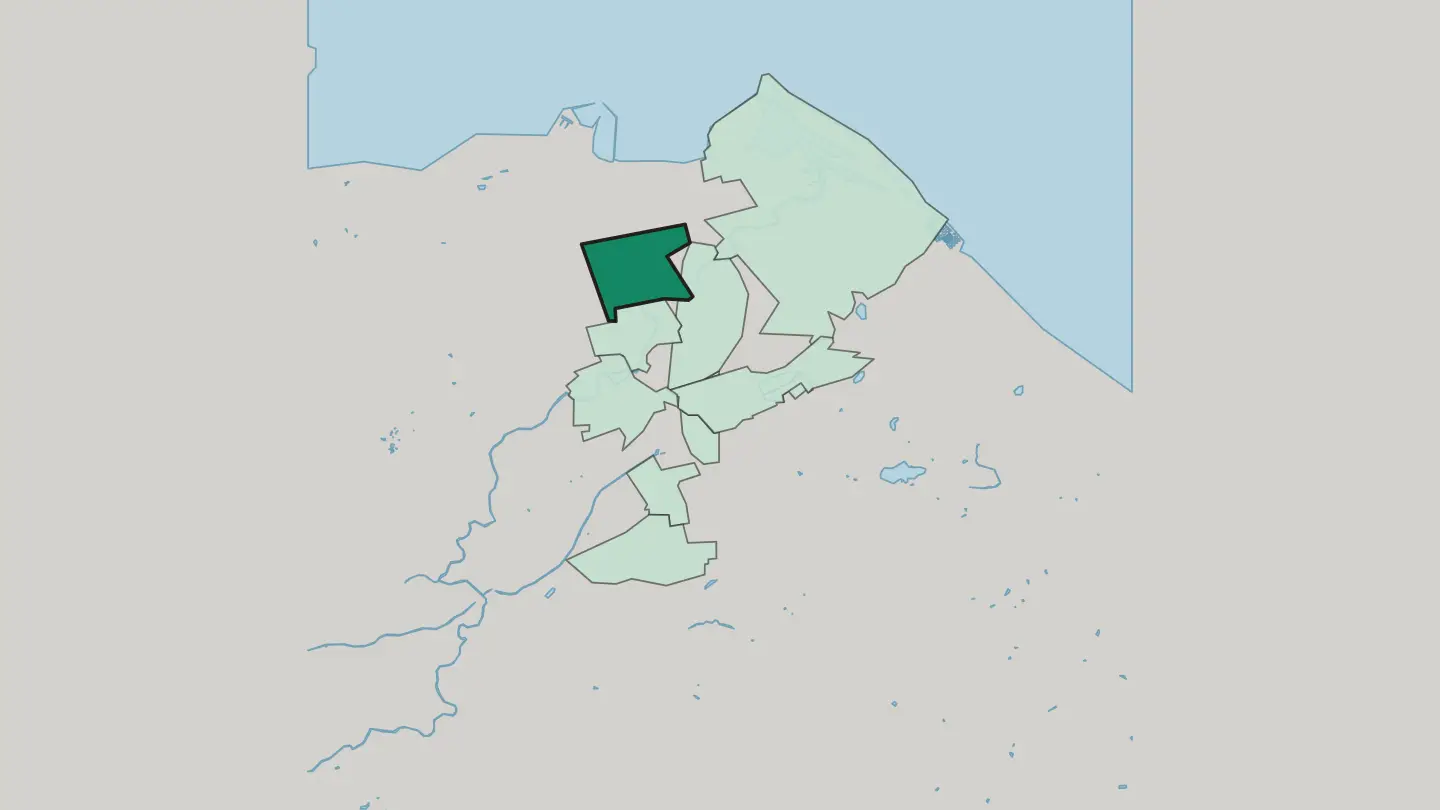
 EdinburghUnited Kingdom
Bruntsfield
Bruntsfield is a residential quarter of southern Edinburgh around the shops of Bruntsfield Place, its northern edge the open green of Bruntsfield Links.Where to stay →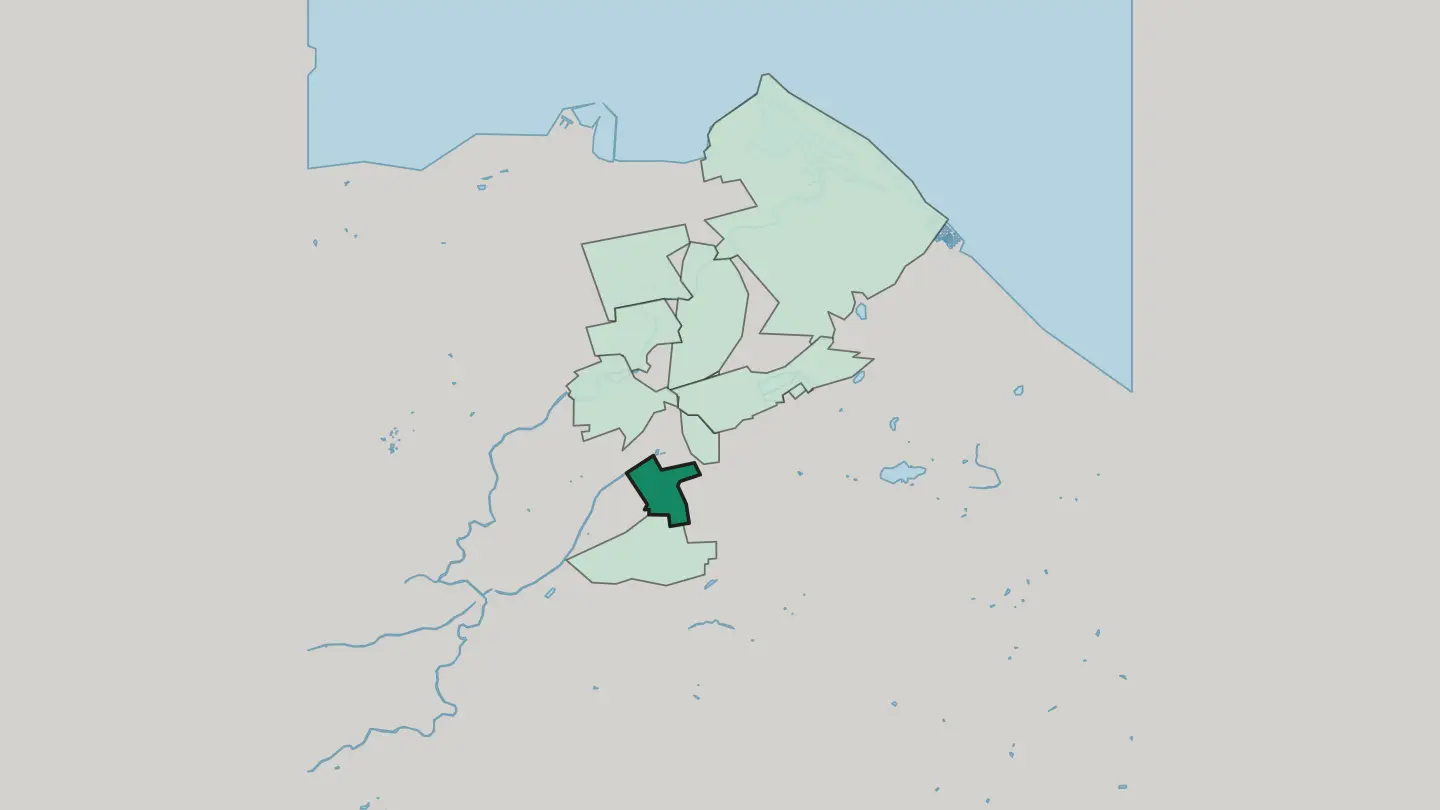
 EdinburghUnited Kingdom
Leith
Leith is Edinburgh's port where the Water of Leith meets the Firth of Forth, its quays The Shore. The Royal Yacht Britannia berths at Ocean Terminal.Where to stay → EdinburghUnited Kingdom
Morningside
Morningside is a Victorian suburb of Edinburgh along Morningside Road, climbing from Bruntsfield toward the Braid Hills. Holy Corner has four churches.Where to stay →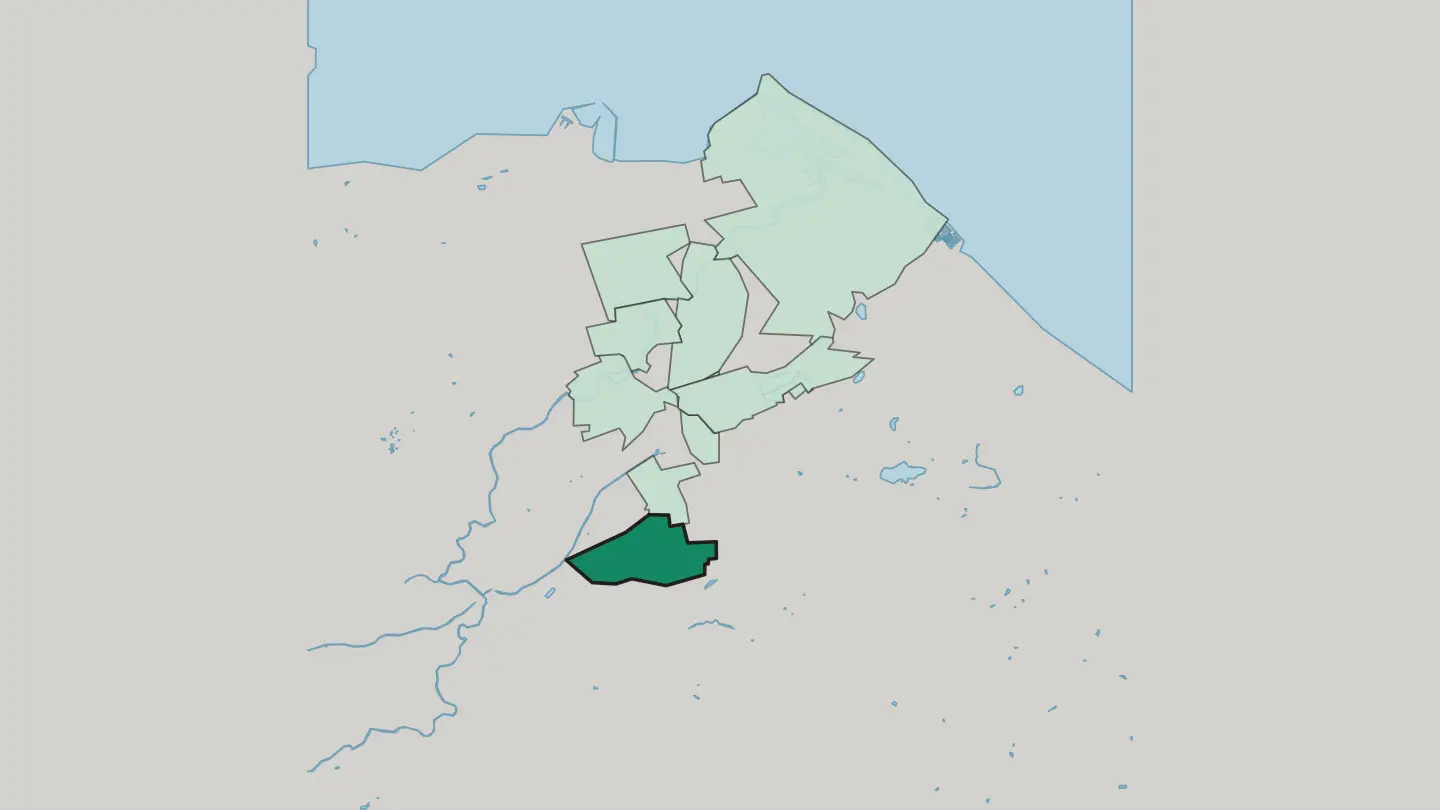
Hotel links are affiliate links: booking through them may earn us a commission, at no extra cost to you. It never affects how places are ranked. How this works
Things to do in Edinburgh
Ranked by global recognition; descriptions from Wikidata (CC0).
Museums & Galleries
3- Scottish National Portrait Gallery Heritage
- Scottish National Gallery of Modern Art Heritage
- Modern Two Heritage
Churches & Religious Sites
7- St Giles' Cathedral Heritage
- The Hub Heritage
- St Margaret's Heritage
- Greyfriars Kirk Heritage
- Tron Kirk Heritage
Show 2 more →
- South Leith Parish Church, Edinburgh Heritage
- St Paul's and St George's Church Heritage
Castles & Historic Sites
5- Edinburgh Castle Heritage
- Scott Monument Heritage
- National Monument of Scotland Heritage
- Nelson Monument Heritage
- Dugald Stewart Monument Heritage
Nature & Outdoors
1- Bruntsfield Links
Landmarks & Notable Places
1- Bute House Heritage
worth knowingacross 5 categories in Edinburgh
About Edinburgh
What is Edinburgh known for?
Edinburgh is known as the capital of Scotland and the seat of its parliament. Its medieval Old Town and Georgian New Town climb the ridges below Edinburgh Castle. The National Museum of Scotland and the Scottish National Gallery hold the country's collections, while festivals fill the city through the year.
History sits in its stone. Edinburgh rises across a set of old volcanoes above the Firth of Forth.
What are the main landmarks in Edinburgh?
Edinburgh's landmarks gather around Edinburgh Castle and the ridge of the Old Town. St Giles' Cathedral and Greyfriars Kirk mark the medieval streets, while the National Museum of Scotland and the Scottish National Gallery hold the national collections nearby. The Scott Monument rises over the New Town, and Holyrood Park spreads green below its old volcano to the east.
Stone defines them all.
What is the history of Edinburgh?
Edinburgh grew from a fortress on the rock, and a settlement is recorded on the castle crag as far back as 601. Edinburgh Castle held the high ground, and the medieval Old Town spilled down the ridge below it toward Holyrood Park. St Giles' Cathedral rose at the heart of that packed and smoky town, the place its people called Auld Reekie for its haze of chimney smoke.
Stone stacked on stone. The city became the capital of Scotland and the seat of its old parliament, a centre of law, learning, and the church. In the Georgian age a wholly new town was laid out north of the valley, wide and ordered against the crowded ridge, and Edinburgh earned the name Athens of the North for its learning and its classical stone.
The Scott Monument and the National Monument of Scotland rose in that confident century. Later the galleries came, the Scottish National Gallery and the National Museum of Scotland among them. Festivals grew to fill its summers.
The old volcanoes on which it stands still shape every street and every long view across the Firth of Forth. Edinburgh remains the capital of Scotland.
Where is Edinburgh?
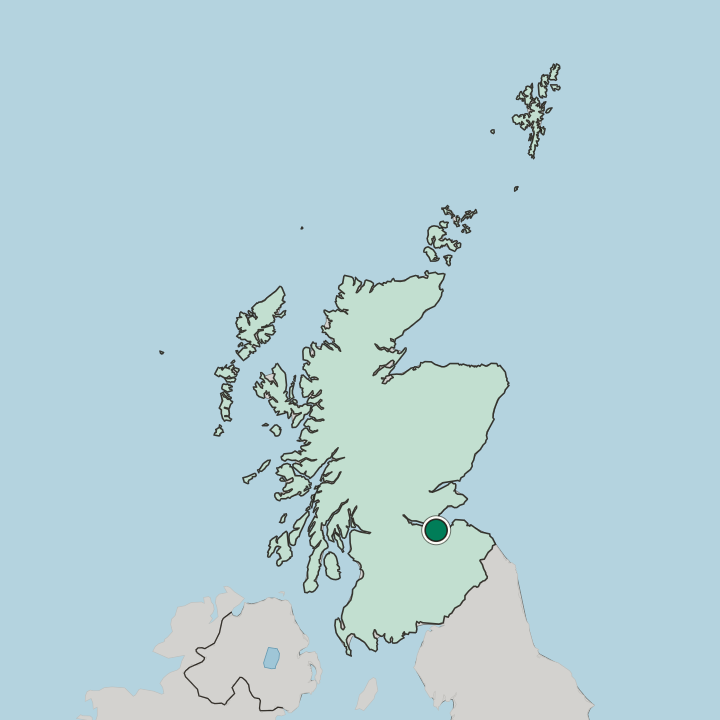
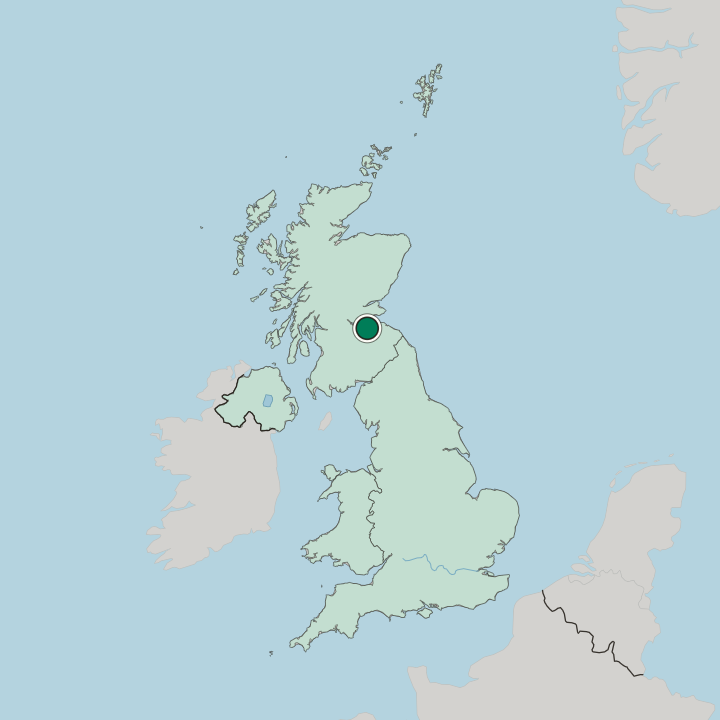
Edinburgh stands in southeast Scotland, bounded to the north by the Firth of Forth and to the south by the Pentland Hills. The city is built across a set of old volcanoes, and Edinburgh Castle sits atop the highest of them. Ridges and valleys shape its streets.
The ground rises sharply here. Beyond the built-up core, Holyrood Park lifts its green volcano above the eastern edge of the Old Town.
What is the climate of Edinburgh?
Edinburgh has a cool, changeable climate shaped by the North Sea weather off the Firth of Forth. Wind is a constant here, sweeping in across the firth and around the exposed crags on which the city is built. Skies shift quickly.
Rain comes and goes through the year, summers stay mild rather than warm, and winters run cold and grey below the Pentland Hills. Snow is more common on the higher ground to the south than in the streets themselves.
How do you get to Edinburgh?
Edinburgh is the transport centre of southeast Scotland, tied into the main rail and motorway routes of the Central Belt. Trains run in from across Scotland and beyond, and its central station lies in the valley between the Old Town and the New Town. The station sits below the castle.
From there Edinburgh Castle and the Royal Mile climb close at hand. Roads and rails have long met at the capital.
Common questions
What is the best area to stay in Edinburgh?
Old Town: the castle and medieval closes on foot. New Town: Georgian squares and the national galleries.
Good for
More cities in Scotland
Updated October 2026