Georgia
Adjara, Georgia — Towns & Travel Guide
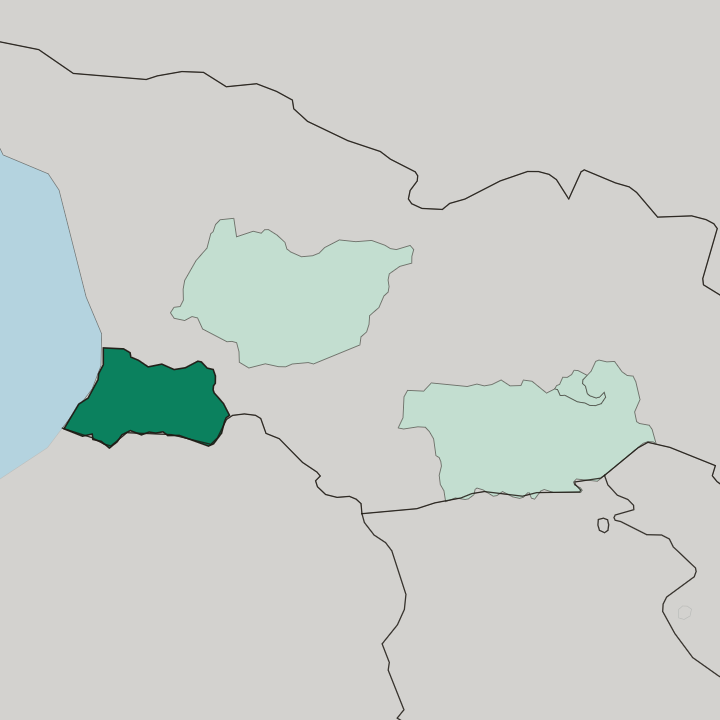
Adjara holds Georgia's southwestern corner, a green wedge of Black Sea coast and Lesser Caucasus valleys reaching down to the Turkish border around Batumi.
Hotel links are affiliate links: booking through them may earn us a commission, at no extra cost to you. It never affects how places are ranked. How this works


Towns & cities in Adjara
One town here has its own guide — it links to where to stay.
 Georgia
Batumi
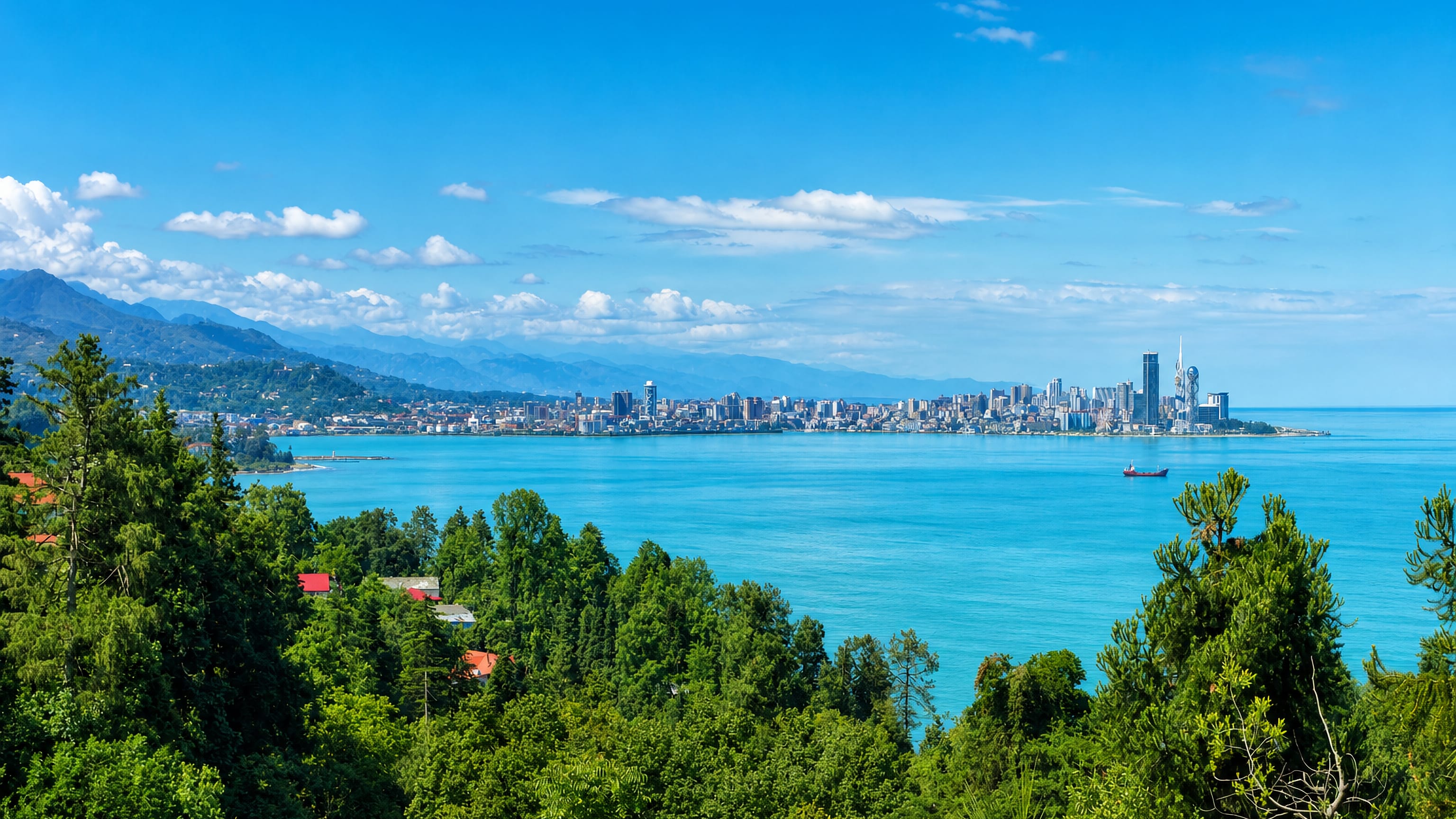
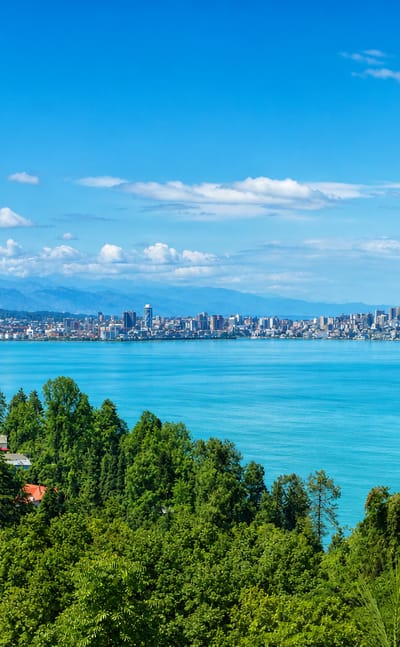
The Black Sea laps a curve of promenade at Batumi, the seaport capital of Adjara on Georgia's southwest coast, known for its beach and modern skyline.Where to stay →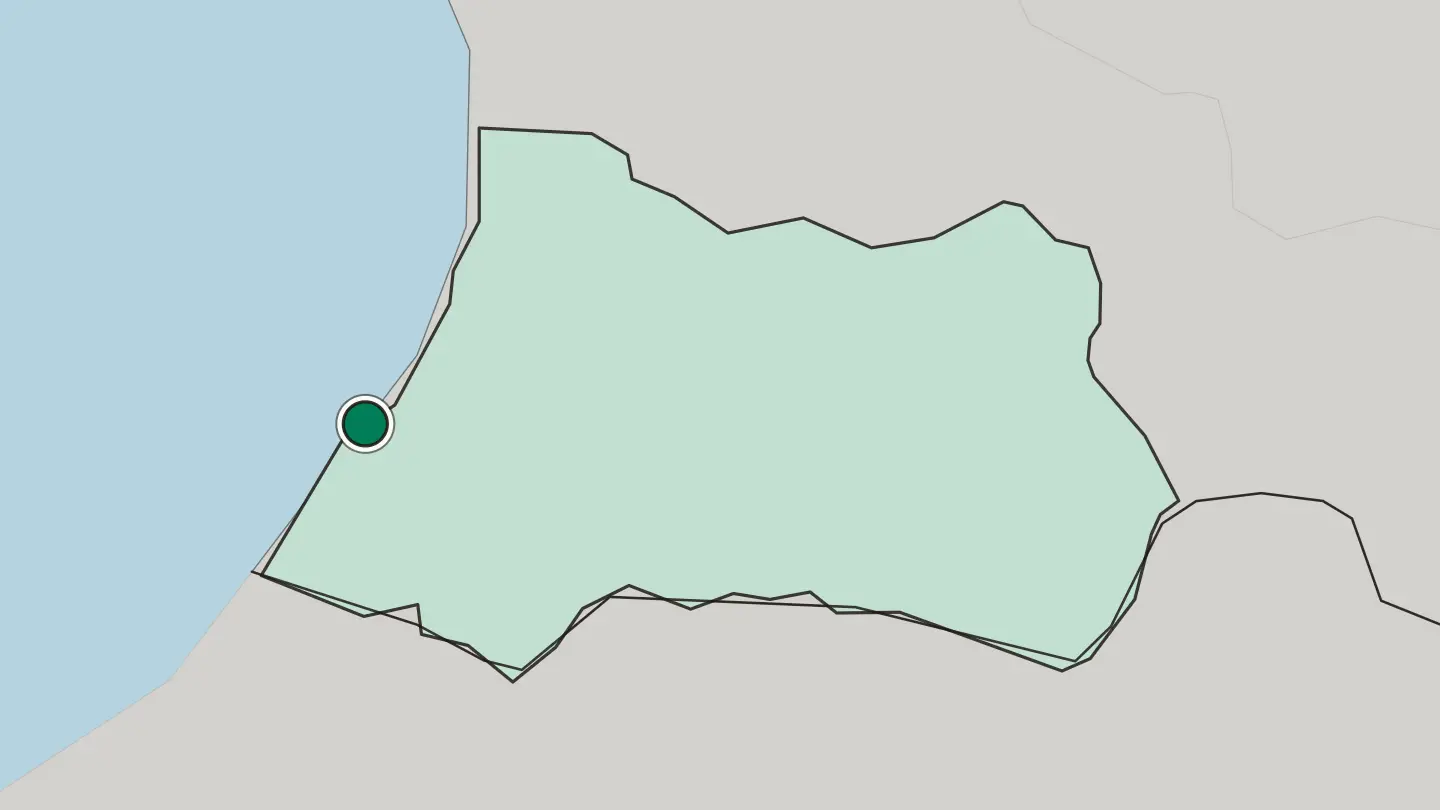
Hotel links are affiliate links: booking through them may earn us a commission, at no extra cost to you. It never affects how places are ranked. How this works
About Adjara
What is Adjara known for?
Adjara is Georgia's Black Sea corner, an autonomous republic that pairs a subtropical coast with the steep valleys of the Lesser Caucasus. Its capital, Batumi, draws the crowds to the beach and the port, but the region climbs quickly inland to stone-arched bridges, waterfalls, and old villages under the wooded ridges. Rain and warmth feed a green land.
Tea and citrus grow along the coastal strip, and the wet hills carry thick forest up toward the Turkish frontier. The Adjarian table is known across Georgia for its cheese-filled khachapuri shaped like a boat.
Where is Adjara?
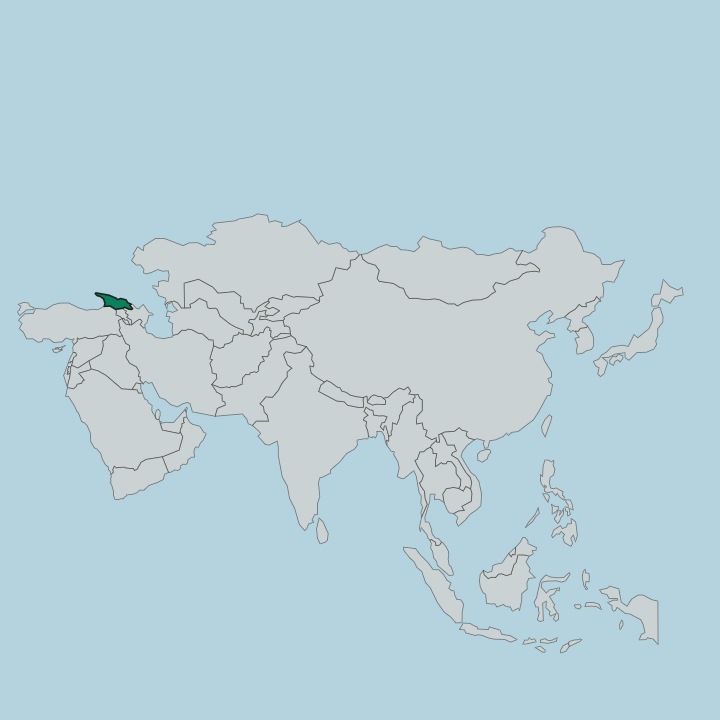
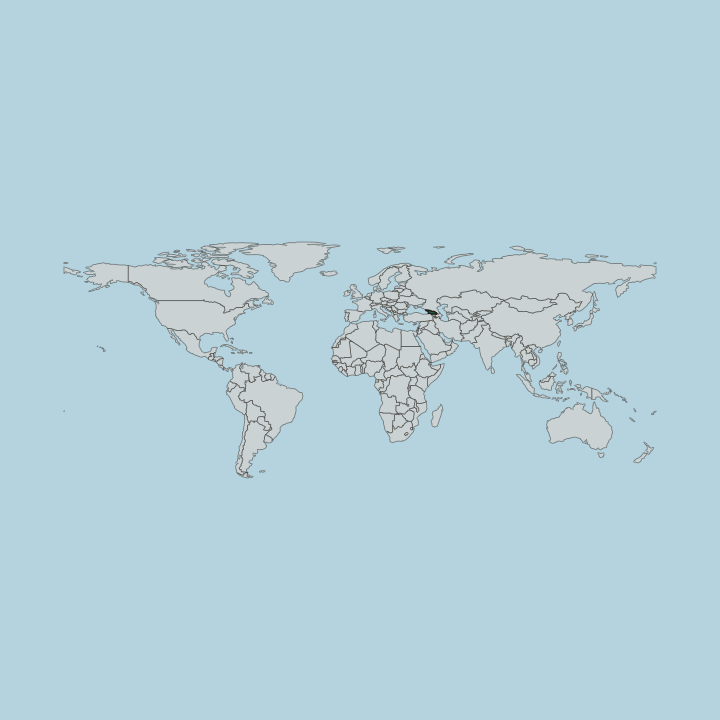
Adjara occupies the southwestern corner of Georgia, where the Black Sea coast meets the Turkish border. The Lesser Caucasus fills most of the region, its ridges rising steeply from a narrow coastal plain and folding inland into deep river valleys. Rivers run down to the sea.
The Chorokhi comes in from the mountains near Batumi, and smaller streams cut green gorges through the hills above the shore. Batumi, the capital, sits on a bay at the northern end of the coastal strip, with the resort shore of Kobuleti stretching further north. To the south the mountains climb straight toward the frontier, dense with forest and cut by passes that cross into Turkey.
Inland the land grows wilder and higher, laced with waterfalls and old stone-arched bridges spanning the torrents. The frontier ridge divides the watersheds. The whole region catches the moist sea air against the mountain wall, and that is what keeps it the greenest, wettest corner of Georgia.
What is Adjara like?
Adjara sits where Georgian tradition meets the long reach of the Black Sea trade. The Georgian language and the Orthodox faith run through the region, yet its long stretch under the Ottomans left a Muslim community in the mountain valleys, so mosque and church stand near one another across Adjara. Food carries the region's name.
The Adjarian khachapuri, an open boat of dough filled with cheese and crowned with a soft egg and butter, is eaten across Georgia as this region's own dish. Tea and citrus define the coast. The warm, wet strip along the Black Sea grew the country's tea and tangerines, and the harvest still shapes the rhythm of the lowland villages.
Song and dance keep the old forms. Georgian polyphony is sung at the table here as elsewhere in the country, and the region has its own quick, sword-edged mountain dances. Craft holds on in the hills.
Villagers still raise the high stone-arched bridges and timber houses that the steep valleys have long demanded, and the wool and honey of the uplands come down to the coastal markets.
What is the history of Adjara?
Adjara has changed hands often. Greek and Roman traders knew this shore in antiquity, the western edge of ancient Colchis and its golden-fleece legend, drawn by the sea route between the mountains and the wider world. The Ottomans held the region for centuries, and their long rule left the Muslim community that still marks its mountain valleys.
In the late nineteenth century the coast passed to the Russian Empire, and Batumi grew into a major oil port on the Black Sea. The autonomous republic took its present form in 1991, within an independent Georgia. Its capital remains Batumi.
What is the climate of Adjara?
Adjara has Georgia's mildest, wettest climate. The Black Sea keeps winters gentle along the coast, with little frost near Batumi. By summer the coast of Adjara grows warm and heavy with damp air.
Moist sea air pushes against the wall of the Lesser Caucasus and falls as heavy rain, feeding the tea gardens and the thick forest of the hills. The wettest weather comes in autumn, and the mountains hold more cloud and cooler air than the coastal strip below.
How do you get to Adjara?
Adjara is reached through Batumi on the coast. The regional airport lies near the capital, close to the Turkish border, and takes flights from across the region. Trains and the coast highway run north along the Black Sea toward the rest of Georgia and inland toward Tbilisi.
The port adds sea links. From the coast, mountain roads climb into the interior valleys of the Lesser Caucasus, though they narrow and slow as they near the frontier ridge.
Common questions
What is the best area to stay in Adjara?
Batumi: the coast, the port, and the beach boulevard. Kobuleti coast: a quieter beach north of the capital. Mountain Adjara: the inland valleys and arched bridges.
Good for
More regions in Georgia
Updated September 2026