Georgia · K'alak'i T'bilisi
Where to Stay in Tbilisi, K'alak'i T'bilisi
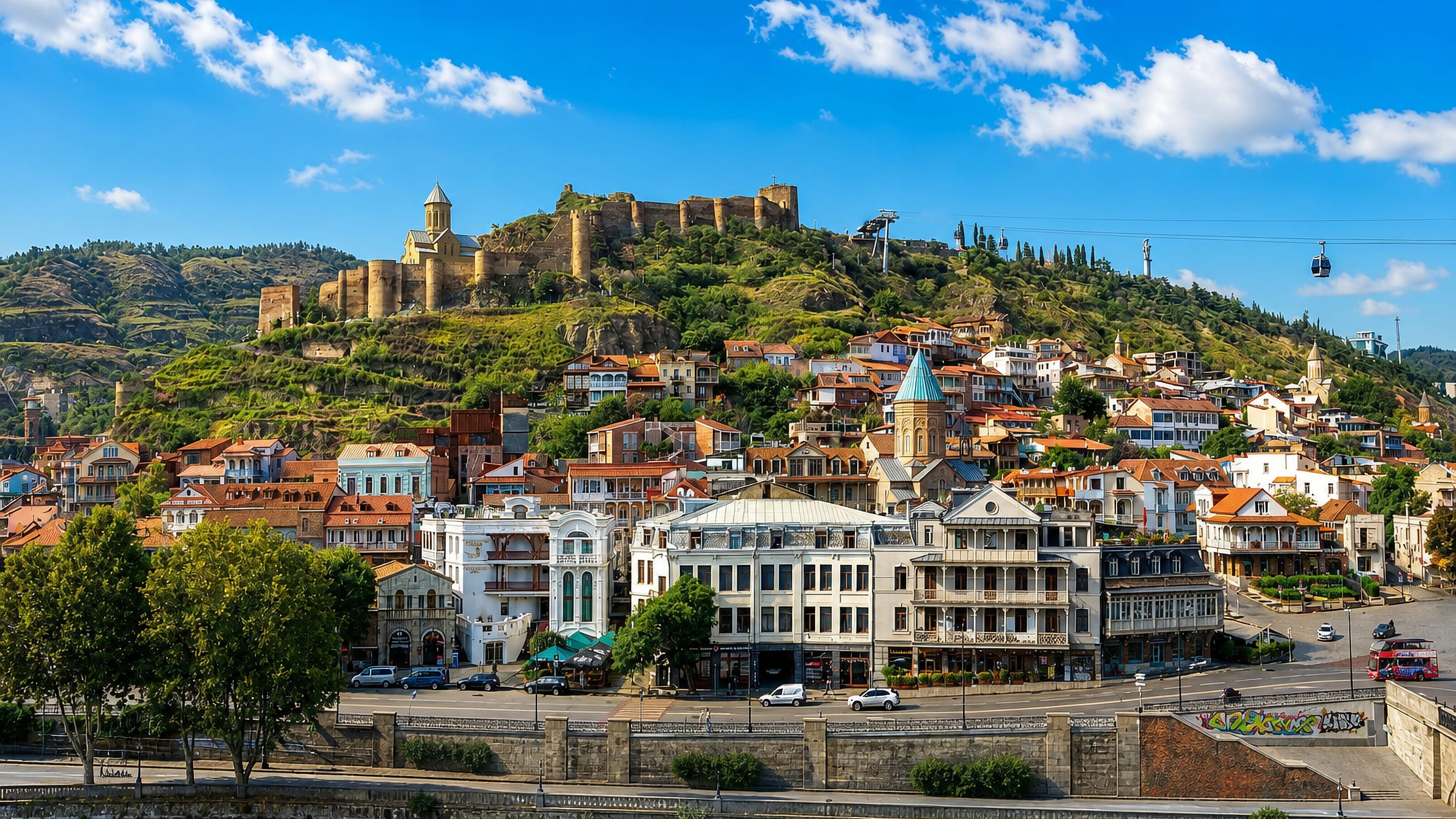
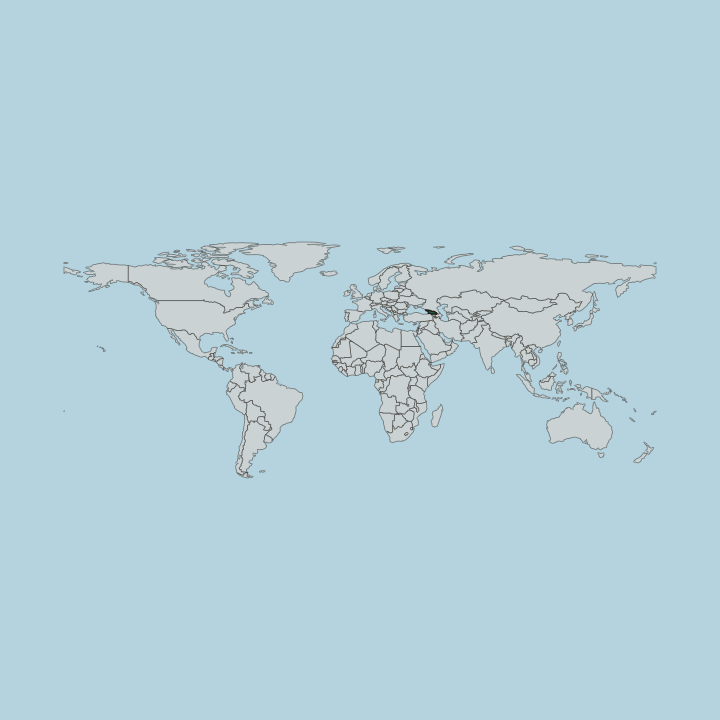
Warm sulphur water rises under Tbilisi, the capital of Georgia strung along the Mtkvari River below a fortress hill, known for its baths and old town.
Hotel links are affiliate links: booking through them may earn us a commission, at no extra cost to you. It never affects how places are ranked. How this works


Where to stay in Tbilisi
The right area depends on your trip — here's what each neighbourhood is best for.

 TbilisiGeorgia
Sololaki
A quarter of carved balconies and painted stairwells climbing the slope below the fortress, a short walk from the baths of old Tbilisi.Sololaki →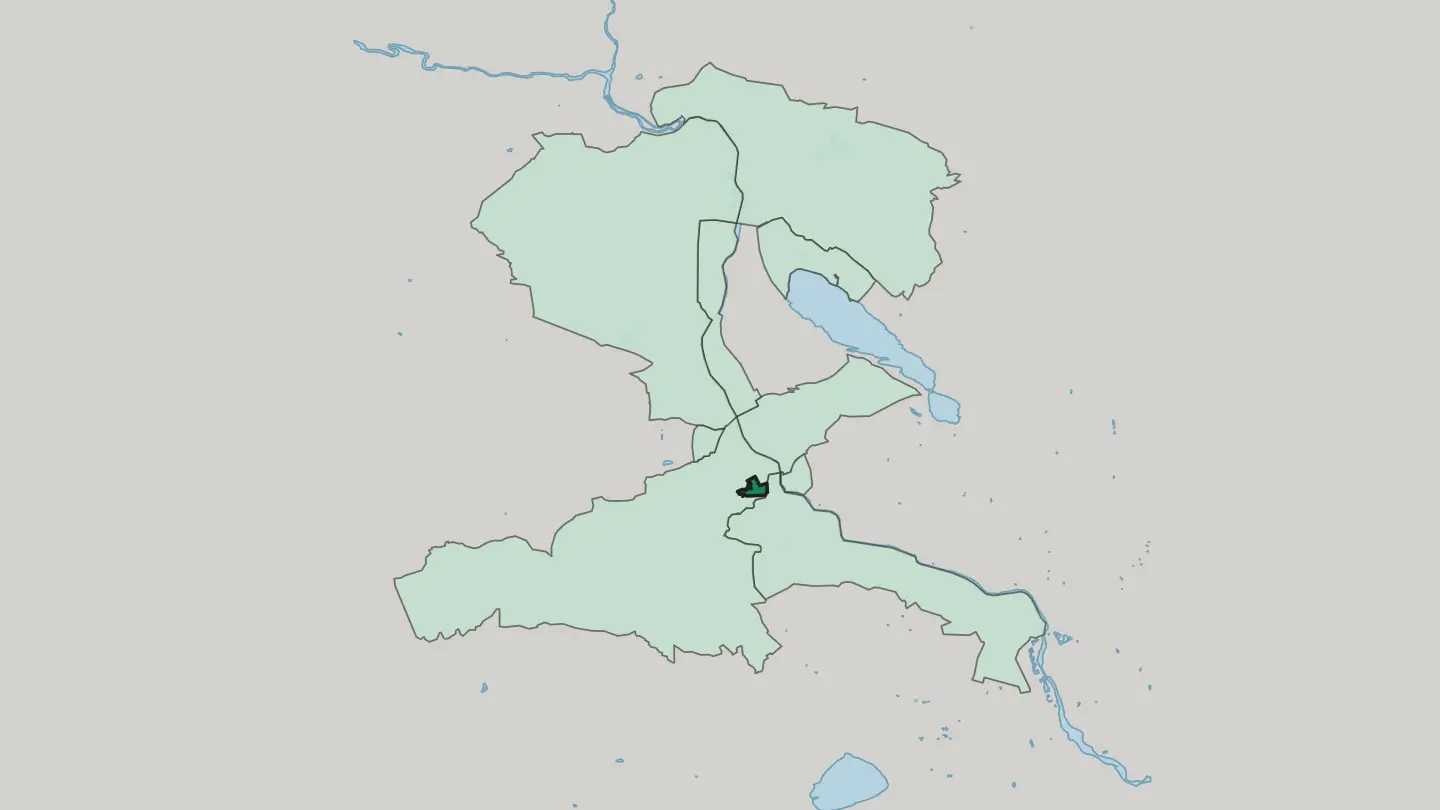
 TbilisiGeorgia
Vera
A quieter uphill district of plane-shaded streets above the centre of Tbilisi, near the Georgian National Museum and the river gardens.Vera →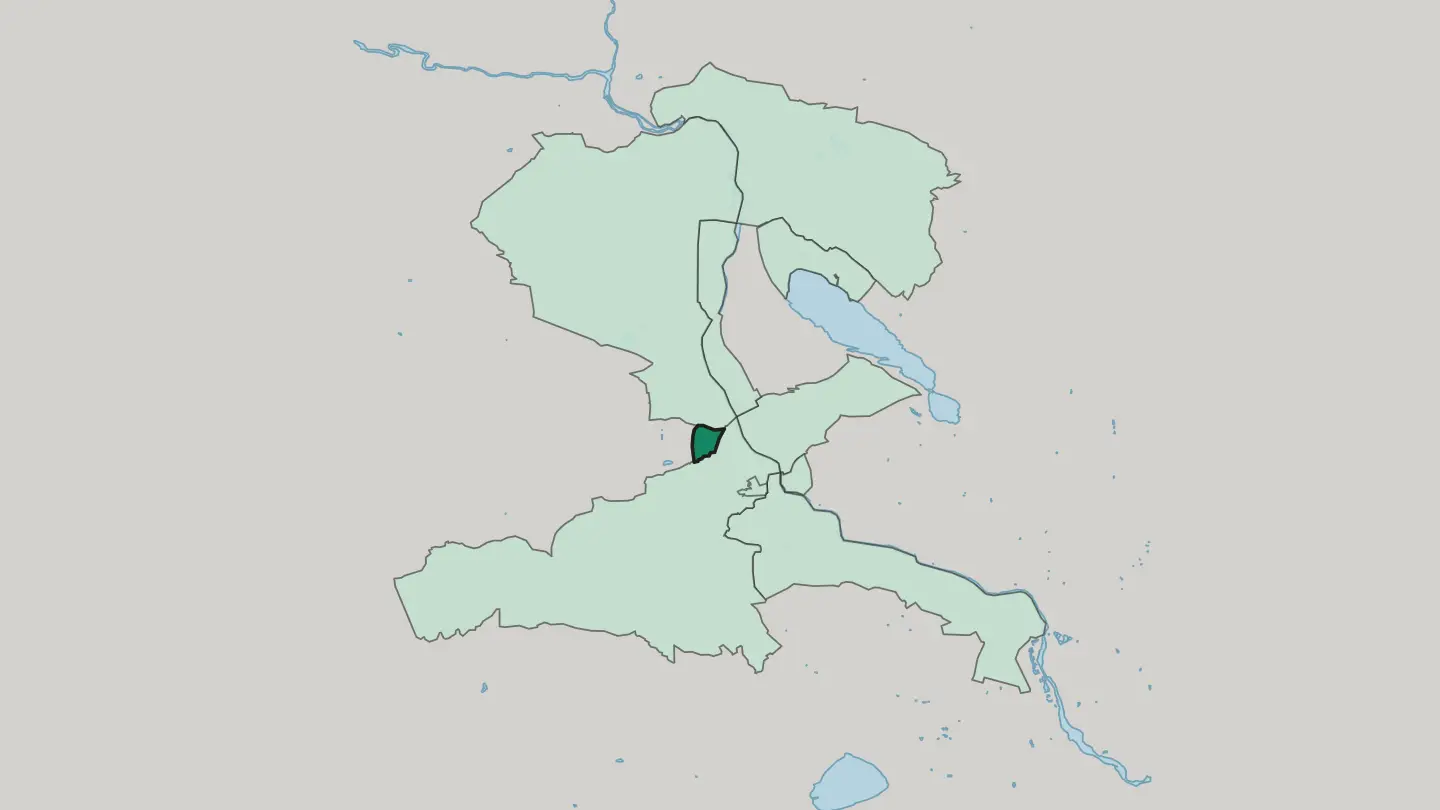
 TbilisiGeorgia
Didube
Didube is a district of northwest Tbilisi on the Mtkvari, Akaki Tsereteli Avenue its spine. Didube metro station and Expo Georgia stand.Where to stay →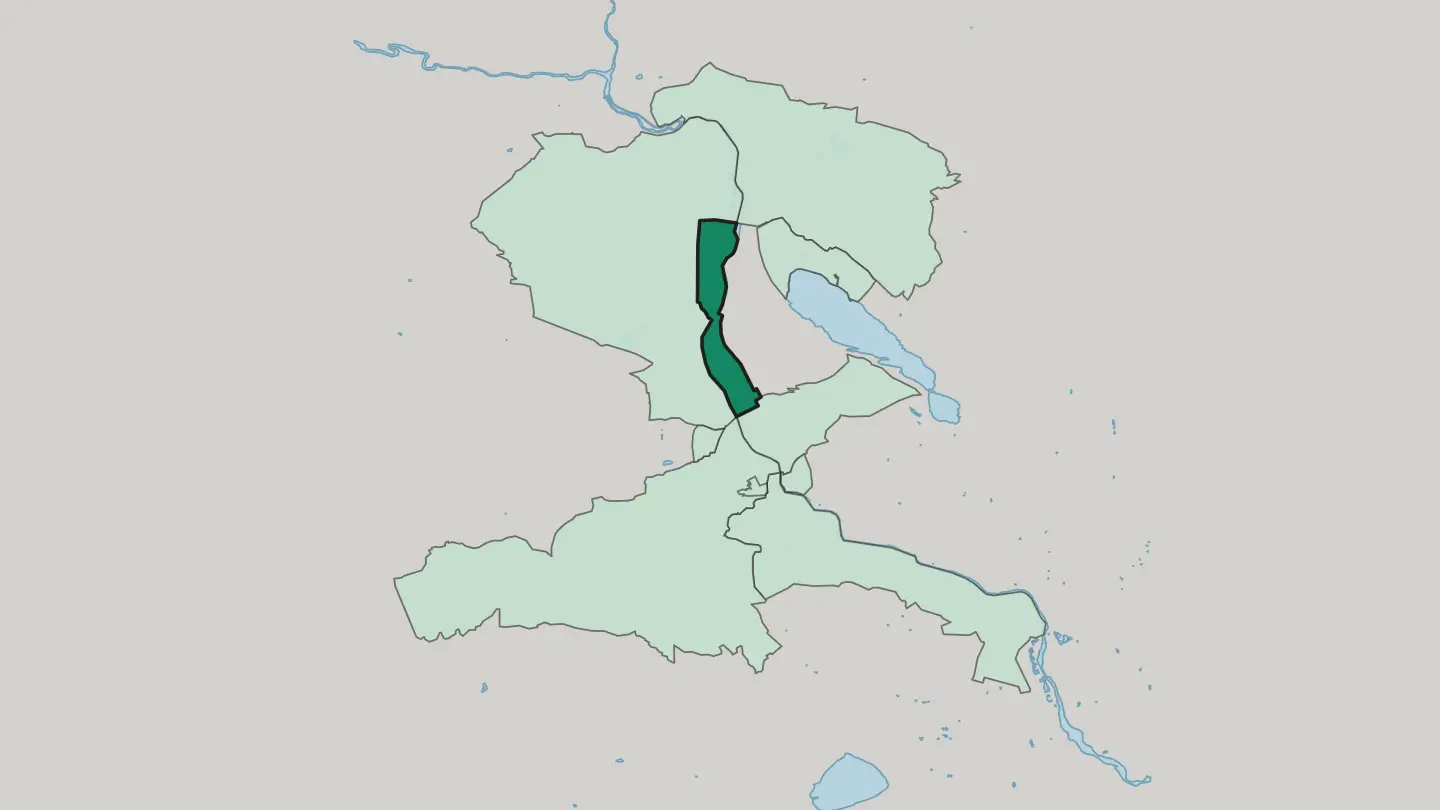
 TbilisiGeorgia
Chughureti
Chughureti is a Tbilisi district on the Mtkvari, its spine David Aghmashenebeli Avenue, once Neu-Tiflis. Kukia and Marjanishvili Square lie within.Where to stay →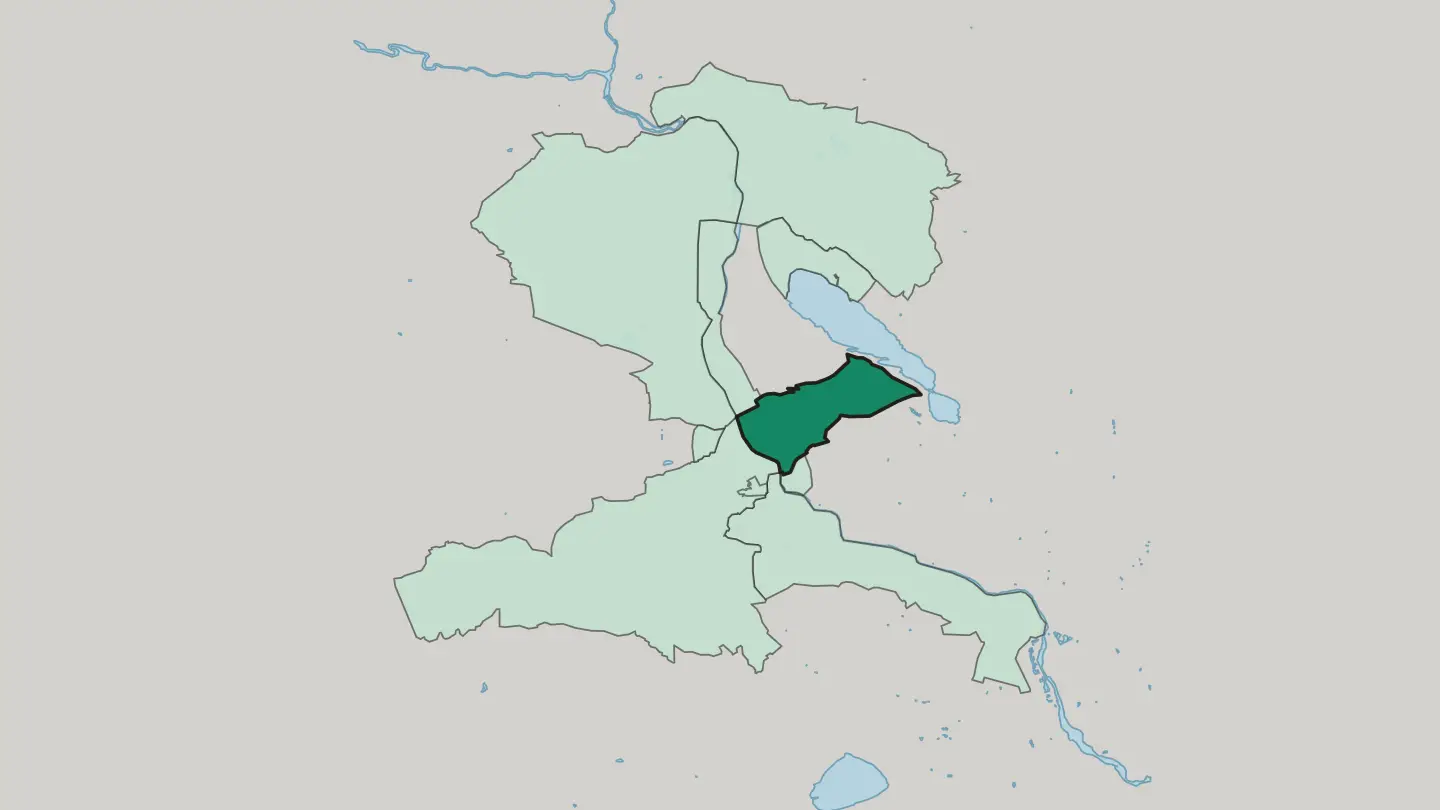
 TbilisiGeorgia
Saburtalo District
Saburtalo is one of Tbilisi's largest districts, a dense grid of apartment blocks on the western side. Tbilisi Zoo and Expo Georgia are here.Where to stay →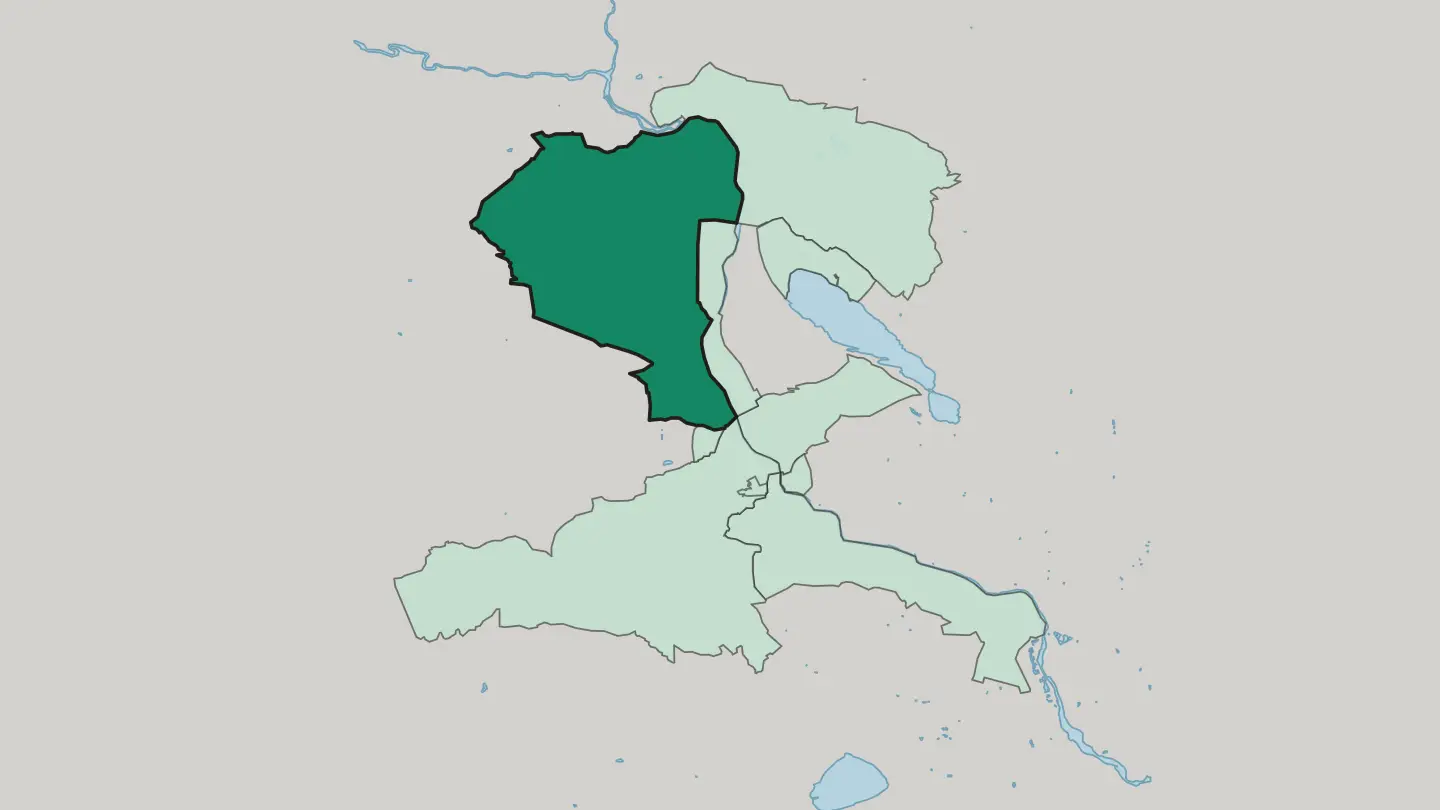
 TbilisiGeorgia
Mtatsminda District
Mtatsminda is the central district of Tbilisi, climbing Mount Mtatsminda, Rustaveli Avenue running past the Georgian National Museum and Kashveti Church.Where to stay →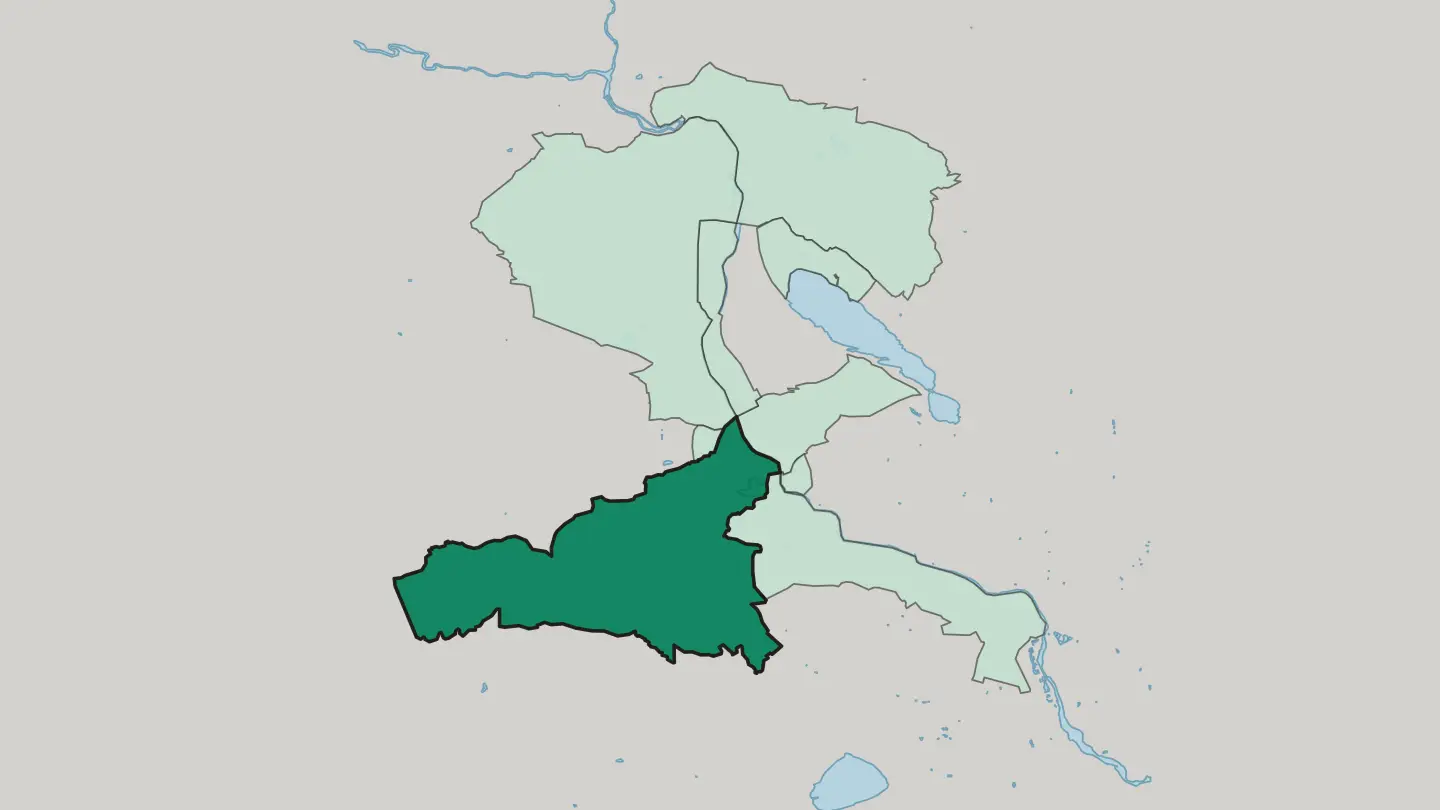
 TbilisiGeorgia
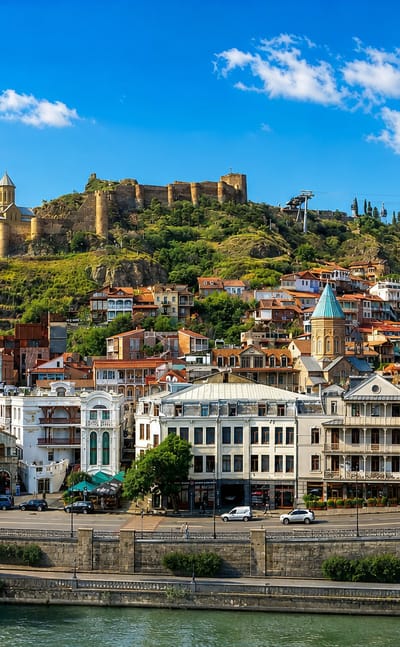
Old Tbilisi
Old Tbilisi is the historic heart of Tbilisi, its oldest quarters along the Kura River below Narikala. The Metekhi church stands on the cliff.Where to stay →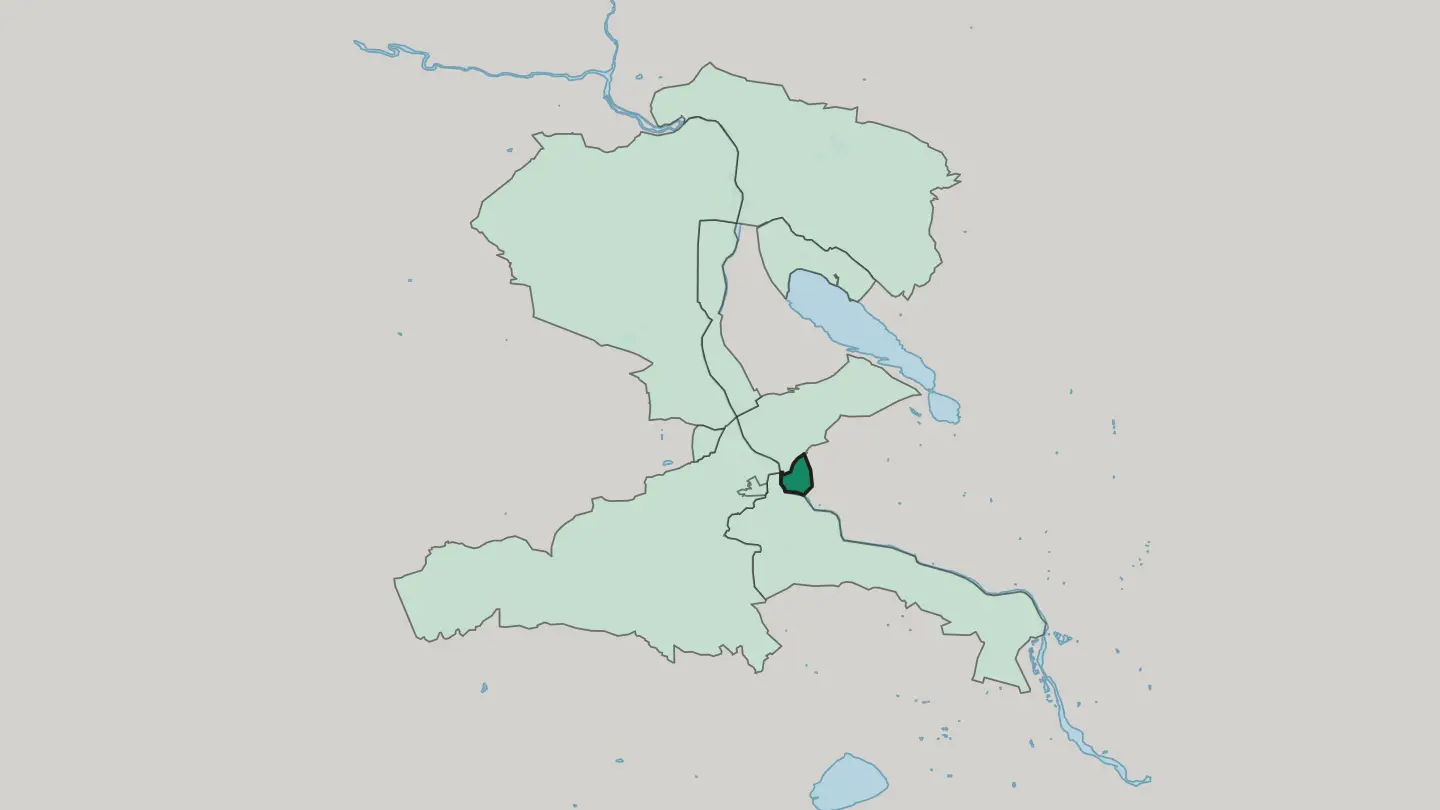
 TbilisiGeorgia
Krtsanisi
Krtsanisi sits on Tbilisi's southeast edge on the Mtkvari, named for the 1795 Battle of Krtsanisi. Narikala, Metekhi church, Wedding Palace lie upstream.Where to stay →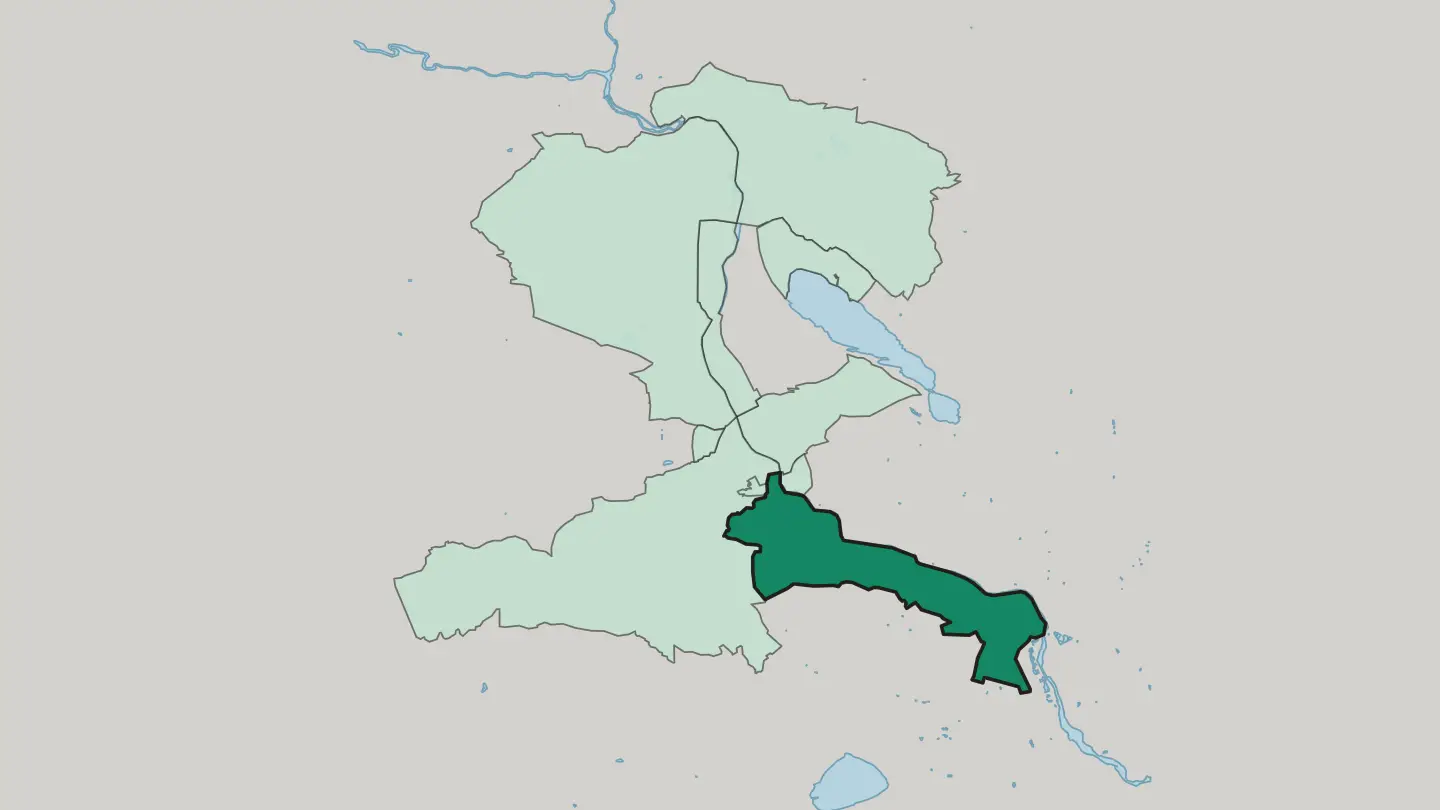 TbilisiGeorgia
Mukhiani
Mukhiani is a north Tbilisi district above the Tbilisi Sea, blocks along the roads to Gldani and Avchala. The Chronicle of Georgia and Shatili Arena stand.Where to stay → TbilisiGeorgia
Varketili
Varketili is a large residential district on the eastern side of Tbilisi, Soviet-era blocks laid out as planned estates. The metro terminates here.Where to stay → TbilisiGeorgia
Gldani District
Gldani is a district on the northern edge of Tbilisi, one of the city's largest residential quarters. Avchala Stadium is named for Avchala nearby.Where to stay → TbilisiGeorgia
Nadzaladevi
Nadzaladevi is one of the administrative raioni of Tbilisi, a large residential quarter outside the historic core. Its origins reach back to 1872.Where to stay →Hotel links are affiliate links: booking through them may earn us a commission, at no extra cost to you. It never affects how places are ranked. How this works
Find hotels in Tbilisi
Direct booking searches for these neighbourhoods.
Old Town (Kala)
The core of old Tbilisi under the fortress hill, where the domed sulphur bathhouses and stepped lanes gather beside the Mtkvari and the Metekhi church.Find hotels in Old Town (Kala)a base across the river from the old townLeft bank (Avlabari)
The eastern bank of the Mtkvari around the Metekhi church and the Alexander Nevsky Cathedral, facing the old town across the water.Find hotels in Left bank (Avlabari)Hotel links are affiliate links: booking through them may earn us a commission, at no extra cost to you. It never affects how places are ranked. How this works
Things to do in Tbilisi
Ranked by global recognition; descriptions from Wikidata (CC0).
Museums & Galleries
3- National Gallery of Georgia Heritage
- Georgian National Museum
- Art Museum of Georgia
Churches & Religious Sites
5- Metekhi church Heritage
- Kashveti Church Heritage
- Lurji Monastery Heritage
- Norashen Holy Mother of God Armenian Church Heritage
- Church of John the Apostle Heritage
Castles & Historic Sites
3- Narikala Heritage
- Chronicle of Georgia
- Vakhtang Gorgasali's statue, Tbilisi
Stadiums & Sports
3- Nona Gaprindashvili Chess Palace Heritage
- Tbilisi Sports Palace
- Avchala Stadium
worth knowingacross 4 categories in Tbilisi
About Tbilisi
What is Tbilisi known for?
Tbilisi is best known for the sulphur baths that gave the city its name, set in a domed quarter beneath the fortress hill on the Mtkvari River. Balconied houses lean over the lanes of the old town, threaded with churches, a mosque, and a synagogue that mark its long mix of peoples. The Metekhi church stands on a cliff above the river bend, watched by the mounted statue of the founder Vakhtang Gorgasali.
Museums gather the country's past. The Georgian National Museum holds the Simon Janashia collection, and the gold-domed Alexander Nevsky Cathedral rises across the water.
What are the main landmarks in Tbilisi?
Tbilisi's landmarks cluster along the Mtkvari and the slopes above it. The Metekhi church crowns a cliff over the river bend, and beside it rides the statue of Vakhtang Gorgasali, the king remembered as the city's founder. Down the water stands the gold-domed Alexander Nevsky Cathedral, while the older Norashen Holy Mother of God Armenian Church and the Kashveti Church mark the mix of faiths in the streets.
Manuscripts and art fill the museums. The Georgian National Centre of Manuscripts guards early Georgian writing, and the National Gallery of Georgia hangs the country's painters.
What is the history of Tbilisi?
Tbilisi was founded by Vakhtang I of Iberia in the fifth century, on the warm springs that later named it. Legend ties the choice to a hunt whose wounded quarry healed in the hot water, and the king moved his seat down to the Mtkvari to build the new town. It rose at a natural crossing between the empires that ringed the Caucasus, and that position made it both a prize and a target.
Persian, Arab, Mongol, and Ottoman armies each took their turn. The city was sacked and rebuilt many times over, its layers left along the river banks. Between 1801 and 1917 Tbilisi lay within the Russian Empire, serving as the seat of the Caucasus Viceroyalty that governed the lands on both sides of the mountains.
Grand avenues and stone facades from that century still frame the newer town above the old quarter. War and empire passed on. Tbilisi became the capital of an independent Georgia, holding the government and the largest share of the country's people.
The Metekhi church and the fortress hill survived it all, still anchoring the bend of the Mtkvari where the first town stood.
Where is Tbilisi?
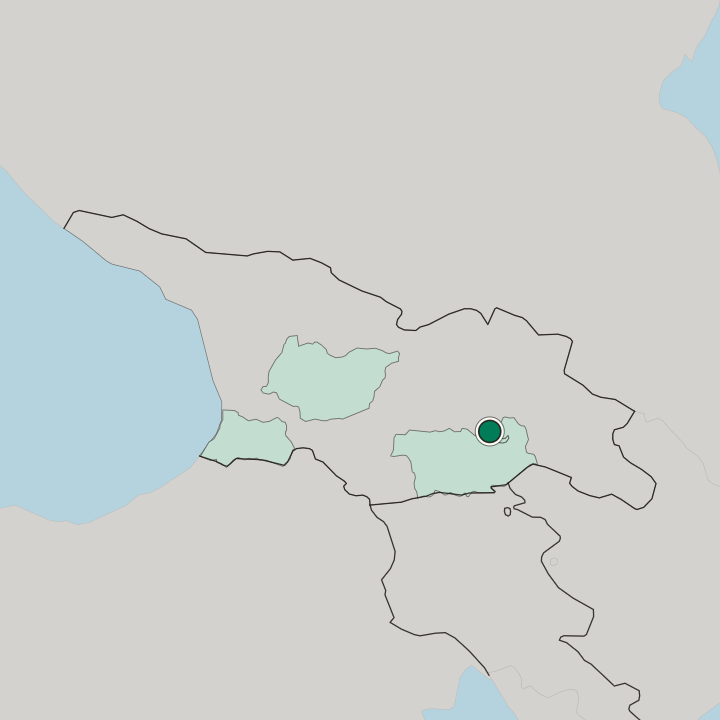
Tbilisi sits in the valley of the Mtkvari River in eastern Georgia, where the water narrows between hills below the Greater Caucasus. The river splits the city into two banks, the old town rising on the western cliffs and the left bank spreading around the Metekhi church across the bend. Hills close in tight.
Wooded ridges wall the valley, and the fortress hill lifts steeply over the sulphur baths. Beyond the built-up floor the land climbs quickly toward the mountains.
What is the climate of Tbilisi?
Tbilisi has a moderate inland climate shaped by its sheltered valley. The Greater Caucasus to the north blocks the coldest air, so winters stay mild along the Mtkvari, with only occasional snow on the valley floor. Tbilisi summers run hot and parched.
The basin traps the heat through long, bright afternoons under a strong sun. Rain falls mainly in spring and autumn, greening the ridges above the old town.
How do you get to Tbilisi?
Tbilisi is the main entry point for Georgia. Its international airport lies east of the centre and handles most of the country's air traffic, linking the capital across the region and the wider Caucasus. Trains run from here.
Rail lines head west toward the Black Sea coast and south into the highlands, while the old road between the sea and the Caspian still follows the Mtkvari through the city. Highways climb north over the mountains toward the rest of the country.
Common questions
What is the best area to stay in Tbilisi?
Old Town (Kala): the sulphur baths and the fortress lanes. Sololaki: grand nineteenth-century facades near the centre. Left bank (Avlabari): a base across the river from the old town. Vera: leafy streets near the museums.
Good for
Updated October 2026