Greece · Central Macedonia · Thessaloníki
Upper Town, Thessaloníki — Area Guide & Where to Stay
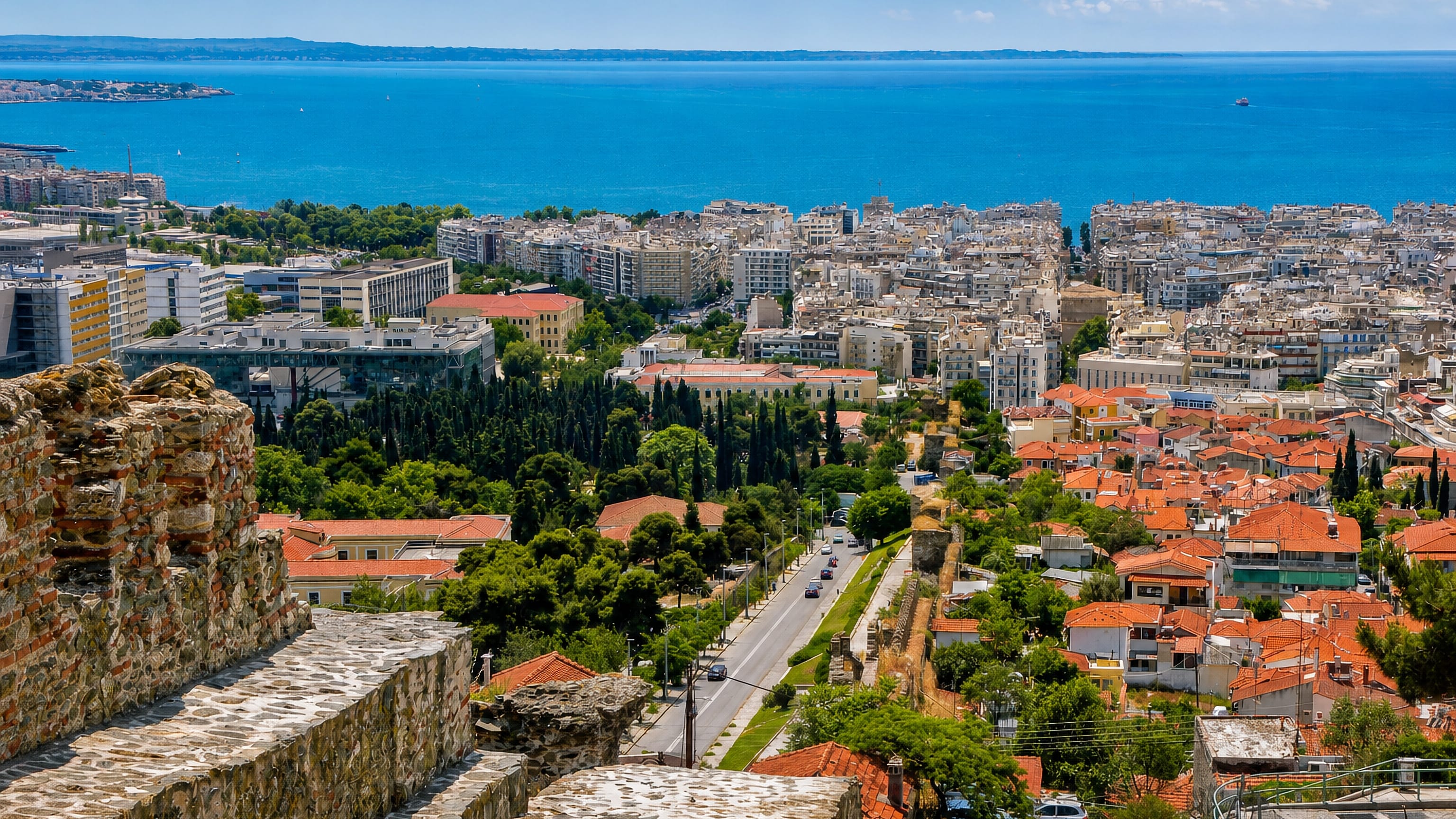
Ano Poli is the old upper town of Thessaloníki, climbing to the acropolis inside the Byzantine walls. The Trigonion Tower overlooks the Thermaic Gulf.
Hotel links are affiliate links: booking through them may earn us a commission, at no extra cost to you. It never affects how places are ranked. How this works


Where to stay in Upper Town
The practical side of choosing where to sleep.
Staying in Ano Poli means quiet, long views, and a steep walk home. Ano Poli holds few beds. A handful of guesthouses and small hotels fill restored Ottoman houses along the lanes, nothing near the scale of the waterfront district below.
What the quarter gives you instead is the walled old town at the door, with the ramparts and the Trigonion Tower a short climb above and the Byzantine churches of Osios David and Agios Nikolaos Orfanos a few streets away. Travellers set on the seafront, the museums, or late-night bars do better to sleep in the lower centre and come up by day.
Things to do in and around Thessaloníki
Ranked by global recognition; descriptions from Wikidata (CC0).
Museums & Galleries
3- White Tower of Thessaloniki Heritage
- Museum for the Macedonian Struggle Heritage
- Archaeological Museum of Thessaloniki
Churches & Religious Sites
8- Church of Agios Dimitrios, Thessaloniki Heritage
- Hagia Sophia Heritage
- Rotunda Heritage
- Church of the Acheiropoietos Heritage
- Church of the Holy Twelve Apostles Heritage
Show 3 more →
- Church of Hosios David Heritage
- New Mosque Heritage
- Church of Saint Nicholas Orphanos Heritage
Castles & Historic Sites
1- Arch of Galerius and Rotunda Heritage
worth knowingacross 3 categories in and around Thessaloníki
About Upper Town
What are the main landmarks in Upper Town?
The walls themselves are the headline sight: a near-continuous circuit of Byzantine masonry that rings the quarter, climbing to the Heptapyrgion fortress at the summit and dropping to the Trigonion Tower at the eastern corner. Inside them stands a cluster of small Byzantine churches. Osios David keeps a rare early mosaic of Christ, while the Church of Saint Nicholas Orphanos holds some of the finest fourteenth-century wall paintings in the city.
Higher up sit the Church of Prophet Elijah and Vlatades Monastery, whose terrace gives the classic view down over the roofs to the gulf. The Church of Saint Catherine completes it.
What is the history of Upper Town?
The upper town grew up behind the walls that Theodosian and later Byzantine builders threw around the hill above Thessaloníki, with the acropolis and the Heptapyrgion holding the high ground. After the Ottoman conquest of 1430 it became the city's principal Muslim quarter, and the fortress at the summit, renamed Yedi Kule, served first as a garrison and later as a prison. Timber houses and small mosques filled the lanes, and several older Byzantine churches stayed in use.
The Great Fire of 1917 gutted the lower city but never reached this slope, which is why its Ottoman street plan and old houses still stand. That accident of survival sets it apart.
Where is Upper Town?
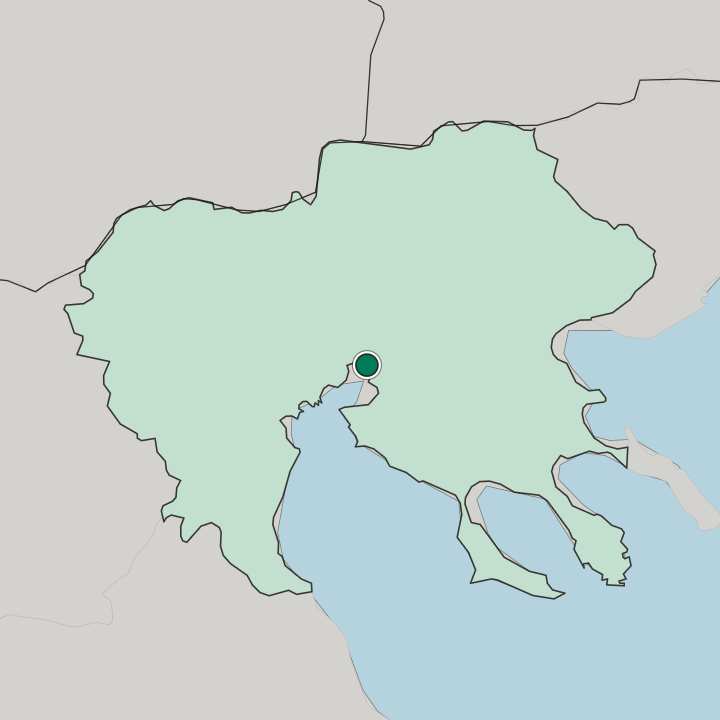
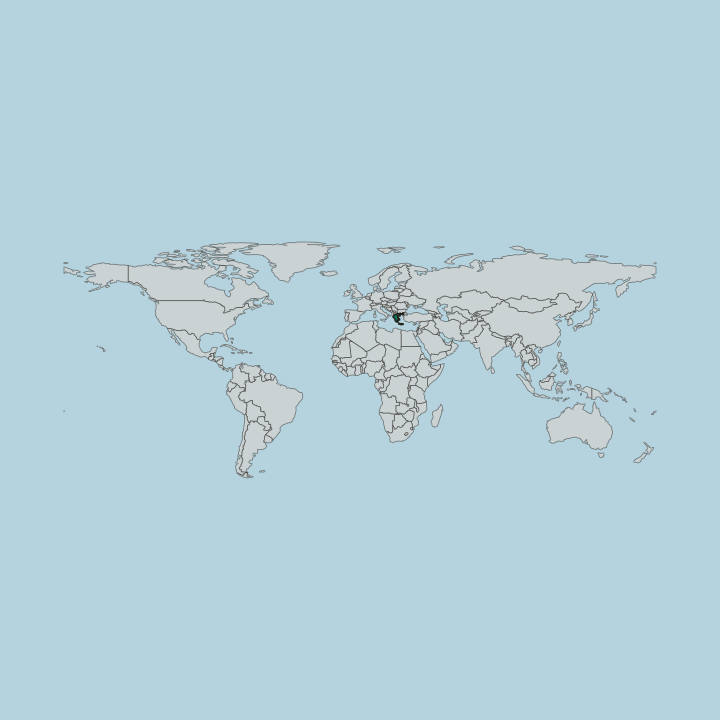
The quarter occupies the steep northern slope of the historic centre, held between the crown of Byzantine ramparts above and the denser lower town that spreads below it toward the sea. Above sit the acropolis and the Heptapyrgion fortress, the citadel the Ottomans called Yedi Kule. The Trigonion Tower guards the eastern angle.
Downhill the lanes spill onto Olympiados and Kassandrou, the streets that divide Ano Poli from the flat Roman-era centre.
Good for
More areas in Thessaloníki
Updated October 2026