Greece · Central Macedonia
Where to Stay in Thessaloníki, Central Macedonia
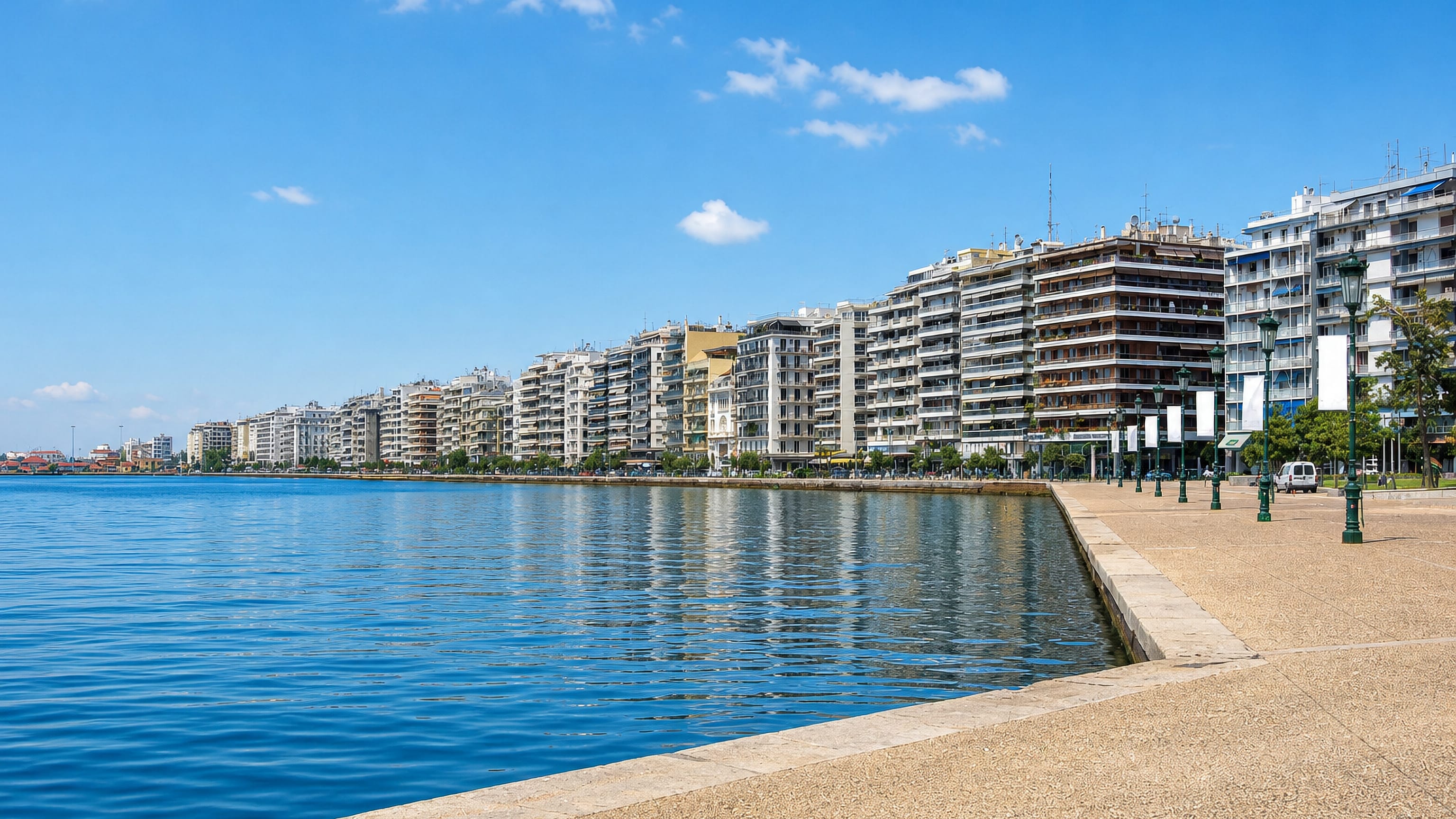
The White Tower of Thessaloniki holds the waterfront of Greece's second city, capital of Central Macedonia, known for its UNESCO Byzantine churches.
Hotel links are affiliate links: booking through them may earn us a commission, at no extra cost to you. It never affects how places are ranked. How this works


Where to stay in Thessaloníki
The right area depends on your trip — here's what each neighbourhood is best for.

 ThessaloníkiGreece
Ladadika
Ladadika is a compact port-side quarter of Thessaloníki by the harbour, its name the oil warehouses. It survived the great fire of 1917.Where to stay → ThessaloníkiGreece
Upper Town
Ano Poli is the old upper town of Thessaloníki, climbing to the acropolis inside the Byzantine walls. The Trigonion Tower overlooks the Thermaic Gulf.Where to stay →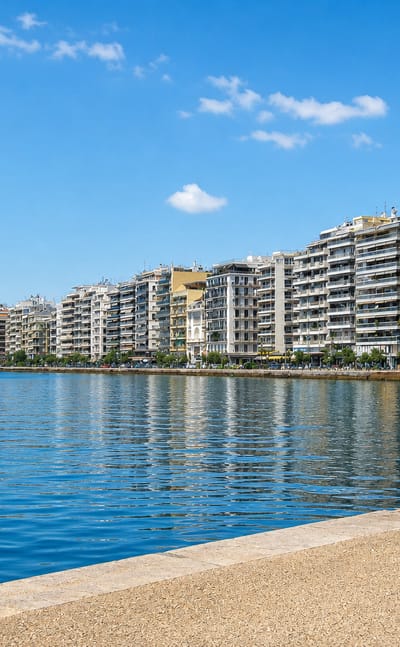 ThessaloníkiGreece
Saranta Ekklisies
Saranta Ekklisies is a residential hill district in northeast Thessaloníki, above the old Upper Town. The name means Forty Churches.Where to stay → ThessaloníkiGreece
Toumba
Toumba is a dense district on the eastern slopes of Thessaloníki, split into Ano Toumba above and Kato Toumba below. Toumba Stadium is PAOK's ground.Where to stay →ThessaloníkiGreeceCharilaou
Charilaou is a dense district of east Thessaloníki, named for the estate of Epameinondas Charilaos. Aris plays at the Kleanthis Vikelidis Stadium.Where to stay →Hotel links are affiliate links: booking through them may earn us a commission, at no extra cost to you. It never affects how places are ranked. How this works
Find hotels in Thessaloníki
Direct booking searches for these neighbourhoods.
Seafront promenade below the White Tower
The long waterfront walk beneath the White Tower of Thessaloniki puts the harbour and evening cafe terraces on the doorstep.Find hotels in Seafront promenade below the White Towervisitors who want the ruins and churches on footHistoric centre over the Roman Agora
Avenues laid over the Roman Agora of Thessaloniki reach the Church of Agios Dimitrios and the Arch of Galerius and Rotunda in minutes.Find hotels in Historic centre over the Roman Agoratravellers wanting quiet Ottoman lanes and views over the gulfAno Poli, the upper town
Small hotels among the surviving city walls above the centre look back down over the domes toward the bay.Find hotels in Ano Poli, the upper townHotel links are affiliate links: booking through them may earn us a commission, at no extra cost to you. It never affects how places are ranked. How this works
Things to do in Thessaloníki
Ranked by global recognition; descriptions from Wikidata (CC0).
Museums & Galleries
3- White Tower of Thessaloniki Heritage
- Museum for the Macedonian Struggle Heritage
- Archaeological Museum of Thessaloniki
Churches & Religious Sites
8- Church of Agios Dimitrios, Thessaloniki Heritage
- Hagia Sophia Heritage
- Rotunda Heritage
- Church of the Acheiropoietos Heritage
- Church of the Holy Twelve Apostles Heritage
Show 3 more →
- Church of Hosios David Heritage
- New Mosque Heritage
- Church of Saint Nicholas Orphanos Heritage
Castles & Historic Sites
2- Arch of Galerius and Rotunda Heritage
- Roman Agora of Thessaloniki Heritage
Stadiums & Sports
1- Alexandreio Melathron
worth knowingacross 4 categories in Thessaloníki
About Thessaloníki
What is Thessaloníki known for?
Thessaloníki is the second-largest city in Greece and the largest of Northern Greece, famous for a skyline of Byzantine domes crowned by the White Tower of Thessaloniki. Its Byzantine churches sit on the UNESCO world heritage list. Layers run deep here.
The Roman Arch of Galerius and Rotunda, the Church of Agios Dimitrios, and the Archaeological Museum of Thessaloniki draw visitors to a compact seafront core that reads Roman, Byzantine, and Ottoman at once.
What are the main landmarks in Thessaloníki?
The main landmarks in Thessaloníki span Roman, Byzantine, and Ottoman eras across a compact centre. The White Tower of Thessaloniki marks the seafront, while the Arch of Galerius and Rotunda and the Roman Agora of Thessaloniki hold the Roman layer inland. Byzantine faith left a UNESCO-listed set.
The Church of Agios Dimitrios, the Church of the Acheiropoietos, and the Church of Hosios David carry it, alongside the Archaeological Museum of Thessaloniki, the Museum of Byzantine Culture, and the Jewish Museum of Thessaloniki, which recall a city long shared by many communities.
What is the history of Thessaloníki?
The history of Thessaloníki reaches back three millennia of continuous settlement on the gulf. The city grew into a major Roman centre, and the Arch of Galerius and Rotunda still mark that imperial age at the heart of the old grid. Under the Byzantine Empire it rose to a rank few cities matched.
Known in Greek as the co-capital, it was counted the co-reigning city alongside Constantinople, and its Byzantine churches, from the Church of Agios Dimitrios to the Church of Hosios David, earned a place on the UNESCO world heritage list. Ottoman rule reshaped the city again over later centuries, leaving mosques and a plural social fabric. A large and long-dominant Jewish population made Thessaloníki one of the great Sephardic centres of the Mediterranean, a chapter now told in the Jewish Museum of Thessaloniki and the Holocaust Museum of Greece.
That braided past sits in plain view. Roman, Byzantine, and Ottoman monuments share the same few streets, and the Museum for the Macedonian Struggle records the city's more recent turns, so a short walk crosses many centuries at once.
Where is Thessaloníki?
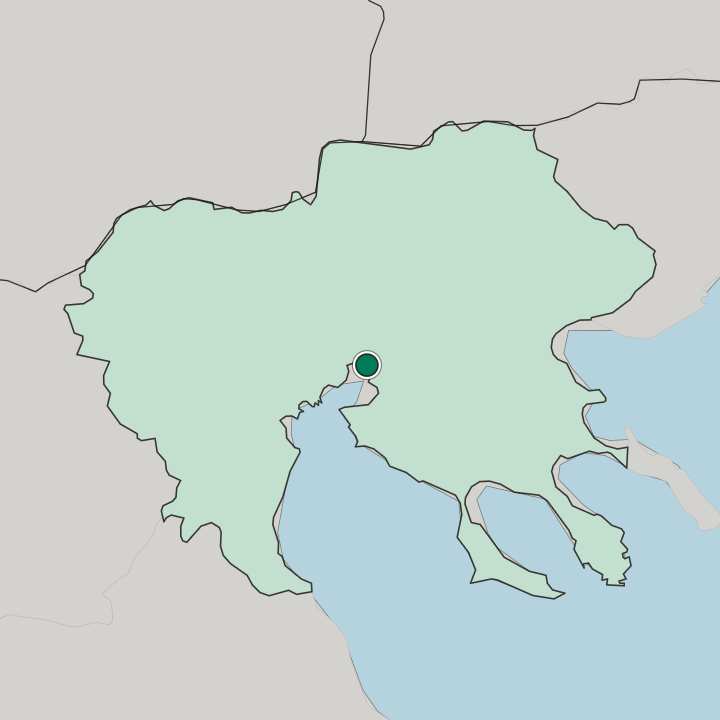
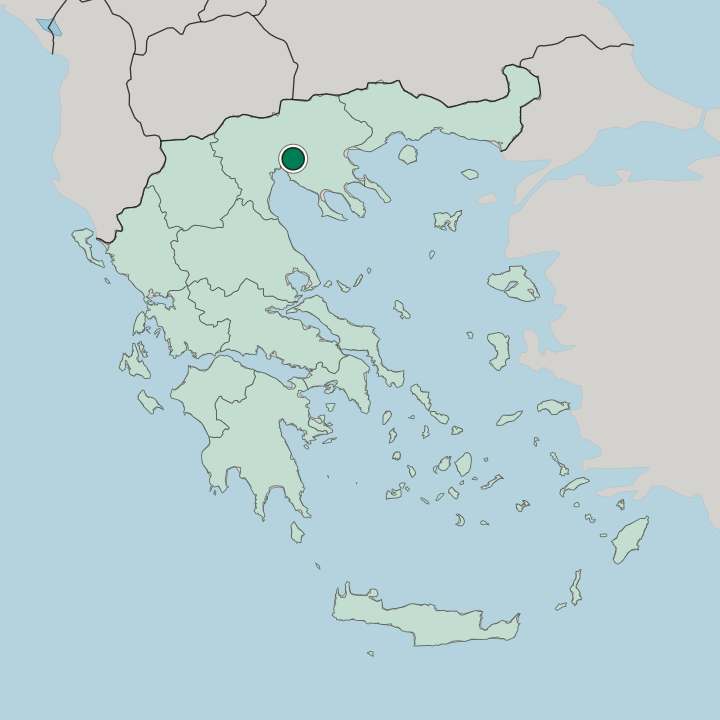
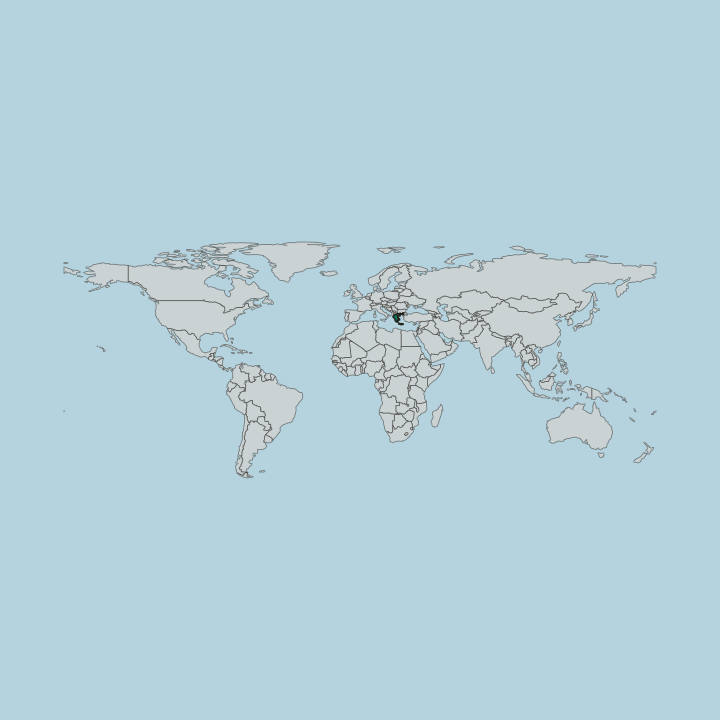
Thessaloníki lies at the head of its gulf in Northern Greece, the port and capital of Central Macedonia. The centre curves along the waterfront below the White Tower of Thessaloniki, then climbs inland to the walled upper town of Ano Poli, where the old fortifications crown the slope above the domes. The bay opens toward the Aegean.
Behind the city the plains of Macedonia stretch north, and this seafront setting has long made Thessaloníki the main harbour and hub of the whole region.
What is the climate of Thessaloníki?
Thessaloníki has a Mediterranean climate with a continental edge, set at the head of its gulf in Northern Greece. Summers run hot and mostly dry. Winters are cooler and wetter than on the southern islands, and cold spells can reach the city from the Macedonian plains inland, though snow on the seafront is uncommon.
Spring and autumn are long and gentle. Those milder months suit walking the waterfront and the churches most.
How do you get to Thessaloníki?
Thessaloníki is the transport hub of Northern Greece, reached easily by air, rail, and sea, and it draws travellers from across the country and well beyond. The airport sits southeast of the centre and connects the city widely across Greece and Europe, while trains run in from Athens and the north to the central station near the port. The harbour is central.
It lies right beside the historic core, and from the quays a short seafront walk reaches the White Tower of Thessaloniki and the Roman Agora of Thessaloniki.
Common questions
What is the best area to stay in Thessaloníki?
Seafront promenade below the White Tower: first-timers who want the bay and the tower at the door. Historic centre over the Roman Agora: visitors who want the ruins and churches on foot. Ano Poli, the upper town: travellers wanting quiet Ottoman lanes and views over the gulf.
Good for
More cities in Central Macedonia
Updated October 2026