Greece
Central Macedonia, Greece — Towns & Travel Guide
Central Macedonia is northern Greece's largest region, centred on Thessaloniki and the beaches of the Chalkidiki peninsula.
Hotel links are affiliate links: booking through them may earn us a commission, at no extra cost to you. It never affects how places are ranked. How this works


Towns & cities in Central Macedonia
Pick a town or city — each links to where to stay.
 Greece
Thessaloníki
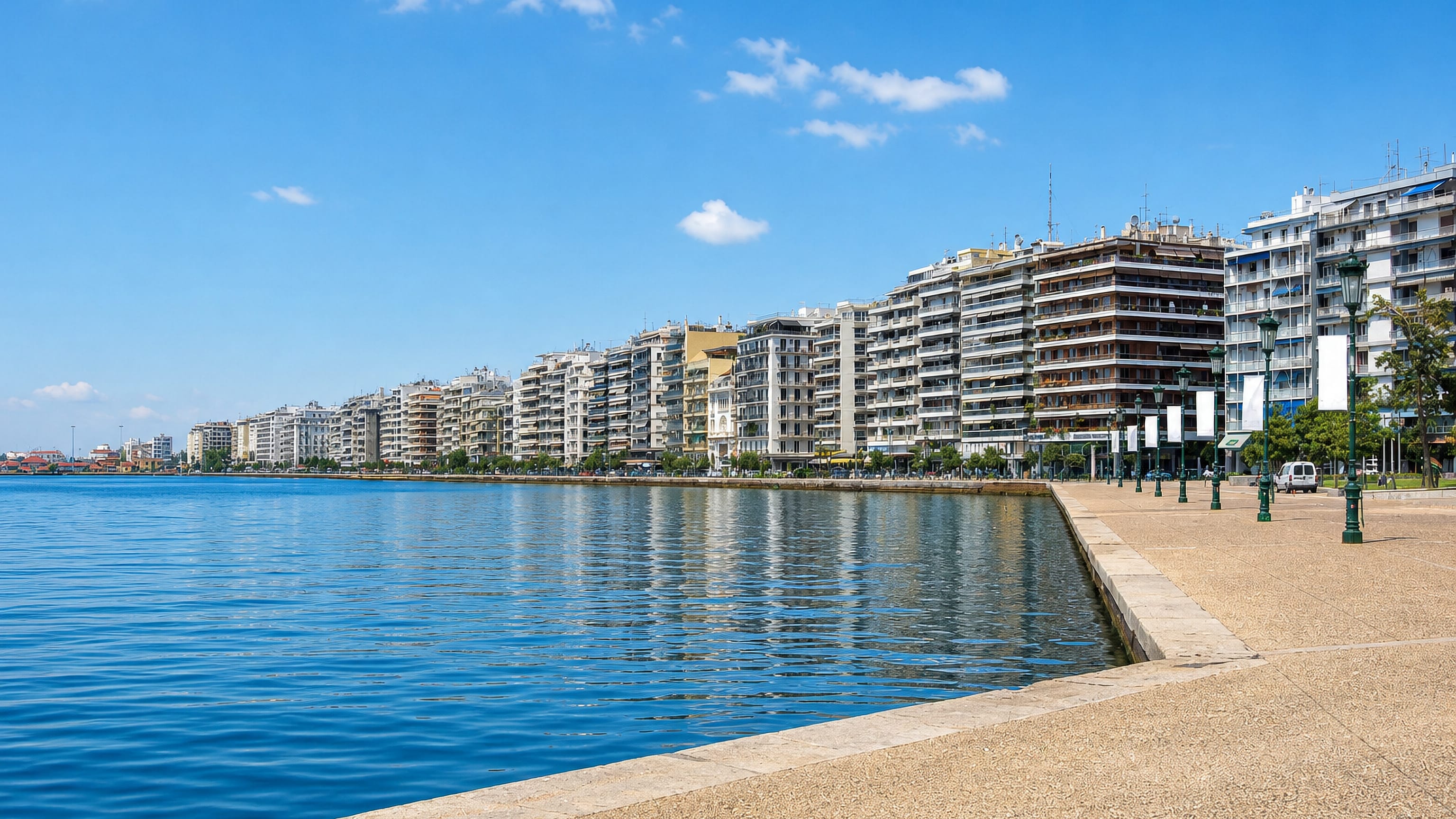
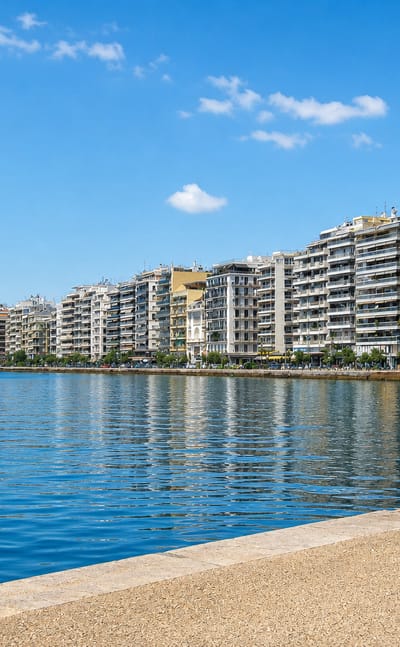
The White Tower of Thessaloniki holds the waterfront of Greece's second city, capital of Central Macedonia, known for its UNESCO Byzantine churches.Where to stay →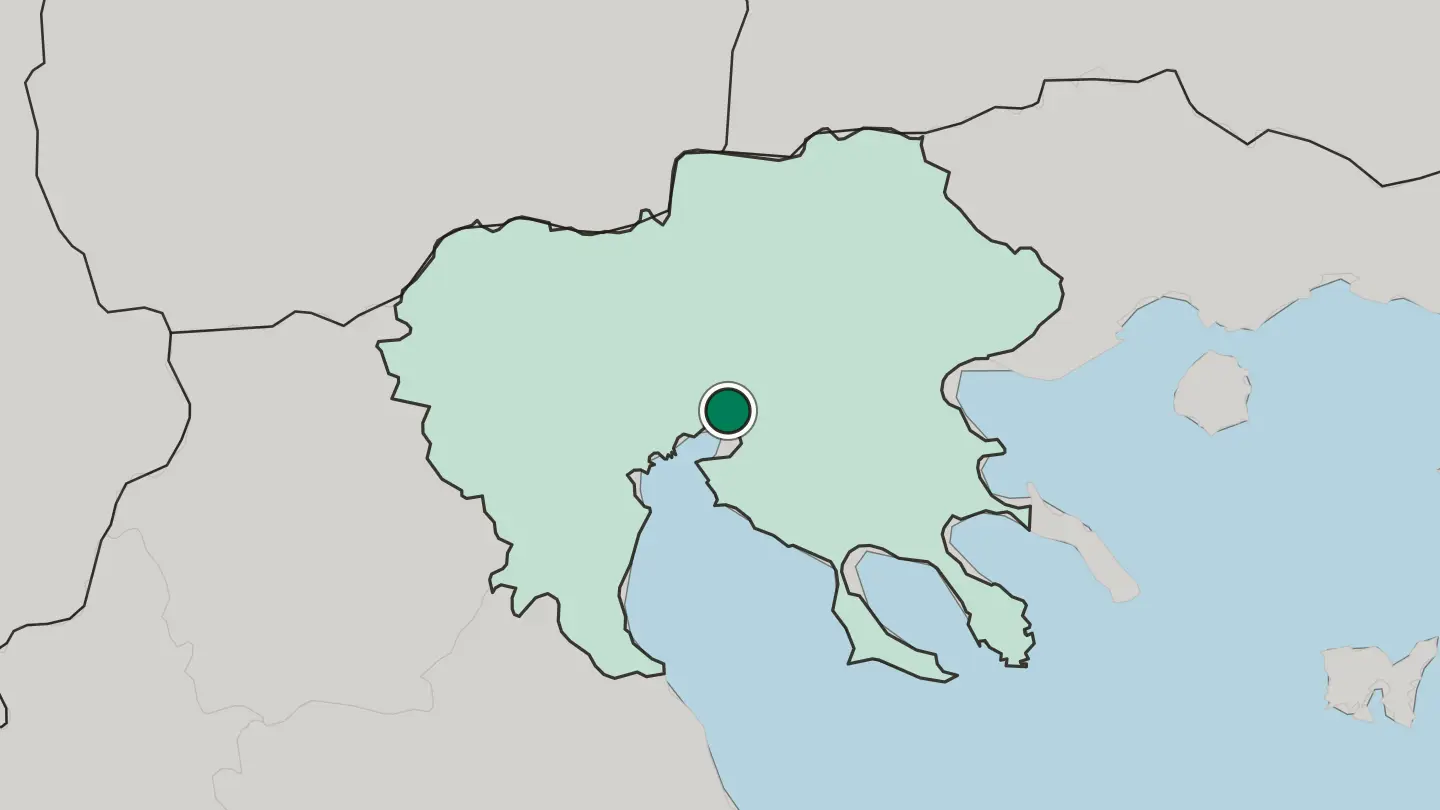
 Greece
Sérres
Sérres is a city of Greek Macedonia on its fertile plain, an old Byzantine town below a hilltop citadel near the Strymon river.Where to stay →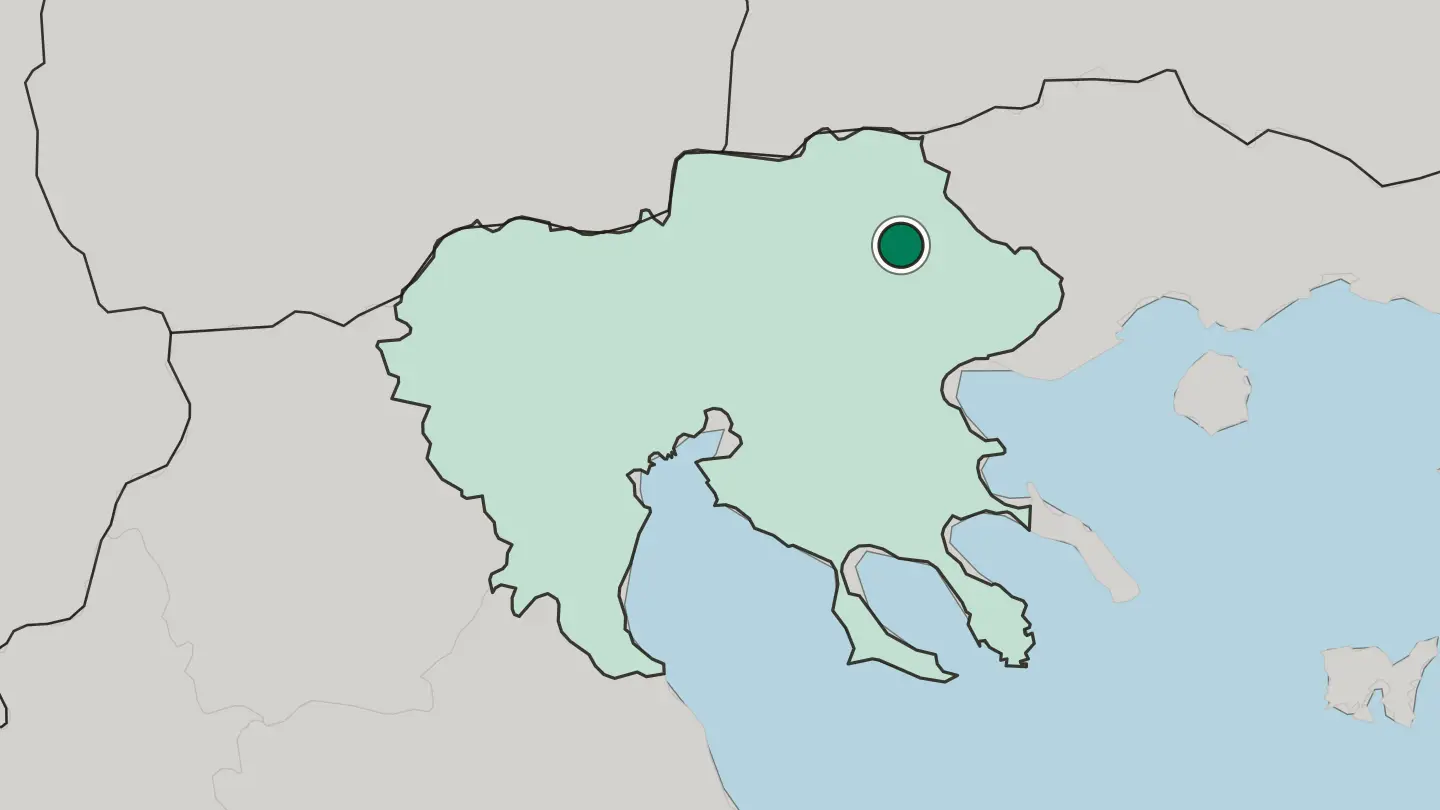
 Greece
Kateríni
Katerini is a town of Pieria in northern Greece, on a green plain between Mount Olympus and the Aegean, near the ancient sacred city of Dion.Where to stay →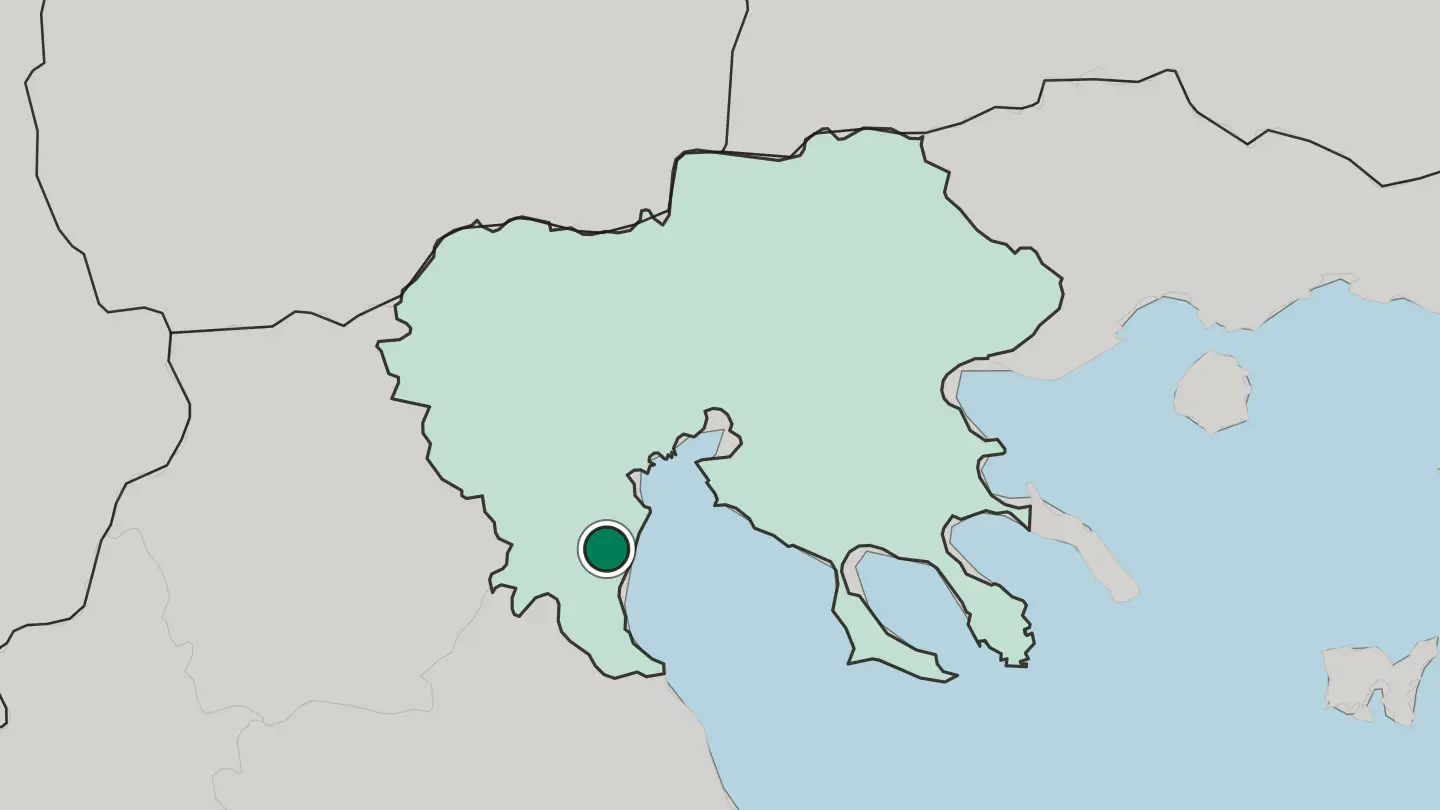
Hotel links are affiliate links: booking through them may earn us a commission, at no extra cost to you. It never affects how places are ranked. How this works
About Central Macedonia
Two things pull travellers here.
What is Central Macedonia known for?
Thessaloniki, the region's capital and the second city of Greece, anchors the north with its Byzantine churches, its Roman monuments and a seafront that runs the length of the bay. Below it, the three fingers of Chalkidiki reach into the Aegean Sea, ringed by beaches. Inland the ground climbs to Mount Olympus, highest peak in Greece and the mythic seat of the gods.
At Vergina, ancient Aigai, the royal tombs hold the grave of Philip II, father of Alexander the Great. Kings ruled from here.
Where is Central Macedonia?
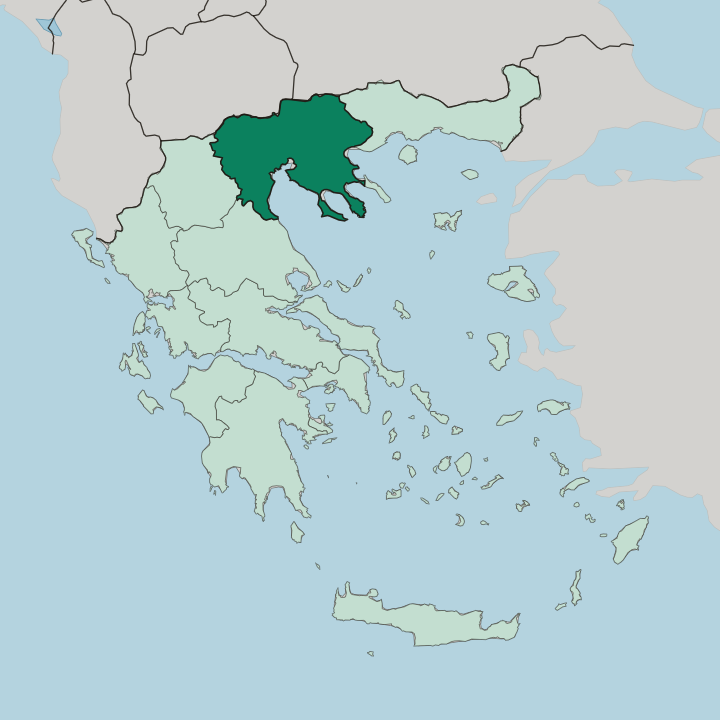
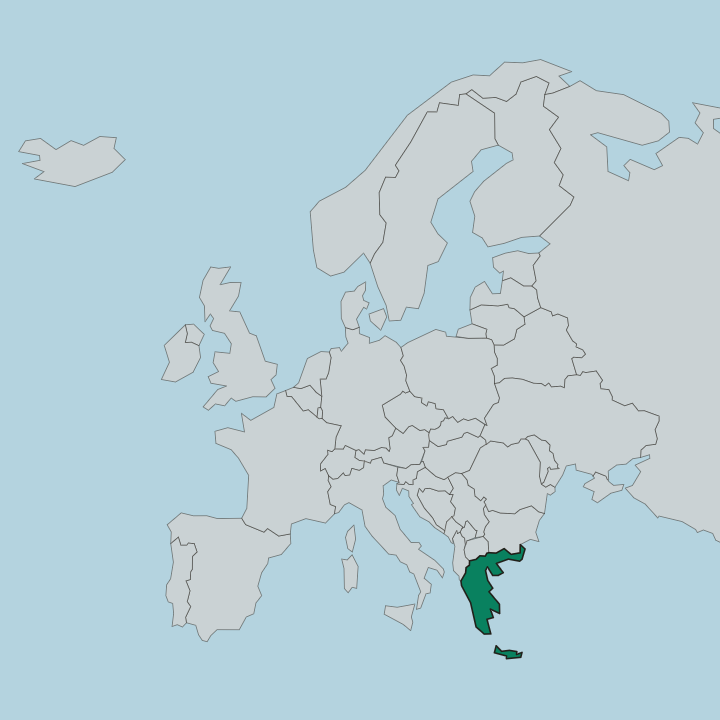
Central Macedonia fills the middle of the wider region of Macedonia, across the top of Greece. It is the second most populous region in the country after the capital area around Athens. To the north it meets the international borders with North Macedonia and Bulgaria, and its southern edge is all coast, cut by the Thermaic, Toroneos, Singitic and Strymonic gulfs.
The region gathers seven regional units around Thessaloniki: Chalkidiki, Imathia, Kilkis, Pella, Pieria and Serres. Water shapes the interior. The Axios, the Haliacmon, the Loudias and the Gallikos all drain toward the Thermaic Gulf, and where they reach the sea they build the wide wetland of the Axios delta, west of Thessaloniki.
The land is far from flat. Mount Olympus rises at the south-western corner above Litochoro, the tallest mountain in Greece, and the Voras, Vermio and Pierian ranges wall off the plains behind it. Off the south coast, the three Chalkidiki peninsulas point into the Aegean Sea like fingers of a hand.
The easternmost of them carries Mount Athos. Behind the beaches the ground is thick with pine.
What is Central Macedonia like?
This is old ground, and it wears its layers openly. The Macedonian kings ruled from here: from Aigai at Vergina, where Philip II was killed and Alexander the Great acclaimed king, and later from Pella, the birthplace of Alexander himself. Thessaloniki carries the story forward.
It was the Byzantine Empire's second city, and a ring of Paleochristian and Byzantine churches from that age is inscribed on the UNESCO list. Faith runs through the region still. Mount Athos, the self-governing monastic republic on the third peninsula of Chalkidiki, has drawn Orthodox pilgrims for more than a thousand years.
There is a Jewish chapter too. For centuries Thessaloniki held the largest Sephardic community in Europe, expelled from Spain and settled here, and the city was known as the mother of Israel until the community was destroyed in the Second World War. The everyday culture is warmer and simpler than any of that suggests.
Greek is the language. The table leans on the plains and the sea: bread and pies, grilled fish off the gulf, and wine from the vineyards of Naoussa and Goumenissa inland.
What is the history of Central Macedonia?
The story starts with the ancient kingdom of Macedon. Its first capital was Aigai, on the site of modern Vergina, where Philip II was assassinated in the theatre in 336 BC and his son Alexander the Great was proclaimed king. The court later moved north to Pella.
Thessaloniki was founded in 315 BC by Cassander and named for a half-sister of Alexander, and it went on to become the second city of the Byzantine Empire before falling to the Ottomans in 1430. Nearly five centuries of Ottoman rule ended when the city and its region joined the Greek state in 1912.
What is the climate of Central Macedonia?
The coast keeps a Mediterranean rhythm, with hot dry summers and cool, damp winters. Chalkidiki and the shore of the Thermaic Gulf get long swimming seasons, and the summer heat runs high before the odd afternoon thunderstorm breaks it. Inland the pattern hardens.
Away from the Aegean Sea the plains around Serres and Kilkis feel a sharper continental swing, colder and greyer through winter than the beaches ever do. Snow settles on Mount Olympus and the Vermio ridge above the vineyards.
How do you get to Central Macedonia?
Most visitors land at Thessaloniki. Its airport, named Makedonia and sitting at Thermi just outside the city, is the main gateway for the whole north of Greece and the natural doorway to Chalkidiki. Trains and the north-south motorway link Thessaloniki down to Athens and out to the borders with North Macedonia and Bulgaria.
From the city, the road along the Thermaic Gulf carries beachgoers onto the peninsulas, while the drive south-west climbs to Litochoro and the trailheads of Mount Olympus.
Good for
More regions in Greece
Updated September 2026