Greece · Peloponnese
Where to Stay in Kalamata, Peloponnese
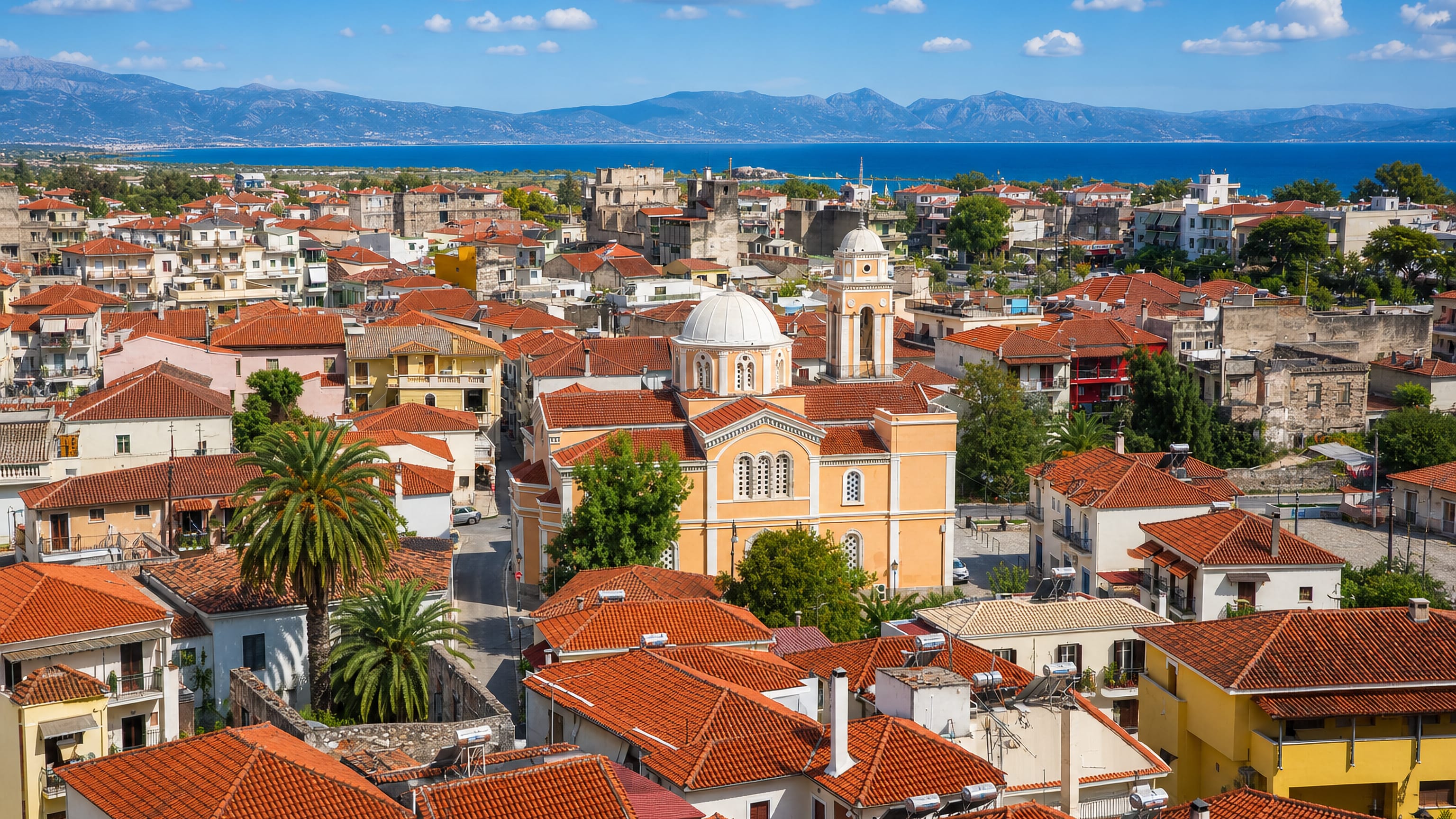
The Nedon runs down to the sea at Kalamata, a port city at the head of the Messenian Gulf in the southwestern Peloponnese and capital of Messenia.
Hotel links are affiliate links: booking through them may earn us a commission, at no extra cost to you. It never affects how places are ranked. How this works


Where to stay in Kalamata
How the choice of base plays out on the ground.
Kalamata splits between an old upper town and a long seafront, and where you stay sets the tone. Most first-time visitors base themselves in the historic centre, the streets below the Kalamata Castle where the Cathedral of Ypapanti and the old market gather around the banks of the Nedon River. The upper town holds the history.
From here the Archaeological Museum of Messenia and the lanes of the old quarter sit within an easy walk, and buses run down to the water in minutes. Rooms in the centre run from small family hotels to guesthouses in restored town houses. The seafront offers a different stay.
Along the shore of the Messenian Gulf a broad promenade lines the beach, backed by hotels facing the water and tavernas set out toward the gulf. This is the summer side of the city. Stay in the historic centre for the castle, the cathedral and the museums, or on the seafront for the beach and the long promenade beside the Messenian Gulf.
Find hotels in Kalamata
Direct booking searches for these neighbourhoods.
Historic centre
The streets below the Kalamata Castle around the Cathedral of Ypapanti and the banks of the Nedon River, a short walk from the Archaeological Museum of Messenia.Find hotels in Historic centrea beach base along the Kalamata shore of the Messenian GulfSeafront promenade
The long promenade lining the beach on the Messenian Gulf, backed by hotels facing the water and tavernas set out toward the gulf.Find hotels in Seafront promenadeHotel links are affiliate links: booking through them may earn us a commission, at no extra cost to you. It never affects how places are ranked. How this works
Things to do in Kalamata
Ranked by global recognition; descriptions from Wikidata (CC0).
Museums & Galleries
2- Archaeological Museum of Messenia
- Military Museum of Kalamata
Churches & Religious Sites
3- Cathedral of Ypapanti, Kalamata Heritage
- Velanidia monastery
- Prophet Joel monastery
Castles & Historic Sites
2- Kalamata Castle Heritage
- Akovitika Heritage
Stadiums & Sports
3- Bournias Indoor Gym
- Kalamata Indoor Gym
- Paralia Indoor Gym
Parks & Gardens
1- Kalamata Municipal Railway Park
worth knowingacross 5 categories in Kalamata
About Kalamata
What is Kalamata known for?
Kalamata is known as the main city and port of Messenia, at the head of the Messenian Gulf. It is the second city of the Peloponnese after Pátra, spread where the Nedon River reaches the sea. The gulf frames it all.
Above the old town the Kalamata Castle looks down over the streets, and the Cathedral of Ypapanti stands at the heart of the quarter tied to the town's role in the Greek War of Independence.
What are the main landmarks in Kalamata?
Kalamata gathers its landmarks in the old upper town below the castle. The Kalamata Castle crowns the ridge above the streets, and the Cathedral of Ypapanti anchors the historic quarter below it. Nearby the Archaeological Museum of Messenia holds finds from across the region.
The Kalamata Municipal Railway Park lines up old locomotives in a green strip, while the Velanidia monastery keeps watch on the slopes above the Nedon River as it runs down to the Messenian Gulf.
What is the history of Kalamata?
Kalamata grew as the chief town of Messenia, where the Nedon River reaches the head of the Messenian Gulf. A medieval castle rose on the ridge above the river crossing, and the Kalamata Castle still marks the old core of the town. It guarded the sea road.
Through the centuries the town changed hands with the tides of power over the southwestern Peloponnese, from Frankish and Venetian lords to Ottoman rule over the gulf. Its great moment came in the war for Greek independence. Kalamata was among the first towns to rise in the Greek War of Independence, a revolt proclaimed at the Cathedral of Ypapanti in the old quarter below the castle.
The finds gathered in the Archaeological Museum of Messenia trace the deeper past, from the ancient settlement to the medieval and modern town on the Nedon.
Where is Kalamata?
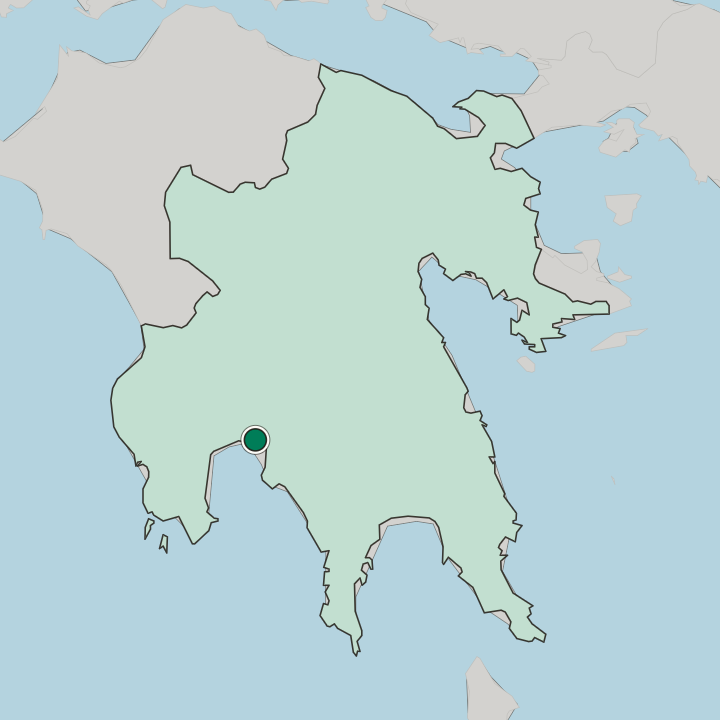
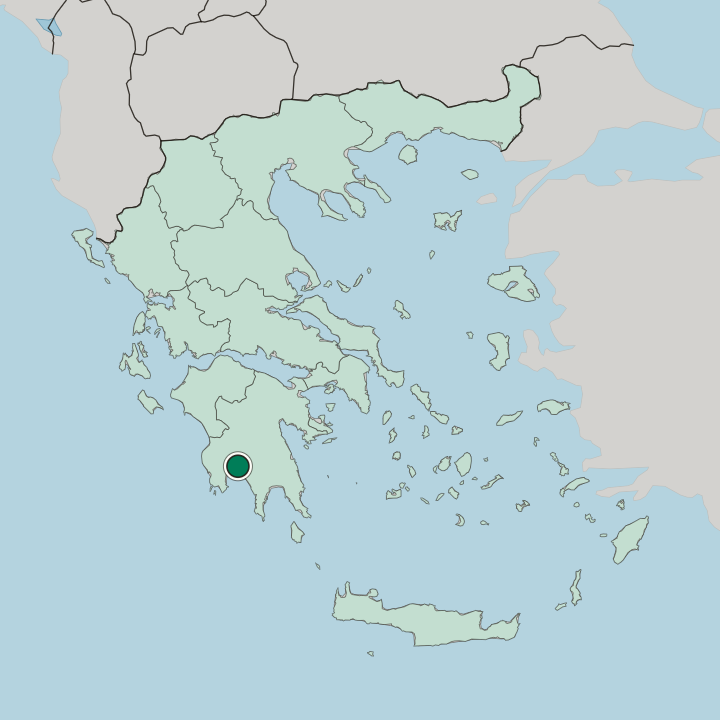
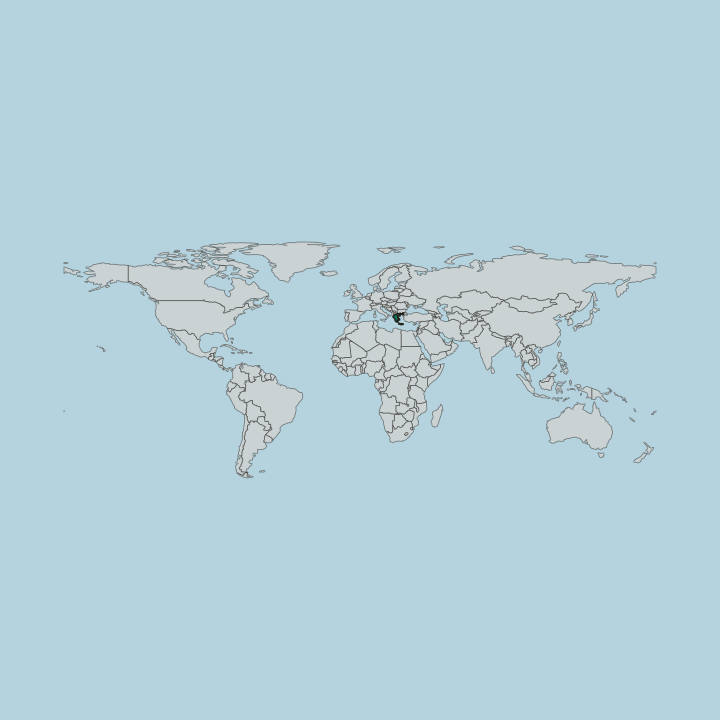
Kalamata lies in the southwestern Peloponnese, at the head of the Messenian Gulf. It is the capital and chief port of the Messenia regional unit, set where the Nedon River comes down off the mountains to reach the sea. The old town climbs the slope inland, while the modern city spreads across the plain to the long seafront.
Mountains rise close behind the coast.
What is the climate of Kalamata?
Kalamata has a hot, dry Mediterranean climate. Summers are long and rainless along the shore of the Messenian Gulf, while winters stay mild and bring most of the year's rain to the plain. The mountains behind the city catch the winter snow.
The gulf keeps the coast warm well into autumn.
How do you get to Kalamata?
Kalamata is the main way into the southwestern Peloponnese. Roads run in across the peninsula and up to Pátra, an airport on the plain serves the coast, and the port links the town by sea to the Messenian Gulf and the region of Messenia. The gulf carries the ferries.
From the harbour the city opens out along the shore below the mountains.
Common questions
What is the best area to stay in Kalamata?
Historic centre: a first stay below the Kalamata Castle near the cathedral and the river. Seafront promenade: a beach base along the Kalamata shore of the Messenian Gulf.
Good for
Updated September 2026