Greece
Peloponnese, Greece — Towns & Travel Guide
The Peloponnese is the southern peninsula of Greece, cut from the mainland by the Corinth Canal and dense with ancient ruins.
Hotel links are affiliate links: booking through them may earn us a commission, at no extra cost to you. It never affects how places are ranked. How this works


Towns & cities in Peloponnese
One town here has its own guide — it links to where to stay.
 Greece
Kalamata
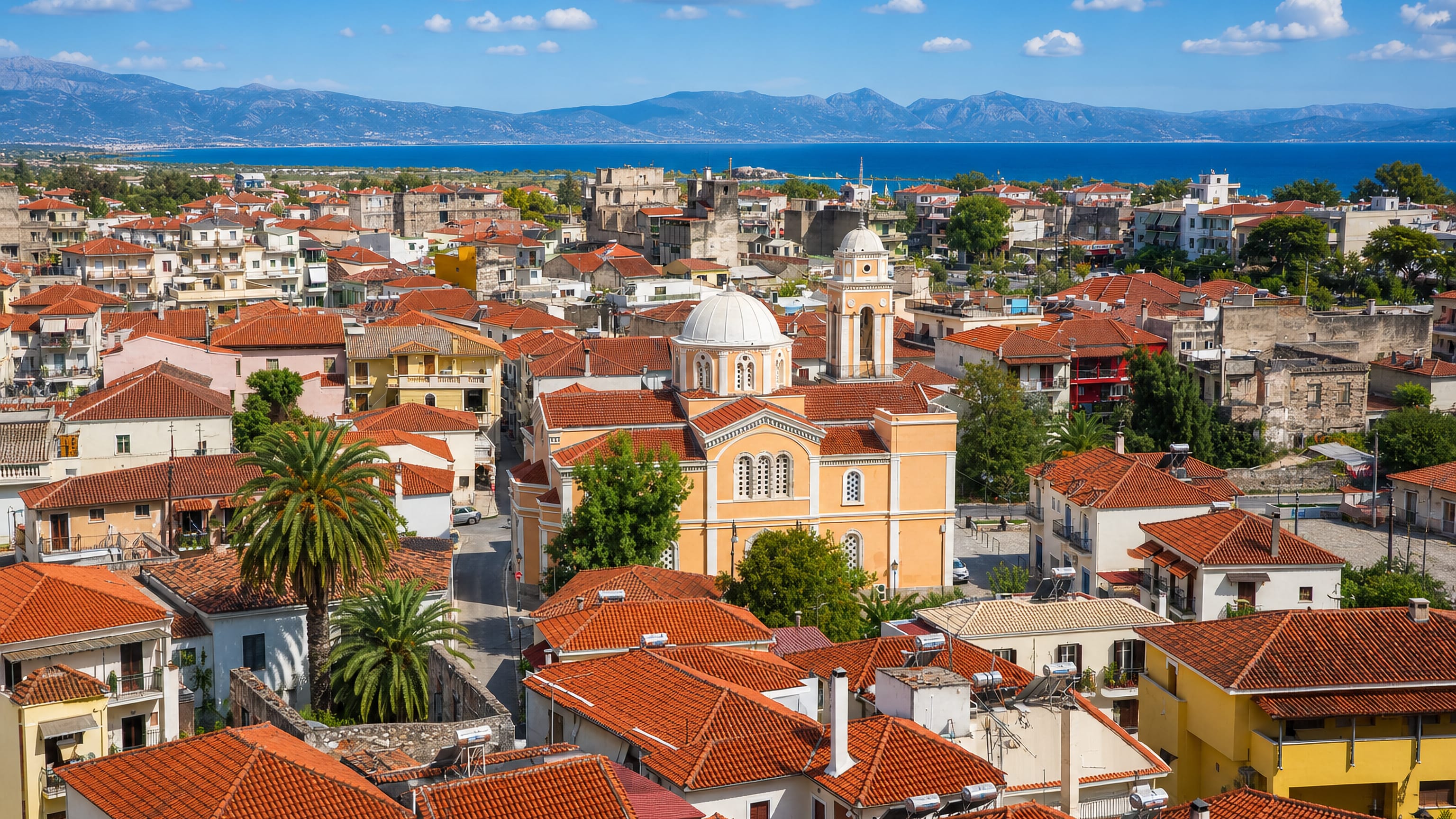
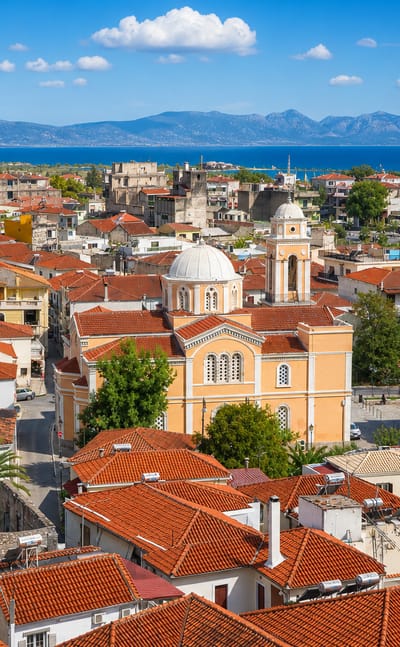
The Nedon runs down to the sea at Kalamata, a port city at the head of the Messenian Gulf in the southwestern Peloponnese and capital of Messenia.Where to stay →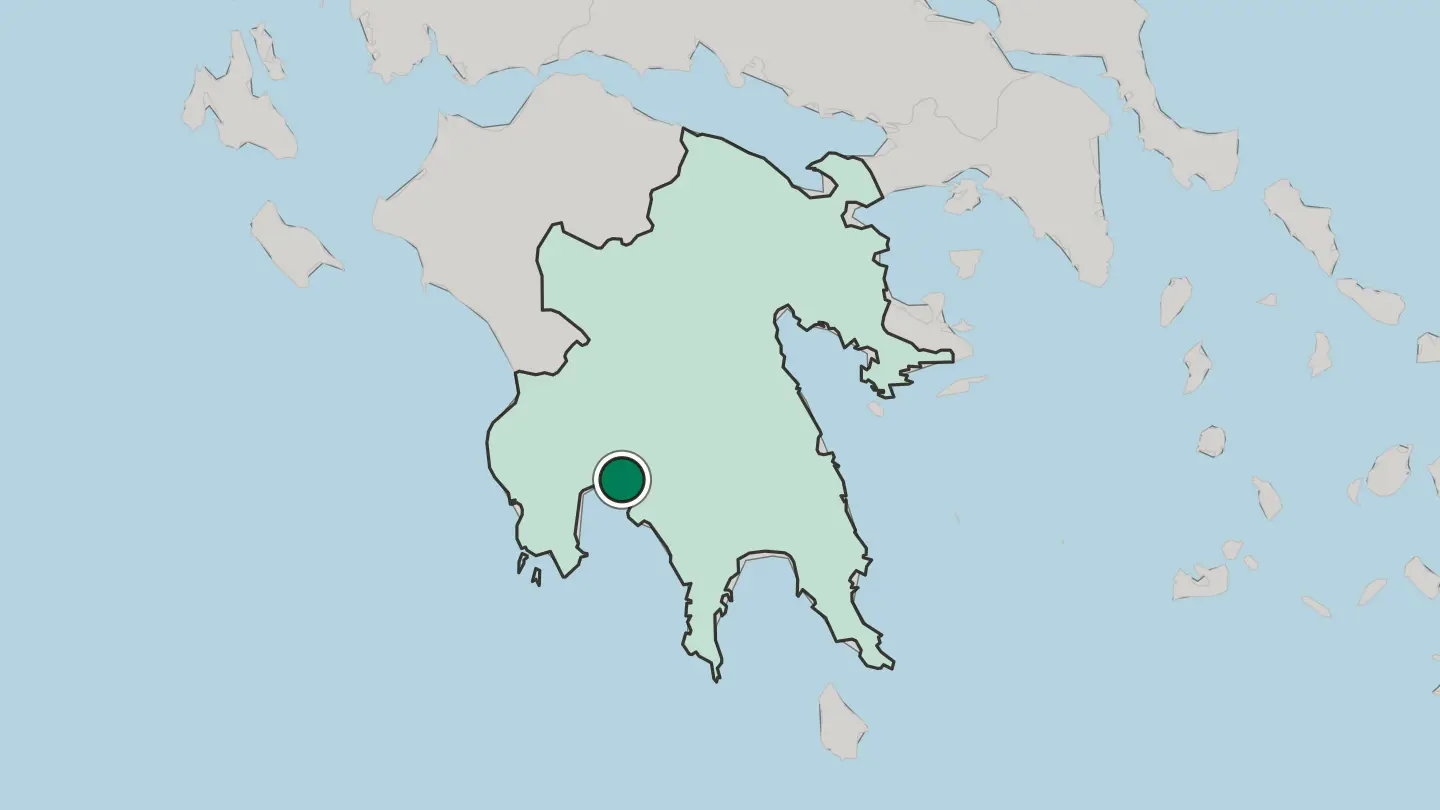
Hotel links are affiliate links: booking through them may earn us a commission, at no extra cost to you. It never affects how places are ranked. How this works
About Peloponnese
The Peloponnese is where much of ancient Greece happened.
What is Peloponnese known for?
Mycenae ruled the Bronze Age from its hilltop citadel in the north-east, and the first Olympic Games were held at Olympia in 776 BC. Sparta rose in the south. Later the Byzantine city of Mystras climbed a slope near it, and the Venetians walled the sea-rock of Monemvasia against the tide of empires.
Kalamata olives and the red wines of Nemea carry the region's name to tables far beyond it.
Where is Peloponnese?
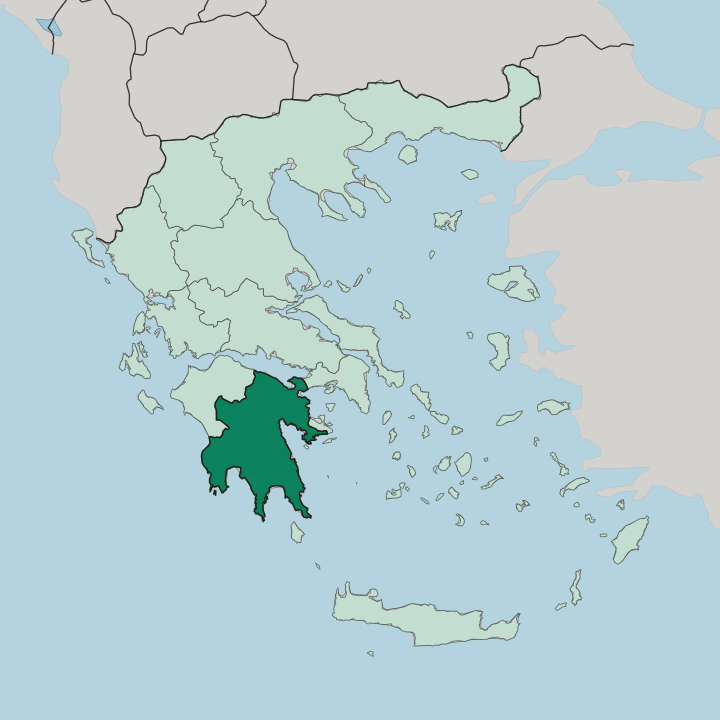
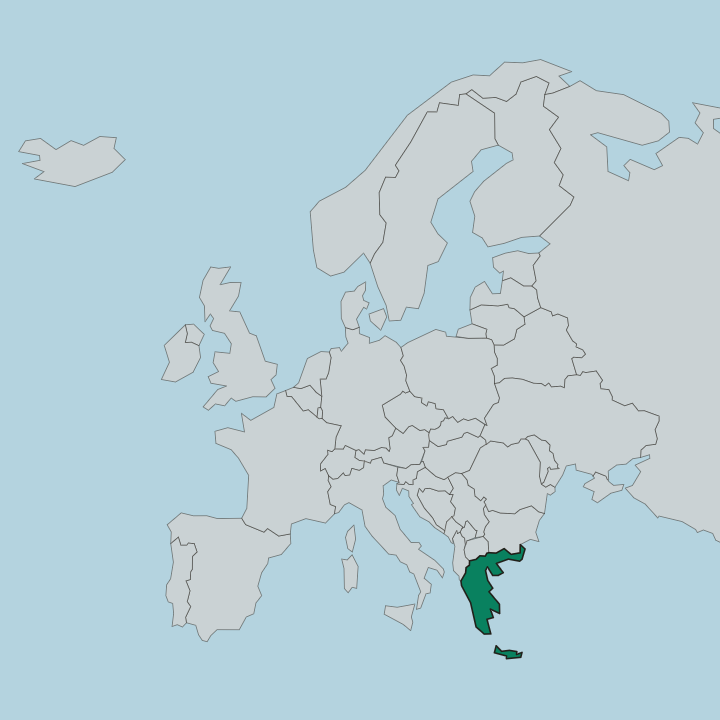
The Peloponnese hangs off the southern end of mainland Greece, the southernmost land of the Balkans. Once a true peninsula, it is now an island in all but name. The Isthmus of Corinth that joined it to the mainland was sliced through by the Corinth Canal, so two crossings now do the work of the old land bridge: the bridges over the canal in the north-east, and the long Rio-Antirrio cable bridge spanning the Gulf of Corinth in the north-west.
Mountains define the interior. Ranges radiate from the centre like the fingers of a hand, throwing down deep valleys and cutting the coast into separate plains. Taygetus rises highest of them, a wall of rock reaching 2,407 metres between Laconia and Messenia in the south.
Three capes reach into the sea. The middle one is the Mani Peninsula, the driest and most isolated of the three. Olive groves and citrus orchards fill the lowlands, pine climbs the slopes, and the sea is never far from any of it. Patras sits at the north-western corner where the ferries and the bridge meet.
What is Peloponnese like?
The Peloponnese wears its layers openly. Antiquity is the deepest of them, from the shaft graves of Mycenae to the running track at Olympia where the Games began, and it draws travellers who come to walk the actual stones rather than read about them. Byzantium left its own quarter.
Mystras is a whole abandoned city of churches and palaces spilling down a spur near ancient Sparta, painted chapels still standing under the ruined walls. The Venetians and Ottomans fought over the coasts for centuries, and their forts still guard the harbours. Table and land are tied tightly together here.
The Peloponnese presses roughly a third of all Greek olive oil, and the plump dark Kalamata olive takes its name from the southern city. Wine has its own map across the interior. Nemea grows the red Agiorgitiko grape, while the high plateau of Mantineia in Arcadia turns out crisp white Moschofilero.
The Mani keeps the most stubborn character of all. Its villages bristle with tall, narrow tower-houses raised by feuding clans, and its cooking of wild greens and smoked pork grew straight out of that hard, stony ground.
What is the history of Peloponnese?
Few places pack in as much past. Mycenae dominated Bronze Age Greece from its citadel, and Sparta and its rivals fought through the classical age that followed. Rome, then Byzantium, then the Franks and Venetians took their turns on the coasts.
Through the late Middle Ages the peninsula went by another name, the Morea, and Mystras served as the Byzantine capital of the Despotate of the Morea until it surrendered to the Ottomans in 1460. When Greeks rose against Ottoman rule in the 19th century, the fighting began here, and Nafplio became the first capital of the freed nation.
What is the climate of Peloponnese?
The Peloponnese runs to a hot-summer Mediterranean climate. Summers are long, dry and bright, and the southern coasts around Kalamata and the Mani bake hardest of all. Rain comes mostly in the cooler months.
Winter is mild along the shore, yet snow settles on the high ridges of Taygetus and the inland plateau of Arcadia, which stays cooler than the coast the year round. Spring is green and short.
How do you get to Peloponnese?
Most visitors arrive overland from Athens. The city's airport lies a couple of hours north-east, and the road crosses onto the peninsula over the Corinth Canal or by the Rio-Antirrio bridge. Kalamata has its own airport for the south.
Once across, a car is close to essential, since the mountains scatter the towns and the buses run thin between them. Patras adds ferries from Italy and the Ionian islands at the north-western corner.
Common questions
What is the best area to stay in Peloponnese?
Nafplio: a first visit and the eastern ruins. Kalamata: the southern coast and the airport. The Mani Peninsula: stone tower villages and wild coast. Monemvasia: a night inside the walls.
Good for
More regions in Greece
Updated September 2026