Indonesia · North Sumatra
Where to Stay in Tanjungbalai, North Sumatra
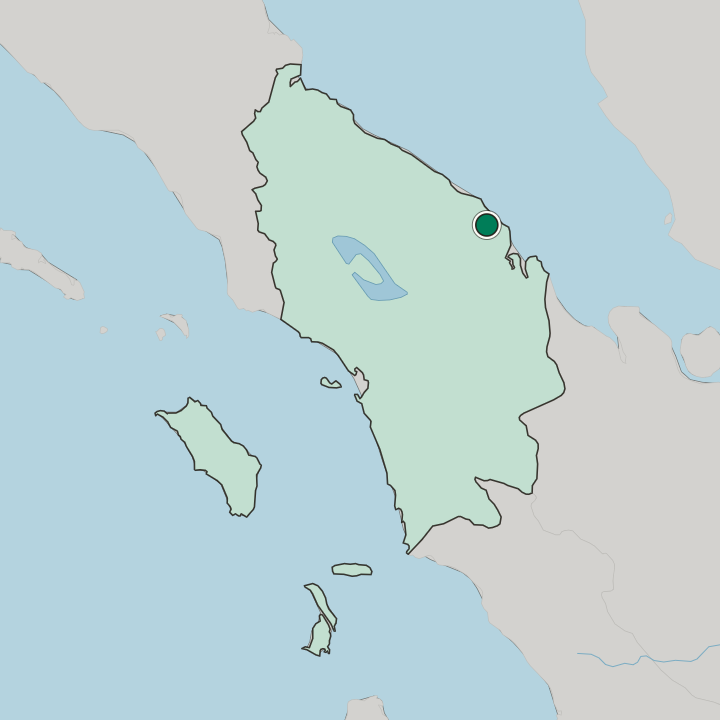
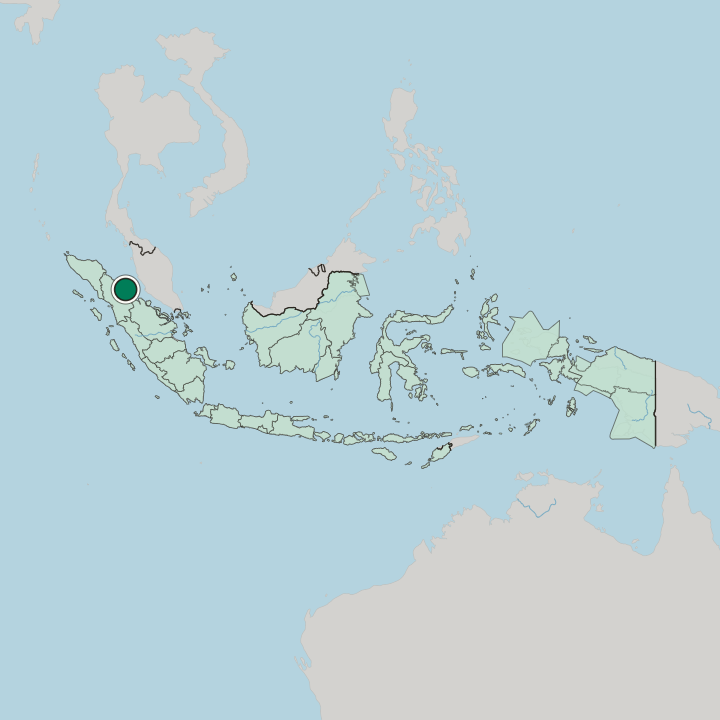
Tanjungbalai stands on the estuary of the Asahan River in North Sumatra, a port city with ferry links across to Malaysia and Singapore.
Hotel links are affiliate links: booking through them may earn us a commission, at no extra cost to you. It never affects how places are ranked. How this works


Where to stay in Tanjungbalai
How the choice of base plays out on the ground.
The terminal fixes the choice. Tanjungbalai sends ferries to Port Klang and Singapore, so a bed at that end of the city suits anyone whose day opens with a crossing rather than with the streets themselves. The river runs through the rest.
Blocks along the Asahan River carry the ordinary business of a North Sumatra city, and a room there sits nearer the markets than the sailings. Inland is the alternative. Tanjungbalai reaches back from the estuary onto ground away from the water, and those further streets trade any sight of the Asahan River for distance from the terminal and its comings and goings.
No part of Tanjungbalai sits far from another. Kota Kecil Tanjung Balai covers a modest area, so nothing inside it takes long to reach on foot or by a short ride out. Travellers crossing to Malaysia want the terminal side of town, while anyone here for the city itself does better back among the shops and the river frontage.
The name is also written Tanjung Balai. That second form is the one a traveller may meet on a ferry schedule, and it refers to the same place on the same estuary in Asahan.
Find hotels in Tanjungbalai
Direct booking searches for these neighbourhoods.
By the ferry terminal
The terminal is where Tanjungbalai's crossings to Malaysia and Singapore are handled, which makes the blocks beside it the practical choice for a departure.Find hotels in By the ferry terminalthe working river side of TanjungbalaiAsahan River frontage
Streets facing the Asahan River hold the markets and the everyday trade of the city, with the estuary widening in view of them.Find hotels in Asahan River frontagequiet away from the Asahan estuary trafficStreets back from the estuary
Kota Kecil Tanjung Balai reaches inland from the water, and those blocks give distance from the terminal while keeping the river a short walk off. Rooms are few around here — worth securing early.Find hotels in Streets back from the estuaryHotel links are affiliate links: booking through them may earn us a commission, at no extra cost to you. It never affects how places are ranked. How this works
About Tanjungbalai
Ferries leave from here.
What is Tanjungbalai known for?
The terminal at Tanjungbalai runs services out to Port Klang in Malaysia and on to Singapore, which gives a city of this size an unusual share of cross-border traffic for a place set on a river mouth. The Asahan River explains the rest. Kota Kecil Tanjung Balai takes its shape from the estuary, where the water widens and the ground left for building runs out.
What are the main landmarks in Tanjungbalai?
Empty on the register. The estuary of the Asahan River is the feature standing in for a landmark here, since Tanjungbalai's list carries no building, no museum and no monument that the record fixes to its streets. The ferry terminal is the exception.
It is the one structure the file names in Kota Kecil Tanjung Balai, and it earns the mention by tying the city to Port Klang and Singapore rather than by anything about the building itself.
What is the history of Tanjungbalai?
The record starts in 1620. Tanjungbalai's founding falls in the early seventeenth century on the estuary of the Asahan River, the kind of site a river trade would choose long before any road was pushed through to it. It started at the water's edge.
The Asahan River gave the settlement its reason for being where it is, and the estuary decided how far the buildings could spread. Two names survive. The city stands officially as Kota Kecil Tanjung Balai and colloquially as Tanjung Balai, a split that shows in how outside records spell the place, while the surrounding country carries the Asahan name as well.
Sea links came later. A ferry terminal ties the city to Port Klang in Malaysia and to Singapore, which gives Tanjungbalai a reach out of Indonesia from its own quay rather than through a larger port elsewhere in North Sumatra. Four centuries have passed since the founding.
What the register does not hold is one dated building to mark any of that, so the river, the two spellings and the crossings carry the history between them.
Where is Tanjungbalai?
Tanjungbalai occupies the mouth of the Asahan River, where the water widens towards the sea and the ground left for building narrows to what the banks allow. The air is tropical. Kota Kecil Tanjung Balai covers a modest area for a city holding kota standing in North Sumatra, and the estuary is why its streets follow the water instead of a grid pushed inland across Sumatra.
What is the climate of Tanjungbalai?
Warm water moves through it. The Asahan River carries humidity into Tanjungbalai, and the estuary holds the city in damp tropical air rather than draining it off towards the sea. Rain belongs to the river.
What falls across the Asahan catchment passes Tanjungbalai on its way out, which makes the estuary as much a weather feature here as a shipping one.
How do you get to Tanjungbalai?
The ferry terminal does the work. Services run from Tanjungbalai to Port Klang in Malaysia and on to Singapore, which makes the crossing rather than the road the reason many outside arrivals reach this corner of North Sumatra. Roads follow the river.
Anyone coming overland travels through Asahan to the estuary, since the city stands where the Asahan River meets the sea.
Common questions
What is the best area to stay in Tanjungbalai?
By the ferry terminal: early sailings to Port Klang and Singapore. Asahan River frontage: the working river side of Tanjungbalai. Streets back from the estuary: quiet away from the Asahan estuary traffic.
More cities in North Sumatra
Updated September 2026