Israel · Southern District
Where to Stay in Ashkelon, Southern District
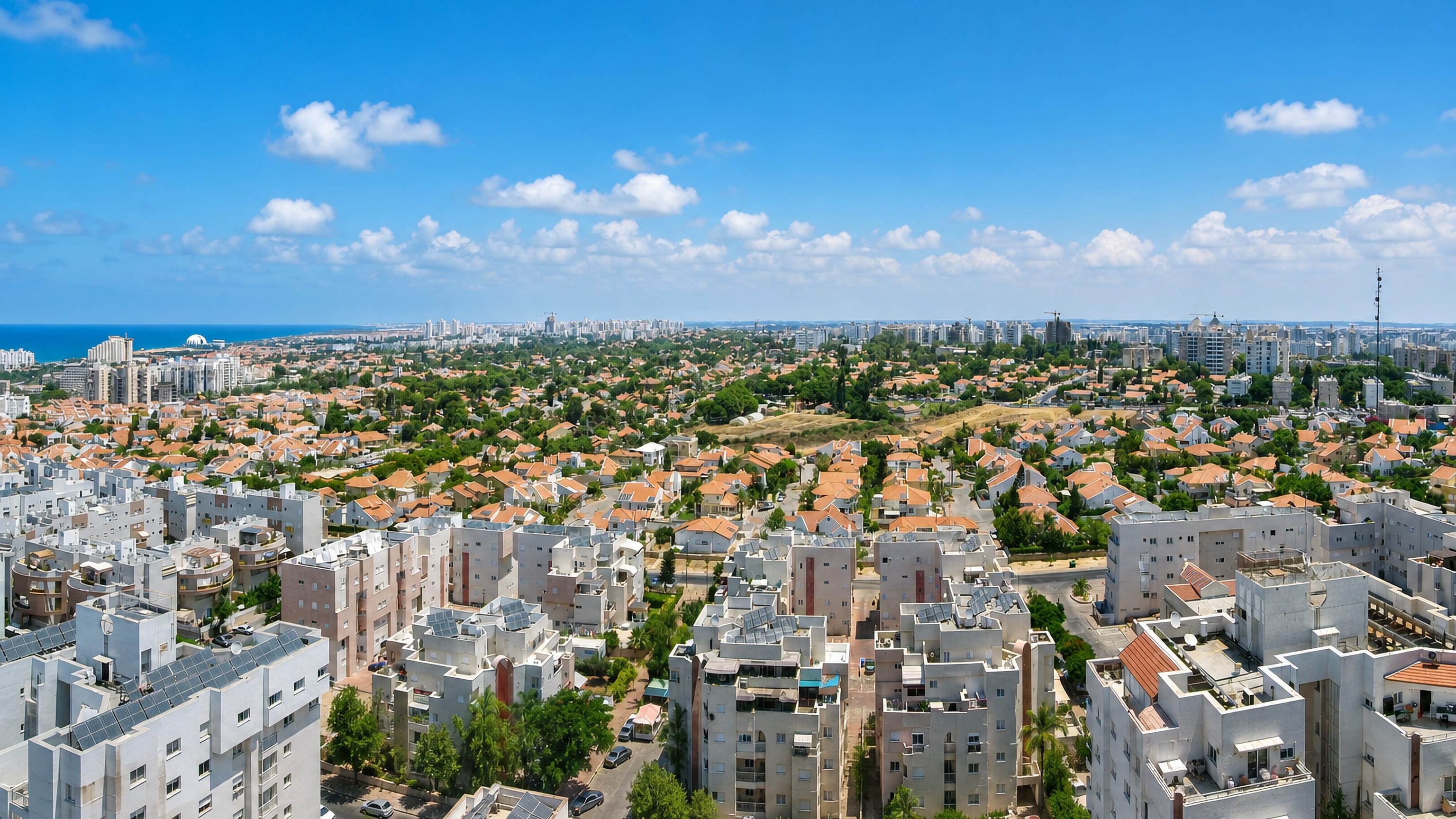
Low dunes meet the surf at Ashkelon, a coastal city on the Mediterranean coast of the Southern District, known for the ruins of ancient Ascalon.
Hotel links are affiliate links: booking through them may earn us a commission, at no extra cost to you. It never affects how places are ranked. How this works


Where to stay in Ashkelon
Where visitors usually base themselves, and why.
Where you stay in Ashkelon divides between the seafront and the town's inland grid. The coastal strip runs beside the Mediterranean coast and the dunes near the Ashkelon archaeological park, close to the beaches and the open water. It suits travellers who want the sea within a short walk and quiet evenings by the shore.
A little inland, the town centre is a plain grid of streets and squares built around everyday shops, closer to the Ashkelon Sports Arena and the bus links out toward Tel Aviv. These two halves trade quiet for convenience. Nearer the water the seafront is calmer and greener, with the archaeological park and the surf at the door.
By contrast the centre is busier and better connected to services and transport across the Southern District. Choose the coast for the beaches and the ruins of Ascalon, and the grid for shops and the road north, with the flat streets making the short hop between them easy on foot or by bus.
Find hotels in Ashkelon
Direct booking searches for these neighbourhoods.
Seafront
Dune-backed strip on the Mediterranean coast next to the ruins of ancient Ascalon, steps from the surf.Find hotels in SeafrontShops and links near the Ashkelon Sports ArenaTown centre
Flat inland grid around everyday squares, closest to the Ashkelon Sports Arena and the road toward Tel Aviv.Find hotels in Town centreHotel links are affiliate links: booking through them may earn us a commission, at no extra cost to you. It never affects how places are ranked. How this works
About Ashkelon
What is Ashkelon known for?
Ashkelon is best known for its long stretch of Mediterranean coast and the ruins of ancient Ascalon, one of the oldest seaports on this shore. The past sits close here. The Ashkelon archaeological park protects the remains of that early port on the southwestern edge of the modern city, where columns and walls stand among the dunes.
Sport and the sea round out its identity, with the Ashkelon Sports Arena inland and wide public beaches running the length of the coast.
What are the main landmarks in Ashkelon?
The main landmarks in Ashkelon centre on the Ashkelon archaeological park, which protects the ruins of the ancient seaport of Ascalon on the southwestern edge of the city. Columns, walls, and gates lie among the dunes there. The park meets the Mediterranean coast directly, so the ruins and the beach share the same low shoreline.
Away from the sea the Ashkelon Sports Arena serves the modern town, and the long public beaches themselves function as the city's most-used open space.
What is the history of Ashkelon?
Ashkelon carries one of the deepest pasts on the Mediterranean coast, layered over the ancient seaport of Ascalon. The old port was among the earliest on this shore. Its harbour traded across the eastern Mediterranean for many centuries, until the town of Ascalon was destroyed in 1270 and its remains were left on what became the southwestern edge of the later city.
Those remains survive inside the Ashkelon archaeological park. The modern city grew apart. First known as Migdal, it was founded in 1949 a short distance inland from ancient Ascalon, and it expanded across the flat coastal plain of the Southern District in the decades that followed.
The archaeological park was set aside to protect the older port. The result is two settlements sharing a name: a ruined seaport among the dunes, and a modern coastal city built beside it, both facing the same Mediterranean coast.
Where is Ashkelon?
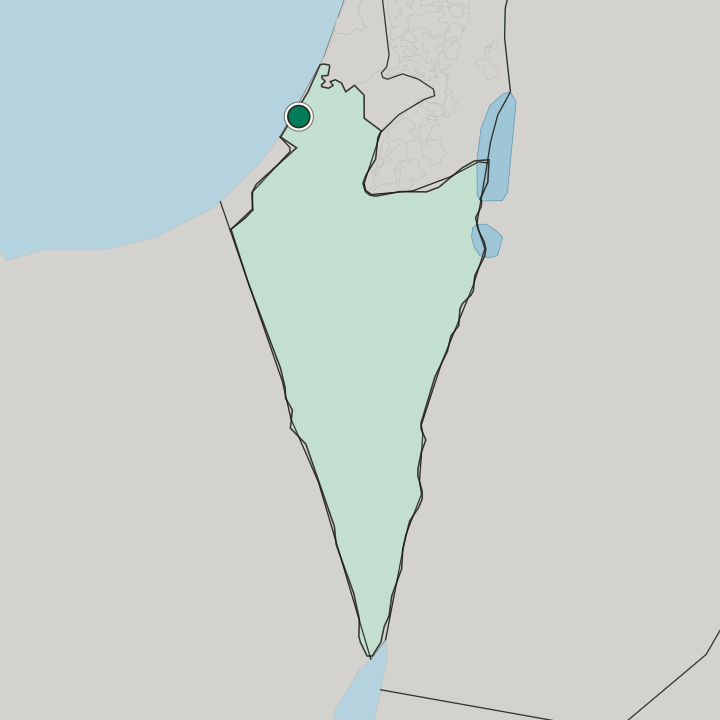
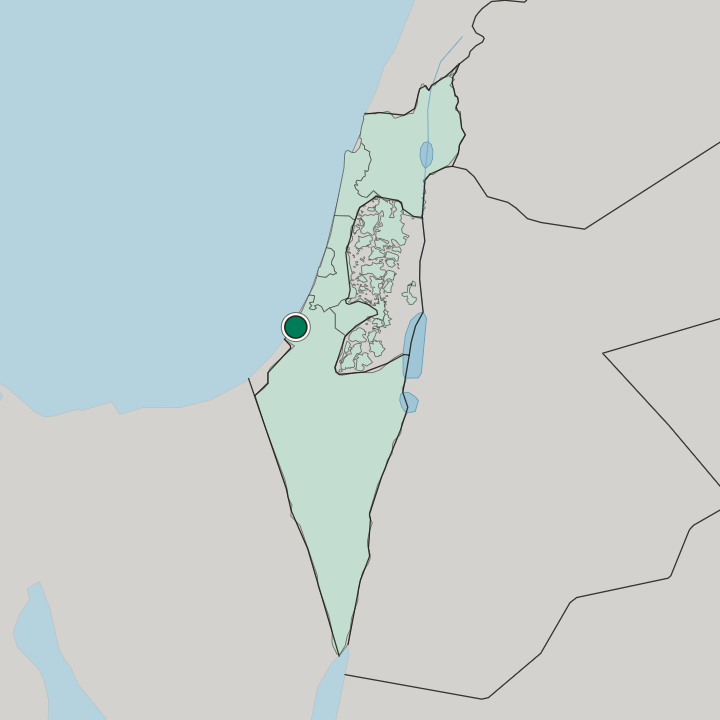
Ashkelon lies on the flat coastal plain of the Southern District, right on the Mediterranean coast. Low dunes edge the shore. The land runs almost level from the beaches inland, broken only by the shallow rise around the Ashkelon archaeological park on the southwestern edge of the city.
North of the ruins the modern grid spreads across the plain toward the road to Tel Aviv, while the open Mediterranean coast forms the city's entire western boundary.
What is the climate of Ashkelon?
Ashkelon has a warm Mediterranean climate set by the Mediterranean coast. Summers are long, hot, and dry. Steady sea breezes off the water ease the heat along the beaches and the dunes by the Ashkelon archaeological park, keeping the shore more comfortable than the plain inland.
Winters are short and mild, bringing the year's rain in a handful of wet spells before the dry warmth returns to the coast.
How do you get to Ashkelon?
Ashkelon is reached most directly by rail. The coastal railway runs south down the Mediterranean coast from Tel Aviv to a station in the city, linking it to the wider Southern District and the north. Buses cover the same corridor and reach the inland grid near the Ashkelon Sports Arena.
From the station and the main roads the flat, level streets make the archaeological park and the beaches an easy final stretch on foot or by short local bus.
Common questions
What is the best area to stay in Ashkelon?
Seafront: Beaches beside the Ashkelon archaeological park. Town centre: Shops and links near the Ashkelon Sports Arena.
Good for
More cities in Southern District
Updated September 2026