Israel · Southern District
Where to Stay in Ashdod, Southern District
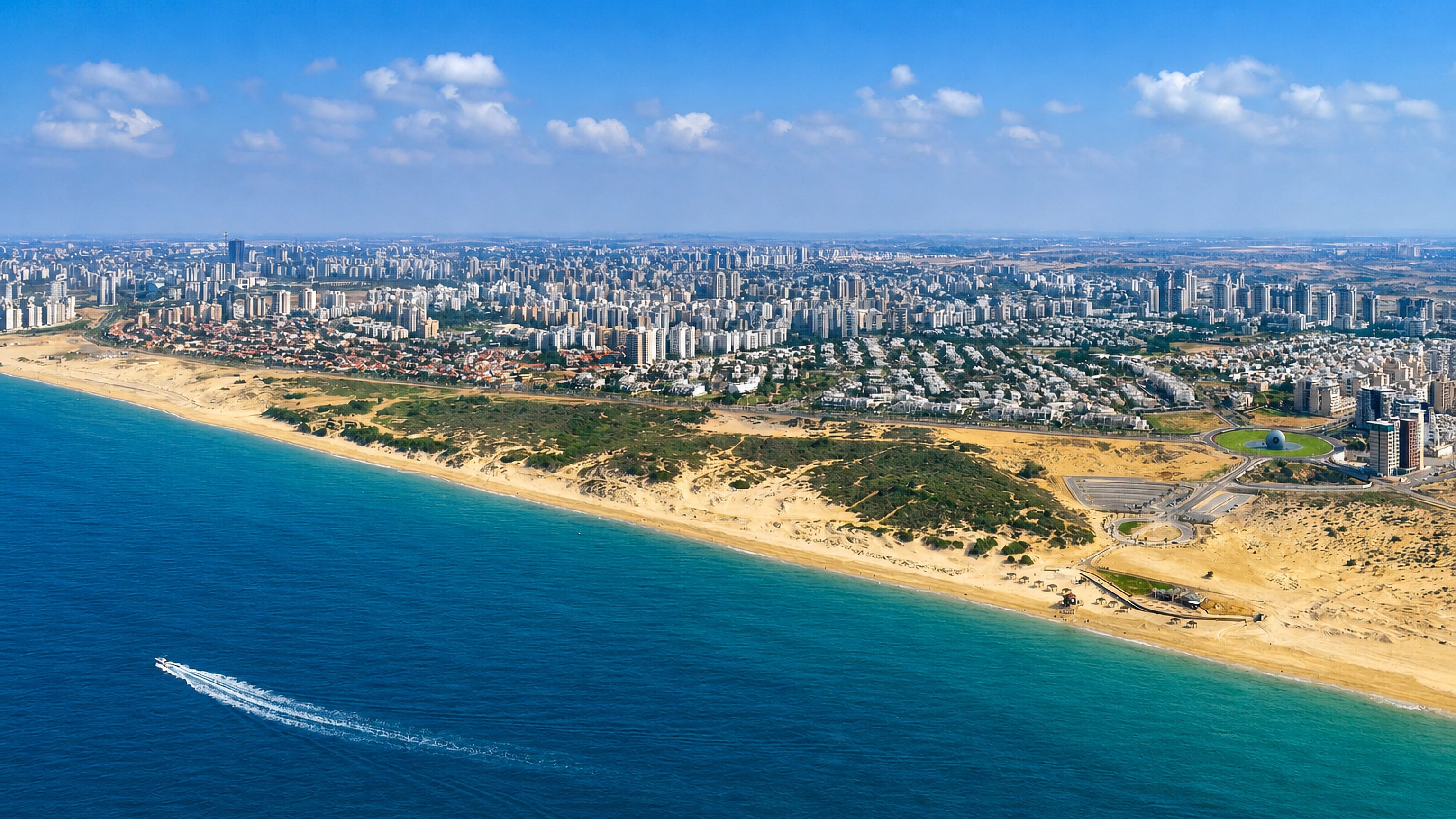
Container cranes line the shore at Ashdod, a port city in Israel's Southern District laid out in 1956 by the ancient Philistine harbour of Ashdod-Yam.
Hotel links are affiliate links: booking through them may earn us a commission, at no extra cost to you. It never affects how places are ranked. How this works


Where to stay in Ashdod
The practical side of choosing where to sleep.
Ashdod keeps its visitors close to the water. The beach quarter draws most of them. Hotels rise along the Mediterranean seafront near Sails Square, an easy stroll from the sand, the marina, and the promenade that runs the length of the shore, and this is the natural base for a first stay in the city.
Inland the residential quarters spread back from the coast in ordered blocks, quieter and cheaper, with the Ashdod Museum of Art and the HaKiriya Arena giving them their landmarks. History-minded travellers gravitate south toward Ashdod-Yam, where the ruins of the ancient sea fortress stand above the beach and the Museum of Philistine Culture explains the ground they walk. The working port dominates the northern edge of the city, so beds cluster to the south and along the seafront rather than beside the cranes.
Wherever you settle, the coast road and the rail line tie Ashdod north to Tel Aviv and south to Ashkelon in the Southern District.
Few places to stay in Ashdod — most visitors book in Ashkelon nearby.
Find hotels in Ashdod
Direct booking searches for these neighbourhoods.
The seafront and Sails Square
The beach quarter along the Mediterranean promenade around Sails Square, with the marina and the sand at the door.Find hotels in The seafront and Sails Squarequieter, lower-cost stays away from the promenadeThe inland residential quarters
The ordered blocks set back from the coast around the Ashdod Museum of Art and the HaKiriya Arena, calmer and away from the shorefront. Beds are limited here, so book early.Find hotels in The inland residential quarterstravellers drawn to the Philistine and coastal historyAshdod-Yam and the south
The southern shore below the ruined sea fortress of Ashdod-Yam, close to the Museum of Philistine Culture and the ancient harbour. Beds are limited here, so book early.Find hotels in Ashdod-Yam and the southHotel links are affiliate links: booking through them may earn us a commission, at no extra cost to you. It never affects how places are ranked. How this works
Things to do in Ashdod
Ranked by global recognition; descriptions from Wikidata (CC0).
Museums & Galleries
3- Museum of Philistine Culture
- Ashdod Museum of Art
- Arie Klang House
Castles & Historic Sites
3- Ashdod-Sea
- The Eye of the Sun
- Ashdod Yam Cemetery Remains
Stadiums & Sports
2- HaKiriya Arena
- בית הפיס לקהילה, רובע י"ב באשדוד
Landmarks & Notable Places
3- Sails square
- Ilan Ramon Square
- Spiral Gesture Square
worth knowingacross 4 categories in Ashdod
About Ashdod
Ashdod is known for its port.
What is Ashdod known for?
It is the largest in Israel. The deep-water harbour on the Mediterranean coast of the Southern District handles the bulk of the country's seaborne trade, and its cranes and breakwaters define the working edge of the city. The place also carries a far older name, for ancient Ashdod was one of the five Philistine cities, a story told at the Museum of Philistine Culture.
Along the seafront the modern city gathers its own landmarks, the Ashdod Museum of Art among them.
What are the main landmarks in Ashdod?
Ashdod gathers its landmarks between the beach and the old fortress. The Museum of Philistine Culture is the signature stop, the one museum in the country devoted to the Philistines who held this coast. Art anchors the centre.
The Ashdod Museum of Art shows changing exhibitions, and the HaKiriya Arena stands nearby as the city's main sports hall. Out on the seafront the sculpture called The Eye of the Sun catches the light, while Sails Square and Ilan Ramon Square give the promenade its gathering points. South of the centre the ruins of Ashdod-Yam recall the ancient harbour.
What is the history of Ashdod?
Ashdod has two histories. One is very old. The ancient city stood among the Philistine pentapolis, the five cities that held this stretch of coast in biblical times, its name carried down the millennia and its harbour at Ashdod-Yam trading along the Mediterranean under Philistine, Assyrian, Greek, and later rulers in turn.
That old city dwindled over the centuries, and by the modern era little remained but ruins on the dunes above the shore. The city that stands now is young. It was laid out in 1956 on empty coastal land in Israel's Southern District, planned from the start as a deep-water port and a home for new arrivals.
The harbour opened in the following decade and quickly became the largest in the country, and the town grew inland from it in ordered residential quarters. Immigration filled those quarters. The Museum of Philistine Culture ties the planned modern city back to the ancient one whose name it took.
Where is Ashdod?
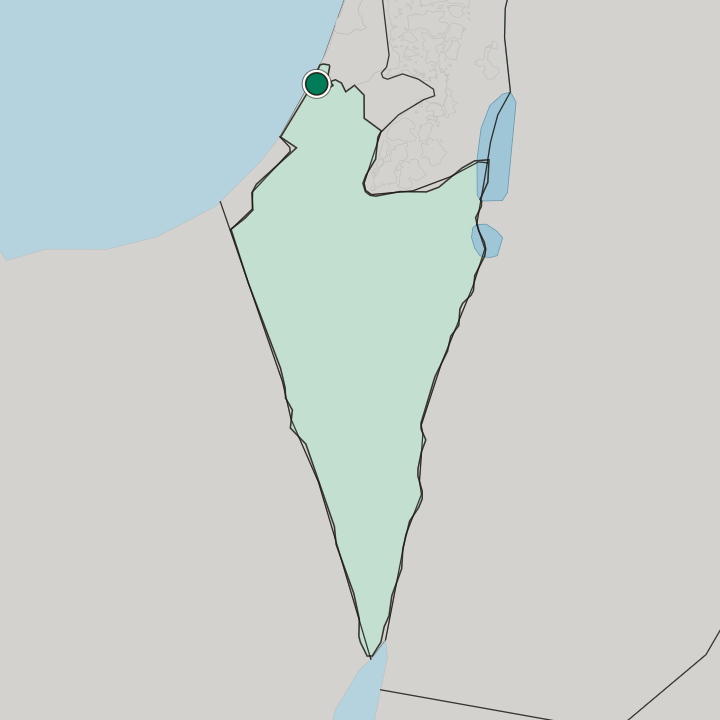
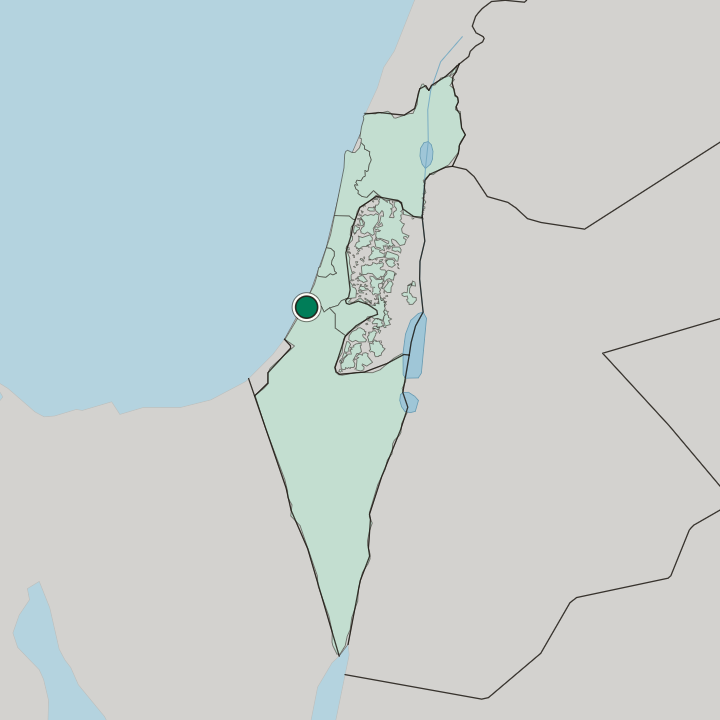
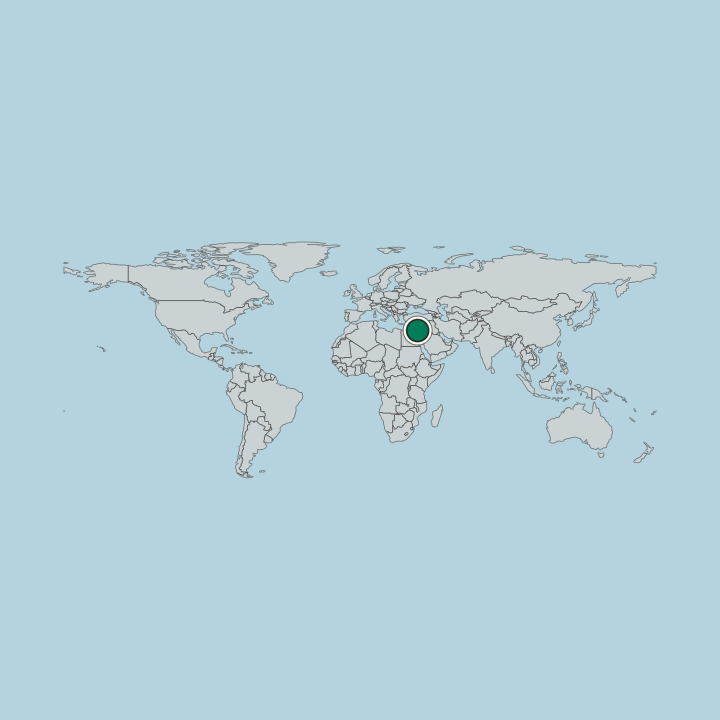
Ashdod lies on the Mediterranean coast of Israel's Southern District, on the sandy shore south of Tel Aviv and north of Ashkelon. Dunes back the beach. Low ridges of coastal sand run behind the shoreline, the ground on which both the ancient harbour and the modern planned city were built, and the Lachish stream reaches the sea nearby.
The port occupies the northern waterfront, its breakwaters reaching out into the Mediterranean, while the residential city spreads back from the beach across the flat coastal plain.
What is the climate of Ashdod?
Ashdod has a Mediterranean climate. Summers are hot and rainless. From late spring the coast stays dry for months, the sea breeze off the Mediterranean tempering the heat and holding the humidity high through the long bright days.
Winters are mild, and the rain arrives then, in bursts that green the coastal plain of the Southern District between spells of sun. Frost barely touches this warm shore, and the beach draws people the year round.
How do you get to Ashdod?
Ashdod sits on the main coastal corridor. The rail line runs through it. Trains and the coast highway link the city north to Tel Aviv and south to Ashkelon along the shore of the Southern District, making it a straightforward stop on the route down the Mediterranean plain.
Ben Gurion Airport lies to the north near Tel Aviv, the usual point of arrival, with the drive south to the coast taking under an hour. City buses then thread the residential quarters and the seafront.
Common questions
What is the best area to stay in Ashdod?
The seafront and Sails Square: a first stay near the beach and the water. The inland residential quarters: quieter, lower-cost stays away from the promenade. Ashdod-Yam and the south: travellers drawn to the Philistine and coastal history. Ashkelon: a second coastal base with more ancient sites.
Good for
More cities in Southern District
Updated September 2026