Israel · Southern District
Where to Stay in Beersheba, Southern District
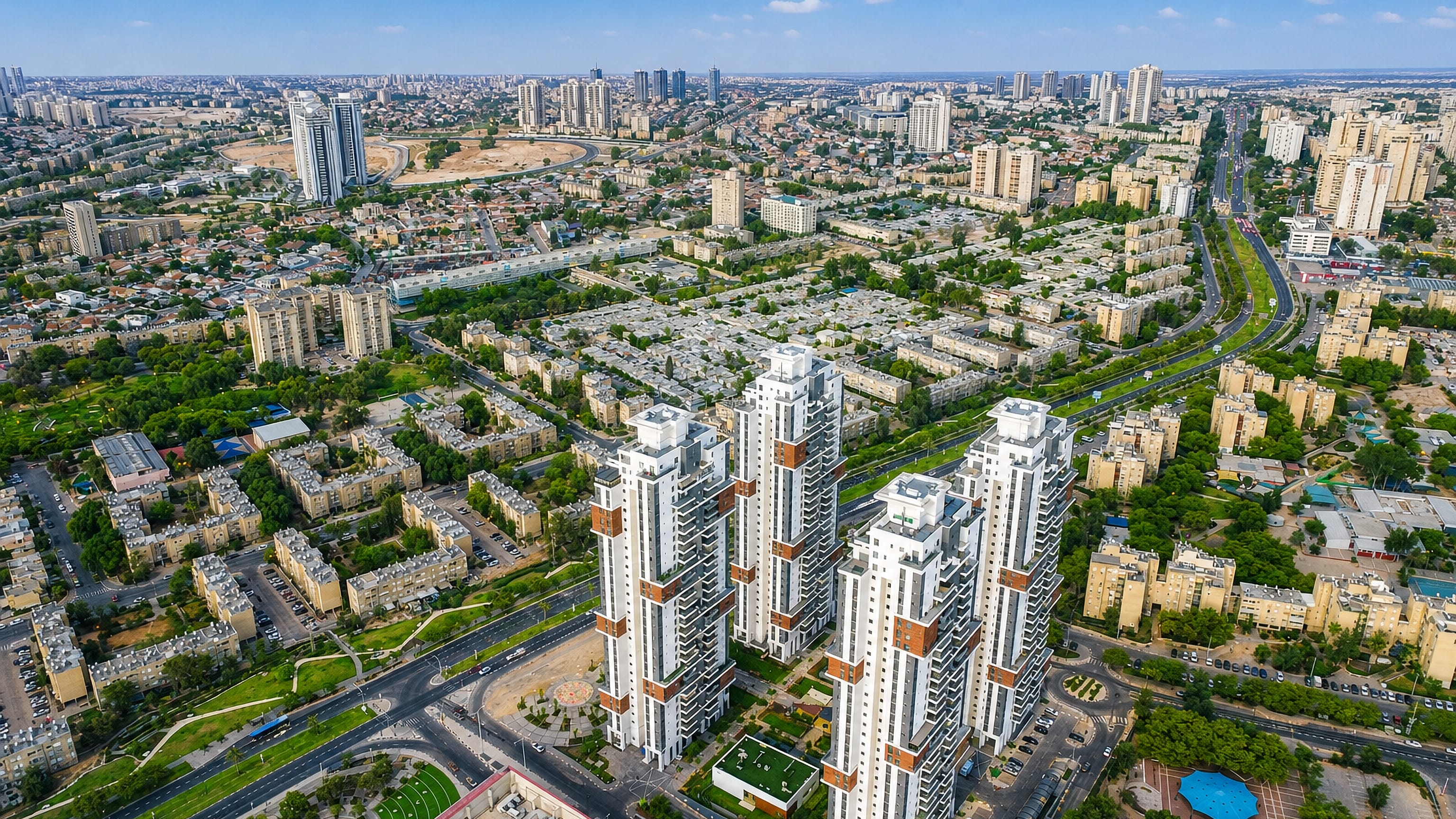
Desert light fills the streets of Beersheba, the largest city of the Negev, long known as the capital of the Negev around its planned Old City.
Hotel links are affiliate links: booking through them may earn us a commission, at no extra cost to you. It never affects how places are ranked. How this works


Where to stay in Beersheba
The practical side of choosing where to sleep.
Where you stay in Beersheba divides between the planned Old City and the newer neighbourhoods spread across the Negev plain. The Old City holds the earliest grid of low stone streets, walkable and compact, near the Negev Museum of Art and the small squares of the original town. It suits travellers who want the historic core and the markets within a short walk of the door.
Rooms here sit among restored buildings. The rest of the city runs outward. Newer districts spread across the desert in wide modern blocks, trading the old grid for space, malls, and easy access to the ring roads and the university, while keeping the centre a short ride away.
Nearer the edge of town the Monument to the Negev Brigade stands on a ridge over the plain. Choose the Old City for the historic streets and the Negev Museum of Art, and the newer neighbourhoods for space and the road links out into the Negev.
Find hotels in Beersheba
Direct booking searches for these neighbourhoods.
Old City
The planned grid of low stone streets around the Negev Museum of Art, walkable and close to the old markets.Find hotels in Old CitySpace and road links out into the NegevNewer neighbourhoods
Wide modern blocks across the desert plain near the ring roads and the university, below the Monument to the Negev Brigade.Find hotels in Newer neighbourhoodsHotel links are affiliate links: booking through them may earn us a commission, at no extra cost to you. It never affects how places are ranked. How this works
Things to do in Beersheba
Ranked by global recognition; descriptions from Wikidata (CC0).
Museums & Galleries
3- The Negev Museum of Art
- Yad la-Banim (Beersheba)
- Muzeʼon le-tarbut ha-Islam ṿe-ʻame ha-Mizraḥ
Castles & Historic Sites
1- Turkish Soldiers monument in Beersheba
Landmarks & Notable Places
2- Drawers building
- בית עארף אל-עארף
worth knowingacross 3 categories in Beersheba
About Beersheba
What is Beersheba known for?
Beersheba is best known as the capital of the Negev, the largest city set in the desert of the Southern District. The desert defines it. Its grid spreads across dry, open ground, and the planned Old City of low stone streets marks the earliest quarter, where the Negev Museum of Art occupies an early public building.
Monuments hold much of its identity, from the Monument to the Negev Brigade on the ridge to the Turkish Soldiers monument, both reading the city's place at the edge of the desert.
What are the main landmarks in Beersheba?
The main landmarks in Beersheba mix desert monuments with the museums of the Old City. On a ridge above the plain the Monument to the Negev Brigade rises as a sculpted marker of the surrounding desert. The Turkish Soldiers monument sits close by.
In the historic centre the Negev Museum of Art fills an early public building, the Struma Museum tells its own maritime story, the Lunada Children Museum draws families, and the Be'er Sheva Anzac Memorial Centre marks the desert campaigns that touched the city.
What is the history of Beersheba?
Beersheba is an old name on a young city, set at the northern edge of the Negev. The site is ancient. The name is long known to readers of the Bible, yet the modern town was laid out only around 1900, when a planned grid of stone streets was set down on the desert plain to serve the surrounding region.
That first quarter became the Old City. The planned town grew outward from that core over the following decades, spreading across the Negev as the largest settlement of the desert. Monuments mark the layers of that century.
The Turkish Soldiers monument and the Monument to the Negev Brigade stand for different chapters of the city's history, and the Negev Museum of Art now occupies one of the earliest civic buildings, so the compact Old City reads as the seed from which the desert capital spread.
Where is Beersheba?
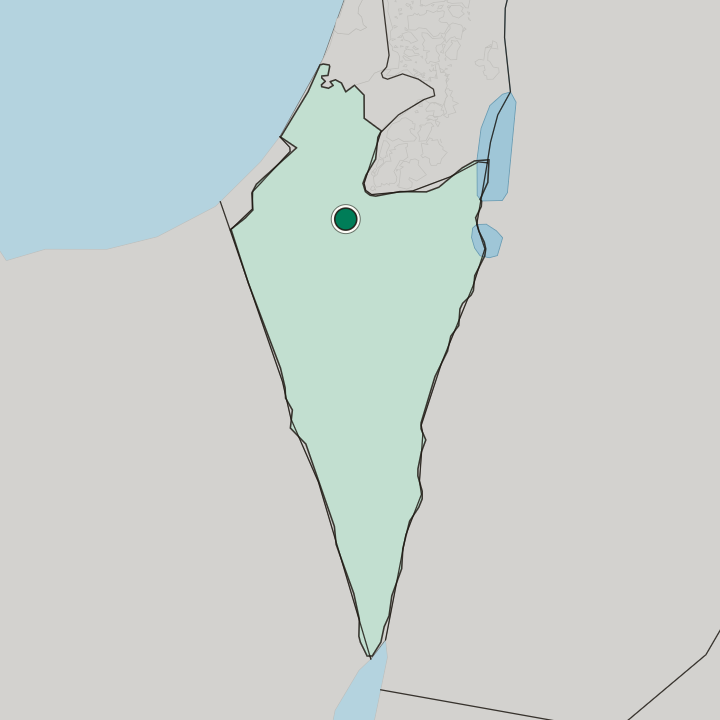
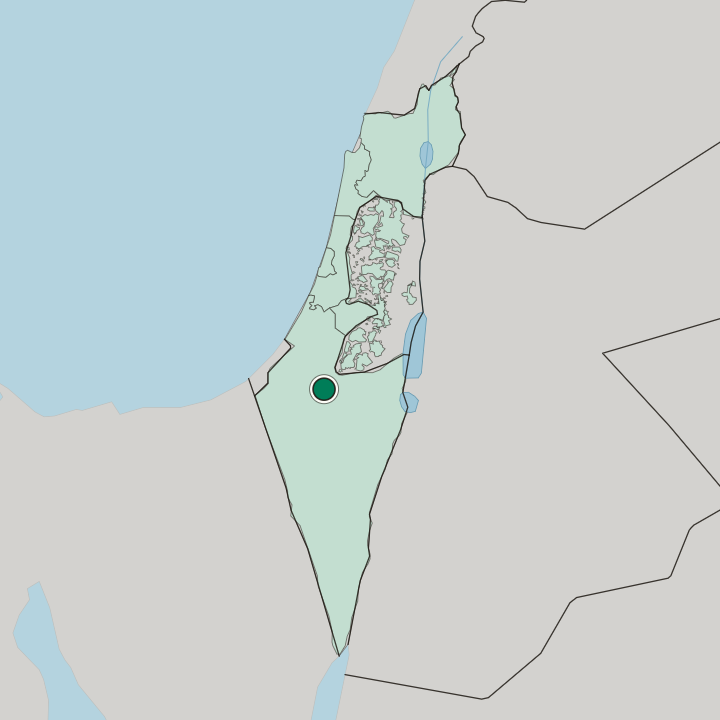
Beersheba stands on the open plain at the northern edge of the Negev, the largest city of that desert in the Southern District. Dry ground reaches to the horizon. The land is broad and nearly level, cut by shallow desert streambeds that run only after rain, with the Old City grid at the historic centre and newer districts spreading outward across the plain.
The Monument to the Negev Brigade marks a low ridge above the town, and the desert itself forms the setting on every side.
What is the climate of Beersheba?
Beersheba has a hot desert climate set by the Negev. Summers are long, hot, and very dry. Days on the plain run hot under a clear sky and the nights cool sharply, a wide daily swing typical of the desert around the city.
Winters are short and mild, bringing the little rain the Negev receives in a few brief spells before the dry heat returns to the plain.
How do you get to Beersheba?
Beersheba is the rail and road hub of the Negev. Trains run from the north down to stations in the city, linking it across the Southern District and on toward the coast. Buses fan out from here into the desert.
From the stations the Old City and the Negev Museum of Art lie a short ride away, and the ring roads carry traffic out to the newer districts and the routes deeper into the Negev.
Common questions
What is the best area to stay in Beersheba?
Old City: Historic streets by the Negev Museum of Art. Newer neighbourhoods: Space and road links out into the Negev.
Good for
More cities in Southern District
Updated October 2026