India · Assam
Where to Stay in Guwahati, Assam
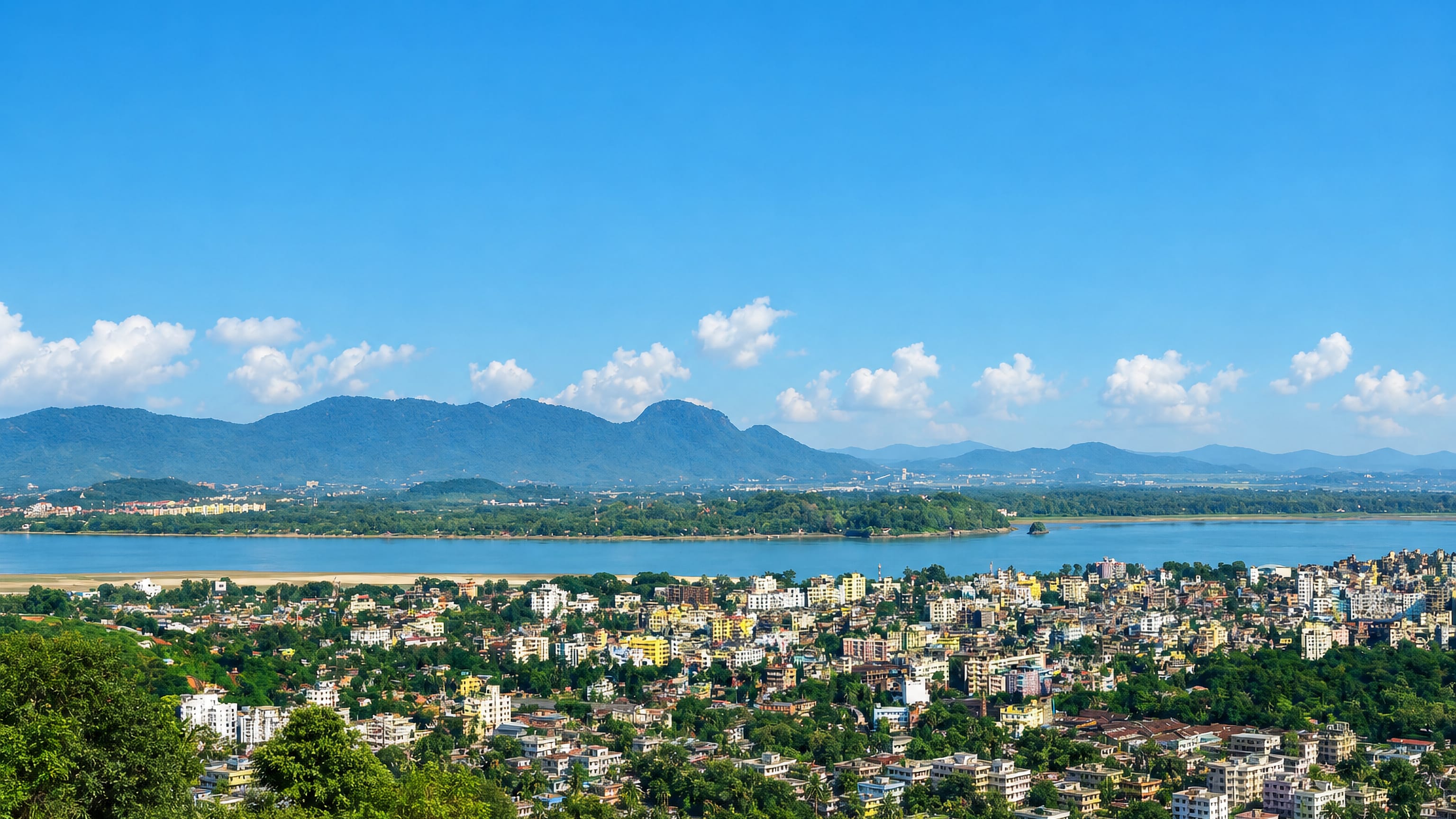
Guwahati is the largest city of Assam in India, a cultural centre known for the Srimanta Sankaradeva Kalakshetra and the Assam State Museum.
Hotel links are affiliate links: booking through them may earn us a commission, at no extra cost to you. It never affects how places are ranked. How this works


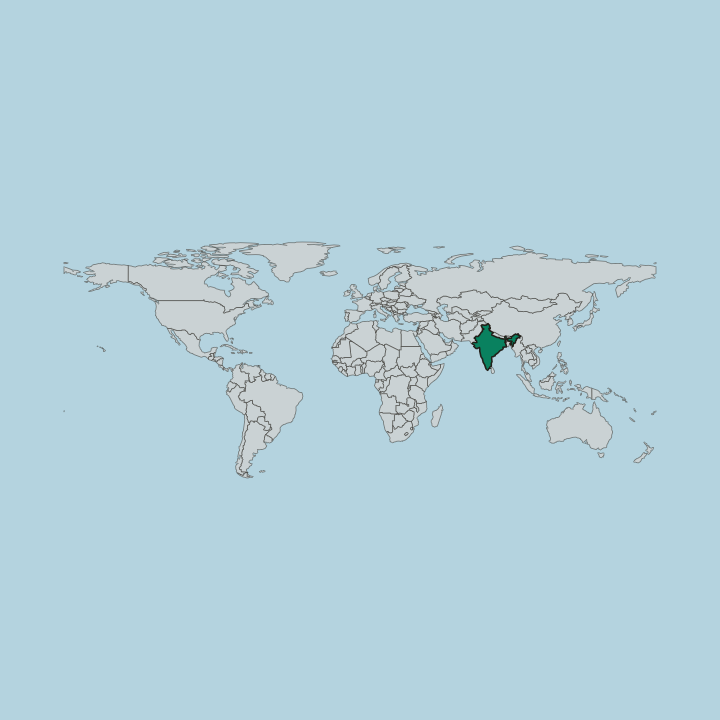
Where to stay in Guwahati
The practical side of choosing where to sleep.
Guwahati gathers most of its lodging around its cultural core in Assam. The heart of the city sits close to the Assam State Museum and the Srimanta Sankaradeva Kalakshetra, and a base here puts a traveller within easy reach of the museums, the memorial grounds of the Gandhi Mandap, and the temple precinct of the Chatrakar Devalaya that together define the old centre. Beds cluster in this belt.
It is the natural first choice for a visitor who wants the heritage of the city at the doorstep. A second base sits toward the newer eastern quarters of Guwahati, built around its sporting and civic grounds. Here you stay near the Jawaharlal Nehru Indoor Stadium and the Sarju Sarai Indoor Sports Complex, with the training halls of the National Centre of Excellence a short ride away, a quieter and more spread-out area than the crowded cultural core.
This is the choice for those who want space over proximity. Both parts of the city anchor on named features of Assam, and travellers pick between the museum belt and the eastern grounds by how close to the heritage sites they want to wake.
Find hotels in Guwahati
Direct booking searches for these neighbourhoods.
Cultural core
the museum belt around the Assam State Museum and the Srimanta Sankaradeva Kalakshetra gathers the Gandhi Mandap and the Chatrakar Devalaya, the heritage heart of Guwahati in AssamFind hotels in Cultural corethe sporting and civic quarters of the newer cityEastern grounds
the eastern grounds around the Jawaharlal Nehru Indoor Stadium and the Sarju Sarai Indoor Sports Complex hold the training halls of the National Centre of Excellence, quieter and set back from the crowded cultural core of GuwahatiFind hotels in Eastern groundsHotel links are affiliate links: booking through them may earn us a commission, at no extra cost to you. It never affects how places are ranked. How this works
Things to do in Guwahati
Ranked by global recognition; descriptions from Wikidata (CC0).
Museums & Galleries
3- Srimanta Sankaradeva Kalakshetra
- Assam State Museum
- Gandhi Mandap
Churches & Religious Sites
1- Chatrakar Devalaya
Stadiums & Sports
3- Jawaharlal Nehru Indoor Stadium
- National Centre of Excellence
- Sarju Sarai Indoor Sports Complex
worth knowingacross 3 categories in Guwahati
About Guwahati
What is Guwahati known for?
Guwahati is known as the principal city of Assam and the cultural anchor of the wider region within India. Its best-known institution is the Srimanta Sankaradeva Kalakshetra, devoted to Assamese art. The Assam State Museum holds the record of the land.
Heritage defines it. Together with the temple precinct of the Chatrakar Devalaya and the memorial hall of the Gandhi Mandap, these places give the city its standing as a keeper of Assamese identity.
What are the main landmarks in Guwahati?
Guwahati keeps its landmarks between the cultural belt and the eastern sporting grounds. The Srimanta Sankaradeva Kalakshetra and the Assam State Museum stand at the heart of the city, while the Gandhi Mandap holds a memorial hall and the Chatrakar Devalaya marks an older temple precinct. Sport claims the eastern side.
The Jawaharlal Nehru Indoor Stadium and the Sarju Sarai Indoor Sports Complex draw the crowds, and the National Centre of Excellence trains athletes in the same quarter of Assam.
What is the history of Guwahati?
Guwahati grew as the principal settlement of Assam, and its long standing as a cultural seat is written into the institutions that survive at its centre. The Assam State Museum gathers the material record of the land, from sculpture to manuscript, and gives the city its role as the keeper of the region's memory within India. Guwahati's heritage reaches back through centuries of Assamese life.
The Srimanta Sankaradeva Kalakshetra carries the name of the medieval saint and reformer whose devotional movement shaped Assamese language, drama, and song, so the city's story is bound up with a tradition that reaches back centuries. Older still is the temple layer of the city. The Chatrakar Devalaya belongs to the devotional landscape that predates the modern town, one of the shrines that mark Guwahati as a place of pilgrimage in Assam.
Later memory took civic form. The Gandhi Mandap stands as a memorial to the leader of the independence movement, a reminder of the national story threaded through the city, while the eastern grounds around the Jawaharlal Nehru Indoor Stadium record the more recent chapter in which Guwahati became a centre for sport across the region.
Where is Guwahati?
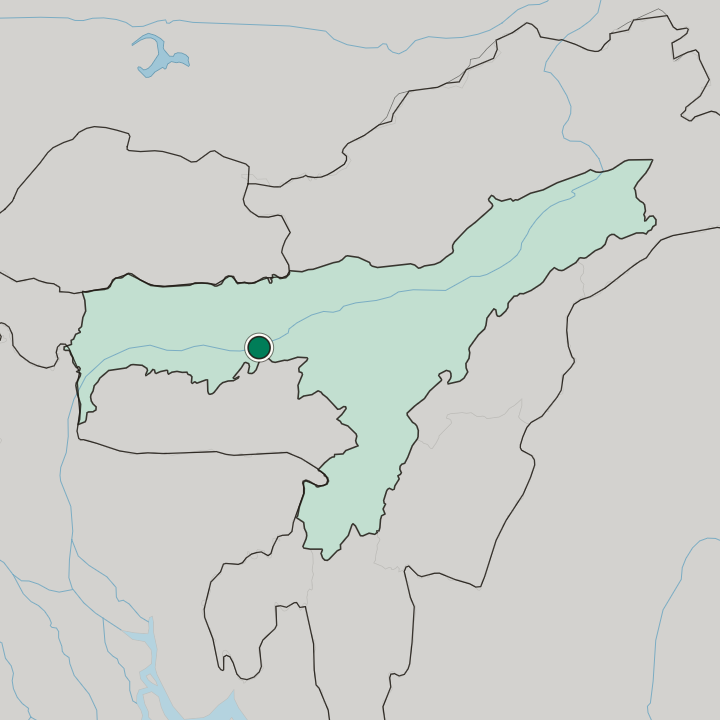
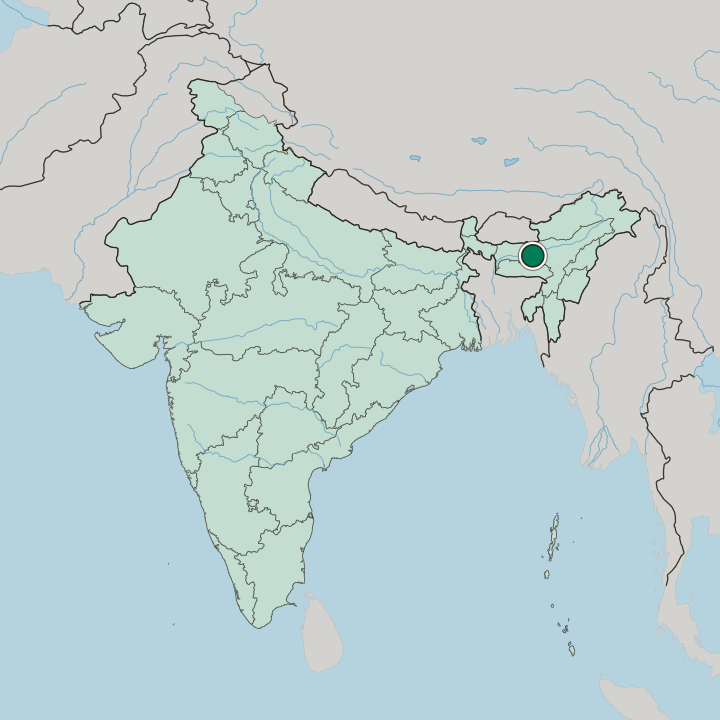
Guwahati spreads across a broad urban expanse in Assam, the largest city of the region within India. The land lies in the subtropical belt, warm and green, and the built-up area stretches wide from the cultural core toward the eastern grounds around the Jawaharlal Nehru Indoor Stadium. It is a city of scale.
The heritage sites of the Srimanta Sankaradeva Kalakshetra and the Assam State Museum anchor the centre, while newer quarters carry the city outward across the surrounding plain of Assam.
What is the climate of Guwahati?
Guwahati has a subtropical climate marked by a wet monsoon season rather than by cold. Heat holds through much of the year. The monsoon brings heavy rain to Assam across the middle months, greening the plain around the city and the grounds of the Srimanta Sankaradeva Kalakshetra, before the drier season returns warm and bright across the largest city of the region.
The cooler months bring only a gentle break from the heat.
How do you get to Guwahati?
Guwahati is the main gateway into Assam and the hub of routes across the region within India. Flights land at the city's international airport, the busiest air link in the wider area. Roads fan out from the centre.
Rail and highway lines converge on the city near its cultural core, so most travellers reach the Srimanta Sankaradeva Kalakshetra and the Assam State Museum after arriving by air and continuing across the surrounding plain of Assam.
Common questions
What is the best area to stay in Guwahati?
Cultural core: waking beside the Assam State Museum and the Kalakshetra. Eastern grounds: the sporting and civic quarters of the newer city.
Good for
More cities in Assam
Updated September 2026