India · Assam
Where to Stay in Silchar, Assam
Silchar heads the Cachar district in the Barak Valley, a tea town founded in 1832 that later gave the world its first polo club.
Hotel links are affiliate links: booking through them may earn us a commission, at no extra cost to you. It never affects how places are ranked. How this works


Where to stay in Silchar
Where visitors usually base themselves, and why.
Beds sit where the tea trade did. Silchar grew out of Janiganj, the point Thomas Fisher moved the headquarters of Cachar to in 1832, and that old administrative ground still carries the centre of the city. The Cachar club stands on the other side of the story.
Rooms near it put a visitor beside the meeting place of the Barak Valley's tea planters, which is the closest thing the city keeps to a heritage quarter. Everything else comes down to distance. Guwahati lies 343 kilometres away, so nobody takes a room in Silchar as a side trip from the larger city, and the beds here answer the Cachar district's own business instead. The valley holds no bigger town.
Silchar is the second largest city in Assam after Guwahati, which makes it the working base for the whole of the Barak Valley and the reason the choice of quarter matters more than the map suggests. Air India flew from Kolkata to Silchar in 1985 with the world's first all-women crew, and the outward connection that flight belongs to still shapes which end of the city visitors arrive at. Silchar keeps to a compact footprint.
A room chosen for the Cachar club and one chosen for Janiganj sit within the same short span of streets, so the decision is about character rather than about minutes.
Find hotels in Silchar
Direct booking searches for these neighbourhoods.
Janiganj
Janiganj is where Thomas Fisher placed the headquarters of Cachar in 1832, and the centre of Silchar grew from it.Find hotels in JaniganjTrips following the polo and tea-planter record of the Barak ValleyCachar club quarter
The Cachar club was the meeting point of the valley's tea planters, and its streets kept that older character.Find hotels in Cachar club quarterEarly departures for Guwahati and the outer Cachar districtGuwahati road edge
This edge of Silchar faces the 343-kilometre road to Guwahati, which suits anyone leaving the Barak Valley at dawn. Beds are limited here, so book early.Find hotels in Guwahati road edgeHotel links are affiliate links: booking through them may earn us a commission, at no extra cost to you. It never affects how places are ranked. How this works
About Silchar
Polo started here.
What is Silchar known for?
The Cachar club drew the tea planters of the Barak Valley together, and the city is recorded as the site of the world's first polo club and of the first competitive polo match. Tea built the town around them. Indira Gandhi called Silchar the Island of Peace, a name that has stuck to the place far longer than the circumstances that produced it.
What are the main landmarks in Silchar?
Named sites are thin here. The Cachar club carries most of the weight, as the meeting point of the tea planters and the address tied to the world's first polo club, while Janiganj marks where the headquarters of Cachar were placed in 1832. Trade rather than tourism keeps Silchar going.
Its record sits in events rather than in monuments, running from the Island of Peace name to the Air India flight of 1985.
What is the history of Silchar?
Thomas Fisher fixed the place in 1832. He moved the headquarters of Cachar to Janiganj, inside what became Silchar, and that administrative decision is the founding act the record gives the city rather than any older settlement story. Tea came to dominate afterwards.
Silchar was a tea town, and the Cachar club served as the meeting point for the planters who worked the Barak Valley, which is how a clubhouse ended up carrying so much of the city's history. Polo has its first record here. The city is named as the site of the world's first polo club and of the first competitive polo match, a claim that ties the modern form of the game to the tea country of Assam.
Indira Gandhi supplied a nickname. The then Prime Minister of India called Silchar the Island of Peace, and the moniker outlived the moment it was given in. Aviation added a last date.
In 1985 an Air India service from Kolkata to Silchar was flown by the world's first all-women crew, an event belonging to the city's record as firmly as anything ever built in it. Guwahati stayed the larger place. Silchar lies 343 kilometres from it and grew into the second largest city in Assam without ever coming close to the first.
Where is Silchar?
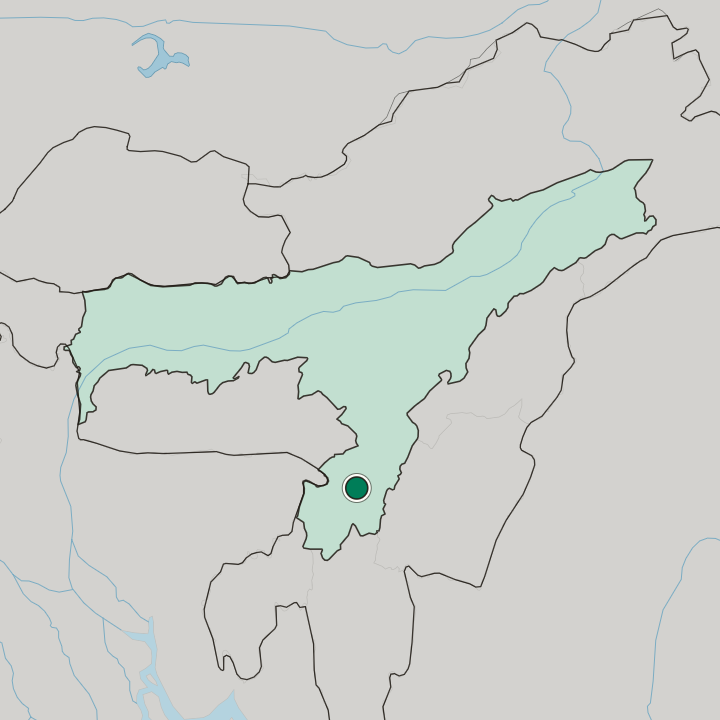
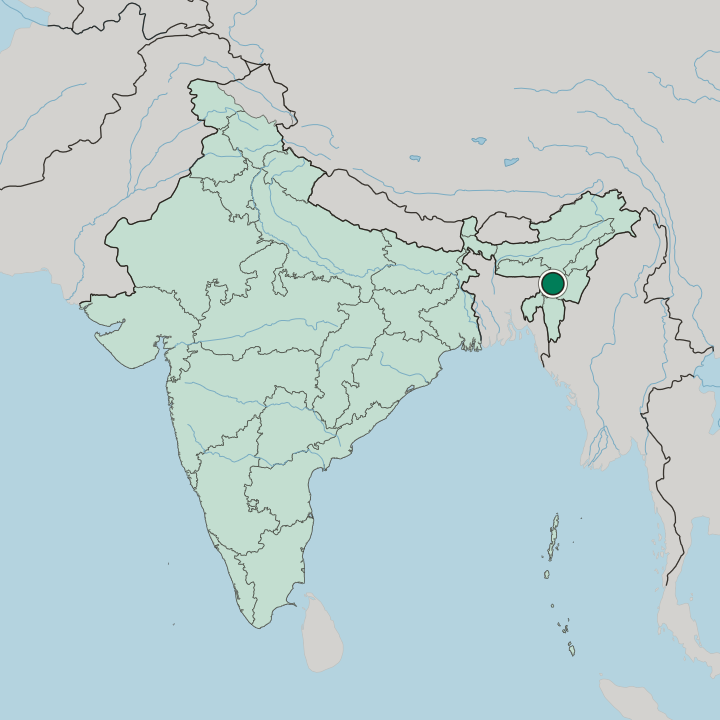
The Barak Valley frames it. Silchar heads the Cachar district from the valley floor, 343 kilometres south east of Guwahati, far enough that the two largest cities in Assam work independently of each other. Janiganj sits inside the city.
The rest of the district spreads around it as tea country, and the scale of the valley is what leaves Silchar as its natural centre.
What is the climate of Silchar?
The Barak Valley holds the weather in. Silchar takes the long warm subtropical months the whole valley shares, the season that grows the tea the Cachar district was built on. Cool spells stay brief.
Guwahati, 343 kilometres off, runs a comparable year, and the gap between the two cities changes little about what either can expect.
How do you get to Silchar?
Air India put Silchar on a Kolkata route. That service carried the world's first all-women crew in 1985, and the link to Kolkata is the outward connection the city's record returns to more often than any other. Guwahati is 343 kilometres out.
Anyone driving that stretch crosses into the Barak Valley near the end, with the tea country of the Cachar district as the last thing before the streets begin.
Common questions
What is the best area to stay in Silchar?
Janiganj: First stays beside the ground the Cachar headquarters moved to. Cachar club quarter: Trips following the polo and tea-planter record of the Barak Valley. Guwahati road edge: Early departures for Guwahati and the outer Cachar district.
Good for
More cities in Assam
Updated September 2026