India
Assam, India — Towns & Travel Guide
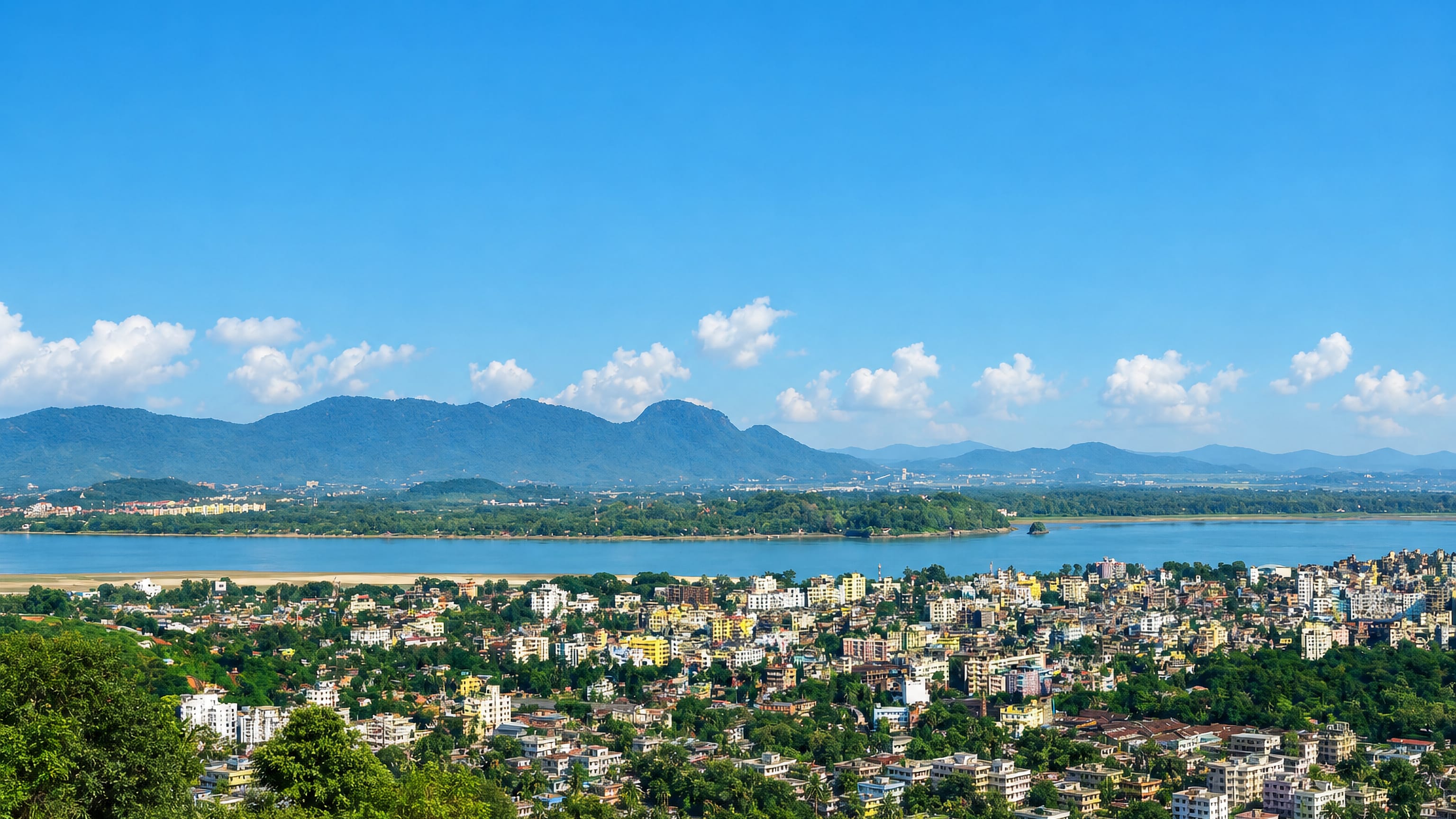
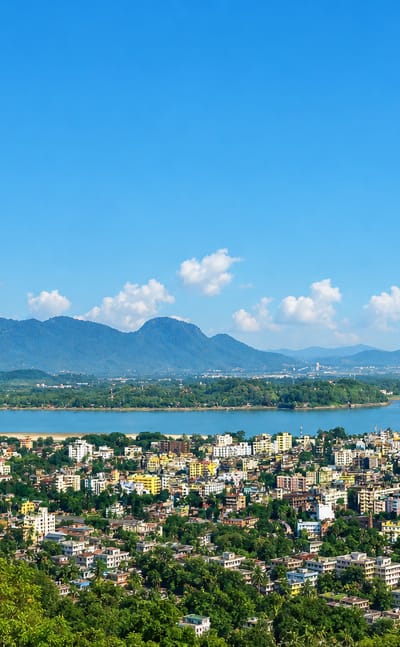
Assam is India's tea-and-rhino state, spread along the braided Brahmaputra in the far northeast between the Himalayan foothills and Bangladesh.
Hotel links are affiliate links: booking through them may earn us a commission, at no extra cost to you. It never affects how places are ranked. How this works


Towns & cities in Assam
Pick a town or city — each links to where to stay.
 India
India
Guwahati
Guwahati is the largest city of Assam in India, a cultural centre known for the Srimanta Sankaradeva Kalakshetra and the Assam State Museum.Where to stay →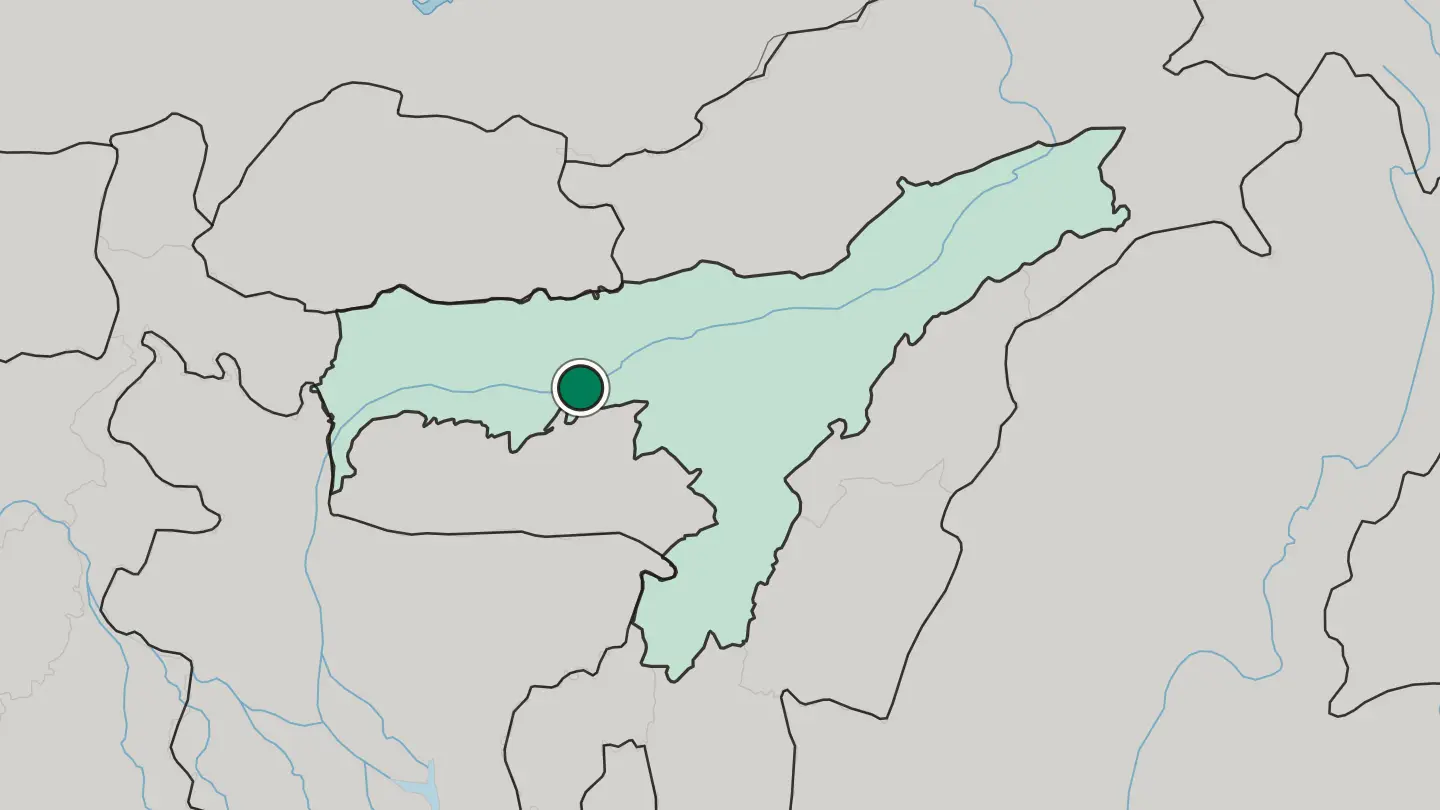 India
India
Silchar
Silchar heads the Cachar district in the Barak Valley, a tea town founded in 1832 that later gave the world its first polo club.Where to stay →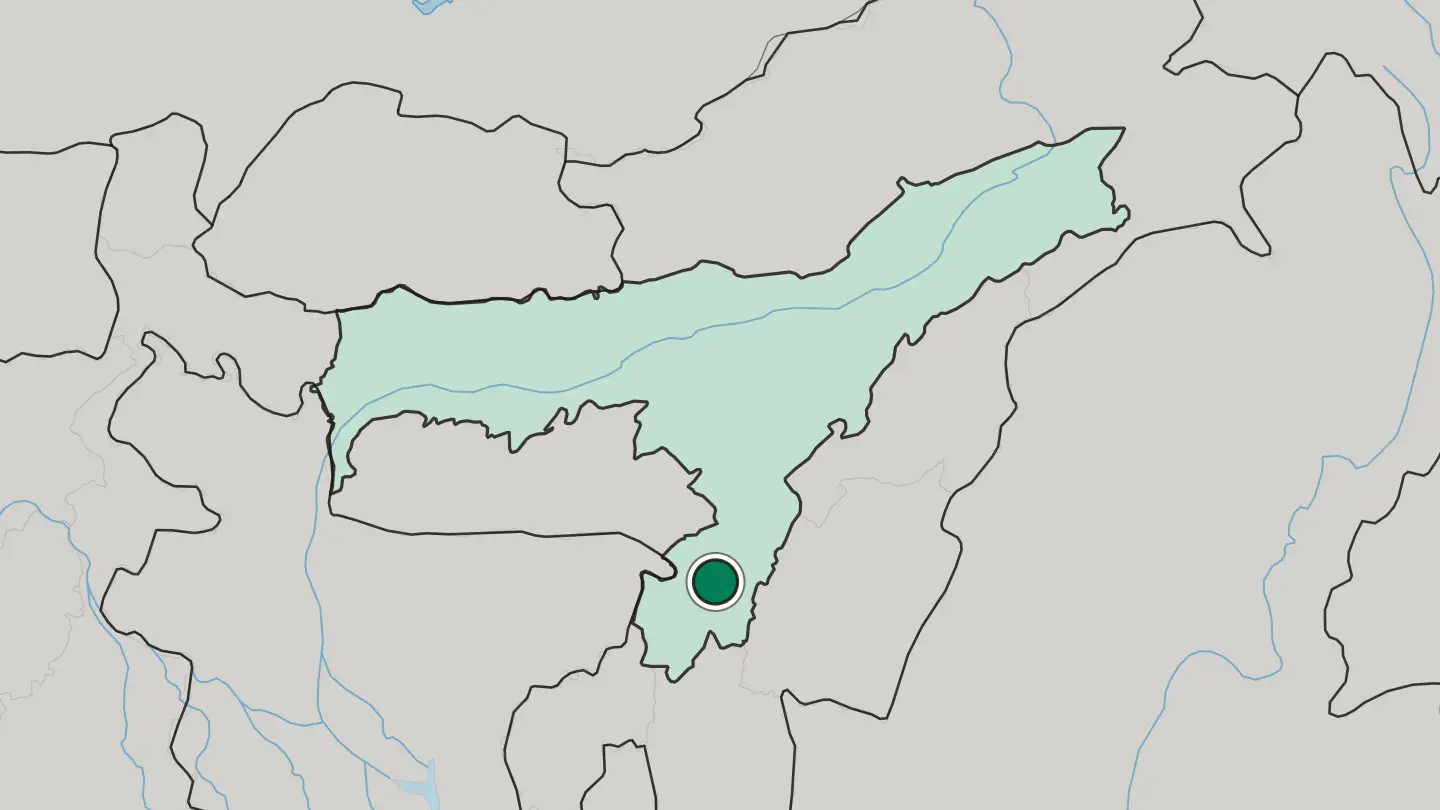
 India
India
Dibrugarh
Dibrugarh, the Tea City of India, is the main urban centre of Upper Assam and a second capital of the state, standing far east of Dispur.Where to stay →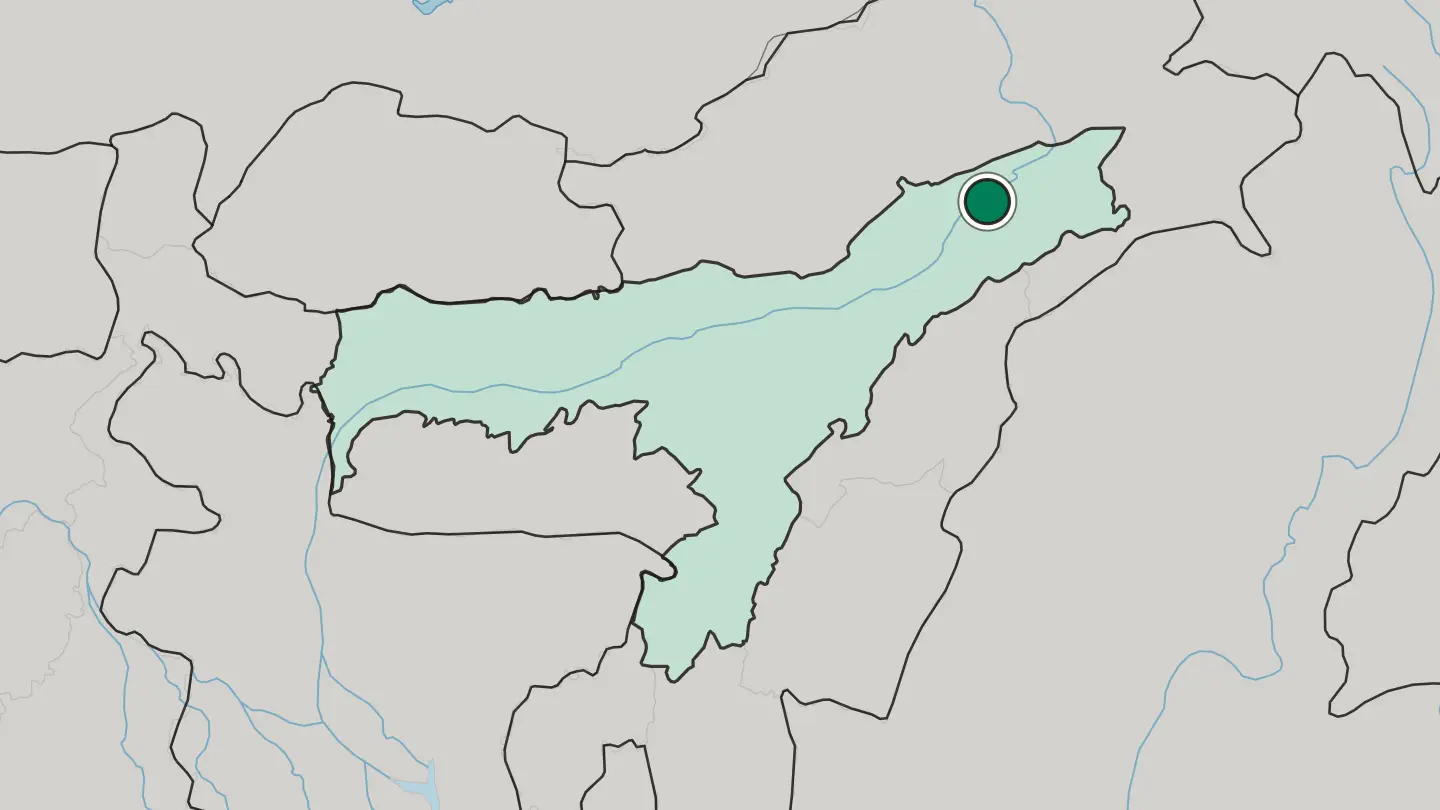
 India
India
Jorhat
Jorhat stands on the Bhogdoi River in Assam, a one-time capital of the Ahom Kingdom and the headquarters of Jorhat District.Where to stay →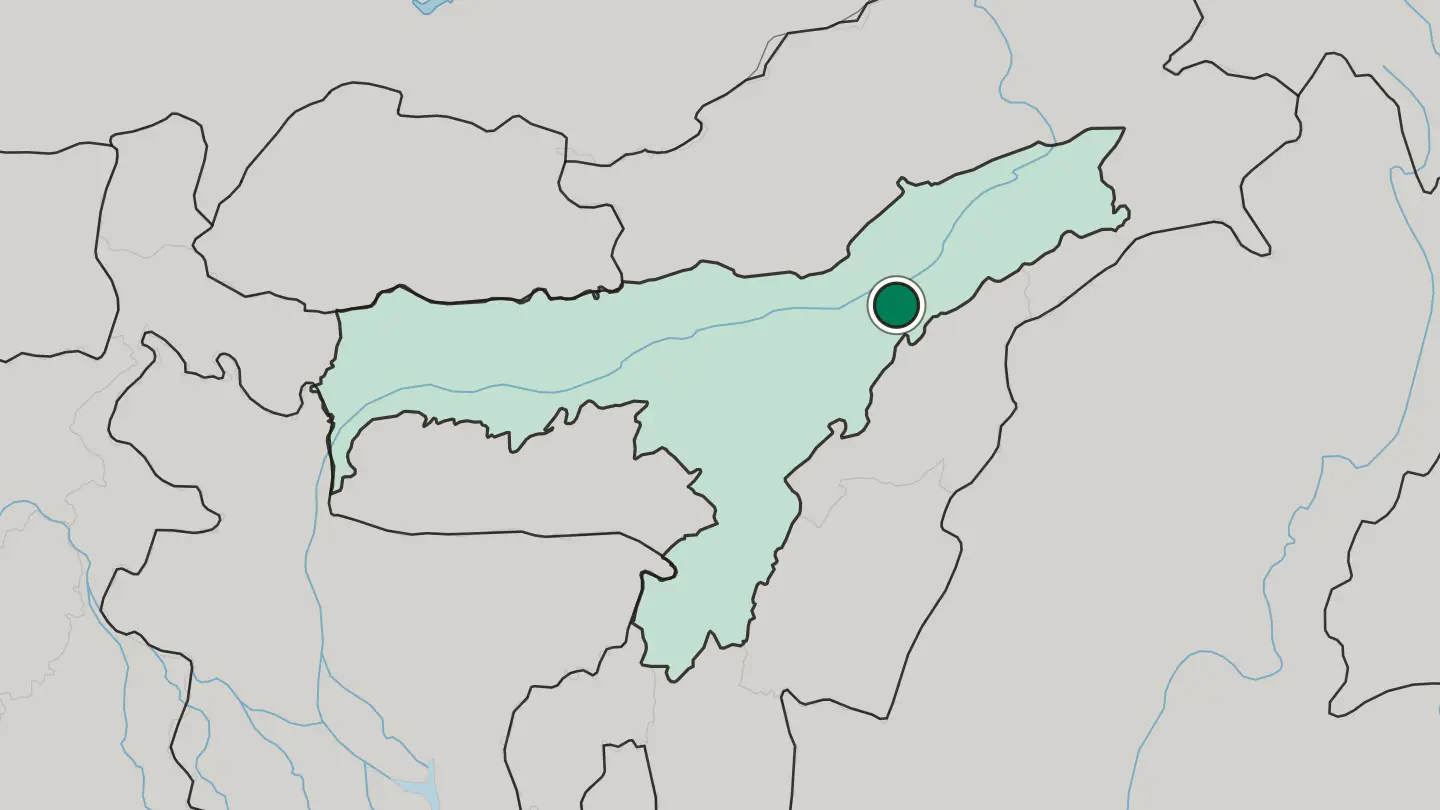 India
India
Tinsukia
Tinsukia works as the business centre of Upper Assam, an industrial city at the head of Tinsukia District and close to the Arunachal Pradesh border.Where to stay →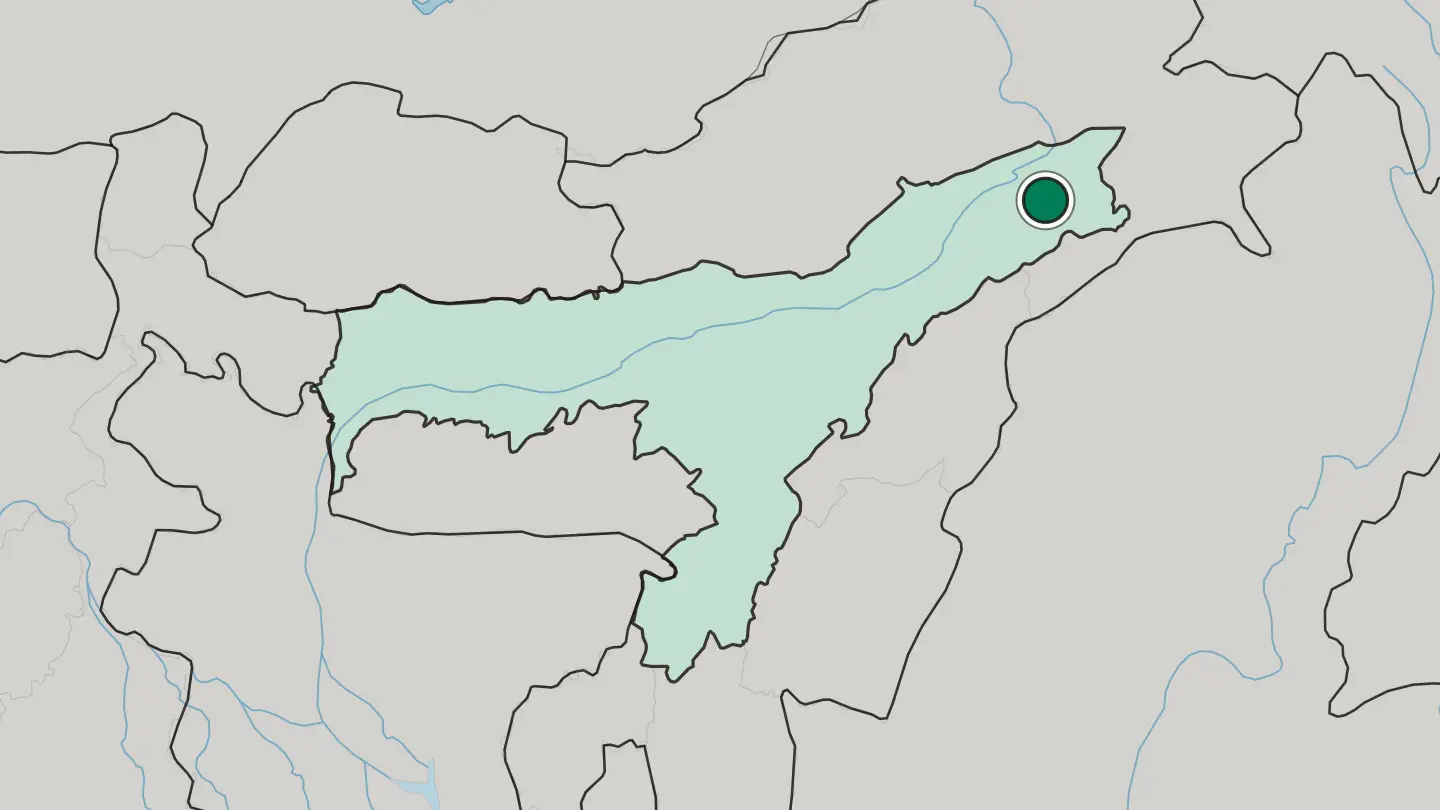 India
India
Tezpur
Tezpur holds the north bank of the Brahmaputra in Sonitpur district, the largest city on that side and a name in Hindu Puranic scriptures.Where to stay →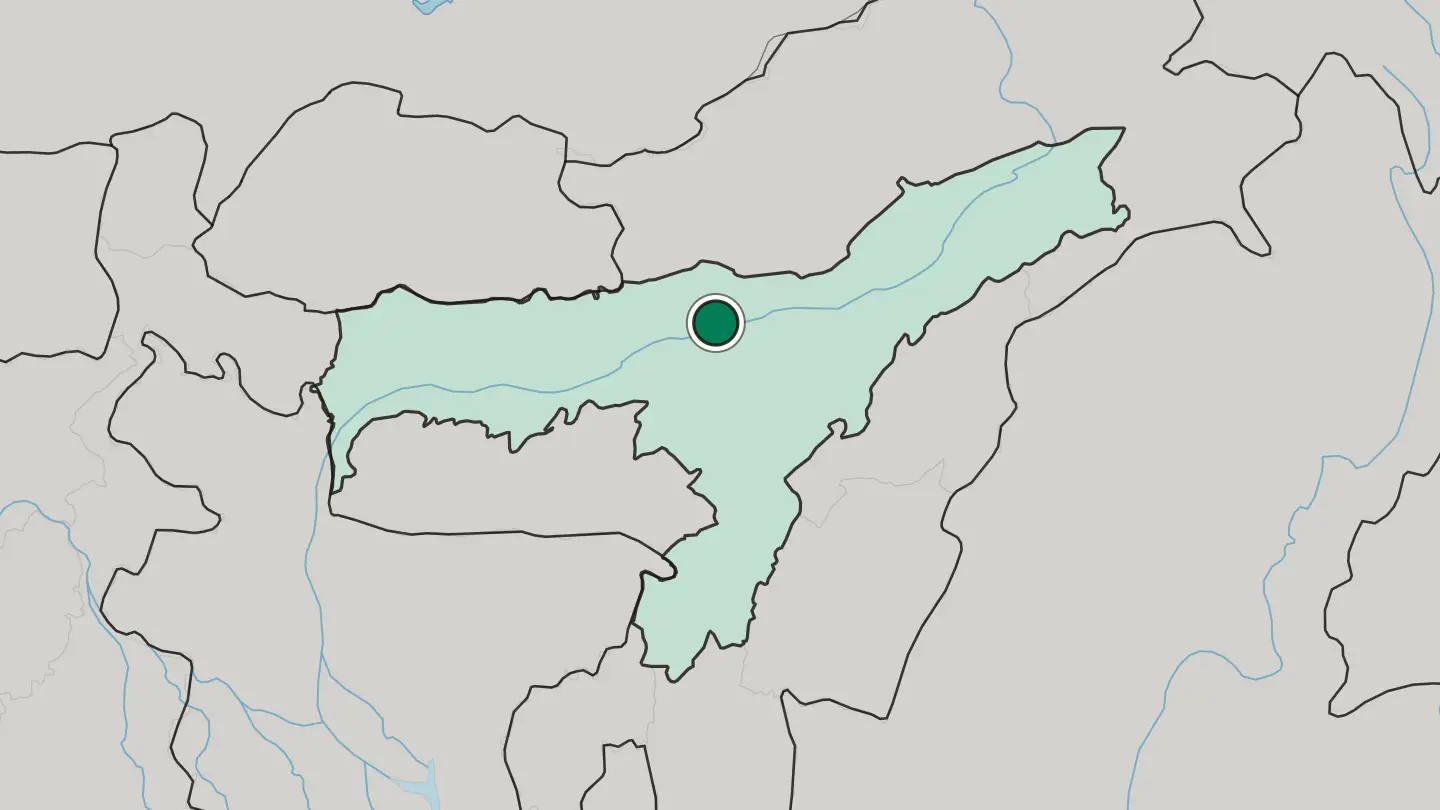 India
India
Sibsāgar
Sibsāgar keeps the temple towers and royal burial grounds of the Ahom kingdom, at the head of its own district in Upper Assam.Where to stay →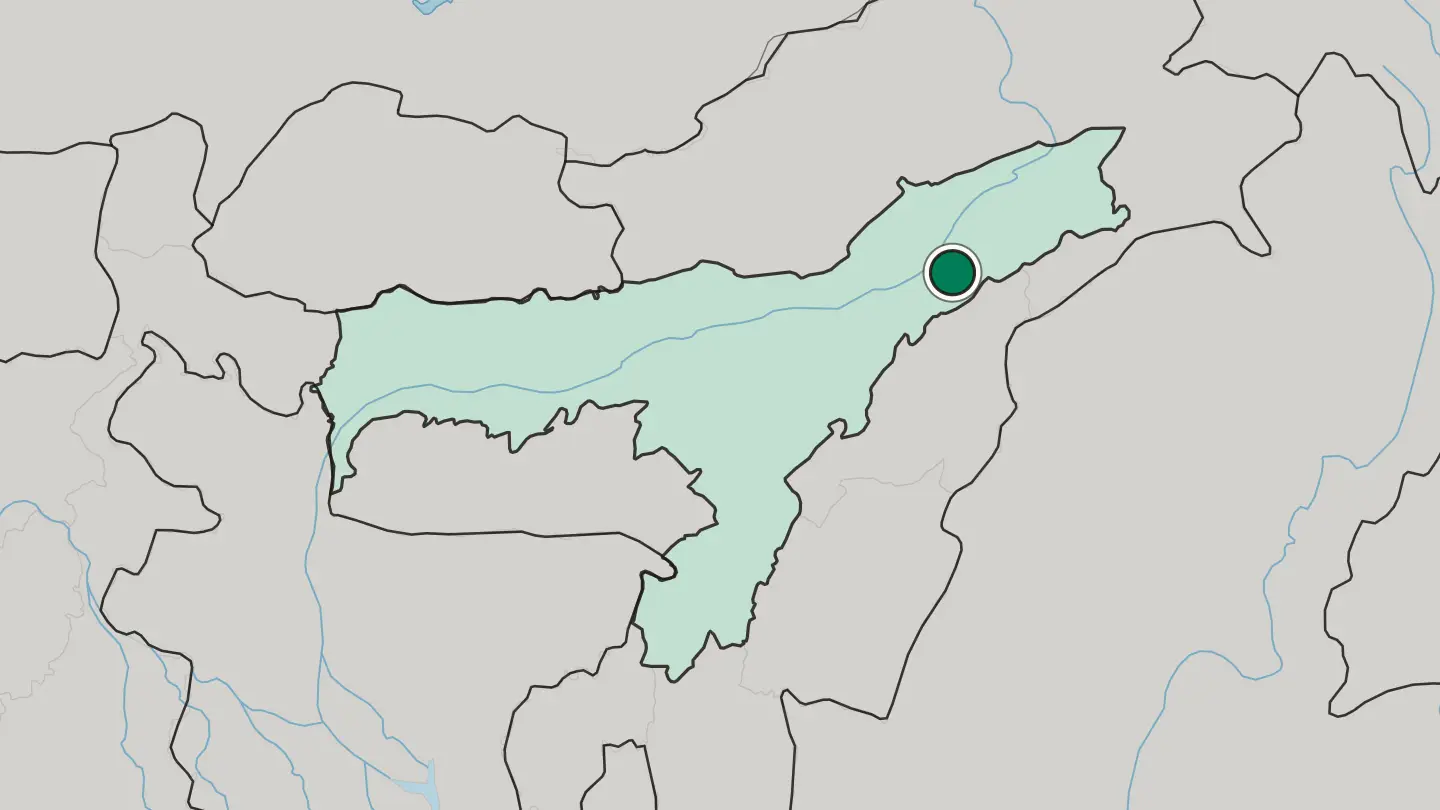
Hotel links are affiliate links: booking through them may earn us a commission, at no extra cost to you. It never affects how places are ranked. How this works
About Assam
Tea and rhinos come first.
What is Assam known for?
Assam's tea grows on estates that spread out from Dibrugarh and Jorhat, and its name is stamped on tea tins worldwide. The other draw is Kaziranga National Park, a UNESCO grassland on the Brahmaputra, in a state that holds more than half of the world's wild one-horned rhinos. Add Guwahati, the largest city, and Majuli, the vast river island in mid-Brahmaputra, and the shortlist is set.
Where is Assam?
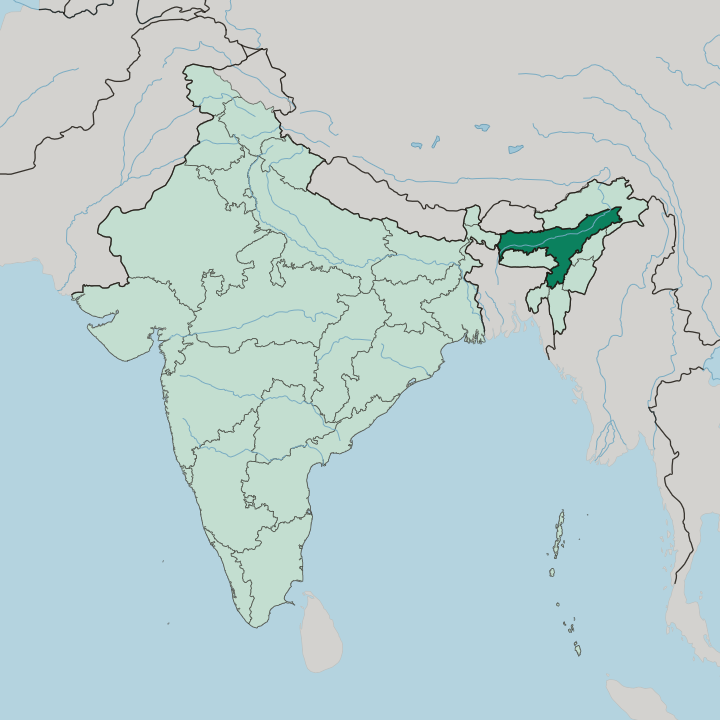
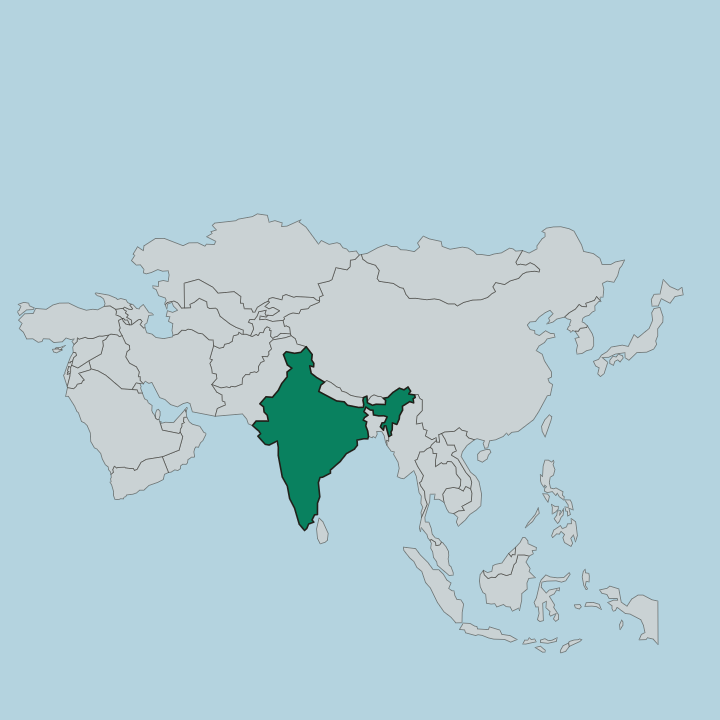
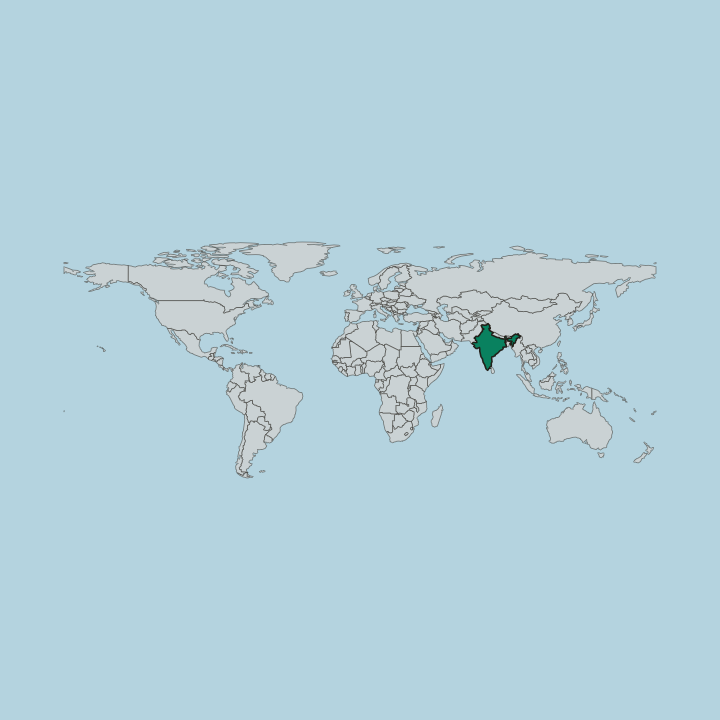
Assam sits in the far northeast of India, south of the Eastern Himalayas and wrapped around the middle course of the Brahmaputra. The Brahmaputra shapes the whole state. Coming down off the Tibetan plateau, the Brahmaputra spreads into a braided channel that can run miles wide in the wet season, and around it lies the long flood plain that most of the state occupies.
That plain, the Brahmaputra Valley, stretches roughly a thousand kilometres from the eastern hills down toward the border with Bangladesh, rarely more than a hundred kilometres across. It is flat, green, and prone to flooding. A second, smaller valley lies to the south, cut off by hills.
The Barak rises in the ranges beyond the state, crosses the Cachar plains around Silchar, and flows on into Bangladesh. Between the two valleys run forested ridges, and beyond Assam's edges sit the other states of the northeast and the international line with Bangladesh. To the west, the Siliguri Corridor, a strip of land 22 km wide, links it to the rest of India.
Guwahati stands on the south bank of the Brahmaputra, roughly where the western plain begins. The land is river country through and through.
What is Assam like?
Assamese is the thread that ties the valley together, an Indo-Aryan tongue. It carried the court records of the old Ahom kings, and it carries the songs of Bihu. Bihu is the beat of the Assamese year.
The word names three harvest festivals, one at spring sowing in April, one in autumn, one at the January threshing, and the spring Rongali Bihu is danced to drums and pipes across the whole state. Sattriya, a temple dance born in Majuli's Vaishnavite monasteries, is the more solemn counterpart. Everyday life bends toward the river and the leaf.
Rice and fish feed the plain, tea threads through it, and the monasteries of Majuli keep a devotional tradition that reaches back centuries. Guwahati holds the hilltop Kamakhya temple. The mix of peoples is wide.
Tai settlers, hill communities, tea-garden labourers brought under the British, and the older valley population have all left their mark on how Assam eats, prays, and speaks.
What is the history of Assam?
The Ahom kingdom shaped Assam. Founded in 1228 by a Tai prince who crossed the eastern passes, it ruled the Brahmaputra Valley for close to six centuries, fending off repeated Mughal invasions from the west. Its defining moment came in 1671 at Saraighat, on the river by Guwahati, where the general Lachit Borphukan broke a Mughal fleet and kept the valley free.
Ahom rule ended in 1826, when the region passed to the British, who cleared the plains for the tea estates that still define upper Assam. The modern state took its present shape within the Republic of India in 1950.
What is the climate of Assam?
Assam runs on the monsoon. It has a warm, humid subtropical climate, and copious rains sweep up the Brahmaputra Valley from late June into September. Those months swell the river and flood the plain, so the dry, cooler stretch from November to spring is the time to travel here.
Summers before the rains are hot and sticky. Winter mornings on the valley floor turn misty and mild, cooled by air spilling off the Himalayan foothills to the north, and Kaziranga's grasslands are at their most walkable then.
How do you get to Assam?
Nearly everyone flies into Guwahati. Its airport, named for Gopinath Bordoloi at Borjhar west of the city, connects the valley with Delhi, Kolkata, and the other metros. Trains reach Assam too, running up the narrow land corridor that ties the northeast to the rest of India, though the journey is long.
Once in the valley, road and rail thread east and west along the Brahmaputra to Jorhat, Dibrugarh, and the Kaziranga grasslands, while ferries cross the river to Majuli.
Common questions
What is the best area to stay in Assam?
Guwahati: arriving in Assam. Kaziranga: rhino safaris on the Brahmaputra floodplain. The Jorhat and Dibrugarh tea belt: staying on an Assam tea estate. Majuli: monasteries on a Brahmaputra river island.
Good for
More regions in India
Updated October 2026