India · State of Jammu and Kashmīr
Where to Stay in Jammu, State of Jammu and Kashmīr
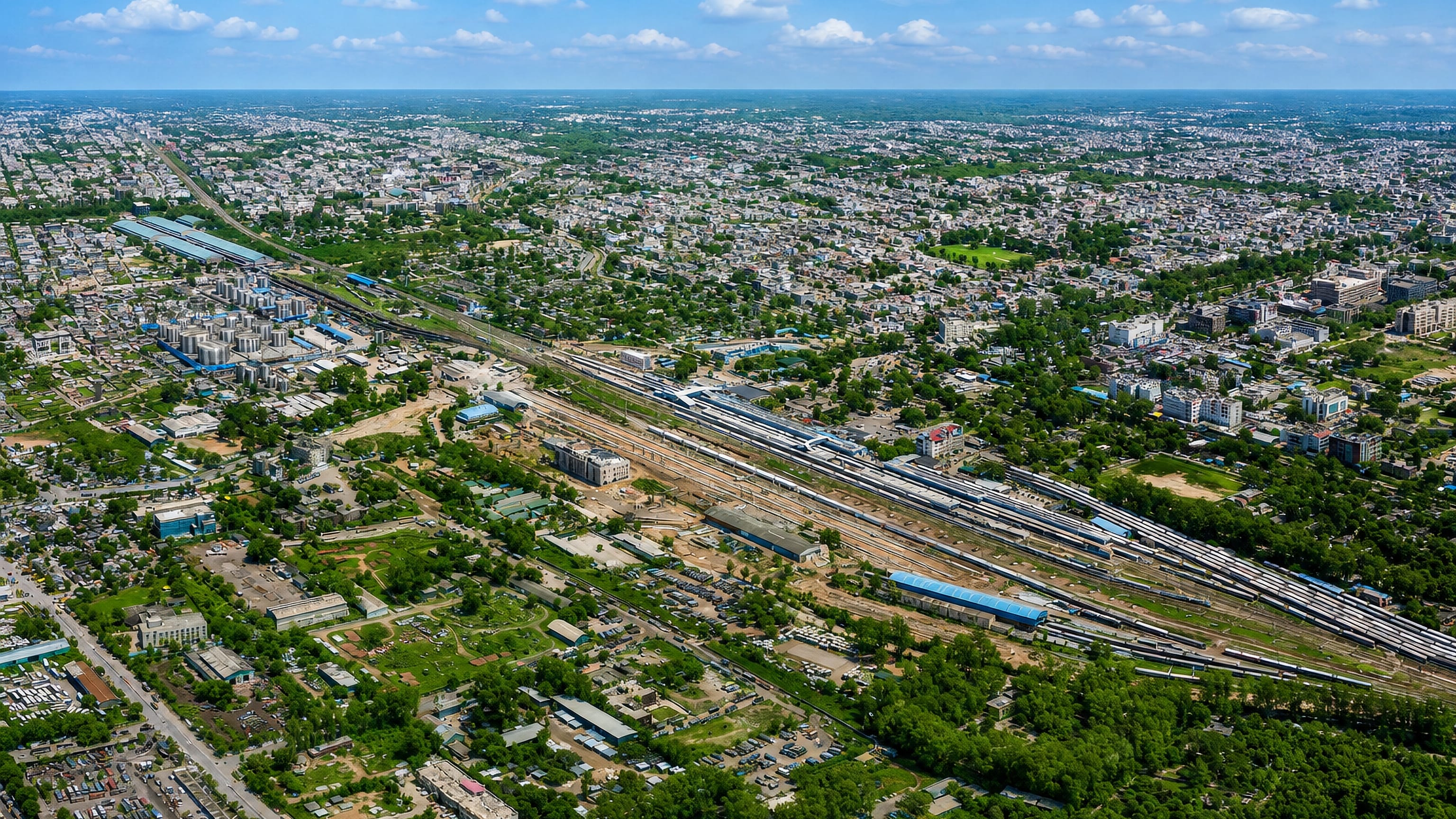
Jammu spreads along the river Tawi below the Himalayas, its ridges carrying Bahu Fort on one side and Mubarak Mandi Palace on the other.
Hotel links are affiliate links: booking through them may earn us a commission, at no extra cost to you. It never affects how places are ranked. How this works


Where to stay in Jammu
How the choice of base plays out on the ground.
The palace side is the obvious base. Ground below Mubarak Mandi Palace puts the Dogra Art Museum and the older streets within walking reach, and the river Tawi runs close enough that Bahu Fort stays in view across the water. Saint Mary's Cathedral and Mast Garh Shahi Masjid add to what a central base reaches on foot.
Demand shifts with the government calendar. When the winter capital function brings offices down from Srinagar, rooms in Jammu tighten, and a city that felt roomy in the warm months does not. Bahu Fort marks the other choice.
Staying across the river Tawi trades the museum walk for the fort ridge and a quieter approach to the city, which suits travellers arriving by road rather than working in the offices. Newer ground spreads toward the flat country. It is easier to park there and further from everything, and the drive in is short only outside office hours.
Srinagar becomes the alternative in the warmer half of the year, when the seat of government moves back up and Jammu quietens. Choose the ridge if you came for the buildings.
Find hotels in Jammu
Direct booking searches for these neighbourhoods.
Mubarak Mandi ridge
The slope under Mubarak Mandi Palace holds the older streets and leaves the Dogra Art Museum a few minutes off.Find hotels in Mubarak Mandi ridgeA quieter bank of the Tawi with the fort ridge overheadBahu Fort bank
Across the river Tawi the ground climbs to Bahu Fort, clear of the office traffic the winter capital brings.Find hotels in Bahu Fort bankRoad arrivals coming up to Jammu off the northern plainsPlains edge
Where Jammu runs out toward the northern plains the newer ground is easier to drive to than the Mubarak Mandi slope.Find hotels in Plains edgeHotel links are affiliate links: booking through them may earn us a commission, at no extra cost to you. It never affects how places are ranked. How this works
About Jammu
Palace and fort face each other.
What is Jammu known for?
Mubarak Mandi Palace steps down its ridge in a run of courtyards and wings, Bahu Fort holds the high ground across the river Tawi, and the Dogra Art Museum stands within reach of both. Government arrives with the cold. Jammu serves as the winter capital of Jammu and Kashmir, taking the seat over from Srinagar, which sits much higher and keeps the summer half of the year.
What are the main landmarks in Jammu?
Bahu Fort reads from a distance, standing high enough above the river Tawi that its walls show from the far bank, with Mubarak Mandi Palace answering from the opposite rise. Art moves indoors. The Dogra Art Museum takes that side of the city's record.
Mast Garh Shahi Masjid and Saint Mary's Cathedral give Jammu two more fixed points, both raised for congregations rather than for display.
What is the history of Jammu?
Two ridges hold the record. Bahu Fort commands the ground above the river Tawi, and Mubarak Mandi Palace occupies the slope facing it, the fortification and the seat of government reading as a pair across the water. The river runs between the two, and the built-up ground has followed its banks ever since.
The palace is a complex rather than a single building. Jammu grew around that pairing, and the Dogra Art Museum gathers art under one roof within the same short stretch of the city. Faith built alongside the court.
Saint Mary's Cathedral and Mast Garh Shahi Masjid stand in the same city as the palace and the fort, marking congregations that established themselves here and stayed. Administration is the later layer. Jammu serves as the winter capital of the Indian-administered union territory of Jammu and Kashmir, so the offices move down from Srinagar for the colder half of the year and the city takes on a governing role it does not carry in summer.
Sovereignty across the wider Kashmir region is disputed, and the arrangement that gives Jammu the winter seat operates within the part administered by India. Jammu division takes its name from here.
Where is Jammu?
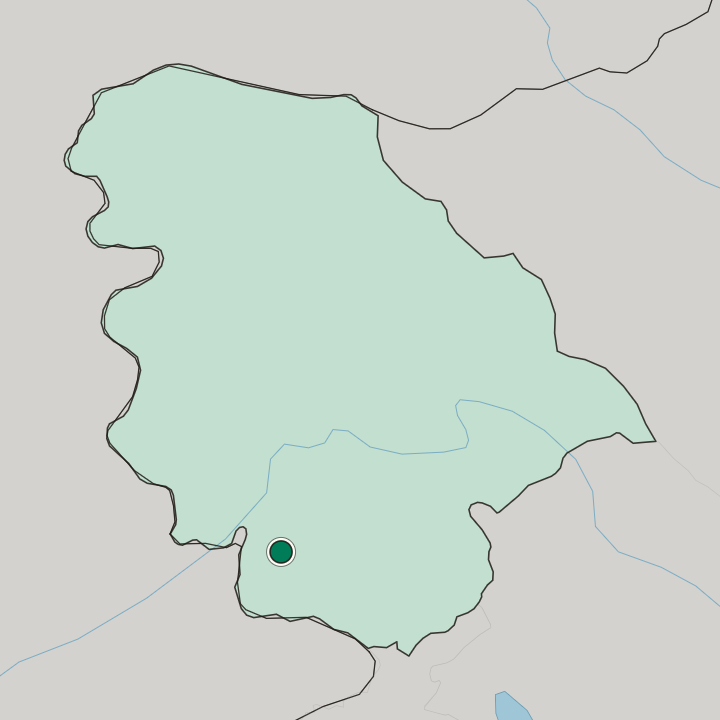
The river Tawi splits the ground. Jammu sits on its banks with the Himalayas standing to the north and the northern plains opening to the south, which leaves the city low-lying in a division otherwise built of mountains. Ridges carry the older quarters.
Below them the flat country takes over quickly.
What is the climate of Jammu?
Elevation decides the difference. Jammu lies low where the northern plains begin, with the Himalayas rising behind it, so its air belongs to the subtropical belt rather than to the mountains that surround the division. Srinagar, far higher, gets the other half of the bargain.
Winter is when the city fills.
How do you get to Jammu?
The flat country is the way in. Jammu lies at the low end of the Jammu division where the northern plains give out against the Himalayas, so the city stays reachable through the season when government moves down from Srinagar. The river Tawi marks the edge of the built-up ground.
Common questions
What is the best area to stay in Jammu?
Mubarak Mandi ridge: Walking the palace courtyards and the Dogra Art Museum in one morning. Bahu Fort bank: A quieter bank of the Tawi with the fort ridge overhead. Plains edge: Road arrivals coming up to Jammu off the northern plains.
Good for
More cities in State of Jammu and Kashmīr
Updated September 2026