India
State of Jammu and Kashmīr, India — Towns & Travel Guide
Jammu and Kashmir is India's northern Himalayan region, holding the Vale of Kashmir, Srinagar's Dal Lake, and the winter capital at Jammu.
Hotel links are affiliate links: booking through them may earn us a commission, at no extra cost to you. It never affects how places are ranked. How this works


Towns & cities in State of Jammu and Kashmīr
Pick a town or city — each links to where to stay.
 India
India
Srinagar
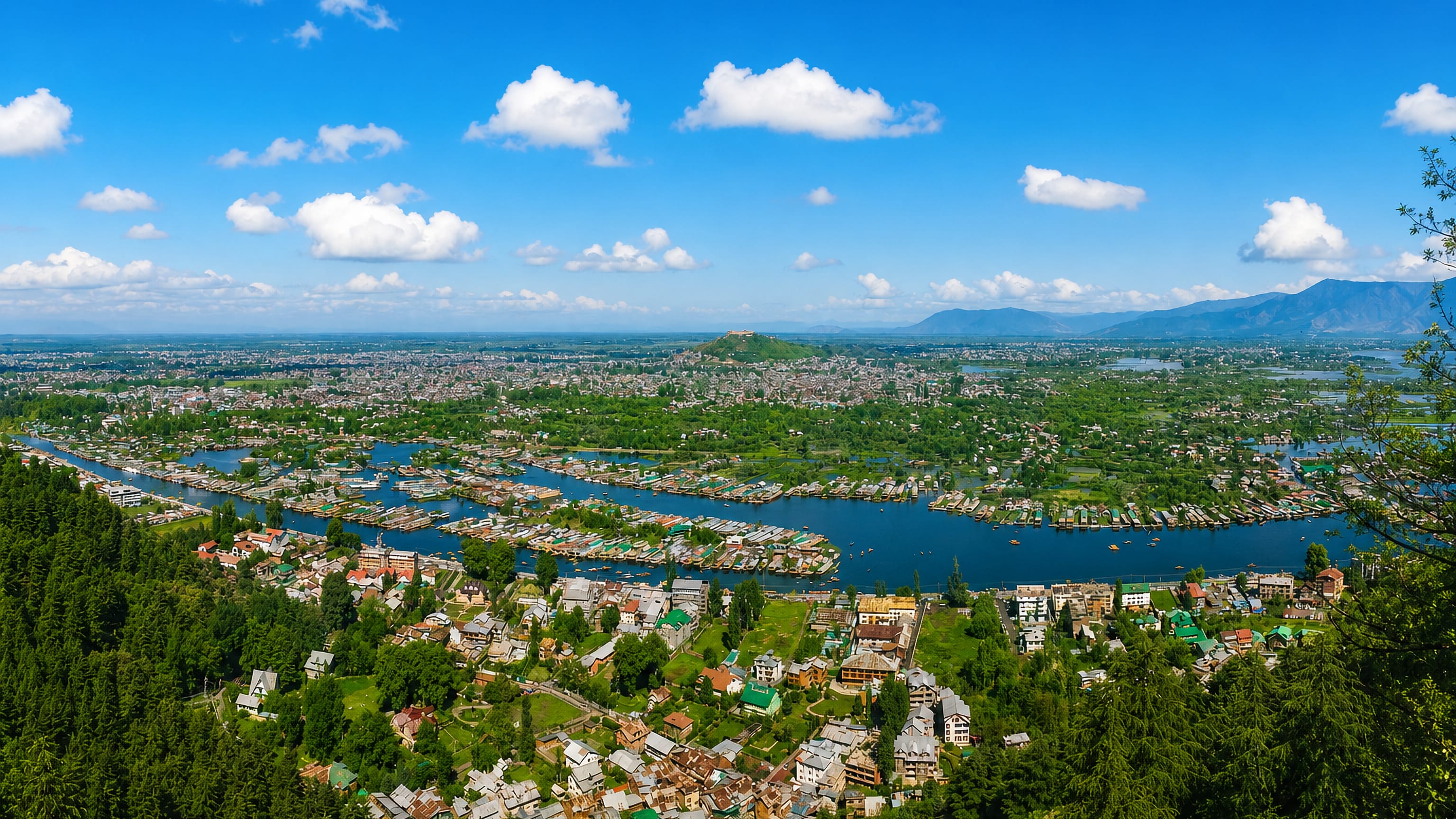
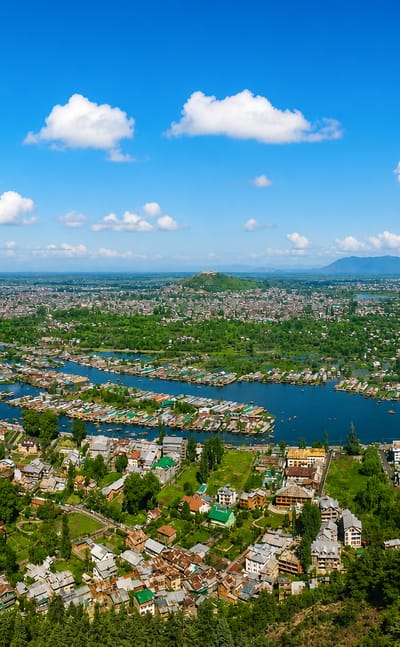
Water lies at the heart of Srinagar, a city in the Kashmir Valley set along the Jhelum River and the shores of Dal Lake.Where to stay →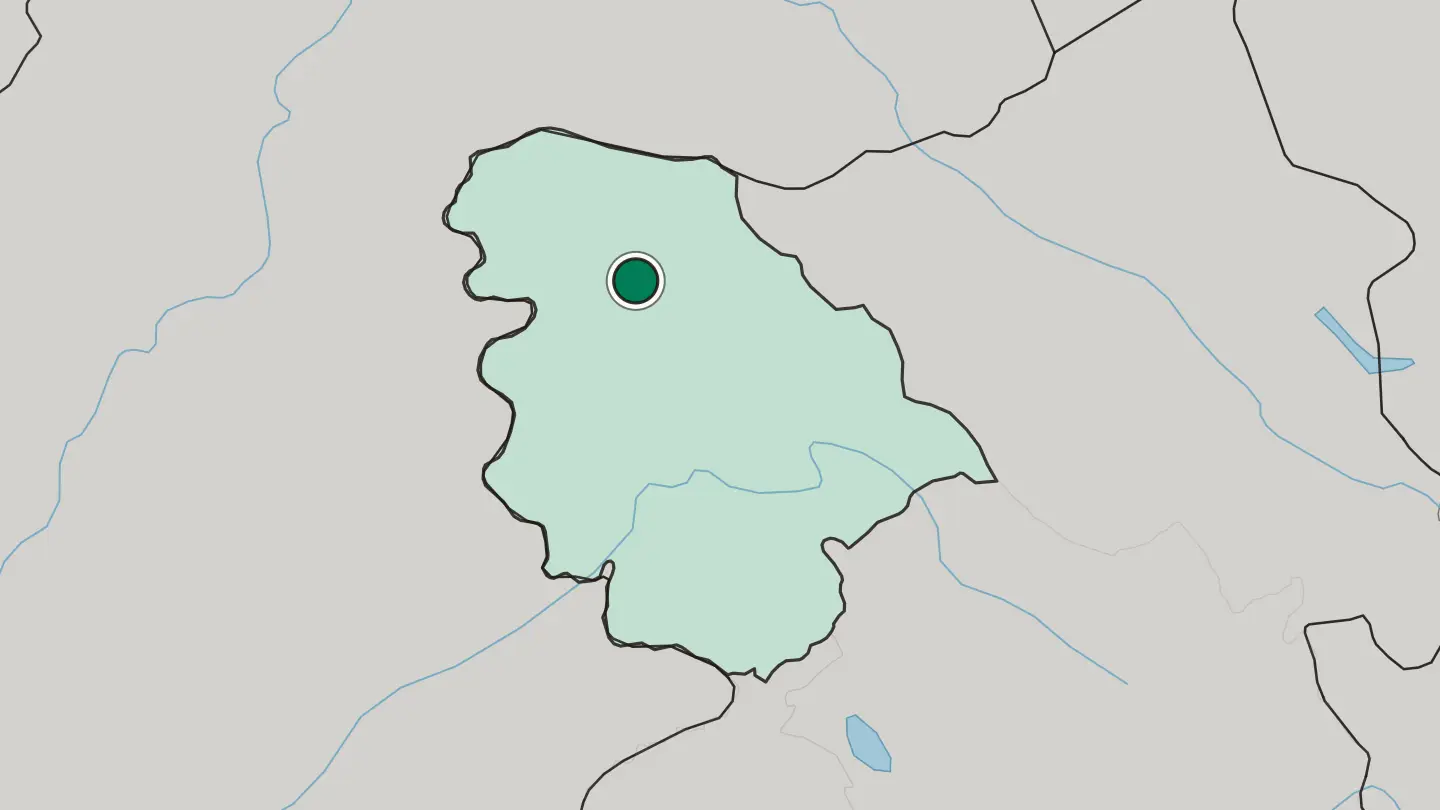
 India
India
Jammu
Jammu spreads along the river Tawi below the Himalayas, its ridges carrying Bahu Fort on one side and Mubarak Mandi Palace on the other.Where to stay →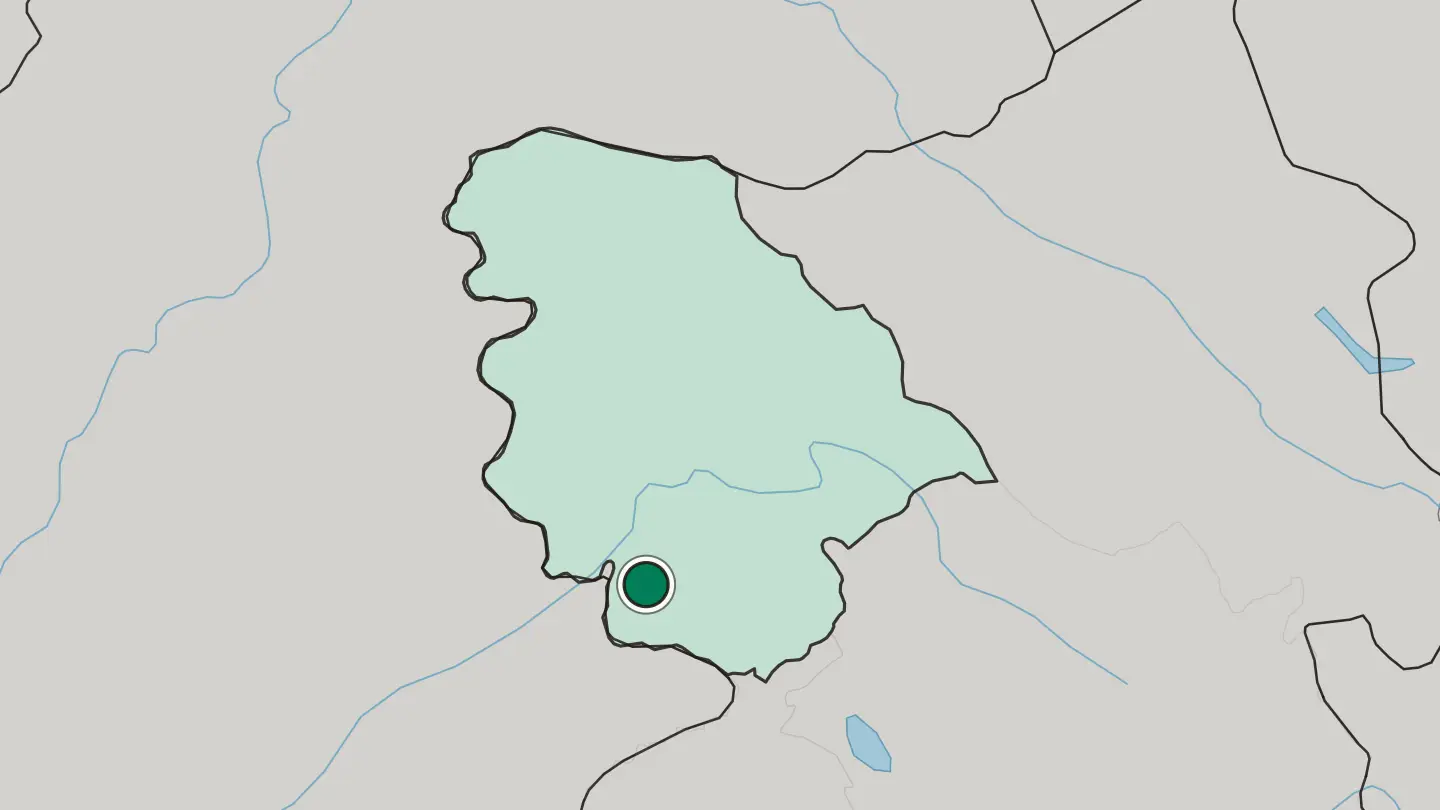
 India
India
Anantnag
Anantnag heads Anantnag district in the Kashmir Valley, second largest city of the valley, with the Achabal Gardens as the site recorded for it.Where to stay →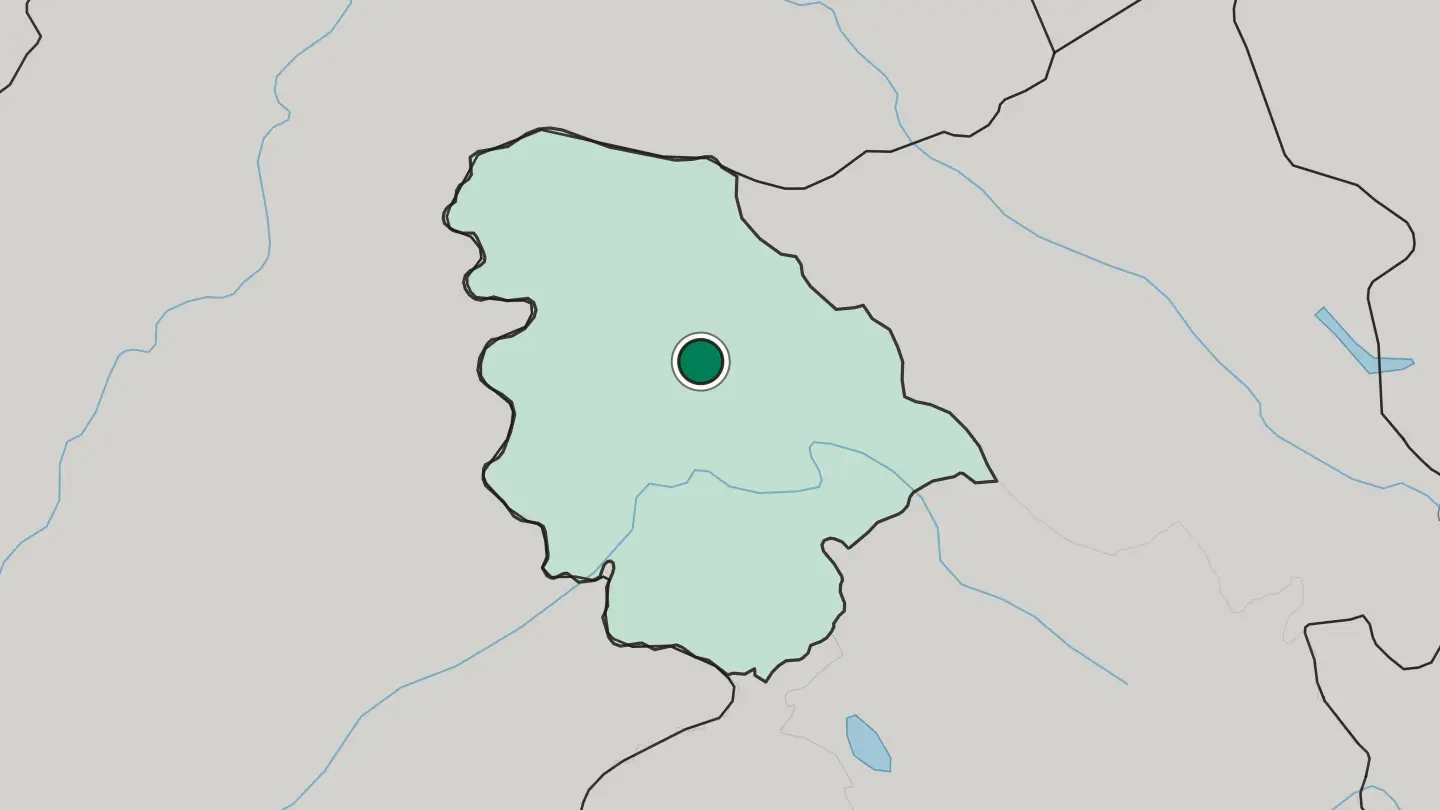
 India
India
Udhampur
Udhampur is a city and district headquarters in Jammu and Kashmir, named for Raja Udham Singh and standing on the road between Jammu and Srinagar.Where to stay →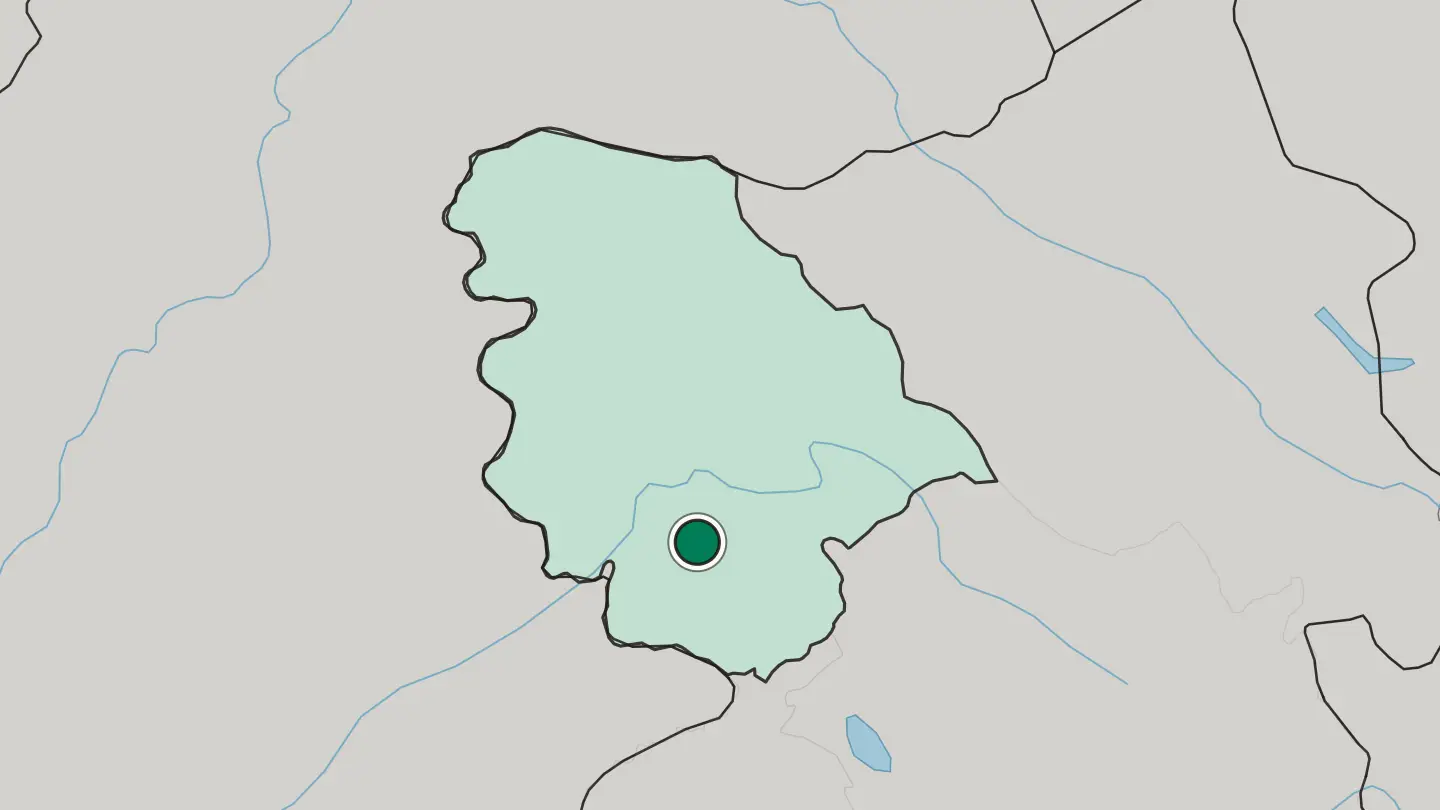 India
India
Bāramūla
Bāramūla stands on the River Jhelum below Srinagar, where the Kashmir Valley runs up against the foothills of the Pir Panjal Range.Where to stay →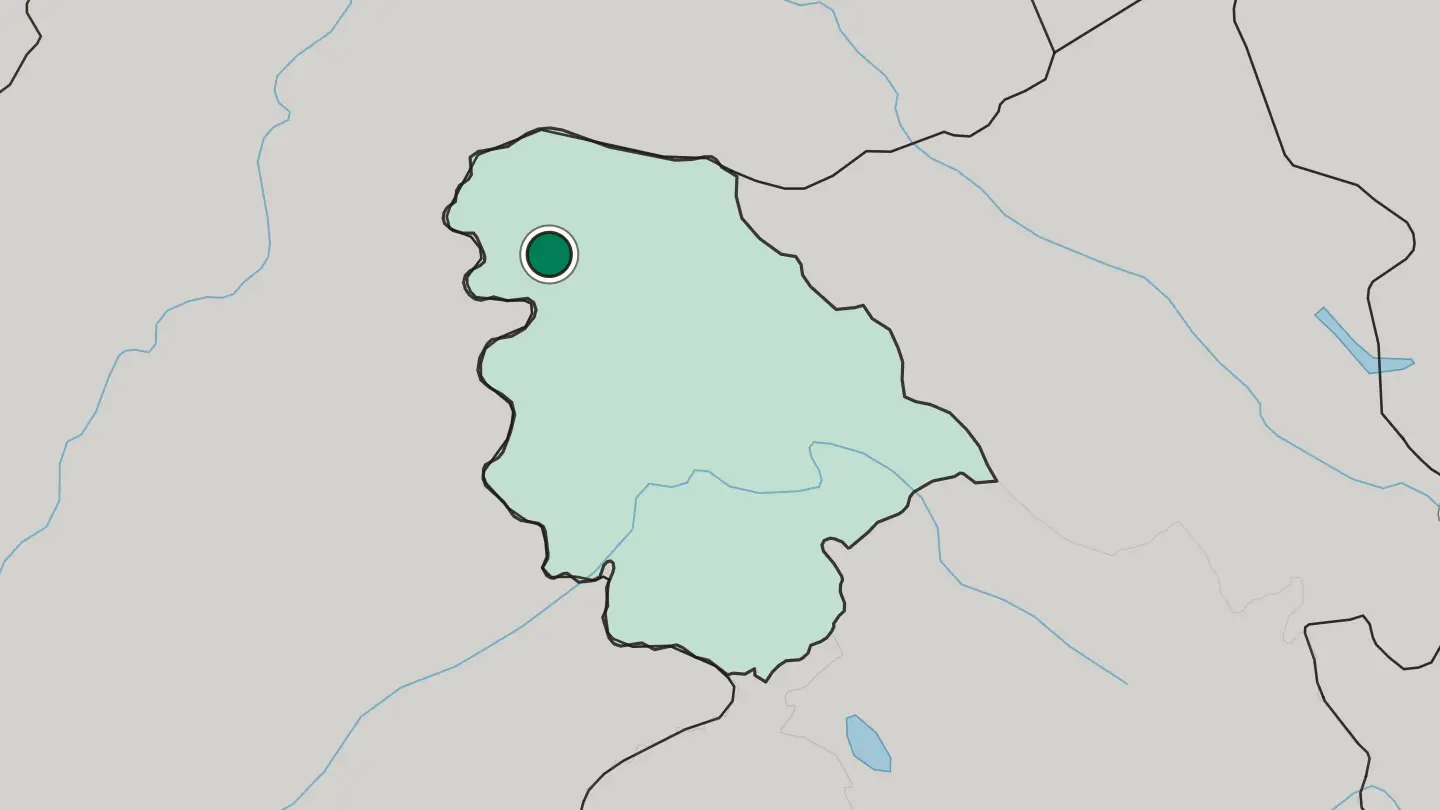
Hotel links are affiliate links: booking through them may earn us a commission, at no extra cost to you. It never affects how places are ranked. How this works
About State of Jammu and Kashmīr
The Vale of Kashmir is the image most travellers carry.
What is State of Jammu and Kashmīr known for?
It is a green mountain basin ringed by the Pir Panjal Range and the Great Himalayas, drained by the Jhelum River as it loops through Srinagar. Wooden houseboats moor on Dal Lake. Shikara boats cross the water between floating gardens and the shrine at Hazratbal, and higher up the alpine meadows of Gulmarg and Pahalgam draw walkers in summer and skiers into the deep snow of winter.
Jammu guards the southern road up from the plains.
Where is State of Jammu and Kashmīr?
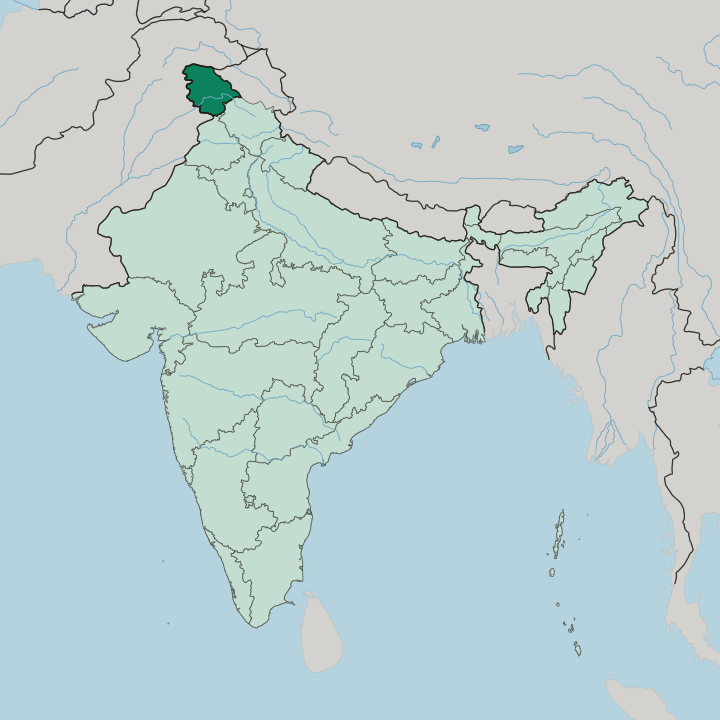
Jammu and Kashmir fills the western Himalayan ranges in far northern India, the southern part of the wider Kashmir region. Mountains dominate almost all of it. The land climbs in ramparts from the plains up to the high snow, and geographers read it as a set of parallel zones stacked from south-west to north-east.
First come the foothills above Jammu. Then the Pir Panjal Range, the westernmost wall of the Lesser Himalayas, whose crest towers well above the valley floor. Behind that wall lies the heart of the region, the Vale of Kashmir, a long green basin drained end to end by the Jhelum River.
The Jhelum rises at the Verinag spring beneath the Pir Panjal, meanders north-west past Srinagar, and feeds Dal Lake and Wular Lake before it turns toward the Chenab. Beyond the valley the Great Himalayas rise again toward Ladakh in the east, split off as a separate territory. Pakistan-administered Kashmir presses against the region on the west and north, and the line dividing the two runs through the mountains.
Little of the land is flat. The valley floor near Srinagar sits above a mile in elevation, and everything around it climbs.
What is State of Jammu and Kashmīr like?
Two cultures meet across the mountains here, and the Pir Panjal marks the seam. In the valley the common tongue is Kashmiri, a Dardic language written in a Perso-Arabic script, while Dogri belongs to the Jammu plains to the south. Sufi devotion runs through valley life.
The verse of mystics like Lalla Ded and the shrine of Hazratbal on Dal Lake still shape how Kashmiris mark the calendar. Food is where a visitor feels it fastest. The wazwan, a multi-course feast built around rogan josh, gushtaba, and yakhni, is the region's great act of hospitality, cooked for weddings and served to honoured guests.
Craft is the other signature. Pashmina shawls woven from mountain-goat fleece, walnut-wood carving, crewel embroidery, and knotted numdah rugs come off looms and benches across Srinagar. Down in Jammu the temples take over, and the pilgrim trail to Vaishno Devi fills the hills with walkers.
The two halves speak different languages and keep different rhythms. One region holds them both.
What is the history of State of Jammu and Kashmīr?
The princely state took shape in 1846, when the Treaty of Amritsar sold the Kashmir Valley to Gulab Singh and joined it to his Dogra lands around Jammu. His dynasty ruled the mountains for a century. When British India was partitioned, the last Maharaja, Hari Singh, signed the Instrument of Accession in 1947 and brought the state into India.
That decision, and the war and the dividing line that followed, set the shape of the region and the dispute with Pakistan that has run ever since. Ladakh split away east.
What is the climate of State of Jammu and Kashmīr?
The valley keeps four sharp seasons. Summers around Srinagar are mild, with days in the low twenties Celsius that suit shikara rides and mountain walks. Winter is the hard turn.
The forty-day stretch the Kashmiris call Chillai Kalan, from late December into January, drives temperatures below freezing and can lock parts of Dal Lake under ice. Snow falls thick over Gulmarg and the Pir Panjal, opening the ski season while the valley floor freezes. Jammu, lower and south of the mountains, stays warmer and drier through the year.
How do you get to State of Jammu and Kashmīr?
Most travellers fly straight into the valley. Srinagar's airport, at Humhama west of the city, takes daily flights from Delhi, Mumbai, and other Indian hubs, and it is the quickest way over the mountains. The alternative is the railway.
Trains climb the new Udhampur-Srinagar-Baramulla line from Jammu, threading the eleven-kilometre Banihal-Qazigund tunnel under the Pir Panjal and crossing the Chenab on the world's highest railway arch bridge. The old road from Jammu still runs the same way through the tunnels. From Srinagar, buses and taxis carry on up to Gulmarg, Pahalgam, and Sonamarg.
Common questions
What is the best area to stay in State of Jammu and Kashmīr?
Srinagar: a Dal Lake houseboat base in the Vale of Kashmir. Gulmarg: skiing and summer walks above the valley. Pahalgam: riverside trekking east of Srinagar. Jammu: the southern city and the road up from the plains.
Good for
More regions in India
Updated September 2026