India · State of Jammu and Kashmīr
Where to Stay in Srinagar, State of Jammu and Kashmīr
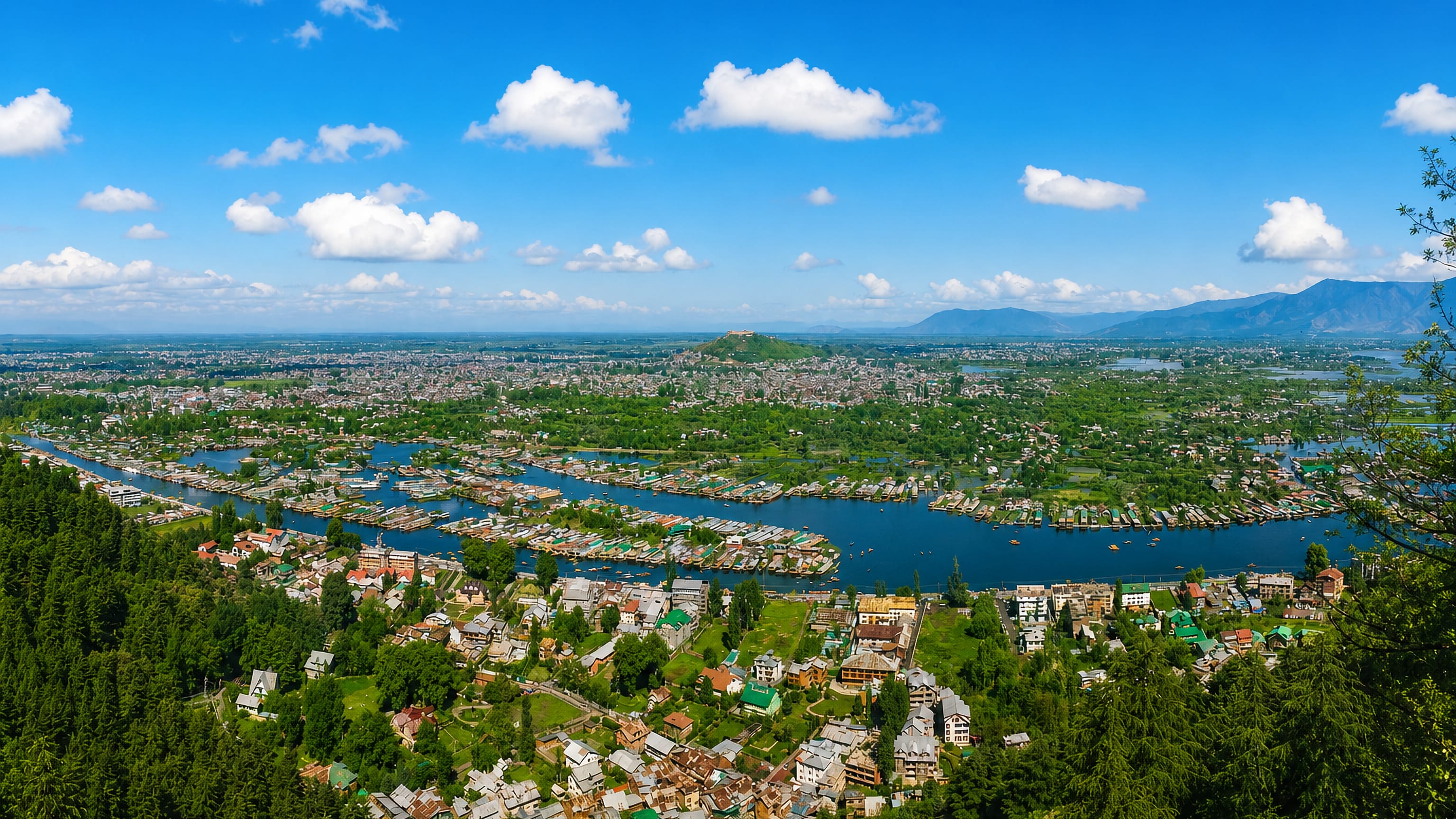
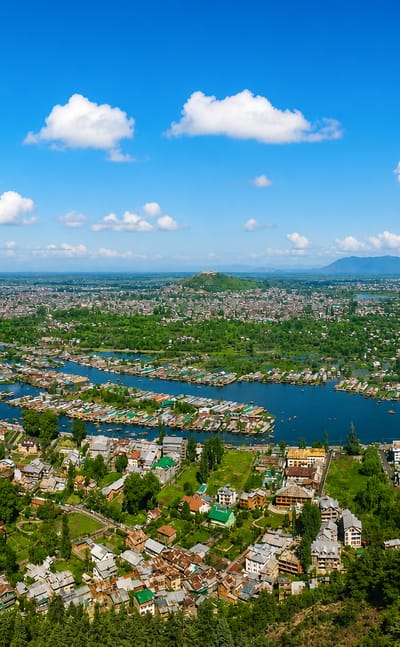
Water lies at the heart of Srinagar, a city in the Kashmir Valley set along the Jhelum River and the shores of Dal Lake.
Hotel links are affiliate links: booking through them may earn us a commission, at no extra cost to you. It never affects how places are ranked. How this works


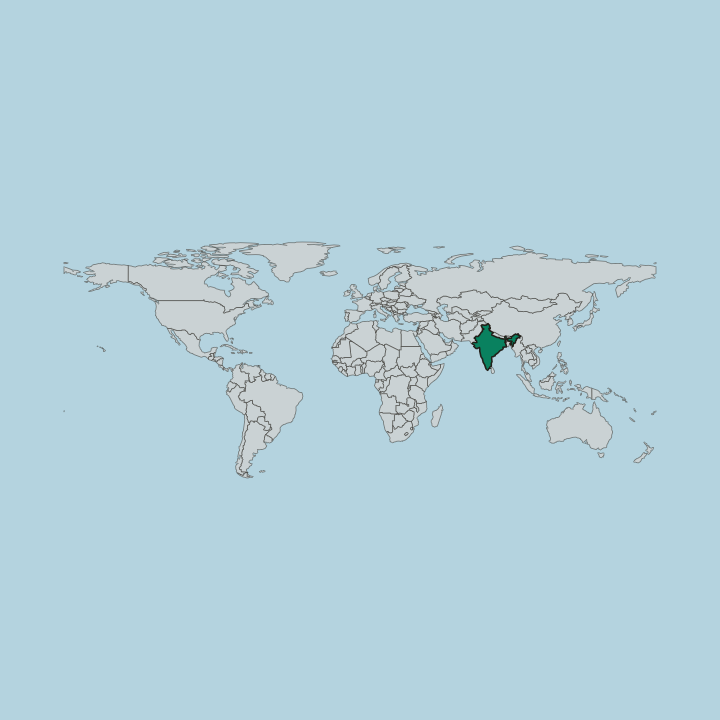
Where to stay in Srinagar
One neighbourhood here has its own guide — here's what it is best for.
 SrinagarIndia
Nohata
Nohata, or Nowhatta, is a quarter of Srinagar in the Kashmir region, known for the Jamia Masjid and called Navyut in Kashmiri.Where to stay →Hotel links are affiliate links: booking through them may earn us a commission, at no extra cost to you. It never affects how places are ranked. How this works
Find hotels in Srinagar
Direct booking searches for these neighbourhoods.
Dal Lake waterfront
the lakeside of Srinagar where houseboats and waterfront lodging sit closest to the Dal Lake setting that defines the cityFind hotels in Dal Lake waterfrontheritage near the Jamia Masjid and Kathi DarwazaOld city on the Jhelum
the dense historic quarters of Srinagar along the Jhelum River, holding the mosques and the SPS Museum of the Kashmir region. Rooms are few around here — worth securing early.Find hotels in Old city on the JhelumHotel links are affiliate links: booking through them may earn us a commission, at no extra cost to you. It never affects how places are ranked. How this works
Things to do in Srinagar
Ranked by global recognition; descriptions from Wikidata (CC0).
Museums & Galleries
1- SPS Museum
Churches & Religious Sites
2- Aali Mosque
- St. Luke's Church, Srinagar
Castles & Historic Sites
1- Kathi Darwaza Heritage
Landmarks & Notable Places
1- Jamia Masjid
worth knowingacross 4 categories in Srinagar
About Srinagar
What is Srinagar known for?
Srinagar is known as the largest city of the Kashmir region and its principal centre in the Kashmir Valley. Its waters define it. The city lies along the Jhelum River and the shores of Dal Lake and Anchar Lake, and it is known too for Kashmiri handicrafts, from the Kashmir shawl and papier-mache to wood carving and carpet weaving.
Water and craft carry its name.
What are the main landmarks in Srinagar?
Srinagar's landmarks gather in its old city and along Dal Lake. The Jamia Masjid and the Aali Mosque anchor the historic quarters, with the Kathi Darwaza marking an old city gate. The SPS Museum holds the region's collections, while St. Luke's Church adds to the layered heritage of this city in the Kashmir Valley.
Faith and history fill the roll.
What is the history of Srinagar?
Srinagar is a long-settled city of the Kashmir Valley, its life shaped by the Jhelum River that runs through it. Water set the pattern early. The old quarters grew along the river and the shores of Dal Lake, and the mosques, gates and shrines that stand there, from the Jamia Masjid to the Kathi Darwaza, mark the layered heritage that accumulated across the long span of the valley's past.
The city held its place as the principal centre of the Kashmir region, its craft traditions, the Kashmir shawl, papier-mache and wood carving among them, carried down through generations. Its hills frame that story. The Hari Parbat and Shankaracharya heights stood over the settlement as it grew, and Srinagar kept its identity as the valley's largest city, its continuity resting on the river, the lakes and the surrounding heights rather than on a single dated founding on record.
Where is Srinagar?
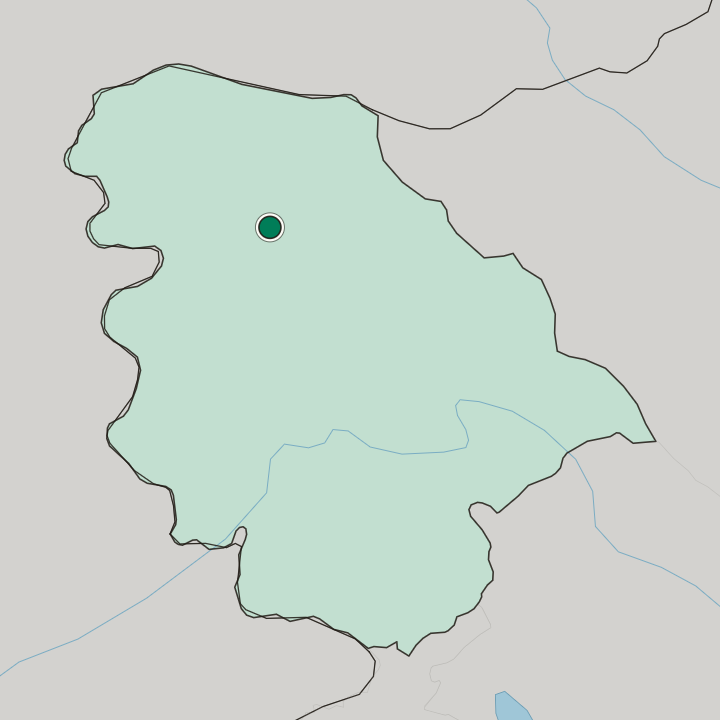
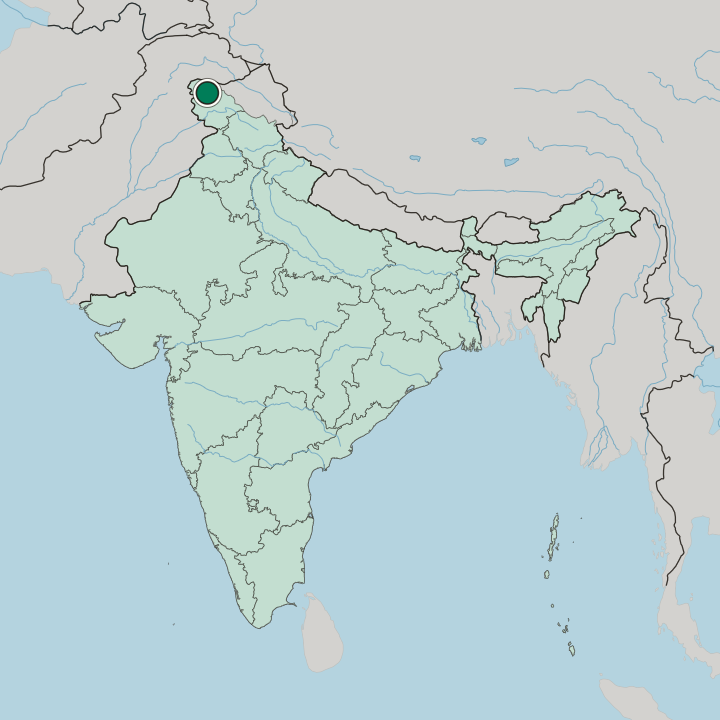
Srinagar lies in the Kashmir Valley, within the Himalayas. Mountains ring the setting. The city spreads along the Jhelum River and the shores of Dal Lake and Anchar Lake, framed by the Hari Parbat and Shankaracharya hills that rise over the valley floor.
Its ground is a high mountain basin of the Kashmir region.
What is the climate of Srinagar?
Srinagar has the cool climate of its mountain valley. In its Himalayan valley, Srinagar turns cold and snowbound each winter. The high setting of the Kashmir Valley gives it clear, mild summers and long cold winters, the seasons swinging widely between the Himalayan heights that ring the Jhelum River and Dal Lake.
Its weather is that of a high mountain basin.
How do you get to Srinagar?
Srinagar is reached across the mountains of the Kashmir Valley. Roads climb in through the Himalayas. The city sits as the principal hub of the Kashmir region, its high basin setting on the Jhelum River meaning approach comes over mountain passes and, for many, by air into the valley.
Travel in crosses the surrounding heights.
Common questions
What is the best area to stay in Srinagar?
Dal Lake waterfront: houseboat stays on the water beneath the Kashmir Valley hills. Old city on the Jhelum: heritage near the Jamia Masjid and Kathi Darwaza.
Good for
More cities in State of Jammu and Kashmīr
Updated September 2026