India · State of Karnataka
Where to Stay in Chintamani, State of Karnataka
Chintamani, a taluk headquarters on the Deccan Plateau in Karnataka, holds the largest silk and tomato markets in the state.
Hotel links are affiliate links: booking through them may earn us a commission, at no extra cost to you. It never affects how places are ranked. How this works


Where to stay in Chintamani
How the choice of base plays out on the ground.
Markets set the clock here. Chintamani wakes for silk and tomatoes long before it wakes for visitors, so a bed near the trading ground buys early access at the cost of quiet. Rooms are few and plain.
The town runs on trade rather than on tourism, and what it offers a guest is proximity to the working day instead of comfort dressed up for a holiday. Chintamani was founded in 1938, and it counts among the better-planned towns of its district. Two districts claim the address.
Chintamani stood in the District of Kolar before the move to Chikkaballapur, which matters for a traveller only when a booking, a bus listing or an official form asks which district the town belongs to. Chintamani takes up very little ground. About 15 square kilometres hold the whole of it, so no address here is far from the markets, and the choice between one side and another comes down to noise rather than to travel time.
Chikkaballapur and Kolar are the larger names on the map, and a traveller who cannot find a bed in Chintamani will be looking towards one of them.
Find hotels in Chintamani
Direct booking searches for these neighbourhoods.
By the silk and tomato markets
Rooms beside the Chintamani silk and tomato markets put the early trading hours within a walk. Few places to stay nearby — book ahead.Find hotels in By the silk and tomato marketsVisitors moving on to Chikkaballapur or Kolar the same dayThe Chikkaballapur side
The Chikkaballapur edge of Chintamani suits anyone leaving the district after the market closes.Find hotels in The Chikkaballapur sideHotel links are affiliate links: booking through them may earn us a commission, at no extra cost to you. It never affects how places are ranked. How this works
About Chintamani
Silk and tomatoes, in that order.
What is Chintamani known for?
Chintamani carries the largest markets in Karnataka for both crops, which gives a taluk headquarters of modest size a trading reach a good deal wider than its own streets. The plateau explains the farming. Both crops come off the Deccan Plateau around the town, and the market is where the growers of the district meet the buyers who move the produce on.
Its founding is recorded in 1938.
What are the main landmarks in Chintamani?
Trade stands in for monuments. The Chintamani silk and tomato markets, the largest of their kind in Karnataka, are what a visitor is actually shown, since no fort, temple or palace appears among the town's named sites. The plateau does the scenery.
Ground here belongs to the Deccan Plateau, and the open country between Chintamani and the district towns of Chikkaballapur and Kolar is the view rather than any single building.
What is the history of Chintamani?
The year 1938 is where the record starts. Chintamani's founding is dated to that year, which makes the town a planned foundation rather than a settlement that grew by accident around a crossing or a shrine. Planning shows in the layout.
Chintamani is recorded among the well-planned and developed towns of its district, a description that follows directly from being laid out rather than accumulated. The Deccan Plateau set the terms. Ground at plateau height suits silk and tomatoes alike, and the markets that made the town's name grew from what the surrounding taluk could actually produce rather than from anything imported.
Administration moved around it. The town sat in the District of Kolar and later came under Chikkaballapur, so its official address changed without the town itself moving an inch. Trade did not change with it.
Silk and tomatoes carried Chintamani through both arrangements, and the largest markets in Karnataka for either crop still sit in a taluk headquarters rather than in a district capital. The built-up town is small. That a place of that size holds the state's biggest markets for two crops is the single fact its history turns on.
Where is Chintamani?
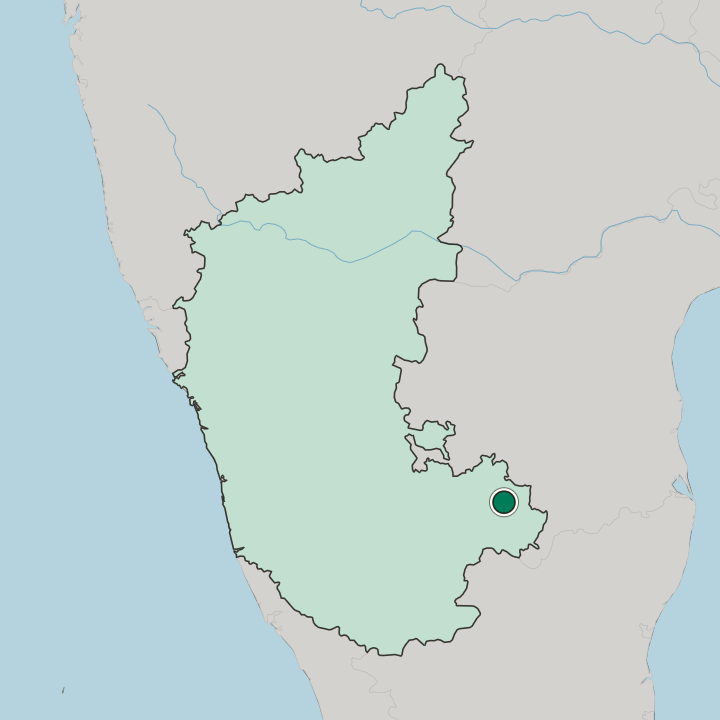
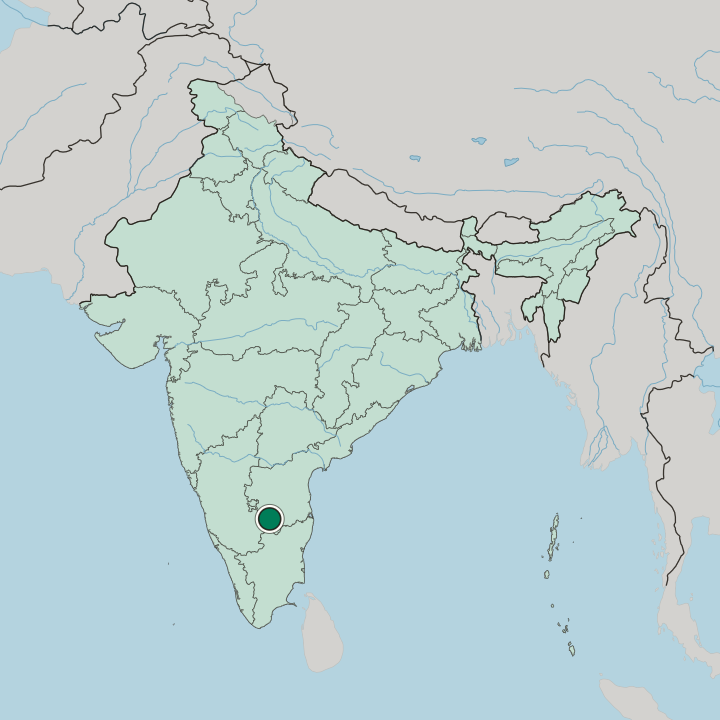
Chintamani sits on the Deccan Plateau, in the Indian state of Karnataka. Its ground once belonged to the District of Kolar and answers to Chikkaballapur instead. The town covers about 15 square kilometres.
Plateau height, not any coast or river, is the fact that governs it, and the country around supplies the silk and tomatoes that reach the markets in the middle of town.
What is the climate of Chintamani?
Height takes the edge off the tropics. Chintamani sits on the Deccan Plateau, and plateau ground north of the equator gives a different year from anywhere at sea level, with the wet and dry seasons doing the work that winter does elsewhere. Silk and tomatoes both depend on it.
A crop year on the plateau turns on when the rain arrives, which is why the markets in Chintamani run to a seasonal rhythm rather than a steady one.
How do you get to Chintamani?
Road, and by way of the district. Chintamani is a taluk headquarters, so the routes that matter run in from Chikkaballapur and from the old District of Kolar rather than from any terminal of its own. Produce moves the same way.
Silk and tomatoes leave by road for buyers across Karnataka, and a traveller arriving uses the same connections the trade does, which is the practical shape of getting here.
Common questions
What is the best area to stay in Chintamani?
By the silk and tomato markets: Traders working the Chintamani silk and tomato trade. The Chikkaballapur side: Visitors moving on to Chikkaballapur or Kolar the same day.
More cities in State of Karnataka
Updated September 2026