India · State of Karnataka
Where to Stay in Hassan, State of Karnataka
Hassan is a city and taluk of Karnataka, the district headquarters most travellers use to reach Hoysala Kingdom temple architecture.
Hotel links are affiliate links: booking through them may earn us a commission, at no extra cost to you. It never affects how places are ranked. How this works


Where to stay in Hassan
The practical side of choosing where to sleep.
Most beds sit in the town. Hassan works as a base rather than a destination, and its rooms exist mainly because heritage tourism needs somewhere to sleep within reach of Hoysala Kingdom temple architecture. The centre keeps the practical things close: the market, the trade streets and the district headquarters that make Hassan the administrative seat of Hassan district.
It suits anyone leaving early for the temples and wanting food and transport at hand the night before. Away from the centre the taluk turns to farmland. Greenery and water define the country around Hassan, and a room out there trades the convenience of the market streets for fields and quiet.
Agriculture is the reason that ground looks the way it does, since Hassan district works as a centre for farming long before any visitor arrives for a temple. Trade keeps the two connected. Market street and open field sit only a short way apart.
Choosing between them comes down to whether the Hoysala temples or the farming country is the reason for the trip, because the city itself is a working district headquarters rather than a sight.
Find hotels in Hassan
Direct booking searches for these neighbourhoods.
Hassan town centre
The market and district headquarters streets, where the temple roads out of Hassan beginFind hotels in Hassan town centreNights in the greenery and water outside the taluk townThe farming edge of Hassan district
Fields worked by the district's agriculture, away from the heritage tourism trafficFind hotels in The farming edge of Hassan districtHotel links are affiliate links: booking through them may earn us a commission, at no extra cost to you. It never affects how places are ranked. How this works
About Hassan
Temples bring most visitors here.
What is Hassan known for?
Hoysala Kingdom-era temple architecture is what Hassan is known for far outside Karnataka, and heritage tourism built on those temples now sits beside agriculture and trade in the town's working life. Greenery and water fill the country around it. Hassan district farms that ground, and the city serves as its market as much as its administrative seat.
What are the main landmarks in Hassan?
Hoysala Kingdom-era temple architecture is the draw, and Hassan's reputation rests on being the place travellers reach it from rather than on anything inside the town. The carving is the point. Karnataka architecture of that period is what the trip is made for, and the greenery and water around Hassan district fill the road between one temple and the next.
Agriculture holds everything in between. Inside the city, the district headquarters, the markets and the trade that supports them stand in for monuments.
What is the history of Hassan?
The Hoysala Kingdom came first. Temple architecture from that era is the oldest thing the district is known for, and it is why Hassan appears on itineraries that would otherwise pass through Karnataka without stopping. The town itself grew around other work.
Hāsana, as the name is also written, developed as a taluk town in farming country, and agriculture stayed its business while the temples aged into heritage. Greenery and water shaped what farming here could be, and the same landscape now carries visitors between the temple sites that made the Hoysala name durable. Administration settled the city's role.
Hassan became the headquarters of Hassan district in Karnataka, which fixed the administration, the trade and the market of a wide agricultural area in one taluk town. Tourism came afterwards. Heritage tourism turned the Hoysala temples into an industry, and Hassan gained a second economy alongside agriculture and trade.
Outside India the city is known for the temple architecture it stands near, while inside Karnataka it is known as the seat of Hassan district. Agriculture, heritage tourism and trade remain the three things the city is a centre for, and none of them has displaced the others.
Where is Hassan?
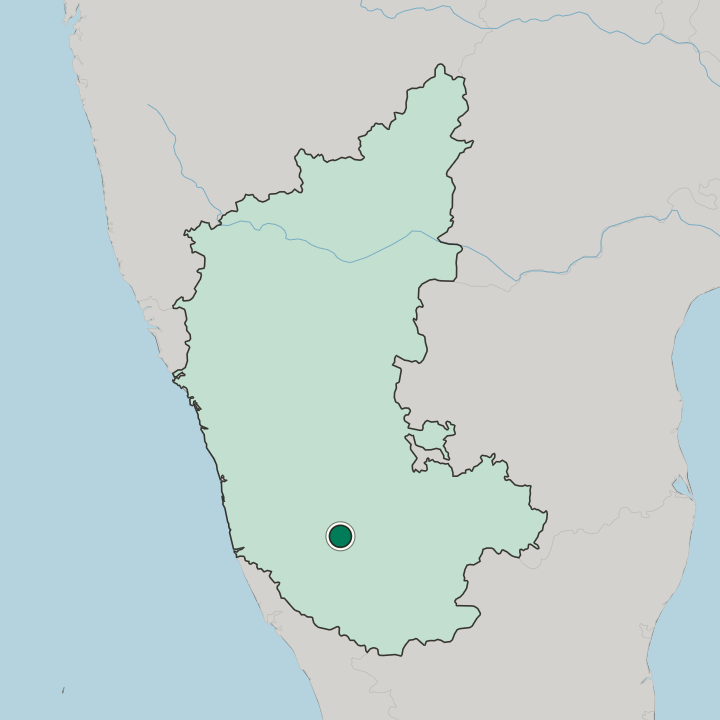
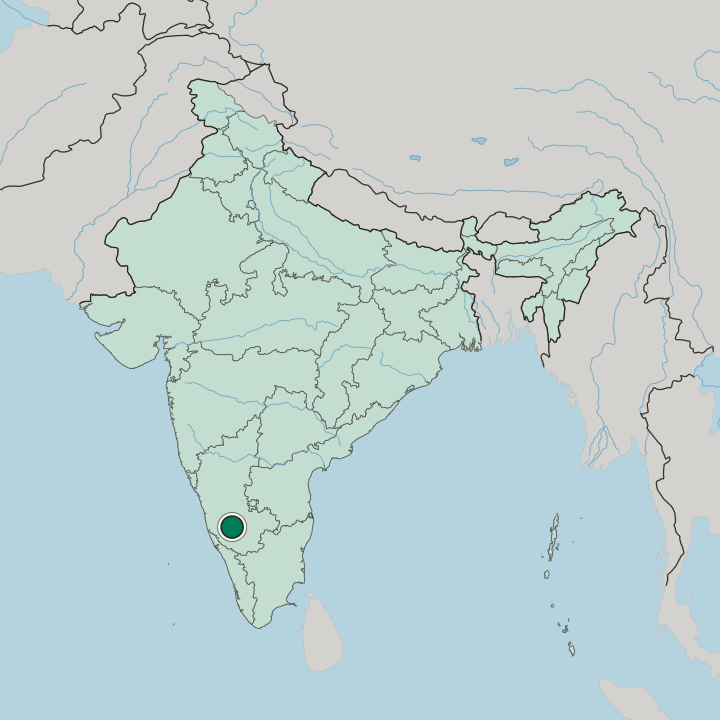
Hassan sits inland in Karnataka. Greenery and water describe the country around the city, and the taluk spreads out into the farmland that gives Hassan district its weight in the agriculture of Karnataka. The Hoysala temple country lies around it.
Roads out of the city cross that ground toward the temple architecture the district is known for, through fields and water that stay green well past the town edge.
What is the climate of Hassan?
Rain explains the greenery. Hassan lies in the tropics, where warmth is steady enough to be unremarkable and the year is measured instead by the wet months that keep the district's fields and water in shape. Agriculture runs on that timing.
Drier stretches leave the roads to the Hoysala temple architecture easier, and the greenery the town is described by depends on the rain that precedes them.
How do you get to Hassan?
Hassan is reached from within Karnataka. The city functions as the road base for Hoysala Kingdom temple architecture, so most arrivals come overland from other parts of the state rather than for the town itself. District business brings the rest.
Trade and agriculture pull traffic in from across Hassan district, since the headquarters town is where the surrounding country does its official and market business.
Common questions
What is the best area to stay in Hassan?
Hassan town centre: Early departures for the Hoysala temples. The farming edge of Hassan district: Nights in the greenery and water outside the taluk town.
More cities in State of Karnataka
Updated September 2026