India · State of Karnataka
Where to Stay in Hosapete, State of Karnataka
Hosapete is a steel and district town on the Tungabhadra in Karnataka, the nearest city to Hampi and the ruins of the Vijayanagara Empire.
Hotel links are affiliate links: booking through them may earn us a commission, at no extra cost to you. It never affects how places are ranked. How this works


Where to stay in Hosapete
Where the beds are, and what that means for the visit.
Hosapete is where the beds are. Hampi has the ruins; the nearest city has the rooms, the markets and the working streets of a district headquarters on the Tungabhadra. It suits anyone who wants an early start toward the Vijaya Vithala temple and the Zenana Enclosure, then somewhere with a market and a meal to come back to.
Steel pays for the town. That industry shapes what a stay here looks like, since Hosapete is a working city of Vijayanagara district first and a base for Hampi second. The riverside is the other consideration.
The Tungabhadra River runs along the town, and rooms toward the water put the Hampi road and the Kishkinda country on the doorstep rather than the industrial side. Hampi itself is a short run out. Staying in the old capital rather than in Hosapete means trading the market and the transport of a district city for the quiet of a heritage site, and Hosapete sits in the itinerary because it holds what the site does not.
Hosapete means new market, and the markets are still the practical argument for sleeping here.
Find hotels in Hosapete
Direct booking searches for these neighbourhoods.
The Hampi road side
The Tungabhadra end of Hosapete, where the road toward Hampi and Kishkinda startsFind hotels in The Hampi road sideMarkets, meals and Vijayanagara district businessHosapete town centre
The new-market streets the town is named for, with the steel city's working traffic around themFind hotels in Hosapete town centreHotel links are affiliate links: booking through them may earn us a commission, at no extra cost to you. It never affects how places are ranked. How this works
About Hosapete
Hampi is the reason most people come.
What is Hosapete known for?
The ruined capital of the Vijayanagara Empire stands a short drive from Hosapete, a UNESCO World Heritage Site whose Vijaya Vithala temple and Zenana Enclosure draw visitors the town itself never would. Steel does the rest. Hosapete is known as the steel city of Karnataka, an industrial place and the headquarters of Vijayanagara district, sitting on the bank of the Tungabhadra River.
What are the main landmarks in Hosapete?
Hampi carries the whole district. The site was the capital of the Vijayanagara Empire and now holds UNESCO World Heritage listing, with the Vijaya Vithala temple among the buildings people travel from Bengaluru and further to see. The North Watch Tower in the Zenana Enclosure is one piece of that ruined city, which spreads across open country along the Tungabhadra River.
Hosapete keeps none of that. The town's own landmarks are industrial and administrative, a steel city and a district headquarters that exists as the practical companion to the ruins.
What is the history of Hosapete?
The empire came first. Hampi was the capital of the Vijayanagara Empire, and the country around it carried a city whose scale is still legible in the temples, enclosures and towers left standing. Hosapete took its name from a market.
The word means new market, and the town sits close enough to Hampi to serve as the nearest city to the ruins. Kishkinda is the other name attached to that area. Industry rewrote the town.
Hosapete became an industrial city, known as the steel city of Karnataka, and the growth that came with the works turned a market town into the largest place in its part of the state. Administration followed the size. The city serves as headquarters of Vijayanagara district, a unit that carries the empire's name while its capital lies a short distance away on the Tungabhadra River.
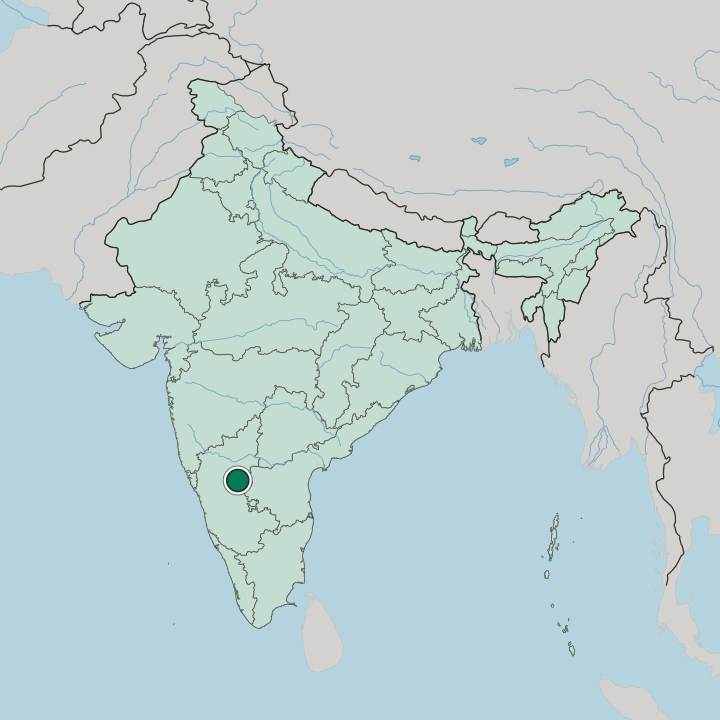
Hampi's listing as a UNESCO World Heritage Site fixed the other half of the town's role, and Hosapete became the place those visitors sleep. Two histories, one town. Bengaluru lies far off across the state, and the road between the two halves of Karnataka runs through Hosapete, which is part of why the town matters beyond the ruins.
Where is Hosapete?
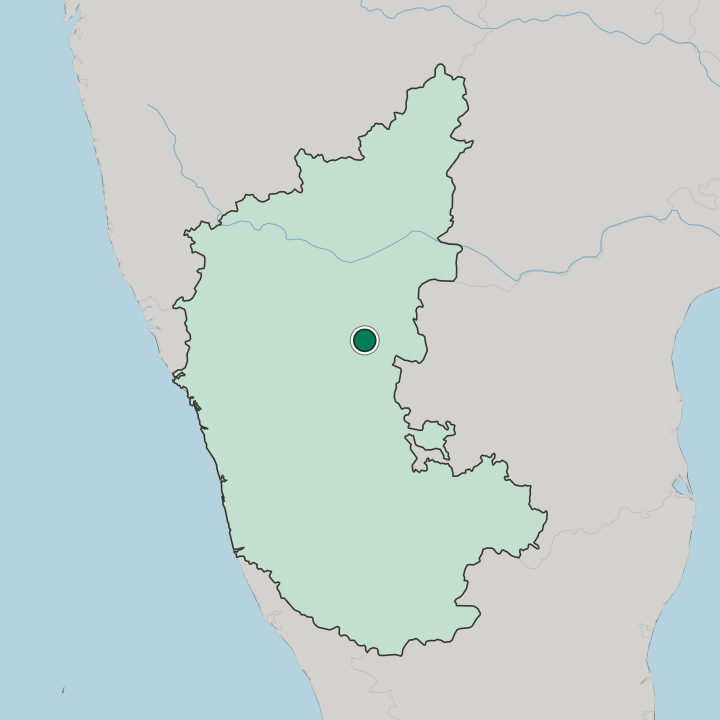
The Tungabhadra River sets the town's edge. Hosapete stands on its bank in Vijayanagara district, in open country where the ruins of Hampi and the Kishkinda area begin a short way off. Karnataka spreads out on both sides.
The town sits on the line between the two halves of the state, which is why traffic crossing Karnataka passes through it rather than around.
What is the climate of Hosapete?
The Tungabhadra keeps the town watered. Hosapete lies in the tropics well inland, so the heat is the constant and the river matters more to daily life than any change of season does. Rain arrives in a wet stretch and leaves the open country around Hampi dry again, which is when walking the ruins is hardest and the shade of the temples counts most.
Steel work goes on regardless.
How do you get to Hosapete?
Roads through Hosapete carry the traffic between the two halves of Karnataka, which is the practical reason the town is easy to reach from either direction. Bengaluru is a long way off. The state capital lies 333 km from Hosapete, a distance that puts the ruins well outside a day trip from Bengaluru.
Hampi is 13 km away. That last stretch is the one every visitor makes, out from the district town on the Tungabhadra River to the temples and enclosures of the old capital.
Common questions
What is the best area to stay in Hosapete?
The Hampi road side: First light at the Vijaya Vithala temple. Hosapete town centre: Markets, meals and Vijayanagara district business.
Good for
More cities in State of Karnataka
Updated September 2026