India · State of Karnataka
Where to Stay in Kanakapura, State of Karnataka
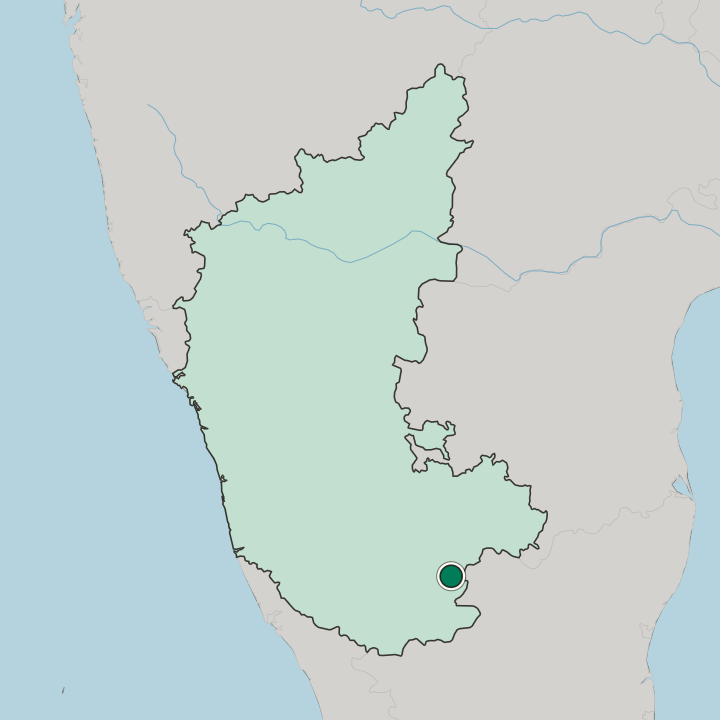
Kanakapura sits on the Arkavathi in the Bengaluru South district of Karnataka, and produces more silk cocoon than anywhere else in India.
Hotel links are affiliate links: booking through them may earn us a commission, at no extra cost to you. It never affects how places are ranked. How this works


Where to stay in Kanakapura
How the choice of base plays out on the ground.
Two sides split the choice. The Arkavathi bank is the older orientation, the ground Kanakapura was laid out against, and a room there keeps the river and the working centre of the taluk inside the same short walk. Away from the water it changes.
Beds taken toward the Kaveri Wildlife Sanctuary are chosen for the Sangam Wildlife Range and the Mugguru Wildlife Range, the two zones that sanctuary divides into, and they suit you only when the ranges rather than the city are the reason for the journey. Silk brings the other kind of guest. Kanakapura produces more cocoon than anywhere else in India, and buyers arrive for the trade rather than for the setting, which makes a bed beside the taluk offices the sensible one for them.
Kodihalli and Harohalli pull the opposite way. Those two wildlife ranges fall under the city's division, so a stay arranged around them faces outward into the taluk instead of inward toward the market. Distances inside the built city stay small.
The district line is worth knowing before booking. Kanakapura belonged to the Bangalore Rural District before it passed to the Bengaluru South district of Karnataka, and older listings still file the city under the earlier name, which matters when a confirmation and a timetable disagree about where the place sits. Check the spelling of the district.
One night is the usual length here, since the Kaveri crosses the taluk some 21 km away from the streets and the ranges lie further out again, and a visitor who wants both is driving rather than walking between them.
Find hotels in Kanakapura
Direct booking searches for these neighbourhoods.
The Arkavathi bank
The Arkavathi gave the city its site, and a room on that bank puts the water at the end of the street with the taluk's working centre a few minutes behind it.Find hotels in The Arkavathi bankEarly starts into the Sangam and Mugguru wildlife rangesToward the Kaveri Wildlife Sanctuary
The Kaveri Wildlife Sanctuary divides into the Sangam Wildlife Range and the Mugguru Wildlife Range, and beds on that side of Kanakapura cut the drive out to both of them. Beds are limited here, so book early.Find hotels in Toward the Kaveri Wildlife SanctuaryCocoon buyers working the Kanakapura silk tradeBeside the taluk offices
Kanakapura administers its own taluk and leads India in cocoon silk, so the offices and the trade sit together and a room next to them saves the one trip a buyer repeats daily.Find hotels in Beside the taluk officesHotel links are affiliate links: booking through them may earn us a commission, at no extra cost to you. It never affects how places are ranked. How this works
About Kanakapura
Silk cocoon is the headline.
What is Kanakapura known for?
Kanakapura produces more of it than any other place in India, a trade rooted in the taluk it administers rather than in the streets of the city itself. The wildlife follows close behind. The Kodihalli Wildlife Range and the Harohalli Wildlife Range both fall under its division, and the Kaveri Wildlife Sanctuary splits into the Sangam Wildlife Range and the Mugguru Wildlife Range further out.
Its constituency was formerly the largest in the country.
What are the main landmarks in Kanakapura?
No monument carries the city. What Kanakapura has instead is wild rather than built: the Kodihalli Wildlife Range and the Harohalli Wildlife Range sit under its division, while the Kaveri Wildlife Sanctuary is split between the Sangam Wildlife Range and the Mugguru Wildlife Range. The Arkavathi is the other fixed point.
It runs past the city, and the Kaveri covers around 21 km inside Kanakapura Taluk, which puts two rivers within one taluk's bounds.
What is the history of Kanakapura?
The name came from a man. Shrihan Kanaka Sigmanath founded the settlement, and Kanakapura carries his name inside its own, which is the earliest thing the record fixes about the place. A date never came with the name.
What follows the founding is administrative rather than dynastic: the city became the seat of the taluk that shares its name, and it has run that taluk's business from the same ground since the arrangement was set down. Districts moved around it. Kanakapura belonged to the Bangalore Rural District before passing into the Bengaluru South district of Karnataka, a reassignment that changed the address rather than the city.
Its constituency once outranked every other. That seat was formerly the largest in the country, a distinction owed to the spread of the taluk rather than to the size of the city at its centre, and the boundaries have since been redrawn around it. Silk built the working life.
Cocoon production grew into the trade Kanakapura leads India in, and it drew on the same taluk that holds the Kodihalli Wildlife Range and the Harohalli Wildlife Range, so one administrative unit came to answer for forest and for market alike. The Arkavathi was there before any of it. The river gave the founder his site, the Kaveri gave the taluk its far edge, and between the two the city's whole recorded history has been the history of an administrative seat.
Where is Kanakapura?
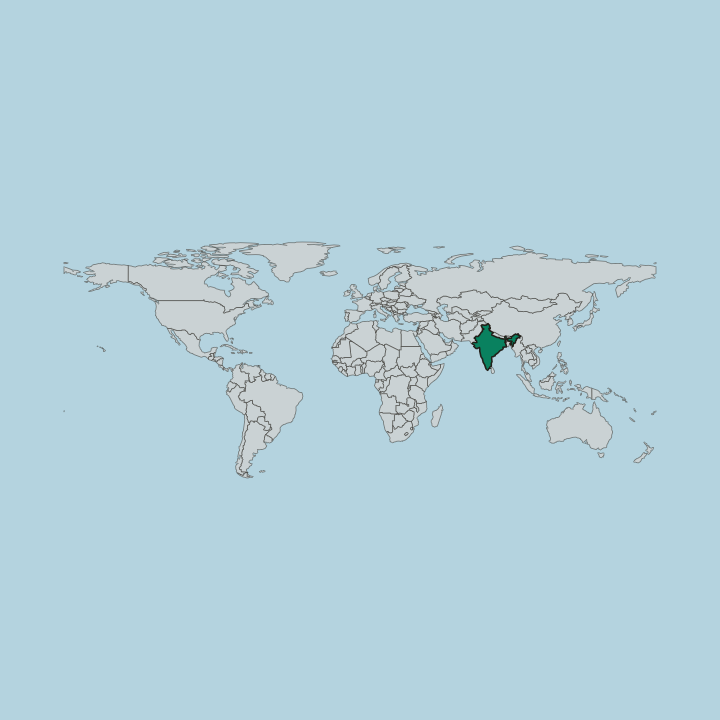
The Arkavathi runs through it. Kanakapura stands on that river's banks in the Bengaluru South district of Karnataka, inside the tropical band, and the Kaveri covers around 21 km of ground within the taluk the city administers. Two rivers, one taluk.
The Kodihalli Wildlife Range and the Harohalli Wildlife Range take the wooded part of that spread, while the built city holds less than ten square kilometres of it.
What is the climate of Kanakapura?
The Arkavathi valley sets the terms. Kanakapura lies in the tropical band, where the year turns on wet and dry instead of on cold and warm, and the two rivers crossing the taluk carry the whole of that difference between them. Warmth never lets up here.
Wooded ground in the Kodihalli Wildlife Range and the Harohalli Wildlife Range holds its own cooler air, yet the city on the riverbank runs warm through the entire calendar.
How do you get to Kanakapura?
No terminal is named in the record. Approaches to Kanakapura run overland through the Bengaluru South district of Karnataka, the district it entered after leaving the Bangalore Rural District, and the taluk's own roads carry a traveller the rest of the way. Rivers do not serve.
The Arkavathi runs past the city and the Kaveri crosses the taluk, yet neither is a route, and the ranges at Kodihalli and Harohalli are reached by road like everything else here.
Common questions
What is the best area to stay in Kanakapura?
The Arkavathi bank: Staying on the river Kanakapura was laid out against. Toward the Kaveri Wildlife Sanctuary: Early starts into the Sangam and Mugguru wildlife ranges. Beside the taluk offices: Cocoon buyers working the Kanakapura silk trade.
More cities in State of Karnataka
Updated September 2026