India · State of Karnataka
Where to Stay in Nanjangūd, State of Karnataka
Nanjangūd is a temple town on the banks of the river Kapila, 23 km from Mysore, built around the Srikanteshwara Temple.
Hotel links are affiliate links: booking through them may earn us a commission, at no extra cost to you. It never affects how places are ranked. How this works


Where to stay in Nanjangūd
How the choice of base plays out on the ground.
The Srikanteshwara Temple sets the centre of Nanjangūd, and a stay in the town is measured by the walk to it, since the temple is what almost every visitor has travelled for. Water runs along the other side. A room facing the river Kapila sits off the temple approach without leaving Nanjangūd.
Mysore is the alternative. The city of Mysore lies 23 km off, near enough that a visitor can treat the temple as a half-day and sleep in the larger place, where the choice of rooms is wider than a small town keeps. Pilgrimage sets the calendar.
Beds fill around the temple's own days rather than around a tourist season, and anyone arriving without a booking is competing with the Dakshina Kashi traffic for them. The municipal town is small. The committee formed in 2015 took in Devirammanahalli and Kallahalli, and even with those villages added the built-up part of Nanjangūd falls short of the range a visitor finds in Mysuru.
Rasabale country lies outside it. The groves that grow the Nanjanagoodu rasabale are in the fields around the town, so a stay chosen for the banana rather than for the Srikanteshwara Temple is a stay out in that country instead.
Find hotels in Nanjangūd
Direct booking searches for these neighbourhoods.
The Srikanteshwara Temple approach
The temple is the whole reason Nanjangūd is called Dakshina Kashi, and rooms along its approach put the gate within a walk that needs no vehicle. Beds are limited here, so book early.Find hotels in The Srikanteshwara Temple approachQuiet nights on the banks of the river KapilaThe river Kapila bank
Nanjangūd stands on the Kapila, and rooms facing the water sit clear of the temple approach while staying inside the same small town. Rooms are few around here — worth securing early.Find hotels in The river Kapila bankTravellers wanting a city's range of rooms within reach of the templeMysore, 23 km off
The city of Mysore lies 23 km from Nanjangūd, close enough that the Srikanteshwara Temple works as a day trip from a bed in the larger placeFind hotels in Mysore, 23 km offHotel links are affiliate links: booking through them may earn us a commission, at no extra cost to you. It never affects how places are ranked. How this works
About Nanjangūd
The Srikanteshwara Temple is the reason people come.
What is Nanjangūd known for?
That temple is described as huge, and Nanjangūd is called the Varanasi of the South, or Dakshina Kashi, on the strength of it and of the river Kapila it stands beside. A banana carries the name too. The Nanjanagoodu rasabale, also called the Nanjangud banana, is grown in the country around the town and is the other thing the record credits to it.
What are the main landmarks in Nanjangūd?
One temple dominates. The Srikanteshwara Temple at Nanjangūd is described as huge, and it is the single named monument the record carries for the town, which is why the place is known as the Varanasi of the South. The river Kapila is the other feature.
Its banks hold the town, and a great temple beside a river is precisely the pairing that earned Nanjangūd the name Dakshina Kashi.
What is the history of Nanjangūd?
No founding year survives in the entry for Nanjangūd. The Srikanteshwara Temple is the oldest thing named, and the town's two other names, the Varanasi of the South and Dakshina Kashi, are both drawn from that temple and from the river Kapila it stands beside. The official spelling is Nanjanagudu.
Nanjangud is the form the wider record uses, and both belong to the same town, which sits 23 km from the city of Mysore. Administration is recent and documented. The local unit was designated a Municipal committee in 2015, and the change took in the villages of Devirammanahalli and Kallahalli, enlarging the town on paper before it enlarged on the ground.
Fruit made a second reputation. The Nanjangud banana, or Nanjanagoodu rasabale, is grown in the country here and takes its name from the town rather than the other way round. Both facts still hold.
The temple draws the visitors, the rasabale carries the name outward, and between them they account for why Nanjangūd is known at all in the State of Karnataka. Mysuru is the frame around it, since the town lies in that part of Karnataka and 23 km of road is all that separates the Srikanteshwara Temple from the city.
Where is Nanjangūd?
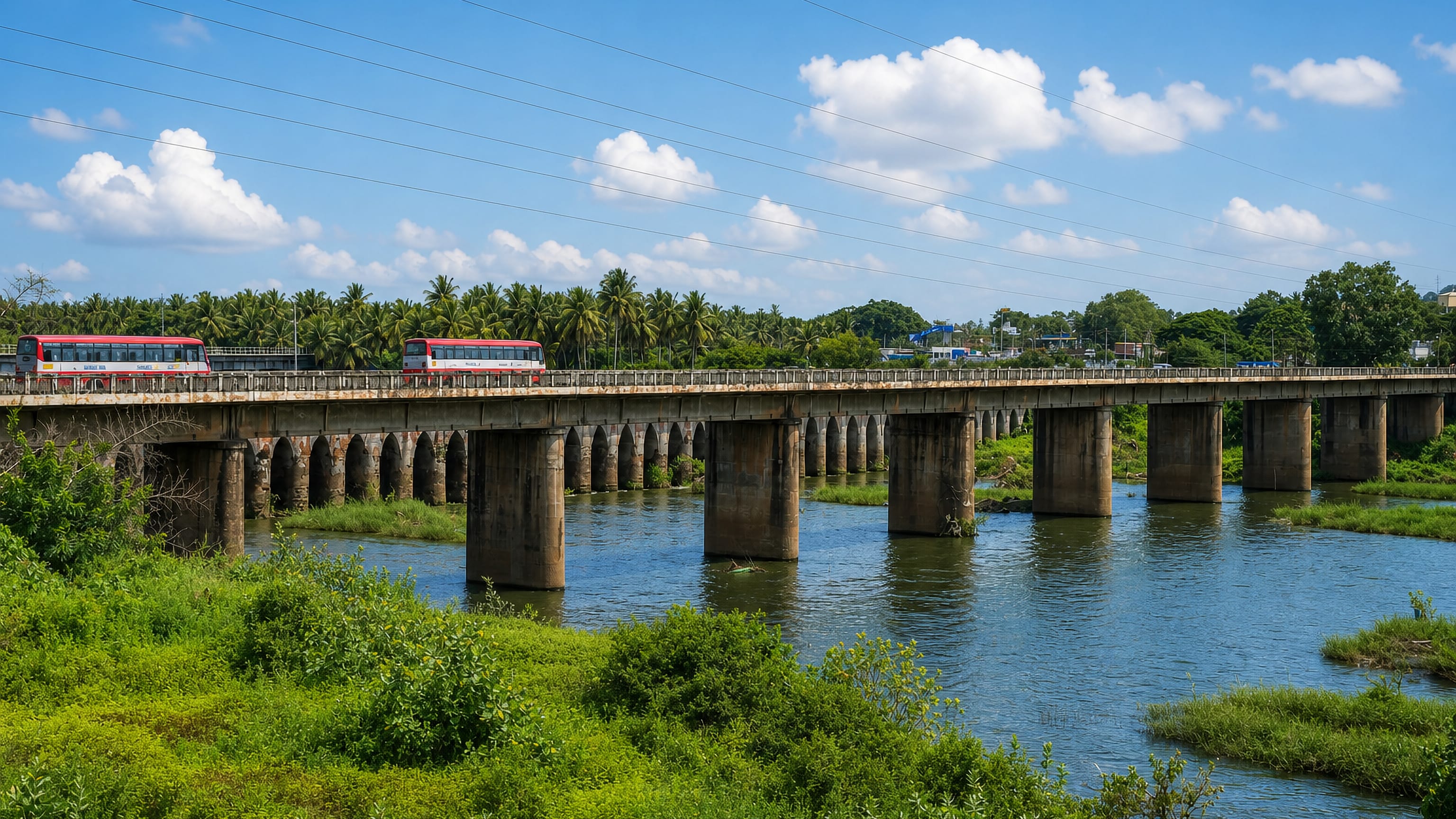
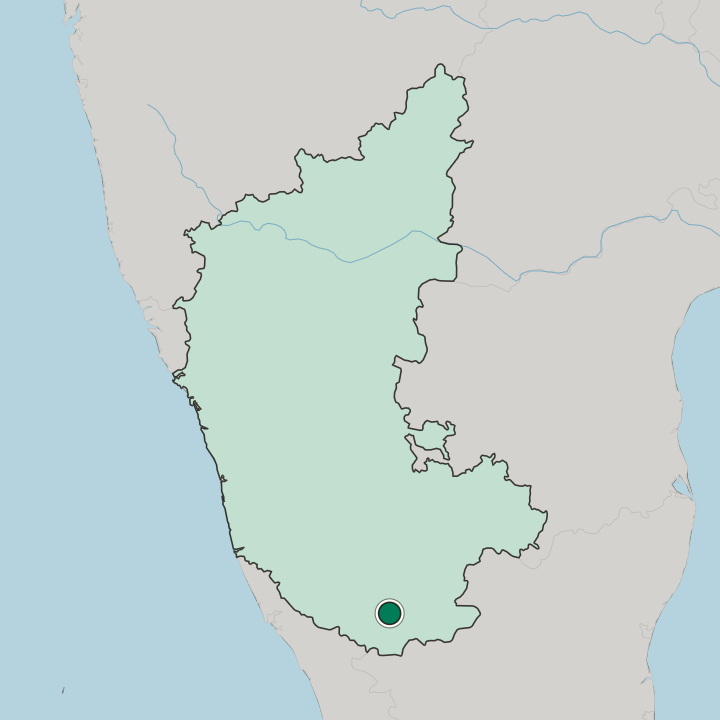
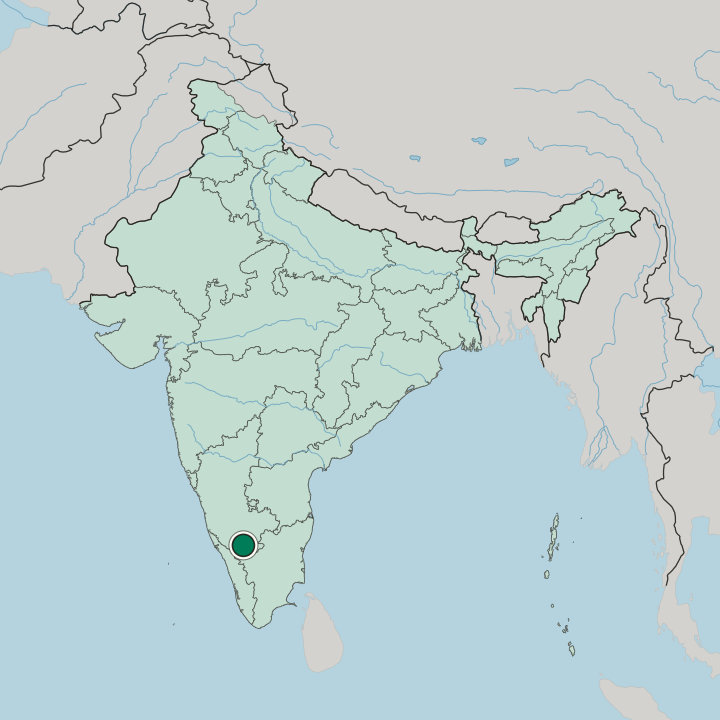
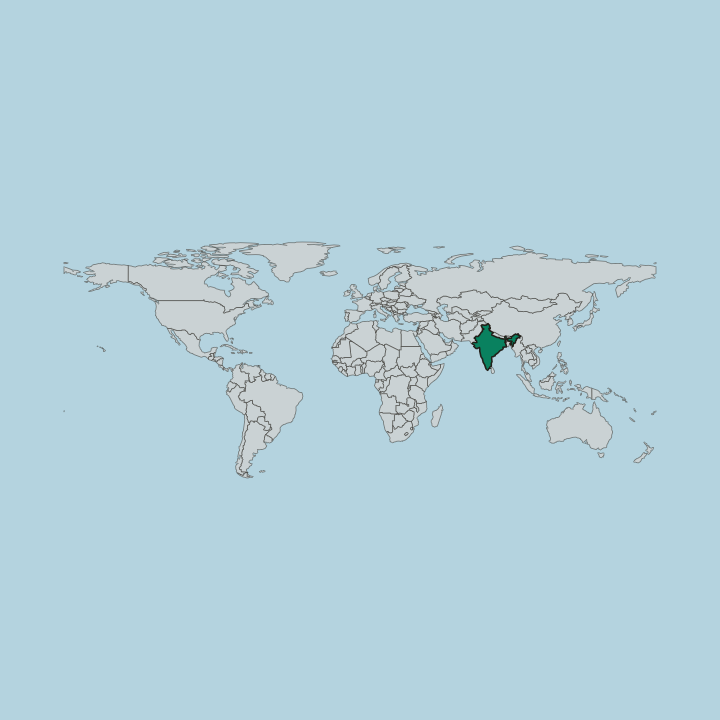
The river Kapila carries the town. Nanjangūd stands on its banks, 23 km from the city of Mysore, in the tropical band north of the equator and well inside the State of Karnataka. No coast reaches here.
The country around grows the Nanjanagoodu rasabale, and the villages of Devirammanahalli and Kallahalli that the municipal committee absorbed mark the outer edges of what now counts as Nanjangūd.
What is the climate of Nanjangūd?
The river Kapila is the local agent. It runs past Nanjangūd in every season, and the country it waters is where the Nanjanagoodu rasabale is grown, which ties the town's fruit to the river rather than to any coast. Nothing here is maritime.
The town lies inland in the tropical band north of the equator, 23 km from Mysore, so the year turns on wet months and dry ones while the Srikanteshwara Temple keeps its calendar through both.
How do you get to Nanjangūd?
Mysore is the way in. The city lies 23 km from Nanjangūd, which is the shortest connection the record gives and the one most visitors to the Srikanteshwara Temple use. The town is a destination, not a junction.
Devirammanahalli and Kallahalli came into the municipal unit in 2015, and the roads linking those villages to the centre are local ones, feeding the temple and the river Kapila rather than carrying traffic through to anywhere else.
Common questions
What is the best area to stay in Nanjangūd?
The Srikanteshwara Temple approach: Pilgrims and visitors set on the Srikanteshwara Temple. The river Kapila bank: Quiet nights on the banks of the river Kapila. Mysore, 23 km off: Travellers wanting a city's range of rooms within reach of the temple.
Good for
More cities in State of Karnataka
Updated September 2026