India · State of Karnataka
Where to Stay in Sirsi, State of Karnataka
Sirsi, also written Shirasi, is a city and taluk headquarters in the Uttara Kannada district of Karnataka, and a major areca nut and spice market.
Hotel links are affiliate links: booking through them may earn us a commission, at no extra cost to you. It never affects how places are ranked. How this works


Where to stay in Sirsi
Where visitors usually base themselves, and why.
Rooms in Sirsi answer to the Adike calendar. The areca nut yards that grade Sirsi Supari draw buyers into the city through the harvest and trading months, and a stay booked then competes with merchants rather than with sightseers. Administration takes the rest.
Sirsi is the headquarters of its own taluk, of the subdivision covering Siddapur, Yellapur, and Mundgod, and of an educational district wider still, so official travel keeps a steady share of the beds occupied. Black pepper brings a third set of visitors. The Spices Board of India counts Sirsi and Kochi as the only two markets in India serving as primary reference centres for that crop.
Around 11.2 square kilometres hold the whole of it, so the practical question is not which quarter to choose but whether to base in Sirsi at all or in one of the taluks around it. Siddapur sits in the same subdivision, among the cardamom and betel leaf gardens that supply the market here. Yellapur and Mundgod complete that group.
Joida, Dandeli, and Haliyal fall outside the subdivision but inside the Sirsi Educational District, and a trip working those outer taluks may find rooms easier there than in the city itself. Rice country surrounds all of them.
Find hotels in Sirsi
Direct booking searches for these neighbourhoods.
The areca nut yards
Sirsi Supari is graded and traded in these yards under its Geographical Indication tag, and the merchants who follow the Adike crop take the rooms closest to them. Few places to stay nearby — book ahead.Find hotels in The areca nut yardsOfficial business with the Sirsi subdivisionThe taluk and subdivision offices
Sirsi runs its own taluk together with Siddapur, Yellapur, and Mundgod from offices in the city, and visits to them account for a steady share of the beds through the year. Beds are limited here, so book early.Find hotels in The taluk and subdivision officesStays among the cardamom and betel leaf gardensSiddapur
Siddapur shares the Sirsi subdivision and lies in the spice country that supplies the market, which answers a stay when rooms in the city itself run shortFind hotels in SiddapurTrips taking in the outer taluks of the Sirsi Educational DistrictDandeli
Dandeli falls inside the Sirsi Educational District alongside Joida and Haliyal rather than in the subdivision, and it suits a journey working that wider stretch of the Uttara Kannada districtFind hotels in DandeliHotel links are affiliate links: booking through them may earn us a commission, at no extra cost to you. It never affects how places are ranked. How this works
About Sirsi
Areca nut is the trade.
What is Sirsi known for?
The Sirsi Supari grown across the Sirsi subdivision carries a Geographical Indication tag, and the crop that growers here call Adike underwrites most of the working life of the countryside around the city. Pepper gives Sirsi its second claim: the Spices Board of India treats Sirsi and Kochi as the only two markets designated as primary reference centres for black pepper in India. Cardamom, betel leaves, and vanilla move through the same yards, while rice remains the principal food crop of the taluk.
What are the main landmarks in Sirsi?
The record lists no monuments. What marks Sirsi out is its market: the areca nut yards where Sirsi Supari, the variety carrying a Geographical Indication tag, is graded and sold on to the rest of India. Spice halls sit alongside them, handling cardamom and pepper as well as betel leaves and vanilla from the gardens of the Sirsi subdivision.
The other landmarks are administrative. Sirsi holds the offices of its taluk, its subdivision, and the Sirsi Educational District that reaches as far as Joida, Dandeli, and Haliyal.
What is the history of Sirsi?
The areca trade left fuller records than Sirsi's own beginnings, for which no date survives. What the record holds instead is the shape Sirsi has taken as an administrative centre, first of its own taluk and then of a subdivision and an educational district drawn around it. The taluks were grouped in stages.
Sirsi, Siddapur, Yellapur, and Mundgod make up the subdivision, while the Sirsi Educational District adds Joida, Dandeli, and Haliyal to that list, so the city answers for a stretch of the Uttara Kannada district far wider than its own 11.2 square kilometres. Farming set the older pattern. Areca nut, known here as Adike, became the cash crop of the countryside, and the trade in it turned Sirsi into one of the larger agricultural markets of Karnataka.
Recognition followed the crop. The Sirsi Supari variety grown in the subdivision was granted a Geographical Indication tag, tying the name of the place to the nut itself, and the black pepper trade earned the city a second distinction when the Spices Board of India designated Sirsi and Kochi as the only two markets in India serving as primary reference centres for that spice. Spices widened the base.
Cardamom, betel leaves, and vanilla joined the areca nut in the yards, rice held its place as the principal food crop, and both names the city goes by, Sirsi and Shirasi, belong to that trading history.
Where is Sirsi?
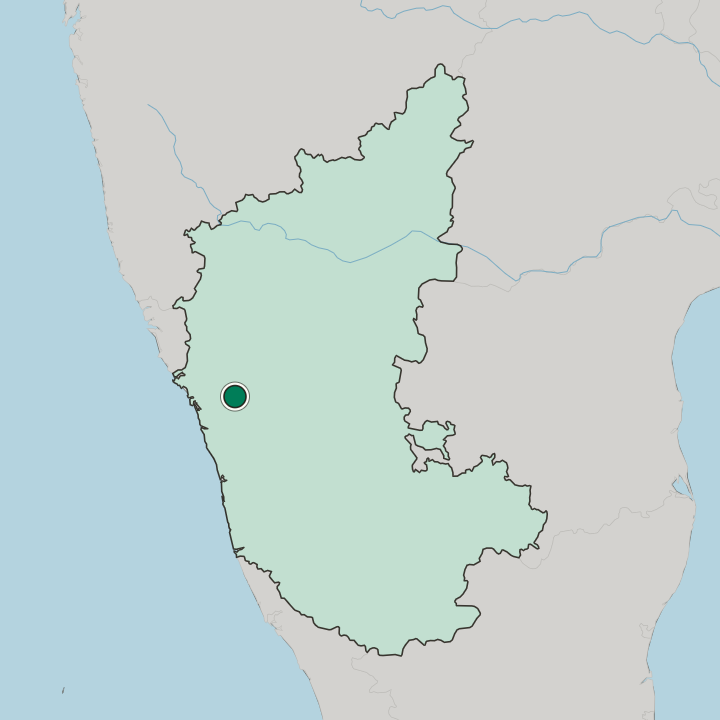
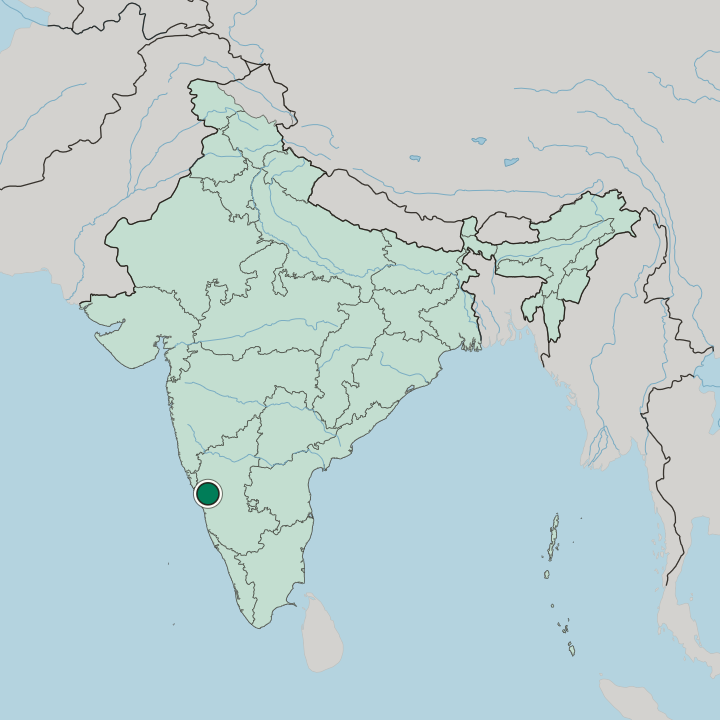
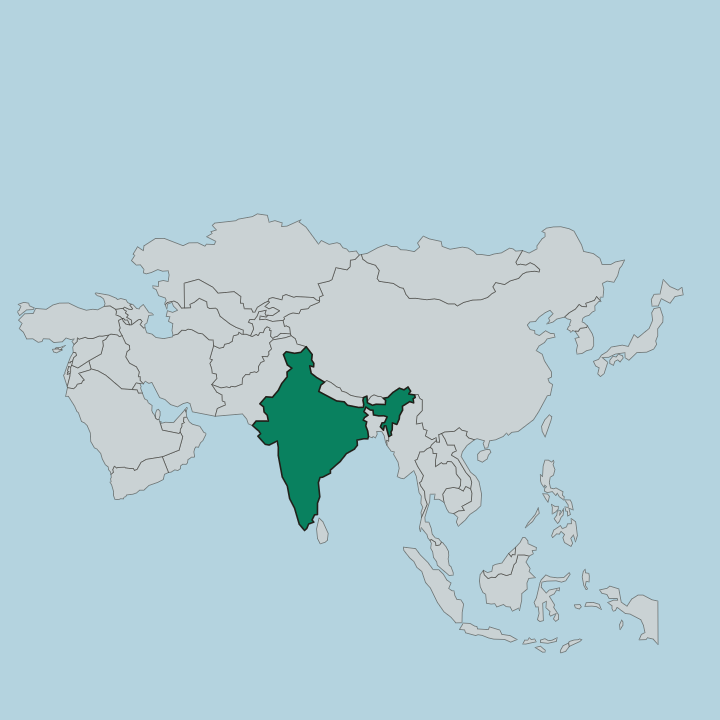
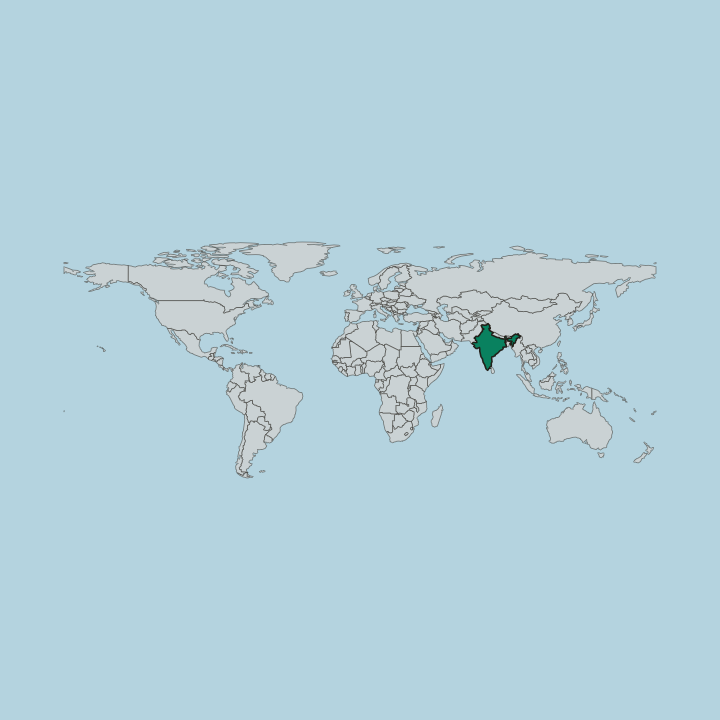
Sirsi covers about 11.2 square kilometres in the Uttara Kannada district of Karnataka, in the tropical band north of the equator. Gardens ring the city. Areca nut and cardamom grow in the countryside of the surrounding taluks, pepper and vanilla with them, and rice fills the ground given over to food rather than to trade.
Siddapur, Yellapur, and Mundgod share the subdivision. The Sirsi Educational District reaches beyond that to Joida, Dandeli, and Haliyal.
What is the climate of Sirsi?
The crops describe the year here. Cardamom, pepper, betel leaves, and vanilla all belong to the wet tropics, and their spread across the Sirsi subdivision says more about the working calendar than any label would. Rice follows the same rains.
Sirsi lies in the tropical band north of the equator, where the growing season turns on the arrival of the wet months rather than on any swing in temperature.
How do you get to Sirsi?
Overland is the only way in. Nothing in the record names a railhead or an airport, and arrivals come through the Uttara Kannada district by road, the same way the areca nut and the spices leave it. Siddapur, Yellapur, and Mundgod are the other taluk towns of the subdivision.
Joida, Dandeli, and Haliyal lie further out, inside the Sirsi Educational District but outside the subdivision, and a journey from any of them ends in a city small enough that the market yards and the taluk offices sit within a short walk of one another.
Common questions
What is the best area to stay in Sirsi?
The areca nut yards: Adike buyers following the Sirsi Supari harvest. The taluk and subdivision offices: Official business with the Sirsi subdivision. Siddapur: Stays among the cardamom and betel leaf gardens. Dandeli: Trips taking in the outer taluks of the Sirsi Educational District.
Good for
More cities in State of Karnataka
Updated September 2026