India · State of Kerala
Where to Stay in Kodungallūr, State of Kerala
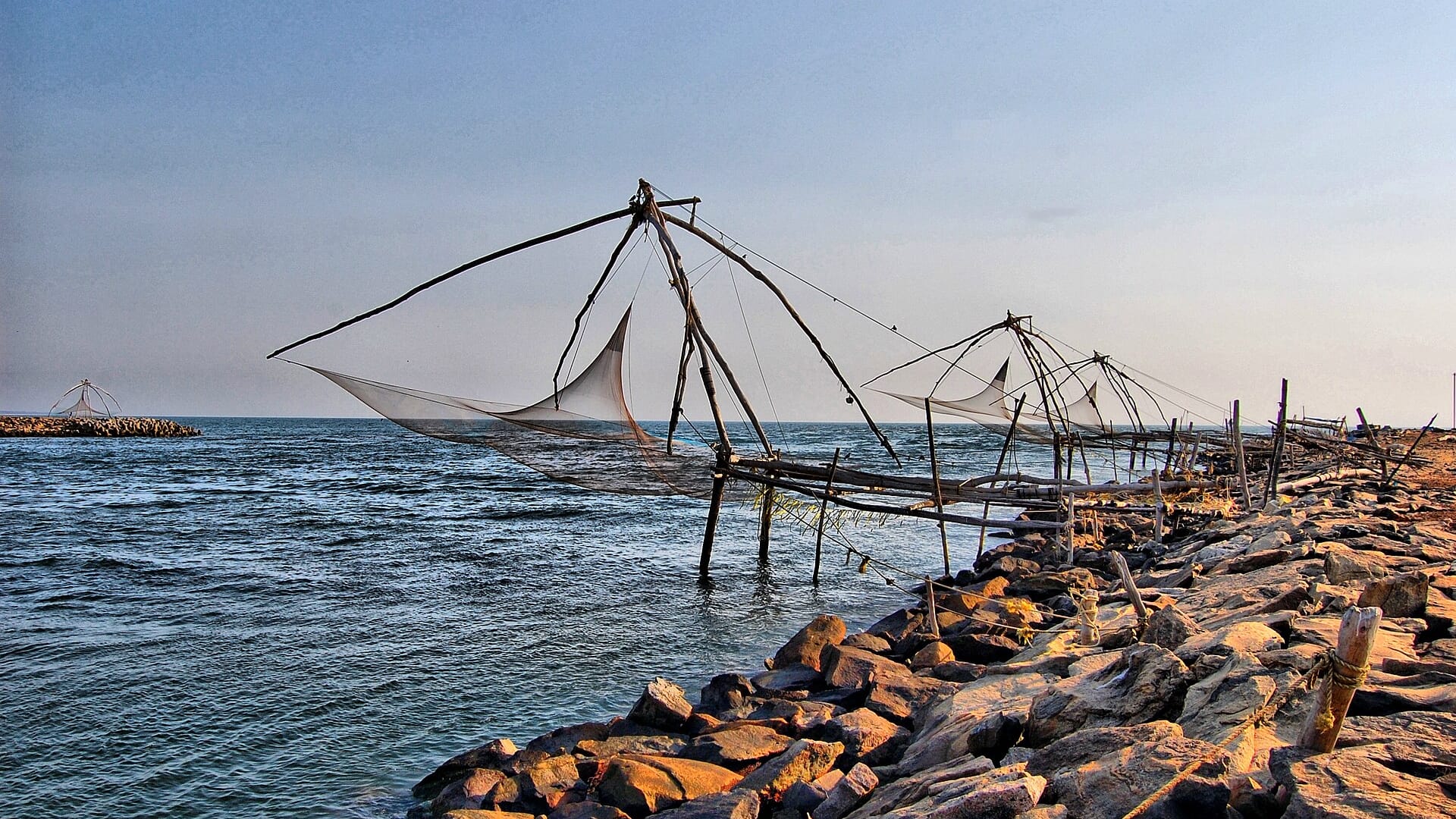
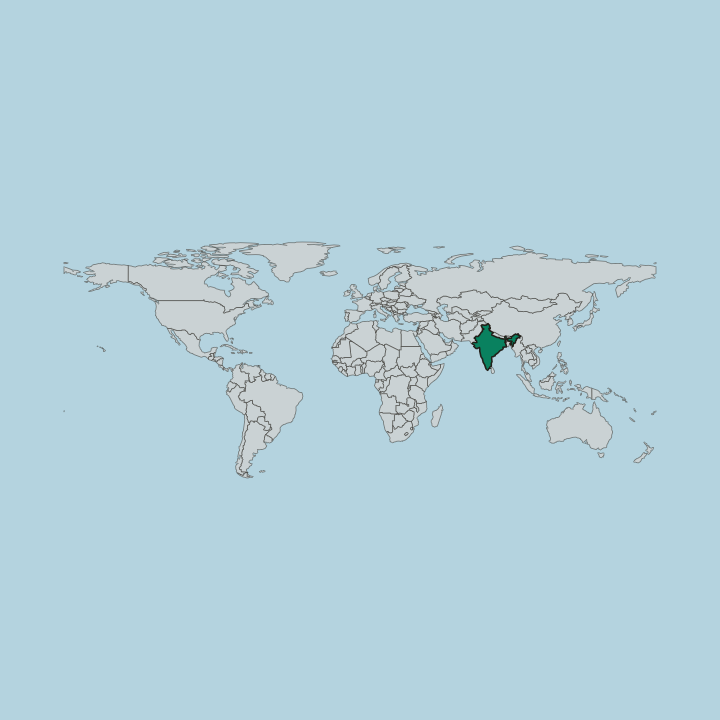
Kodungallūr stands on the banks of the Periyar in Thrissur district, an old Malabar Coast port at the entrance to the Kerala backwaters.
Hotel links are affiliate links: booking through them may earn us a commission, at no extra cost to you. It never affects how places are ranked. How this works


Where to stay in Kodungallūr
The practical side of choosing where to sleep.
Kodungallūr is a small town. Its municipal ground covers under thirty square kilometres, which means the choice is less about neighbourhoods than about which of the churches or the fort a stay is built around. Cranganore Fort is the obvious anchor.
A room on that side keeps the Periyar and the fort within one walk, and it leaves the road to Kochi close enough that a day trip out and back costs no real planning. The churches pull in three directions. Pallippuram has the Basilica of Our Lady of Snow, Puthanchira Forona Church sits inland, and the Kottakkavu Mar Thoma Syro-Malabar Pilgrim Church stands at North Paravur, each far enough apart that a pilgrimage plans its beds around one of them rather than all three.
Distances here are short but not nothing. National Highway 66 links the town to Kochi, and Thrissur lies a similar run in the other direction, so a traveller who cannot find a room in Kodungallūr has two larger towns to fall back on without losing the day. Water starts at the doorstep.
The Kerala backwaters run inland from the town's own edge, which is the one argument for sleeping here instead of commuting in from Thrissur. Rooms are few either way.
Find hotels in Kodungallūr
Direct booking searches for these neighbourhoods.
Cranganore Fort side
Cranganore Fort is the one fortification recorded at Kodungallūr, and a bed on that side puts the fort and the river on the same short circuit.Find hotels in Cranganore Fort sidePilgrims making for the Basilica of Our Lady of SnowPallippuram
Pallippuram carries the Basilica of Our Lady of Snow, which is the reason to book on this side of Kodungallūr rather than nearer the Periyar.Find hotels in PallippuramNights within reach of the Kottakkavu Mar Thoma Syro-Malabar Pilgrim ChurchNorth Paravur
North Paravur holds the Kottakkavu Mar Thoma Syro-Malabar Pilgrim Church, far enough out that a room there suits a pilgrimage more than a town visit. Beds are limited here, so book early.Find hotels in North ParavurA slower inland base by Puthanchira Forona ChurchPuthanchira
Puthanchira Forona Church anchors ground back from National Highway 66, where beds are scattered and the quiet is the whole reason to be there. Rooms are few around here — worth securing early.Find hotels in PuthanchiraHotel links are affiliate links: booking through them may earn us a commission, at no extra cost to you. It never affects how places are ranked. How this works
About Kodungallūr
Faiths arrived here early.
What is Kodungallūr known for?
Kodungallūr is recognised as one of the world's notable early interfaith centres, linked to the arrival of Christian, Muslim and Jewish communities in India and to an early Buddhist presence in South India. Shaiva, Vaishnava and Shakta traditions run just as long. Maritime trade is the other half of the record, and the town's position as an entry point for fleets bound into the Kerala backwaters is what made it strategic.
What are the main landmarks in Kodungallūr?
Cranganore Fort is the one secular monument on the list. The rest are churches: the Basilica of Our Lady of Snow at Pallippuram, Puthanchira Forona Church, and the Kottakkavu Mar Thoma Syro-Malabar Pilgrim Church at North Paravur, which together map the early Christian presence the town is known for. None of them sit together.
A visitor works outward from Kodungallūr rather than through a single quarter, and the Periyar runs through the same ground.
What is the history of Kodungallūr?
Trade came first, then everyone else. The town sat at the entry point for fleets moving into the Kerala backwaters, and that position on the Malabar Coast made a small place on the Periyar into a port of consequence. The Malabar Coast is the setting.
Ships brought more than cargo. Kodungallūr is recognised as one of the world's notable early interfaith centres, and the arrival of Christian, Muslim and Jewish communities in India is tied to this stretch of coast, as is an early Buddhist presence in South India. Shaiva, Vaishnava and Shakta traditions run alongside all of it, longstanding rather than displaced by any later arrival.
Cranganore Fort belongs to a later chapter and is the one fortification recorded here. The churches came in their own order, and the Basilica of Our Lady of Snow at Pallippuram, Puthanchira Forona Church and the Kottakkavu Mar Thoma Syro-Malabar Pilgrim Church at North Paravur each mark a community that took root on this ground. Thrissur district administers the town now.
Kochi, a short run down National Highway 66, holds the port traffic and the commerce, while what Kodungallūr keeps is the earlier record.
Where is Kodungallūr?
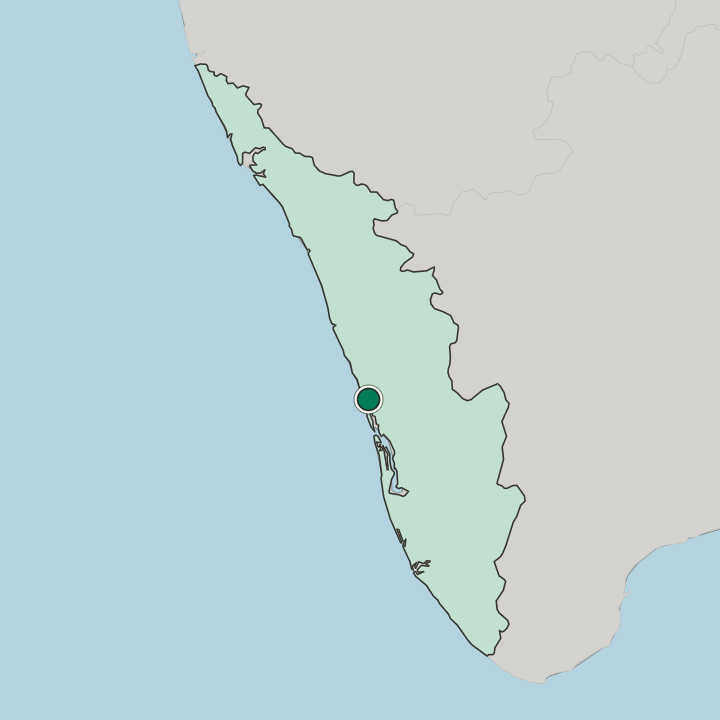
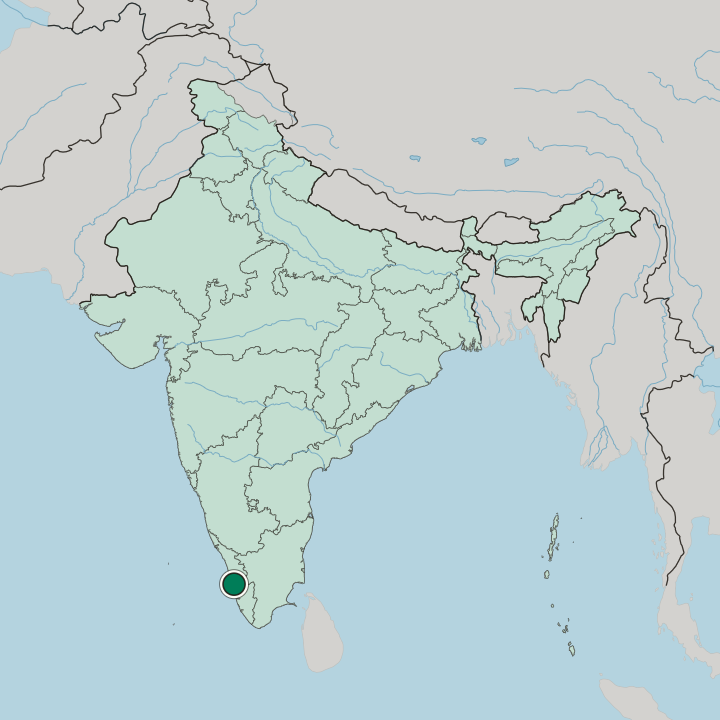
The Periyar runs past the town. Kodungallūr sits on its banks on the Malabar Coast, with the Kerala backwaters opening inland and the municipal ground covering under thirty square kilometres in all. Thrissur district holds it.
Kochi lies down National Highway 66 and Thrissur a comparable distance away, which puts this small coastal town within easy reach of two much larger ones.
What is the climate of Kodungallūr?
Kodungallūr runs hot all year. The tropical band sets the terms, and a town on the Malabar Coast with the Periyar at its edge and lagoon water inland stays humid in a way that ground further from the coast does not. Cold is not part of the year.
Anyone arriving should count on warmth at every hour and treat the water, river and backwater and open sea alike, as the thing that keeps the air heavy.
How do you get to Kodungallūr?
National Highway 66 is the road that matters. Kochi lies a short run down it and Thrissur roughly the same distance the other way, so most arrivals at Kodungallūr are made from one of those two rather than direct. The town is small enough to cross on foot.
Anything beyond it, Pallippuram and Puthanchira and North Paravur, needs road transport, and the backwaters are the other way in, as they were for the fleets that used this entrance.
Common questions
What is the best area to stay in Kodungallūr?
Cranganore Fort side: Stays worked around Cranganore Fort and the Periyar bank. Pallippuram: Pilgrims making for the Basilica of Our Lady of Snow. North Paravur: Nights within reach of the Kottakkavu Mar Thoma Syro-Malabar Pilgrim Church. Puthanchira: A slower inland base by Puthanchira Forona Church.
Good for
More cities in State of Kerala
Updated October 2026