India · State of Mahārāshtra
Where to Stay in Nagpur, State of Mahārāshtra
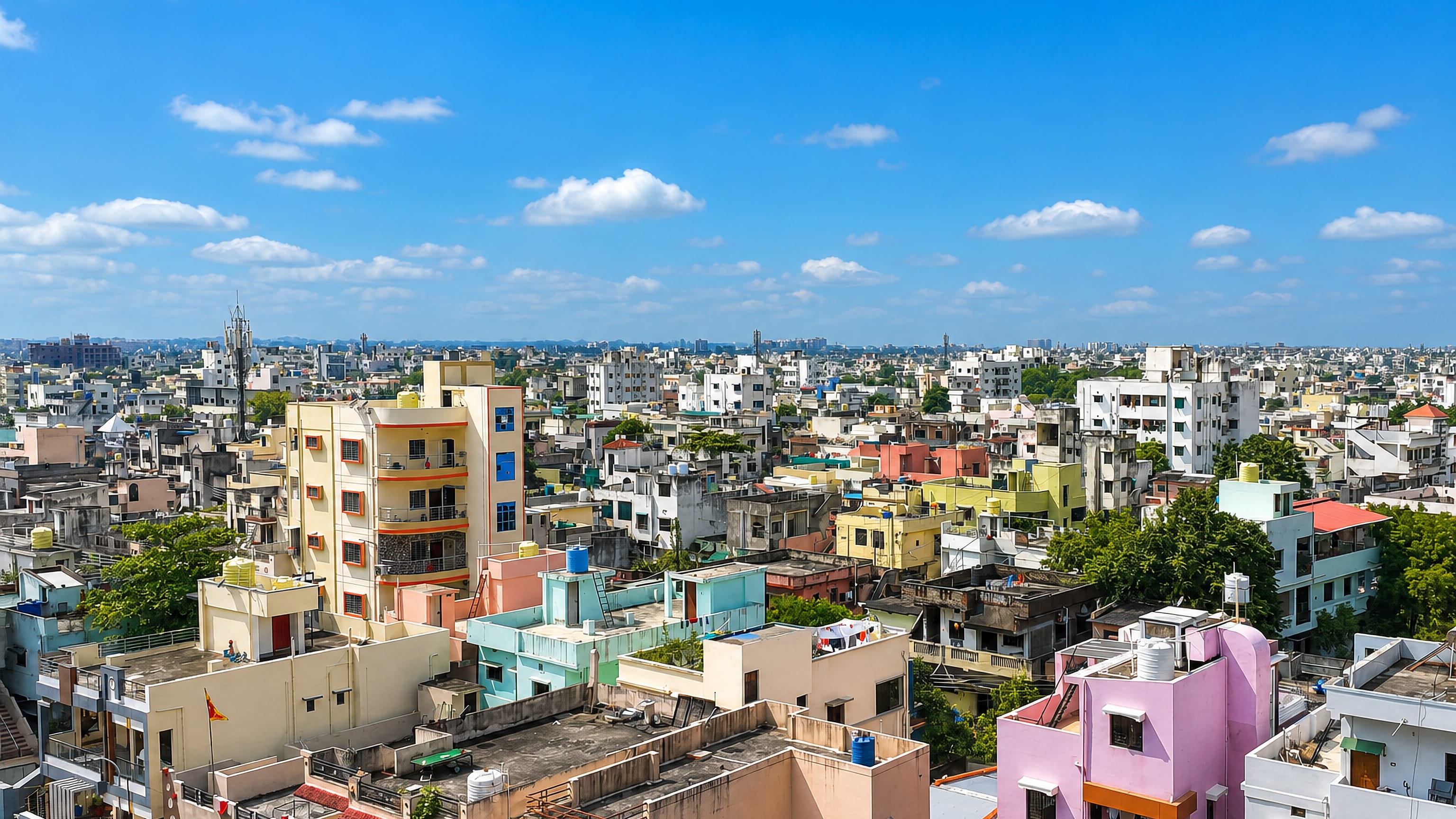
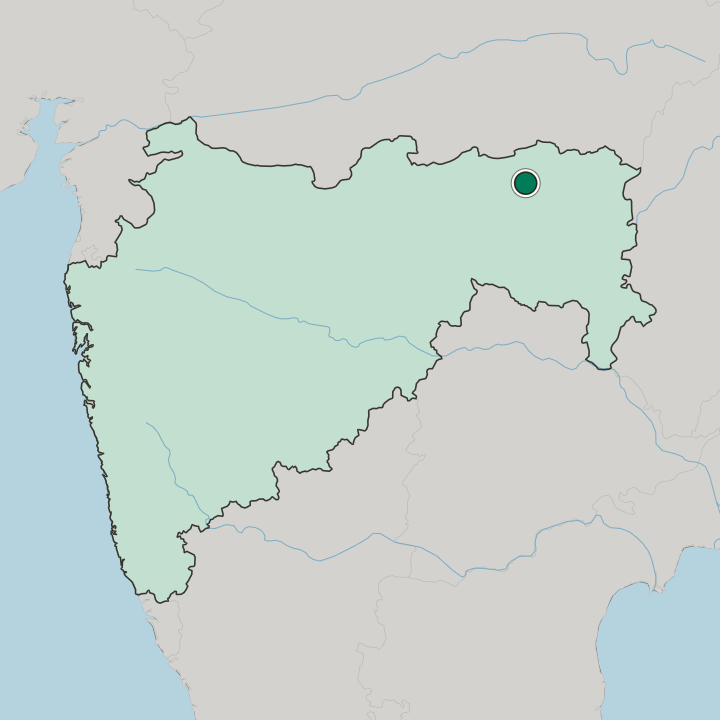
Nagpur is a city in the State of Mahārāshtra, the largest in central India and a second capital of the state, founded in 1702 and known as the Orange City.
Hotel links are affiliate links: booking through them may earn us a commission, at no extra cost to you. It never affects how places are ranked. How this works


Where to stay in Nagpur
How the choice of base plays out on the ground.
Where you stay in Nagpur centres on the core around the museums and central grounds, where the Nagpur Central Museum, the Maharajbagh zoo, and the main squares sit within reach of one another. Stay central. Travellers who come for the Orange City settle here first, close to the Raman Science Centre and the public monuments that gather at the heart of the State of Mahārāshtra's second capital.
Beyond the centre, Nagpur spreads into quieter residential and green quarters that give longer stays more room. The Maharajbagh zoo and its gardens give families open space a short way from the core, and rooms out here run larger and stiller. These outer neighbourhoods keep the museums and monuments of Nagpur within easy reach while offering a calmer base, so visitors drawn to the Nagpur Central Museum, the Chhatri, Nagpur, and the Samadhi of Ranisaheb can settle near the gardens and still cross into the centre with ease.
The core holds the pull.
Find hotels in Nagpur
Direct booking searches for these neighbourhoods.
Museum and gardens core
The Nagpur Central Museum, the Maharajbagh zoo, and the Raman Science Centre gather within reach of one another at the heart of Nagpur, the Orange City.Find hotels in Museum and gardens coreCalmer stays near the Chhatri and the Samadhi of RanisahebMonument quarters
The Chhatri, Nagpur and the Samadhi of Ranisaheb mark the quieter public grounds of Nagpur, giving longer stays a slower base near the State of Mahārāshtra's second capital.Find hotels in Monument quartersHotel links are affiliate links: booking through them may earn us a commission, at no extra cost to you. It never affects how places are ranked. How this works
About Nagpur
What is Nagpur known for?
Nagpur is known as the largest city of central India and a second capital of the State of Mahārāshtra, long called the Orange City. Its museums draw many. The Nagpur Central Museum keeps the record of the surrounding region, the Raman Science Centre and the Maharajbagh zoo draw families, and monuments such as the Namantar Shahid Smarak, the Chhatri, Nagpur, and the Samadhi of Ranisaheb mark the city's public grounds.
What are the main landmarks in Nagpur?
The main landmarks in Nagpur run from museums to memorial grounds. Museums lead. The Nagpur Central Museum keeps the record of the region, while the Raman Science Centre and the Maharajbagh zoo draw families across the Orange City, and monuments such as the Namantar Shahid Smarak, the Chhatri, Nagpur, and the Samadhi of Ranisaheb mark the public grounds of the State of Mahārāshtra's second capital in central India.
What is the history of Nagpur?
Nagpur was founded in 1702, rising in the heart of central India as a seat of regional power in what became the State of Mahārāshtra. Its central position shaped its rise. The town commanded the routes across the interior, and it grew into the largest city of the central lands and a second capital of the state, gathering the museums, gardens, and monuments that still mark its core.
Across the centuries the city, long called the Orange City, held its standing as a centre of administration and learning in central India. Rule changed hands over time. The Nagpur Central Museum came to keep the record of the surrounding region, memorials such as the Namantar Shahid Smarak marked the modern chapters of the city's story, and grounds like the Chhatri, Nagpur and the Samadhi of Ranisaheb carried the older past, so the streets of Nagpur remain bound to the town first raised here in 1702.
Where is Nagpur?
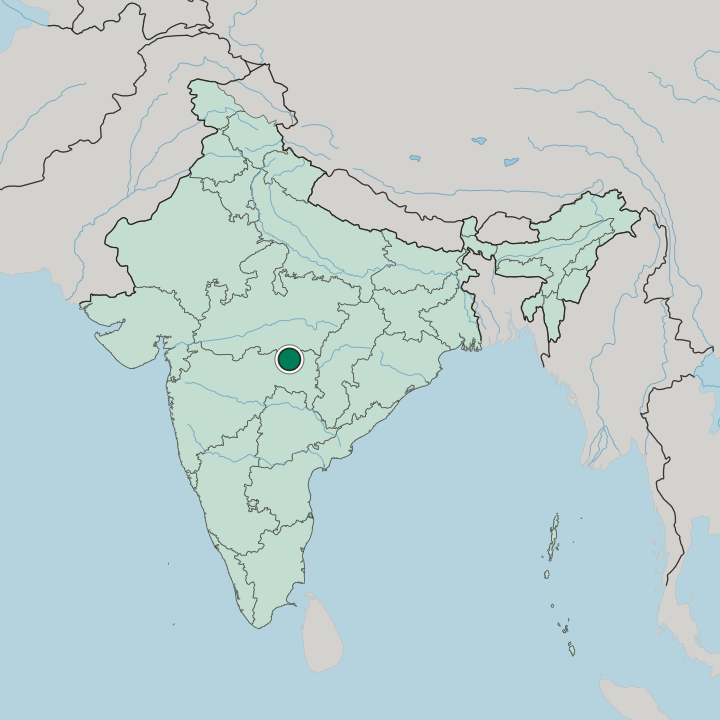
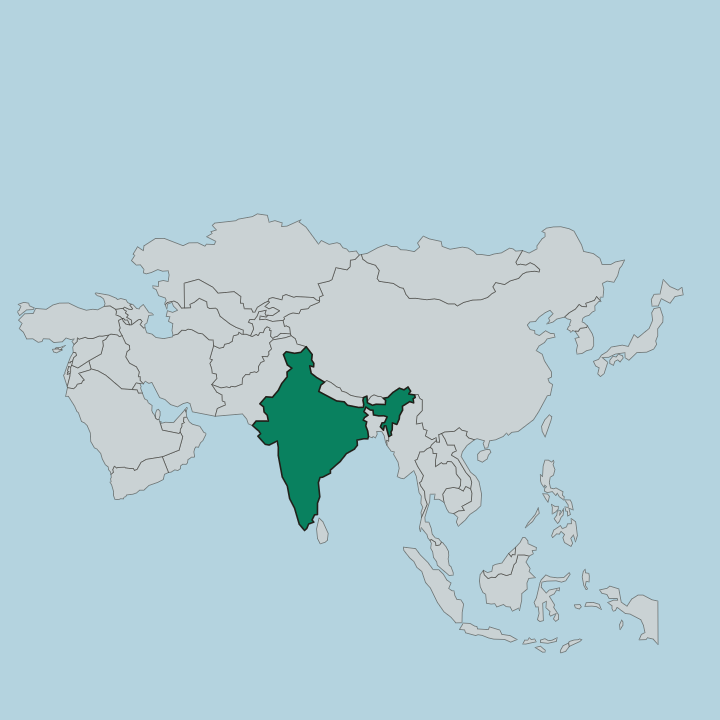
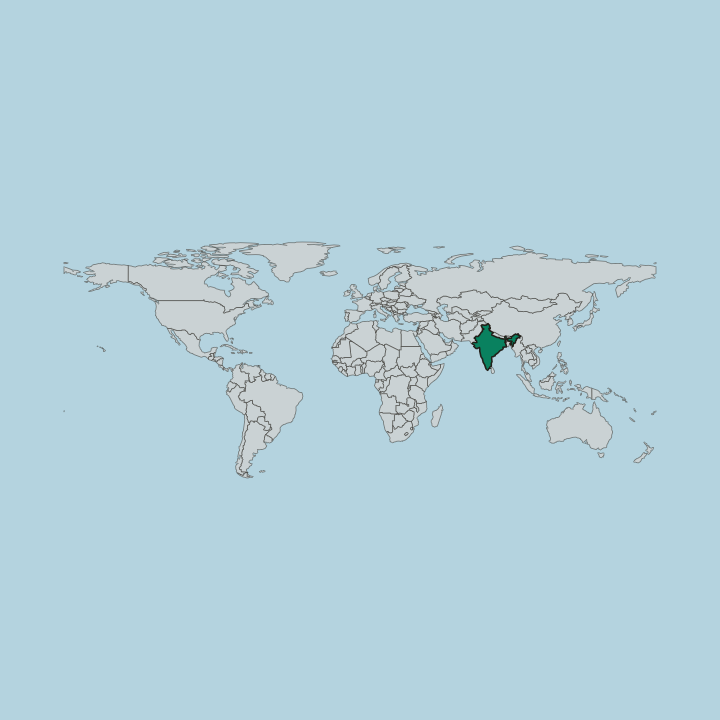
Nagpur sits at the heart of central India, an inland city on the interior plains of the State of Mahārāshtra. The land rolls open around it. The Orange City lies far from any coast, near the geographic centre of the country, where the level farm and forest country of the interior spreads on all sides.
That central position long made Nagpur a natural hub for the districts and routes that ring it, and the Maharajbagh zoo and its gardens mark the green heart of the city.
What is the climate of Nagpur?
Nagpur has a hot tropical climate shaped by its position deep in the interior of the State of Mahārāshtra. Summers run very hot and dry. The heat builds across the central plains before the seasonal monsoon rains break to green the surrounding country, and the cooler months bring milder, drier days to the Orange City and the farmland around it.
Its inland position gives it fiercer summer heat than the coast.
How do you get to Nagpur?
Getting to Nagpur brings travellers to a road and rail hub at the centre of India. Main lines from across the State of Mahārāshtra and the neighbouring regions converge on the Orange City, meeting at its central junction after crossing the level interior country that spreads on all sides. Only a short hop remains.
Local transport carries visitors from the stations to the Nagpur Central Museum and the heart of the city.
Common questions
What is the best area to stay in Nagpur?
Museum and gardens core: First stays near the Nagpur Central Museum and Maharajbagh zoo. Monument quarters: Calmer stays near the Chhatri and the Samadhi of Ranisaheb.
Good for
More cities in State of Mahārāshtra
Updated October 2026