India · State of Tamil Nādu
Where to Stay in Tiruvannamalai, State of Tamil Nādu
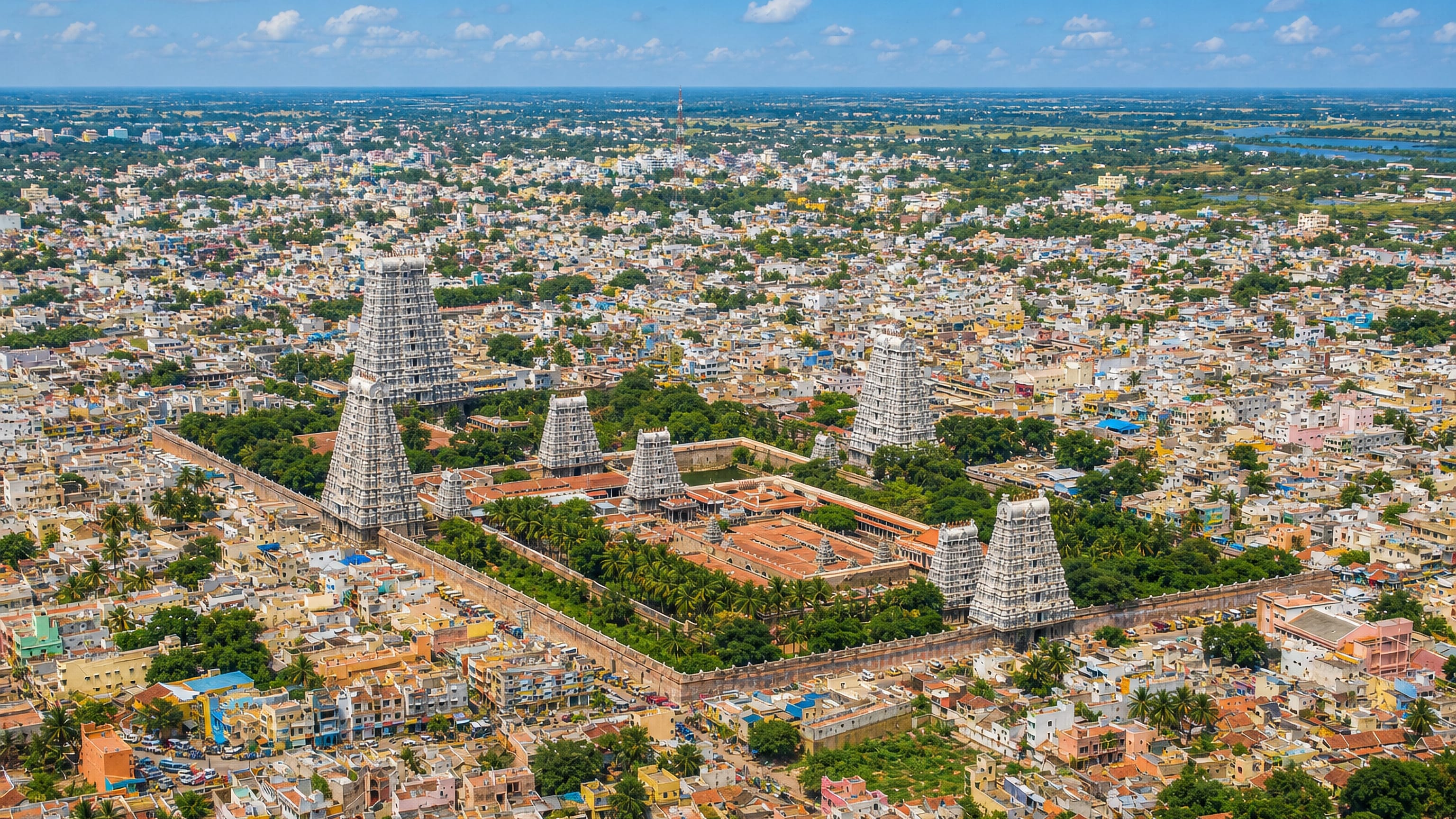
The Annamalai hill rises over Tiruvannamalai, a temple city in Tamil Nadu, known for the Arulmigu Annamalaiyar Temple and the Girivalam pilgrimage.
Hotel links are affiliate links: booking through them may earn us a commission, at no extra cost to you. It never affects how places are ranked. How this works


Where to stay in Tiruvannamalai
The practical side of choosing where to sleep.
Tiruvannamalai spreads around the base of the Annamalai hill, and where you stay turns on how close you want to be to the Arulmigu Annamalaiyar Temple. The oldest streets ring the temple itself. They gather the shrine, the bazaar, and the towering gopuram gates within a short walk, and they fill fastest on festival days.
This core suits first-time pilgrims. Rooms here put the morning darshan and the market stalls at the doorstep, though the lanes stay busy from before dawn. Travellers who come for the monthly circumambulation base themselves along the Girivalam path, the road that rings Arunachala.
The walk begins and ends at their door. On full-moon nights the route fills with pilgrims tracing the hill on foot, so a bed on this side saves the long approach through the town. It suits those set on the pradakshina.
For a quieter, more contemplative stay, the foot of Arunachala draws those who linger near the Paatala Linga long associated with Ramana Maharishi. Temple core, Girivalam road, and the hill's foot each set a different pace. If walking the hill is the point, the Girivalam side earns its keep.
For stillness, the slopes answer.
Find hotels in Tiruvannamalai
Direct booking searches for these neighbourhoods.
Temple core around Annamalaiyar Temple
The oldest streets ring the Arulmigu Annamalaiyar Temple, gathering the shrine, the bazaar, and the towering gopuram gates within a short walk in Tiruvannamalai.Find hotels in Temple core around Annamalaiyar TemplePilgrims walking the monthly Girivalam circuit around ArunachalaAlong the Girivalam path
The Girivalam path rings the Annamalai hill, so a bed here begins and ends the full-moon circumambulation at the door, away from the crowded temple lanes.Find hotels in Along the Girivalam pathQuiet contemplative stays near the Paatala Linga and Ramana MaharishiThe foot of Arunachala
The foot of Arunachala keeps a slower pace near the Paatala Linga long associated with Ramana Maharishi, set apart from the temple crowds of Tiruvannamalai.Find hotels in The foot of ArunachalaHotel links are affiliate links: booking through them may earn us a commission, at no extra cost to you. It never affects how places are ranked. How this works
About Tiruvannamalai
What is Tiruvannamalai known for?
Tiruvannamalai is a Saivite pilgrimage city built around the Arulmigu Annamalaiyar Temple, a shrine set across a 24-acre campus in Tamil Nadu. The Annamalai hill rising behind it, also called Arunachala, is revered as the fire element among the five Panchabhoota Stalams, alongside Kalahasti, Tiruvanaikkal, Thiruvarur, and Chidambaram. Pilgrims walk.
Each full moon they trace the Girivalam path around the hill, and the Karthika Deepam festival marks the year as the most significant observance on the temple calendar.
What are the main landmarks in Tiruvannamalai?
The Arulmigu Annamalaiyar Temple is the principal landmark of Tiruvannamalai, its tall gopuram towers rising at the foot of the Annamalai hill. Inside stands the Paatala Linga, the underground shrine where Ramana Maharishi is said to have sat in deep meditation. The hill itself, Arunachala, is the temple's living counterpart.
Pilgrims climb it. The Girivalam path circles the base of the hill, and by long tradition Tiruvannamalai marks the fire element among the five sacred Panchabhoota Stalams.
What is the history of Tiruvannamalai?
Tiruvannamalai grew as a temple town around the worship of Shiva on the Annamalai hill, a site the tradition counts among its oldest Saivite shrines. By that reckoning the hill is a form of Shiva himself, worshipped as the fire among the five Panchabhoota Stalams. Devotional poetry bound the place to the wider Tamil canon.
The saint Manikkavacakar is held to have composed his Tiruvempavai here, and the medieval poet Arunagiri Nathar began his Tiruppukazh at the same temple. Verse carried its name far. Through such hymns the shrine on the hill entered the living memory of Saivite pilgrimage.
In a later age the Paatala Linga, an underground cell within the temple, became linked to Ramana Maharishi, who is said to have passed long spells there in silent meditation. The circling of the hill, the Girivalam, and the Karthika Deepam festival carried the town's ritual life across the centuries. On the full moon each month the Girivalam route around Arunachala fills with pilgrims on foot, a practice held for generations.
Tiruvannamalai serves as the administrative headquarters of Tiruvannamalai district. Pilgrimage still shapes it. The old routes around the Annamalai hill remain the axis of its calendar and its trade.
Where is Tiruvannamalai?
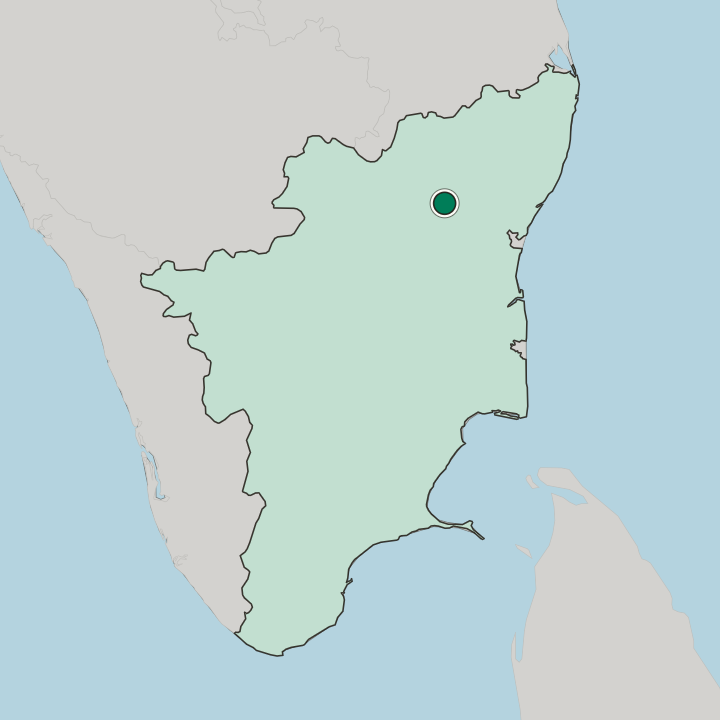
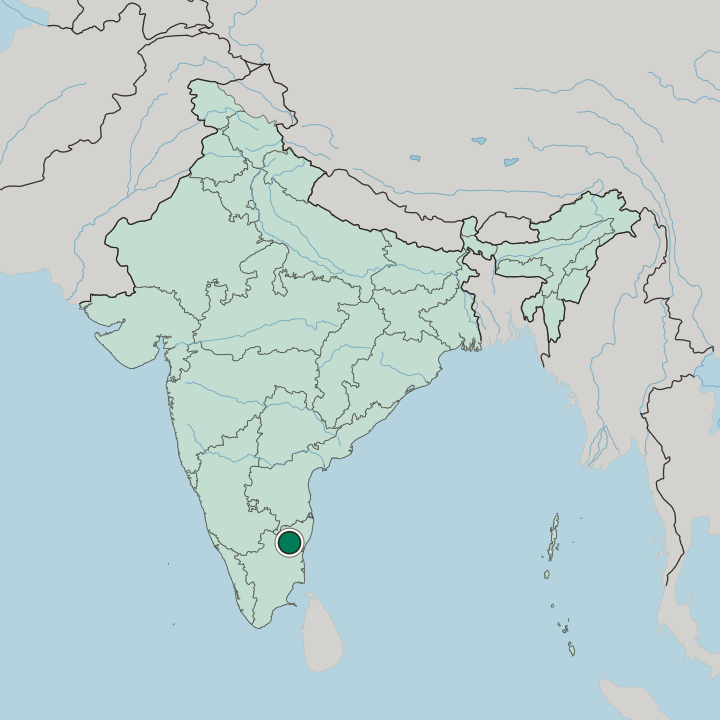
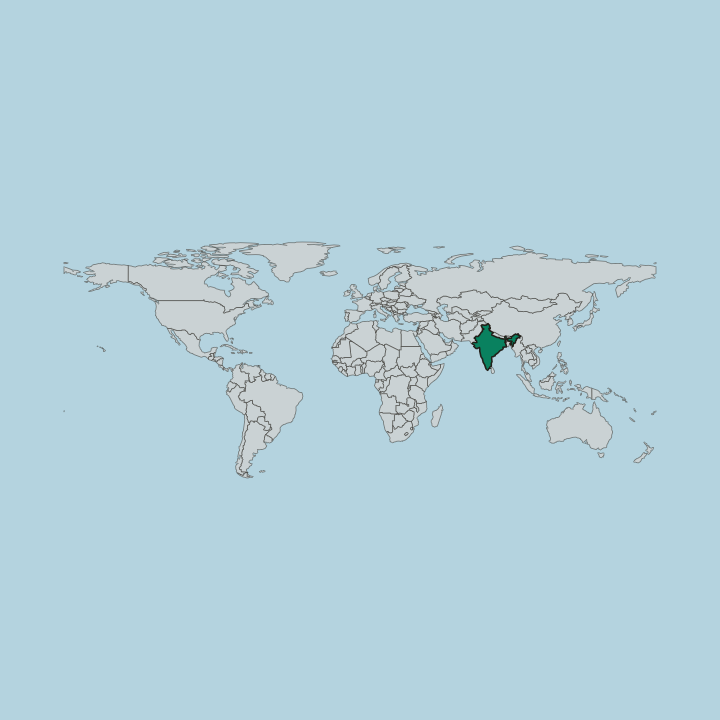
Tiruvannamalai lies on a plain at the foot of the Annamalai hill in Tamil Nadu, the rocky mass of Arunachala rising sharply above the town. The hill governs the land around it. Its slopes fall to open farmland across the surrounding Tiruvannamalai district, where the town serves as the administrative seat.
The Girivalam path rings the base. From the level ground the summit stands visible far across the plain.
What is the climate of Tiruvannamalai?
Tiruvannamalai has a hot tropical climate, warm to hot through most of the year on the Tamil plains. The dry season bakes hardest. Before the rains the bare rock of Arunachala takes the full weight of the sun, and the plain around the town turns parched and dusty.
Seasonal rains then green the fields below the Annamalai hill. Winters stay short and mild.
How do you get to Tiruvannamalai?
Tiruvannamalai is reached overland across the Tamil plains, most travellers arriving by road to the temple at the foot of Arunachala. Pilgrims come from every direction. Many fold the town into the wider circuit of the five Panchabhoota Stalams, linking it with Kalahasti, Tiruvanaikkal, Thiruvarur, and Chidambaram across the region.
The Girivalam route draws walkers to the hill. Roads converge on Tiruvannamalai as the seat of its district, funnelling traffic toward the Annamalai hill.
Common questions
What is the best area to stay in Tiruvannamalai?
Temple core around Annamalaiyar Temple: First-time pilgrims wanting Annamalaiyar Temple and the bazaar at the doorstep. Along the Girivalam path: Pilgrims walking the monthly Girivalam circuit around Arunachala. The foot of Arunachala: Quiet contemplative stays near the Paatala Linga and Ramana Maharishi.
Good for
More cities in State of Tamil Nādu
Updated September 2026