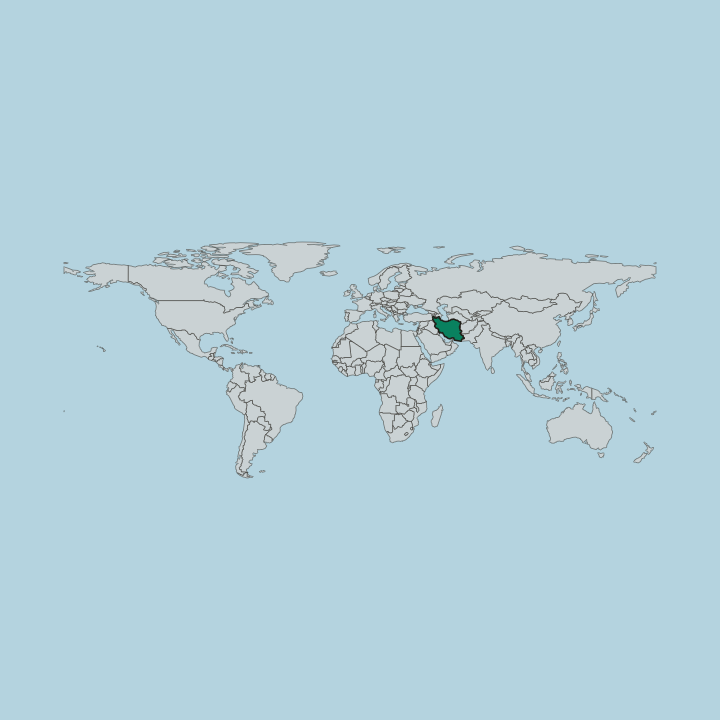
Iran · East Azerbaijan Province
Where to Stay in Tabriz, East Azerbaijan Province
Brick vaults run for kilometres through the Tabriz Bazaar, a covered market at the heart of Tabriz, capital of East Azerbaijan Province in northwest Iran.
Find your area →


Where to stay in Tabriz
The right area depends on your trip — here's what each neighbourhood is best for.
 TabrizIran
Maḩalleh-ye Charandāb
The Saat Tower and Behnam House anchor Maḩalleh-ye Charandāb, a quarter of Tabriz whose record runs almost entirely to named houses.Maḩalleh-ye Charandāb →TabrizIranMaḩalleh-ye Sheshgīlān
Maḩalleh-ye Sheshgīlān is one of Tabriz's oldest quarters, holding the Qari Bridge and Amir Nezam House at the middle of the city.Maḩalleh-ye Sheshgīlān →TabrizIranMaḩalleh-ye Selāb
Selāb is one of the old quarters in the north of Tabriz, and the name covers two of them, Selāb Qushkhaneh and Selāb Mollazeynal. Floods gave it the name.Maḩalleh-ye Selāb →Things to do in Tabriz
Ranked by global recognition; descriptions from Wikidata (CC0).
Museums & Galleries
3- Azerbaijan Museum Heritage
- Sound Museum (Tabriz) Heritage
- Measure Museum
Churches & Religious Sites
3- Saint Mary Church (Tabriz) Heritage
- Saint Sarkis Church (Tabriz) Heritage
- Shoghakat Church (Tabriz)
Castles & Historic Sites
7- Tabriz Bazaar UNESCO
- Saat Tower Heritage
- Behnam House Heritage
- Nickdel House Heritage
- Qadaki House Heritage
Show 2 more →
- Sedqiani House Heritage
- Salmasi House Heritage
Landmarks & Notable Places
5- Hariree house Heritage
- Parvin Etesami House Heritage
- Mohammad-Hossein Shahriar House Heritage
- Ali Monsieur Mansion Heritage
- Sharbatoghlu House Heritage
worth knowingacross 4 categories in Tabriz
About Tabriz
What is Tabriz known for?
Tabriz is known first for the Tabriz Bazaar, a roofed maze of brick corridors that trade carpets, gold, and spice. It anchors East Azerbaijan Province. As a long-standing hub for science and culture in Iran, it draws scholars to campuses that rank among the country's oldest, and the Azerbaijan Museum guards the region's antiquities.
The Maqbaratoshoara marks the graves of poets. Craft carries its name too. Rugs woven here reach far beyond northwestern Iran.
What are the main landmarks in Tabriz?
The main landmarks in Tabriz cluster around the Tabriz Bazaar, whose brick-vaulted corridors form the oldest built fabric in the city. The Saat Tower rises over the civic centre as a clock-crowned municipal hall, while the Azerbaijan Museum holds the province's archaeology. Poets rest at the Maqbaratoshoara.
Domestic heritage survives in the Behnam House and the Sedqiani House, and worship endures at the Catholic Church of Tabriz and the Armenian Saint Mary Church, two of the older Christian buildings among the city's mosques and shrines.
What is the history of Tabriz?
Tabriz carries signs of settlement reaching back some twenty-five centuries, one of the deepest continuous records among the cities of northwestern Iran. Its position on the routes between the Iranian plateau and the Caucasus made it a trading centre, and the Tabriz Bazaar grew as the working core of that commerce. Caravans passed through for centuries.
The covered market became one of the largest roofed trading complexes anywhere, its brick halls dedicated to carpets, jewellery, and cloth. Waves of empire left their mark on the surrounding province and its capital. The city served repeatedly as a royal seat and a provincial capital, and it drew scholars, poets, and craftsmen whose graves the Maqbaratoshoara now gathers in a single memorial ground.
Its role as a hub for science and culture in Iran took shape over these long generations. Later, a settled Christian minority raised churches beside the mosques and shrines, and buildings such as the Catholic Church of Tabriz and the Armenian Saint Mary Church record that shared presence. Domestic architecture from the merchant era survives in restored houses across the old quarters.
The Behnam House, with its painted rooms, stands among the finest of these preserved homes. The Azerbaijan Museum, opened to hold the antiquities of East Azerbaijan Province, anchors the modern study of that layered past. Together these threads explain why the city is read as a long-standing centre of trade, learning, and craft in the wider region.
Where is Tabriz?
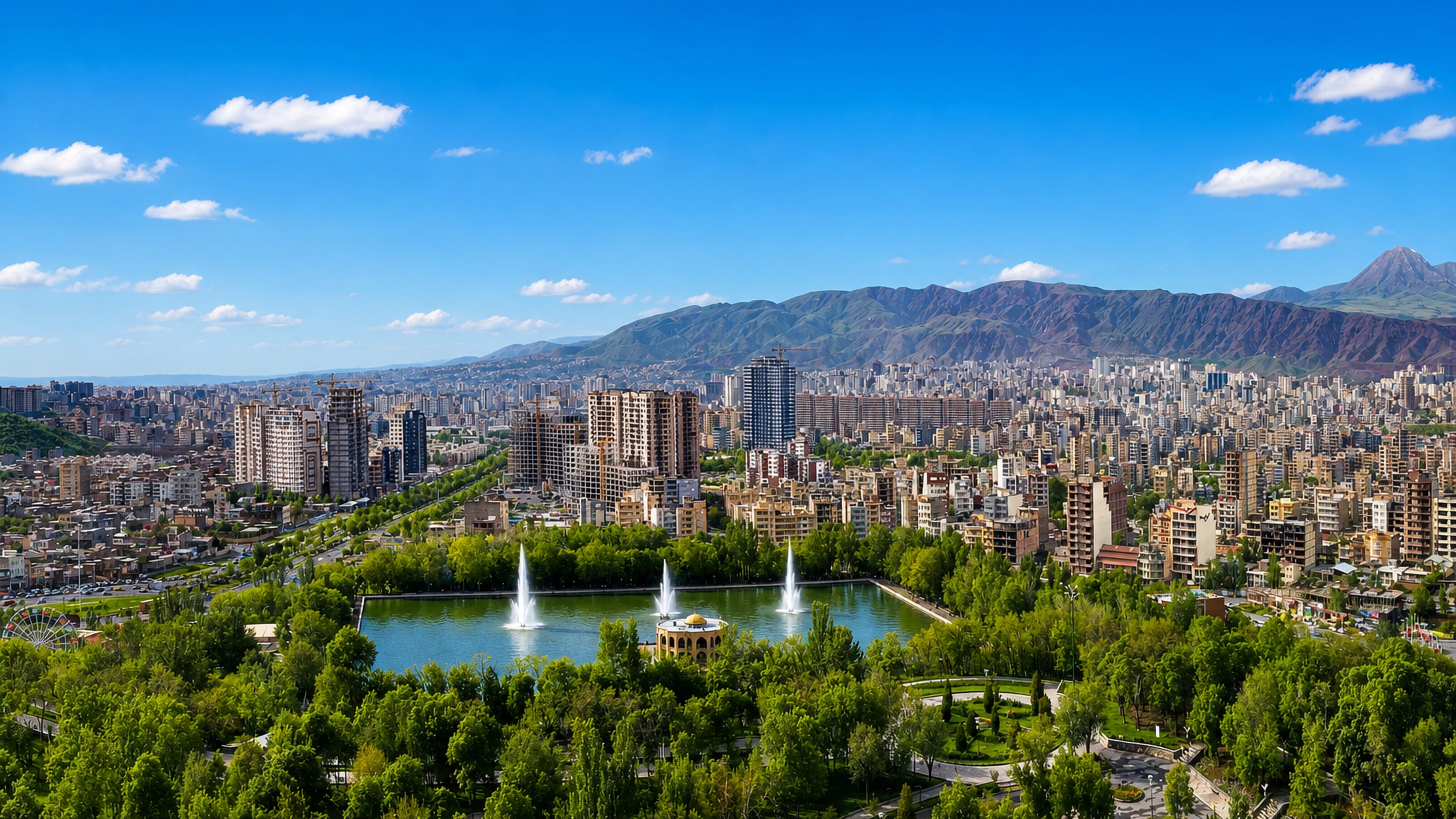
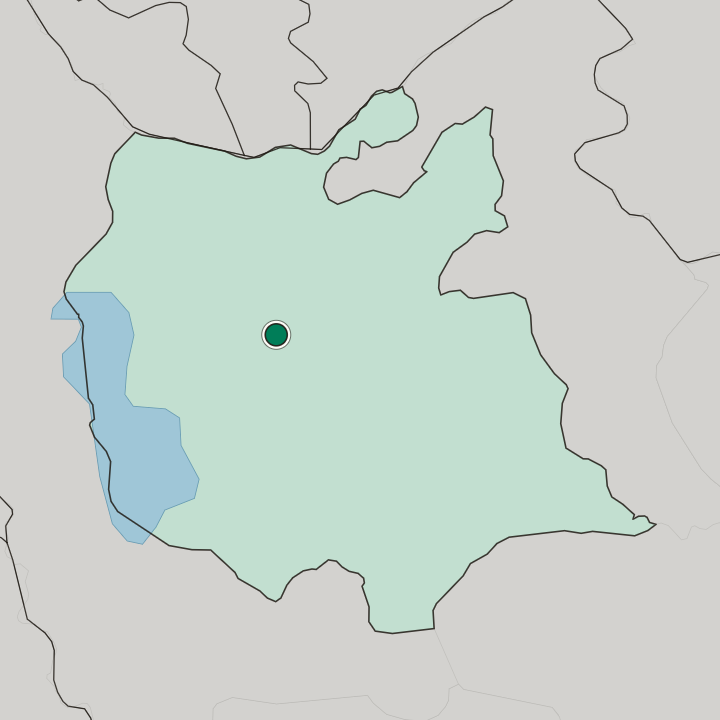
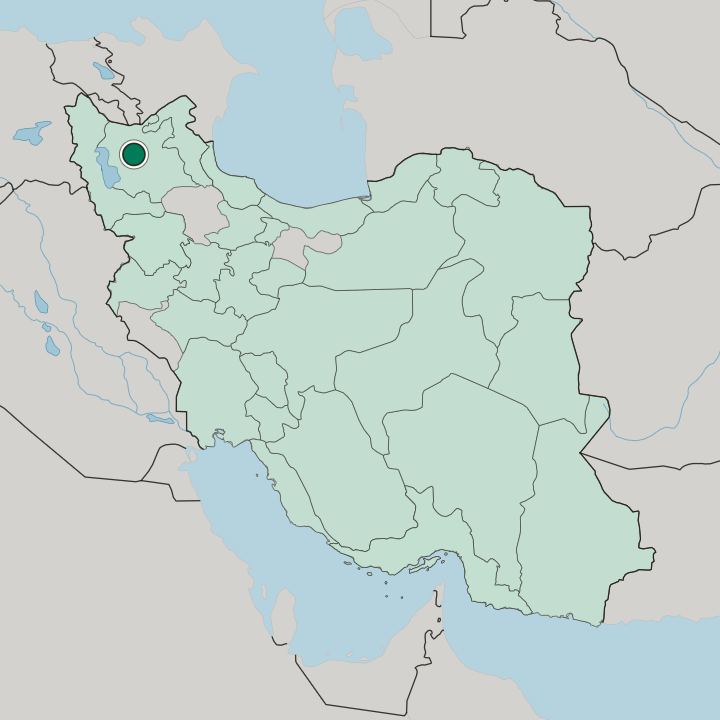
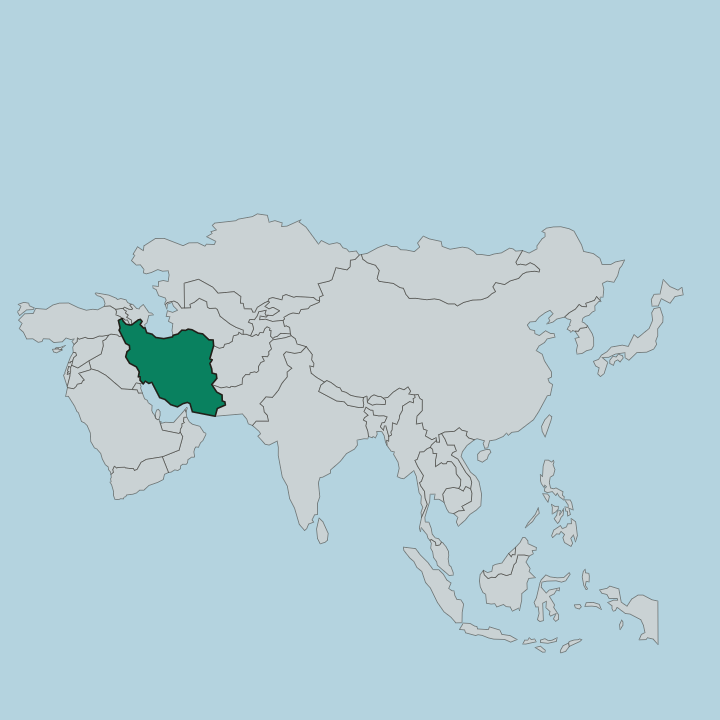
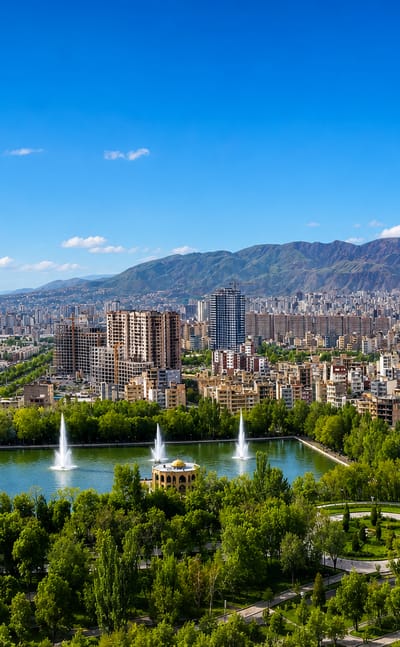
Tabriz lies in northwestern Iran, the capital of East Azerbaijan Province and its largest city. The urban area spreads across a broad valley ringed by high ground, the ridges that separate the Iranian plateau from the lands toward the Caucasus. Mountains frame the horizon.
That upland setting shapes the approach roads and the flow of the old caravan routes that the Tabriz Bazaar once served. The city sits well inland, distant from any sea, within the province it governs from a position among the northern reaches of Iran.
What is the climate of Tabriz?
Tabriz has a dry, temperate climate set by its high inland valley in northwestern Iran. Winters run cold and often snowy across East Azerbaijan Province, with frost settling in the surrounding ridges. Summers turn hot and arid.
The elevation tempers the worst of the heat, so evenings cool quickly once the sun drops behind the mountains, and spring and autumn bring the mildest stretches for walking the Tabriz Bazaar and the museum quarter.
How do you get to Tabriz?
Tabriz is the transport hub of East Azerbaijan Province, reached by air, rail, and road from across Iran. An airport on the edge of the city links it to the capital and other national centres, while the railway ties it into the network running toward Tehran and the northwestern border. Long-distance coaches serve the terminals daily.
From the arrival points, taxis and the local metro carry visitors to the Tabriz Bazaar and the museum district, most of which sit close enough to explore on foot once you reach the old core.
Good for
More cities in East Azerbaijan Province
Updated September 2026