Iran
East Azerbaijan Province, Iran — Towns & Travel Guide
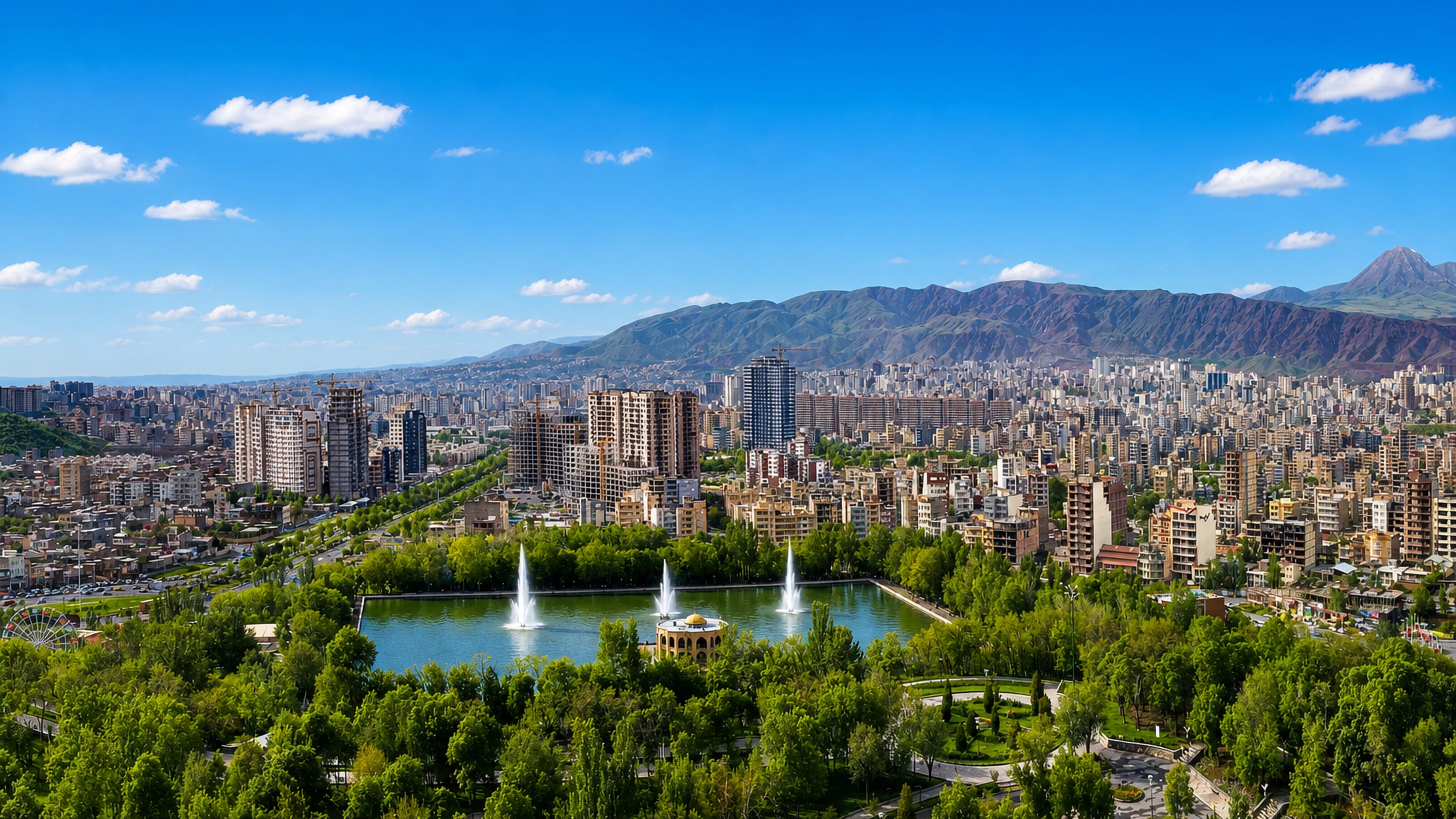
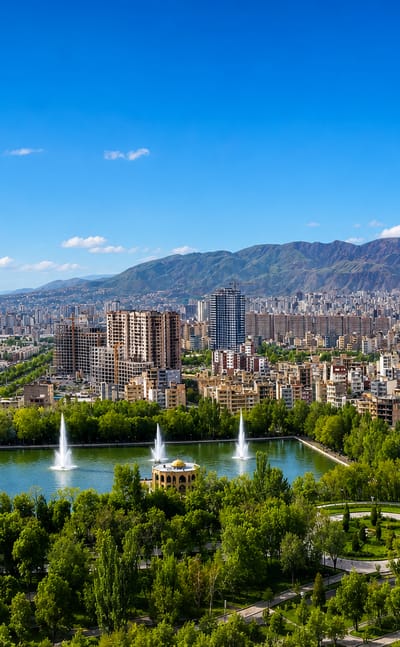
East Azerbaijan is a mountainous province of north-western Iran, its capital Tabriz spread across a high plain below the volcanic cone of Sahand.
Find your area →


Towns & cities in East Azerbaijan Province
Pick a town or city — each links to where to stay.
 Iran
Iran
Tabriz
Brick vaults run for kilometres through the Tabriz Bazaar, a covered market at the heart of Tabriz, capital of East Azerbaijan Province in northwest Iran.Where to stay →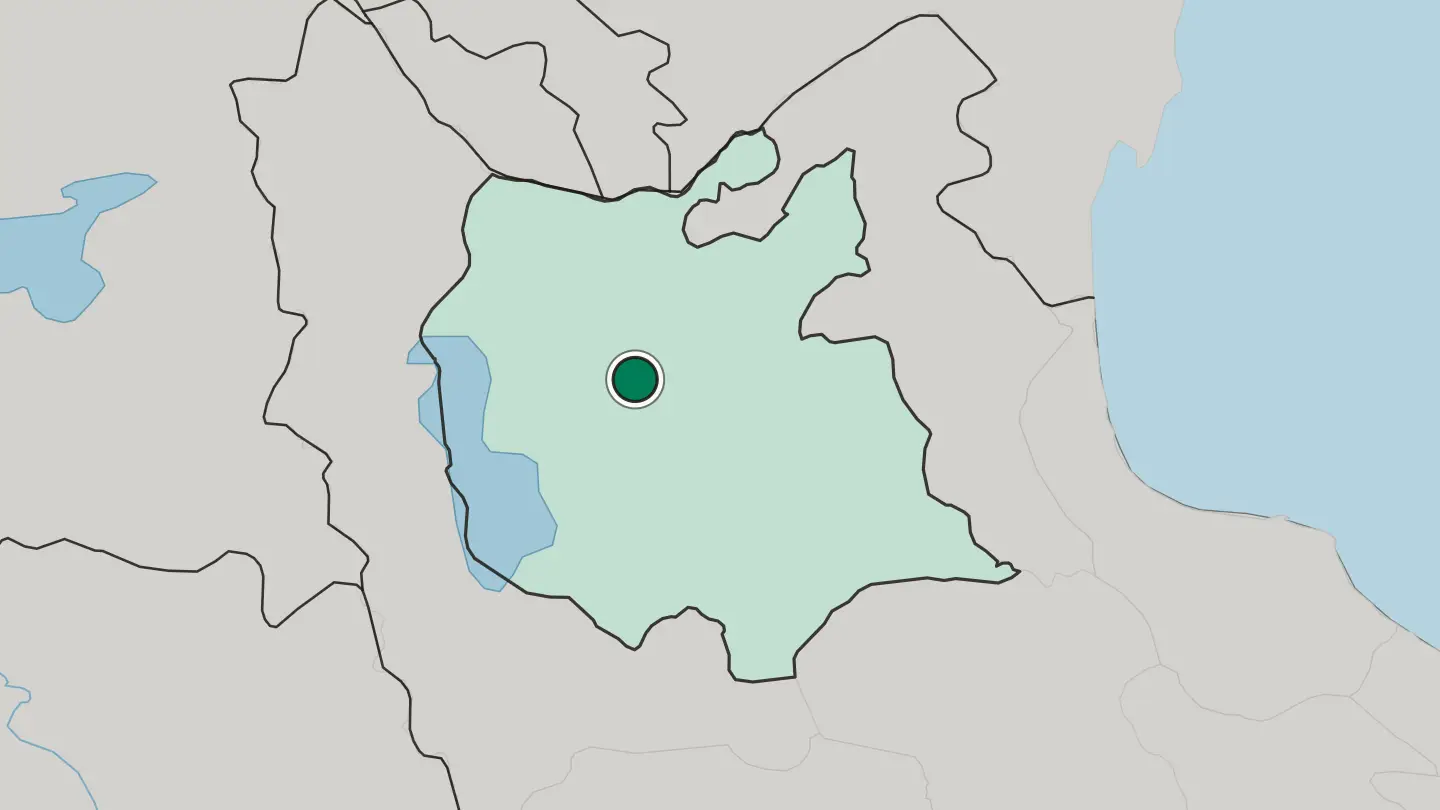
 Iran
Iran
Marāgheh
Maragheh is a historic city of northwestern Iran below Mount Sahand, famed for its medieval observatory and its brick tomb towers.Where to stay →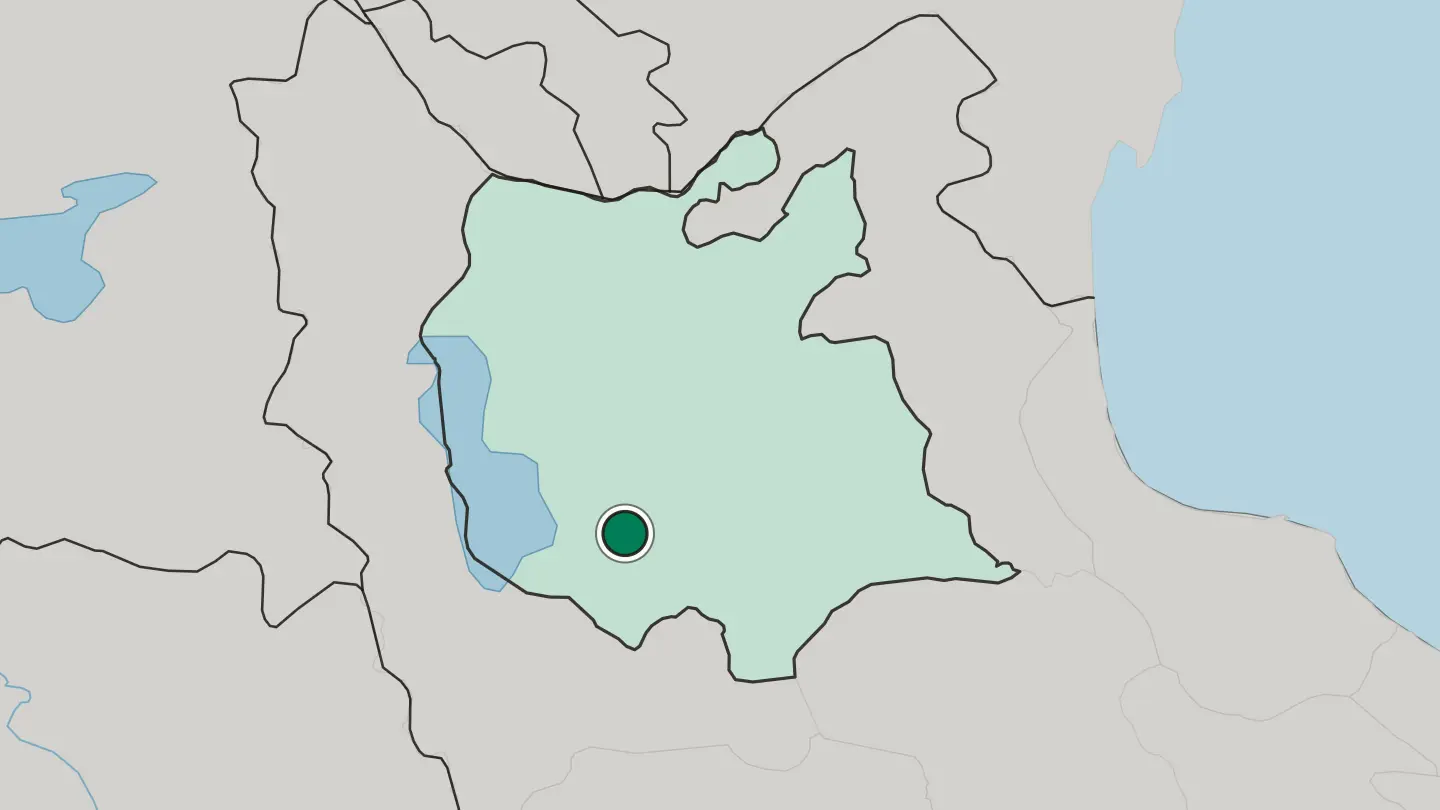
 Iran
Iran
Mīāneh
Mīāneh is the seat of Mianeh County in East Azerbaijan province, Iran, and the fourth city of that province by size.Where to stay →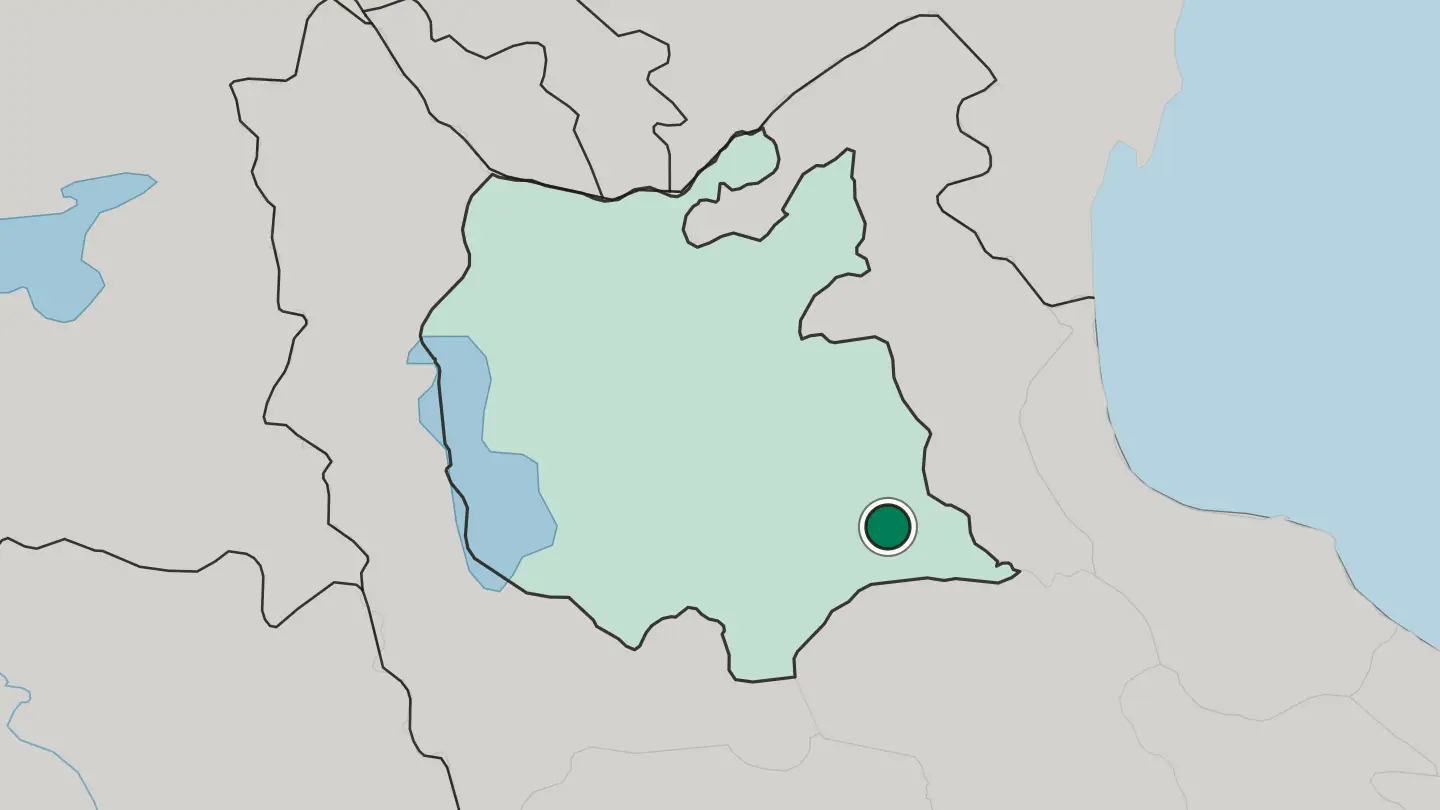
 Iran
Iran
Marand
Marand governs Marand County from within East Azerbaijan province in Iran, and heads the Central District that county keeps at its core.Where to stay →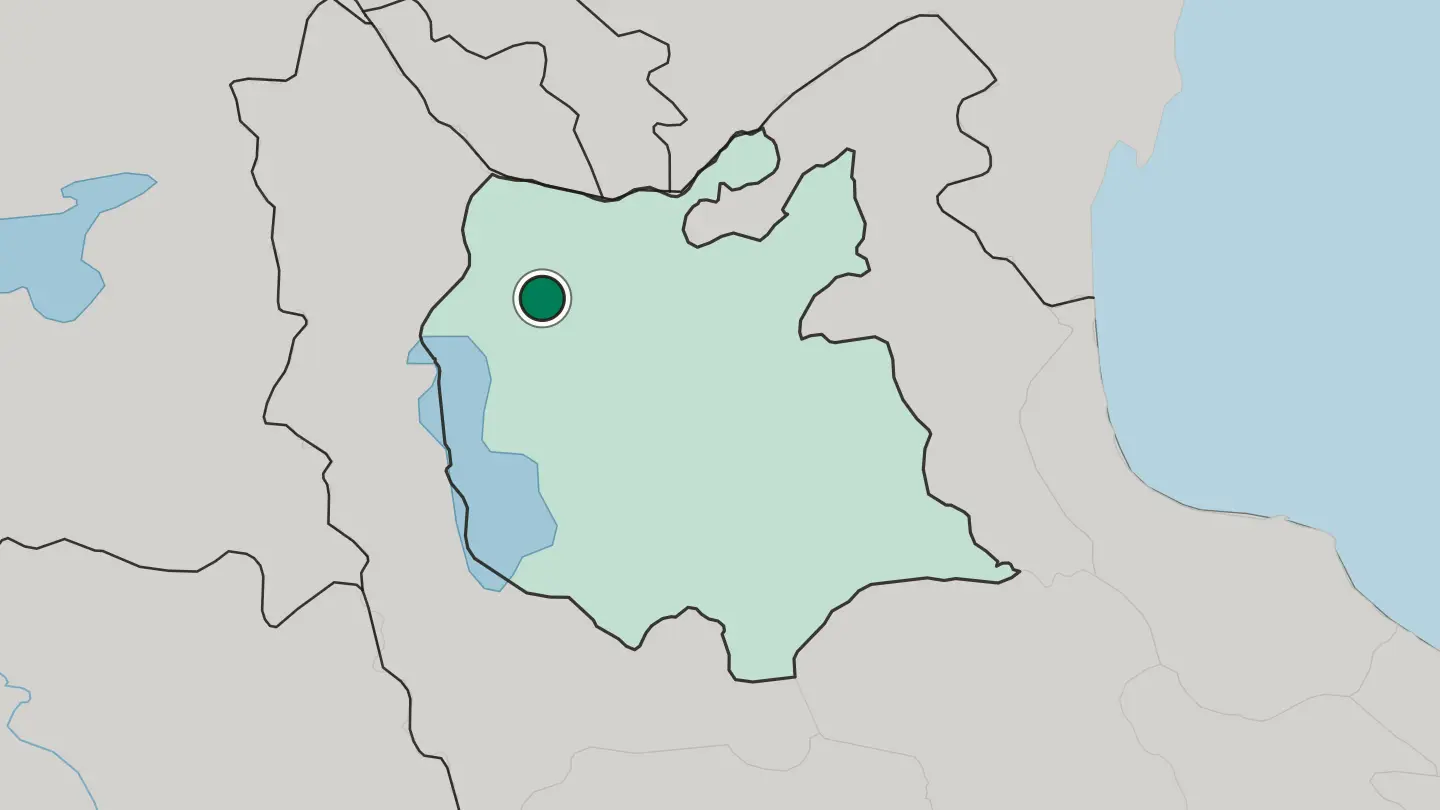 Iran
Iran
Ahar
Ahar ruled the Karadag Khanate in the 18th and 19th centuries and now heads Ahar County in East Azerbaijan province, with six listed buildings.Where to stay →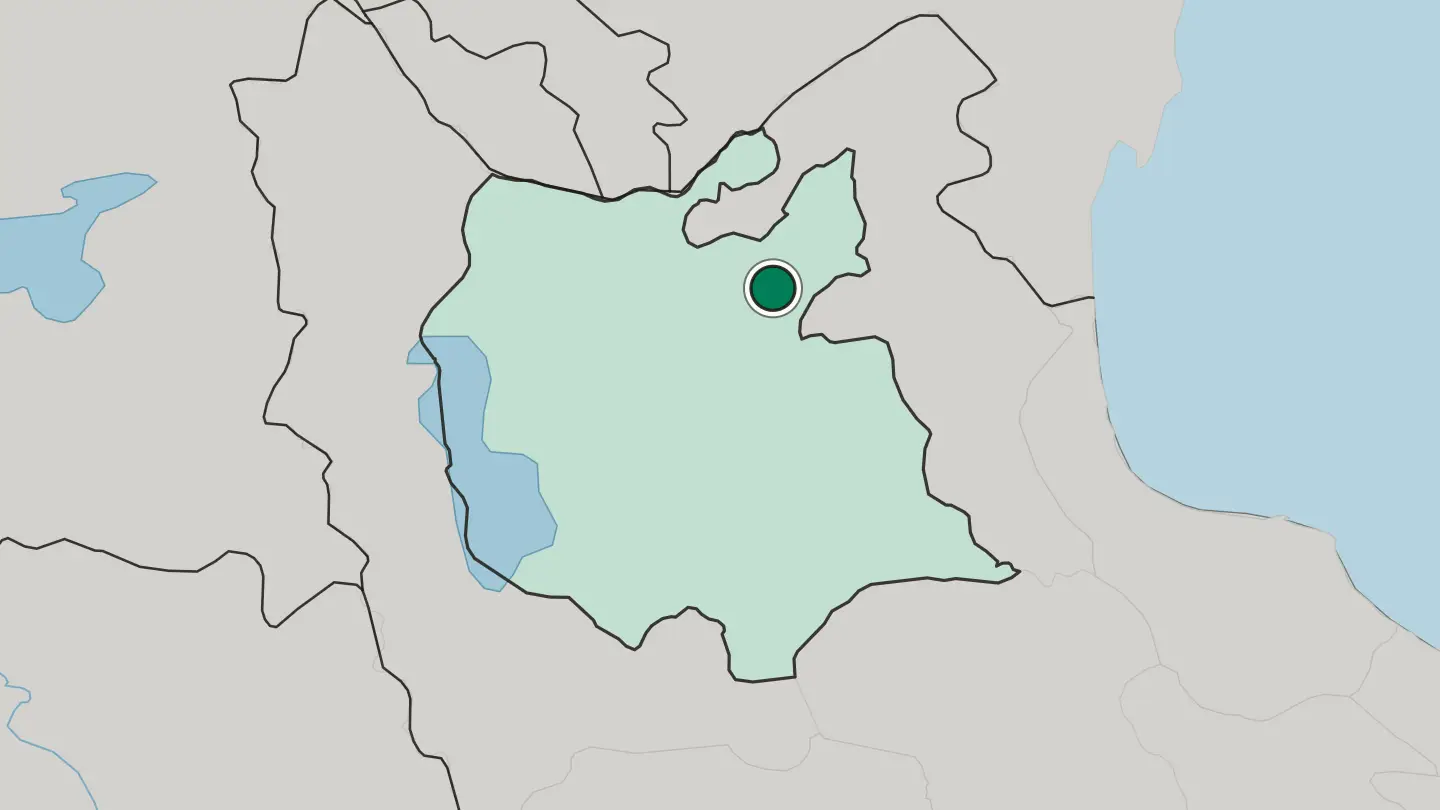
About East Azerbaijan Province
Two things define the province: Tabriz and its carpets.
What is East Azerbaijan Province known for?
The capital's covered bazaar, a labyrinth of brick vaults that carried Silk Road trade for centuries, is inscribed by UNESCO and remains the commercial heart of the region, and the looms of Tabriz still weave the bulk of Iran's carpet exports. South of the city stand the beehive-shaped rock houses of Kandovan, carved into ash cones on the flank of Sahand. Azerbaijani is the everyday tongue in the streets and teahouses.
A Turkic corner of Persia.
Where is East Azerbaijan Province?
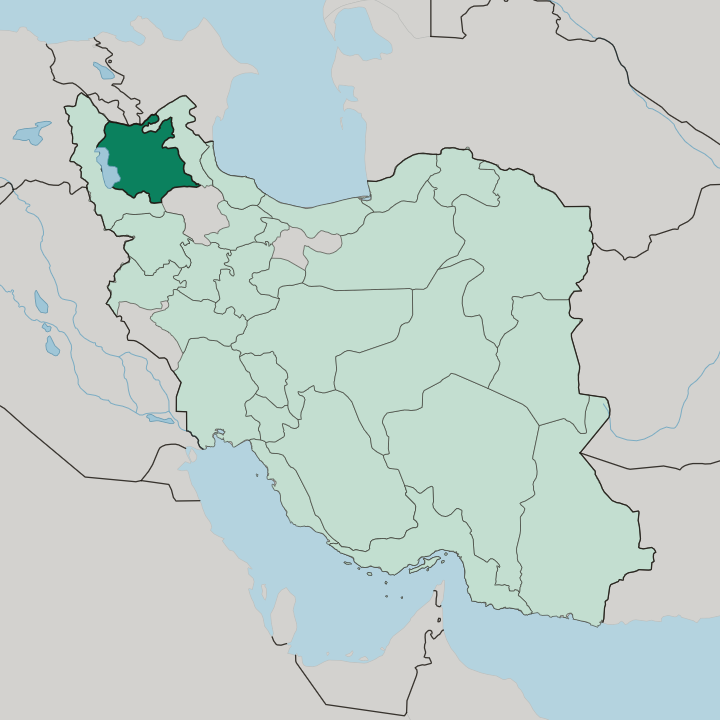
East Azerbaijan fills the far north-west of Iran, hard against the Caucasus frontier. The Aras River draws much of its northern edge, and across that water lie Armenia and the Republic of Azerbaijan. West Azerbaijan Province adjoins it on the west, where the two share the salt basin of Lake Urmia; Ardabil Province lies to the east and Zanjan Province to the south. This is high country.
Most of the province sits well above the surrounding lowlands, a plateau of ridges, river valleys and old volcanic cones. Tabriz, the capital, spreads across a plain in the Quru River valley, ringed by mountains on three sides and sloping westward toward the drying shore of Lake Urmia. The volcanic mass of Sahand rises to the south, its ash slopes holding the cave village of Kandovan, while the bare Eynali ridge screens the city on the north.
Northward the land breaks into the wooded gorges of Arasbaran, a biosphere reserve above the Aras. Rivers run short and seasonal here. They gather off the mountains and drain toward Urmia or north to the Aras, cutting the valleys that carry the province's roads and its towns.
What is East Azerbaijan Province like?
The province speaks Azerbaijani, a Turkic language of the Oghuz branch, and that sets its daily life apart from the Persian-speaking centre of Iran. Persian remains the language of school and state, so most people move between the two. The poet Mohammad-Hossein Shahriar, born in Tabriz, wrote his best-loved verse not in Persian but in his mother tongue, and his long poem Heydar Baba is recited across the whole Azerbaijani world.
Tea is the social glue. Samovars steam in the bazaar teahouses, and conversation runs long over small glasses. Craft defines the region as much as language.
Looms in Tabriz and the villages around it produce the dense, medallion-patterned carpets that carry the city's name to markets abroad. The table leans on the same inheritance: kufteh Tabrizi, a giant stuffed meatball, sits at the centre of it, alongside herb stews and stuffed vine leaves. Politics run through the story too.
Tabriz was the cradle of Iran's Constitutional Revolution, where Sattar Khan led the city's resistance in the early twentieth century, and that memory of defiance still colours how the province sees itself.
What is the history of East Azerbaijan Province?
The province's name reaches back to Atropates, a satrap who held this land after the death of Alexander and gave his realm the enduring name of Atropatene. Tabriz later grew rich on Silk Road trade. Under the Mongol Ilkhanids, the astronomer Nasir al-Din al-Tusi built the Maragheh Observatory in 1259, one of the medieval world's great research institutions.
Modern history turned sharp in 1945, when a Soviet-backed government rose in Tabriz and fell a year later under pressure from Tehran. Tabriz stood at the crossroads.
What is the climate of East Azerbaijan Province?
Around Tabriz, height decides how cold or hot the day turns. Tabriz has a cold semi-arid climate that shades into a continental one, so winters bite hard and summers turn hot and dry. Snow falls heavily from the Sahand peaks down onto the plain, and the deep cold can hold for weeks.
Rain and snow together bring only a modest total across the year, most of it in the cold months and spring. Spring and autumn are the kind seasons, clear and temperate before the heat or the freeze returns. The mountains keep it dry.
How do you get to East Azerbaijan Province?
Nearly every arrival comes via Tabriz. The city's airport, the only international one in the province, connects to Tehran and other Iranian cities and runs flights to Istanbul, Baku and Tbilisi. A railway climbs from Tehran up to Tabriz, and the line has long pushed north toward the border at Jolfa.
Roads cross the surrounding mountains from every neighbouring province, and the crossing at Jolfa opens toward the Republic of Azerbaijan. The rest is a short drive. Winter snow can shut the Sahand passes for days.
Common questions
What is the best area to stay in East Azerbaijan Province?
Tabriz: a first base beside the Tabriz bazaar. Maragheh: the medieval observatory and tomb towers.
Good for
More regions in Iran
Updated September 2026